Budget Speech by the Financial Secretary (5)
Enhancing Industries with Competitive Edge
Click to Gallery
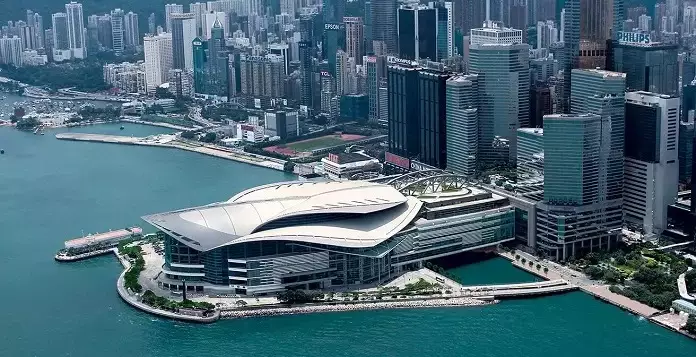
Hong Kong Convention and Exhibition Centre, Photo source: reference image
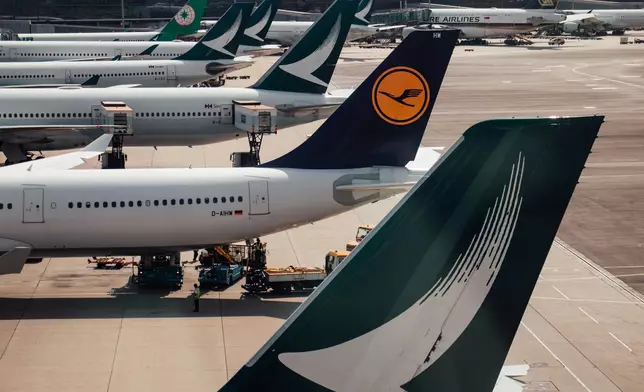
Photo source: reference image
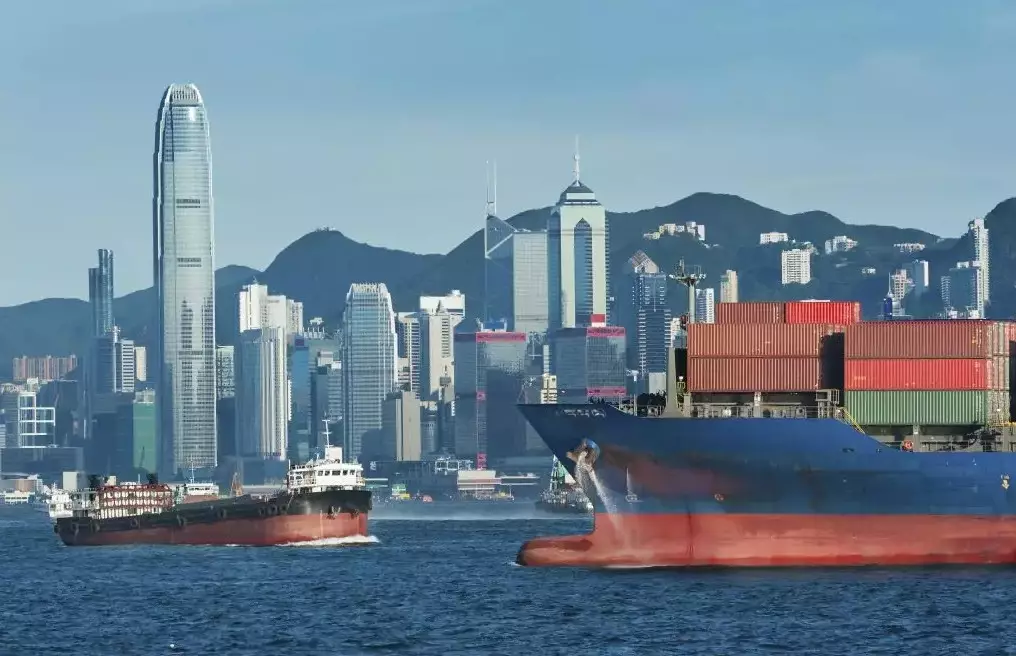
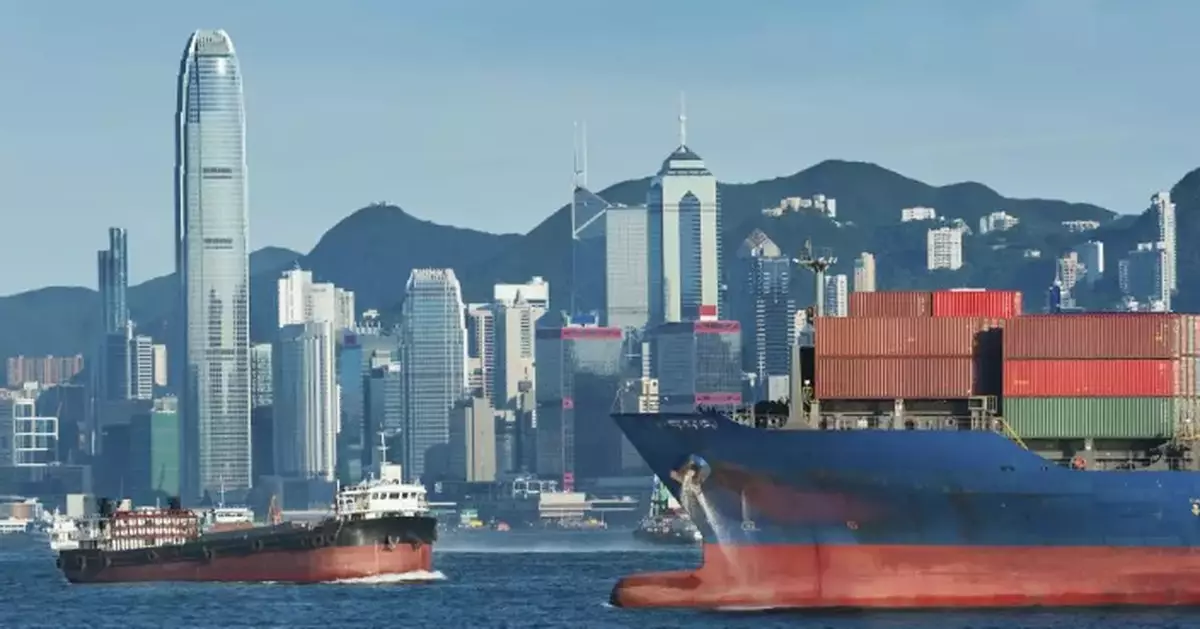
The maritime services in Hong Kong, Photo source: reference image
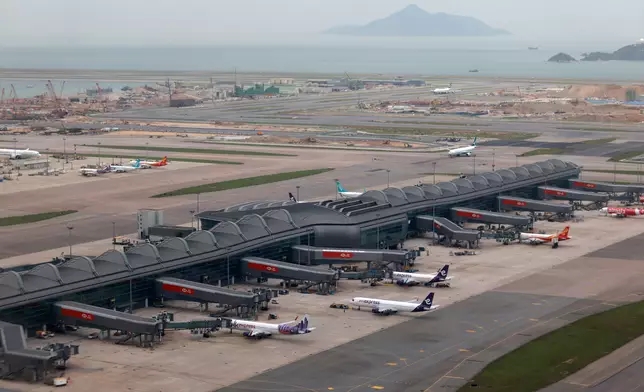
Photo source: reference image
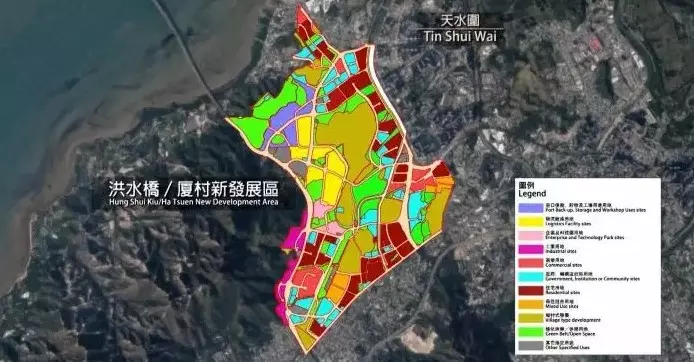
The Hung Shui Kiu/Ha Tsuen New Development Area, Photo source; the official website of LandsD
122. The Recommendations, apart from further reinforcing Hong Kong's strategic position, support us to consolidate and enhance industries with competitive edge.
International Trade Centre
123. Facing a complicated and ever-changing geopolitical and economic landscape, we will consolidate and enhance our status as an international trade centre on all fronts through a series of policy initiatives.
Expand Commercial and Trade Network
124. Hong Kong will strengthen its role as the functional node for the Belt and Road (B&R) Initiative. We will collaborate with industry players to further develop the ASEAN and Middle East markets, and explore the potential of Central Asia, South Asia and North Africa markets. Meanwhile, we will forge more free trade agreements and investment agreements (IAs). We have concluded negotiations of IAs with Qatar, Bangladesh and Peru respectively, and are exploring the signing of new IAs with Saudi Arabia and Egypt.
125. Hong Kong has so far signed a total of 55 Comprehensive Avoidance of Double Taxation Agreements (CDTA), including those signed with Jordan, Maldives, Norway and Rwanda last year. We will further expand our CDTA network.
126. We will continue reaching out to relevant authorities in B&R regions to seek more project matching opportunities for Hong Kong enterprises and professional services, while encouraging and assisting external organisations to stage roadshows in Hong Kong. Outbound missions and project-matching activities will also be organised to promote our professional services.
Attract Enterprises and Investment
127. To further attract enterprises to set up in Hong Kong, last year's Policy Address announced that we would formulate preferential policy packages to promote industries and investment.
128. We have formulated a preliminary framework, which would take into account a series of factors, including the enterprise's industry and its technology level, as well as the potential economic contributions and employment opportunities it can bring to Hong Kong. Policy tools include land grant arrangements, financial subsidies and tax incentives. The preferential tax rates will be half-rate or five per cent. We will introduce an amendment bill this year.
129. Tax policy is a key component to economic competitiveness. In view of the evolving global tax environment in recent years, I will establish and chair an Advisory Committee on Tax Policy to gather views widely from commercial, industrial and professional sectors, so that Hong Kong's tax policy can reinforce economic development.
Support Mainland Enterprises in Going Global
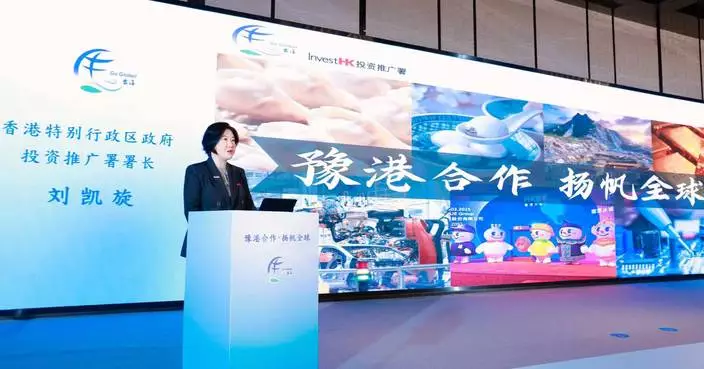
130. As our country is advancing with high-level, two-way opening-up, more Mainland enterprises are actively expanding overseas markets. The Task Force on Supporting Mainland Enterprises in Going Global (GoGlobal Task Force) will organise promotional activities to attract Mainland enterprises to venture into global markets through Hong Kong. We will also set up a cross-sectoral professional services platform, bringing together Hong Kong's professional services providers in the field of legal services, accounting, financial services, testing and certification, marketing, etc. to support enterprises going global.
Support Local Enterprises
131. The growing popularity of online shopping and changing consumption patterns have posed challenges to some sectors. The Government is enhancing various measures to strengthen the competitiveness of SMEs.
132. The Dedicated Fund on Branding, Upgrading and Domestic Sales (BUD Fund) has been well-received by enterprises. The Government will inject $200 million into the fund, raise the funding ceiling of "Easy BUD" to $150,000 per application, and provide more targeted funding support for enterprises in AI application.
133. The Hong Kong Export Credit Insurance Corporation will introduce a pilot scheme this year to provide protection for SMEs engaging in exports with higher-risk buyers.
134. The Government will continue providing loan guarantees to enterprises through the SME Financing Guarantee Scheme. We have extended the application period for the 80% Guarantee Product to the end of March 2028 and also extended the application period for the principal moratorium arrangement to mid-November this year. The total loan guarantee commitment under the Scheme will increase by $20 billion.
135. Hong Kong's food industry can leverage its reputation for quality to further expand into the Mainland and international markets. We will continue seeking market access and simplified customs arrangements of the Mainland for a wider range of local food products. The Centre for Food Safety will waive the fees related to the certification of food products for two years. Besides, we will introduce a new unified brand for local agricultural and fisheries products in the middle of this year, supported by a certification, testing and traceability mechanism.
Convention and Exhibition Industry
Hong Kong Convention and Exhibition Centre, Photo source: reference image
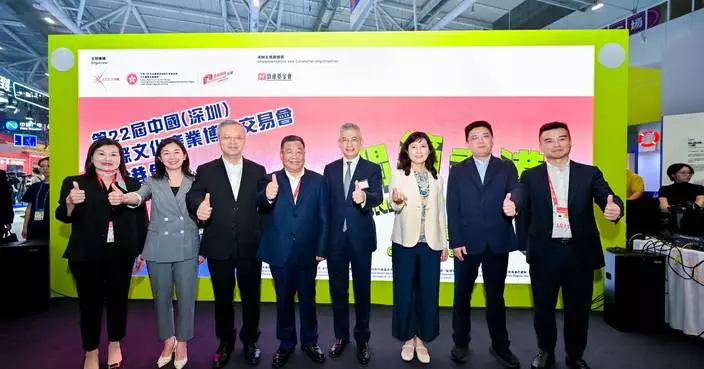
136. To promote further development of the exhibition industry and brand building as an international convention and exhibition hub, the Government will earmark $100 million for attracting large-scale international exhibitions with new elements to Hong Kong through collaborating with relevant organisations on a pilot basis. Our objective is to develop Hong Kong into the first-choice platform for showcasing Mainland and international brands, while attracting high-spending business visitors to Hong Kong and driving high value-added economic activities.
International Aviation Hub
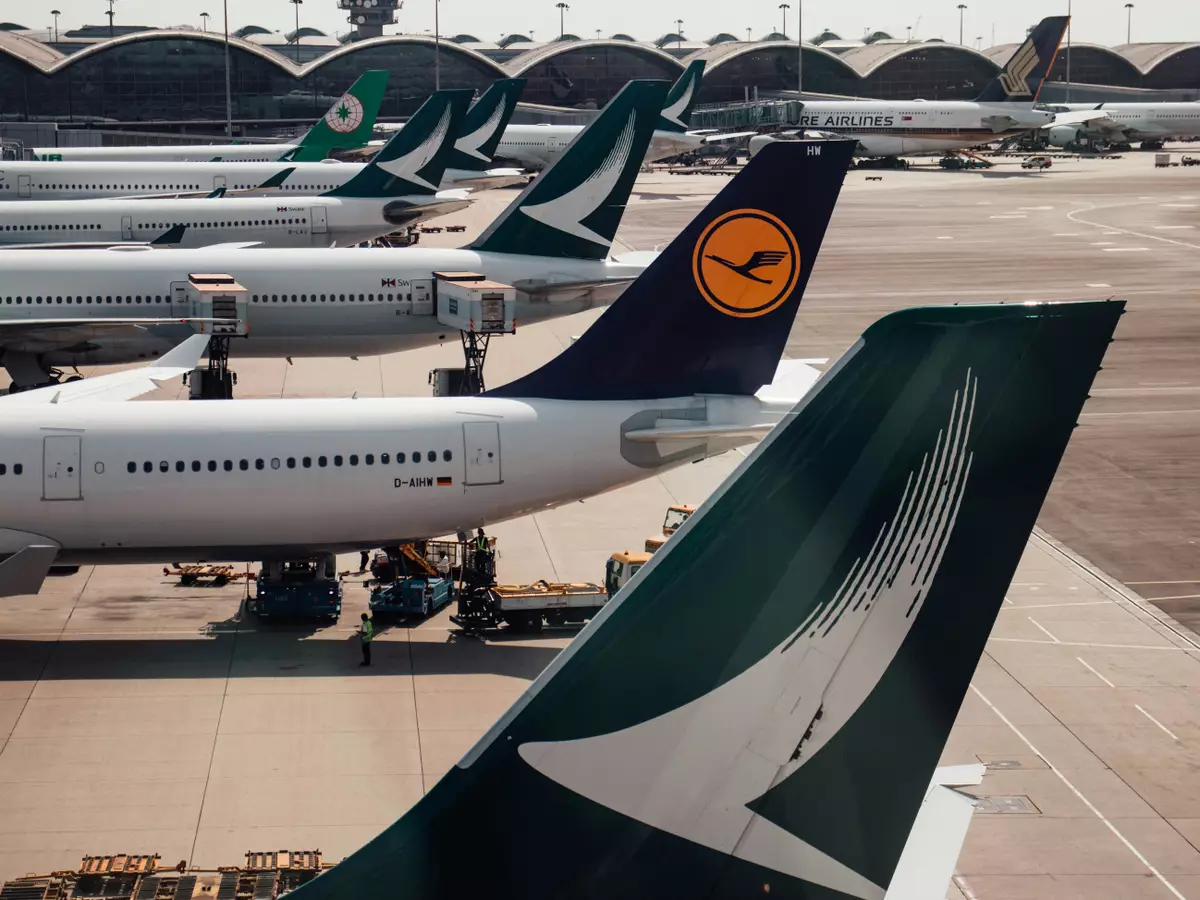
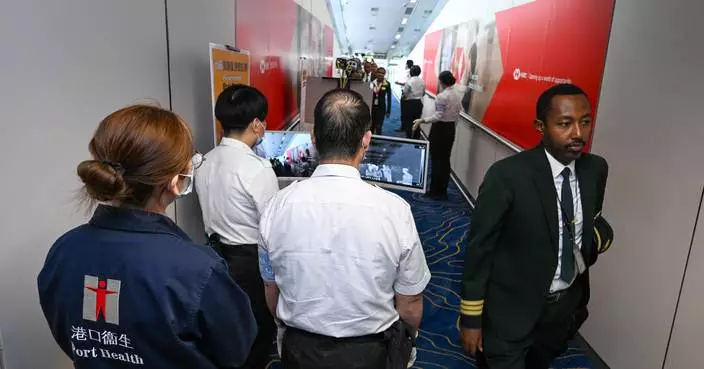
Photo source: reference image
137. The Hong Kong International Airport (HKIA) is the world's busiest cargo airport. Its cargo throughput exceeded five million tonnes last year; and its passenger throughput reached 61 million, marking a year-on-year increase of nearly 15 per cent. We will strive to enter into new air services agreements and expand traffic rights with regions demonstrating development potential, such as the Middle East, Central Asia, Africa and South America, so as to further enhance Hong Kong's competitiveness as an international aviation hub.
138. The new passenger departure facilities at Terminal 2 of HKIA are scheduled to commence operations in May, which will substantially enhance the airport's overall capacity.
Airport City
139. The Airport Authority Hong Kong (AAHK) is proactively attracting businesses and investment to develop Airport City SKYTOPIA into a world-class landmark. Relevant developments include the AsiaWorld-Expo Phase 2, art storage facilities and the Yacht Bay, etc.
Aircraft Parts Processing and Trading Centre
140. The AAHK is pressing ahead with a leading overseas aircraft services company to provide professional services such as aircraft dismantling and parts recycling in Hong Kong, thereby developing Hong Kong into the first aircraft parts processing and trading centre in Asia.
Co-operation in Transport and Logistics
Collaborate with airports in the Greater Bay Area
141. Since the launch of the direct passenger service from Zhuhai to Hong Kong for passengers taking flights at HKIA, over 100 000 passenger trips have been made. The AAHK will step up promotion while enhancing the connectivity between Zhuhai Airport and the HKIA to encourage more travellers using the service.
Sea-Air Intermodal Cargo Transhipment Mode
142. The sea-air intermodal cargo transhipment mode operated by the AAHK in collaboration with Dongguan has attracted the participation of 27 airlines and 140 logistics companies. In addition, the construction of the intermodal pier under Phase 1 of the HKIA Dongguan Logistics Park has been completed. The remaining works are expected to complete within this year, targeted for commissioning in the first half of next year.
International Maritime Centre
143. Hong Kong will further align with the national maritime strategic development, and elevate our status as an international maritime centre. Meanwhile, we are striving to promote smart logistics and digital transformation in the industry, while expanding our cargo hinterland to secure more transhipment cargo.
Smart Port
The maritime services in Hong Kong, Photo source: reference image
144. The newly launched Port Community System (PCS) provides real-time tracking of sea, land and air cargo, fostering free flow of information among different industries. In addition, the PCS and Guangdong e-Port are connected to provide value-added services such as One-Data-Multiple-Declarations. More than 3 000 companies have registered with the PCS. We will continue leveraging the data provided by the PCS to bring greater values to the industry.
High Value-Added Maritime Services
145. We will introduce an amendment bill in the first half of this year to enhance tax concession measures for the maritime service industry and provide a half-rate tax concession to eligible commodities traders. All these will further promote the development of high value-added maritime services in Hong Kong.
146. To consolidate Hong Kong's premier position in ship registration, we will introduce an amendment bill this year to revamp the existing ship registration arrangements, including permitting dual registration arrangement to cater for the diverse operating models of international maritime enterprises.
Hong Kong Maritime Week
147. This year marks the 10th anniversary of the Hong Kong Maritime Week. We will organise more large-scale forums and seminars in collaboration with different international maritime organisations, with a view to enhancing Hong Kong's influence as an international maritime centre.
Green Shipping
Develop a Green Maritime Fuel Bunkering Centre
148. To develop Hong Kong into a green maritime fuel bunkering and trading centre, the Government will provide port dues concessions for vessels powered by green fuel as well as those carrying green fuels to attract more vessels to bunker green fuel in Hong Kong. An incentive scheme will also be launched for green vessels registered in Hong Kong to encourage green transformation of Hong Kong fleets. All these involve government subsidies of around $34 million. The Government will take forward a legislative amendment exercise this year to provide more anchorages for green maritime fuel bunkering operations.
Synergy of Financial and Maritime Services
149. The international maritime industry is undergoing green transformation. Substantial capital investments are needed for building new green vessels or retrofitting existing ones. Hong Kong will leverage our strengths to promote the co-development of financial and maritime centres.
Open up New Cargo Sources
150. We are fully committed to establishing a comprehensive "rail-sea-land-river" intermodal transport system connecting the inland region, striving to channel more inland cargo for export through Hong Kong. The relevant legislation will be amended within this year to extend the current arrangements under the Air Transhipment Cargo Exemption Scheme to other sea transhipment and sea-air transhipment modes.
Smart Logistics
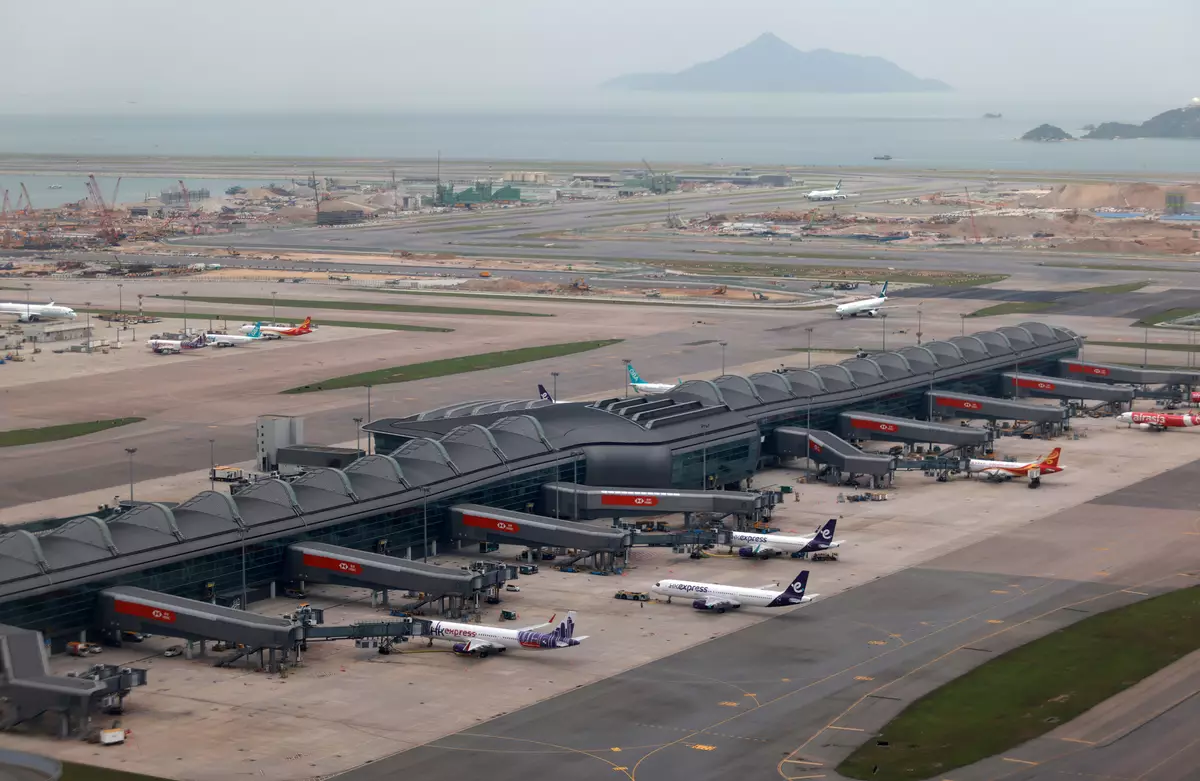
Photo source: reference image
151. To develop Hong Kong into an international smart logistics hub, the Government will launch the Future Innovative Logistics Acceleration Scheme this year to drive the transformation of the industry and enhance the interconnectivity of logistics data, with a view to increasing the competitiveness of the logistics industry.
Modern Logistics Cluster
The Hung Shui Kiu/Ha Tsuen New Development Area, Photo source; the official website of LandsD
152. The Hung Shui Kiu/Ha Tsuen New Development Area is connected with the Qianhai Co-operation Zone and will become the centre for modern services in the NM. The Government has reserved about 32 hectares of land for developing a modern logistics cluster and will invite expressions of interest from the industry for the development of the first site this year.