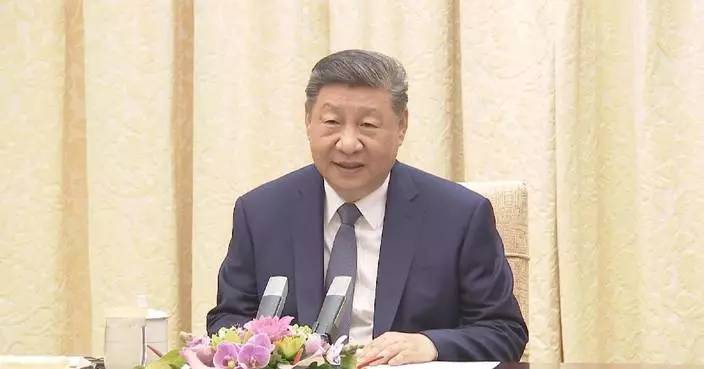
China's top legislature started a regular session on Wednesday in Beijing to review a raft of bills, including draft laws and reports.
Zhao Leji, chairman of the 14th National People's Congress (NPC) Standing Committee, presided over the first plenary meeting of the committee's 21st session.
Lawmakers reviewed a slew of documents, including a draft law on social assistance, a draft fire and rescue personnel law, and deliberated draft amendment to the law on certified public accountants.
They also reviewed a draft report on the NPC Standing Committee's work, a draft agenda for the fourth session of the 14th NPC, a draft list of people considered for the presidium and the secretary-general, and a draft list of non-voting delegates, among others.
Lawmakers heard a report on deputy qualifications and reviewed personnel-related bills.
The Council of Chairpersons of the NPC Standing Committee convened a meeting on the same day during the ongoing session of China's top legislature.
The meeting was presided over by Zhao.
The senior lawmakers heard reports on a draft agenda for the fourth session of the 14th NPC, a draft list of people considered for the presidium and the secretary-general, and a draft list of non-voting delegates.
They also heard reports on deputy qualifications and deliberations over personnel-related bills, among others.
The meeting decided to submit these drafts to the NPC Standing Committee session for deliberation.
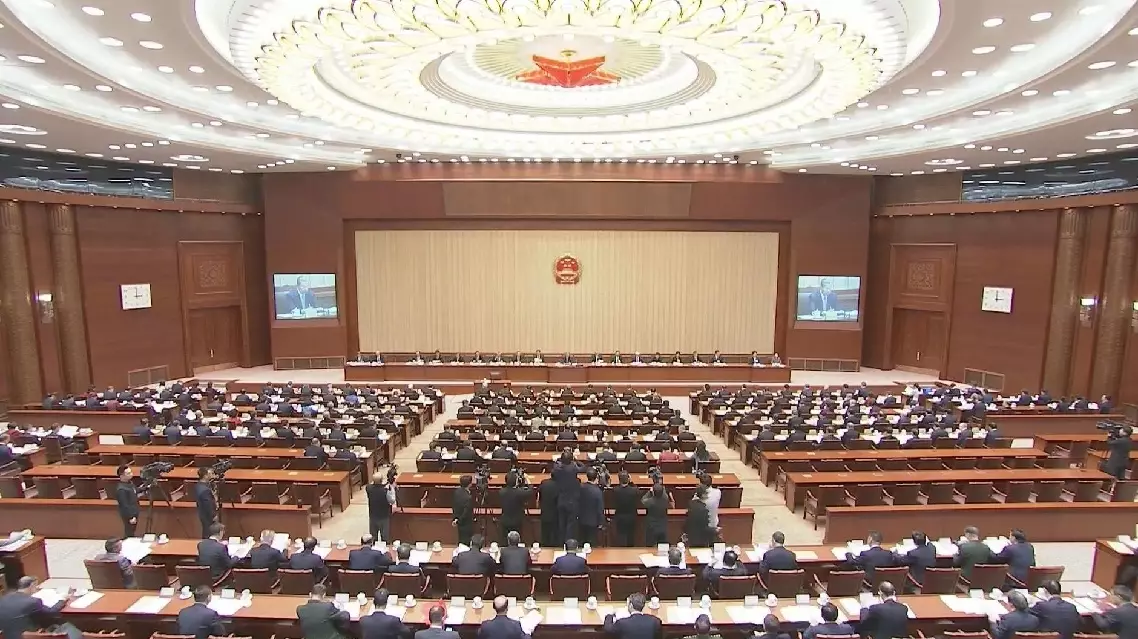
China's top legislature convenes standing committee session
The direction of dialogue between the U.S. and Iran is increasingly determined not by words spoken at the negotiating table, but by military actions, according to military analyst Hossein Kanani Moghaddam.
After a week of intensive behind-the-scenes diplomatic maneuvering, a new round of U.S.-Iran talks is scheduled for Thursday in Geneva and is expected to focus on Iran's nuclear program.
Meanwhile, tensions are escalating between the negotiations and the realities in the region. The recent deployment of a U.S. Navy aircraft carrier to the region has raised concerns. While some see it as a deterrent, Iran views it as a threat.
In an interview with China Global Television Network (CGTN), Moghaddam said the key question is where any potential strike could originate.
"Arab countries in the region continue to assert that they will not permit the U.S. to use military bases on their soil for strikes against Iran. In my view, the deployment of U.S. aircraft carriers to the region is intended precisely to avoid reliance on those regional bases," said military analyst Hossein Kanani Moghaddam, who is also the former commander of Iran's Islamic Revolutionary Guard Corps (IRGC). He also said that Iran views its red line for any attack as absolute.
"If the U.S. attacks facilities inside Iran or targets the country's Supreme Leader, the entire region will inevitably be drawn into war. Iran has already made it clear to the Americans that, before targeting their regional bases, 2,000 missiles will be launched toward Israel," he said.
With a wide gap between Tehran's red lines and Washington's demands, the outlook for a deal appears increasingly uncertain, said the military expert.
"It seems we are approaching the zero hour as the countdown has begun. War or an agreement lies ahead, either the U.S. will back down, or Iran will offer major concessions," he said.
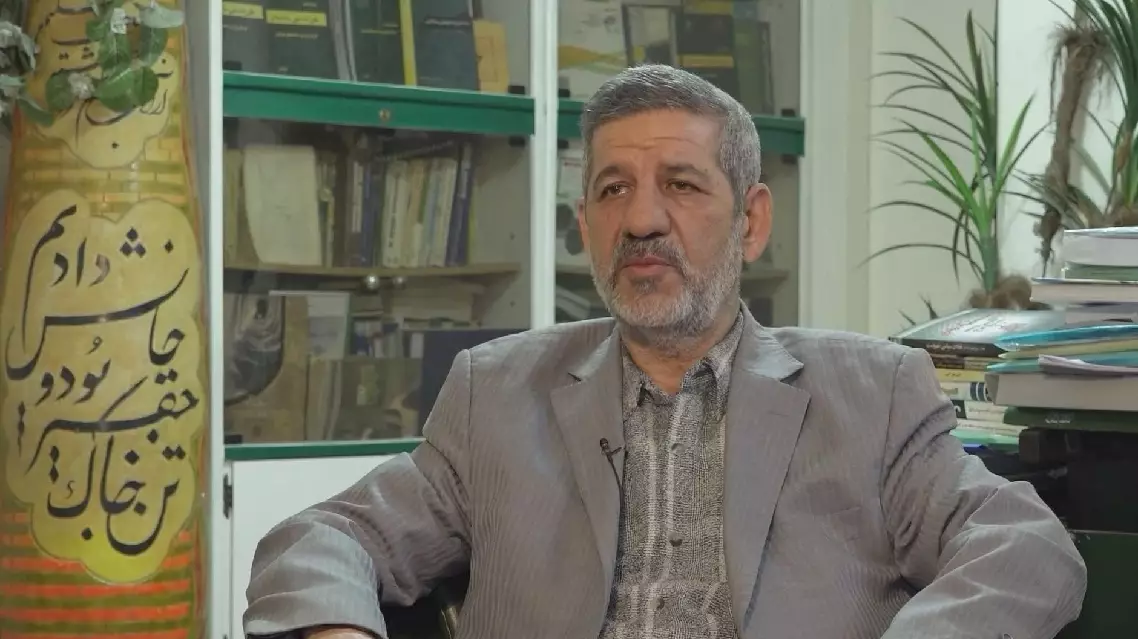
Direction of Iran-US talks determined by military actions away from negotiating table: analyst