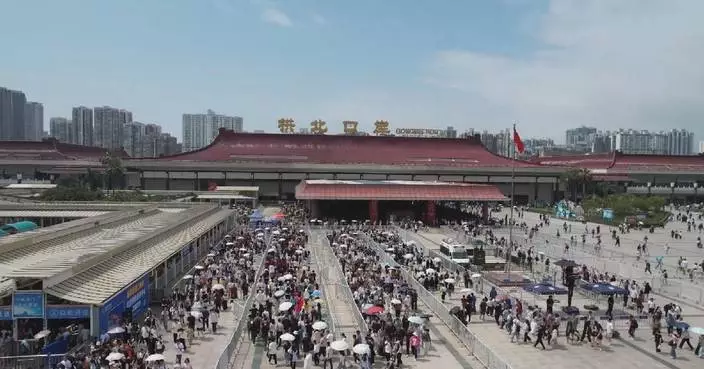
The Beijing-Tianjin-Hebei region saw its total imports and exports increase 25.7 percent during the past 12 years from 3.74 trillion yuan (around 546 billion U.S. dollars) in 2014 to 4.7 trillion yuan in 2025, according to customs data.
The region marked the 12th anniversary of the beginning of its coordinated development on Thursday. In early 2014, China initiated a key strategy to coordinate the development of Beijing, Tianjin, and Hebei to move non-capital functions out of Beijing and bridge the development gap between Beijing, Tianjin and Hebei.
The data show that the Beijing-Tianjin-Hebei region's total trade has remained above 4 trillion yuan throughout the 14th Five-Year Plan period (2021-2025). So far, the region has maintained close trade ties with more than 240 countries and regions worldwide. The European Union (EU) and the Association of Southeast Asian Nations (ASEAN) are the region's two largest trading partners, according to the data.
The data also show that from 2014 to 2025, the trade between the region and countries participating in the Belt and Road Initiative grew by 29 percent.
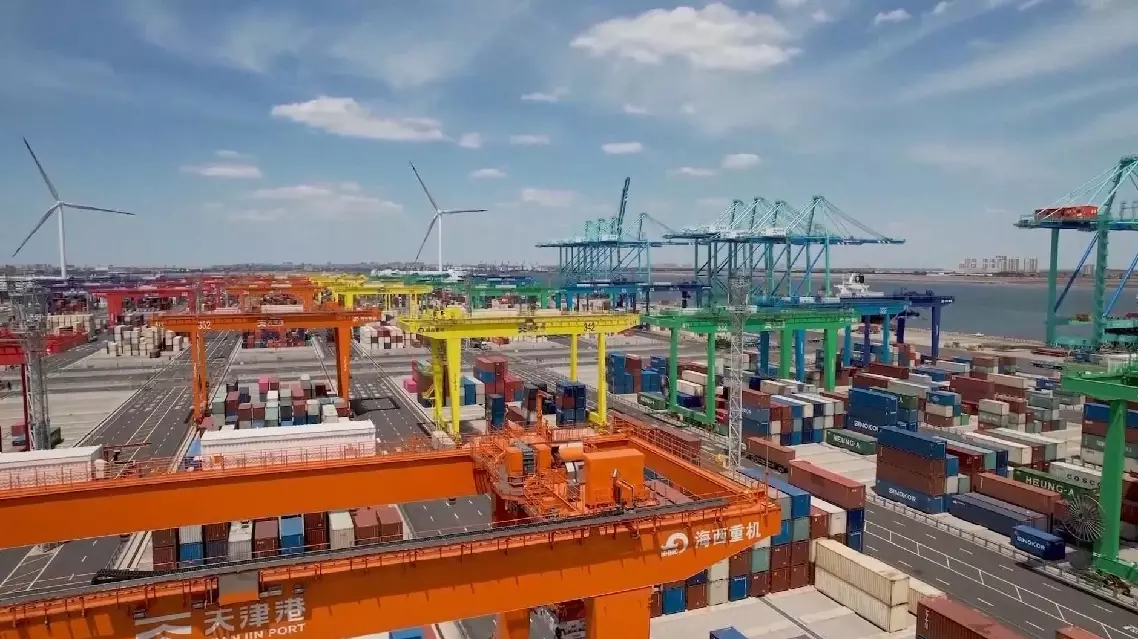
Beijing-Tianjin-Hebei region sees total trade up 25.7 percent in 12 years
The European Union is facing the risk of a stagflationary shock as the ongoing conflict in the Middle East is driving up energy prices and clouding the economic outlook, European Commissioner for Economy Valdis Dombrovskis said on Monday.
The European Commission's spring 2026 economic forecast, to be released later this week, will see economic growth figures adjusted down and inflation figures up, said Dombrovskis during an interview while attending a meeting of finance ministers from the Group of Seven (G7) in Paris.
With the Strait of Hormuz closed and oil prices staying above 100 U.S. dollars per barrel, fears of stagflation have risen in recent weeks, said Dombrovskis, adding that the margin of action by policymakers is "more limited" now.
The commissioner said it's important that the bloc take temporary, targeted support measures rather than measures that sustain high demand for fossil fuels.
Dombrovskis also described the EU's release of strategic oil reserves as "ongoing," while warning of concerns about shortages in areas such as innovative fuels.
The International Energy Agency Executive Director, Fatih Birol, said on Monday that commercial oil stocks are declining "rapidly", with several weeks of supply left due to the consequences of the conflict in the Middle East.
Europe could face fuel shortages by the end of this month.
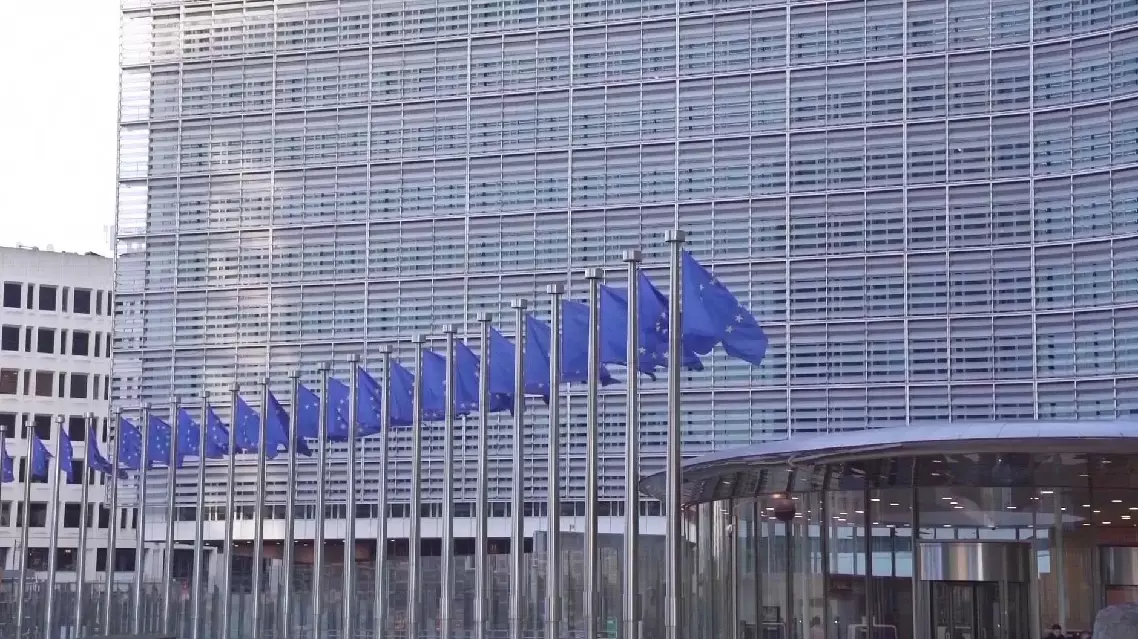
EU at risk of stagflation amid Middle East conflict: commissioner