China will further promote the application and development of the space station and the manned lunar exploration in 2026, said the China Manned Space Agency (CMSA).
At present, China's space station is operating steadily and functioning well, while research, development and construction efforts in the lunar landing phase are progressing smoothly with multiple breakthroughs achieved.
Click to Gallery
China to promote space station application, manned lunar exploration in 2026: CMSA
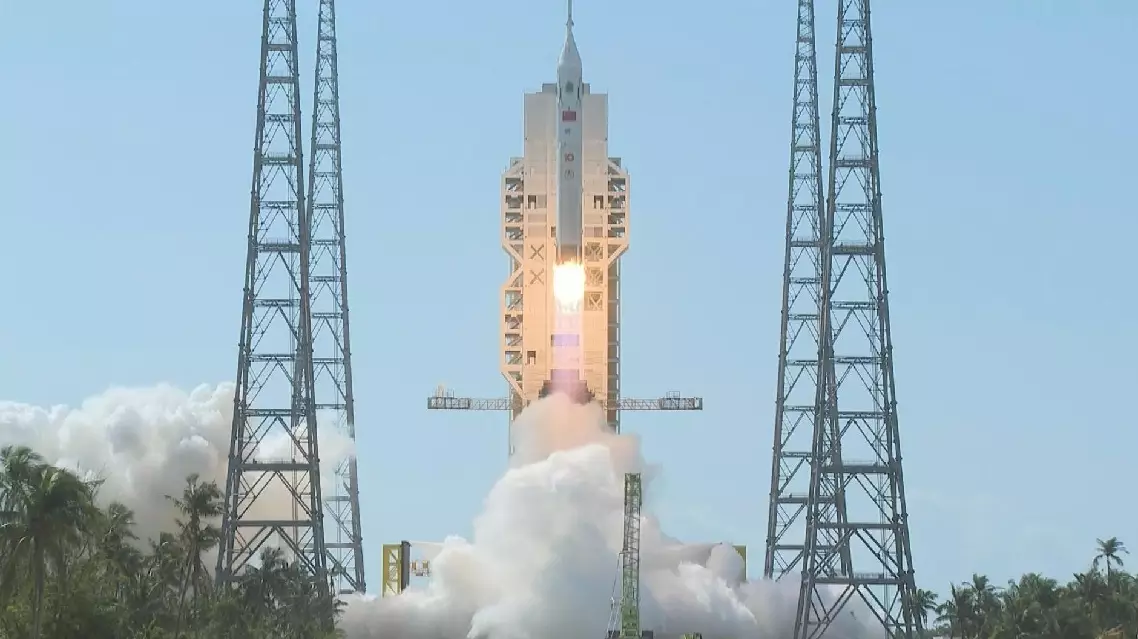
China to promote space station application, manned lunar exploration in 2026: CMSA
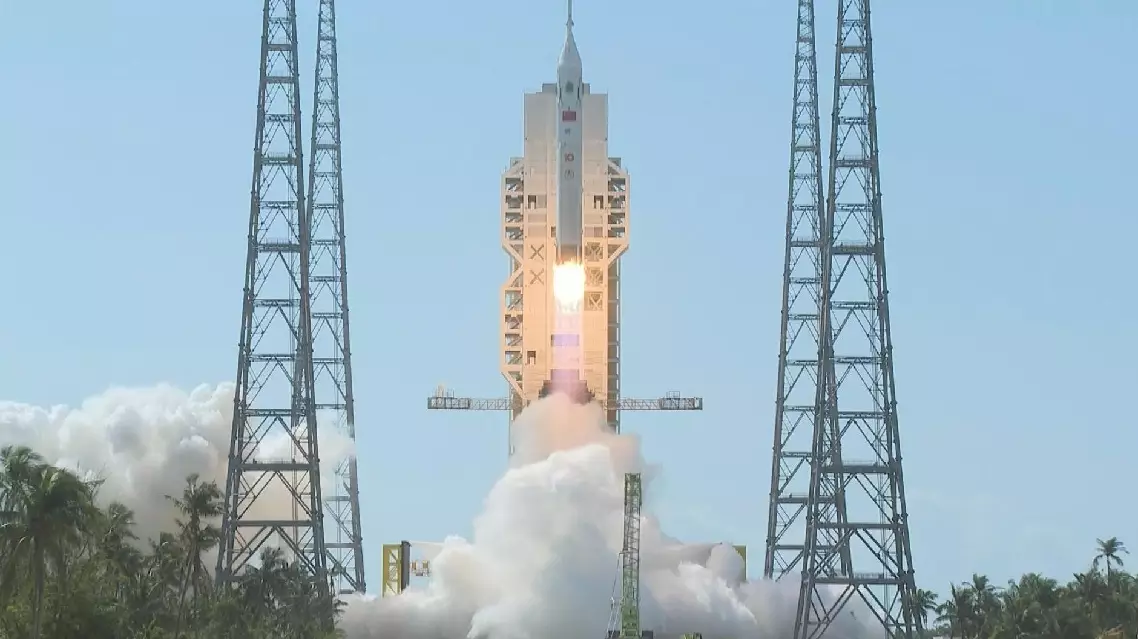
China to promote space station application, manned lunar exploration in 2026: CMSA
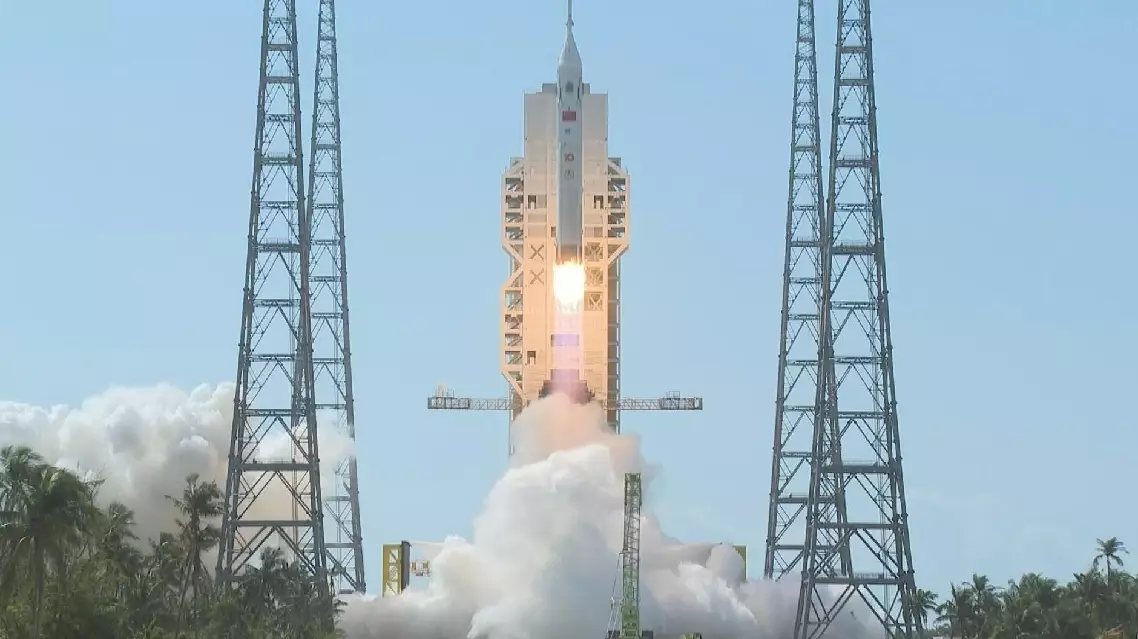
China to promote space station application, manned lunar exploration in 2026: CMSA
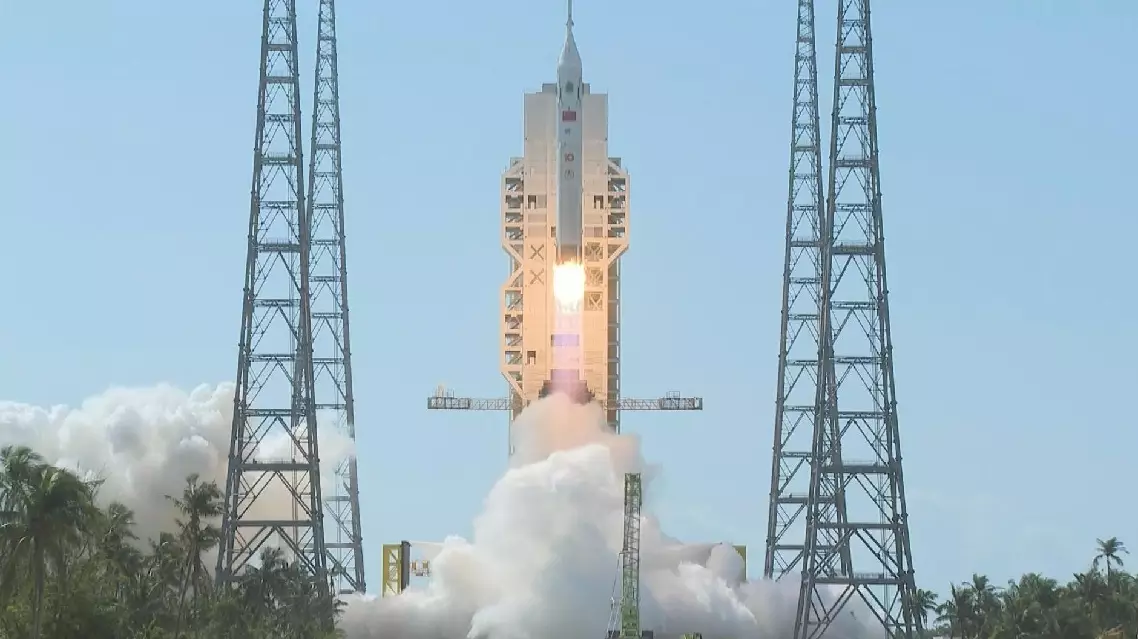
China to promote space station application, manned lunar exploration in 2026: CMSA
Since entering a stage of space station application and development, China has completed six manned space flights, four space cargo replenishments, and seven spacecraft return missions, as well as its first emergency launch mission, the CMSA said.
Six groups of astronauts, with each comprising three members, have stayed in orbit for a long time, and conducted 13 extravehicular activities and multiple payload extravehicular activities.
They have also carried out multiple extravehicular maintenance tasks, and set a new world record for the duration of a single extravehicular activity by astronauts.
China has also completed the selection of the fourth batch of preparatory astronauts, including payload experts from the Hong Kong Special Administrative Region (HKSAR) and the Macao Special Administrative Region (Macao SAR), and initiated the development of a low-cost cargo transportation system.
China's space station has so far deployed and implemented 267 scientific and application projects in orbit, covering fields such as space life science and human research, microgravity physics, and new space technologies, according to the CMSA.
The projects have achieved internationally leading outcomes, with some of them having been promoted and applied, significantly promoting the development of China’s space science and applications.
In 2026, China plans to carry out two manned space missions and one space cargo replenishment mission, the CMSA said.
Astronauts from the HKSAR and the Macao SAR are expected to take part in space station missions as early as this year, and one astronaut of the Shenzhou-23 crew will conduct a one-year stay test.
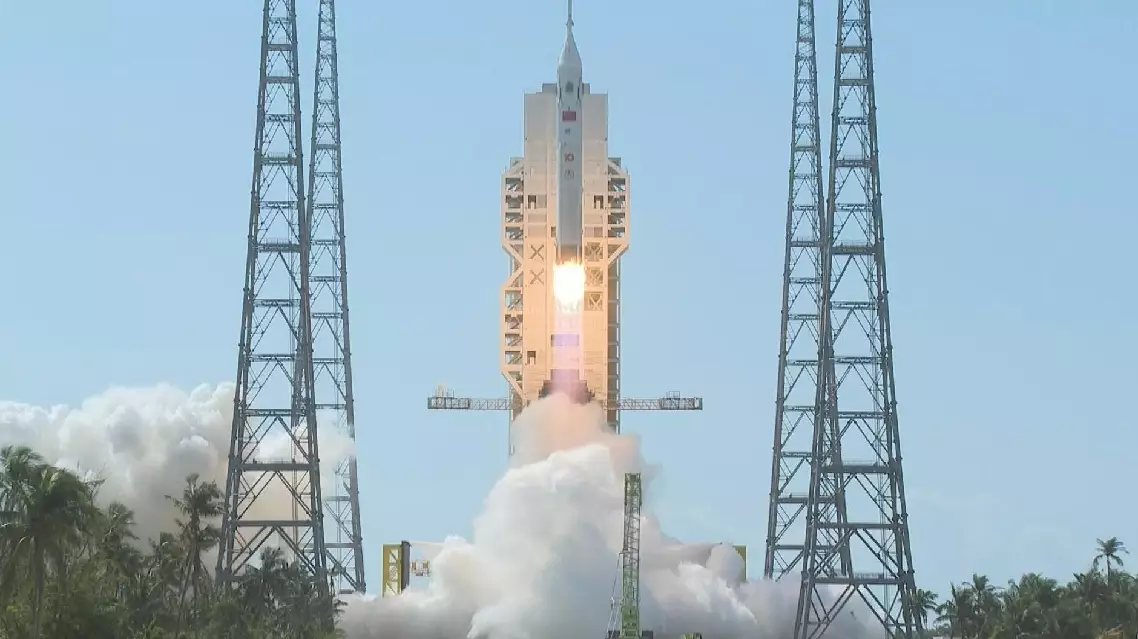
To achieve the first crewed lunar landing by 2030, all the research and construction work for the manned lunar exploration program is advanced steadily, the CMSA said.
So far, the development of major facilities for the mission, including the Long March-10 carrier rocket, the Mengzhou manned spacecraft and the Lanyue lunar lander, has been progressing smoothly.
Meanwhile, a number of major tests on the facilities, such as the low-altitude demonstration and verification of the Long March-10 carrier rocket and the maximum dynamic pressure escape flight of the Mengzhou manned spacecraft, have been completed.
This year, efforts will be made to fully promote the construction of relevant supporting facilities and equipment for the moon landing mission at the Wenchang Space Launch Center, as well as the construction of ground support projects, such as the measurement and control system, the communication system, and the landing site, according to the CMSA.
China to promote space station application, manned lunar exploration in 2026: CMSA
China to promote space station application, manned lunar exploration in 2026: CMSA
China to promote space station application, manned lunar exploration in 2026: CMSA
China to promote space station application, manned lunar exploration in 2026: CMSA
China to promote space station application, manned lunar exploration in 2026: CMSA