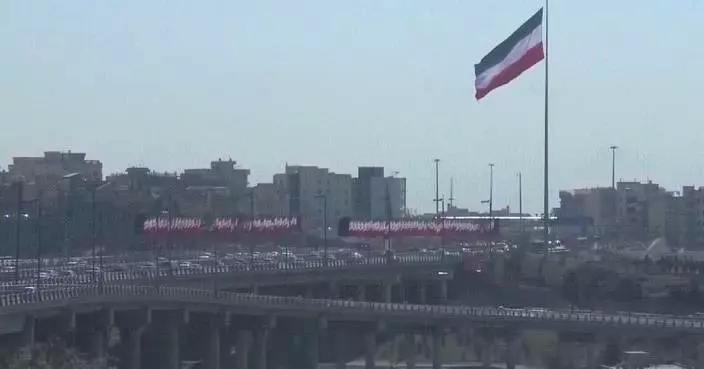
Iranian Foreign Minister Seyed Abbas Araghchi on Friday reaffirmed his country's commitment to resolving issues through diplomatic channels.
The reaffirmation came as Araghchi and Egyptian Foreign Minister Badr Abdelatty held a phone call to discuss the latest round of indirect talks between Iran and the United States in Geneva.
Araghchi said success depends on "seriousness and realism" from the United States and warned against "miscalculations or excessive demands."
For his part, Abdelatty reiterated Egypt's support for diplomatic efforts and stressed the need for compromises to avoid further military escalation, warning that such an option would have very serious consequences on the region.
On the same day, Araghchi also held a phone call with Iraqi Foreign Minister Fuad Hussein.
The two sides emphasized that negotiations are the most appropriate way to resolve outstanding issues amid heightened tensions in the Middle East, according to a statement from the Iraqi Foreign Ministry.
The statement said that Araghchi briefed Hussein on the latest developments of the Geneva negotiations between Iran and the United States, including the progress of the talks and the schedule for upcoming technical meetings.
Hussein stressed the importance of continuing dialogue, as both ministers emphasized the need to avert the dangers of escalation and war in the region and maintain regional security and stability, the statement said.
The United States and Iran concluded their third round of indirect talks in Geneva on Thursday, with the mediator, Oman, describing the talks as making "significant progress."
The negotiations, however, ended without any agreements. Fundamental issues remain unresolved, and the risk of military escalation in the region persists.
The parties have agreed to launch technical-level negotiations in Vienna on March 2.
Meanwhile, the United States has been continuously building up military forces in the Middle East, including two aircraft carriers.
Abolfazl Shekarchi, a spokesman for Iran's armed forces, said the Iranian military is closely monitoring U.S. and Israeli movements, according to the semi-official Tasnim news agency.
Shekarchi also warned that any provocation by U.S. forces or allied groups would draw a "decisive response," adding that U.S. personnel and interests in the region would be within Iran's reach in the event of conflict.
Meanwhile, U.S. President Donald Trump said Friday he is "not happy" with the way the U.S.-Iran nuclear talks are going but has not made a final decision on potential military operations against Iran.
"I'm not happy with the fact that they're not willing to give us what we have to have. I'm not thrilled with that. We'll see what happens. We're talking later," Trump told reporters while leaving the White House ahead of his trip to Texas.
"We haven't made a final decision" on whether to attack Iran, he said, reiterating that Iran "cannot have nuclear weapons."
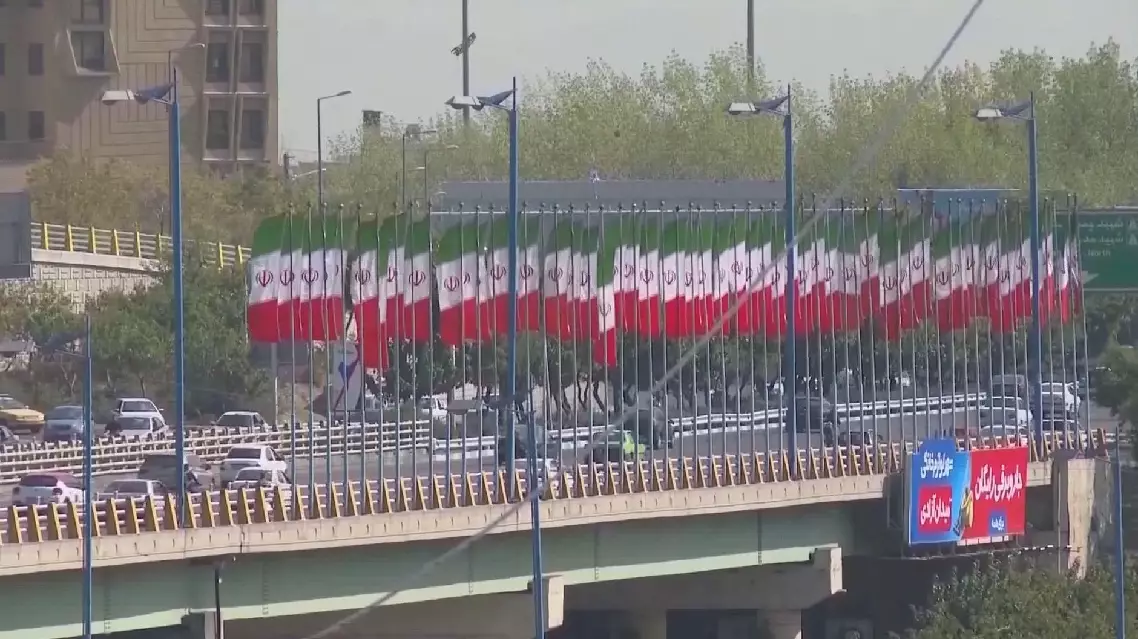
Iranian FM reaffirms country's commitment to resolving issues through diplomatic channels