Iran on Sunday night announced the end of search operations for victims of a U.S.-Israeli airstrike on a girls' elementary school in southern Iran, reporting 165 deaths.
The Shajareh Tayyebeh School is located in Minab, home to a military base of the Islamic Revolutionary Guard Corps. It was struck on Saturday amid a large-scale offensive jointly conducted by Washington and Tel Aviv.
Iranian President Masoud Pezeshkian on Saturday expressed condolences to the families of the victims and the residents of Minab.
He condemned the airstrikes in a statement, calling them "inhumane" and a barbaric act that "adds another dark page to the chronicle of countless crimes committed by aggressors" against Iran.
Pezeshkian urged all relief and medical centers and relevant officials in the region to prioritize the "immediate and uninterrupted care" of the injured and their families by mobilizing all resources.
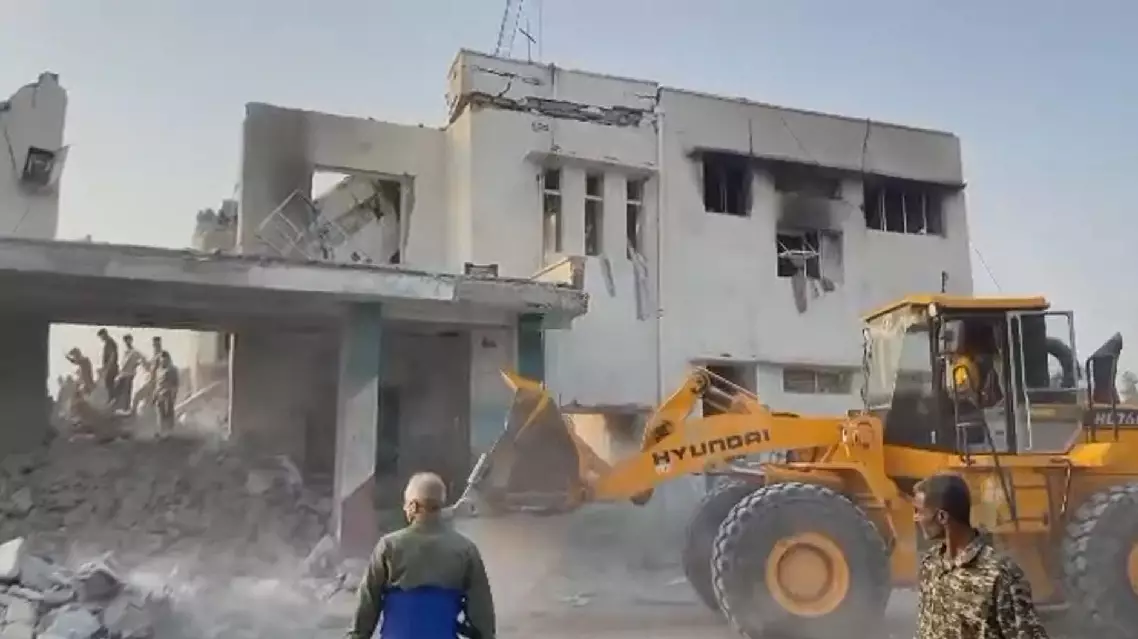
U.S.-Israeli strike on Iranian girls' elementary school kills 165
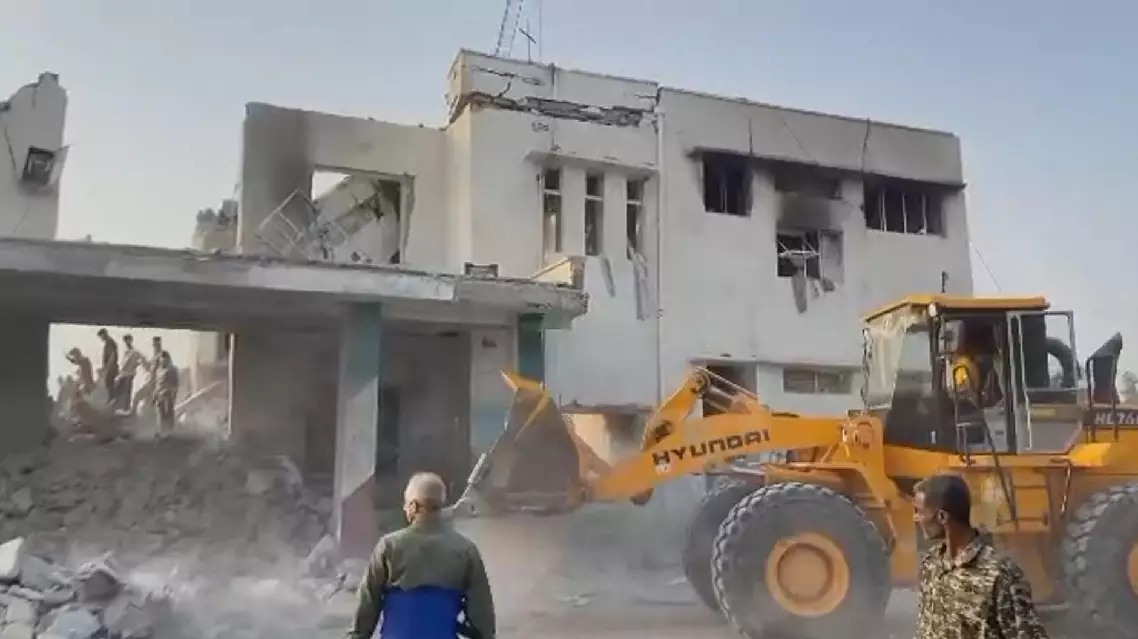
U.S.-Israeli strike on Iranian girls' elementary school kills 165
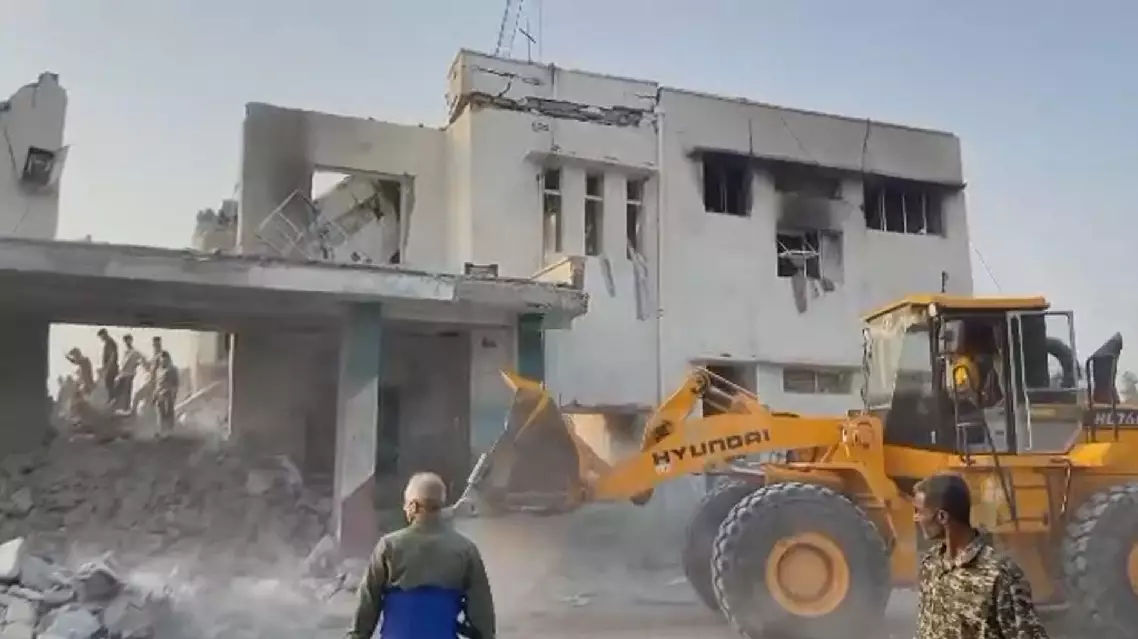
U.S.-Israeli strike on Iranian girls' elementary school kills 165
About 150 scholars from around the world gathered at a forum in Dunhuang, northwest China's Gansu Province, on Thursday to discuss the significance of Chinese modernization to shared global development.
The forum was held as a parallel session of the World Conference of Sinologists, which took place from Tuesday to Thursday, with discussions focusing on poverty elimination, technological innovation, green transition, and social governance.
During the event, many participants said that China offers valuable experience to countries pursuing their own paths to modernization, not only in terms of economic development, but also the balance between development and social stability.
"I would also emphasize the significance of China's social modernization. How China developed so fast without creating social strains and without polarizing society, for many countries, this is a challenge. Again, it's clear that every country is unique, you cannot simply copy, you cannot cut and paste the Chinese experience. But definitely, it's worth coming here and study the specific models, specific algorithms of the Chinese development to utilize it back in your country," said Andrey Kortunov, former director general of Russian International Affairs Council.
Saheli Chattaraj, an associate professor of China Studies at Somaiya Vidyavhar University in India, said Chinese development shows that modernization does not necessarily mean following a Western path. That idea has attracted growing attention among developing countries, she noted.
"We should not always confuse westernization with modernization in terms of implementation of policy. We adopt the policies based on our national requirements. But at times, the implementation part of the policy becomes a challenge for us. So I think in this part, also, the Chinese model of governance is a very useful lesson for developing countries on the Global South," Chattaraj said.
Hosting the forum in Dunhuang, a historic hub on the ancient Silk Road, provided a fitting backdrop for these discussions. The location served as a reminder of the long history of exchange and learning between cultures. The forum highlighted that sharing experiences and understanding different approaches to development remains essential for global cooperation.
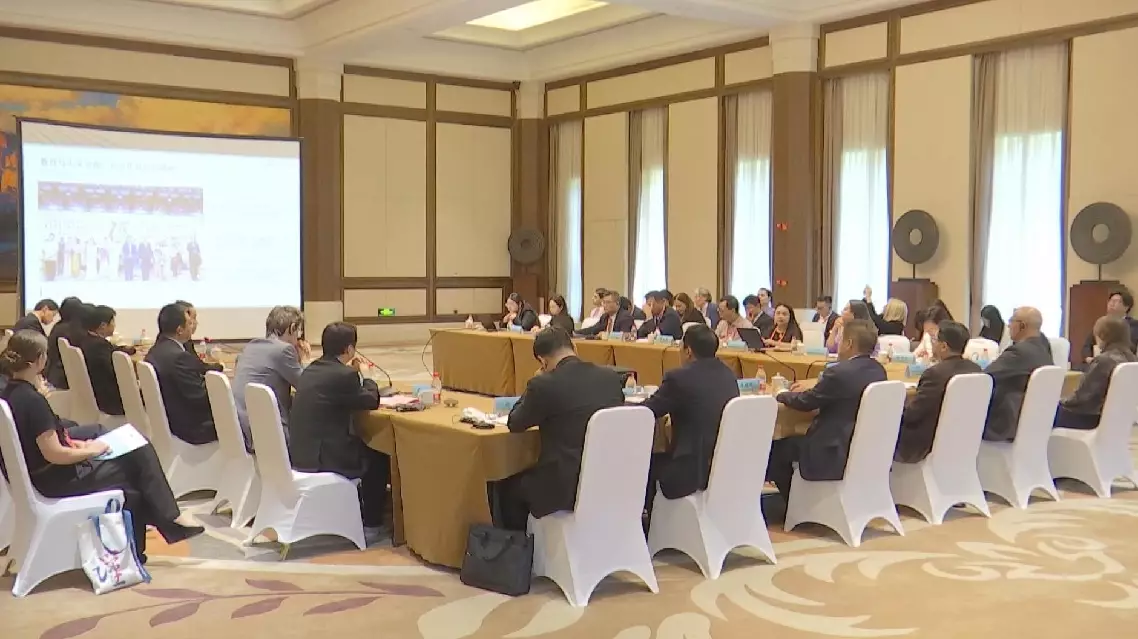
Sinologists discuss global significance of Chinese modernization at Dunhuang forum