Hong Kong Monetary Authority, Shanghai Data Bureau, and National Technology Innovation Center for Blockchain sign MOU to strengthen Shanghai-Hong Kong co-operation in digitised cargo trade and finance
The following is issued on behalf of the Hong Kong Monetary Authority:
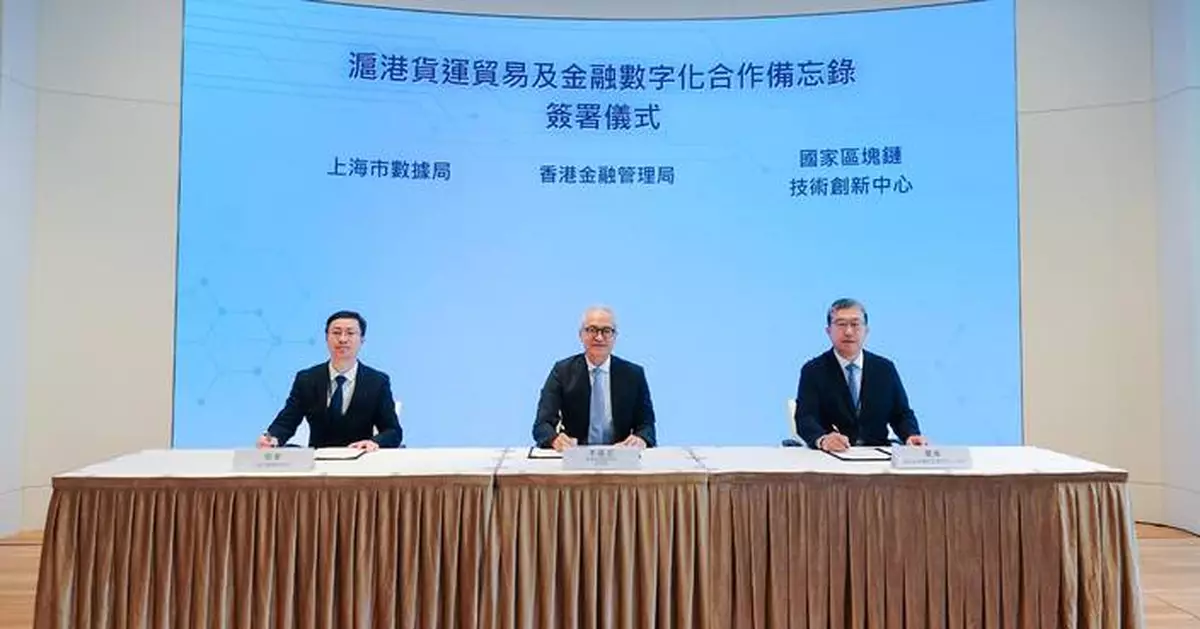
The Hong Kong Monetary Authority (HKMA), the Shanghai Data Bureau (SDB), and the National Technology Innovation Center for Blockchain (NTICBC) announced today (March 2) that they have jointly signed the Memorandum of Understanding between Shanghai and Hong Kong on Digitised Cargo Trade and Finance Cooperation (the MOU). This aims to deepen the collaboration between Shanghai and Hong Kong in areas of digitised cargo trade and finance. The collaboration leverages the unique advantages of Hong Kong as a "super connector" and "super value-adder", with its connections to both the Chinese Mainland and the world, to support Shanghai's integration with the international data ecosystem through Hong Kong.
Under the MOU, the HKMA, the SDB, and the NTICBC will jointly conduct research on digital technology and its applications, and promote the innovative application of the technology in areas such as cargo trade and finance. The parties will work together to examine the use of digital technology to develop a "cross-border platform". Through this platform, cross-border financial co-operation and the use of electronic bills of lading (eBL) will be explored under Project Ensemble, while the facilitation of trade finance through cargo and trade data will be studied via connection with the Commercial Data Interchange (CDI) and CargoX.
Deputy Chief Executive of the HKMA Mr Howard Leesaid, "We are pleased to sign the MOU with the SDB and the NTICBC. This marks an important milestone in the collaboration on financial innovation between Shanghai and Hong Kong, and underscores the joint commitment to strengthen the collaboration between the two jurisdictions in areas of digitised cargo trade and finance. We look forward to driving innovative application of digital technology in areas such as cargo trade and finance, promoting joint achievements in digital innovation, exploring a digital infrastructure that links Shanghai and Hong Kong, promoting digitalisation of trade finance, as well as facilitating the integration of cargo and trade data in the Chinese Mainland with the international data ecosystem through Hong Kong."
The Director of SDB, Dr Shao Jun,said, "The joint signing of the MOU with the HKMA and the NTICBC marks a significant step towards deepening co-operation between Shanghai and Hong Kong on data. We remain committed to data-powered and innovation-driven development, striving to establish a secure, efficient, and open digital infrastructure. This collaboration will fully leverage Shanghai's strengths in data integration and commercialisation, working in tandem with Hong Kong to realise innovative applications in digitised cargo trade, and finance. We also look forward to showcasing a range of innovation outcomes through close co-operation, thereby injecting new momentum into Shanghai-Hong Kong digital collaboration."
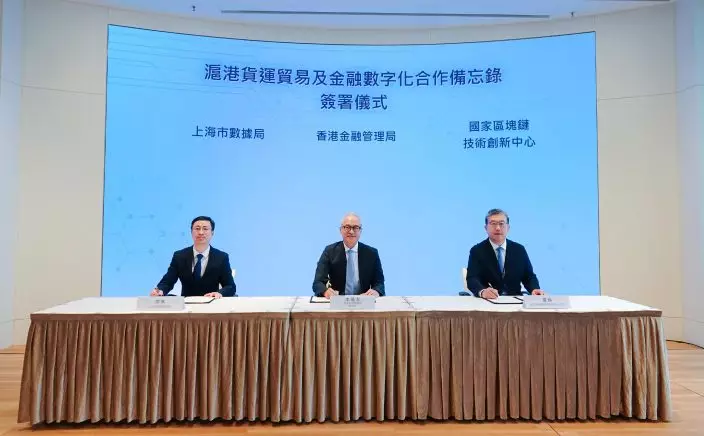
The Hong Kong Monetary Authority (HKMA), the Shanghai Data Bureau (SDB), and the National Technology Innovation Center for Blockchain (NTICBC) announced today (March 2) that they have jointly signed the Memorandum of Understanding between Shanghai and Hong Kong on Digitised Cargo Trade and Finance Cooperation (the MOU). Photo shows Deputy Chief Executive of the HKMA Mr Howard Lee (centre); the Director of the SDB, Dr Shao Jun (left); and the Director of the NTICBC, Mr Dong Jin (right), signing the MOU. Source: HKSAR Government Press Releases
InnoCarnival 2026 exhibits I&T achievements to let dreams take flight
Organised by the Innovation and Technology Commission, InnoCarnival 2026 (IC 2026) is being held for nine consecutive days from today (October 24) to November 1 at the Hong Kong Science Park in Sha Tin. Public admission is free. Under the theme "Lead with I&T Dream to Fly High", this year's carnival not only showcases a number of exhibits of local innovation and technology (I&T) achievements, but also features an aerospace thematic zone to showcase relevant research projects of local universities and their contributions to the country's space exploration missions.
Speaking at the opening ceremony, the Financial Secretary, Mr Paul Chan, said that Hong Kong's strong frontier research capabilities, comprehensive financial services and world-class international talent together provide a complete pathway for turning ideas into industries. Hong Kong's First Five-Year Plan, announced by the Government last month, positions the Northern Metropolis as a hub for I&T industries, promoting the integrated development of education, technology, talent and industry to closely align university talent development and research with industry needs. The Government will also leverage Hong Kong's financial strengths to channel more patient capital into supporting research teams and start-ups as they progress from research and development (R&D) to application.
Mr Chan noted that I&T development ultimately depends on people, particularly the younger generation. Through exhibitions, workshops, talks and interactive experiences, IC 2026 enables members of the public to learn through hands-on participation. Citing the mobile food-waste paper machine that won the junior secondary division of this year's Hong Kong Student Science Project Competition, he encouraged young people to draw inspiration from everyday life and consider how to make the city a better place. He said, "The idea is not complicated, but with dedication to putting it into practice, even a small invention can make a big difference. The next invention to reach the world may well come from one of the students here today."
The campaign partners of IC 2026 are the Hong Kong Federation of Youth Groups and the Hong Kong Science and Technology Parks Corporation. Meanwhile, over 40 programme partners, including local universities, R&D centres and government departments, are supporting the carnival by setting up booths at the Hong Kong Science Park, showcasing a series of I&T achievements and providing interactive games. Besides, about 150 workshops and over 10 webinars across various subjects including aerospace technology and AI will be held during the carnival.
All IC 2026 activities are free of charge. Some of the activities require pre-registration. Details are available on the thematic webpage (innocarnival.hk). Places are limited and will be allocated on a first-come, first-served basis. Members of the public are most welcome to join. During the carnival, free shuttle bus services will be provided between the Hong Kong Science Park and various districts, including MTR University Station, Tai Wai Station, Kowloon Tong Station, and Admiralty Station, with new routes added this year to Yuen Long Station and Tseung Kwan O Station, offering convenient access for visitors.

Source: AI-found images
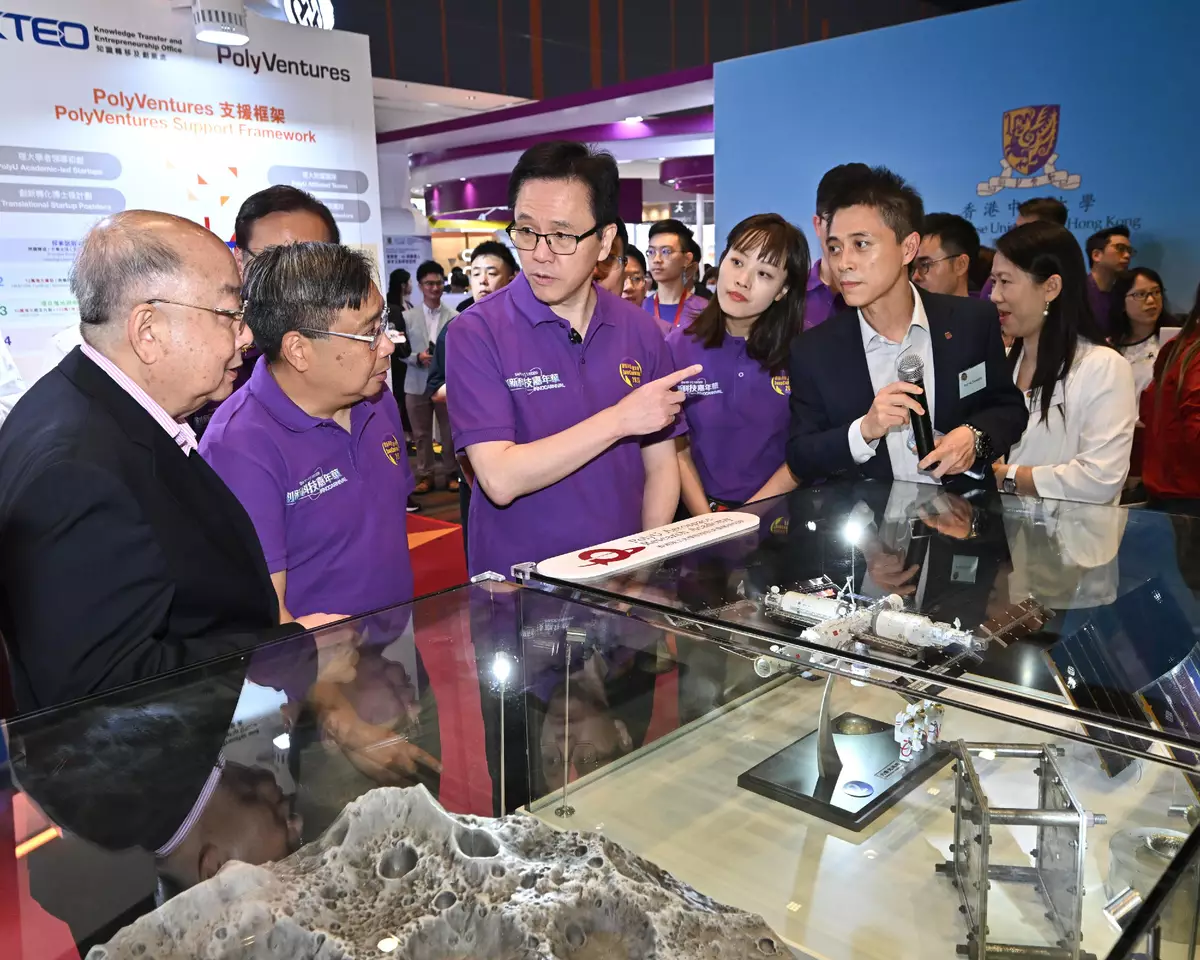
InnoCarnival 2026 exhibits I&T achievements to let dreams take flight Source: HKSAR Government Press Releases
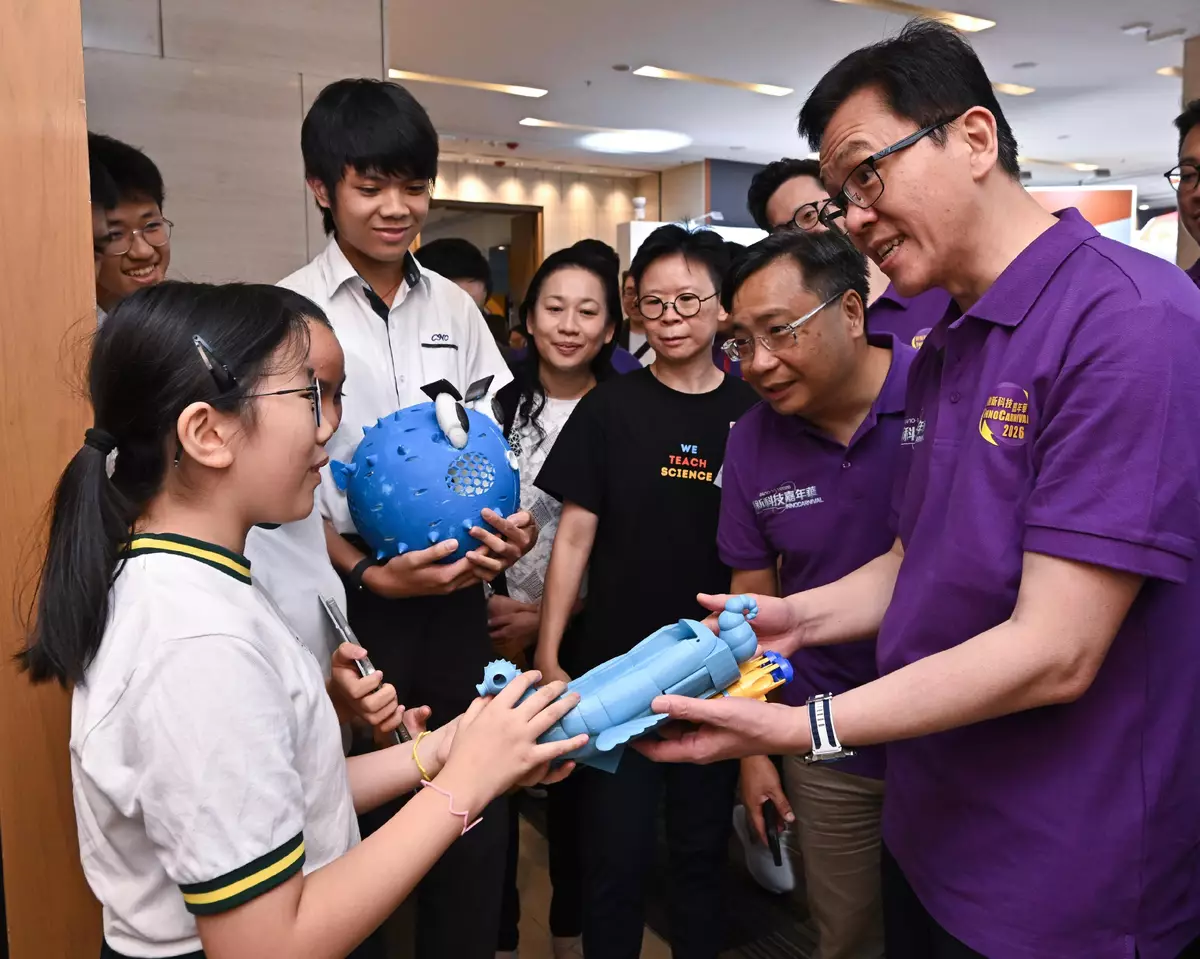
InnoCarnival 2026 exhibits I&T achievements to let dreams take flight Source: HKSAR Government Press Releases
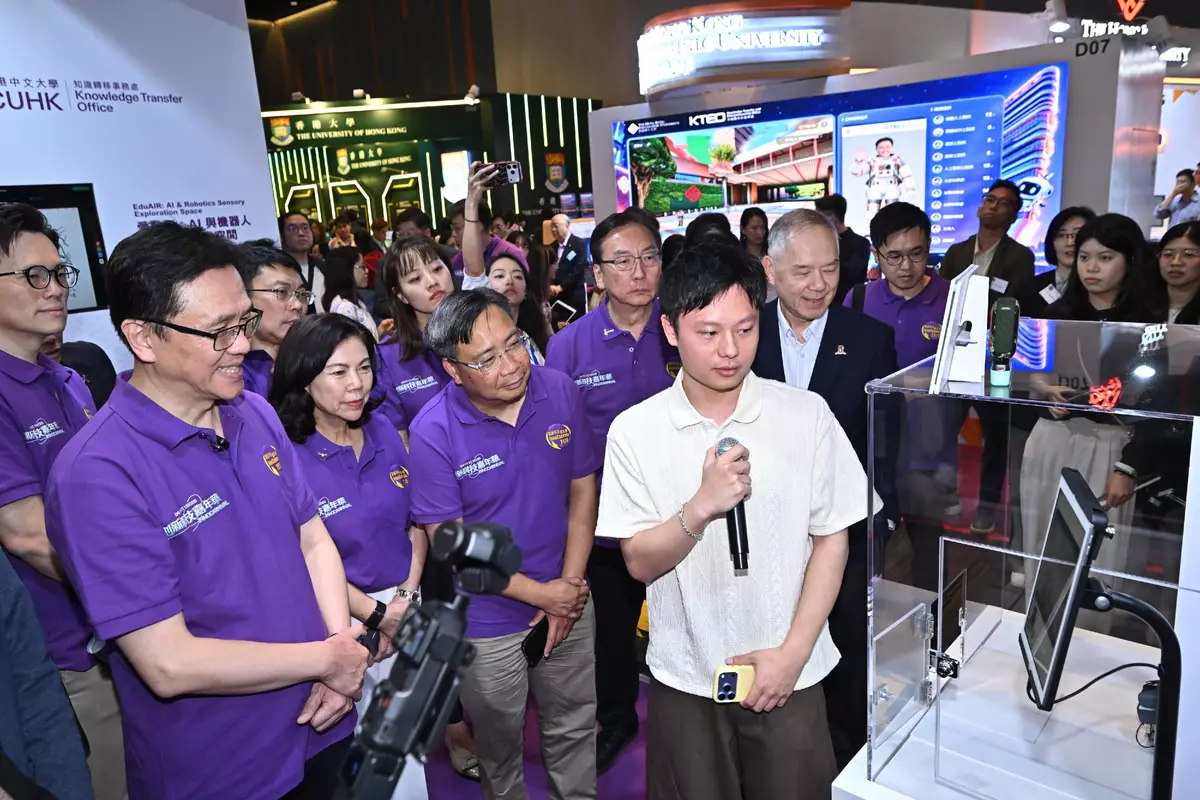
InnoCarnival 2026 exhibits I&T achievements to let dreams take flight Source: HKSAR Government Press Releases
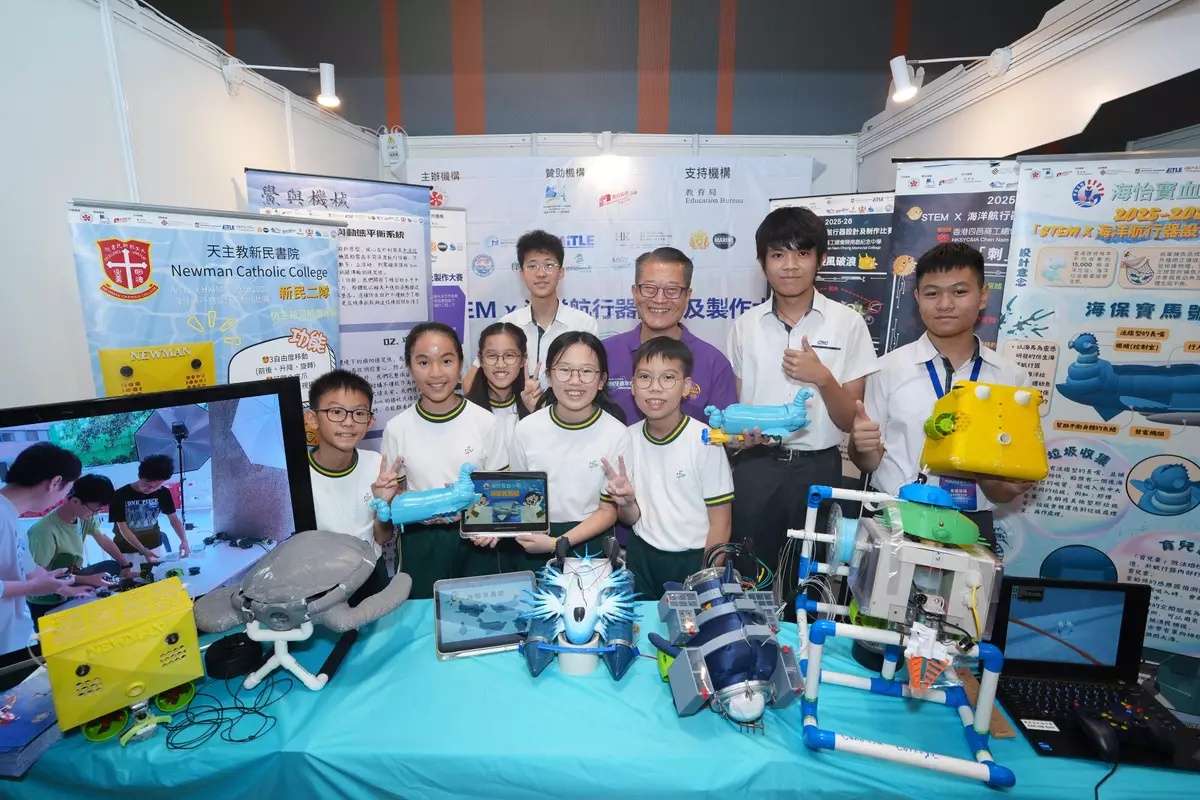
InnoCarnival 2026 exhibits I&T achievements to let dreams take flight Source: HKSAR Government Press Releases
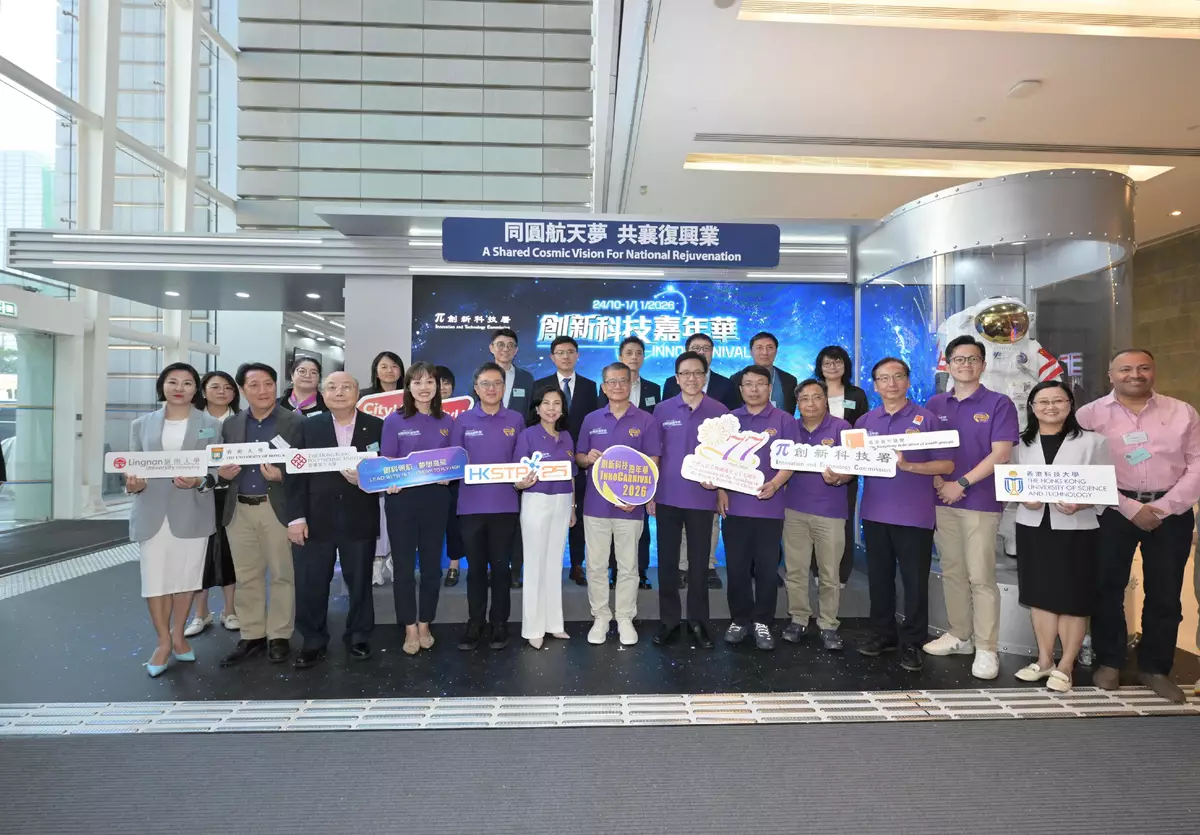
InnoCarnival 2026 exhibits I&T achievements to let dreams take flight Source: HKSAR Government Press Releases
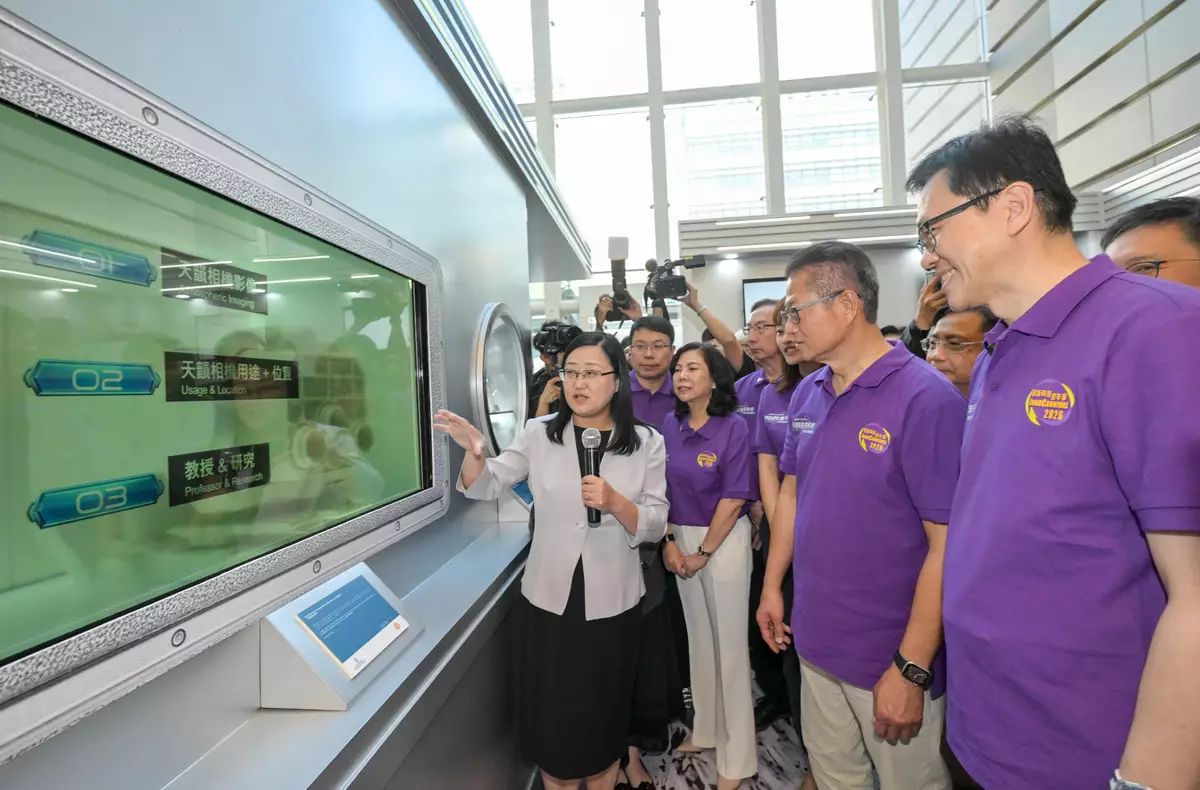
InnoCarnival 2026 exhibits I&T achievements to let dreams take flight Source: HKSAR Government Press Releases
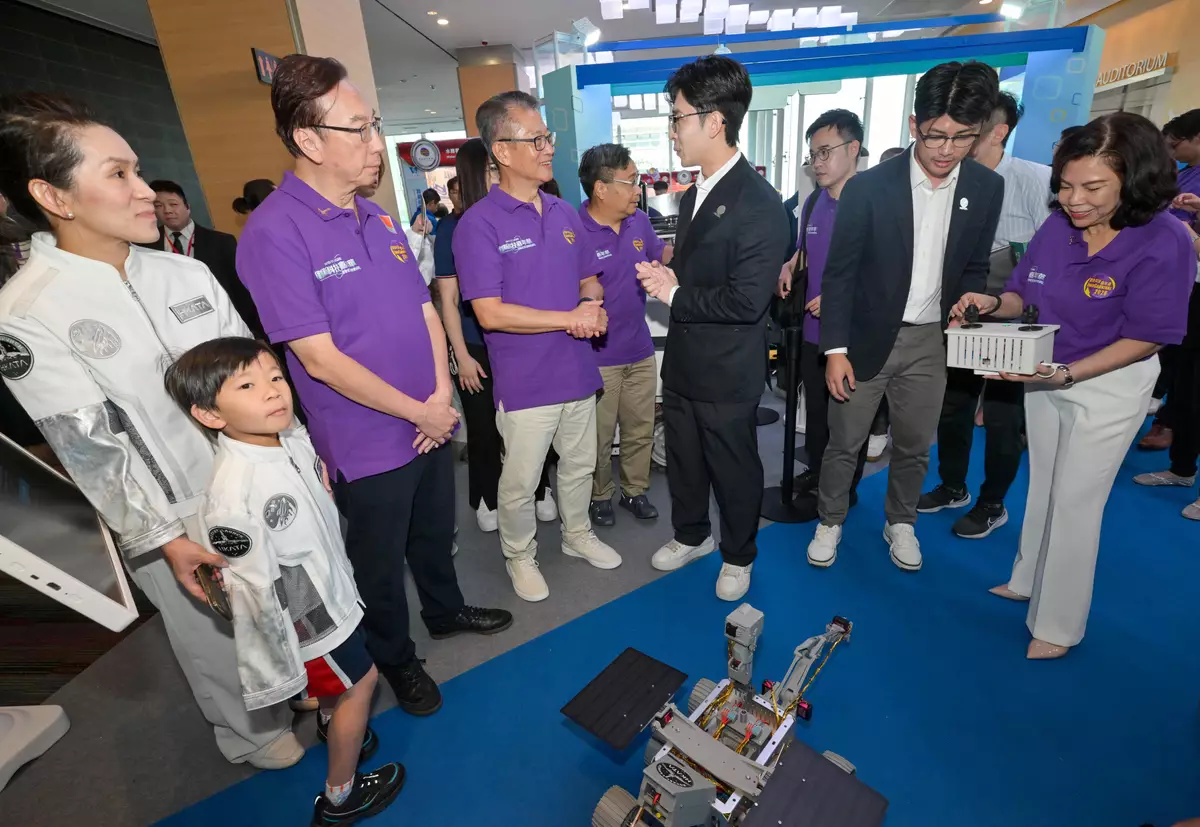
InnoCarnival 2026 exhibits I&T achievements to let dreams take flight Source: HKSAR Government Press Releases
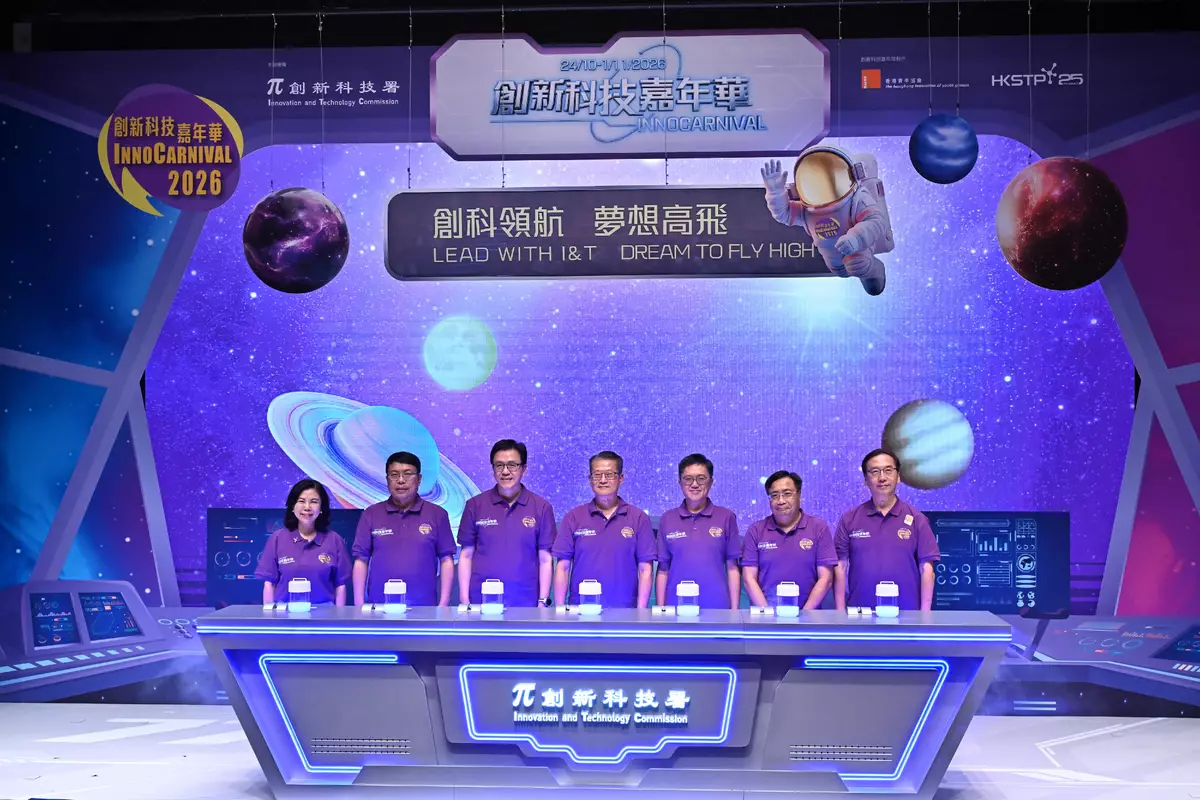
InnoCarnival 2026 exhibits I&T achievements to let dreams take flight Source: HKSAR Government Press Releases
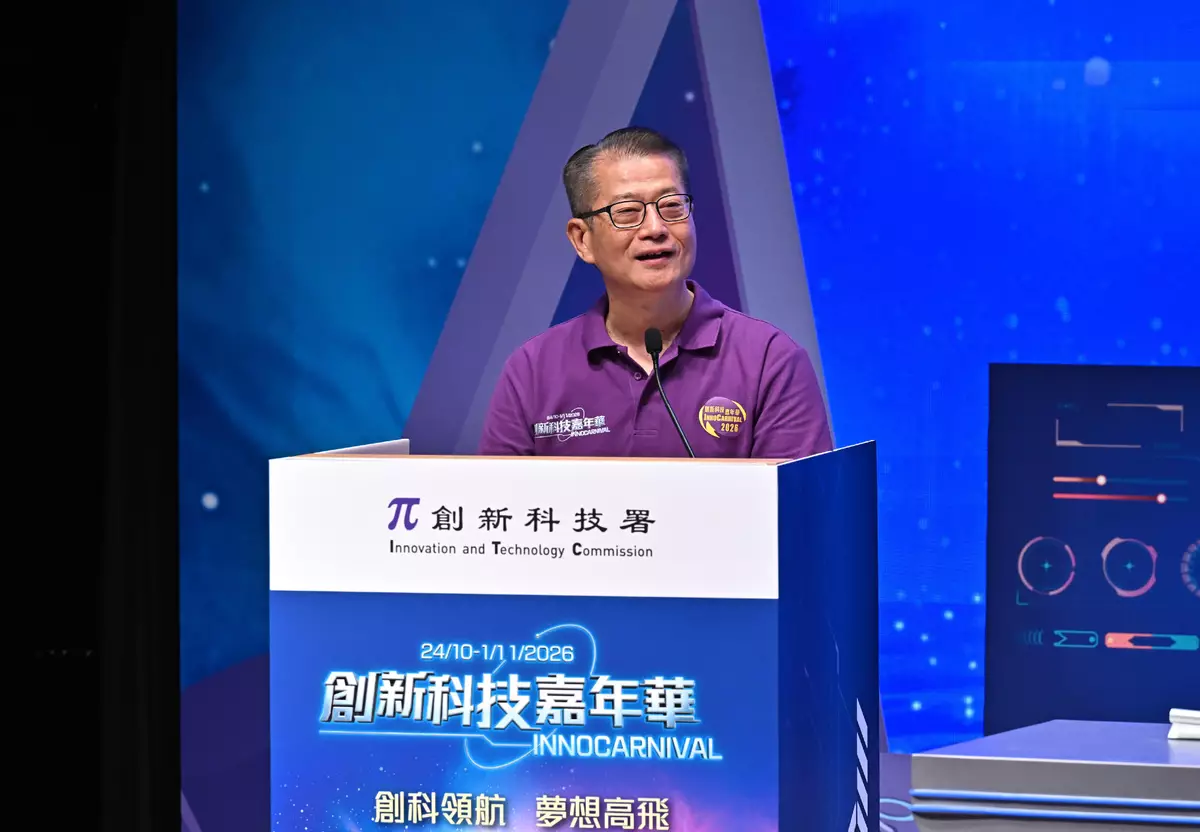
InnoCarnival 2026 exhibits I&T achievements to let dreams take flight Source: HKSAR Government Press Releases
Source: AI-found images