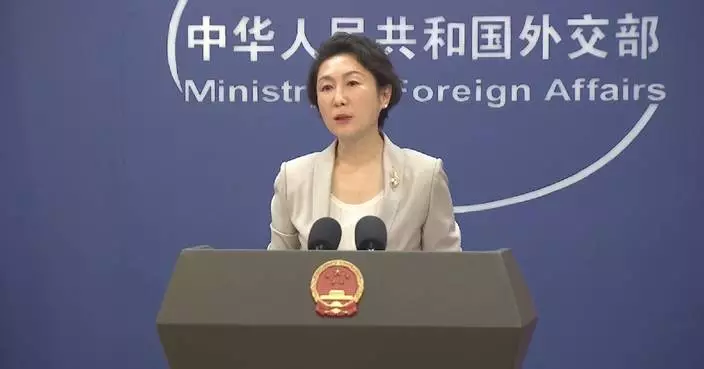
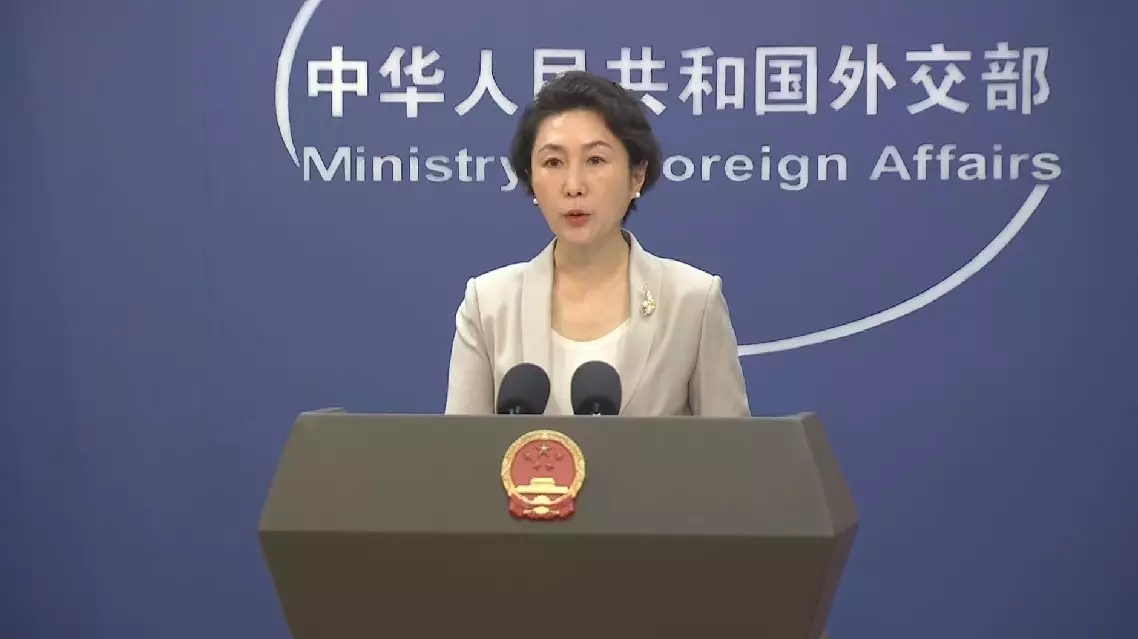
Chinese Foreign Ministry Spokeswoman Mao Ning said on Monday the Strait of Hormuz and its adjacent waters are important international trade channels for goods and energy, urging the relevant parties to immediately stop military operations to prevent further escalation of tensions.
Mao made the statement at a daily press briefing in Beijing in response to a media query about the military strikes against Iran jointly launched by the United States and Israel.
On Saturday, Iranian media reported that the Islamic Revolution Guards Corps had closed the Strait of Hormuz to shipping shortly after the onset of the U.S.-Israeli attacks on the Islamic Republic, declaring the vital oil and gas waterway unsafe due to the U.S. and Israeli attacks.
"The Strait of Hormuz and its adjacent waters are important international trade channels for goods and energy, and keeping this region safe and stable serves the common interest of the international community. China urges all parties to immediately cease military operations to avoid further escalation of tensions, and prevent regional instability from having a greater impact on global economic development," Mao said.
China warns against repercussions on global economy from regional turmoil after military strikes against Iran
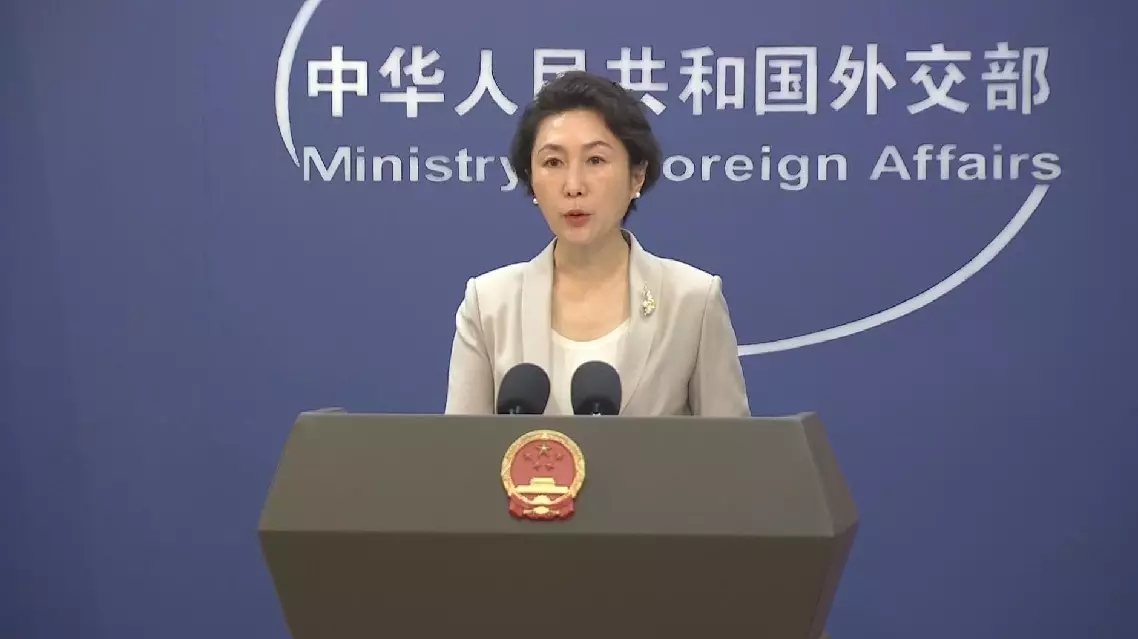
China warns against repercussions on global economy from regional turmoil after military strikes against Iran
Various activities were held across China to celebrate the Lantern Festival, which falls on the 15th day of the first month on he Chinese lunar calendar, or March 3 this year.
In Xining City of northwest China's Qinghai Province, a spectacular exhibition featuring intangible cultural heritage was held, transforming the streets into a vibrant cultural feast.
In Baoqing County of northeast China's Heilongjiang Province, a dozen traditional Yangge folk dance teams enchanted audiences with their performances during a lively parade, showcasing the allure of local culture.
Shengfang ancient town in Langfang City, north China's Hebei Province staged a performance featuring stilt walking, martial arts and lion dances, accompanied by the lively beat of drums, creating a festive and bustling atmosphere.
In Urumqi City of northwest China's Xinjiang Uygur Autonomous Region, vibrant folk activities dazzled audiences as performers engaged in lively dragon and lion dances, Yangge folk dances and other activities. The rich blend of song and dance brought a joyous spirit to the festivities.
"There were a total of 18 folk performance teams, jointly presenting a spectacular parade that showcased the charm of folk performances through the collaboration of various ethnic groups," said Shi Zhongming, head of the local cultural center.
As the Lantern Festival draws near, people are busy preparing for this cherished occasion by making tangyuan -- glutinous rice balls commonly filled with sweet ingredients such as peanuts or black sesame. In Beichuan Qiang Autonomous County of southwest China's Sichuan Province, residents gathered to create colorful tangyuan, celebrating the sweetness of life during this traditional festival.
In Weng'an County of southwest China's Guizhou Province, local villagers joined forces to make tangyuan and ciba -- a traditional glutinous rice cake, fostering a sense of neighborly warmth as they crafted these delicious treats together.
At the historic Yuyuan Garden in Shanghai, numerous visitors enjoyed tangyuan from renowned local eateries, savoring the festive flavors.
"Our family comes together to eat tangyuan, which symbolizes reunion and sweetness," said He Jinjing, a visitor.
The Lantern Festival celebrations continued to thrive under the night sky, coming alive with even more vibrancy.
In Yangliuqing ancient town of north China's Tianjin Municipality, a stunning display featuring 59 themed lantern groups and 28,000 decorative lights greeted visitors, inviting them to embrace the joyous spirit of the festival.
In the picturesque Nanyandang Mountains of east China's Zhejiang Province, people enjoyed colorful lanterns and captivating performances, immersing themselves in the festive atmosphere amidst breathtaking landscapes.
In Chongzuo City of south China's Guangxi Zhuang Autonomous Region, crowds guessed lantern riddles and enjoyed traditional heritage exhibitions, treating themselves to a visual feast that celebrated the richness of cultural traditions.
In Putian City of east China's Fujian Province, over 2,000 residents adorned their ordinary benches with lights and connected them to create vibrant dragons that paraded through the streets.
"This year, the lantern parade featured more participants, longer 'dragons', and a livelier atmosphere, signaling a prosperous and thriving year ahead," said Huang Suhong, a local resident.
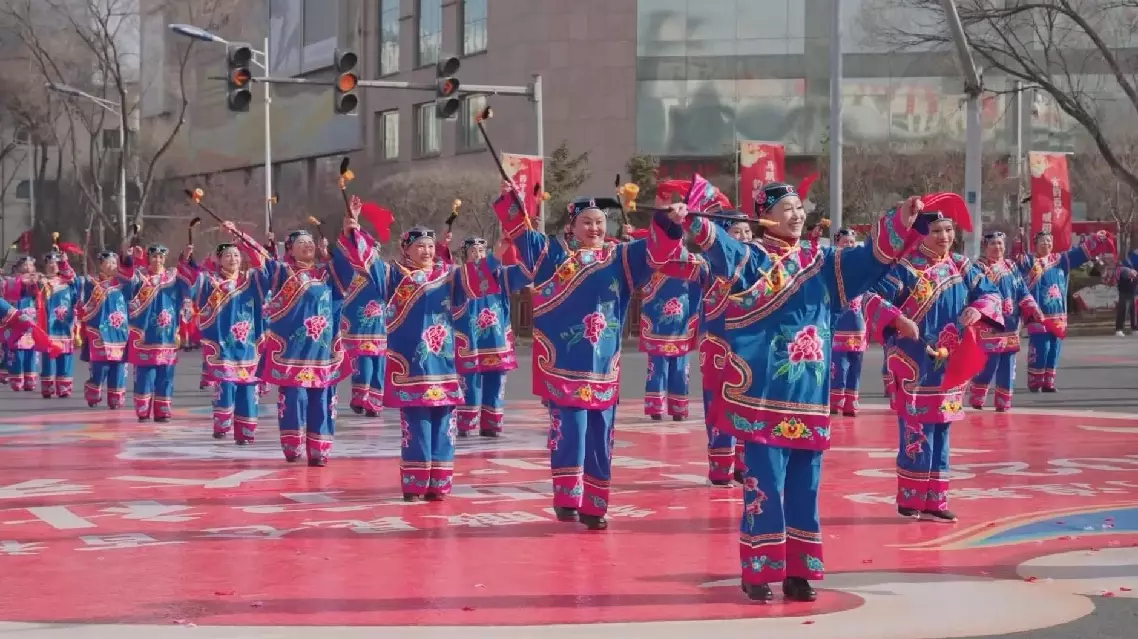
Various activities held across China to celebrate Lantern Festival