A series of intangible cultural heritage celebrations took place across China in the lead-up to the Lantern Festival on Tuesday, demonstrating the vitality and continuity of traditional folk customs amid the festive vibes.
A wide array of national-level intangible cultural heritage items associated with the Lantern Festival can be traced to more than 20 regions across China in terms of their origins. To celebrate this rich heritage, the China Intangible Cultural Heritage Museum last weekend brought together nearly 600 performers and multiple inheritors from several provinces, offering the public an up-close experience to appreciate traditional folk arts such as the Qilin dance and stilt puppet opera.
"The Lantern Festival marks a climax of the Spring Festival festivities, enabling the spirit that springs from the folks to be better displayed to the public," said Wang Chenyang, head of the museum.
Jinan, capital of east China's Shandong Province, celebrated the festival with a grand display of regional operas. A total of 12 art troupes and over 300 opera enthusiasts staged local classics in the genres of Liuzi Opera and Shandong Bangzi, adding to the strong festive atmosphere.
"We perform both traditional and modern operas. We hope to add to the festive vibes through our shows," said Chen Guangxiang, an opera enthusiast.
The ancient streets of Pujiang County in east China's Zhejiang Province came alive for the festival as a wooden-bench dragon parade made its appearance.
This tradition, dating back over 1,000 years to the Tang and Song dynasties, features a magnificent dragon made of linked benches stretching over 100 meters long. Led by a towering two-meter-high head, the dragon winds its way through the crowd, bringing to life the mythical creature and radiating folk spirit.
"We perform the dragon parade to bring blessings to all, hoping for peace for our country and prosperous harvests for our people in the new year," said a member of the parade.
Inner Mongolia Autonomous Region in northern China celebrated the festival with vibrant performances. The highlight was in Darhan Muminggan Joint Banner of Baotou City, where a Yangge dance troupe in dazzling costumes performed with lively steps, perfectly capturing the joyful festive spirit.
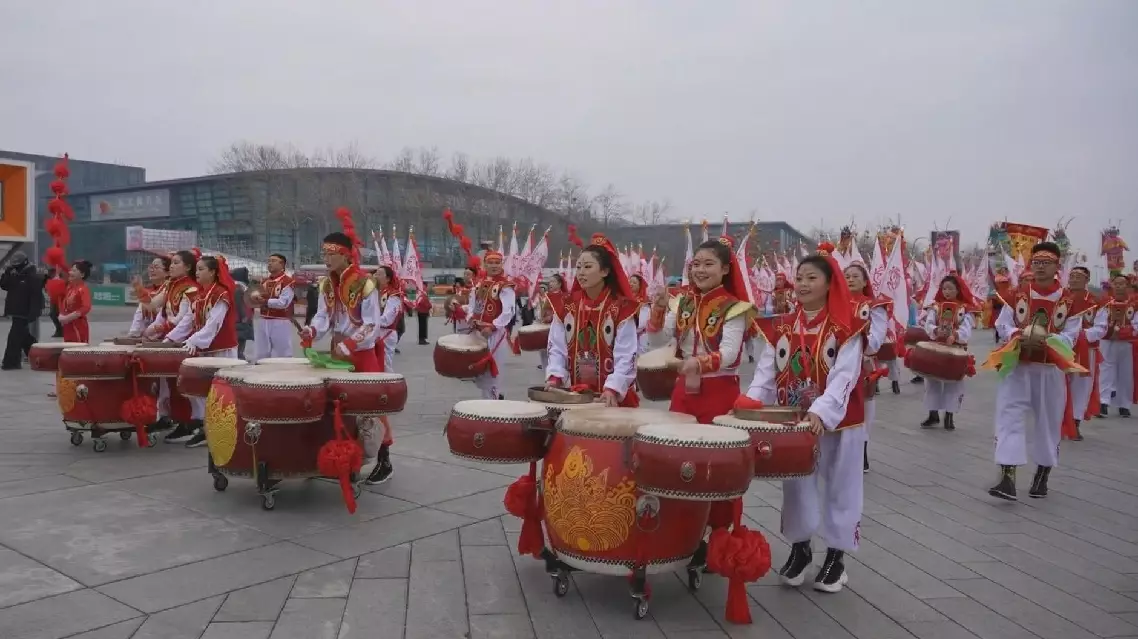
China's intangible cultural heritage shines ahead of Lantern Festival
Iran on Tuesday warned it would deliver a stern response to any new aggression, after U.S. President Donald Trump ordering preparations for a prolonged naval blockade of the country.
Trump has instructed his administration to prepare for an extended blockade of Iran as the ceasefire remains in place amid stalled talks, The Wall Street Journal reported on Tuesday, citing U.S. officials.
In recent meetings, including a Monday discussion with top security officials in the White House, Trump opted to continue squeezing Iran's economy and oil exports by preventing shipping to and from its ports, said the report.
The president assessed that the blockade, "a high-risk bid" to compel Tehran's nuclear capitulation, carries less risk than other options -- resume bombing or walk away from the conflict, the officials were quoted as saying.
Iranian government spokesperson Fatemeh Mohajerani stated the same day that Tehran has completed "all necessary arrangements" to counter the U.S. naval blockade.
She noted that Iran's primary strategy focuses on maximizing its geographical advantages through effective tactical maneuvers.
Also on Tuesday, Iranian army spokesman Mohammad Akraminia declared that the military considers the current situation a state of war.
Akraminia added that Iran has fully updated its target lists and operational equipment, promising a "stern response" to any further aggression.
Mujtaba Ferdosipour, head of Iran's Interests Section in Cairo, told the IRNA news agency on Wednesday that U.S. attempts to force unilateral demands through a naval blockade are ineffective. He stressed that Iran's extensive land borders with neighboring countries provide viable alternatives to bypass the maritime restrictions.
Ferdosipour reiterated that the Strait of Hormuz is closed only to vessels linked to Israel and the United States. He asserted that Iran has the right to manage security in the strait, maintaining that this position does not violate international conventions.
The envoy further stated that Iran does not trust the United States and has no desire for direct negotiations. He emphasized that Tehran can employ all available means to defend itself against attacks.
According to the latest data from the UN Trade and Development (UNCTAD), ship transits through the Strait of Hormuz have plummeted by 95.3 percent since Feb 27. The disruption has caused global food prices to rise by approximately six percent, while crude oil prices in European markets have surged by nearly 50 percent.
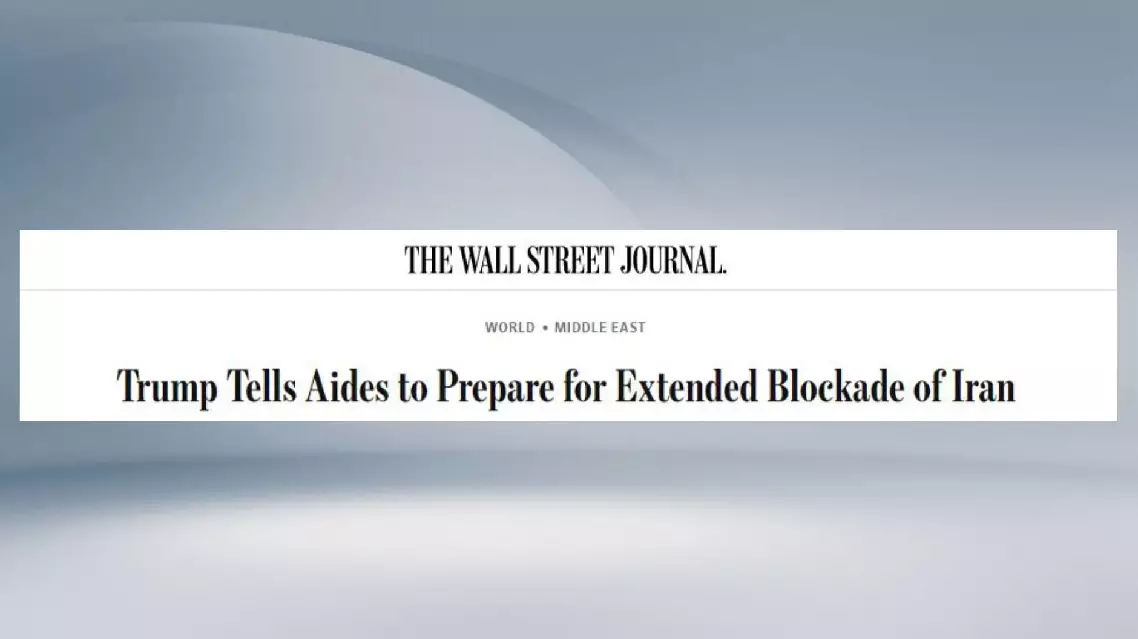
Iran warns of stern response as US plans prolonged blockade