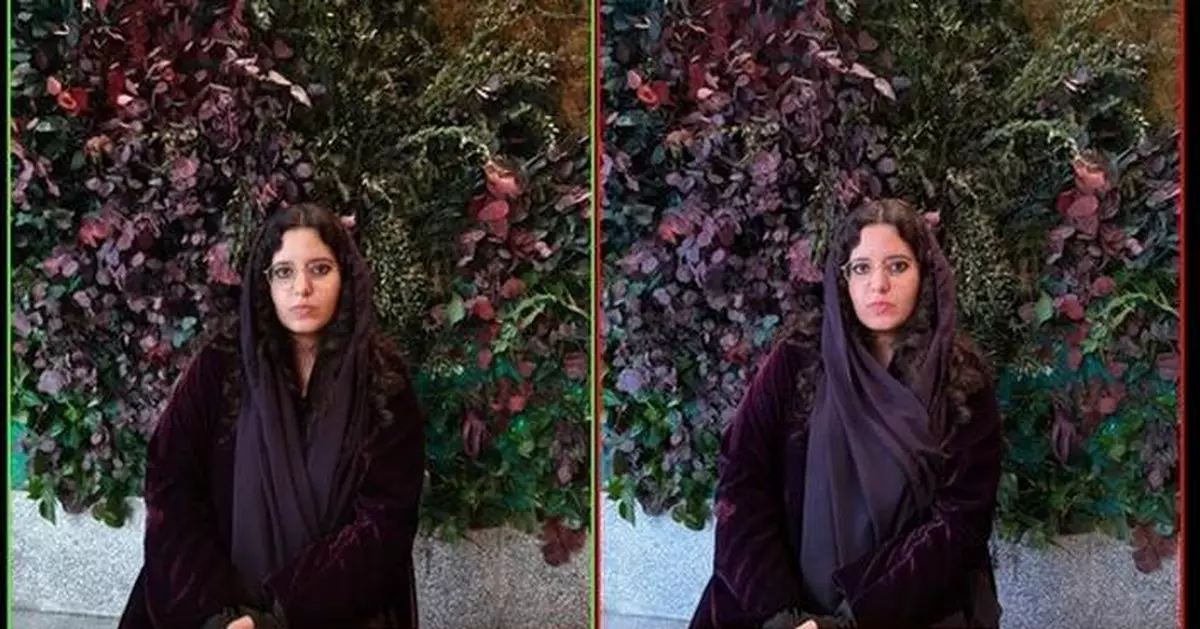
BARCELONA, Spain, March 3, 2026 /PRNewswire/ -- At MWC Barcelona 2026, TECNO and DXOMARK jointly unveiled the latest findings from the DXOMARK Riyadh Insights study. The initiative, designed to understand user preferences and pain points in portrait photography, confirming CAMON 50 Ultra 5G as a breakthrough device in portrait photography and multi-skin tone rendering. Underscoring its exceptional imaging capabilities, the CAMON 50 Ultra 5G achieved an impressive DXOMARK overall camera score of 146—the highest for smartphones under $600—along with a stellar portrait score of 142, ranking among the top in its price segment.
Powered by TECNO's proprietary Universal Tone technology—an advanced imaging architecture trained on extensive global skin tone datasets and AI algorithms—TECNO CAMON 50 Ultra 5G was recognized as a "Compelling Choice for Multi-Skin Tone Rendering Phone Under $600 based on DXOMARK Insights. The device further solidified its position as a strong contender for multi-skin tone rendering in its price segment, based on DXOMARK Insights. This marks another milestone in TECNO's ongoing mission to end skin tone bias in imaging technology.
"With CAMON 50 Ultra 5G, TECNO places a strong emphasis on natural and inclusive skin tone rendering in portrait photography, powered by its proprietary Universal Tone technology," commented Frédéric Guichard, CEO of DXOMARK, "The DXOMARK Insights study conducted in the critical and diverse market of Saudi Arabia, involving real end users representing a broad spectrum of globally common skin tones, confirms that its bright and engaging image style, with a well-balanced white balance, closely matches how users naturally see and experience the scene. This is further enabled by the CAMON 50 Ultra 5G's HDR photo capabilities, delivering a wide dynamic range that remains rare in this price segment. Combined, these strengths make the CAMON 50 Ultra stand out as a compelling choice for accurate and inclusive skin tone rendering under $600."
New DXOMARK Research Reveals Portrait Leadership
The 2026 Riyadh Insights study by DXOMARK, fielded in Saudi Arabia, engaged total of 75 local consumers, coupled with a diverse panel of skin tone models representing a spectrum from light to deep complexions. This research evaluated four smartphones through the analysis of more than 40,000 photo comparisons.
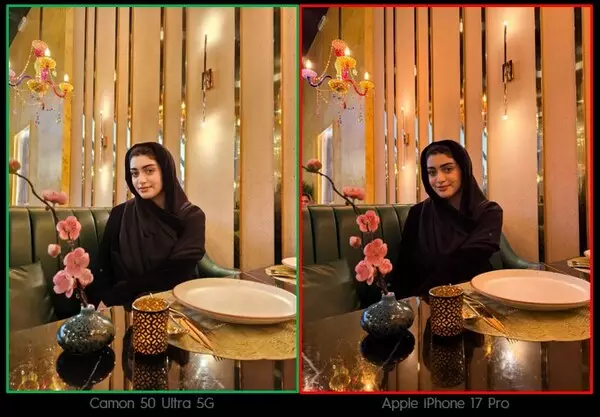
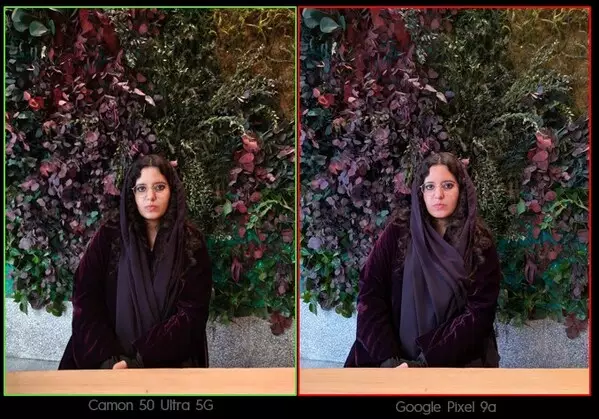
CAMON 50 Ultra 5G ranked among the most preferred devices across all tested scenes – indoor, outdoor, low-light and night. When placed alongside ultra-premium smartphones priced well above its segment, it was favored for more radiant and pleasing skin tones, an advantage driven by higher facial brightness, precise color rendering and exceptionally well-balanced white balance. Universal Tone technology not only meets flagship standards; it is often preferred for its brighter, more flattering portraits.
Against a device renowned for its clinical color fidelity—long considered an industry benchmark for accuracy— CAMON 50 Ultra 5G delivered equivalent levels of accuracy, yet with rendering that users described as more vivid and true-to-life, striking a balance that devices focused solely on clinical precision often miss.
Indoor photography emerged as CAMON 50 Ultra 5G's clear stronghold. While competitors struggle with warm, uneven or mixed artificial lighting, the CAMON stood out decisively: It got the highest satisfaction index level among others, and 63% of consumers preferred it over all other tested smartphones in indoor scenes. Users consistently praised its ability to preserve luminous, faithful skin tones under complex lighting – a direct result of Universal Tone's capacity to separate subject from lighting noise and keep skin tones the focal point of every frame.
Across all key metrics, including multi-skin tone accuracy, user preference, facial brightness and white balance control, the CAMON 50 Ultra 5G ranked highest in its price category. DXOMARK Insights data confirms its imaging performance extends well beyond its price segment, delivering flagship-grade quality at a fraction of the cost and making premium portrait photography accessible to a far wider audience, redefining what users can expect from a sub-$600 smartphone.
TECNO Universal Tone: A Continuing Commitment to Inclusive Imaging
Since launching Universal Tone technology in 2023, TECNO has championed the belief that every skin tone deserves accurate, beautifully representation. What began as a commitment to end skin tone bias in mobile imaging has evolved into the industry's most advanced full-spectrum skin tone rendering system, powered by a proprietary 372 skin tone database developed with color science experts from leading global universities.
True to its "Glocalization" strategy, TECNO partners with academic institutions worldwide to tailor imaging algorithms to regional diversity. From Saudi Arabia to Southeast Asia, these collaborations capture local skin tone spectra, lighting conditions, and cultural perceptions of authenticity, turning subjective ideals of "real" into measurable, industry-applicable standards.
With Universal Tone at its core, CAMON 50 Ultra 5G brings this vision to life: capturing people of all ethnicities and complexions not just correctly, but with radiance and respect. For consumers, this means clearer, more authentic images in which their own skin tones and individuality are accurately reflected, transforming everyday photography into a more confident and joyful experience.
** This press release is distributed by PR Newswire through automated distribution system, for which the client assumes full responsibility. **
TECNO CAMON 50 Ultra 5G Achieves Highest Camera Score Under $600, Named a Top Multi-Skin Tone Rendering Phone by DXOMARK Insights
TECNO CAMON 50 Ultra 5G Achieves Highest Camera Score Under $600, Named a Top Multi-Skin Tone Rendering Phone by DXOMARK Insights
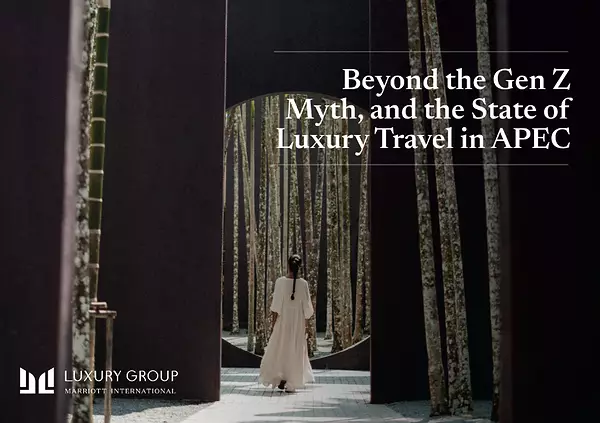
New research by the Luxury Group by Marriott International challenges assumptions about Gen Z travelers, uncovering diverse motivations and definitions of luxury travel
SINGAPORE, July 1, 2026 /PRNewswire/ -- As Gen Z rises as a defining force in luxury travel, one long-held assumption no longer holds: there is no single Gen Z traveler. A new report from the Luxury Group by Marriott International in Asia Pacific excluding China (APEC), reveals a generation comprising four distinct luxury mindsets, with each redefining luxury on their own terms, from cultural immersion and personal wellbeing to digital disconnection and heritage-driven exploration.
Drawing on insights from 2,800 affluent travelers across eight Asia Pacific markets, including 1,200 Gen Z respondents aged 18 to 29, the report signals a decisive shift. Luxury travel is no longer anchored by demographic factors, but increasingly shaped by intention, identity, and personal meaning.
"Luxury today is no longer defined by a singular standard. It is deeply personal," said Oriol Montal, Regional Vice President of Luxury, Marriott International Asia Pacific excluding China. "Our research reveals that affluent Gen Z travelers are not just participating in luxury travel. They are reshaping it, driven by a desire for meaning, wellbeing, and authentic connection. As the definition of luxury continues to fragment and evolve, understanding these emerging perspectives will be critical for shaping the next generation of travel experiences."
From Followers to Architects of Luxury Travel
Today's affluent Gen Z travelers are no longer passive participants. Rather, they are deliberate architects of their journeys. More than half fund their own trips, while nearly half plan every aspect of their journeys themselves. Immediate family remains their preferred travel companions (51%), while small-group travel has grown by 17%, signaling a shift toward more intimate, shared experiences.
They also bring sophisticated expectations to every journey. Cultural immersion and engagement with local communities influence destination choice for 87% of respondents, while culinary discovery (86%), proximity to nature (86%), and wellness (85%) are key priorities shaping travel decisions.
At the same time, Gen Z travelers expect luxury to be seamless. Time inefficiencies and communication gaps are among their biggest frustrations, underscoring a growing demand for intuitive, frictionless service. Meanwhile, technology is playing an increasingly important role in trip planning, with 23% already using AI tools for travel inspiration and planning.
Four Distinct Luxury Mindsets
The report identifies four Gen Z archetypes whose definitions of luxury diverge significantly:
1) The Connoisseur Traditionalist (34%)
For this group, luxury remains rooted in the enduring pillars of hospitality: reputation, service, and craftsmanship. They gravitate toward iconic hotels, exceptional service, loyalty recognition, acclaimed dining and meticulously planned itineraries. Notably, 79% consistently stay in luxury hotels, while 91% say brand reputation influences booking decisions. Loyalty remains a powerful driver, with 85% motivated by recognition and rewards. As one of the most organized traveler groups, 66% book trips at least one to two months in advance, underscoring a definition of luxury grounded in precision, trust, and excellence.
2) The Future Proofer (30%)
For Future Proofers, travel is an investment in long-term wellbeing. Their journeys are shaped by a desire for optimization and balance, with nearly all (97%) engaging in wellness facilities during their stay, while 95% value access to in-house healthcare experts and consider proximity to nature important when choosing a destination. More than half (57%) are willing to spend more on wellness treatments, far exceeding the broader Gen Z average (20%). Their growing influence reflects the evolution of luxury travel toward an indulgence in preventive health, restoration and holistic wellbeing.
3) The Quiet Luxurist (20%)
In an era of constant connectivity, Quiet Luxurists are choosing absence over access. They are redefining luxury as the ability to disconnect, disappear, and reclaim stillness. All respondents in this profile (100%) say they limit technology use while traveling, compared with 63% of Gen Z overall. Meanwhile, 85% seek out lesser-known destinations, 60% prefer places before they become popular, and 90% value private dining experiences. Favoring boutique hotels, private villas and secluded escapes, they measure luxury not by visibility, but by the freedom to step away.
4) The Cultural Reclaimer (16%)
For Cultural Reclaimers, luxury travel is closely linked to identity, heritage and meaningful connection. Every respondent in this group takes an active role in planning family trips, with 65% also acting as the primary financial decision-maker. Half say destinations linked to family heritage are very important, significantly above the broader Gen Z average of 33%. They are also highly engaged travelers, with 88% seeking immersive experiences. Their journeys are driven less by social validation, and more by cultural discovery, personal enrichment and strengthening intergenerational bonds.
A Broader Recalibration of Luxury Travel
Beyond Gen Z, the report also signals a broader recalibration of luxury travel across the region. Fueled by a continued appetite for premium travel experiences, affluent travelers are also becoming more selective, taking fewer trips while extending their length of stay. Average international leisure trips are expected to increase in duration from seven to nine nights, reflecting a shift from frequency to depth. As travelers concentrate their time and spending, expectations around personalization, seamless service, and meaningful engagement continue to rise.
As luxury travel enters a new era, the findings point to a fundamental shift: the future of luxury will not be defined by a single aspiration, but by a spectrum of personal values. From the pursuit of stillness to the search for identity, from wellbeing to cultural immersion, Gen Z is transforming luxury into something more nuanced and more intentional.
For the industry, the implication is clear. Success will depend not on creating one definition of luxury, but on understanding many, and delivering experiences that feel deeply personal, emotionally resonant, and unmistakably relevant.
The full report is available to download. High-resolution images are available here.
Note to Editor
Findings are from a research report commissioned by Luxury Group by Marriott International conducted over a period from April 24 to May 19, 2026[1], with frequent international travelers who primarily travel for leisure. The study targeted the wealthiest 10% of residents in Australia, India, Indonesia, Japan, Singapore, South Korea, Thailand, and Vietnam with 350 respondents from each market.
About Marriott International
Marriott International, Inc. (Nasdaq: MAR) is based in Bethesda, Maryland, USA, and encompasses a portfolio of compelling brands across luxury, premium, select, midscale, extended stay, and all-inclusive, with 10,000 properties in 146 countries and territories, as of June 11, 2026. Marriott franchises, operates, and licenses hotel, residential, timeshare, yacht, outdoor, and other lodging products all around the world. The company offers Marriott Bonvoy®, its highly awarded travel platform. For more information, please visit our website at www.marriott.com, and for the latest company news, visit www.marriottnewscenter.com. In addition, connect with us on Facebook and @MarriottIntl on X and Instagram.
About Luxury Group by Marriott International
With an unrivaled portfolio of dynamic luxury brands, Marriott International is creating authentic, rare, and enriching experiences sought by today's global luxurian. Spanning all corners of the world, Marriott International's Luxury Group offers a boundless network of more than 560 landmark hotels, resorts, and yachts in over 70 countries and territories through The Ritz-Carlton, Ritz-Carlton Reserve, The Ritz-Carlton Yacht Collection, Bvlgari Hotels & Resorts, St. Regis Hotels & Resorts, EDITION, The Luxury Collection, JW Marriott, and W Hotels. From the world's most iconic destinations to the ultimate undiscovered gems, the international hospitality leader's collection of luxury brands is focused on elevating travel with highly contextualized, nuanced brand experiences that signal the future of luxury by allowing guests to indulge their passions while sparking personal growth. For more information, please visit Luxury.Marriott.com.
| [1] This research was carried out following the outbreak of conflict in the Middle East in February 2026. |
[1] This research was carried out following the outbreak of conflict in the Middle East in February 2026.
** This press release is distributed by PR Newswire through automated distribution system, for which the client assumes full responsibility. **
BEYOND THE GEN Z MYTH: FOUR DISTINCT LUXURY MINDSETS RESHAPING TRAVEL IN ASIA PACIFIC