NEUCHÂTEL, Switzerland--(BUSINESS WIRE)--Mar 3, 2026--
Swiss Advanced Vision announces new clinical evidence confirming the exceptional performance of its Lucidis® intraocular lens (IOL), strengthening its position as a disruptive solution in premium cataract surgery. Unlike traditional Extended Depth of Focus lenses, Lucidis® delivers full-range visual performance comparable to a premium trifocal IOL - while preserving contrast sensitivity, visual quality, and minimizing side effects such as halos and glare, hallmarks of its patented fully refractive design.
This press release features multimedia. View the full release here: https://www.businesswire.com/news/home/20260303823337/en/
A recent peer-reviewed study, Comparative Analysis of Visual Outcomes Between Lucidis 108M (EDOF) and PhysIOL BVI FineVision (Diffractive) IOLs Using Defocus Curve Measurements by H. Naftali, W. Nasser, and M. Naftali, provides compelling comparative data. The findings show that Lucidis® achieves a defocus curve remarkably close to that of a leading diffractive trifocal, demonstrating excellent distance, intermediate, and functional near vision. These results validate the unique optical concept behind Lucidis®, which combines a spherical monofocal base with the Instant Focus™ refractive element, engineered to extend the depth of focus and significantly reduce dysphotopsia.
Beyond the clinical outcomes highlighted in the Naftali study, the functional classification research led by Joaquin Fernandez, PhD, further positions Lucidis® distinctively within the category of full-range IOLs (FRoF). According to this work, Lucidis® provides consistent visual acuity at all distances - supporting surgeons seeking a premium solution that delivers high spectacle independence with high patient satisfaction.
Lucidis® is engineered and manufactured in Switzerland according to the highest precision standards. Its refractive design offers an alternative to multifocal technologies for patients who demand performance without compromise. With its mechanical stability in the capsular bag and consistently predictable refractive outcomes, Lucidis® is increasingly recognized as a premium reference in international markets.
“As the demand for spectacle independence grows, the need for advanced, reliable, and well-tolerated solutions becomes essential,” says Swiss Advanced Vision. “Lucidis® empowers surgeons to offer their patients a premium experience with confidence—full-range vision, visual quality, and an exceptional safety profile.”
If you’re an eyecare professional looking to save time and gain further clinical insights, now’s the perfect moment to join the Swiss Virtual Clinic on sav-iol.com!
Since 2009, SAV-IOL develops and markets advanced EDOF IOLs globally. Its LUCIDIS and EDEN lenses, powered by Instant Focus technology, provide continuous vision from near to intermediate and far distances.
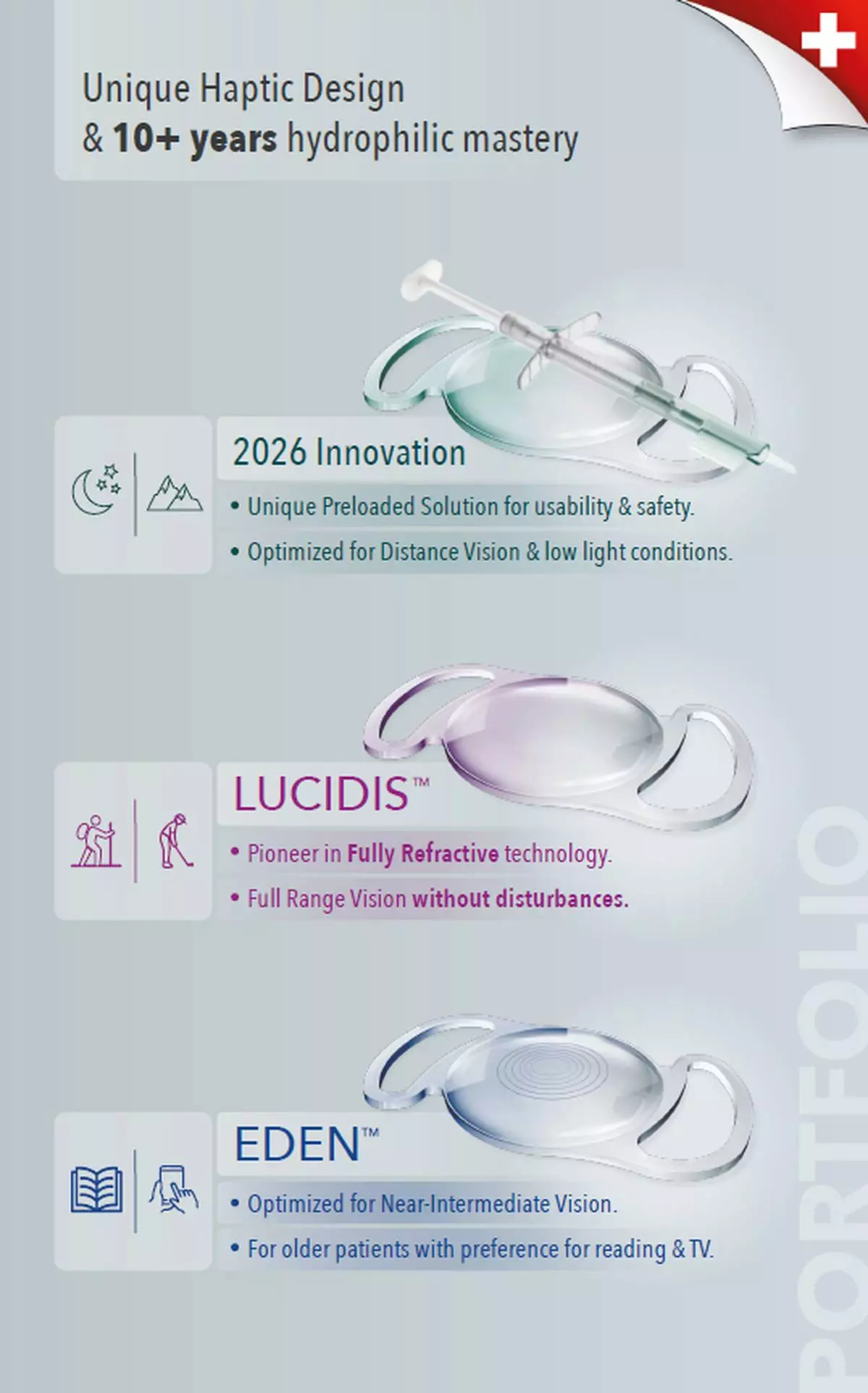
Swiss Advanced Vision premium IOL lenses for cataract surgery
WASHINGTON (AP) — The Trump administration on Thursday loosened federal rules that require grocery stores and air-conditioning companies to reduce greenhouse gases used in cooling equipment, a step President Donald Trump said would help lower grocery costs.
Trump, at a White House ceremony, said the action by the Environmental Protection Agency would “substantially lower costs for consumers” by delaying costly restrictions that limit the type of refrigerants U.S. businesses and families can use.
The move to relax the Biden-era rules on harmful pollutants known as HFCs emitted by refrigerators and other appliances was the latest attempt by the Trump administration to try to address rising voter concerns over the cost of living ahead of pivotal elections in November.
It is not clear how much or how quickly the loosening of the refrigerant rule might impact grocery prices. Industry groups said the move could even raise prices because manufacturers have already redesigned products, retooled factories and trained workers to build and service next-generation refrigerant equipment.
Inflation in the United States increased to 3.8% annually in April, amid price spikes caused by the Iran war and President Donald Trump’s sweeping tariffs. Inflation is now outpacing wage gains as the war has kept oil and gasoline prices high.
The Biden-era regulation was “unnecessary and costly and actually makes the machinery worse,” Trump said at a ceremony joined by top executives from Kroger, Piggly Wiggly and other grocery chains. The EPA action will protect hundreds of thousands of jobs and save Americans more than $2 billion a year, he said.
The Air-Conditioning, Heating and Refrigeration Institute, which represents more than 330 HVAC manufacturers and commercial refrigeration companies, said the change in approach would “inject uncertainty across the market” and could even raise prices.
“This rule works against basic supply and demand,” said Stephen Yurek, the group’s president and CEO. “By extending the compliance deadline” for phasing out hydrofluorocarbons, or HFCs, the administration “is maintaining and even increasing demand in the market for existing refrigerants while supply continues to fall.”
Manufacturers have already retooled product lines and certified models based on the existing timeline, Yurek said. Nearly 90% of residential and light commercial air conditioning systems use substitute refrigerants, rather than HFCs, he said.
The administration's action on refrigerants represents a reversal after Trump signed a law in his first term that aimed to reduce harmful, planet-warming pollutants emitted by refrigerators and air conditioners. That bipartisan measure brought environmentalists and major business groups into rare alignment on the contentious issue of climate change and won praise across the political spectrum.
The 2020 law reflected a broad bipartisan consensus on the need to quickly phase out domestic use of HFCs, greenhouse gases that are thousands of times more potent than carbon dioxide and are considered a major driver of global warming.
The EPA action highlights the second Trump administration’s drive to roll back regulations perceived as climate friendly. The plan is among a series of sweeping environmental changes that EPA Administrator Lee Zeldin has said will put a “dagger through the heart of climate change religion.”
Environmentalists criticized the administration’s actions, saying the new rule would exacerbate climate pollution while disrupting a yearslong industry transition to new coolants as an alternative to HFCs.
The 2020 law signed by Trump, known as the American Innovation and Manufacturing Act, phased out HFCs as part of an international agreement on ozone pollution. The law accelerated an industry shift to alternative refrigerants that use less harmful chemicals and are widely available.
The U.S. Chamber of Commerce and the American Chemistry Council, the top lobbying group for the chemical industry, were among numerous business groups that supported the law and an international deal on pollutants, known as the Kigali Amendment, as victories for jobs and the environment. U.S. companies such as Chemours and Honeywell developed and produce the alternative refrigerants sold in the United States and around the world.
The 2023 rule now being relaxed imposed steep restrictions on HFCs starting in 2026. Zeldin said the rule from the Democratic Biden administration did not give companies enough time to comply and that the rapid switch to other refrigerants caused shortages and price increases last year. Some in the industry dispute this.
The Food Industry Association, which represents grocery stores and suppliers, applauded the Trump EPA proposal last year, saying the earlier rule “imposed significant and unrealistic compliance timelines.”
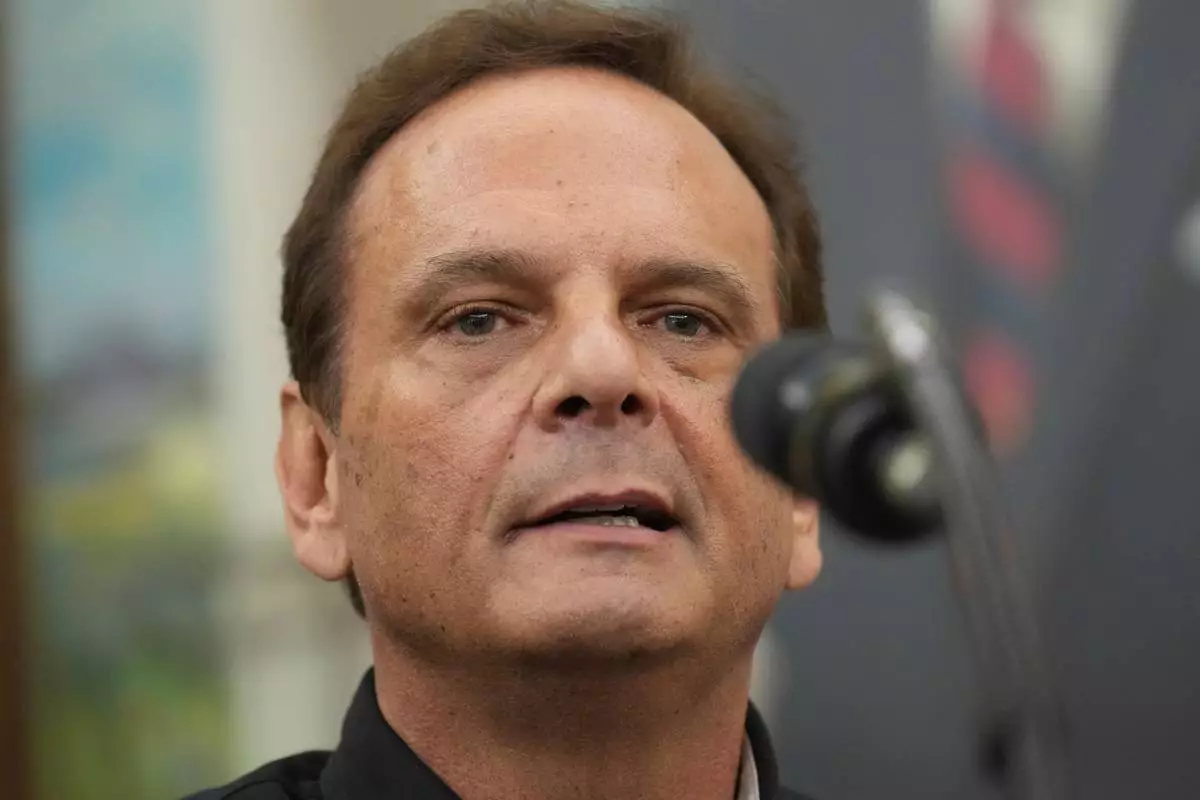
Kevin McDaniel, Piggly Wiggly franchise owner, speaks during an event with President Donald Trump about loosening a federal refrigerant rule, in the Oval Office at the White House, Thursday, May 21, 2026, in Washington. (AP Photo/Jacquelyn Martin)
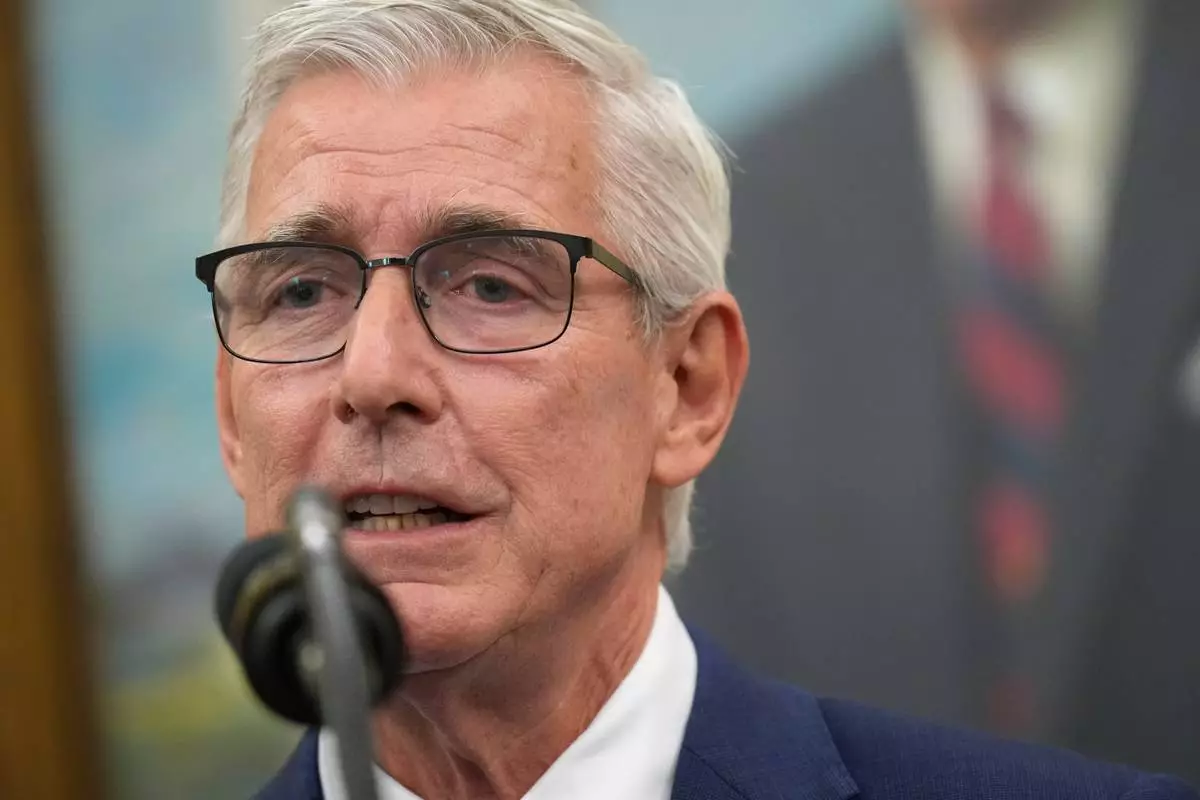
Kroger CEO Greg Foran speaks speaks during an event with President Donald Trump about loosening a federal refrigerant rule, in the Oval Office at the White House, Thursday, May 21, 2026, in Washington. (AP Photo/Jacquelyn Martin)

Lee Zeldin, Environmental Protection Agency administrator, listens as President Donald Trump speaks during an event about loosening a federal refrigerant rule, in the Oval Office at the White House, Thursday, May 21, 2026, in Washington. (AP Photo/Jacquelyn Martin)

President Donald Trump speaks during an event about loosening a federal refrigerant rule, in the Oval Office at the White House, Thursday, May 21, 2026, in Washington. (AP Photo/Jacquelyn Martin)
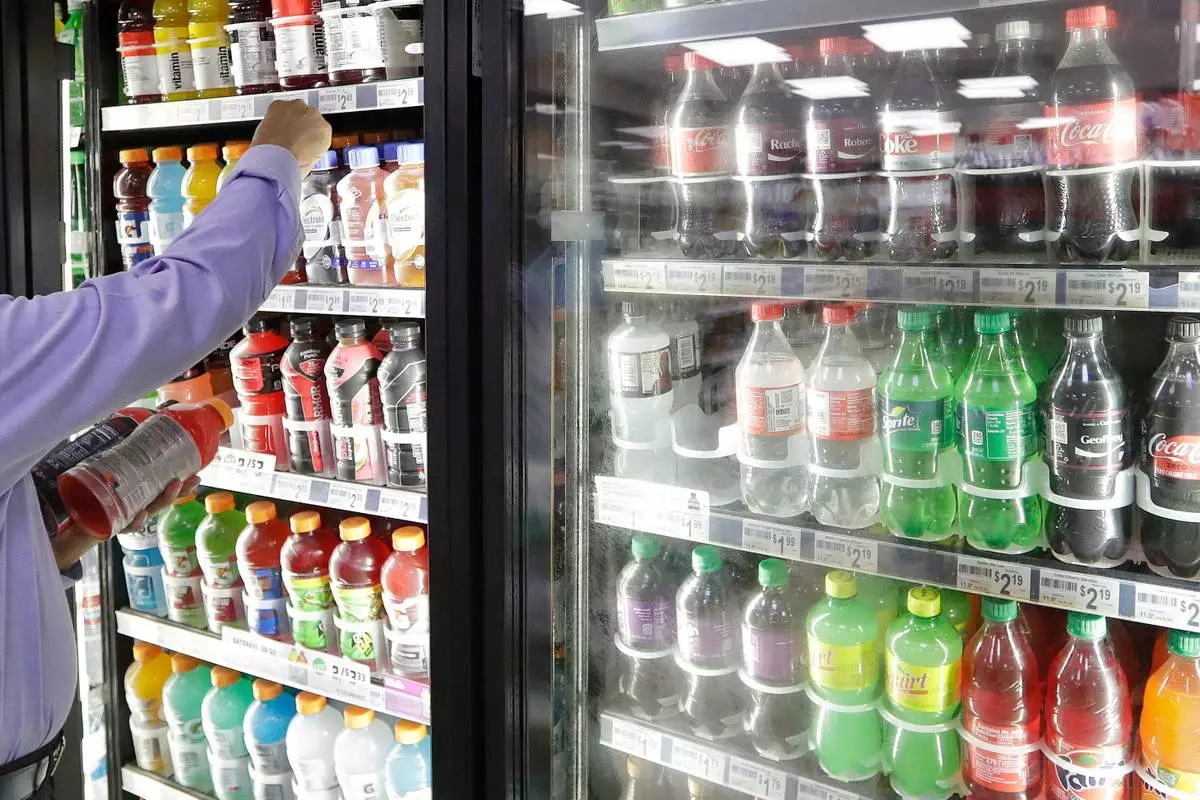
FILE - A shop owner reaches into a drink display refrigerator at his convenience store in Kent, Wash., Oct. 1, 2018. (AP Photo/Elaine Thompson, File)