Skip to Content Facebook Feature Image

26 Doctors without Borders workers remain unaccounted for in South Sudan a month after attacks

News

26 Doctors without Borders workers remain unaccounted for in South Sudan a month after attacks
News

News

26 Doctors without Borders workers remain unaccounted for in South Sudan a month after attacks

2026-03-03 22:20 Last Updated At:22:30

NAIROBI, Kenya (AP) — More than two dozen Doctors Without Borders workers remain unaccounted for a month after attacks in South Sudan, the medical charity said.

Two facilities operated by the group, known by French acronym MSF, were attacked on Feb. 3 in Jonglei State, northeast of the capital, Juba, where violence has displaced an estimated 280,000 people since December.

A hospital in the town of Lankien was bombed by government forces, MSF said, while another medical facility in the town of Pieri was raided by “unknown assailants.” Both were located in opposition-held areas.

Staff working at the two facilities fled alongside much of the local population into deeply rural areas where armed clashes and aerial bombardments were ongoing.

MSF said in a statement on Monday that “26 of 291 of our colleagues working in Lankien and Pieri remain unaccounted for.

“We have lost contact with them amid ongoing insecurity," it said.

The lack of communication with its staff could be linked to the limited network connectivity in much of the state. Staff members who had been contacted described “destruction, violence and extreme hardships.”

Fighting escalated sharply in December, when opposition forces captured a string of government outposts in north central Jonglei. In January, the government responded with a counteroffensive that recaptured most of the area it had lost.

Displaced people in Akobo, an opposition-held town near the Ethiopian border, described horrific violence by government fighters. Many described not being able to find food or water as they walked for days to reach safety.

The attacks on facilities operated by MSF in Lankien and Pieri are part of an uptick in violence on humanitarian staff, supplies and infrastructure, aid groups say. Facilities operated by MSF have been attacked 10 times in the last 12 months.

“This violence has taken an unbearable toll not only on health care services, but on the very people who kept them running,” said Yashovardhan, MSF head of mission in South Sudan, who only uses one name.

“Medical workers must never be targets," he said. "We are deeply concerned about what has happened to our colleagues and the communities we serve.”
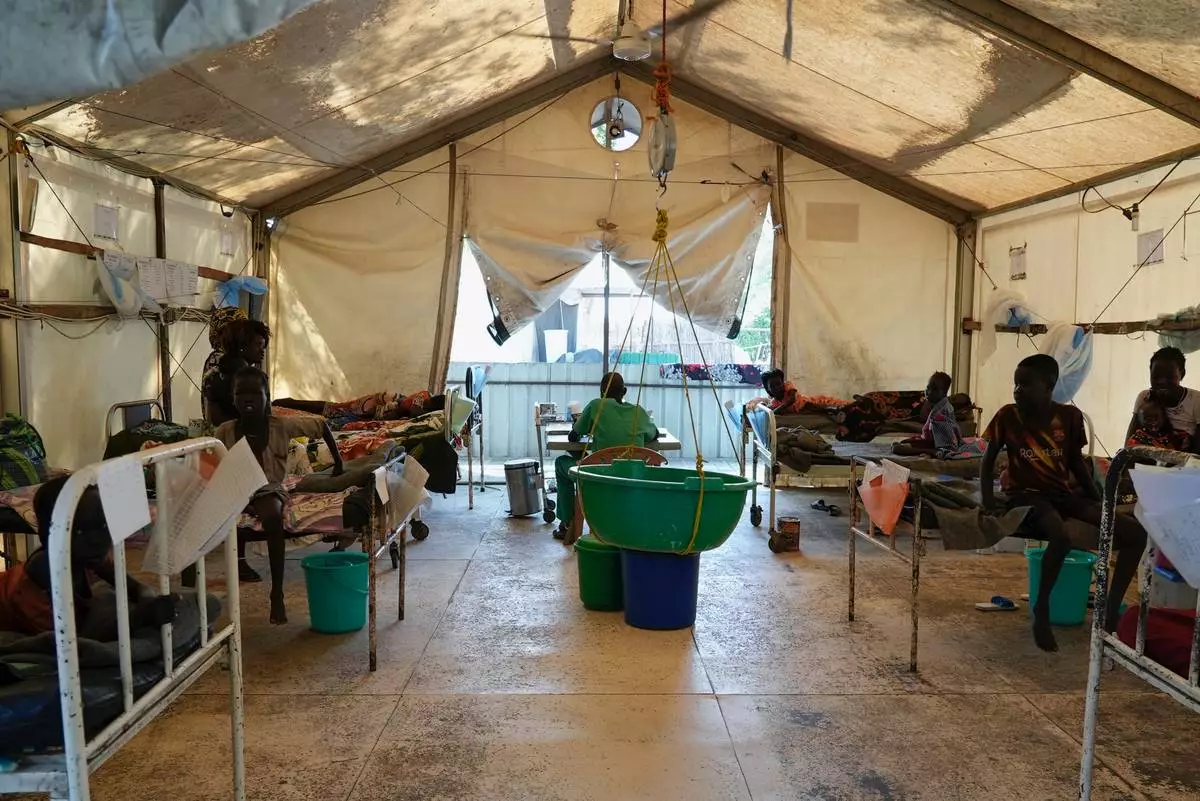
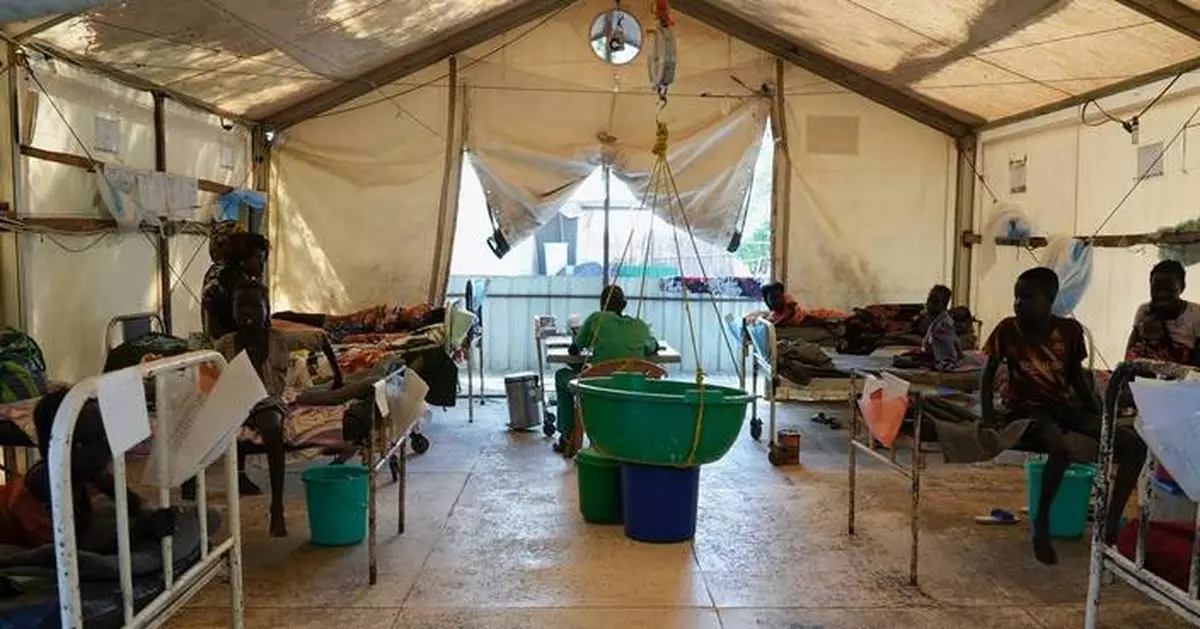
FILE - Patients are seen at a hospital run by Medicines Sans Frontieres (Doctors Without Borders) in Old Fangak in Jonglei state, South Sudan Tuesday, Dec. 28, 2021. (AP Photo/Sam Mednick, File)
FILE - Patients are seen at a hospital run by Medicines Sans Frontieres (Doctors Without Borders) in Old Fangak in Jonglei state, South Sudan Tuesday, Dec. 28, 2021. (AP Photo/Sam Mednick, File)
NEW YORK (AP) — The average price for a gallon of gasoline jumped 11 cents overnight to about $3.11 in the U.S., according to motor club AAA.

Gas prices were already rising before the U.S. launched strikes on Iran as refiners switch over to summer blends of fuel, but crude futures have risen sharply this week because of the war.

On Tuesday, oil futures soared to levels not seen in more than a year as Iran launched a series of retaliatory attacks, including a drone strike on the U.S. Embassy in Saudi Arabia.

Iran has also struck energy facilities in Qatar and Saudi Arabia, and disrupted tanker traffic through the Strait of Hormuz, the narrow mouth of the Persian Gulf through which a fifth of all oil traded passes, sending global oil and natural gas prices soaring.

Benchmark U.S. crude jumped 8.6% to $77.36 a barrel.

Brent crude, the international standard, added 6.7% to $81.29 a barrel. Global oil prices jumped to start the week over concerns that the war will clog the global flow of crude.

The price of crude is the single largest factor in how much U.S. drivers pay for fuel. And higher oil prices are usually felt at the pump within a couple of weeks at most.

Crude price increases are substantially reflected in pump prices in 20 days and a $10 per barrel increase typically results in a rise of around 25 cents per gallon, according to 2019 research by the Federal Reserve Bank of Dallas.

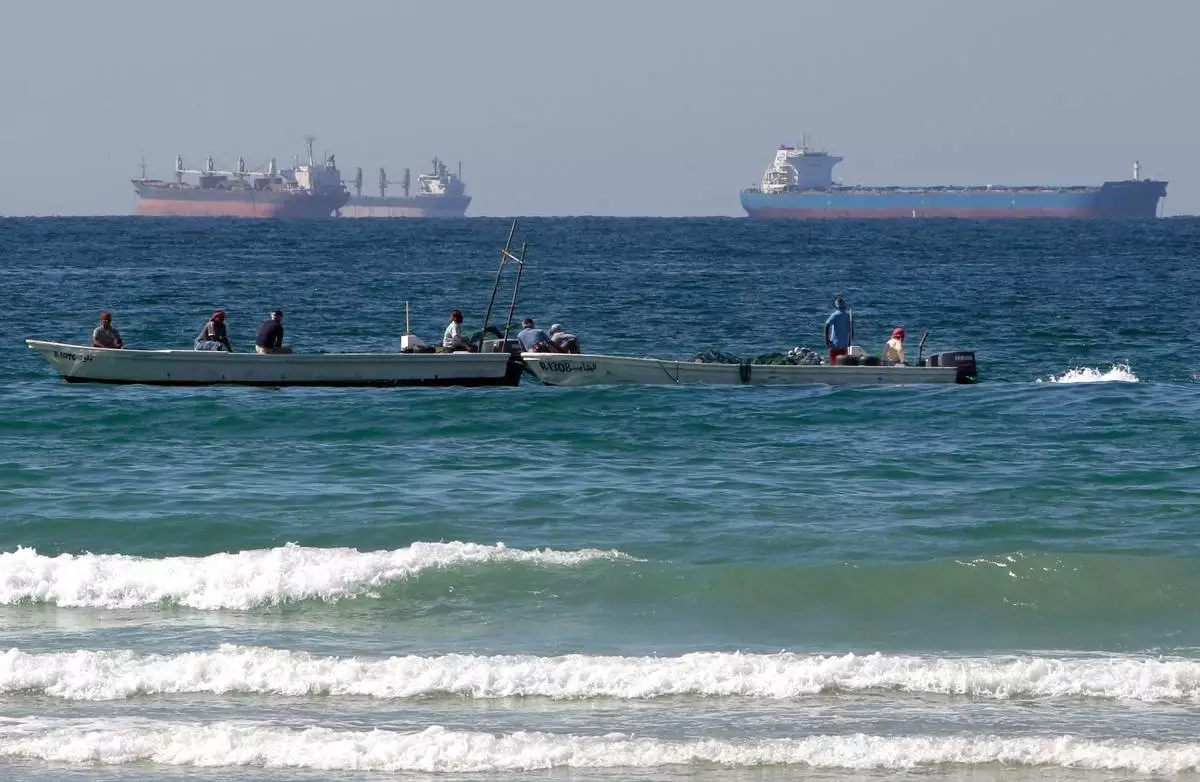
FILE - Fishermen work in front of oil tankers south of the Strait of Hormuz Jan. 19, 2012, offshore the town of Ras Al Khaimah in United Arab Emirates. (AP Photo/Kamran Jebreili, File)

FILE - Fishermen work in front of oil tankers south of the Strait of Hormuz Jan. 19, 2012, offshore the town of Ras Al Khaimah in United Arab Emirates. (AP Photo/Kamran Jebreili, File)

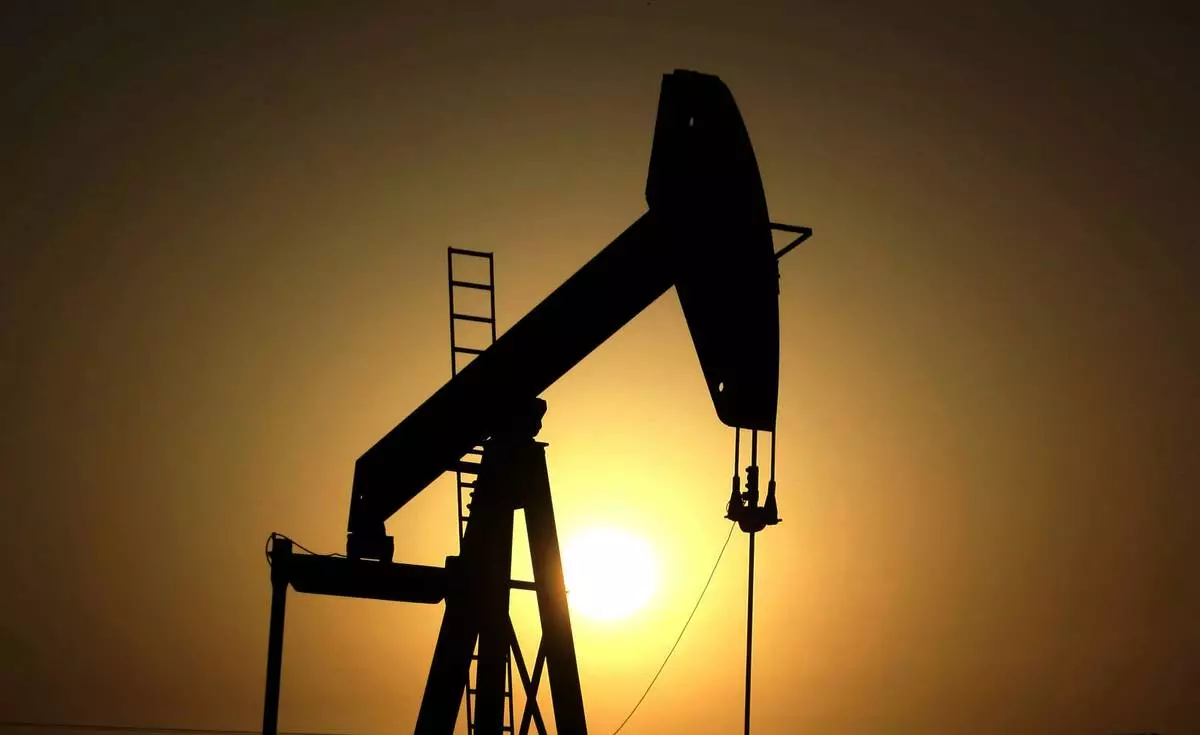
FILE- In this Wednesday, June 8, 2011 file photo, sun sets behind an oil pump in the desert oil fields of Sakhir, Bahrain. (AP Photo/Hasan Jamali, File)

FILE- In this Wednesday, June 8, 2011 file photo, sun sets behind an oil pump in the desert oil fields of Sakhir, Bahrain. (AP Photo/Hasan Jamali, File)

Recommended Articles