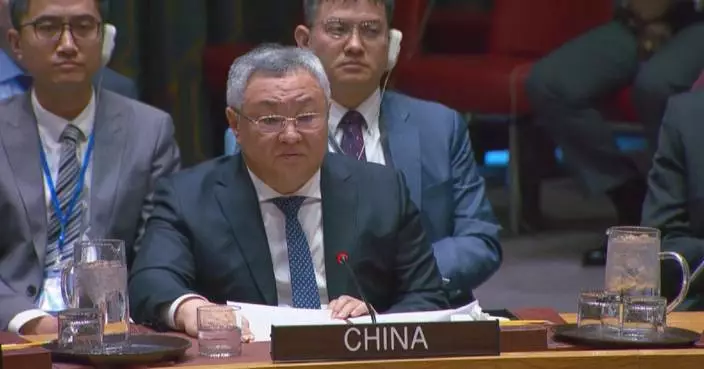
UN Secretary-General Antonio Guterres is deeply worried about the current situation of the Strait of Hormuz and the possible economic and humanitarian impacts it may bring, his spokesman Stephane Dujarric said Thursday.
The Strait of Hormuz, an important international corridor for cargo and energy trade, has experienced significant disruptions due to recent U.S. and Israeli war against Iran.
Speaking at a press conference at the UN headquarters, Dujarric said that this is a world that is still very much addicted to fossil fuels.
"We all know, if as soon as the price of energy, of oil, of fossil fuels go up, it has a direct impact on just about everything, including UN operations," said Dujarric.
Hostilities are increasingly affecting civilians, humanitarian operations and essential supply routes due to rising tensions in the region, said the spokesman.
"Disruptions to airspace and transportation corridors continue to affect the movement of humanitarian supplies and personnel, as well as commercial goods. This puts supply chains at risk and could have broader implications for the availability and cost of essential food, fuel and medical supplies," he said.
A senior Iranian military advisor said on Monday that the country's armed forces will not let any oil be exported through the Strait of Hormuz.
Iran has not closed the Strait of Hormuz, local media reported on Thursday, citing a military official.
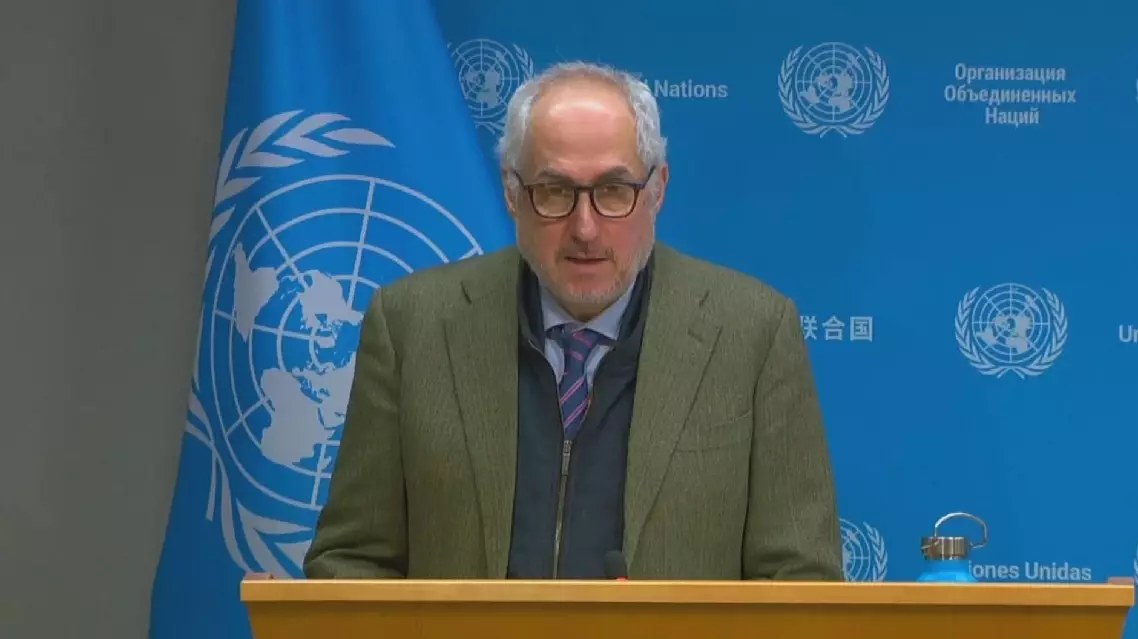
UN chief worried about global energy supplies amid regional conflicts
Hundreds of Shia Muslims marched in northern Nigeria this week to protest the killing of Iran's Supreme Leader Ayatollah Ali Khamenei in U.S.-Israeli strikes last Saturday.
Demonstrations erupted in several northern states, with the largest gathering in Minna, capital of Niger state. Protesters waved Iranian flags, held portraits of Khamenei, and chanted slogans denouncing the attacks.
Farina Ibrahim, one of the demonstrators, voiced the community's anguish and demanded an end to the strikes on Iran.
"The continued attack on Iran should be stopped. They should stop killing our brothers. This action has been going on for too long and we can't continue. Even small children are targeted and killed. We condemn the attack," she said.
Khamenei, who served as Iran's supreme leader for decades, was viewed by many Shia Muslims not only as a political authority but also as a source of religious guidance. His killing has sent shockwaves through Shia communities worldwide.
Demonstrators described the event as a turning point for the Islamic world.
"Whatever they're doing, they're not attacking Iran alone, they're attacking Islam; because Iran has not done anything wrong. All we're concerned about is that they're fighting Islam. And they will not succeed. This procession will continue till they stop. Both America and Israeli forces stop their crude ways of doing things, their attack on innocent people, their attack on innocent nations. What they've done is wrong!" said Usman Zubairu, another protester. In response to the protests, the U.S. Embassy in Abuja deployed heavy security and issued a security alert to American citizens in Nigeria, urging them to remain vigilant.
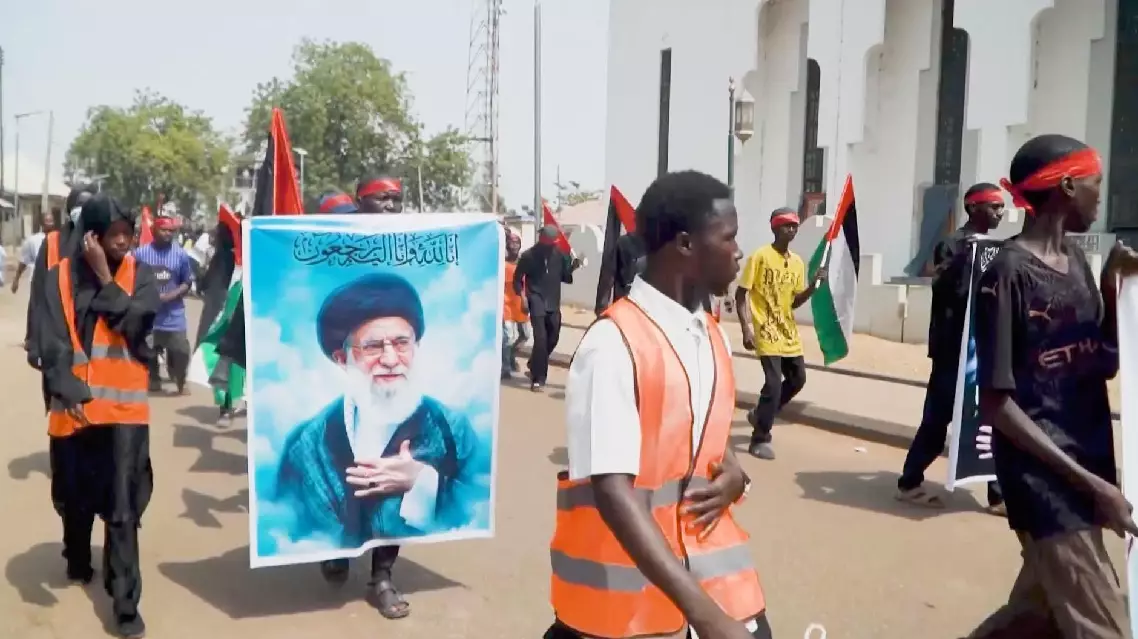
Nigerian Shia Muslims protest killing of Iran's Supreme Leader Khamenei