GREENVILLE, S.C. (AP) — A year ago, MiLaysia Fulwiley helped South Carolina win its third straight women's Southeastern Conference Tournament title.
On Saturday, the speedy, explosive point guard will try to do everything she can to prevent the Gamecocks from making it four in a row.
Fulwiley transferred to rival LSU last year after the South Carolina’s season ended with a loss to UConn in the national championship game. It was a rare instance of coach Dawn Staley losing one of her best players in the transfer portal era.
Filwiley has been a major contributor for sixth-ranked LSU, even though she still comes off the bench as she did at South Carolina.
She scored a team-high 22 points and had eight assists on Friday as the sixth-ranked Tigers thumped No. 7 Oklahoma 112-78 in the SEC quarterfinals. Next up is Saturday's semifinal against No. 3 South Carolina and her old coach and teammates.
“I’m excited to see them,” Fulwiley said. “I got love for them. But right now I’m just really focused on coming out there and just playing better than I did last time against them.”
Fulwiley was 1 of 6 from the field and finished with eight points, four steals and four rebounds in LSU's 79-72 regular-season loss to South Carolina on Feb. 14.
She averages 14.1 points per game for the Tigers.
When asked if she'll have to calm her nerves before the game, Fulwiley joked, “I don’t start, so that will give me time to calm my nerves. I just have to remind myself that I just have to go out there and help my team.”
Fulwiley said she believes the experience she gained from winning an SEC Tournament championship can help her new teammates.
She knows what to expect.
“Absolutely, because I'm kind of familiar with all of this, and with this gym,” Fulwiley said. “I played here in high school. I played here the last two years. So I will just kind of remind my teammates that, it’s not that serious — it's literally not that serious. I'm just have to remind them of who we are and just focus on us and not focus on anybody else.”
LSU coach Kim Mulkey said she doesn't plan to talk about Fulwiley before the game to make sure her emotions are in check.
“You don't have to talk to Lay,” Mulkey said. “Lay is going to make a spectacular play and then she might have you pulling your hair out the next minute. But you let her play. But no, this is not one of those where you think you have to calm her down. We will do film work and go over our ways to try to beat South Carolina.”
Get poll alerts and updates on the AP Top 25 throughout the season. Sign up here. AP women’s college basketball: https://apnews.com/hub/ap-top-25-womens-college-basketball-poll and https://apnews.com/hub/womens-college-basketball
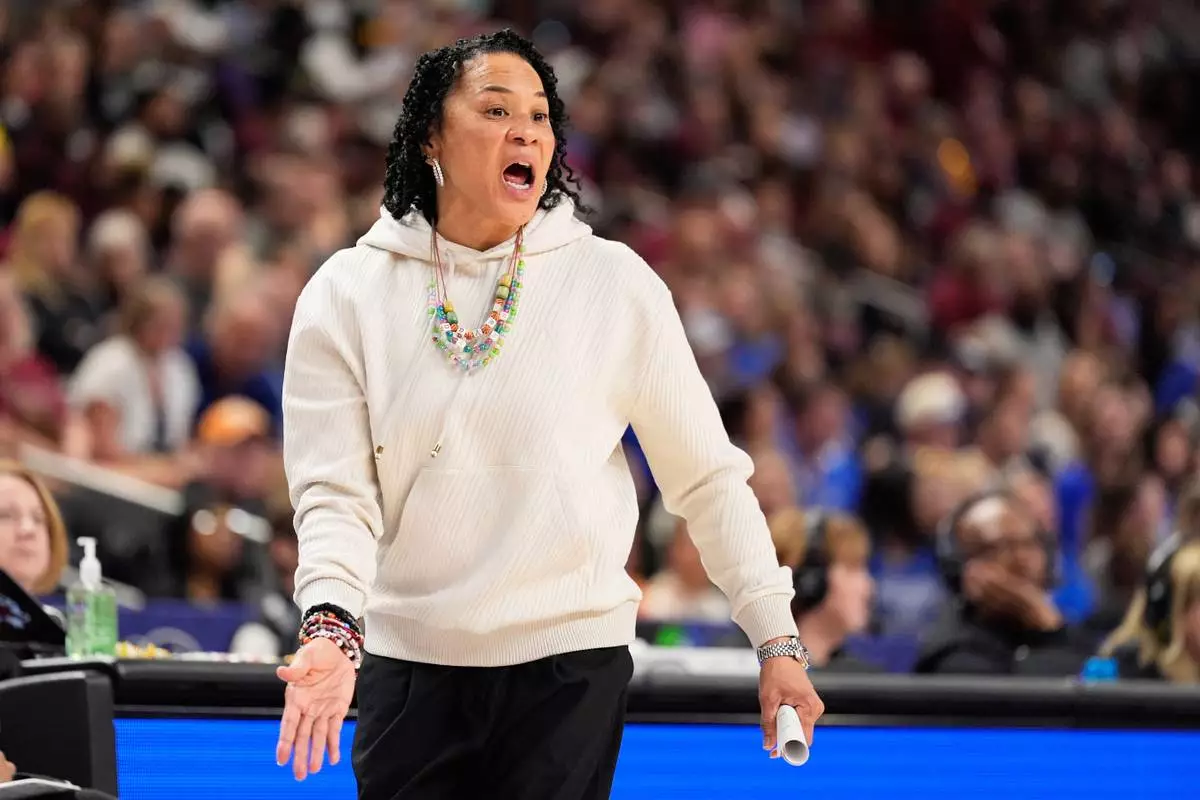
South Carolina head coach Dawn Staley watchers during second half of an NCAA college basketball game against Kentuck in the quarterfinals of the Southeastern Conference tournament, Friday, March 6, 2026, in Greenville, S.C. (AP Photo/Chris Carlson)
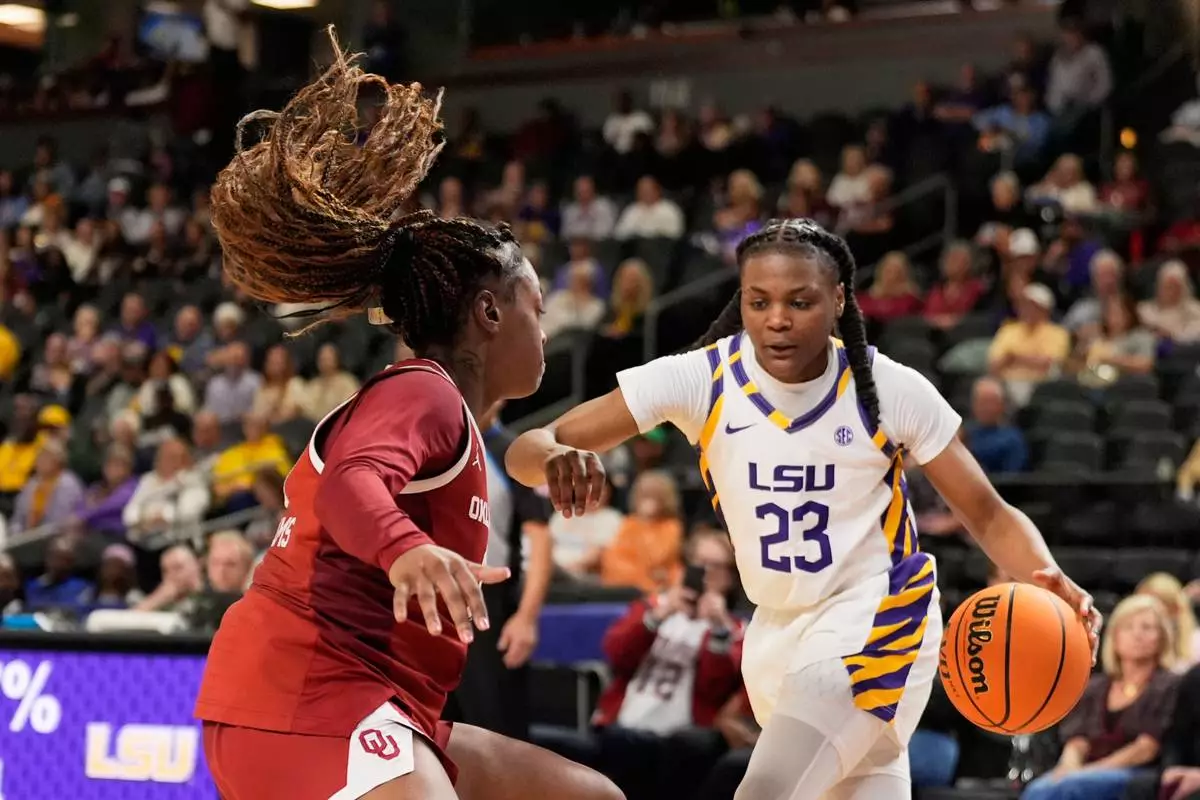
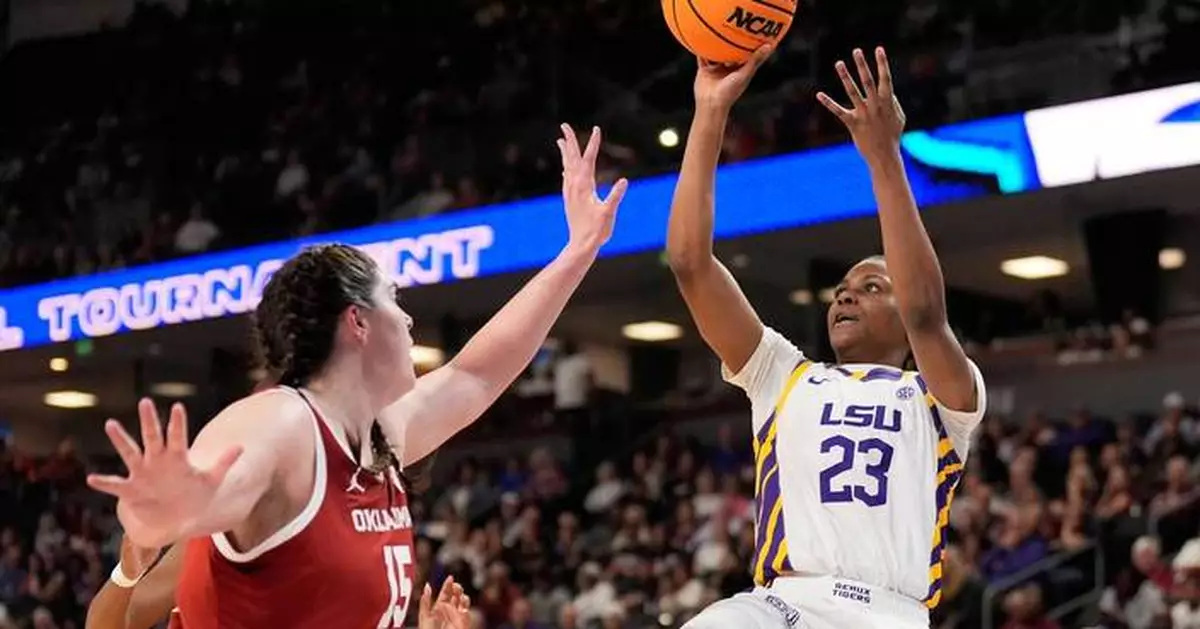
LSU guard Milaysia Fulwiley drives to the basket past Oklahoma forward Sahara Williams during second half of an NCAA college basketball game in the quarterfinals of the Southeastern Conference tournament, Friday, March 6, 2026, in Greenville, S.C. (AP Photo/Chris Carlson)
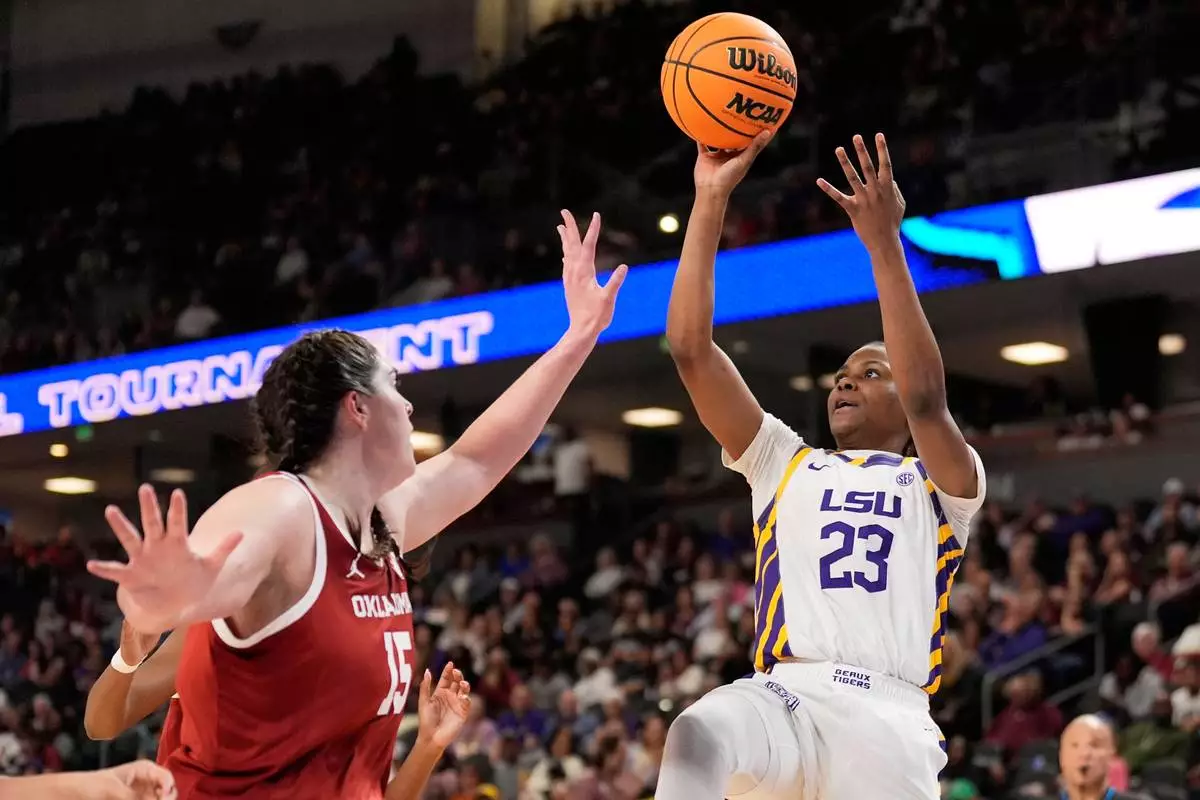
LSU guard Milaysia Fulwiley shoots over Oklahoma center Raegan Beers during second half of an NCAA college basketball game in the quarterfinals of the Southeastern Conference tournament, Friday, March 6, 2026, in Greenville, S.C. (AP Photo/Chris Carlson)
WASHINGTON (AP) — The Food and Drug Administration’s embattled vaccine chief, Dr. Vinay Prasad, is once again leaving the agency — the second time in less than a year that he’s departed after controversial decisions involving the review of vaccinations and specialty drugs for rare diseases.
FDA Commissioner Marty Makary announced the news to FDA staff in an email late Friday, saying Prasad would depart at the end of April. Makary said Prasad would return to his academic job at the University of California, San Francisco.
In July, Prasad was briefly forced from his job after running afoul of biotech executives, patient groups and conservative allies of President Donald Trump. He was reinstated less than two weeks later with the backing of Health Secretary Robert F. Kennedy Jr. and Makary.
Prasad’s latest ouster follows a string of high-profile controversies involving the FDA’s review of vaccines, gene therapies and biotech drugs in which companies have criticized the agency for reversing itself, in some cases calling for new trials of products previously greenlighted by regulators.
In the last month, Prasad has come under fire from pharmaceutical executives, investors, members of Congress and other critics for multiple decisions at the agency.
First, Prasad initially refused to allow the FDA to review a highly anticipated flu vaccine from drugmaker Moderna made with mRNA technology. The rejection of the application, highly unusual for the FDA, prompted Moderna to go public with Prasad’s decision and vow to formally challenge it.
A week after the rejection became public, the FDA reversed course and said it would accept the shot for review after all, pending an additional study from Moderna.
Then, in the past week, the FDA engaged in a highly unusual public fight with a small drug company developing an experimental treatment for Huntington’s Disease, a fatal condition that affects about 40,000 people in the U.S.
The company, UniQure, said Monday that the FDA was demanding a new trial of its gene therapy that would involve performing a sham surgery on some of the patients in the trial. The company’s gene therapy is injected directly into the brain during a surgical procedure.
Company executives said the request for a sham-controlled trial contradicted previous FDA guidance and raised ethical concerns for patients.
On Thursday, the FDA held a highly unusual press conference with reporters to criticize the company’s therapy and defend the agency's request for an additional study.
A senior FDA official, who requested anonymity to speak with reporters, called the company’s original study “stone cold negative.”
“We have a failed product here,” he added.
The FDA typically communicates in carefully-vetted written statements when speaking about scientific disagreements, especially those involving experimental drugs that are still under the agency’s review.
Prasad’s time as the FDA’s top vaccine and biotech regulator has been marked by a series of similar disputes with the companies the agency regulates.
More than a half-dozen drugmakers studying therapies for rare or hard-to-treat diseases have received rejection letters or requests to run additional studies, adding years and potentially many millions of dollars to their development plans.
A longtime academic and critic of the FDA’s standards for drug reviews, Prasad’s approach to regulation since arriving at the FDA last May has confounded many FDA observers and critics.
On repeated occasions, Prasad joined Makary in announcing steps to make FDA drug reviews faster and easier for companies. But he also has imposed new warnings and study requirements for some biotech drugs and vaccines, particularly COVID shots that have long been a target for Kennedy, a longtime anti-vaccine activist before joining the Trump administration.
The Associated Press Health and Science Department receives support from the Howard Hughes Medical Institute’s Department of Science Education and the Robert Wood Johnson Foundation. The AP is solely responsible for all content.
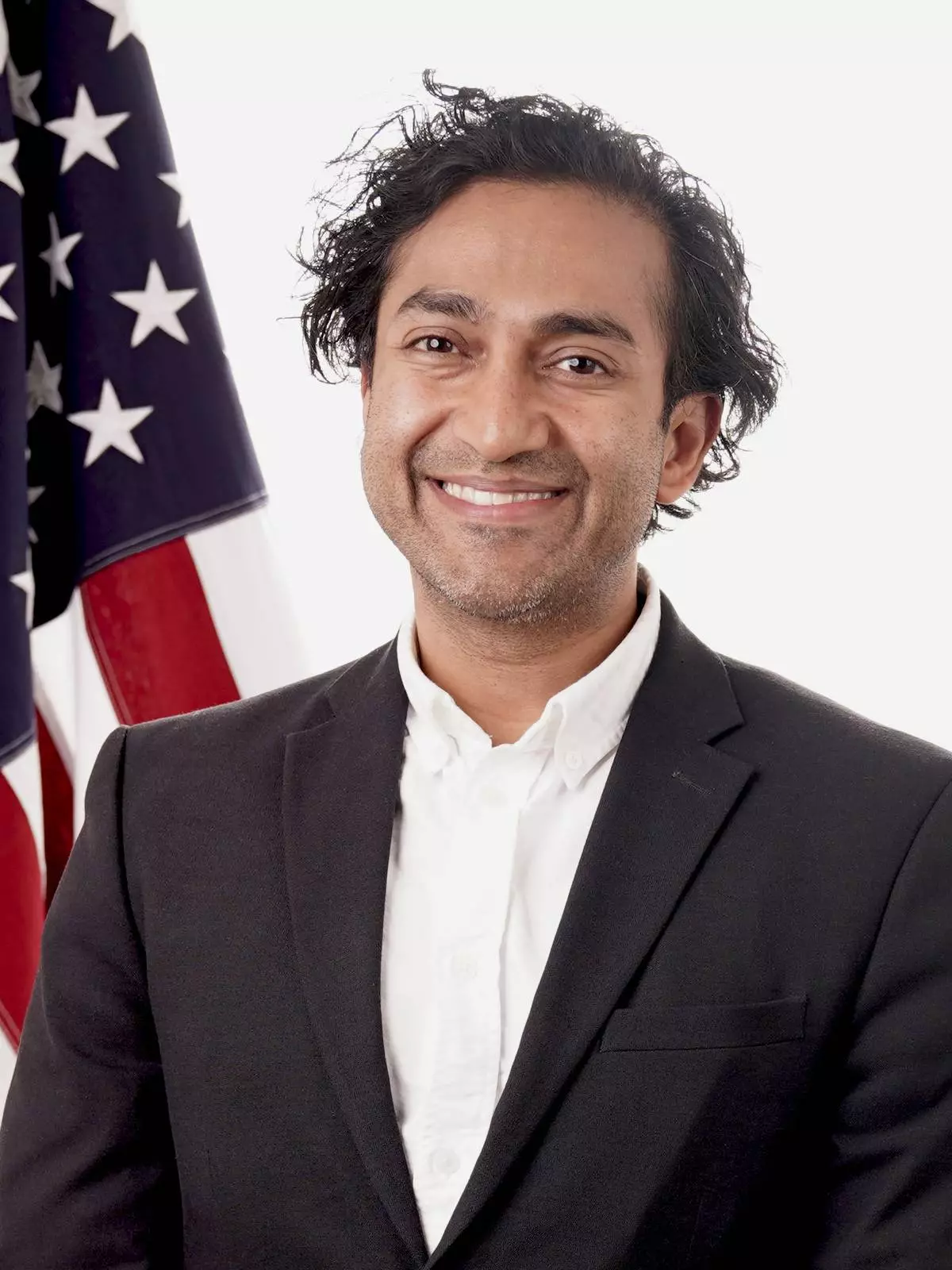
FILE - In this undated photo provided by the U.S. Food and Drug Administration, Vinay Prasad smiles for a portrait. (U.S. FDA via AP)