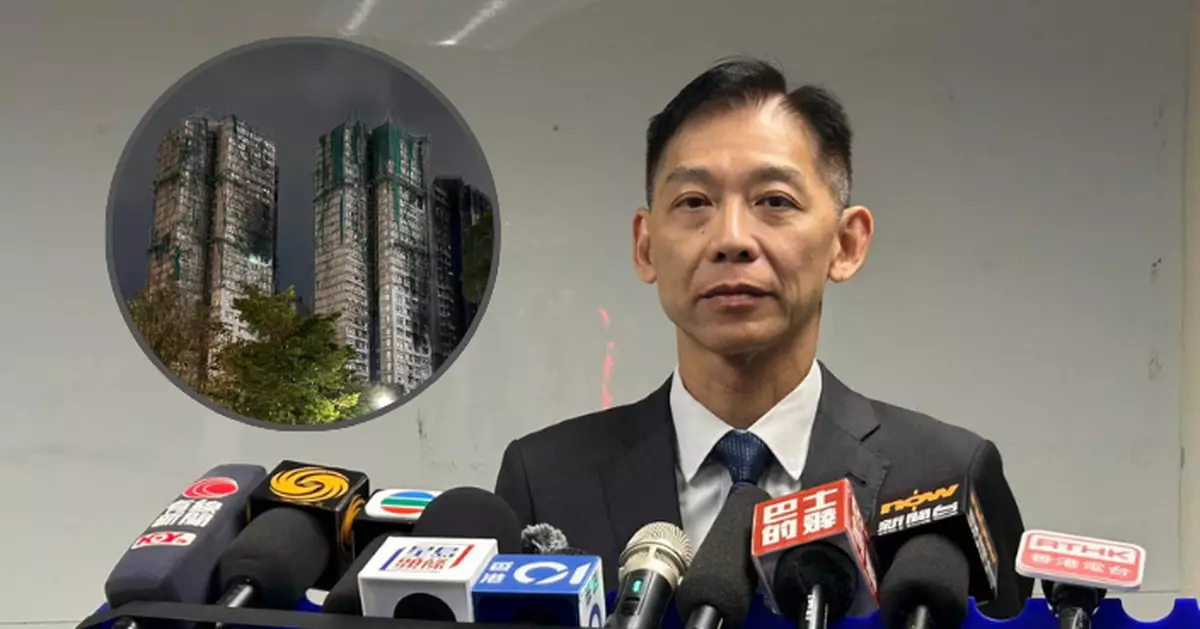
Three workers have been arrested on suspicion of theft while carrying out reinforcement work at Wang Fuk Court in Tai Po.
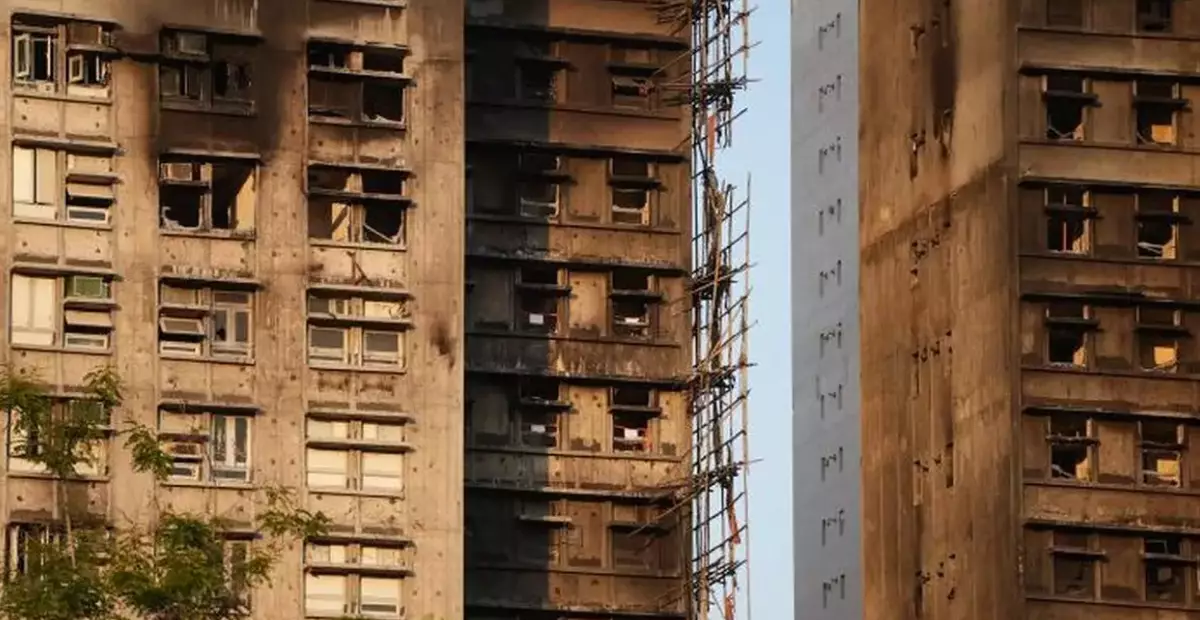
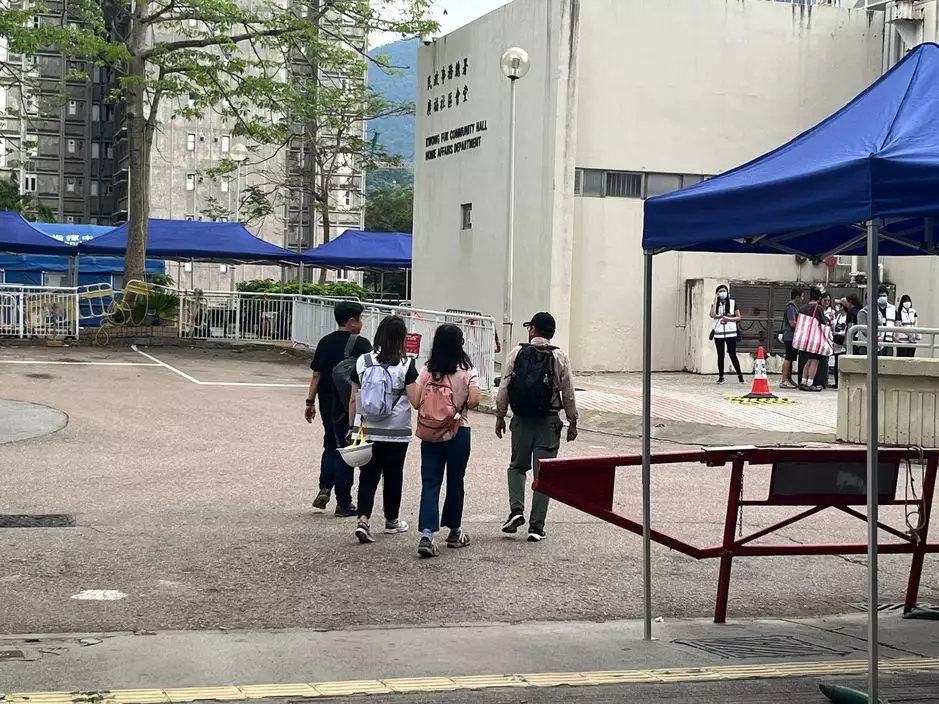
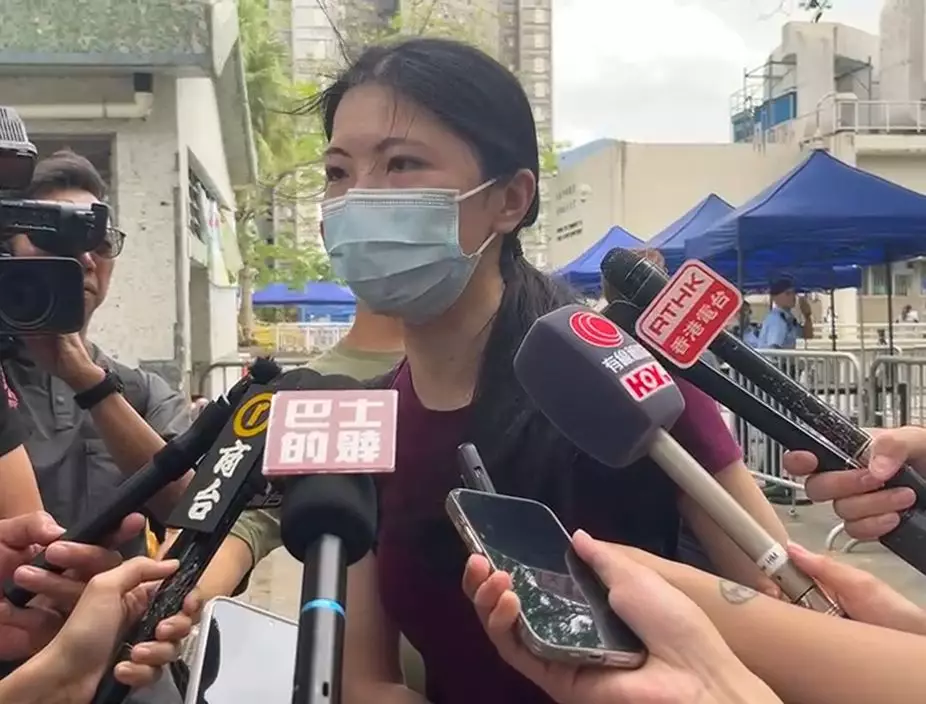
Wang Fuk Court in Tai Po, Photo by Bastille Post
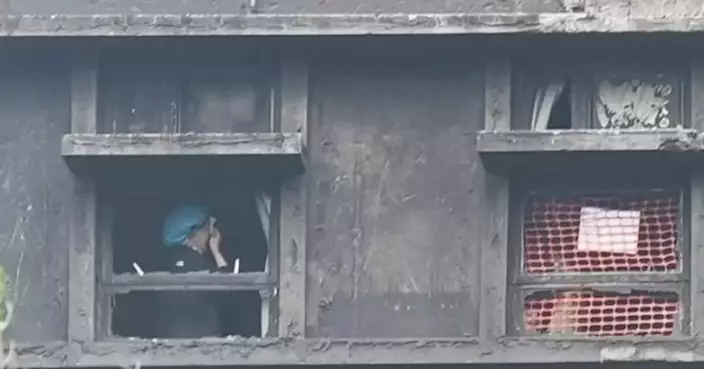
According to the Police, the suspects were assigned to carry out reinforcement work inside a residential unit at Wang Tai House, Wang Fuk Court. Officers discovered seven pieces of jewelry worth approximately HKD $90,000 in their possession and believe the items were stolen while the three men were working at the unit.
Click to Gallery

Wang Fuk Court in Tai Po, Photo by Bastille Post
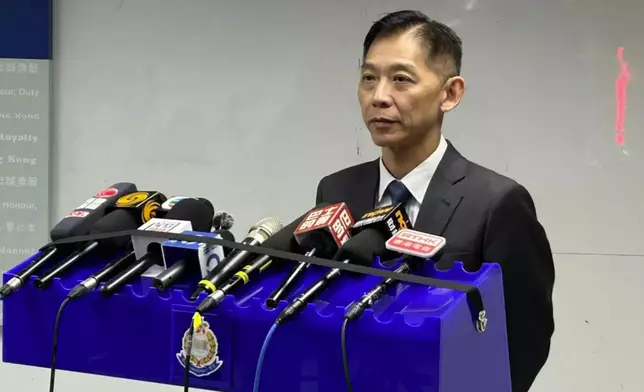
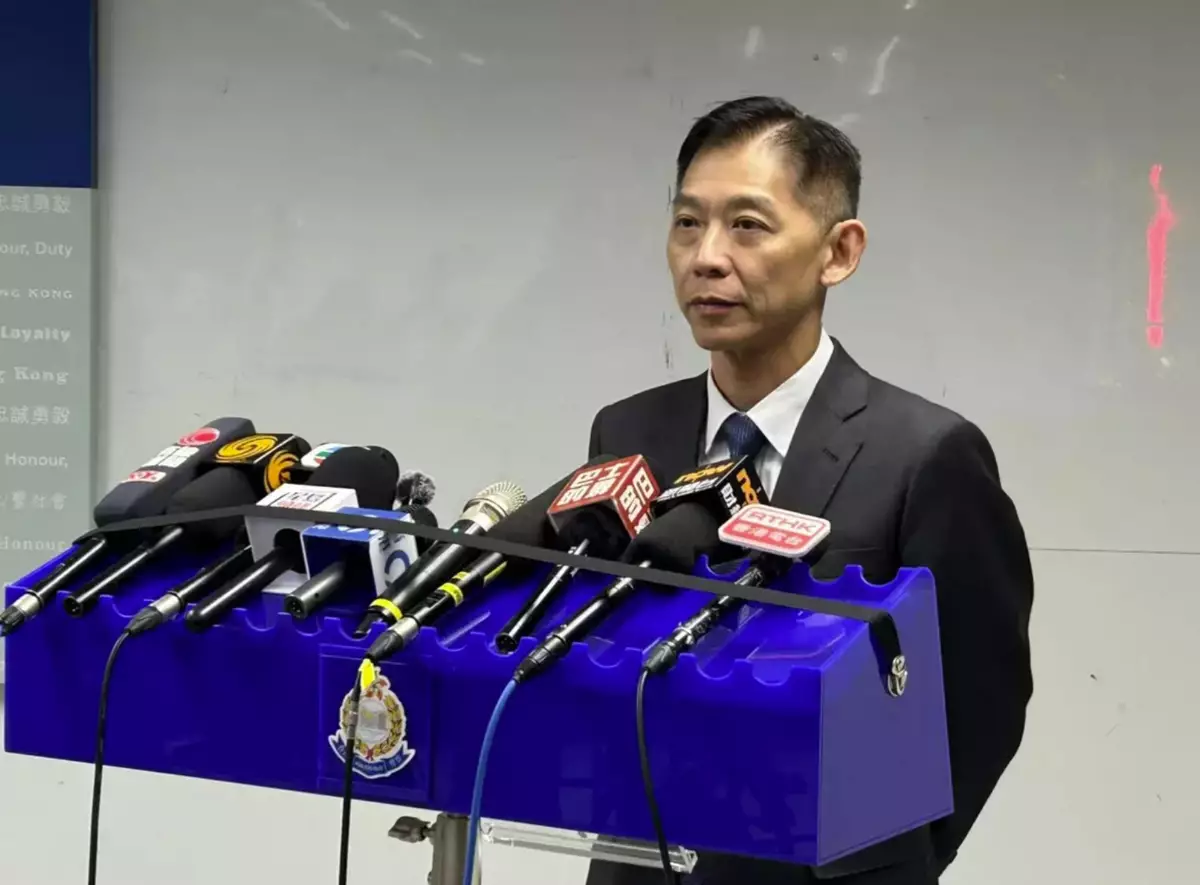
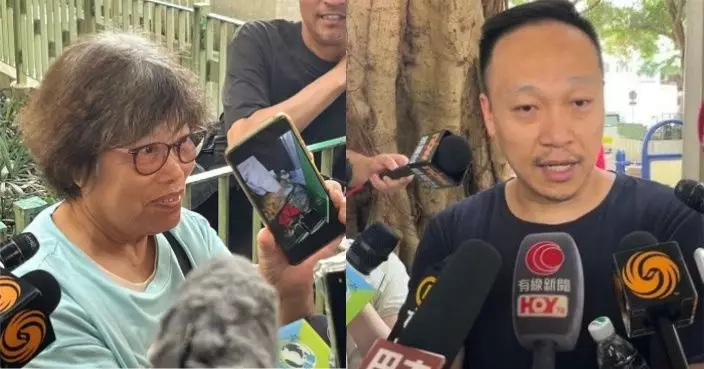
Mr. Chung Chi Keung, the Assistant District Commander (Crime) (Tai Po), Photo by Bastille Post

Wang Fuk Court in Tai Po, Photo by Bastille Post
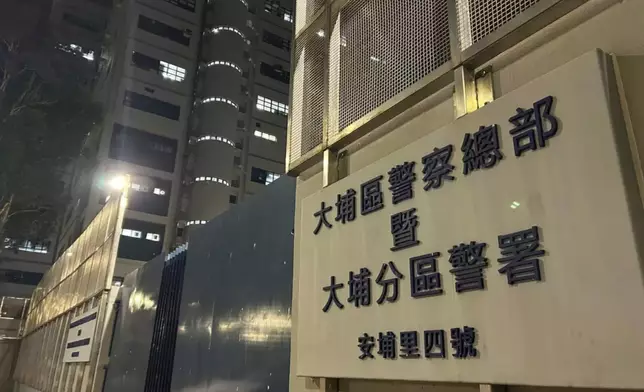
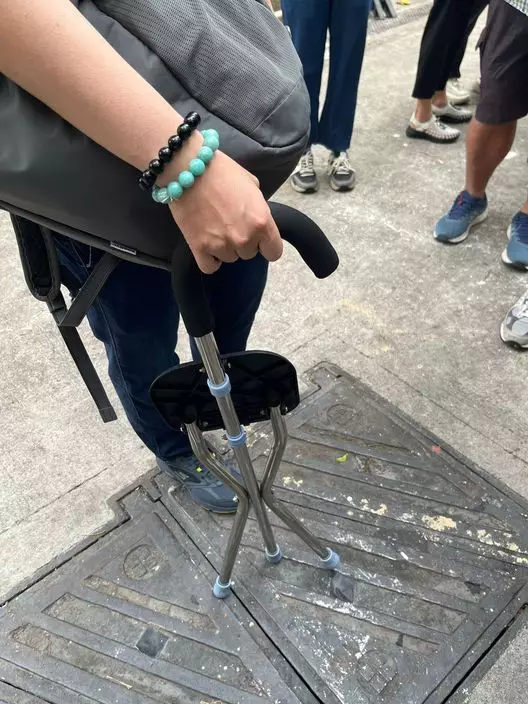
The three workers were arrested at the scene on suspicion of theft and are currently being detained for questioning. Photo by Bastille Post
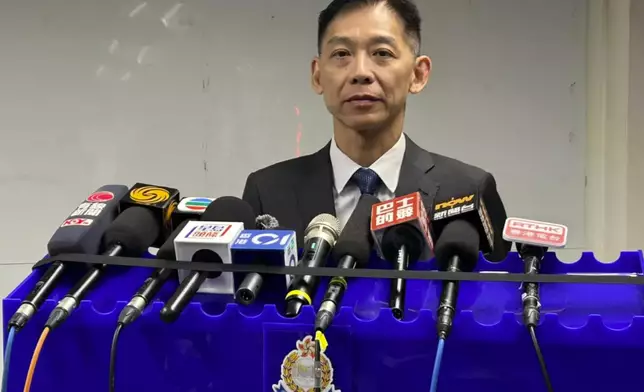
Mr. Chung Chi Keung, the Assistant District Commander (Crime) (Tai Po), Photo by Bastille Post
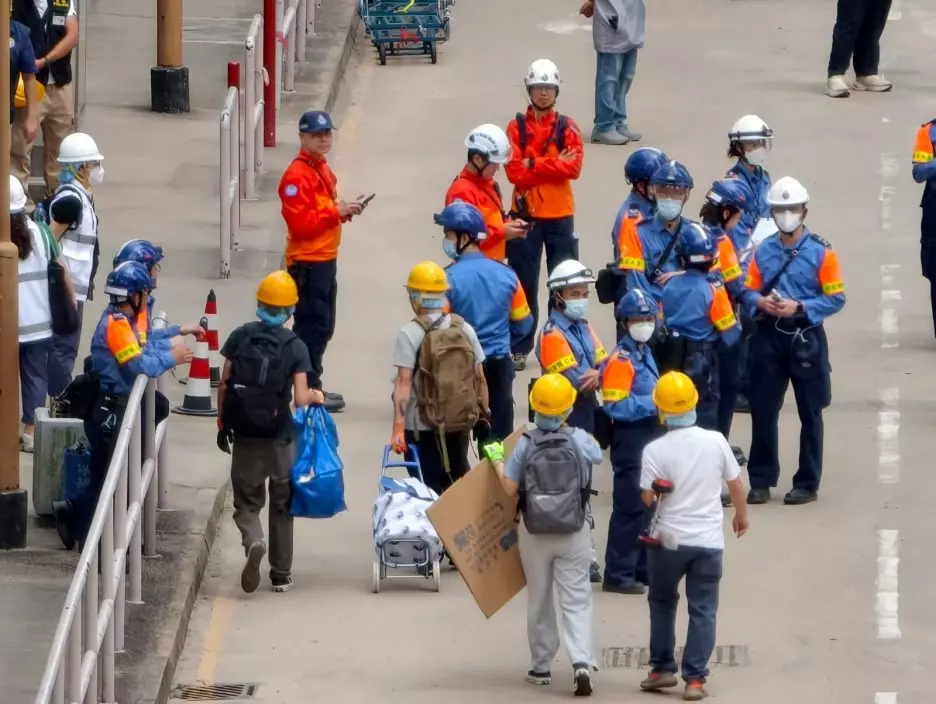
Mr. Chung Chi Keung, the Assistant District Commander (Crime) (Tai Po), said a series of works are currently underway at Wang Fuk Court, including the demolition of bamboo scaffolding. Reinforcement work is also being carried out in multiple units to ensure the structural safety of the buildings.
Mr. Chung said that at around 1:30 p.m. on March 5, officers on patrol observed three workers—surnamed Yu, 32; Wong, 38; and Cheung, 32—acting suspiciously while carrying out reinforcement work inside a unit at Wang Tai House. During a search, officers recovered seven pieces of jewelry valued at approximately HKD $90,000, which they suspect were stolen from the same unit. The three men were arrested at the scene on suspicion of theft and are currently being detained for questioning.

Wang Fuk Court in Tai Po, Photo by Bastille Post
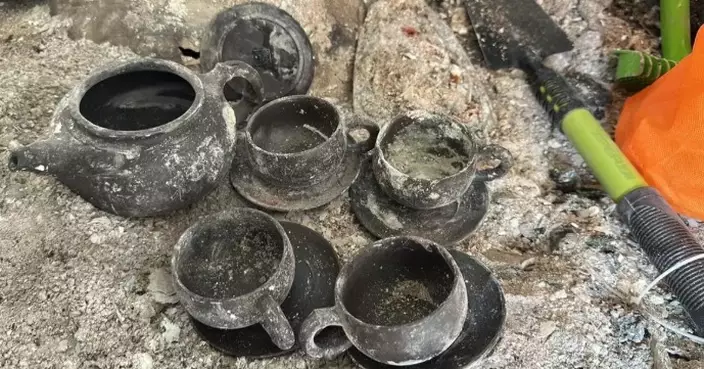
According to Mr. Chung, the Tai Po District Crime Squad is actively following up on the case. Police have contacted the unit owner, who confirmed that the recovered jewelry belonged to them. The Police believe the items—including gold necklaces and diamond rings—were taken from the bedroom. Although the jewelry showed signs of having been burned, the pieces remained identifiable.
The three suspects had been working in the unit in recent days. Two of them started on February 25, and the third joined on February 28. Police later inspected other units at Wang Fuk Court where the suspects had previously worked, but no further evidence was found.
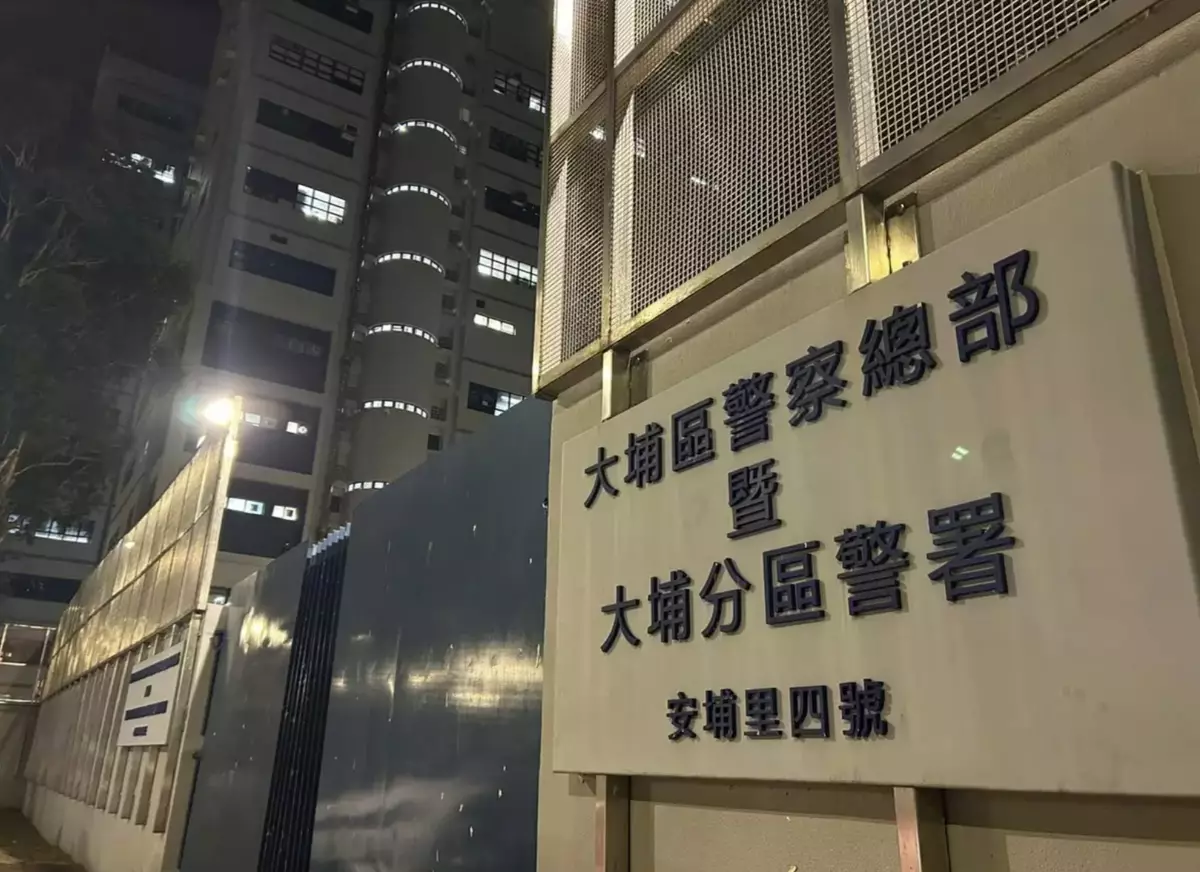
The three workers were arrested at the scene on suspicion of theft and are currently being detained for questioning. Photo by Bastille Post
Mr. Chung added that all workers entering the Wang Fuk Court site must register with Police, present their ID, and specify the nature and location of their work. Officers would accompany workers in and out of the buildings and conduct searches upon their departure to check for suspicious items. The buildings are equipped with CCTV, and the doors are secured with chains each day after work ends. When asked whether others may have been involved, Mr. Chung stated that investigators currently believe the three suspects acted alone.
Mr. Chung noted that the Tai Po fire left many residents displaced and, in some cases, grieving the loss of loved ones. Since committing theft while working in a unit under such circumstances is a despicable act, Police strongly condemn such behavior.
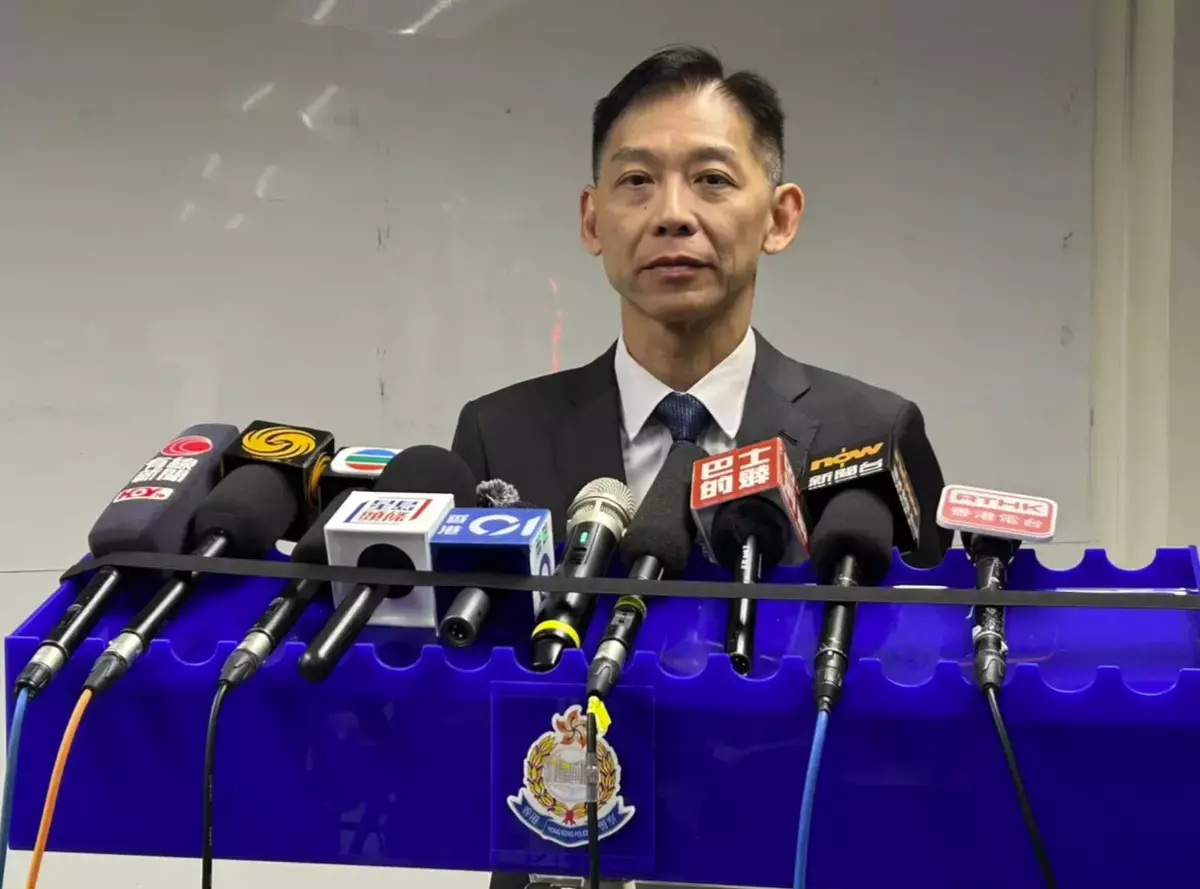
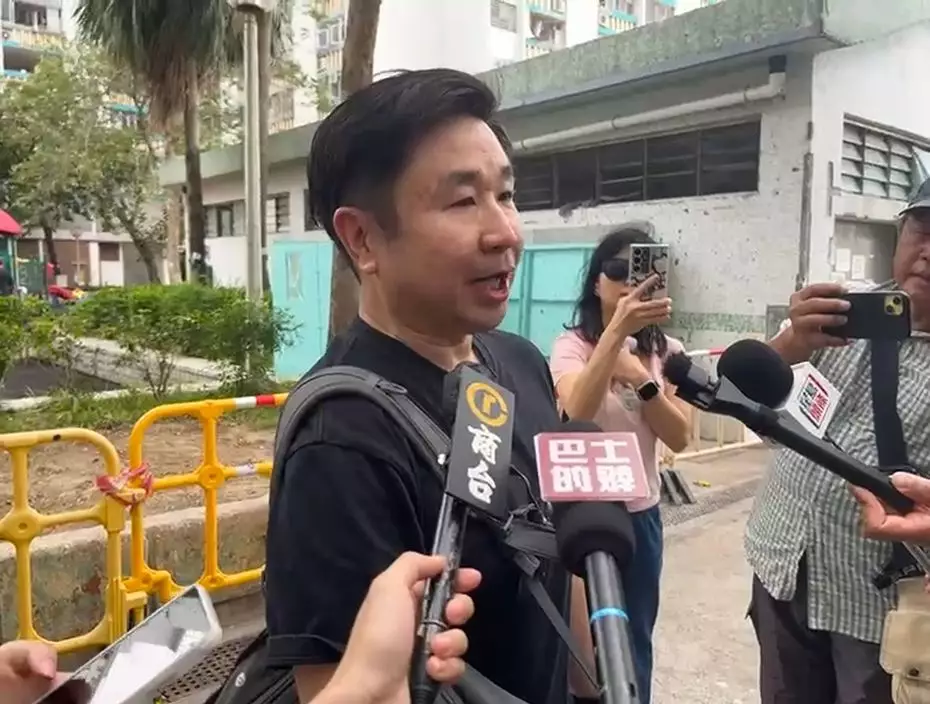
Photo by Bastille Post
The devastating fire at Wang Fuk Court destroyed countless homes. As a vital disaster relief group in Hong Kong, the Hong Kong Red Cross engaged in rescue operations within two hours of the fire breaking out, receiving a sea of donations. Nevertheless, the issue of a "5% administrative fee for donation" has triggered discussion. In the interview with Bastille Post, Ms. Ling Ching Yin, the Director of Hong Kong Red Cross, stated that the 5% cap was based on the guidelines of the HKSAR Government's Disaster Relief Fund. She assured that actual expenditures would be far lower than the cap.
Ms. Ling Ching Yin, the Director of Hong Kong Red Cross, and Mr. Terry Wong, Manager (Local Disaster Relief) of the Hong Kong Red Cross, Photo by Bastille Post
The Hong Kong Red Cross has raised over HKD$530 million to date. Ms. Ling stated that over half of the donations will be directly distributed in cash to disaster-stricken families, and another 40% will be used for a 3- to 5-year community recovery program.
No Other Use for Donations; 5% Cap Based on Government Guidelines
The large donation total has made the 5% fee a significant sum, drawing public scrutiny. Ms. Ling said the expenditures would follow the principle of "designated usages with reimbursement of actual expenses." In other words, only additional costs directly related to the disaster relief effort will be covered. Other regular donations will continue to support the Red Cross's daily operations, and the funds allocated for the Tai Po fire will not be diverted.
Ms. Ling said the expenditures would follow the principle of "designated usages with reimbursement of actual expenses." Photo by Bastille Post
She illustrated with examples: In the first two days after the fire, the Hong Kong Red Cross's official website was overwhelmed by a surge in donations, requiring expenses for immediate server capacity upgrades. Similarly, to handle the spike in assistance inquiries, multiple temporary hotlines had to be set up. The rental fees for these lines, she noted, fall under the "service support costs" category for the Wang Fuk Court donations.
Asked about the 5% administrative cap, Ms. Ling clarified that the benchmark is set in accordance with the HKSAR Government's Disaster Relief Fund guidelines. While the early stages of the fire disaster involved many uncertainties, she assured that through rigorous cost control, the actual "service support" expenses would remain substantially below the 5% threshold.
The Red Cross has three emergency service teams: local relief team, first aid team, and psychological support team, each with approximately 100 to 500 volunteers for quick mobilization in the disaster. Photo source: the Hong Kong Red Cross
Independent Agency to Oversee Donation Use
Responding to questions about other charitable organizations waiving administrative fees, Ms. Ling stated that she respects the diverse operational approaches of different groups, while acknowledging that all charitable initiatives inevitably entail necessary expenses in their execution. The fundamental question, she stressed, is whether the related costs are clear, reasonable, transparent, and necessary—and whether donors can be given a complete explanation of how their contributions are used.
The Red Cross has commissioned an independent third-party audit agency to comprehensively oversee the use of all donations, including service support expenditures. The findings will be made fully transparent to the public. Mr. Terry Wong, Manager (Local Disaster Relief) of the Hong Kong Red Cross, said that in addition to on-site inspections, the audit agency can access the database at any time for random checks. The Red Cross believes that by clearly presenting how each donation is allocated and implemented, public trust in humanitarian relief work can be sustained over the long term.
Mr. Terry Wong, Manager (Local Disaster Relief) of the Hong Kong Red Cross, said that in addition to on-site inspections, the audit agency can access the database at any time for random checks. Photo by Bastille Post
No Immediate Disbursement of Aid Due to Time for Assessment
In the aftermath of the fire, the Red Cross refrained from immediately distributing one-off aid, opting instead to reach a decision following a three-to-four-day assessment period. Ms. Ling elaborated: "Our approach is not merely to disburse one-off cash payments, but to formulate support programs that address the varying needs of different disaster victims." Working with limited information, she explained, the team had to assess critical factors for decision, including appropriate tiered assistance levels and the long-term sustainability of support, etc.
Even with meticulous preparation, not all variables can be anticipated. After the decision to distribute emergency cash assistance was made, a flood of inquiries poured in. Although the Red Cross quickly produced a Q&A list, many questions proved far more complex than expected. Ms. Ling said that some colleagues felt immense pressure when fielding calls, unable to immediately provide satisfactory answers to those seeking help. "When disaster victims call again for help," she said, "we have to listen more attentively, understand more carefully, and continuously review and improve our work."
The Hong Kong Red Cross has been involved in local emergency relief work since the Shek Kip Mei fire in 1953. During the interview, Ms. Ling and Mr. Wong also shared the disaster relief challenges posed by the Tai Po fire.
"When disaster victims call again for help," Ms. Ling said, "we have to listen more attentively, understand more carefully, and continuously review and improve our work." Photo source: the Hong Kong Red Cross
On Scene Within Two Hours in Unceasing Relief Effort
Within two hours of the fire breaking out, the Red Cross activated its emergency response mechanism, raising the alert level to the highest—Level 4—on the same day. Ms. Ling, who served as the overall commander of the rescue operation, explained that this meant the vast majority of staff would be prioritized for disaster relief efforts. On the night of the fire, the Red Cross's local relief team, first aid team, and psychological support team rushed to the scene to assist. First aid stations and psychological support points were set up at six temporary shelters and information centers, two of which were equipped with mattresses, bedding, and other overnight supplies. During the emergency response phase, the Red Cross held two cross-team coordination meetings each week.
The Red Cross mobilized more than 1,600 staff and volunteers for the disaster relief operation. Mr. Wong emphasized that sufficient manpower was essential to sustaining rescue efforts, as many services were "time-consuming" and operated around the clock. The psychological support team, for instance, worked 24-hour shifts for several consecutive days, simultaneously handling hotline calls and on-site support. Meanwhile, the first aid team established a command center at headquarters to allocate manpower in real time, ensuring the six service centers continued to function normally.
He noted that the early stages of disaster relief require continuous shifts between staff and volunteers to provide nearly round-the-clock support.
The psychological support team worked 24-hour shifts for several consecutive days, simultaneously handling hotline calls and on-site support for the Tai Po fire. Photo source: the Hong Kong Red Cross
Long Recovery Road for Fire Victims
The public generally assumes that once fire victims have been allocated temporary housing, they simply need to wait for the government's permanent housing arrangements to achieve full recovery. However, Mr. Wong noted that according to the international Disaster Management Framework—which comprises three phases: emergency response, recovery, and preparedness—the residents of Wang Fuk Court are currently in the transitional stage between emergency response and recovery. "More than 1,900 households were directly affected by the fire," Mr. Wong said, "and each household has different needs."
The fire took away not only the houses of the victims, but also the warmth of their homes. True recovery, Mr. Wong emphasized, is not merely about "giving victims a place to live"—it is about restoring families to their original, or even better, condition across multiple dimensions: housing, livelihood, mental and physical health, and social reconnection, etc. He estimates that the full recovery process for Tai Po fire victims will take at least three to five years.
Red Cross psychological support volunteers also accompanied bereaved families during the body identification process. Photo source: the Hong Kong Red Cross