KATHMANDU, Nepal (AP) — A Nepali political party led by an ex-rapper is set for a landslide victory in the country’s first parliamentary election since Gen Z protests ousted the old leadership that has ruled the Himalayan nation for decades.
The Rastriya Swatantra, or National Independent Party, formed only four years ago, had already won 117 of 165 directly elected seats and led in eight other constituencies in the results published Sunday morning by Nepal’s Election Commission.
Click to Gallery
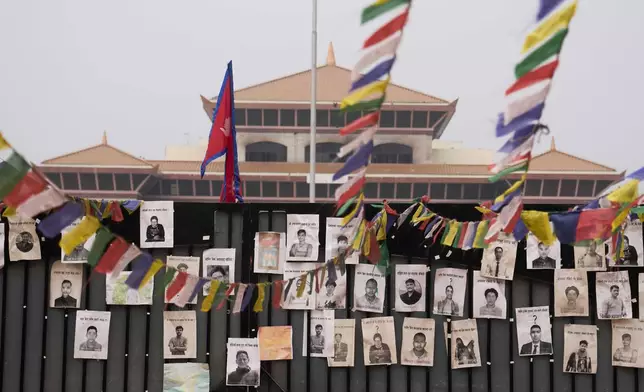
Photos of people who died in last year's deadly anti-corruption Gen Z protest are placed on the gate of the parliament building in Kathmandu, Nepal, Sunday, March 8, 2026. (AP Photo/Niranjan Shrestha)
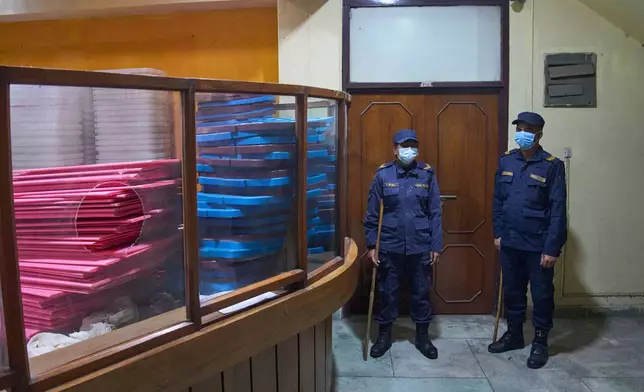
Police stand guard at the door as vote counting takes place, at a counting center for the parliamentary election in Lalitpur, Nepal, Sunday, March 8, 2026. (AP Photo/Niranjan Shrestha)
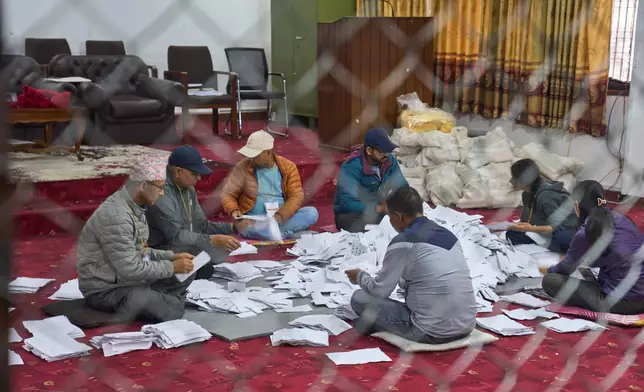
Election official count votes at a counting center for parliamentary election in Lalitpur, Nepal, Sunday, March 8, 2026. (AP Photo/Niranjan Shrestha)
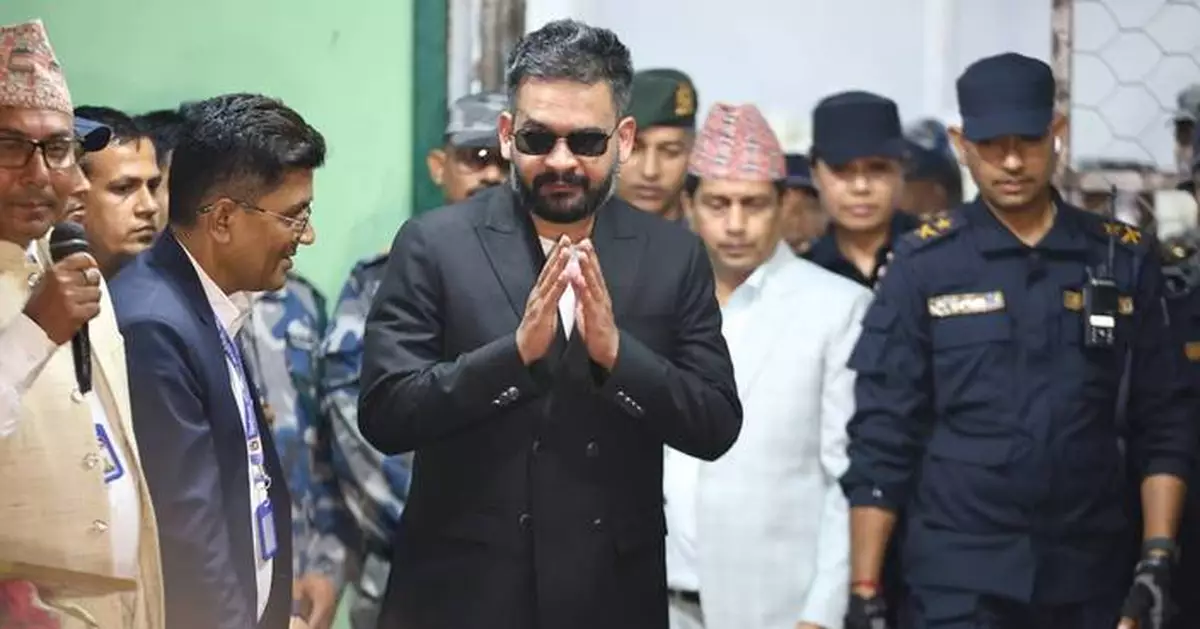
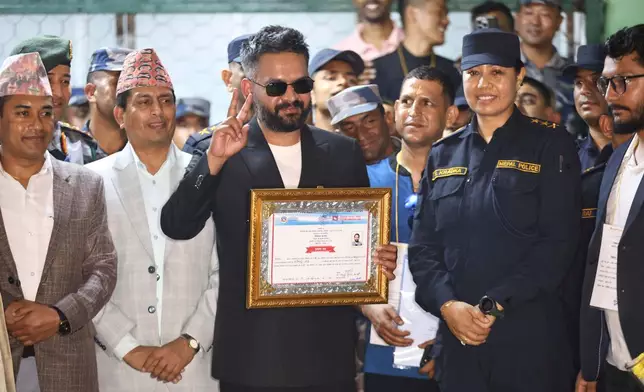
Balendra Shah, foreground, former mayor of Kathmandu Metropolitan City and prime ministerial candidate of the Rastriya Swatantra Party, receives his victory certificate after defeating former Prime Minister Khadga Prasad Oli of the Communist Party of Nepal–Unified Marxist-Leninist (CPN-UML) in Jhapa, about 267 miles (430 kilometers) southeast of Kathmandu, Nepal, Sunday, March 8, 2026. (AP Photo/Umesh Karki)
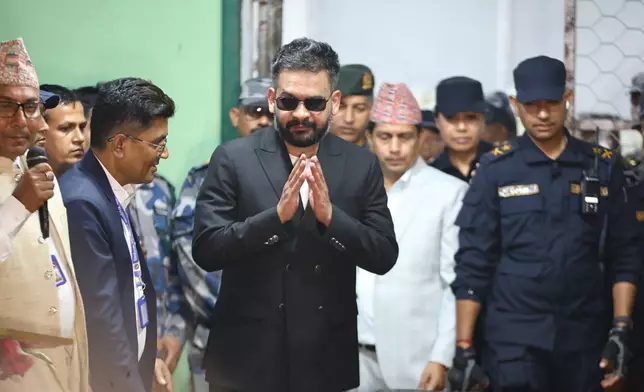
Balendra Shah, foreground, former mayor of Kathmandu Metropolitan City and prime ministerial candidate of the Rastriya Swatantra Party, arrives to receive his victory certificate after defeating former Prime Minister Khadga Prasad Oli of the Communist Party of Nepal–Unified Marxist-Leninist (CPN-UML) in Jhapa, about 267 miles (430 kilometers) southeast of Kathmandu, Nepal, Sunday, March 8, 2026. (AP Photo/Umesh Karki)
Other political parties and independent candidates had won 36 seats in total so far. Officials were still counting the votes Sunday and final results were expected later in the week.
The party’s prime ministerial candidate is rapper-turned-politician Balendra Shah, who won the 2022 Kathmandu mayoral race. He emerged as a leading figure in the 2025 uprising that ousted former Prime Minister Khadga Prasad Oli.
In Nepal, voters directly elect 165 members to the House of Representatives, the lower chamber of Parliament. The remaining 110 seats in the 275-member body are allocated through a proportional representation system, under which political parties are assigned seats based on their share of the vote. On Sunday, RSP also led that, with about 51% of the 110 seats.
The relatively new RSP has unseated the two long-dominant parties: the Nepali Congress and the Communist Party of Nepal (Unified Marxist–Leninist), who have taken turns ruling the country.
Local papers called the sweeping win a historic moment. “RSP set for a landslide victory,” said the popular Himalayan Times. “People's ballot revolt; shift in political paradigm,” said Annapurna Post.
RSP supporters have been celebrating the win in several constituencies, offering the winners flower garlands, bouquets, scarves and smearing them with red vermilion powder.
“The future prime minister (Shah) has clearly spoken that there will be no compromise when it comes to developing the country," said RSP party member and volunteer Khagendra Chapagain, who was at the party headquarters in Kathmandu. "Our first agenda is to develop nation, and focus will be to work for health, education and the fight against corruption.”
The party officials, however, have asked their candidates and supporters to refrain from victory rallies or any other public celebrations out of respect for the dozens of lives lost during last year’s youth-led protests.
In Nepal, voters get two ballot papers, one to choose a candidate of their choice who is usually a political party nominee and the other to choose a party they prefer.
RSP clearly has more than half the directly elected seats and the results of the second ballot also show the party has more than 50% of the votes in its favor. They require the support of half the total number of members in the lower chamber of Parliament to form a government.
Analysts say the party would have comfortable numbers in the parliament to form a single-party government but faces challenges running the government.
“The problem or challenge with this new party would be to deliver things, given the limited resources and the limited institutional support. Because people have high expectations, that doesn’t necessarily mean that the new party can fulfill it,” said Keshab Prasad Poudel, an independent analyst.
Last year's protests against corruption and poor governance were triggered by a social media ban before snowballing into a popular revolt against the government. Dozens were killed and hundreds wounded when protesters attacked government buildings and police opened fire on them.
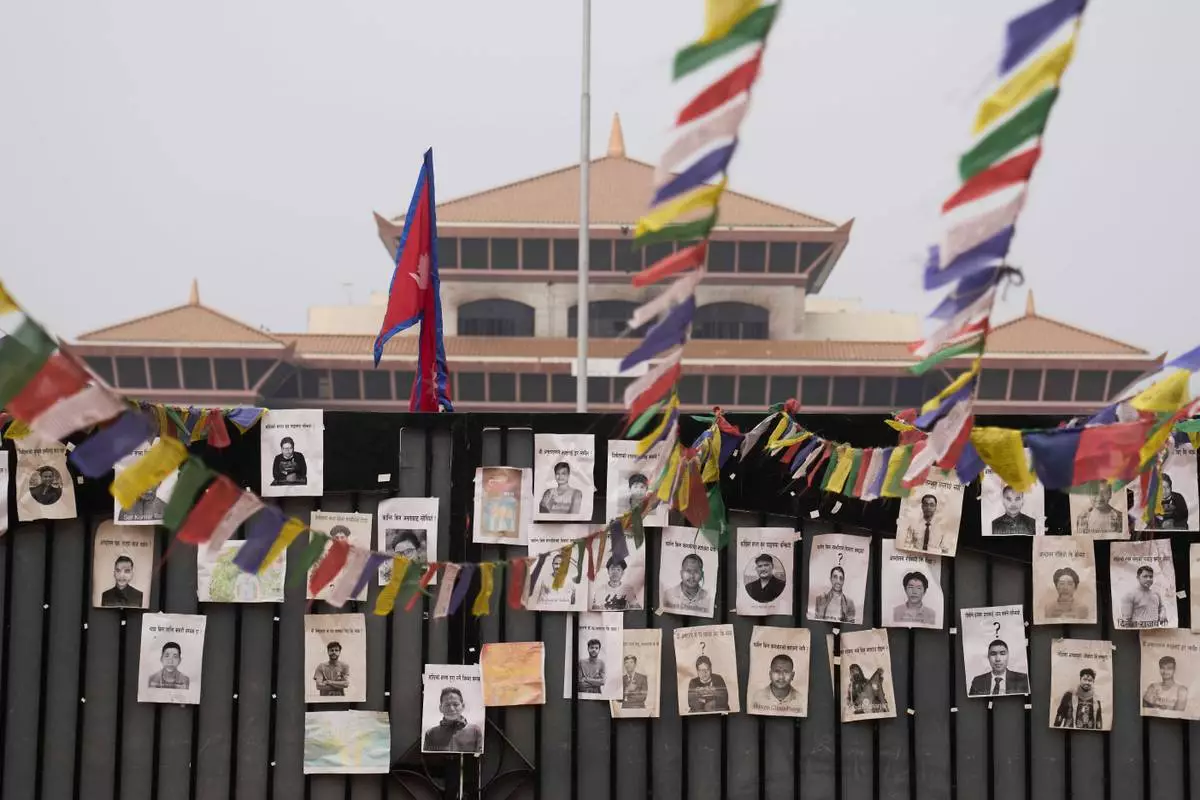
Photos of people who died in last year's deadly anti-corruption Gen Z protest are placed on the gate of the parliament building in Kathmandu, Nepal, Sunday, March 8, 2026. (AP Photo/Niranjan Shrestha)
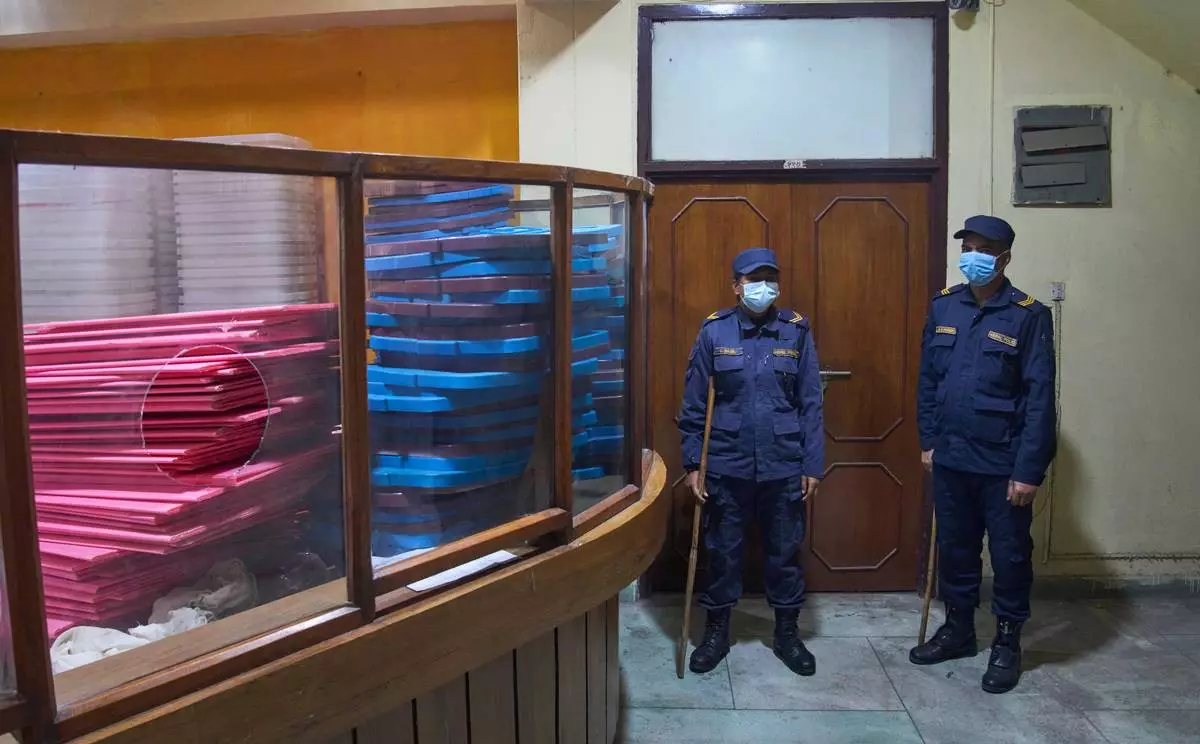
Police stand guard at the door as vote counting takes place, at a counting center for the parliamentary election in Lalitpur, Nepal, Sunday, March 8, 2026. (AP Photo/Niranjan Shrestha)
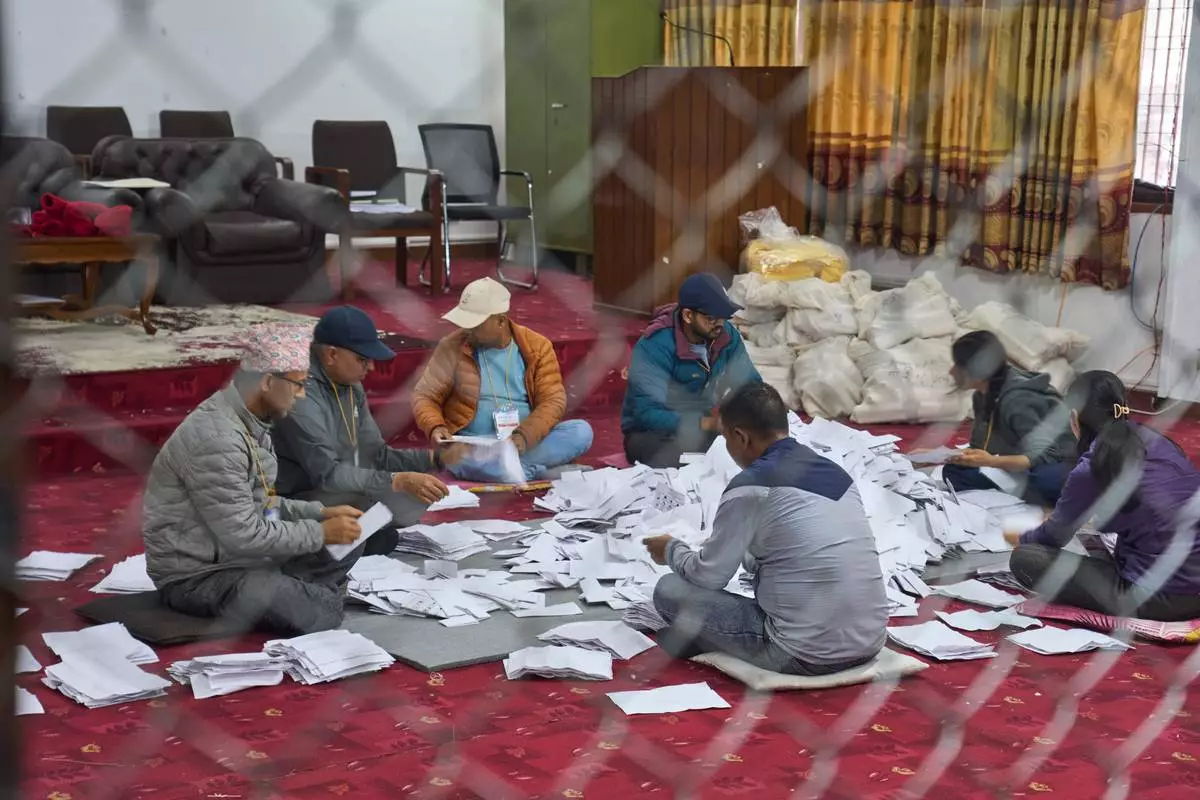
Election official count votes at a counting center for parliamentary election in Lalitpur, Nepal, Sunday, March 8, 2026. (AP Photo/Niranjan Shrestha)
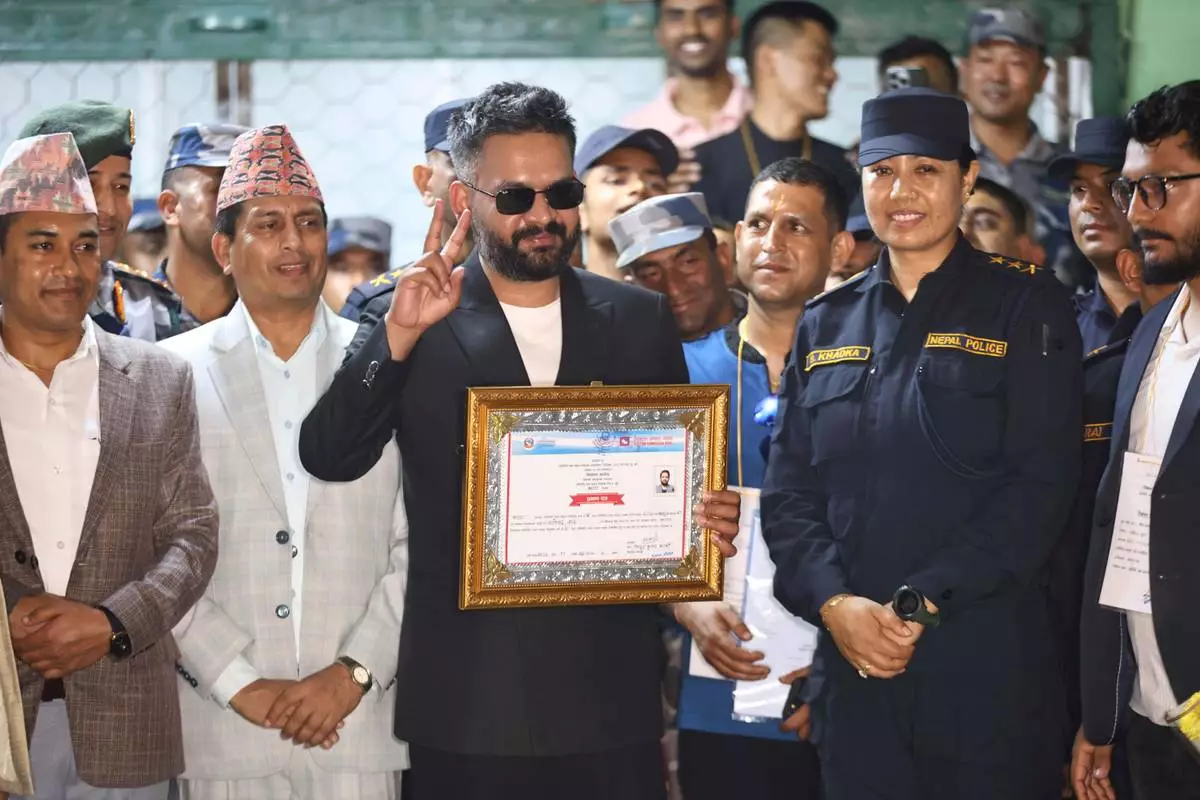
Balendra Shah, foreground, former mayor of Kathmandu Metropolitan City and prime ministerial candidate of the Rastriya Swatantra Party, receives his victory certificate after defeating former Prime Minister Khadga Prasad Oli of the Communist Party of Nepal–Unified Marxist-Leninist (CPN-UML) in Jhapa, about 267 miles (430 kilometers) southeast of Kathmandu, Nepal, Sunday, March 8, 2026. (AP Photo/Umesh Karki)
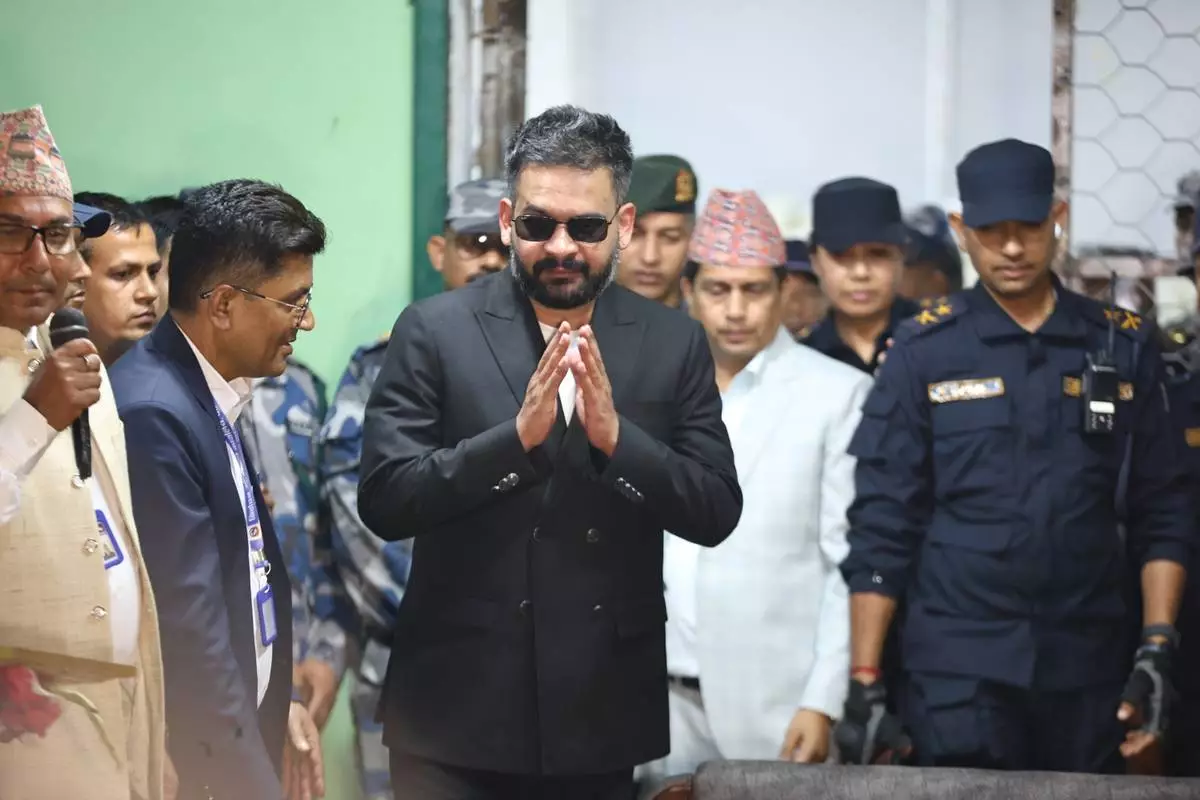
Balendra Shah, foreground, former mayor of Kathmandu Metropolitan City and prime ministerial candidate of the Rastriya Swatantra Party, arrives to receive his victory certificate after defeating former Prime Minister Khadga Prasad Oli of the Communist Party of Nepal–Unified Marxist-Leninist (CPN-UML) in Jhapa, about 267 miles (430 kilometers) southeast of Kathmandu, Nepal, Sunday, March 8, 2026. (AP Photo/Umesh Karki)
DUBAI, United Arab Emirates (AP) — Mojtaba Khamenei, a son of Iran's slain supreme leader, has been named as the Islamic Republic's next ruler, authorities announced Monday, as Tehran widened its attacks across the Mideast to strike oil and water facilities crucial to its desert sheikdoms.
With Iran's theocracy under assault by the U.S. and Israel for more than a week, the country's Assembly of Experts chose as the next supreme leader a secretive, 56-year-old cleric who maintains close ties to the country's paramilitary Revolutionary Guard. The Guard has been firing missiles and drones at Israel and Gulf Arab states since the younger Khamenei's father, Ayatollah Ali Khamenei, was killed Feb. 28 during the war's opening salvo.
The war has shaken global energy markets, pushing oil prices above $100 a barrel and leading to tighter supplies of natural gas after Qatar turned off its production.
The younger Khamenei, who had not been seen or heard from publicly since the war started, had long been considered a contender for the post. That was even before the Israeli strike killed his father, and despite never being elected or appointed to a government position.
There appeared to be some dissension over his selection. Political figures within Iran criticized the idea of handing over the supreme leader's title based on heredity and thereby creating a clerical version of the rule of the shah, who was toppled during the 1979 Islamic Revolution. But top clerics in the Assembly of Experts likely wanted Khamenei to prosecute the war.
Khamenei, who is believed to hold views that are even more hard-line than his late father, now will be in charge of Iran's armed forces and any decision regarding Tehran's nuclear program.
While the country's key nuclear sites are in tatters after the United States bombed them during the 12-day Israel-Iran war in June, there's still highly enriched uranium in Iran that's a technical step away from weapons-grade levels. Khamenei could choose to do what his father never did — pursue the bomb.
Israel has already described him as a potential target, while U.S. President Donald Trump criticized the idea of Khamenei taking power.
“Khamenei’s son is unacceptable to me,” Trump has said. “We want someone that will bring harmony and peace to Iran.”
The White House did not immediately respond to a request for comment. Trump told ABC News on Sunday he wants a say in who comes to power once the war is over; a new leader “is not going to last long” without his approval.
Iran's Revolutionary Guard issued a statement expressing support, as did the Iran-backed Lebanese militant group Hezbollah.
Top Iranian security official Ali Larijani, speaking to Iranian state television, praised the Assembly of Experts for “courageously” convening even as airstrikes continued in Tehran. He said the younger Khamenei had been trained by his father and “can handle this situation.”
Oil depots in Tehran smoldered following overnight Israeli strikes.
In a sign of rising regional anger, the Arab League chief lashed out at Iran for its “reckless policy” of attacking neighbors, including ones that host U.S. forces.
Saudi Arabia’s Defense Ministry said Monday it intercepted a drone attacking the country’s massive Shaybah oil field. A day earlier, the country said a military projectile fell onto a residential area and killed two people of Indian and Bangladeshi nationality.
The U.S. military said a service member died of injuries from an Iranian attack on troops in Saudi Arabia on March 1. Seven U.S. soldiers have now been killed.
Two US officials say the State Department will order nonessential personnel and families of all staff to leave Saudi Arabia as Iran escalates its attacks. The officials spoke on condition of anonymity pending a formal announcement. Eight other U.S. diplomatic missions have ordered all but key staff to leave: Bahrain, Iraq, Jordan, Kuwait, Lebanon, Qatar, the United Arab Emirates and the consulate in Karachi, Pakistan.
The war has killed at least 1,230 people in Iran, at least 397 in Lebanon and at least 11 in Israel, according to officials. Israel reported its first soldier deaths Sunday, saying two were killed in southern Lebanon, where its military is fighting Hezbollah.
Bahrain accused Iran of indiscriminately attacking civilian targets and damaging one of its desalination plants, though its electricity and water authority said supplies remained online.
Desalination plants supply water to millions of residents in the region and thousands of stranded travelers, raising new fears of catastrophic risks in parched desert nations.
The strike came after Iran claimed a U.S. airstrike damaged a desalination plant there. Foreign Minister Abbas Araghchi said the strike on Qeshm Island in the Strait of Hormuz had cut into the water supply to 30 villages.
He warned that in doing so “the U.S. set this precedent, not Iran.”
In response, U.S. Central Command spokesperson Navy Capt. Tim Hawkins said that "U.S. forces do not target civilians – period.”
The Iranian Red Crescent Society warned Tehran residents to take precautions against toxic air pollution and the risk of acid rain from the oil depot attack. It also said about 10,000 civilian structures across the country had been damaged, including homes, schools and almost three dozen health facilities.
Lebanon said over a half-million people have been displaced in the week of fighting between Israel and Hezbollah.
The actual number is likely higher. Lebanon’s count of 517,000 refers to those who registered on the government’s online portal. Israel over the past week has called on residents in dozens of villages across southern Lebanon and the entirety of Beirut’s southern suburbs to evacuate.
In Beirut, sheltering families crammed into schools, slept in cars or in open areas near the Mediterranean Sea, where some burned firewood to keep warm.
Israel’s renewed offensive began last week after Hezbollah launched rockets toward northern Israel during the Iran war's opening days.
Metz reported from Ramallah, West Bank, Chehayeb from Beirut and Magdy from Cairo. Associated Press journalists Melanie Lidman in Tel Aviv, Israel; Matthew Lee in Washington; Christopher Weber in Los Angeles; and Aamer Madhani in Doral, Florida, contributed reporting.
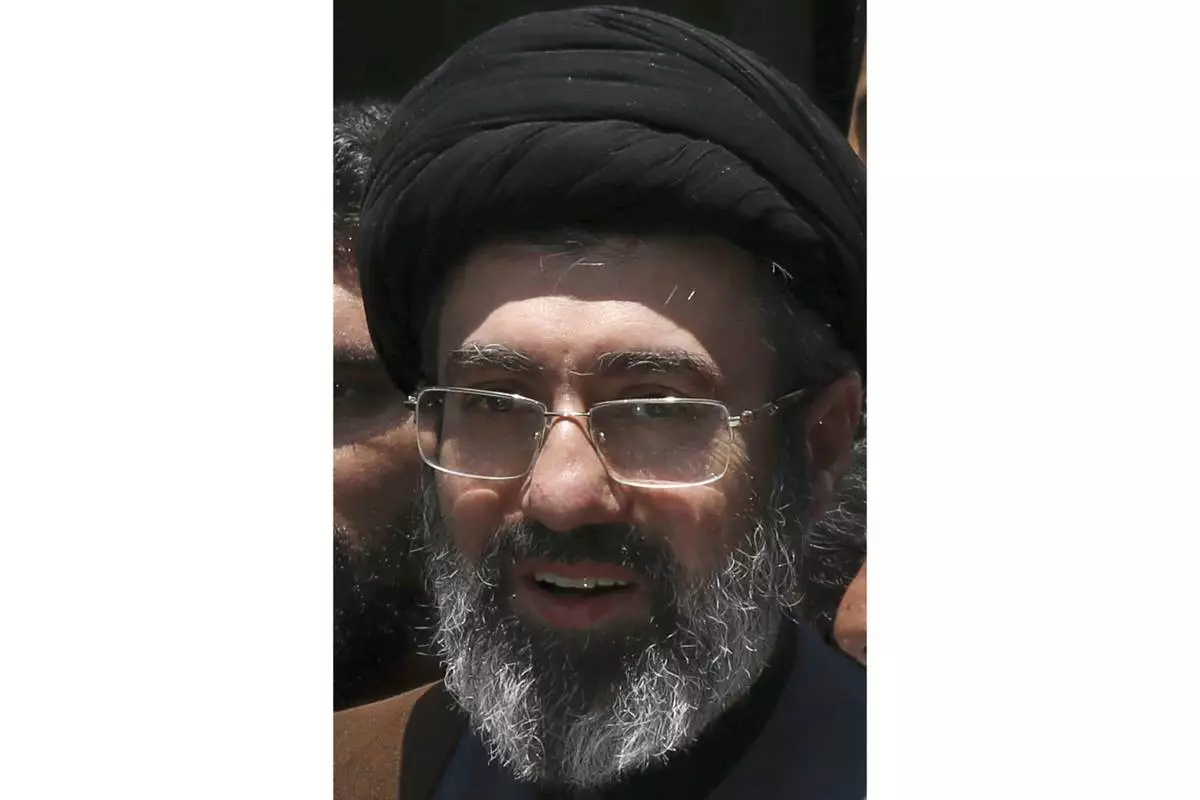
FILE - Mojtaba, son of Iranian Supreme Leader Ayatollah Ali Khamenei, center, attends the annual Quds, or Jerusalem Day rally in Tehran, Iran, on May 31, 2019. (AP Photo/Vahid Salemi, File)
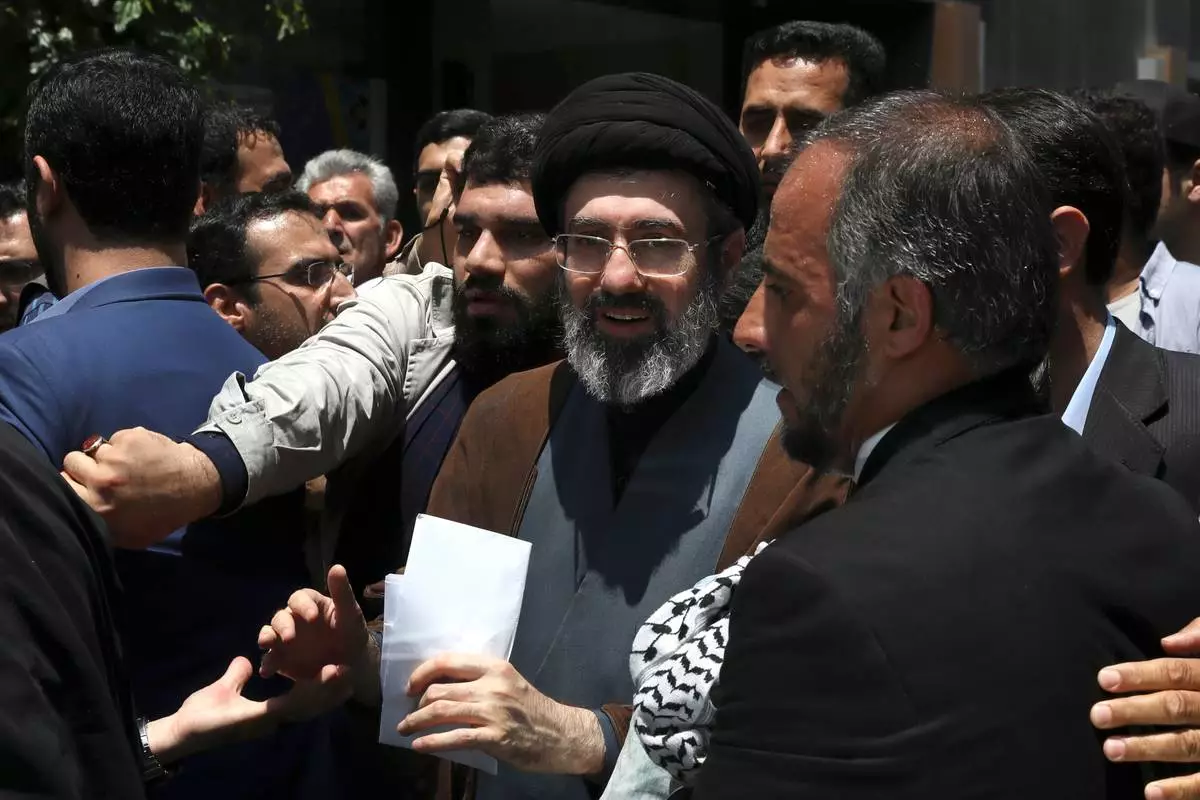
FILE - Mojtaba Khamenei, the son of Iranian Supreme Leader Ayatollah Ali Khamenei, center, attends the annual Quds, or Jerusalem Day rally in Tehran, Iran, on May 31, 2019. (AP Photo/Vahid Salemi, File)
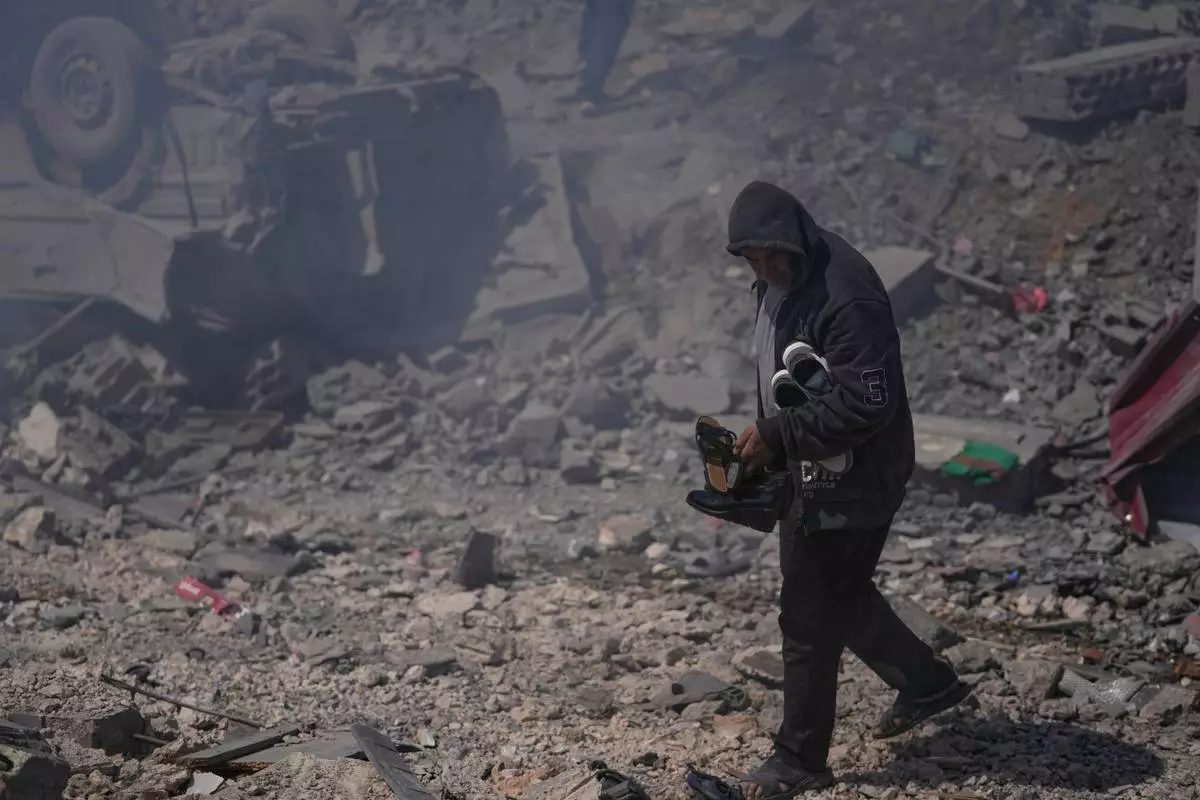
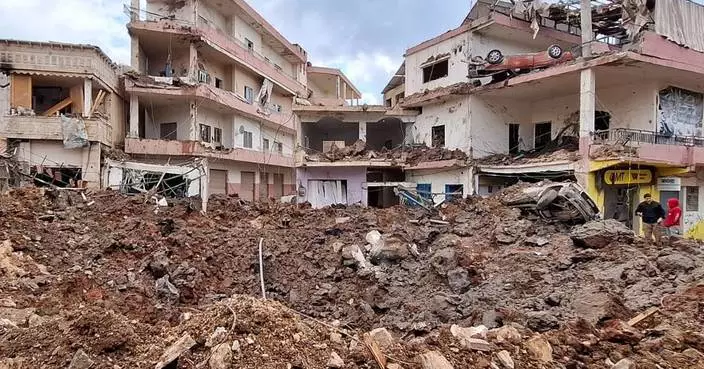
A man carries shoes from his destroyed house that was hit by Israeli airstrikes hit several houses in Sir al-Gharbiyeh village south Lebanon, Sunday, March, 8, 2026. (AP Photo/Mohammed Zaatari)
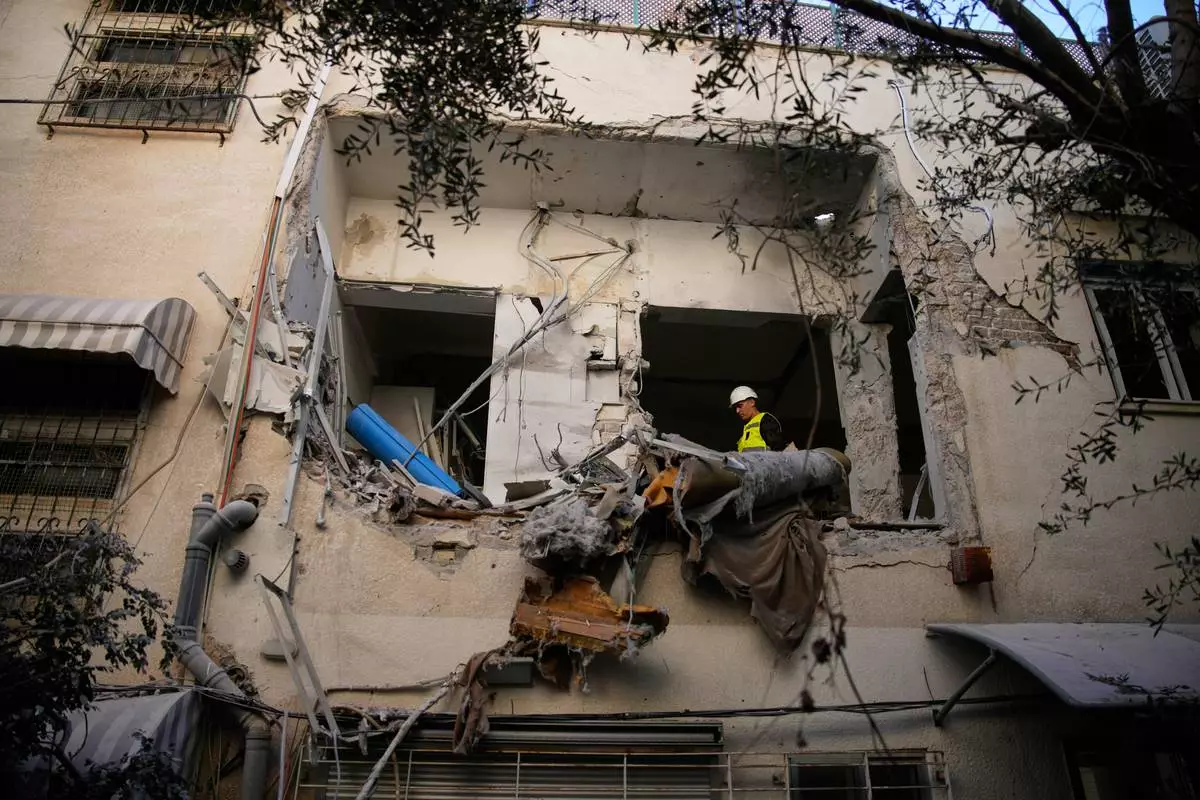
Israeli security forces inspect a damaged apartment building struck by an Iranian missile in Tel Aviv, Israel, Sunday, March 8, 2026. (AP Photo/Ohad Zwigenberg)
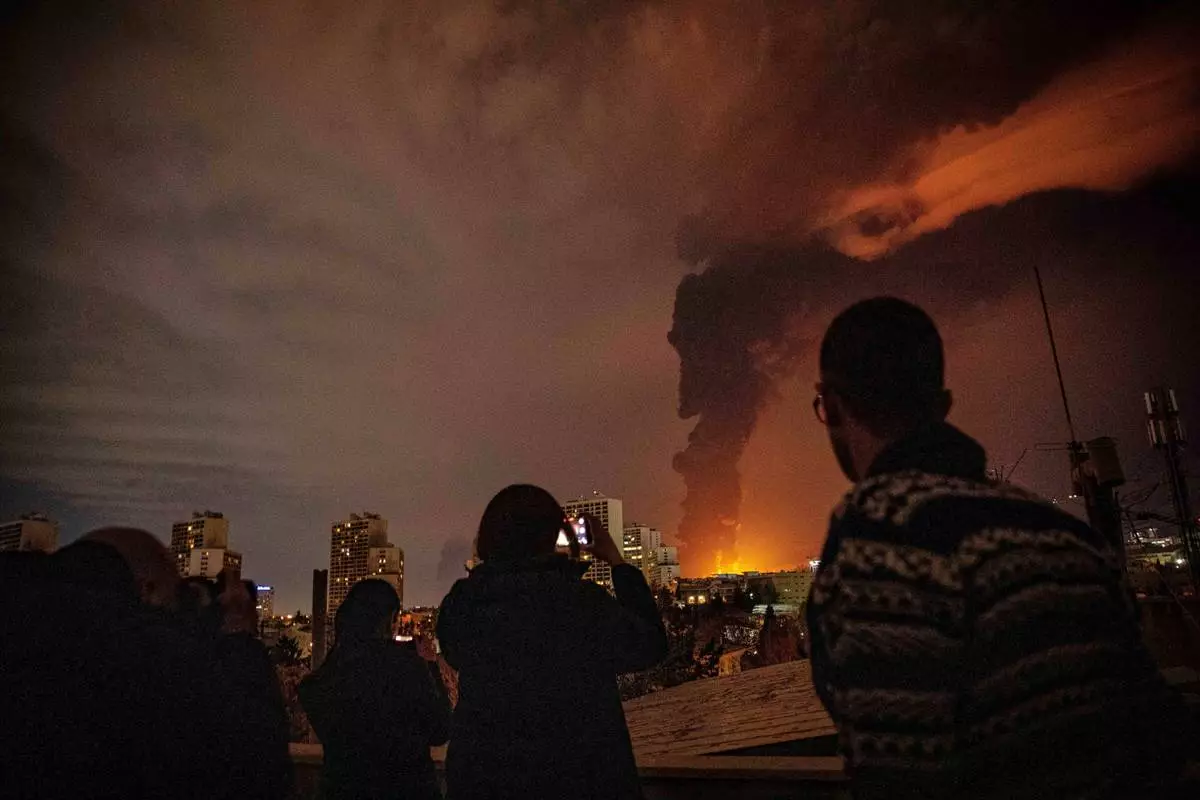
Residents look on and take pictures as flames and smoke rise from an oil storage facility struck as attacks hit the city during the U.S.–Israeli military campaign in Tehran, Iran, Saturday, March 7, 2026. (Arileza Sotakbar/ISNA via AP)
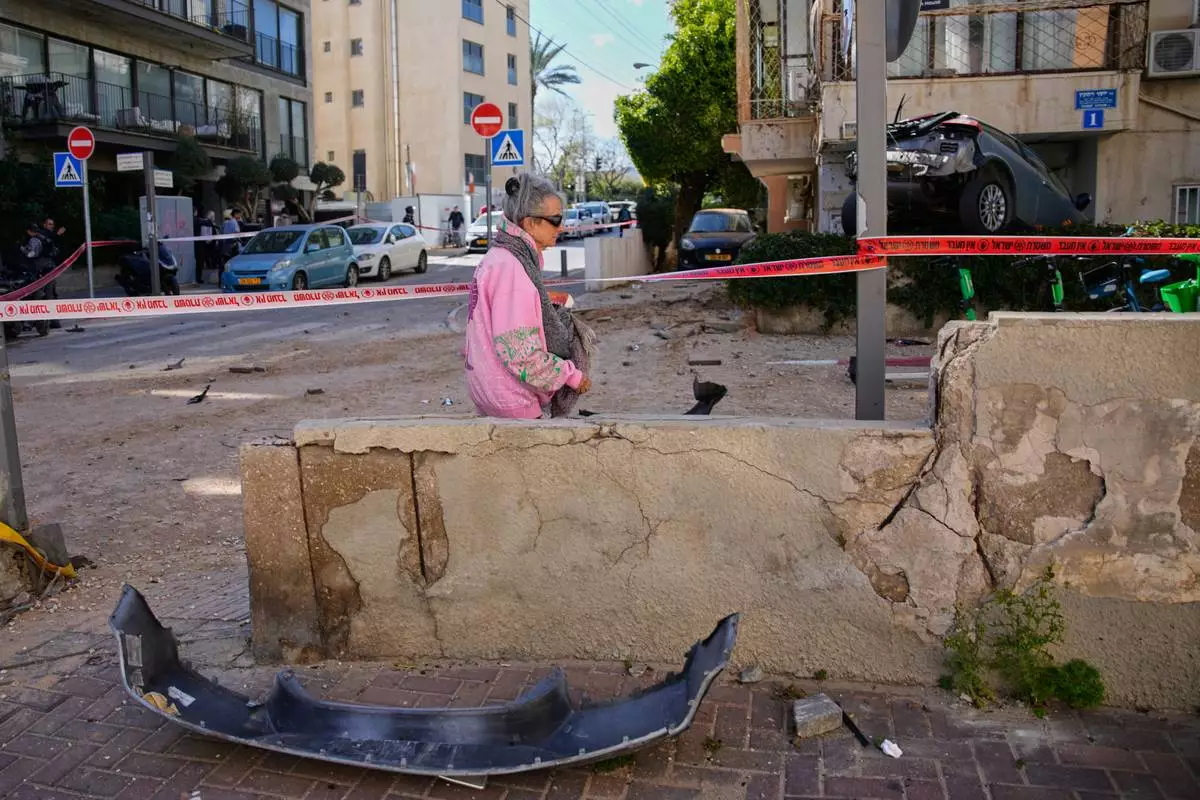
A woman walks past a cordoned-off area damaged during an airstrike in Tel Aviv, Israel, Sunday, March 8, 2026. (AP Photo/Ohad Zwigenberg)
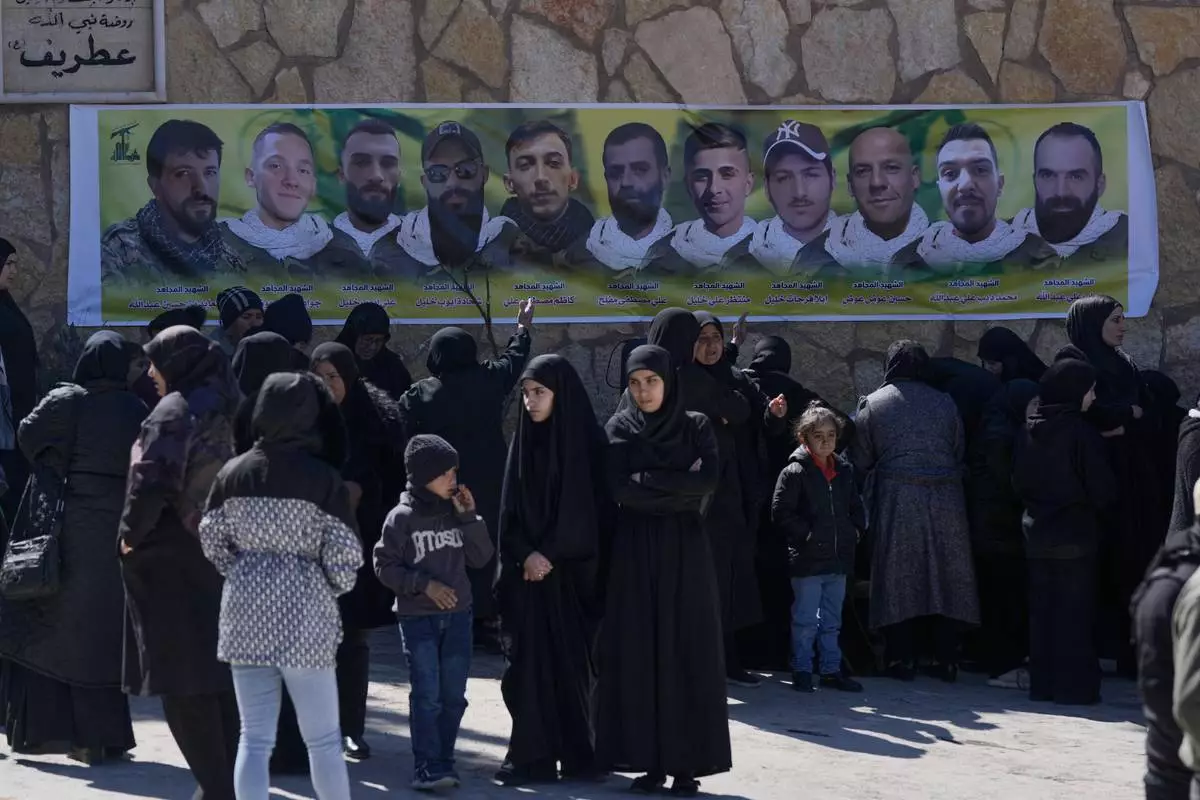
Mourners gather in frontof the portraits of Hezbollah fighters who were killed by Israeli airstrikes during their funeral procession in Khreibeh village, eastern Lebanon, Sunday, March 8, 2026. (AP Photo/Bilal Hussein)
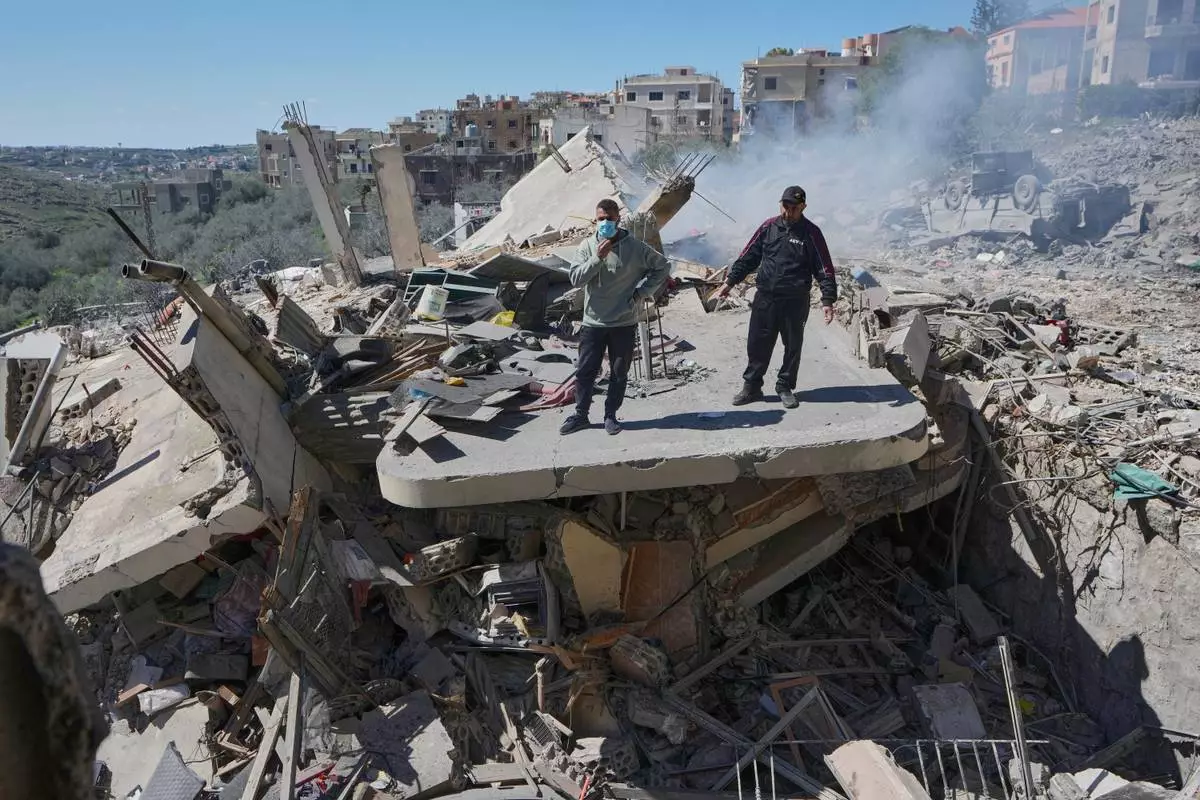
People stand on the wreckage of destroyed houses that were hit by Israeli airstrikes in Sir al-Gharbiyeh village south Lebanon, Sunday, March, 8, 2026. (AP Photo/Mohammed Zaatari)
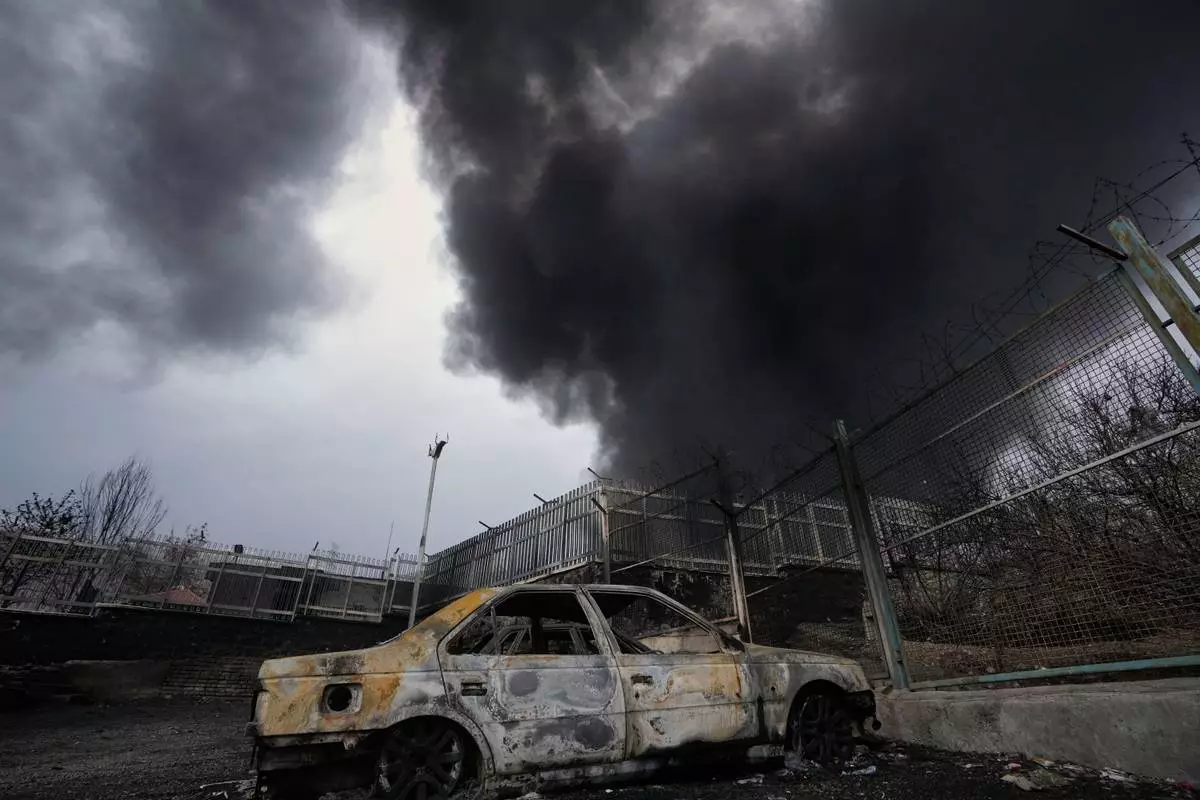
A thick plume of smoke rises from an oil storage facility hit by a U.S.-Israeli strike late Saturday in Tehran, Iran, Sunday, March 8, 2026. (AP Photo/Vahid Salemi)
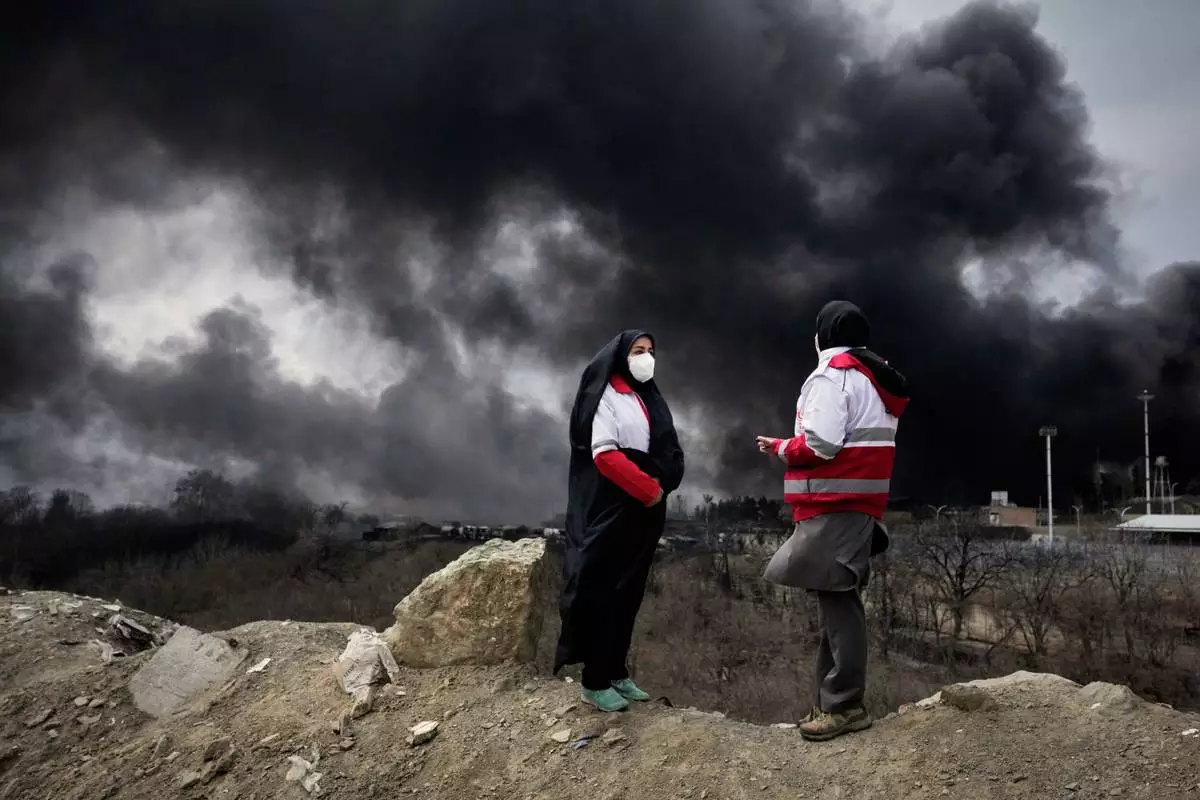
Two women from the Iranian Red Crescent Society stand as a thick plume of smoke from a U.S.-Israeli strike on an oil storage facility late Saturday rises in the sky in Tehran, Iran, Sunday, March 8, 2026. (AP Photo/Vahid Salemi)
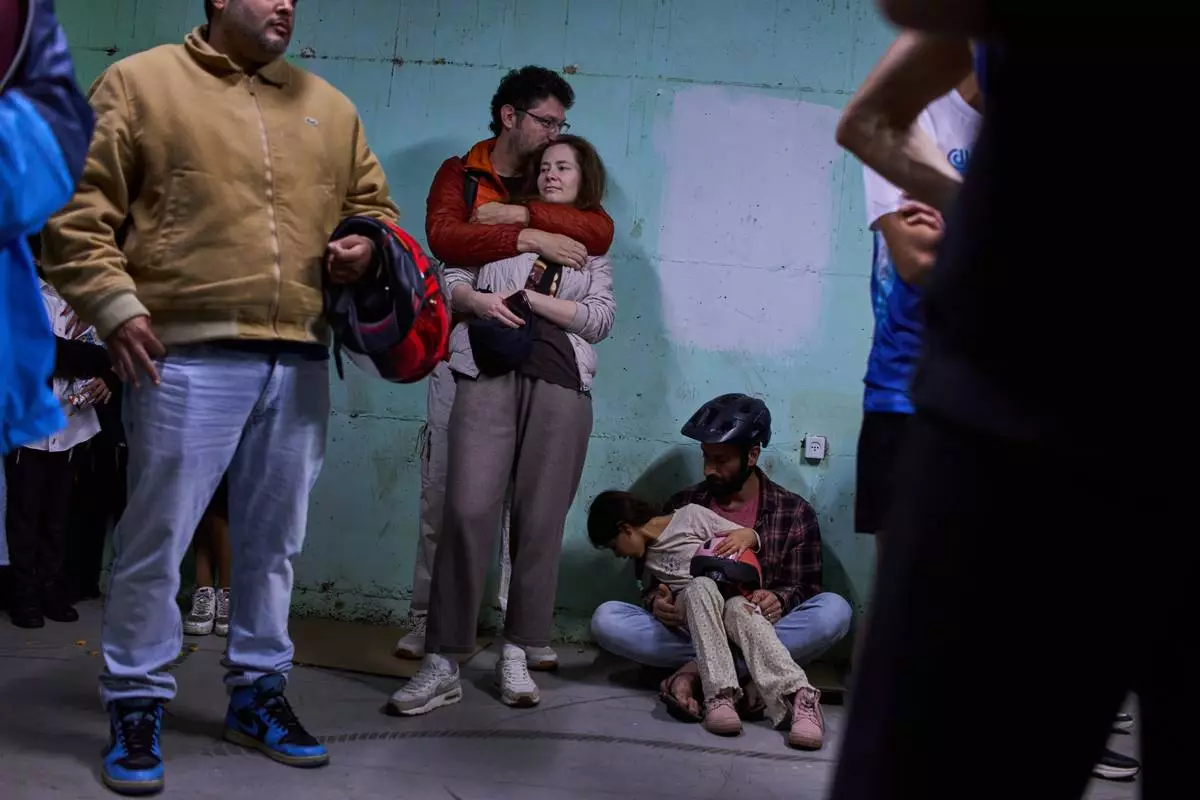
People take shelter as air raid sirens warning of incoming Iranian missiles in Tel Aviv, Israel, Saturday, March 7, 2026. (AP Photo/Oded Balilty)
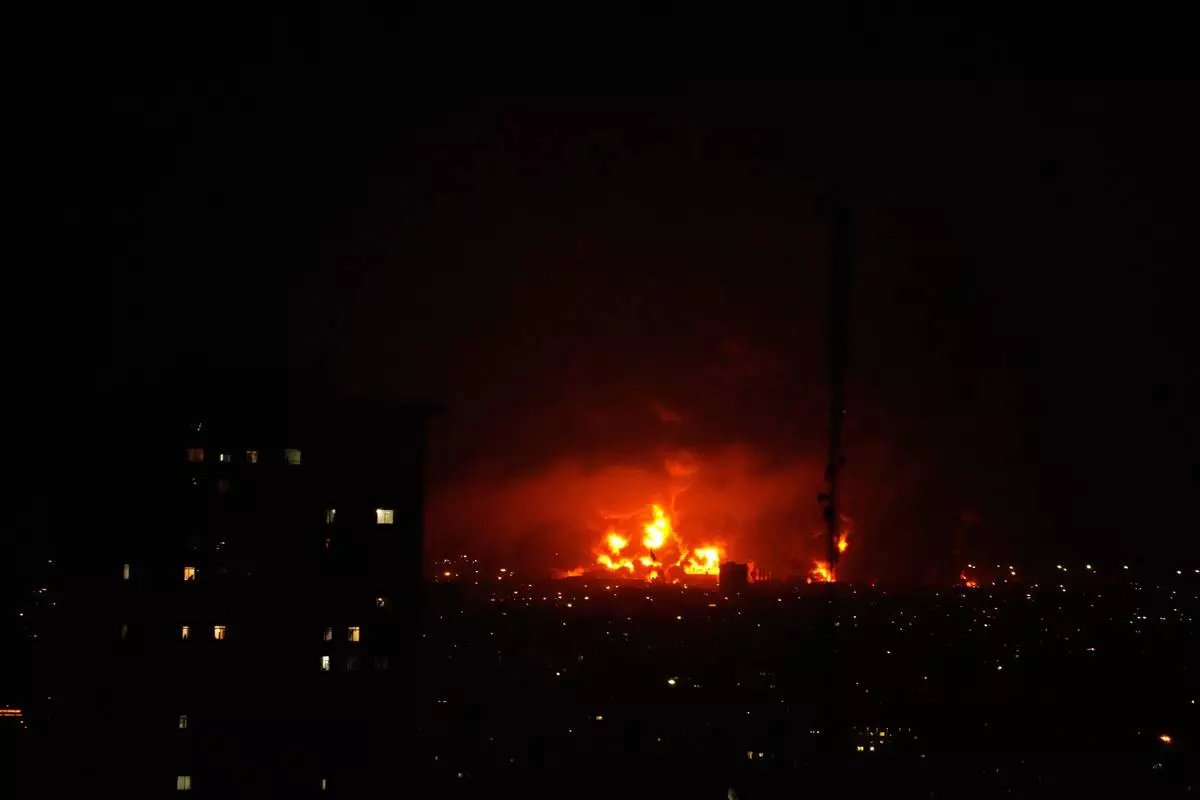
Flames rise from an oil storage facility south of the capital Tehran as strikes hit the city during the U.S.–Israeli military campaign, Iran, Saturday, March 7, 2026. (AP Photo/Vahid Salemi)
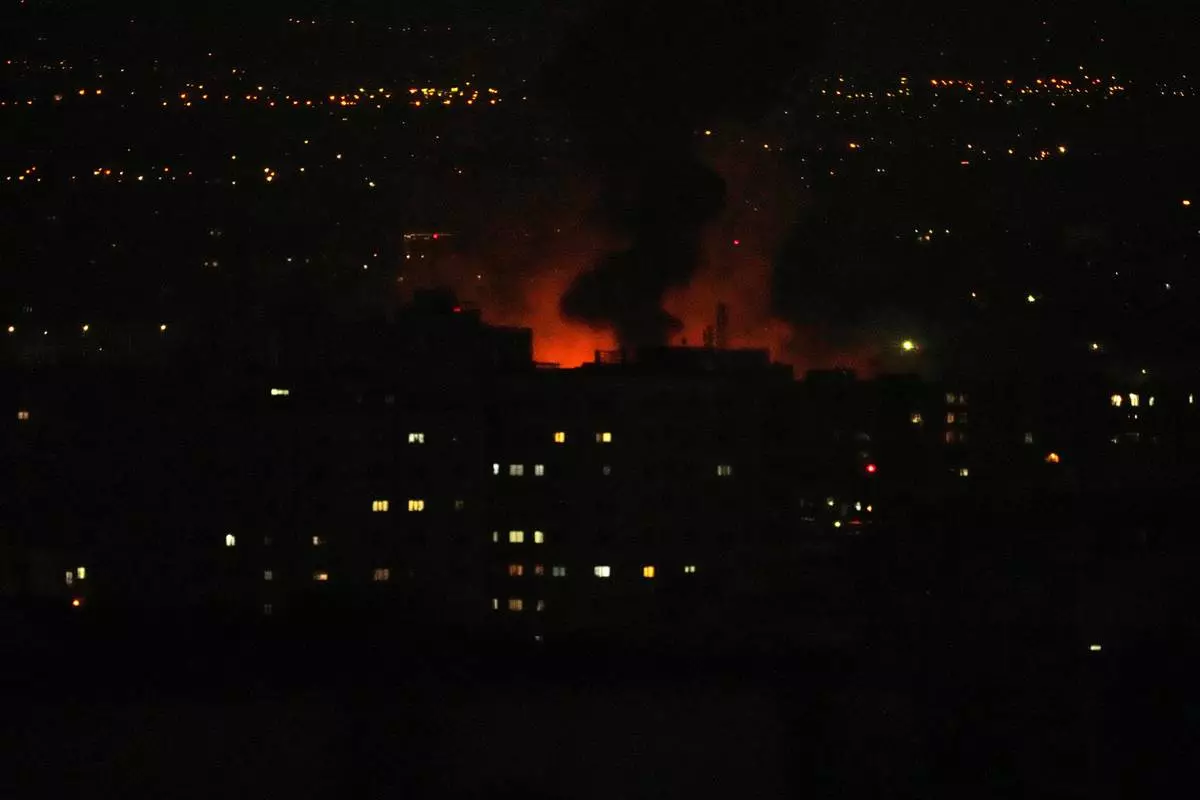
Smoke rise as strikes hit the city during the U.S.–Israeli military campaign, in Tehran, Iran, Saturday, March 7, 2026. (AP Photo/Vahid Salemi)
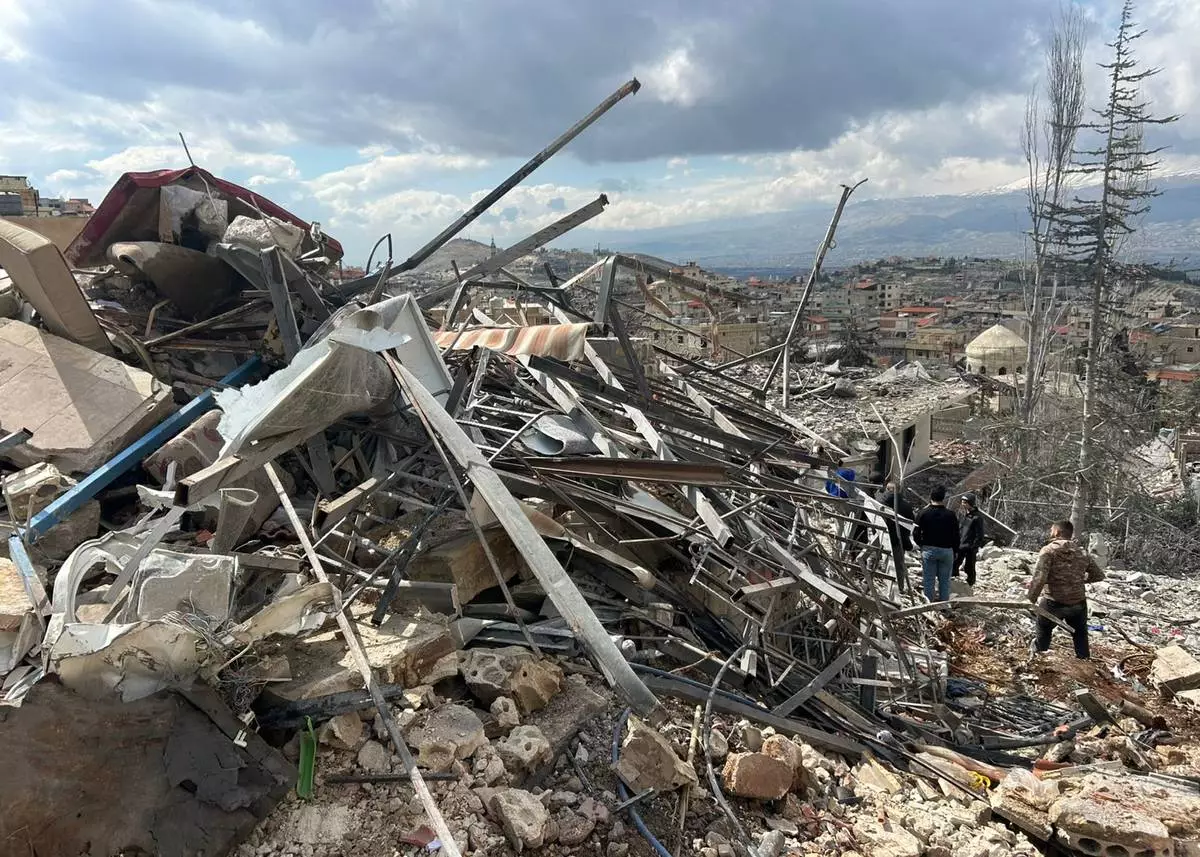
People check the damage left by Israeli airstrikes late Friday, in the village of Nabi Chit, eastern Lebanon, Saturday, March 7, 2026, where Israeli forces landed overnight and dug a grave in a cemetery searching for Israeli co-pilot Ron Arad who was captured and then went missing after his fighter jet crashed over south Lebanon in 1986. (AP Photo/Ali Salem)
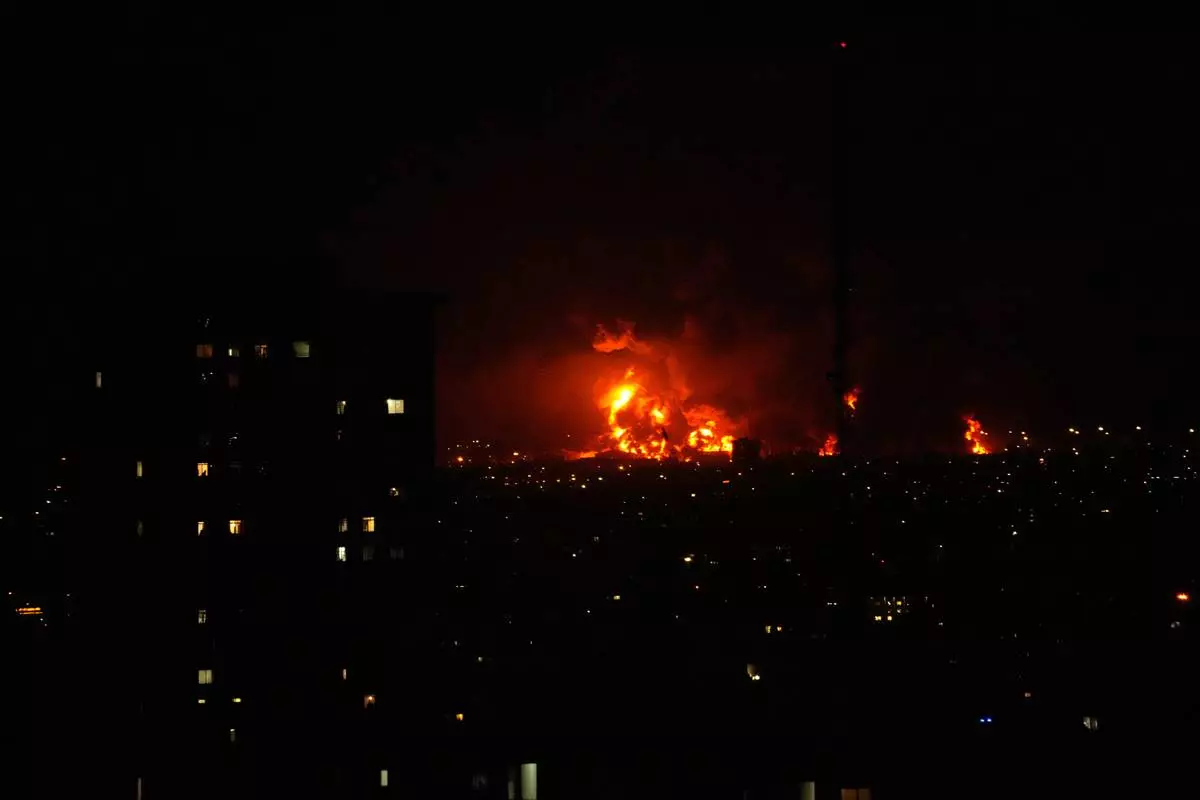
Flames rise from an oil storage facility south of the capital Tehran as strikes hit the city during the U.S.–Israel military campaign, Iran, Saturday, March 7, 2026. (AP Photo/Vahid Salemi)