Skip to Content Facebook Feature Image

China calls for translating Asia-Pacific community vision into reality: FM

China

China

China

China calls for translating Asia-Pacific community vision into reality: FM

2026-03-08 11:35 Last Updated At:14:17

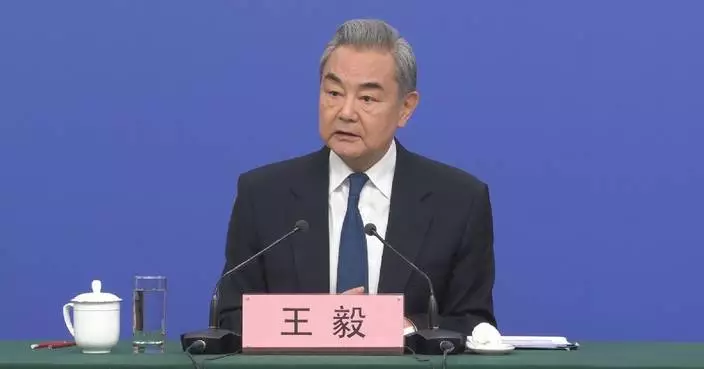
China stands ready to turn the vision of an Asia-Pacific community into reality at this year's Asia-Pacific Economic Cooperation (APEC) summit in south China's Shenzhen City, Foreign Minister Wang Yi said on Sunday.

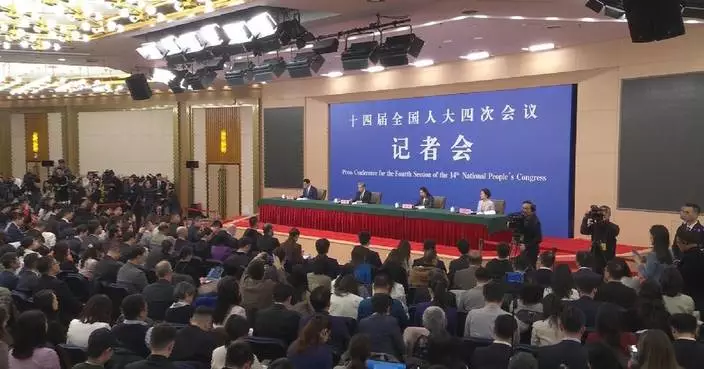
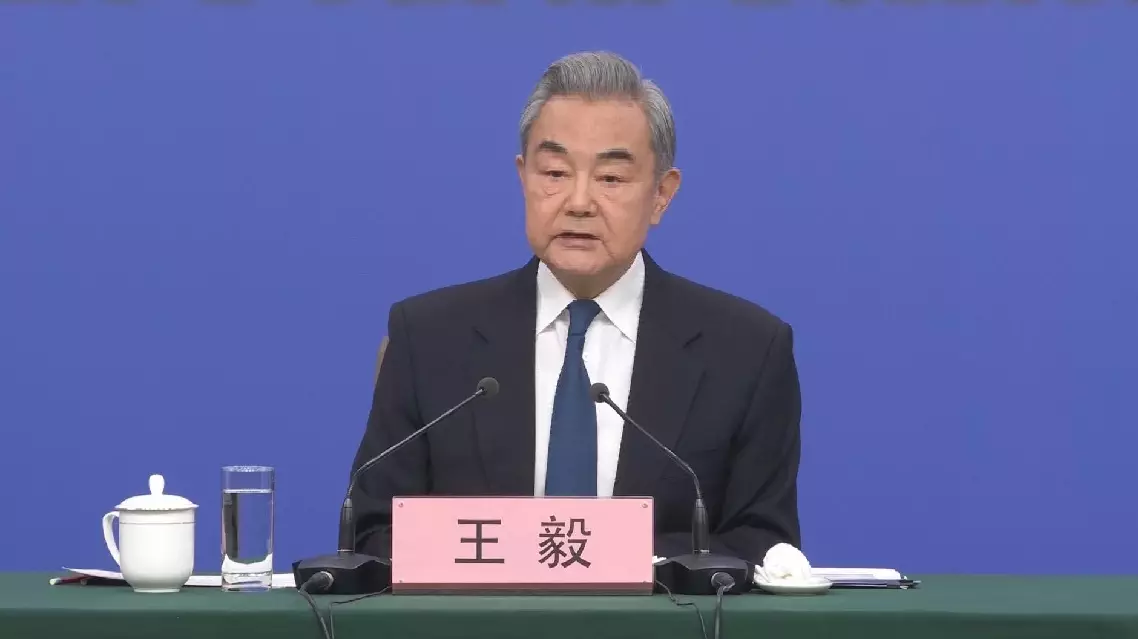
Wang elaborated on the expectations of hosting the APEC Economic Leaders' Meeting at a press conference on the sidelines of the fourth session of the 14th National People's Congress (NPC).

"This year is the APEC China Year. We will host APEC for the third time. From Shanghai in 2001 and Beijing in 2014 to Shenzhen this year, APEC in the past 25 years has experienced ups and downs in regional cooperation and witnessed China's unwavering commitment to growing together with the Asia Pacific," he said.

"To be a good host, China will focus on one central objective throughout the whole year, that is, to translate the goal of building an Asia Pacific community into action and turn its blueprint into reality. Decades have passed since the concept of Asia Pacific community was first put forward. This idea must not stay on paper or remain just a vision. We hope to find an answer in Shenzhen that delivers broad consensus, clear priorities and workable steps, so that people in the region can associate with and get into action in building an Asia Pacific community," Wang said.

"Through intensive communication with all parties, we have decided on this year's APEC theme, that is, 'Building an Asia Pacific Community to Prosper Together.' APEC Shenzhen will focus on the three priorities of openness, innovation and cooperation, and, once again, chart the course and rally strengths for Asia Pacific cooperation at the crossroads," he said.

"We will construct the main pillars of an Asia Pacific community, align different pathways toward the Free Trade Area of the Asia Pacific, make appropriate arrangements for regional connectivity, and vigorously promote the transformation toward digital, smart and green development. Throughout the year, the Chinese side will host over 300 events in cities across the country, with the participation of multiple Chinese provinces and municipalities. All APEC member economies will have the opportunity to contribute," Wang said.

"Shenzhen is an important window on China's reform and opening up, a brilliant showcase of socialism with Chinese characteristics, and a frontier of innovation in the Guangdong-Hong Kong-Macao Greater Bay Area. We stand ready to work with all sides to promote a restart from APEC Shenzhen toward the goal of an Asia Pacific community," he said.

The 14th NPC, China's top legislature, is holding its annual session from Thursday through March 12.
China calls for translating Asia-Pacific community vision into reality: FM
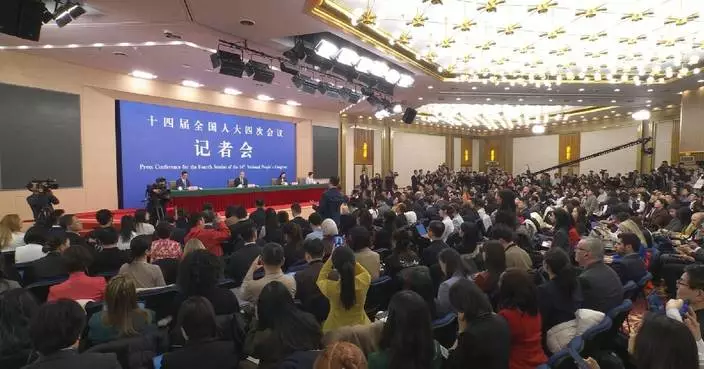
China calls for translating Asia-Pacific community vision into reality: FM
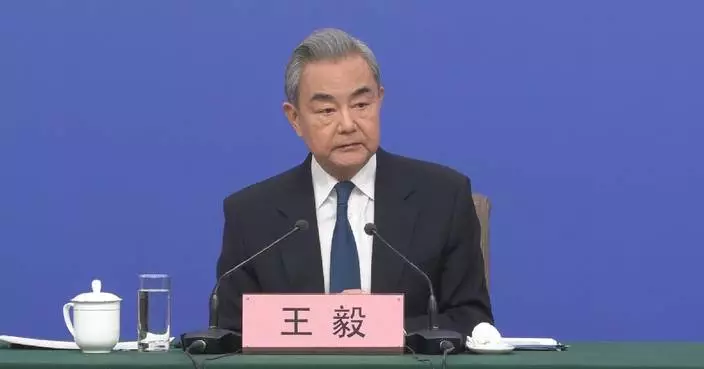
The future of China-Japan relations hinges on Japan's choice, said Chinese Foreign Minister Wang Yi on Sunday.

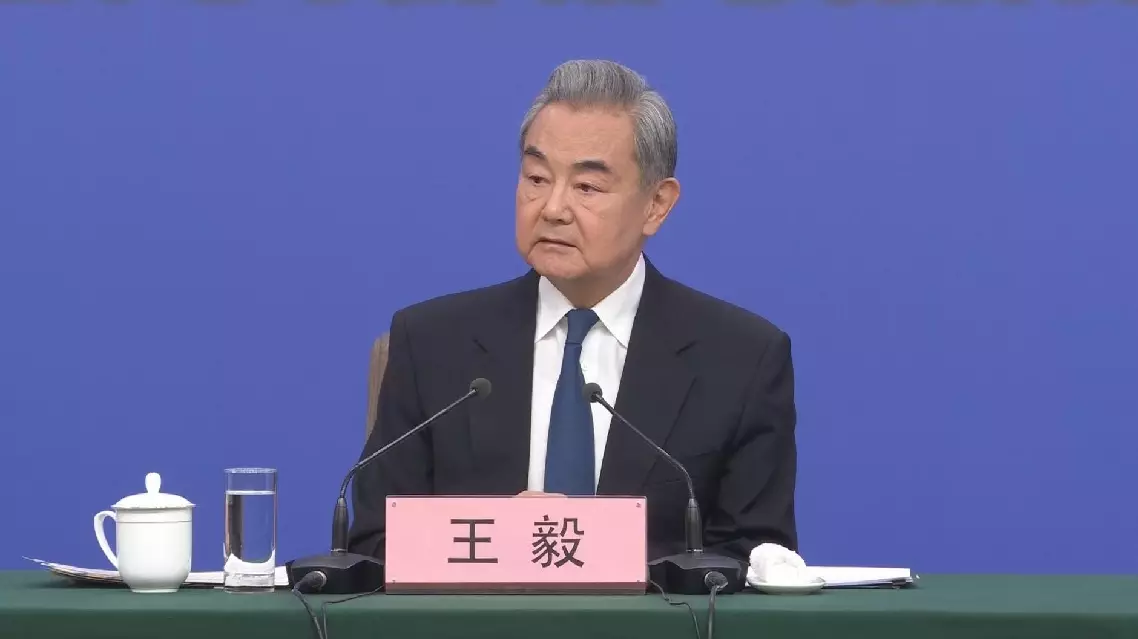
Speaking at a press conference on the sidelines of the fourth session of the 14th National People's Congress in Beijing, Wang slammed Japanese Prime Minister Sanae Takaichi's erroneous remarks on China's Taiwan region.

"The future of China-Japan relations hinges on Japan's choice. Last year marked the 80th anniversary of the victory of the Chinese People's War of Resistance Against Japanese Aggression. In such a special year, Japan should have deeply repented of the wrong path it chose, including its brutal invasion and colonization of Taiwan. Yet the current Japanese leader claimed that a Taiwan contingency could constitute a 'survival-threatening situation' for Japan, under which Japan may exercise its so-called 'right of collective self-defense'," said Wang.

"It's well-known that the right of self-defense shall be invoked only when a country has come under armed attack. One would ask: Since Taiwan affairs are purely China's internal affairs, what gives Japan the right to interfere with them? Why is Japan entitled to invoke self-defense if anything happens in China's Taiwan region? Is exercising the 'right of collective self-defense' simply a way to hollow out Japan's Pacifist Constitution, which renounces the right of belligerency? Given that Japanese militarists had used 'survival-threatening situation' as pretext for launching aggression, such rhetoric can only make the people in China and the rest of Asia alert and deeply worried: Where exactly is Japan headed?" said Wang.

Wang also pointed out that this year also marks another significant 80th anniversary -- that of the opening of the Tokyo Trials.

"Eighty years ago, judges from 11 countries commenced proceedings that would span two and a half years, reviewed a mountain of irrefutable evidence, and laid bare the innumerable crimes of Japanese militarists. The Tokyo Trials, a litmus test of humanity's conscience, delivered historical justice. Eighty years on today, Japan is given another opportunity for serious soul-searching. As Chinese adages remind us, 'History is a mirror that reflects the rise and fall of human affairs' and 'The past, if not forgotten, can serve as a guide for the future.' We hope the Japanese people will keep their eyes wide open and never allow anyone foolish enough to tread again the same disastrous path today," said the foreign minister.

China is already a strong country, said Wang, adding that the 1.4 billion people of China will never allow anyone to justify colonialism or reverse history's verdict on aggression.

Future of China-Japan relations hinges on Japan's choice: Chinese FM

Future of China-Japan relations hinges on Japan's choice: Chinese FM

Recommended Articles