SANTA BARBARA, Calif.--(BUSINESS WIRE)--Mar 10, 2026--
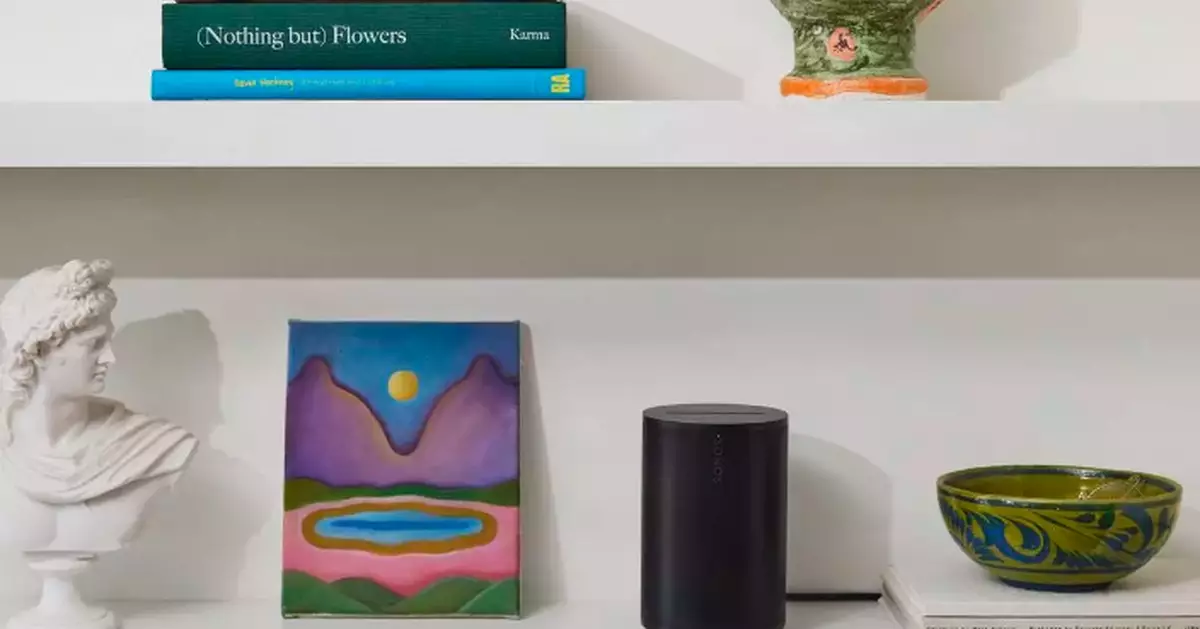
Sonos (Nasdaq: SONO) today introduced Sonos Play™ and Sonos Era 100™ SL, two new speakers that reflect a renewed focus on strengthening the Sonos system. Designed to deliver powerful, room-filling sound, they make it easier than ever to start and expand it room by room — creating a connected listening experience that grows with you over time.
This press release features multimedia. View the full release here: https://www.businesswire.com/news/home/20260310567772/en/
“Much of consumer tech promises innovation, yet too often delivers isolation — new devices replacing old ones instead of building on what already works,” said Tom Conrad, Chief Executive Officer of Sonos. “We believe a great sound experience shouldn’t reset every time you add something new. It should get better. Sonos Play and Era 100 SL are a clear expression of what Sonos does best — creating products that feel simple on the surface, but are deeply powerful because of the system behind them.”
Two Essential Speakers. One Powerful Sonos System.
Sonos Play is the brand’s most versatile speaker with rich stereo sound that’s designed to live at home and move seamlessly beyond it.
Era 100 SL offers a simplified, more accessible way to enter the Sonos experience. With a mic-free design and streamlined feature set, it delivers confident, room-filling sound on its own and expands effortlessly into the Sonos system over time, whether that means another room, stereo pairing, or building out a home theater experience.
“We believe the first speaker you bring home should sound complete on its own, and become even better as your Sonos system grows,” said Chris Kallai, VP of Product Creation at Sonos. “Sonos Play and Era 100 SL offer two distinct ways to shape a listening experience that fits how people actually live, while making it simple to add new rooms, new moments, and new possibilities over time.”
Easy to Start, Effortless to Expand, and Built to Grow with You
Enjoy your music, podcasts, TV, and movies in every room, with the freedom to choose from 100+ streaming services, use your preferred voice assistant, and listen over WiFi or Bluetooth — indoors or out — all designed to work effortlessly together.
Continuous platform enhancements, expanding compatibility, and products designed to work across generations mean your system evolves with you instead of being replaced. Built in collaboration with industry partners and shaped by feedback from the Sonos community, it’s designed for long-term listening.
And like all Sonos speakers, Sonos Play and Era 100 SL were tuned with input from the Sonos Soundboard, a group of leaders across music, film, and more, to deliver sound that stays true to the artist’s intent.
Sonos Play and Sonos Era 100 SL will be available for pre-order starting March 10, 2026 at sonos.com and select retail partners, priced at $299 and $189 respectively, with general availability on March 31, 2026. For more information, visit sonos.com, and follow along on @sonos.
About Sonos
Sonos (Nasdaq: SONO) is a leading audio company dedicated to elevating life through sound. Sonos has built a connected system that brings together all the sounds people love, from music and movies to stories and conversations. Its portfolio of home theater speakers, components, plug-in and portable speakers, and headphones grows more powerful with every room and device added. Trusted by more than 17 million households in over 60 countries, Sonos is headquartered in Santa Barbara, California. Learn more at www.sonos.com.

The Sonos system is easy to start, effortless to expand, and built to grow with you over time.

Era 100 SL makes building out your home feel simple. Start with one in the living room, pair two for an even wider stereo soundstage, and complete your home theater with rear surrounds.

Sonos Play is a simple, versatile home speaker with rich stereo sound that’s designed to live at home and move seamlessly beyond it.
PORTLAND, Ore. (AP) — Oregon voters on Tuesday rejected a gas tax increase passed last year by Democratic lawmakers, a victory for Republicans who put the issue to voters just as the war with Iran was causing prices at the pump to soar.
Democrats had raised the state gas tax by 6 cents a gallon and increased a series of fees to help pay for road improvements and plug a hole in the state’s transportation budget. Republicans responded by launching a successful referendum campaign to refer the tax and fee increases to voters.
The failure of the gas tax was no surprise to Democrats, who acknowledged the timing of the vote was against them. The tax increase also ran counter to national Democrats’ strategy of focusing on affordability concerns in the hopes of winning back control of Congress in this year’s midterm elections.
Republicans sought to counter Democrats’ affordability messaging by portraying the tax and fee increases as further fueling the high cost of living. Democrats, meanwhile, said the root cause of the spike in gas prices was President Donald Trump’s decision to go to war with Iran.
THIS IS A BREAKING NEWS UPDATE. AP’s earlier story follows below.
PORTLAND, Ore. (AP) —
Oregon voters faced a familiar theme on their primary ballot Tuesday — well-financed Democratic incumbents looking to slide past little-known challengers while Republicans attempted to nominate candidates who could put up a fight in November in a heavily blue state.
As Democratic Gov. Tina Kotek and U.S. Sen. Jeff Merkley easily won their primaries, much of the Election Day drama centered less on candidate races and more on a referendum seeking to repeal a bill passed last fall by the Democratic-controlled Legislature that raised the state gas tax and hiked a series of fees.
The legislation was Democrats' answer to help Oregon's transportation budget as the state projects a decline in gas tax revenue from the shift to more fuel-efficient, electric and hybrid vehicles. The gas tax is the largest funding source for fixing roads and upgrading highways.
The referendum, known as Measure 120, lands on the ballot as the cost of gas is spiking nationwide from the war in Iran. Kotek and other lawmakers from her party have acknowledged it will be tough for the ballot measure to pass. A yes vote means voters approve of the gas tax increase while a no vote means they reject it.
“It’s going to lose, so we might as well get on to the work of finding alternatives,” said Democratic state Rep. Paul Evans, anticipating that voters will reject the gas tax increase. “It has been a frustrating year.”
Republicans began circulating a petition to repeal the tax and fee increases soon after Kotek signed the legislation. It didn’t take them long to gather more than three times the number of signatures required to place the measure on the ballot.
With the referendum going before voters at a time when gas prices are skyrocketing, Republicans are trying to turn the tables on national Democrats’ messaging about affordability and lowering the cost of living during this year’s midterm elections.
“Oregonians are paying more today and not getting more in return,” said Republican state Sen. Bruce Starr, who helped lead the referendum campaign. “So are they going to, at the polls, vote to increase the price of gas another six cents? I doubt it.”
The Democrats' transportation funding bill raised the state gas tax from 40 cents a gallon to 46 cents a gallon while also boosting a payroll tax for transit projects and vehicle registration and title fees. At a Portland gas station recently, some voters said they were sympathetic to the need to raise money for road upkeep while others said a tax increase was just too much to swallow.
“At a time when everything is more costly ... nobody wants to pay more for anything,” said Josh Hansen, 39.
Kotek and other Democrats have linked the rise in gas prices to President Donald Trump’s decision to go to war with Iran, yet the party has not organized efforts to support the gas tax increase on the ballot. If the tax and fee increases pass, they would take effect 30 days after approval by voters.
Trump, for his part, recently said he will move to suspend the federal gas tax of 18 cents a gallon, which would need to be approved by Congress.
Late Tuesday afternoon, a steady stream of voters arrived at a Portland library serving as a ballot drop site. Even in the progressive hub, Democratic voters were divided on the measure asking whether to approve the gas tax increase.
“I feel like the roads need to be repaired as a bicyclist, so I voted yes,” said Gail Watnick, a 56-year-old who arrived by bike wearing a bright yellow helmet.
David Trujillo, 25, said he voted for Kotek in the primary but voted against the gas tax increase.
“I think at the moment, with the gas prices being up and with the war that is occurring, it’s very difficult for folks to get around,” he said. “If the gas prices were to rise, I think that would be a huge barrier for more of our community members.”
Kotek, who is seeking reelection, faced nine primary opponents who reported raising little to no money and don't have experience in elected office.
Republicans have a crowded primary field of 14 candidates vying to run against her in November. They include state Sen. Christine Drazan, who lost to Kotek in the 2022 general election, and state Rep. Ed Diehl, who helped lead the gas tax referendum campaign.
The primary also includes Chris Dudley, a former NBA player whose career included time with the Portland Trail Blazers and who narrowly lost a previous bid for governor in 2010, and David Medina, a conservative influencer who was among those charged after the Jan. 6, 2021, attack on the U.S. Capitol and pardoned by President Donald Trump last year. Medina faced charges that included obstruction of an official proceeding, a felony, and several misdemeanors that included destruction of government property and disorderly and disruptive conduct.
So far, Drazan and Dudley have reported raising the most money. Dudley notably received a $1 million contribution from Phil Knight, the billionaire co-founder of Nike, which is based in Oregon.
Whoever emerges faces a difficult path to the governor's office. Democrats appear energized around the country this year, and Oregon hasn't elected a Republican governor in over 40 years.
Voters also are casting ballots in primaries for U.S. Senate and the state's six U.S. House seats, five of which are held by Democrats.
Oregon's 5th Congressional District, considered its most competitive, was flipped by Republicans for the first time in decades in 2022 but reclaimed by Democrats in 2024. The district stretches from southern Portland across the Cascade Range to Bend.
The incumbent, Democratic Rep. Janelle Bynum, has more than $2 million on hand and is running against a primary opponent who has not reported raising any money.
Two candidates, a county commissioner and a political consultant, are running in the district’s Republican primary.
The other U.S. House seats are considered largely safe for the current incumbents.
Seven Republicans are running in the primary to challenge Merkley in the fall.
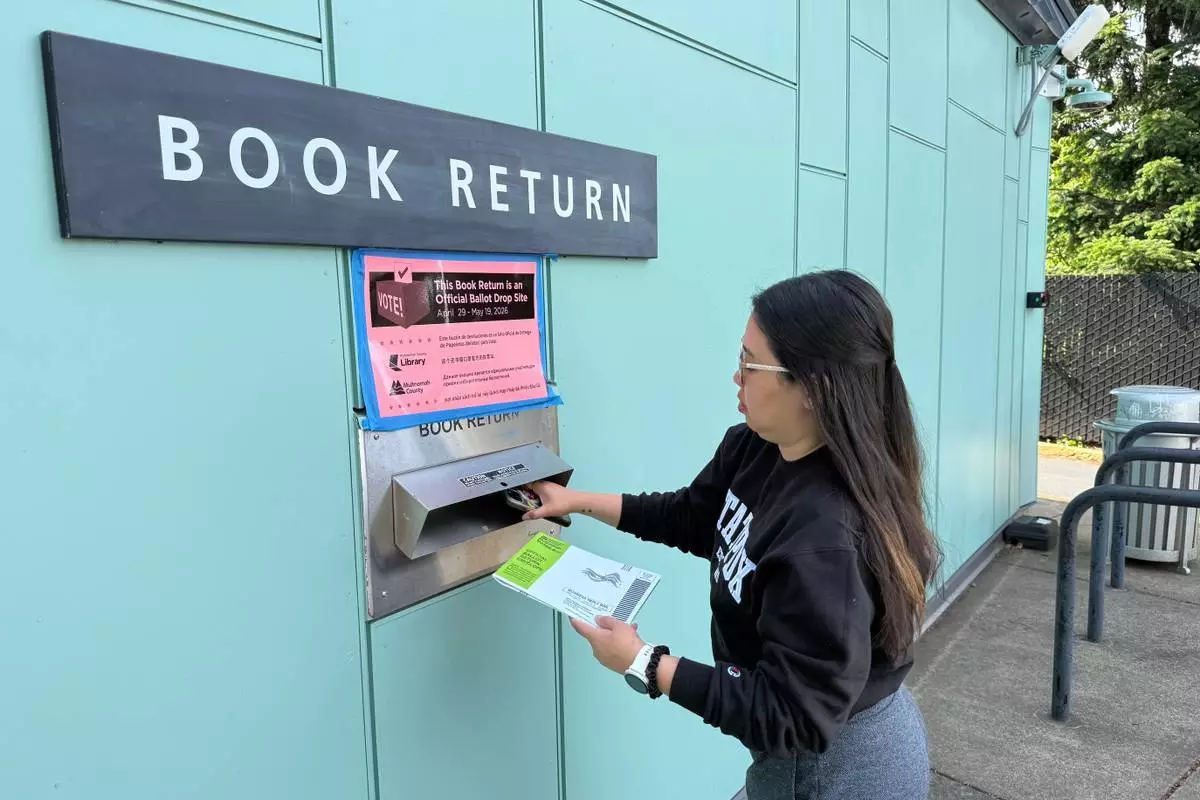
A voter drops off their ballot at a library in Portland, Ore. serving as a ballot dropbox site as Oregon held primary elections on May 19, 2026. (AP Photo/Claire Rush)
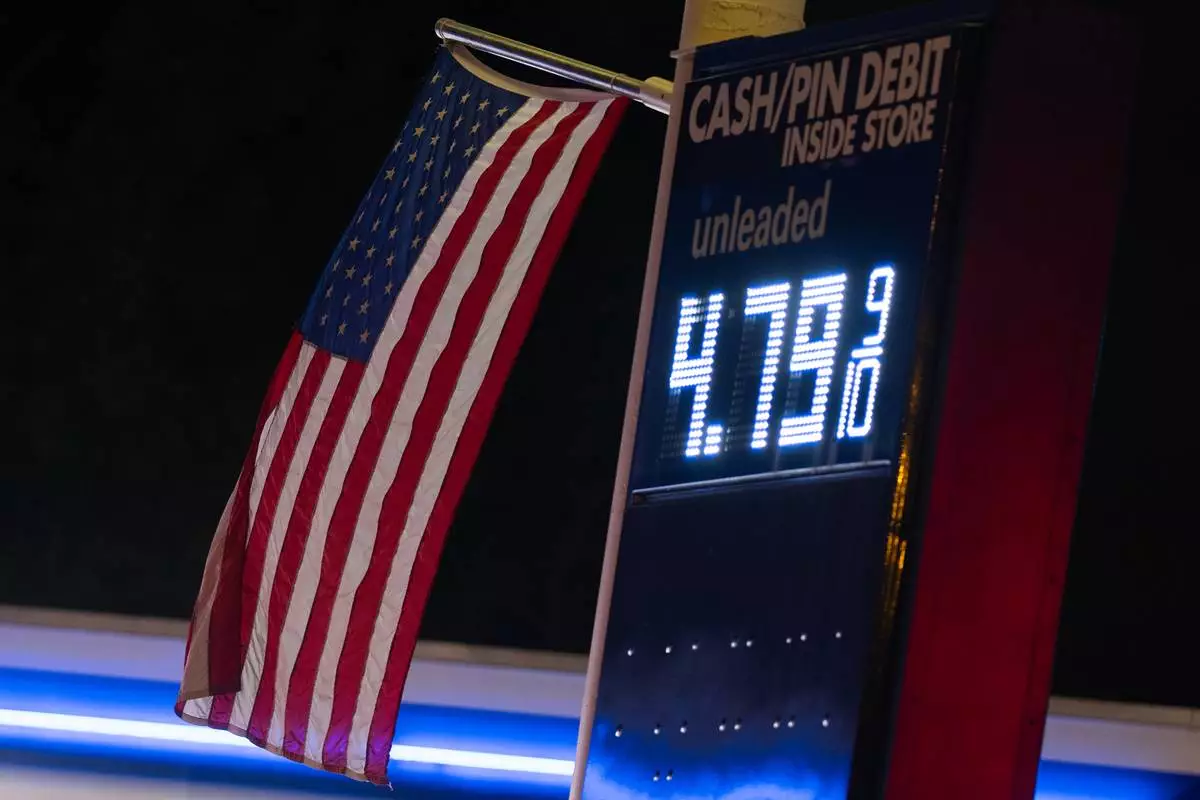
An American flag flies near a sign for fuel prices at a gas station on Wednesday, May 6, 2026, in Portland, Ore. (AP Photo/Jenny Kane)
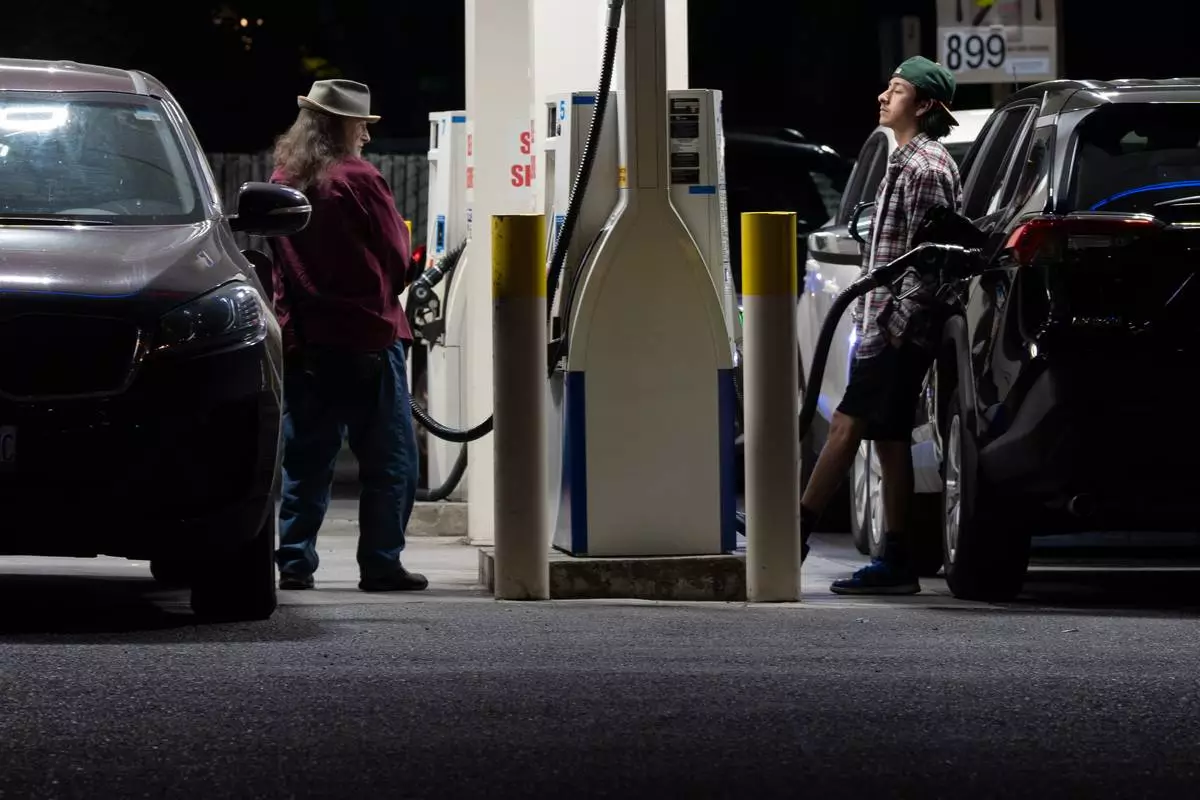
People fill up fuel tanks at a gas station on Wednesday, May 6, 2026, in Portland, Ore. (AP Photo/Jenny Kane)
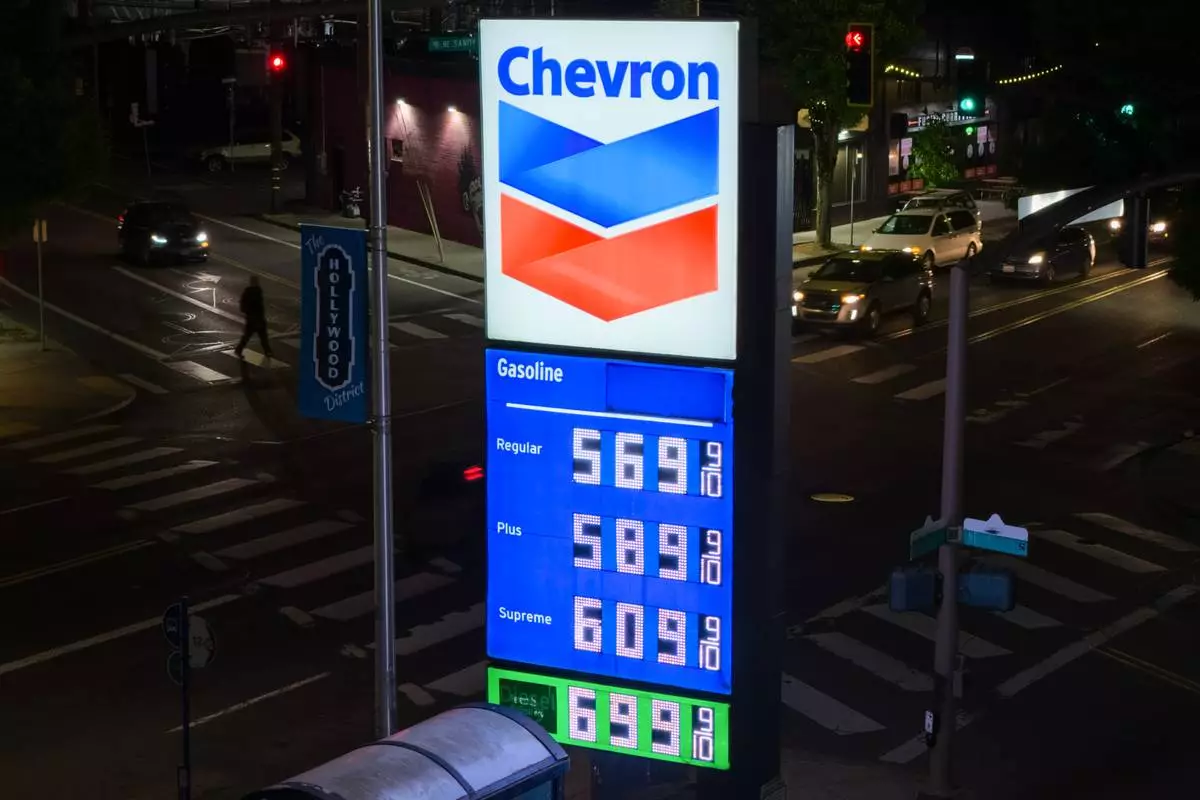
A person walks across the street as a sign for fuel prices is displayed at a gas station on Wednesday, May 6, 2026, in Portland, Ore. (AP Photo/Jenny Kane)
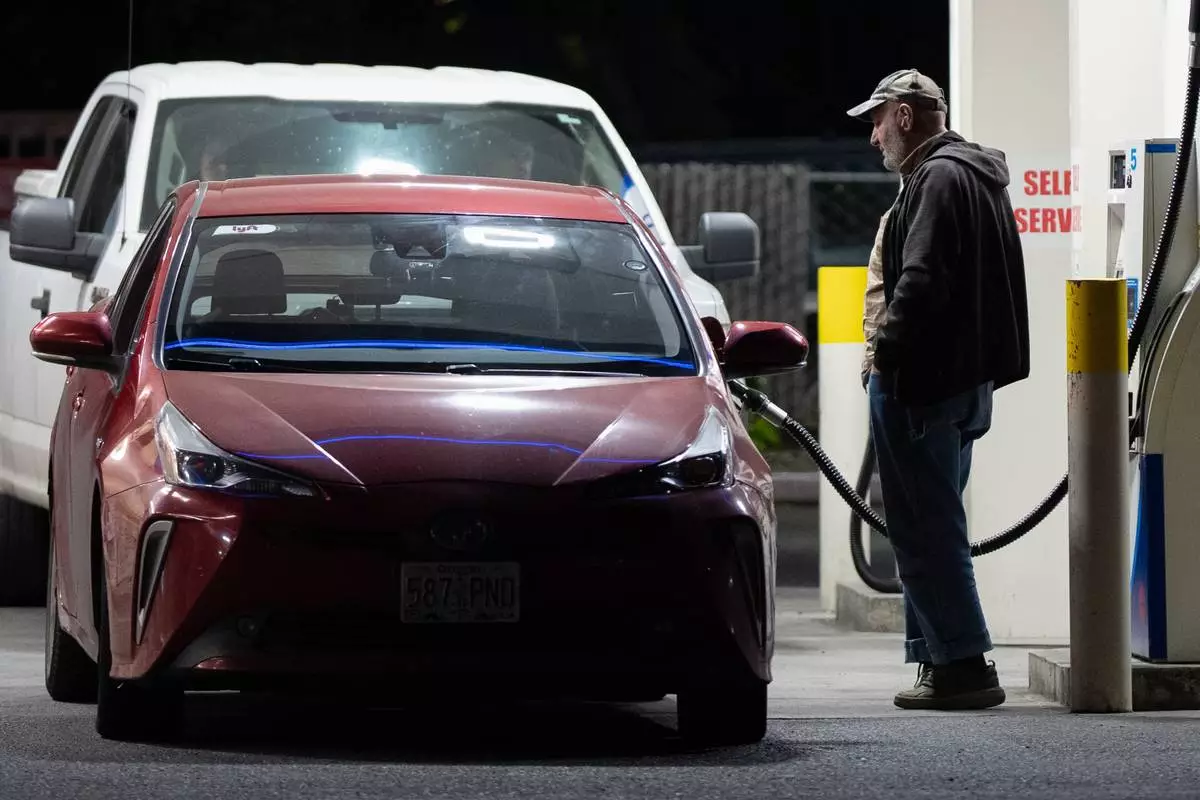
A person fills a tank with fuel at a gas station on Wednesday, May 6, 2026, in Portland, Ore. (AP Photo/Jenny Kane)