A gas pipeline rupture in Peru's Cusco region has triggered the country’s worst energy crisis in more than two decades, affecting fuel supply, transportation, and electricity generation in several areas of the country.
The rupture occurred on March 1 at kilometer 43 of the Camisea pipeline in Peru’s Megantoni district forced the partial suspension of natural gas transport to the Peruvian coast.
The causes of the damage are still under investigation, according to Osinergmin, a regulatory and supervisory body for Peru’s energy sector.
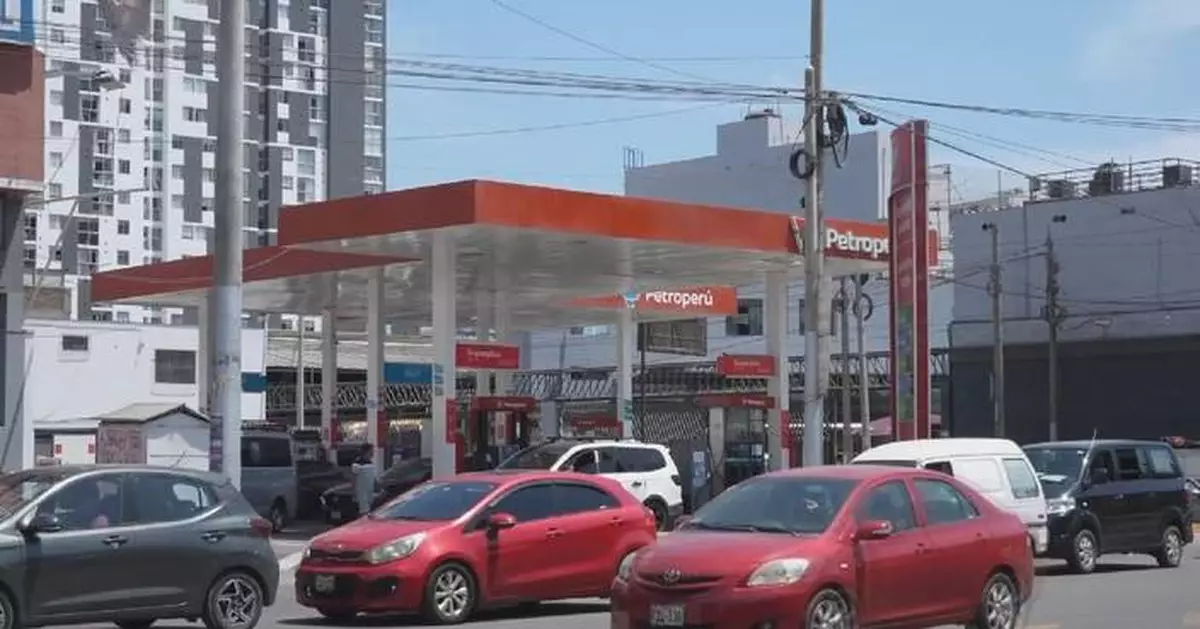
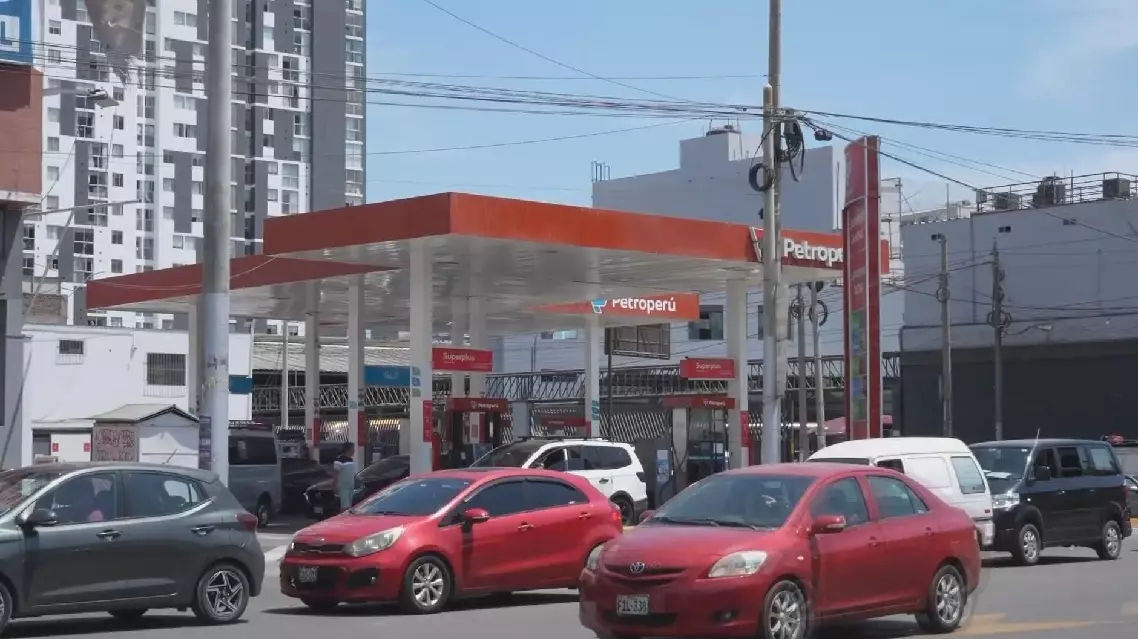
Because many private cars and taxis in Peru rely on natural gas as fuel, having converted from more costly gasoline and diesel, the most visible impact of the gas shortage is being felt on the streets.
"Many gas stations in different areas have shut down. There is no service, fuel, natural gas, gasoline, or diesel," said one taxi driver.
"Fuel was nearly impossible to find throughout Lima. I've driven around but haven't found any. This gas station still has some, but the prices are high," said another.
"More than 350,000 taxi drivers, along with small vehicles and motorcycle taxis, are unable to access natural gas at this time," said Aurelio Ochoa Alencastre, interim president of Osinergmin.
The pipeline rupture has also devastated Peru’s electricity supply, 40 percent of which is dependent on natural gas, forcing power cuts at energy-intensive industrial operations, with around 1,000 medium to large enterprises suspending operations as a result.
To reduce demands on the restricted power supply, all primary and secondary schools and some higher education institutions in Lima and Callao moved to remote teaching on Monday, with many public sector workers also ordered to work from home until further notice.
Gas pipeline rupture causes nationwide energy crisis in Peru