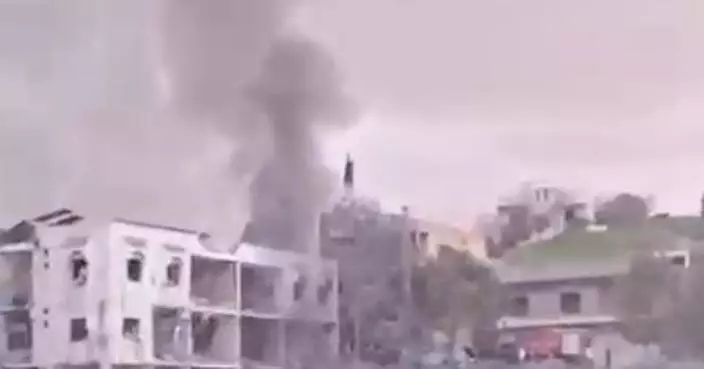
Iran cannot withstand the environmental costs of a escalated war, Mohammad Darvish, head on Environment committee in Iran branch of UNESCO, said following military strikes on Saturday on oil depots in Tehran.
The United States and Israel began to launch military strikes against Iran on Feb 28 as the talks between the United States and Iran on the latter's nuclear issue was underway.
Iranian Foreign Ministry spokesman Esmaeil Baghaei has condemned the U.S.-Israeli strikes on the oil facilities, saying "The consequences of this environmental and humanitarian catastrophe will not be confined within Iran's borders."
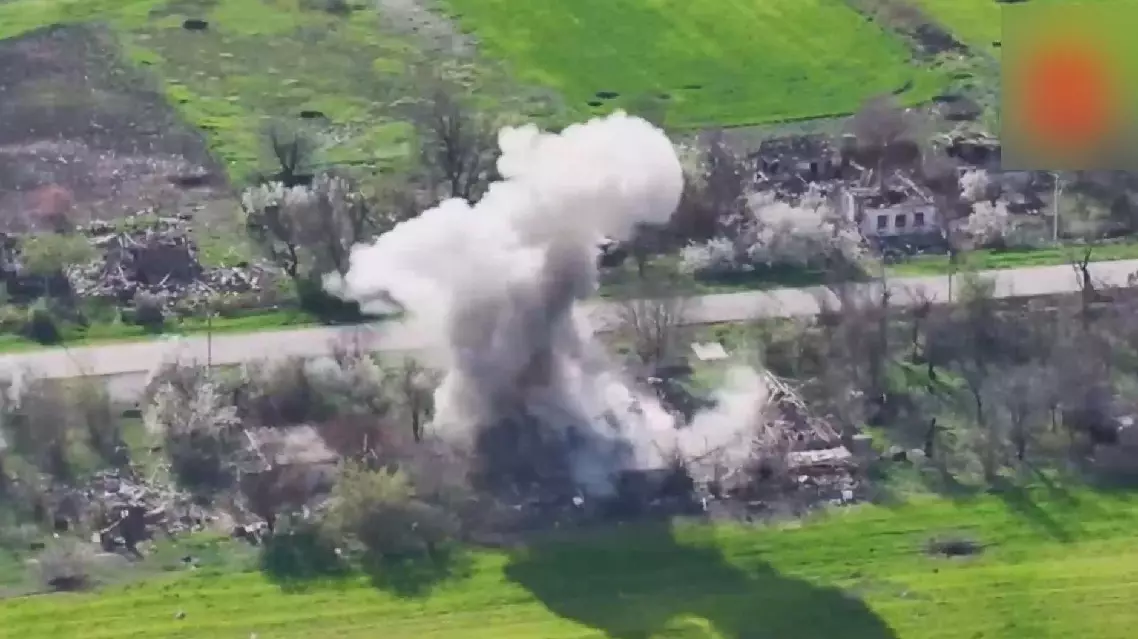
Meanwhile, the United Nations also warned that 10 days of war in the Middle East are upending lives across the region and beyond, with toxic "black rain" linked to strikes on oil depots.
In an exclusive interview with the China Global Television Network (CGTN), Darvish stressed that strikes targeting water or energy infrastructure would bring grave consequences to Iran, which is already faced with serious environmental challenges.
"If the conflict expands to include attacks on infrastructure such as reservoir dams and power plants, it could take years to repair the damage. Iran already faces significant environmental crises. In terms of the severity of land subsidence, air pollution, biodiversity loss, increasing sources of dust storms, and the destruction of wetlands, the country is already under serious environmental pressure. Regarding the rate of land subsidence, Iran is among the countries that are already in a critical stage," said the environmentalist.
"Iran cannot withstand such wars because its land is fragile. This year Tehran is facing a 43 percent drought. Imagine if these already limited water resources were to become contaminated, it would become extremely difficult to provide drinking water for a population of around 10 million people," he noted.
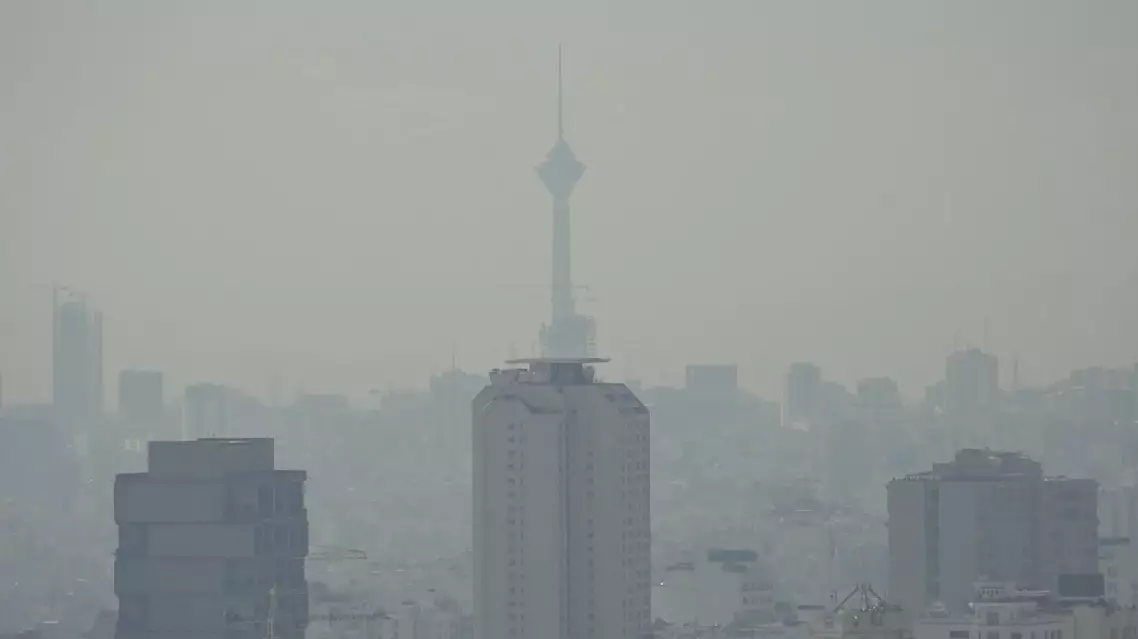
Environmentalist says Iran's 'fragile land' cannot withstand further escalated conflicts