DUBAI, United Arab Emirates (AP) — Iran’s sports and youth minister said it's “not possible” for the country to take part in the World Cup after the United States killed its supreme leader, Ayatollah Ali Khamenei, in its ongoing war.
Iran was expected to take part in the World Cup that will be held across North America in June, but Iranian Sports and Youth Minister Ahmad Donyamali told state television that his country’s soccer team players are not safe in the U.S., according to a video of the interview posted Tuesday.
“Due to the wicked acts they have done against Iran — they have imposed two wars on us over just eight or nine months and have killed and martyred thousands of our people — definitely it’s not possible for us to take part in the World Cup,” he said.
Iran is scheduled to play in Inglewood, California, against New Zealand on June 15 and Belgium on June 21 before finishing group play against Egypt in Seattle on June 26. The U.S. is hosting the tournament with Canada and Mexico from June 11 to July 19.
FIFA said Tuesday night that it anticipates that Iran’s national team will be allowed to come to the United States.
Last week, U.S. President Donald Trump said “I really don’t care” if Iran takes part in the 48-nation tournament.
FIFA President Gianni Infantino said he met with Trump on Tuesday night “to discuss the status of preparations” for the tournament. During the meeting, Trump “reiterated that the Iranian team is, of course, welcome to compete in the tournament in the United States,” Infantino wrote in an Instagram post.
A White House official, granted anonymity to discuss private conversations, confirmed Trump’s message to Infantino about Iran’s participation.
Since June, Iran has been subject to a travel ban into the U.S. as part of the Trump administration’s immigration crackdown. But athletes and coaches from the target nations are exempt, which means the Iranian team would be allowed to enter.
Associated Press writer Seung Min Kim in Washington contributed to this report.
AP soccer: https://apnews.com/hub/soccer
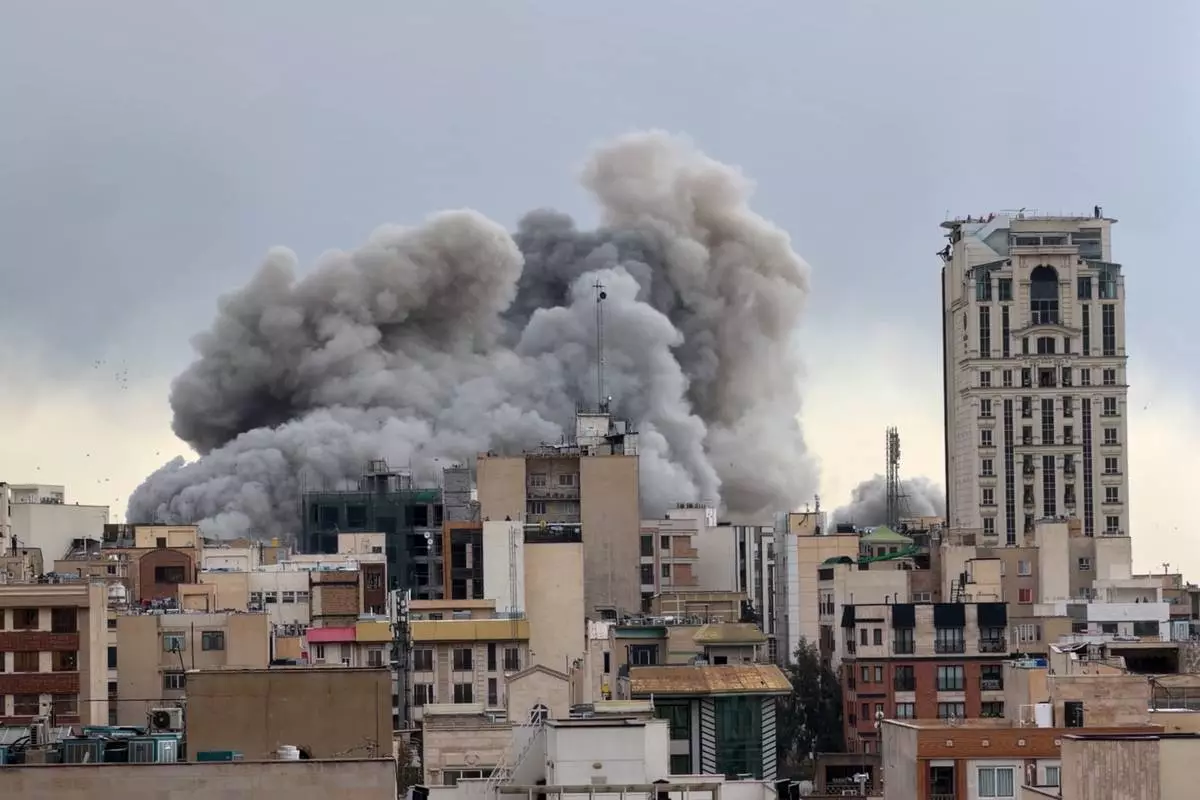
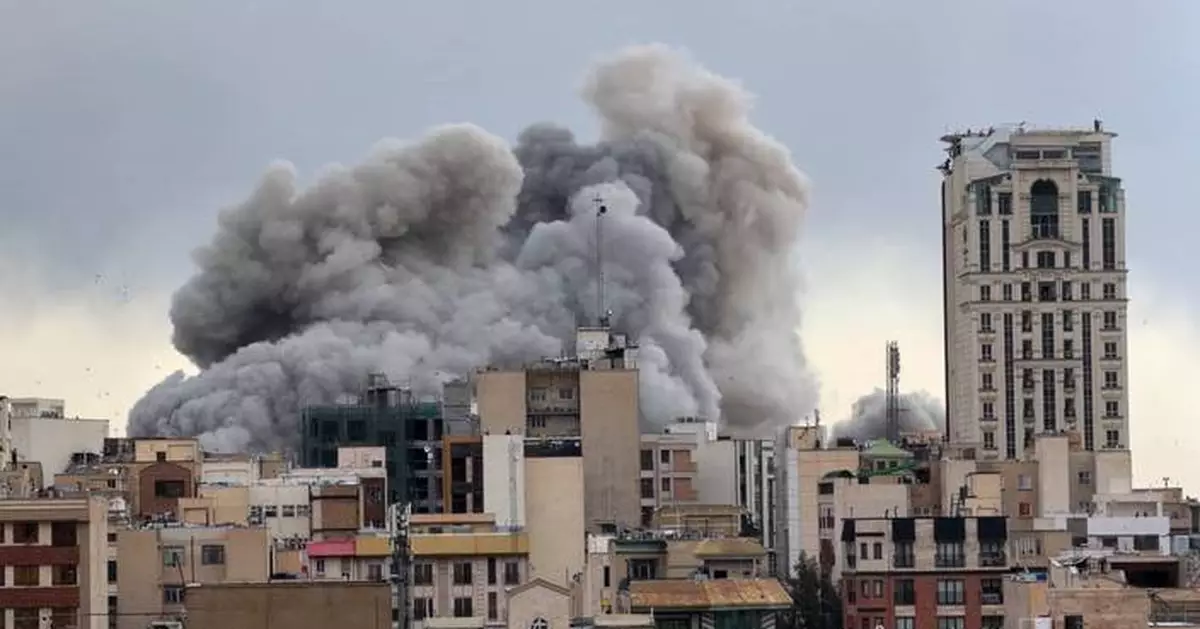
FILE - A plume of smoke rises after a strike in Tehran, Iran, Monday, March 2, 2026. (AP Photo/Mohsen Ganji, File)
NEW YORK (AP) — The U.S. stock market remained calm Wednesday, even as the price of oil got back to rising.
The S&P 500 edged down 0.1% for a second day of modest moves following what had been a wild stretch caused by the war with Iran. The Dow Jones Industrial Average dropped 289 points, or 0.6%, and the Nasdaq composite rose 0.1%.
Since the start of the war, sharp moves for oil prices have triggered swings up and down for financial markets worldwide, sometimes by the hour. Oil prices briefly spiked to their highest levels since 2022 this week because of the possibility that production in the Middle East could be blocked for a long time, which in turn raised worries about a surge of debilitating inflation for the global economy.
The International Energy Agency said Wednesday that its members will release a record amount of oil, 400 million barrels, from stockpiles they’ve set aside for emergencies. Such moves push downward on oil prices in the near term, but it will likely require a full resumption of the flow of oil and natural gas from the Persian Gulf area to fully ease the market. That has investors worldwide anxiously awaiting the end of the war.
The price for a barrel of Brent crude, the international standard, rose 4.8% to settle at $91.98. A barrel of benchmark U.S. crude gained 4.6% to $87.25.
Worries are centered on the Strait of Hormuz, a narrow waterway off Iran’s coast where a fifth of the world’s oil sails on a typical day. The war has halted most of that traffic, which means storage tanks for crude in the region are filling up because the oil has nowhere else to go. That in turn is pushing oil producers to say they’re cutting their output.
The United States said it took out more than a dozen minelaying Iranian vessels Tuesday, and the Islamic Republic vowed to block the region’s oil exports, saying it would not allow “even a single liter” to be shipped to its enemies.
All this is happening at a time when inflation was already relatively high in the United States. A report released Wednesday showed that U.S. consumers paid prices for groceries, gasoline and other costs of living that were 2.4% higher in February than a year earlier.
To be sure, that inflation rate was the same as the prior month’s and better than the 2.5% that economists expected, but it remains above the 2% target the Federal Reserve has set for the economy. It also doesn’t include the spike in gasoline prices that’s happened this month because of the war.
“Looking forward, we expect a spring bulge in inflation due to the spike in energy prices tied to the Iran war, the duration of which will dictate the landing spot for headline inflation by year end,” according to Gary Schlossberg, global strategist at Wells Fargo Investment Institute.
High inflation combined with a stagnating economy would create a worst-case scenario called “stagflation” that the Federal Reserve has no good tools to fix. Stagflation fears are rising not just because of higher oil prices but also because of weakness in hiring by U.S. employers.
On Wall Street, the majority of stocks fell. Campbell’s sank 7.1% after the soup company reported a weaker profit for the latest quarter than analysts expected. It was hurt by struggles for its snack business, and it cut its forecasts for revenue and profit this fiscal year.
Helping to limit Wall Street’s losses was Oracle, which jumped 9.2%. The tech giant reported stronger profit and revenue for the latest quarter than analysts expected. It also raised its forecast for revenue growth next fiscal year, in part because of demand for cloud computing for artificial-intelligence training and inferencing.
All told, the S&P 500 fell 5.68 points to 6,775.80. The Dow Jones Industrial Average dropped 289.24 to 47,417.27, and the Nasdaq composite rose 19.03 to 22,716.13.
In stock markets abroad, indexes fell in Europe following better performances in Asia. Germany’s DAX lost 1.4%, while Japan’s Nikkei 225 rose 1.4%.
In the bond market, Treasury yields rose because of the upward pressure from higher oil prices. The yield on the 10-year Treasury climbed to 4.22% from 4.15% late Tuesday, a notable move for the bond market. Higher yields crank up the pressure on other investments, pushing downward on their prices.
Because of the spike for oil prices, traders have pushed back forecasts for when the Fed could resume its cuts to interest rates. President Donald Trump has been angrily calling for such cuts, which would give the economy and job market a boost but also potentially worsen inflation.
AP Business Writers Matt Ott and Elaine Kurtenbach contributed.
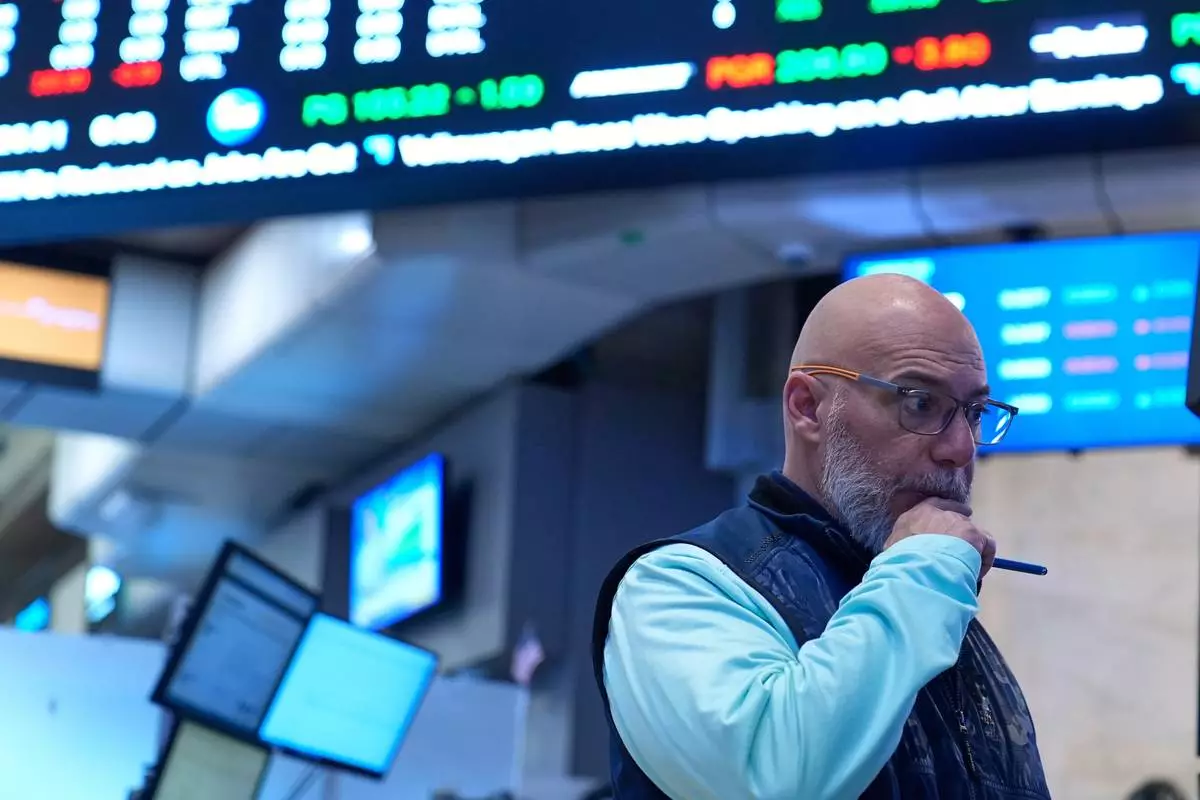
Traders work on the floor at the New York Stock Exchange in New York, Tuesday, March 10, 2026. (AP Photo/Seth Wenig)
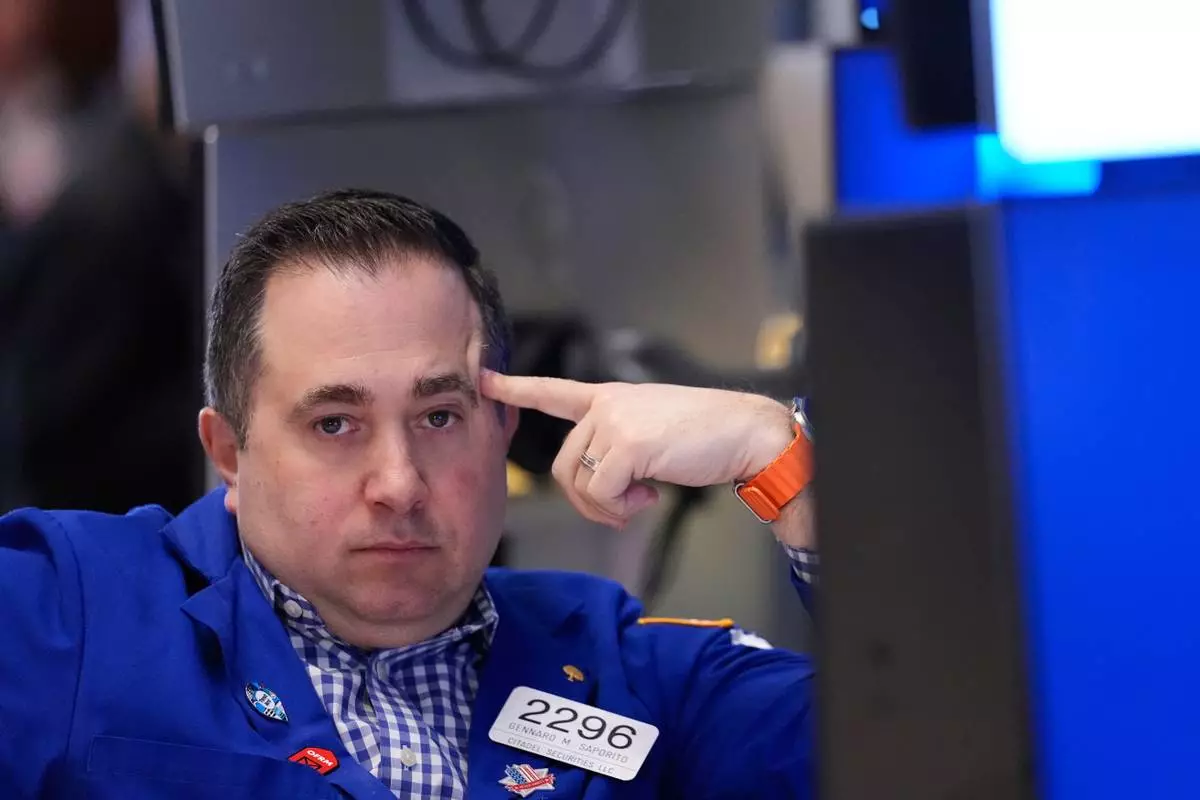
Gennaro Saporito works on the floor at the New York Stock Exchange in New York, Friday, March 6, 2026. (AP Photo/Seth Wenig)
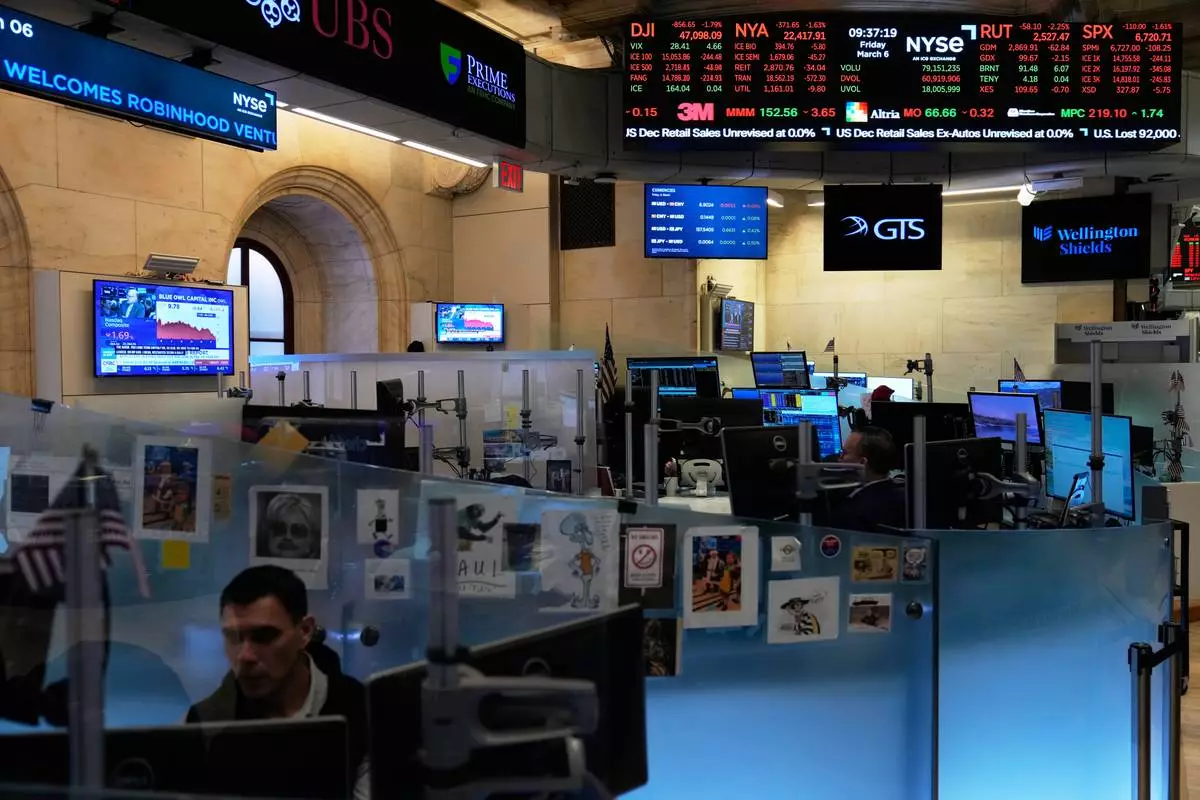
Traders work on the floor at the New York Stock Exchange in New York, Friday, March 6, 2026. (AP Photo/Seth Wenig)
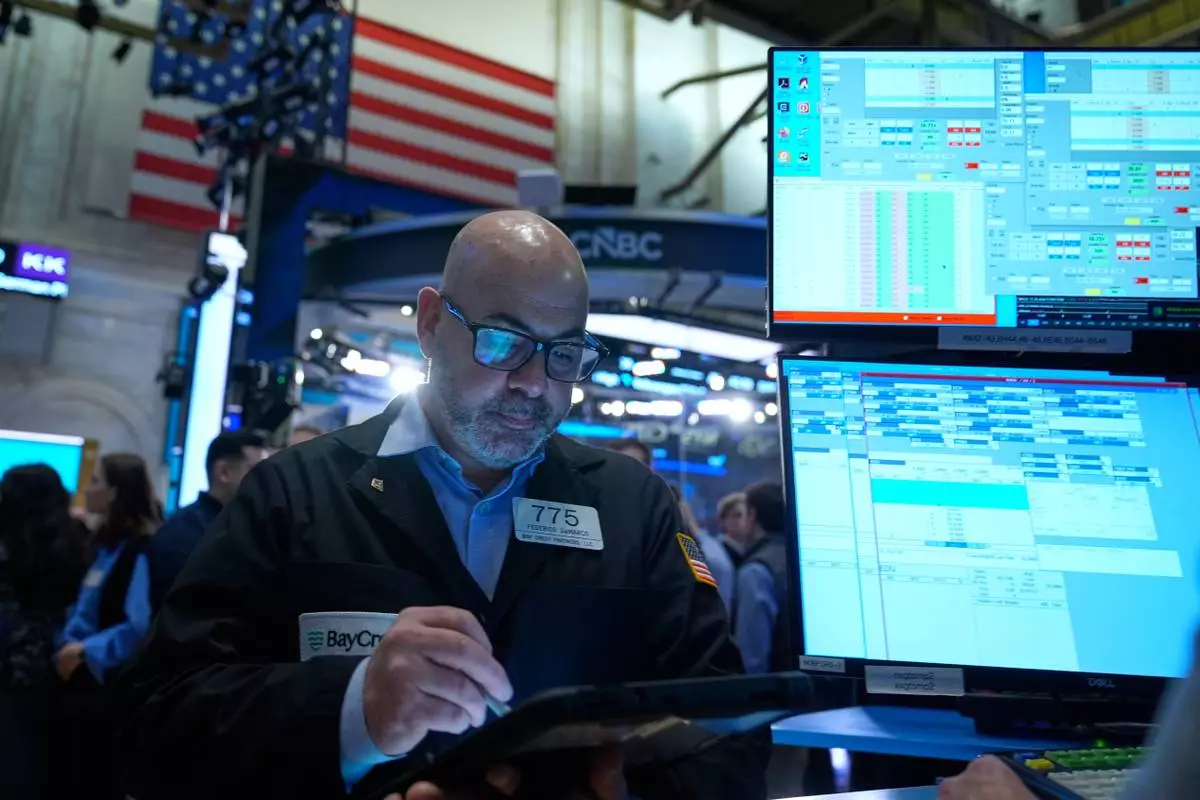
Federico DeMarco works on the floor at the New York Stock Exchange in New York, Tuesday, March 10, 2026. (AP Photo/Seth Wenig)
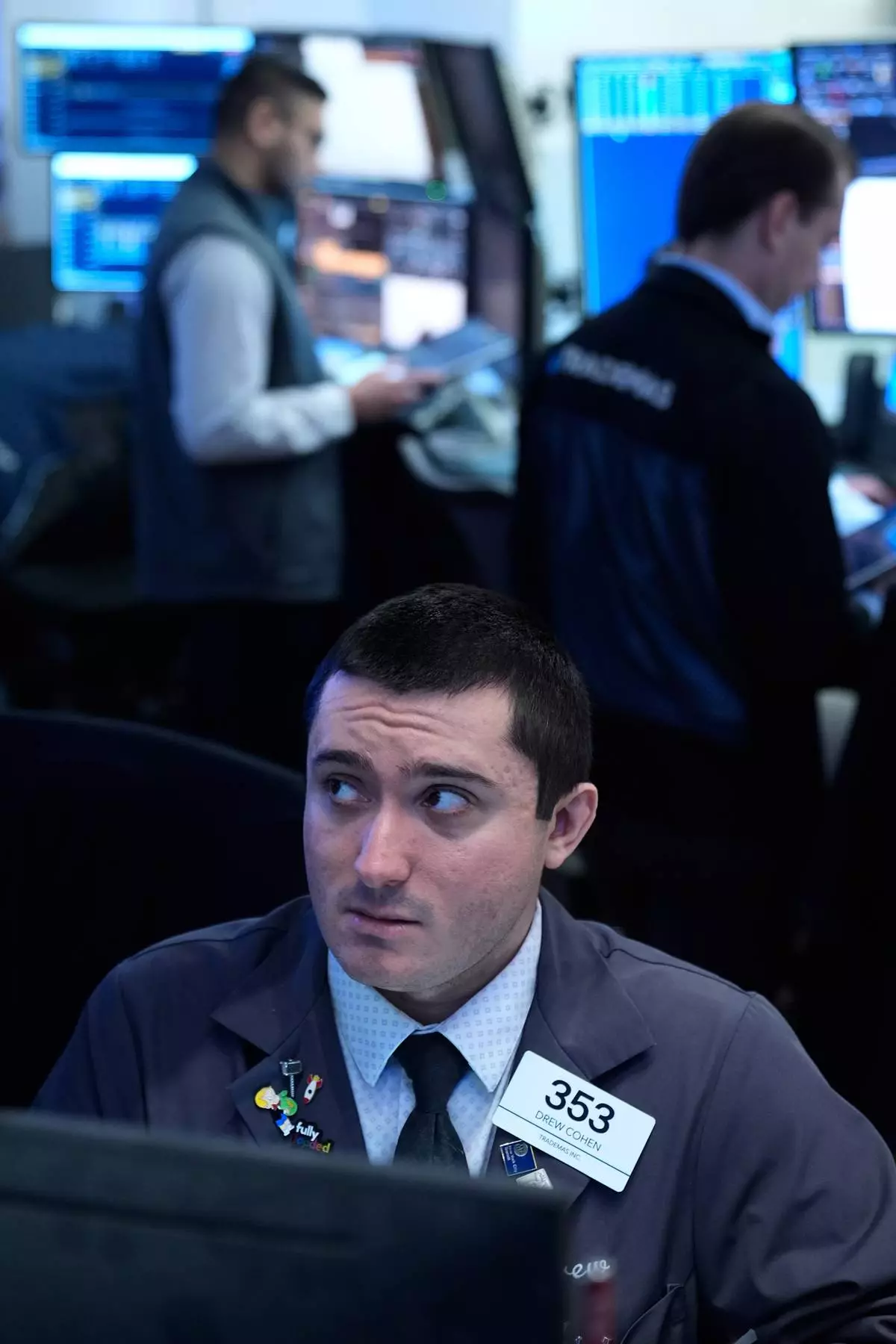
Drew Cohen works on the floor at the New York Stock Exchange in New York, Tuesday, March 10, 2026. (AP Photo/Seth Wenig)

Traders work on the floor at the New York Stock Exchange in New York, Tuesday, March 10, 2026. (AP Photo/Seth Wenig)
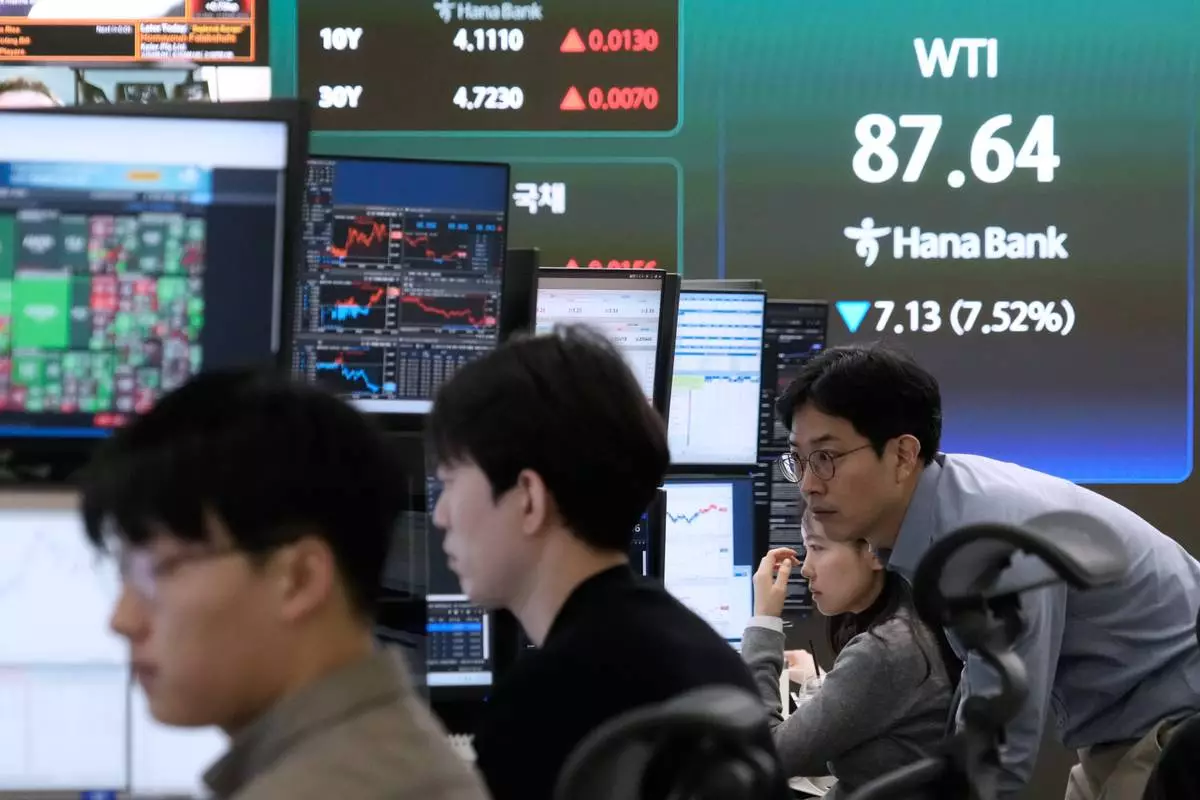
Currency traders work at the foreign exchange dealing room of the Hana Bank headquarters in Seoul, South Korea, Tuesday, March 10, 2026. (AP Photo/Ahn Young-joon)
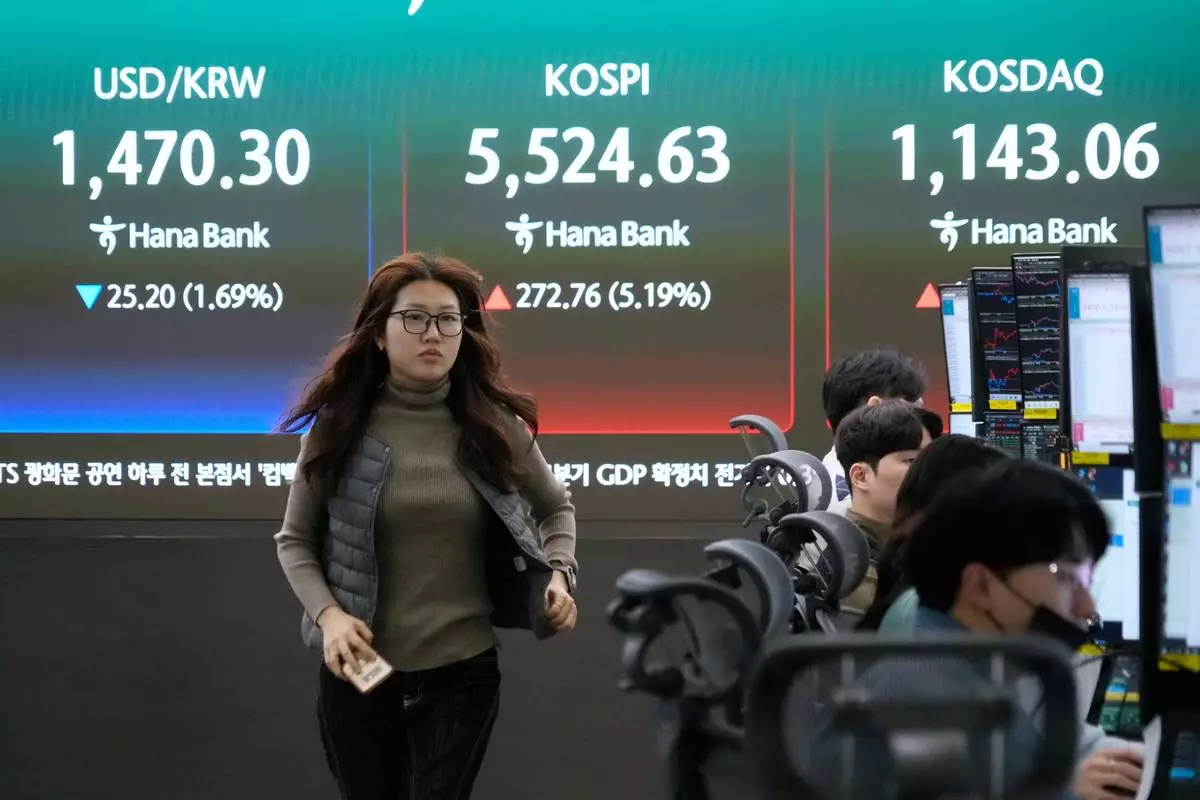
A currency trader passes by a screen showing the Korea Composite Stock Price Index (KOSPI), rear center, and the foreign exchange rate between U.S. dollar and South Korean won, rear left, at the foreign exchange dealing room of the Hana Bank headquarters in Seoul, South Korea, Tuesday, March 10, 2026. (AP Photo/Ahn Young-joon)