WASHINGTON (AP) — Republican and Democratic senators vented their frustrations Wednesday with the lack of progress in funding the Department of Homeland Security, which is resulting in more Americans enduring long lines at airports around the country. It's a problem that is expected to intensify as the impasse enters its fourth week.
Democrats stressed they were willing to fund some of DHS, but not Immigration and Customs Enforcement as well as Customs and Border Protection, without changes in their operations. Republicans made clear that some of the Democratic demands were a non-starter. The result was that each party blocked the other's proposal for temporarily resolving the standoff during an hourslong debate on the Senate floor.
The stark divide over a shutdown that began on Feb. 14 was acknowledged by members on both sides of the political aisle.
“We are in a negotiation. However, we are not close,” Sen. Brian Schatz, D-Hawaii, said at one point. “You may think this is some issue that we think we’re going to turn to our political advantage, but I promise you, when we saw Renee Good and Alex Pretti killed, this became an issue that was beyond politics.”
“And there are a lot of us who are not going to provide resources to this agency that is acting in such a ways that makes citizens of the United States so unsafe.”
Some Republicans were just as adamant that they oppose some of the changes Democrats are seeking to make.
“Let me be clear, we are going to do nothing — nothing — that kneecaps ICE’s ability to enforce our immigrations laws,” said Sen. Eric Schmitt, R-Mo.
Following the longest federal shutdown in the country’s history last year, Congress completed work on 11 of this year’s 12 appropriations bills. Only the bill for Homeland Security remains outstanding.
Democrats are seeking several changes at the department that include prohibiting ICE enforcement operations at sensitive locations like schools and churches, allowing independent investigations into alleged wrongdoing, requiring warrants to be signed by judges before federal agents can forcibly enter private homes or other nonpublic spaces without consent, and requiring agents to wear identification and remove their masks.
Senate Majority Leader John Thune, R-S.D., said his side has made repeated overtures to Democrats on a funding bill. He said the last offer on Homeland Security funding came from the White House nearly two weeks ago and there has been no response from the Democrats.
“Usually, around here, in order to get a deal, there has to be a negotiation where the two sides sit down together,” Thune said. “And my understanding is that has been completely rebuffed by the senator from Washington.”
The senator Thune was referring to, Sen. Patty Murray, the lead Democrat on the Senate Appropriations Committee, said she's continued to talk with Republican colleagues, but those aren't “real negotiations.” The White House needs to be at the table for that to occur. She said she needed assurance that Stephen Miller, the influential White House deputy chief of staff, would not upend any agreements that senators reach.
“I am willing to talk to people, but I'm not willing to sit in a room, have coffee, give away a few things and have Stephen Miller override whatever we all agree to,” Murray said. “ … We need to know the White House is serious.”
DHS has been central to President Donald Trump's sweeping changes in immigration enforcement. Under Trump, the number of people ICE arrests and detains each month has climbed dramatically. The tactics that ICE has employed have generated alarm among Democrats, and some Republicans have also called for a more “strategic” approach.
During bipartisan negotiations earlier this year, appropriators agreed to a DHS funding bill that did include more resources for de-escalation training and $20 million to outfit immigration enforcement agents with body-worn cameras. But that deal unraveled after the Pretti shooting in Minneapolis.
“My side was not going to stand down and say, ‘oh well, nothing happened,’” Murray said.
For the second time in two weeks, Murray offered a proposal to fund all of DHS except for ICE and Customs and Border Protection, but Republicans objected.
Similarly, Sen. Katie Britt, R-Ala., offered a proposal to fund all of DHS for two weeks so that federal workers could get paid and government operations could continue while the two sides negotiate their differences on immigration enforcement. This time, Democrats objected.
The result was the standoff continues, but lawmakers were at least talking to each other, perhaps one small sign of progress.
The large majority of the more than 260,000 employees at DHS continue to work but are going unpaid. It's the second time in recent months they've had to work without pay after last fall's record, 43-day shutdown. The most visible sign of the shutdown has been a shortage of Transportation Security Administration screeners at airports.
Houston’s secondary airport weathered the worst problems, with lines consistently lasting over three hours for much of Sunday and Monday. Passengers also had to wait more than an hour to get through security at several other airports, including in New Orleans and Atlanta.
DHS in a social media post Wednesday blamed Democrats for a shutdown that “has led to HOURS long security lines at airports across the country, leading Americans to miss their spring break flights.”
Trade groups are also worried about the economic impact of the travel delays. The U.S. Chamber of Commerce called on Congress to quickly approve a funding bill and end the department's shutdown.
“Blocking operational funding and paychecks for those who help us travel safely is wrong and strains the air travel system,” said Neil Bradley, the business group's executive vice president and chief policy officer.
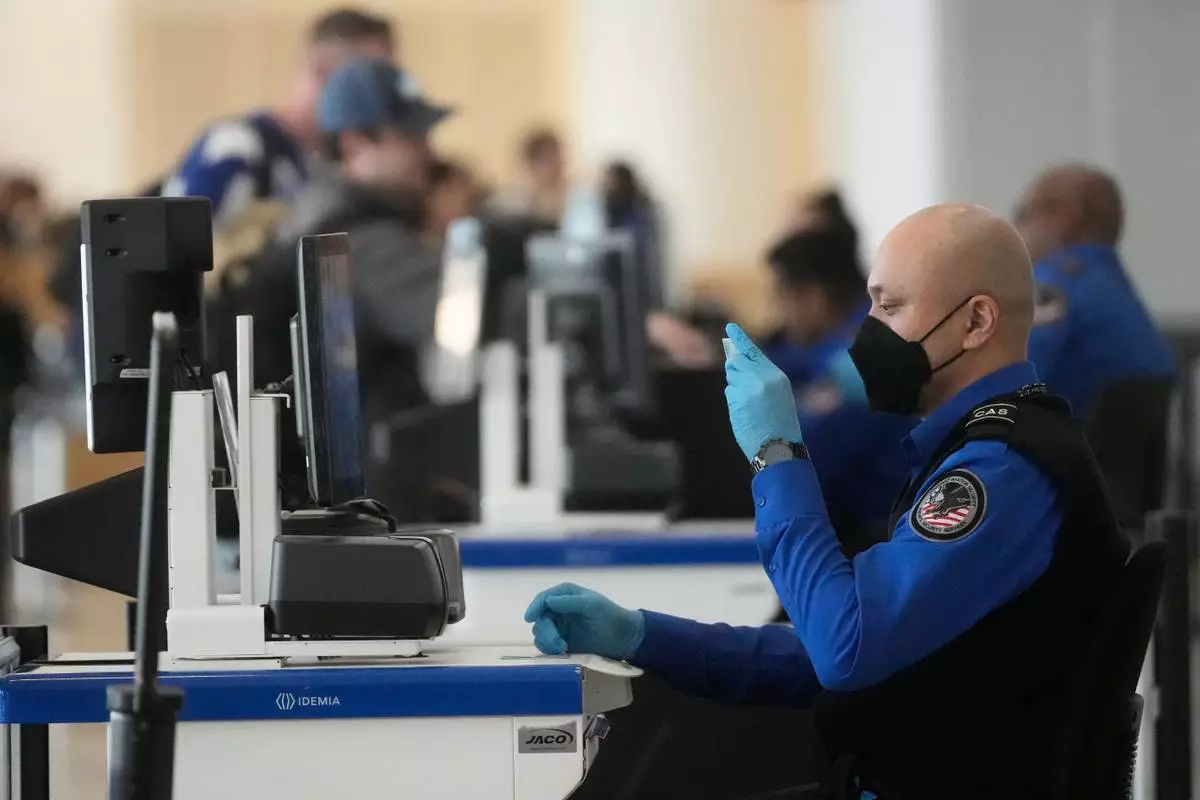
A Covenant Aviation Security Private Security Services agent checks the identifcation of a passenger at a security gate at San Francisco International Airport in San Francisco, Friday, Feb. 27, 2026. (AP Photo/Jeff Chiu)
SALT LAKE CITY (AP) — Taylor Frankie Paul, a reality TV star from “The Secret Lives of Mormon Wives,” and the father of her 2-year-old son appeared in a Utah courtroom Thursday afternoon to present dueling petitions for protective orders against each other in a case that could determine who gets custody of their child.
EDITOR’S NOTE: This story includes discussion of domestic violence. If you or someone you know needs help, please call the national domestic violence hotline: 1-800-799-7233 in the U.S.
Both Paul and her former partner, Dakota Mortensen, have asked a Utah court to turn short-term protective orders into long-term arrangements as the two have accused each other of domestic violence. Both of their families were also in the courtroom, but no other cast members from the Hulu reality show were present.
Attorneys for Paul and Mortensen described several fights between the couple, offering competing versions of the same events — each suggesting the other party was the aggressor.
Paul's attorney Eric Swinyard told Third District Court Commissioner Russell Minas that Mortensen is much larger and stronger than Paul — and that when she when she was faced with physical intimidation from Mortensen during an argument, she responded the same way a lot of people would.
“He said, ‘Hit me,’ and she did,” Swinyard said.
One fight between the two came when Paul was dealing with two recent miscarriages, and she was frustrated because their child Ever had been sick. Paul felt that Mortensen had been blowing her off when she tried to talk to him about Ever's treatment, Swinyard said.
When Paul lost her footing and fell to the ground, Mortensen kicked her several times in the leg, Swinyard said. He told Minas that photographs of the bruising were included in the exhibits.
Mortensen's attorney Brent Salazar-Hall told Minas that his client was a victim of abuse from Paul, but that she kept luring him back with text messages inviting him over for intimacy.
During one argument, Paul and Mortensen were in Mortensen's truck and she tried to interfere with his driving by squeezing his face, Salazar-Hall said. In response, Mortensen shoved her away, he said. He said that's what actually happened when Paul claimed Mortensen had slammed her into the vehicle's dash.
Mortensen has Paul’s initials tattooed on the inside of his lip, which Paul’s attorney pointed to as an example of his possessive nature. Mortensen’s lawyer disagreed with that characterization and said all of the men on the show got lip tattoos of their partners’ names in a humorous scene that has not yet aired.
Minas said at an April 7 hearing that he had “concerns going both ways” about the competing allegations. For now, Paul cannot spend unsupervised time with her son because of a history of volatile behavior directed at Mortensen while kids were present, Minas ruled at that hearing.
Paul and Mortensen, whose tumultuous relationship was featured heavily on the show, had been ordered to stay at least 100 feet (30 meters) away from each other before Thursday's hearing.
Eleven fights between the exes were under examination in their protective order requests. A recently leaked video of one fight from 2023 prompted ABC to make the unprecedented move last month of shelving an already-filmed season of “The Bachelorette” starring Paul. Hulu also paused production of “The Secret Lives of Mormon Wives” and resumed filming last week.
In the video, Paul appeared to punch, kick and throw chairs at Mortensen while her daughter watched and cried.
Swinyard alleged that Mortensen leaked that video to the press to ruin Paul’s reality TV career just before her season of “The Bachelorette” was supposed to air.
“Our point with the video is he’s not just trying to come after her for custody. He’s not just trying to seek a protective order. He wants to literally destroy her,” Swinyard said.
Salazar-Hall said Mortensen has denied leaking the video.
Just after the fight, Paul was charged with aggravated assault and other offenses, including domestic violence in the presence of a child. The police body camera footage of her arrest was featured in the first season of the Hulu series.
Paul pleaded guilty to an assault charge, which will be reduced from a felony to a misdemeanor if she stays out of legal trouble for a three-year probationary period that ends in August. The other counts were dismissed.
Earlier this month, the Salt Lake County District Attorney’s Office declined to file new charges against Paul in recent fights with Mortensen. Any new charges would have violated Paul's probation from the 2023 assault.
The lack of prosecution could help Paul and her attorneys make her case to the court commissioner as she fights to regain custody of her son.
A protective order in Utah can restrict or eliminate a parent’s ability to see their child. When one parent receives a protective order against the other, a court commissioner may also decide it is in the child's best interest give that parent custody. If both parents have protective orders against each other, the court relies heavily on the recommendations of an attorney appointed to investigate the child's best interests.
Paul and Mortensen's son, Ever, had a court-appointed attorney present at Thursday’s hearing to help the commissioner determine the safest arrangement for the boy.
The lawyer, Michael McDonald, said on April 7 that he had concerns about Paul’s tendency to fight with Mortensen in front of their son.
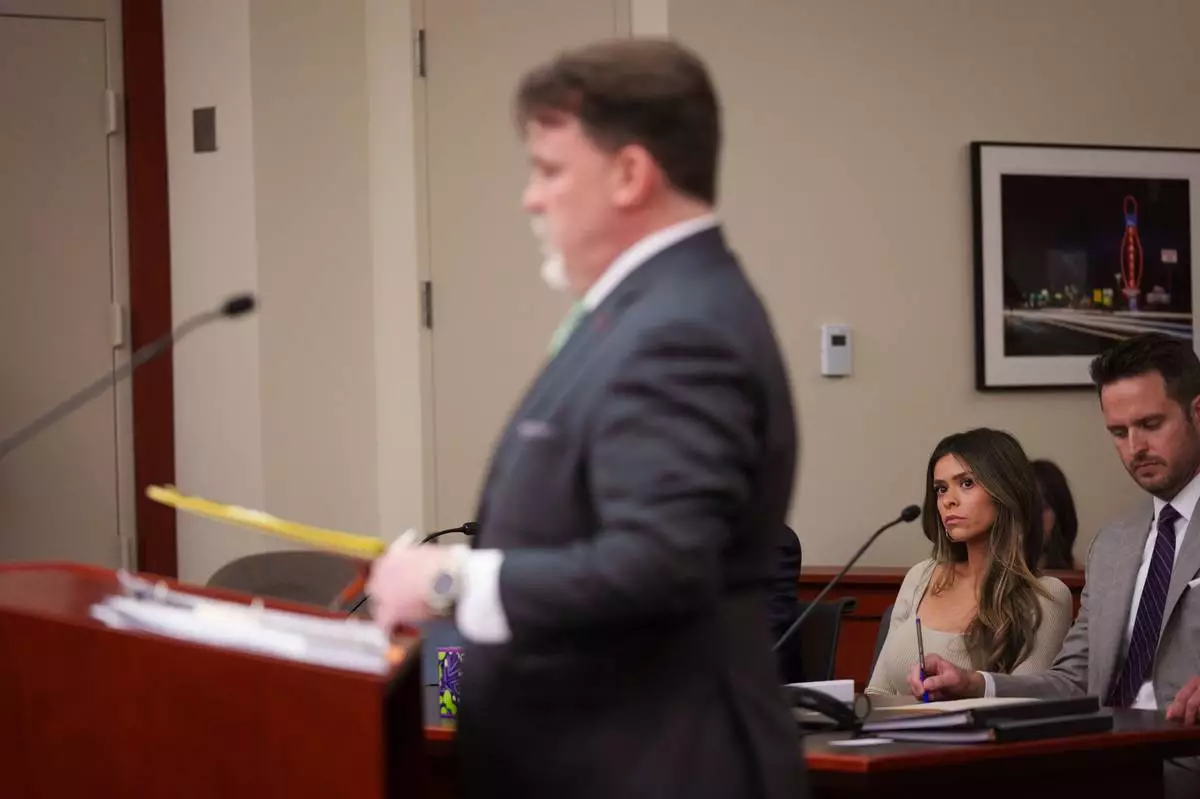
Taylor Frankie Paul, center right, appears in Third District Court for a hearing regarding protective orders between her and her former partner Dakota Mortensen in Salt Lake City, Thursday, April 30, 2026. (Bethany Baker/The Salt Lake Tribune via AP, Pool)
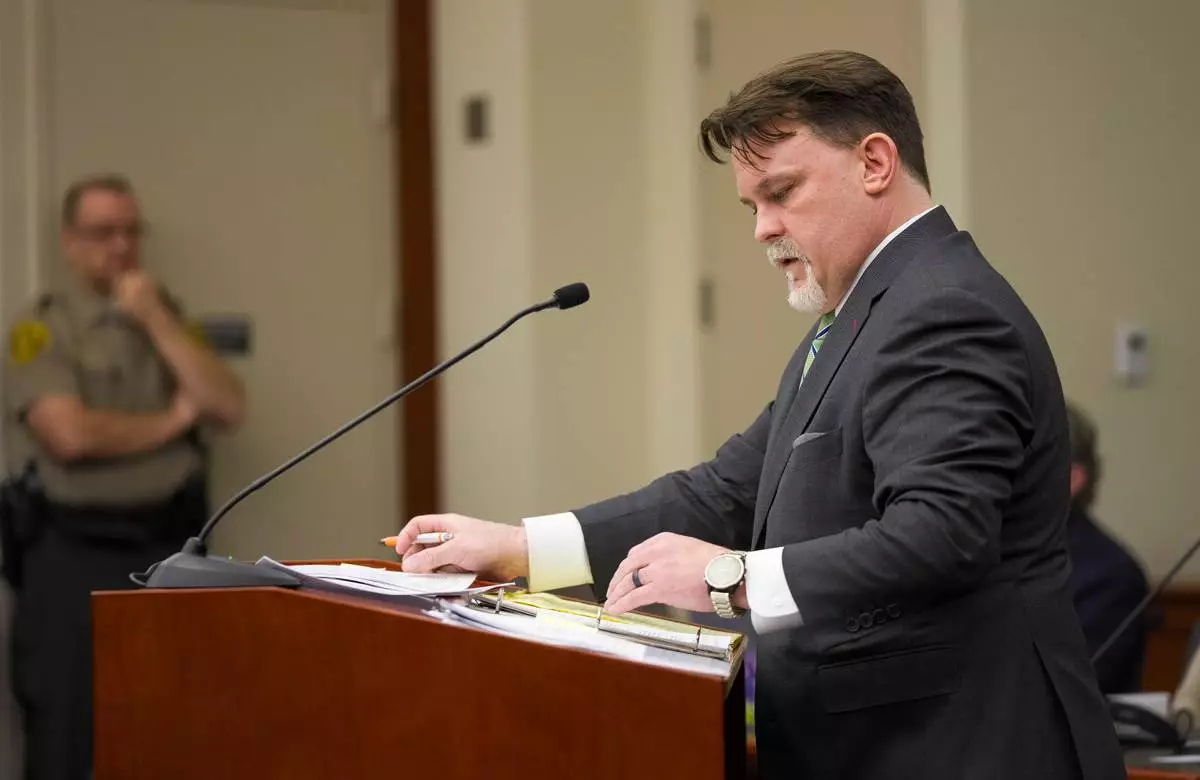
Attorney Brent Salazar-Hall, representing Dakota Mortensen, speaks during a hearing regarding protective orders between Taylor Frankie Paul and Mortensen in Third District Court in Salt Lake City, Thursday, April 30, 2026. (Bethany Baker/The Salt Lake Tribune via AP, Pool)
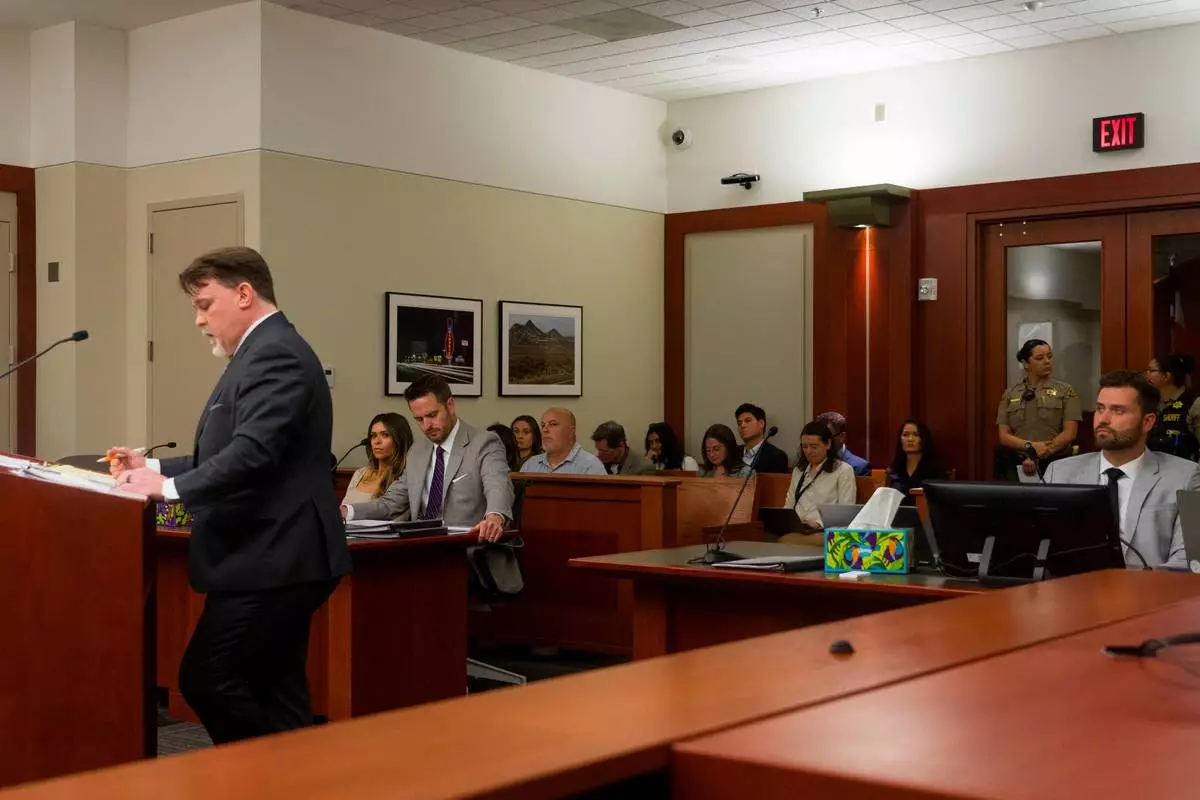
Taylor Frankie Paul, second from left, and Dakota Mortensen, far right, appear in Third District Court for a hearing regarding protective orders in Salt Lake City, Thursday, April 30, 2026. (Bethany Baker/The Salt Lake Tribune via AP, Pool)
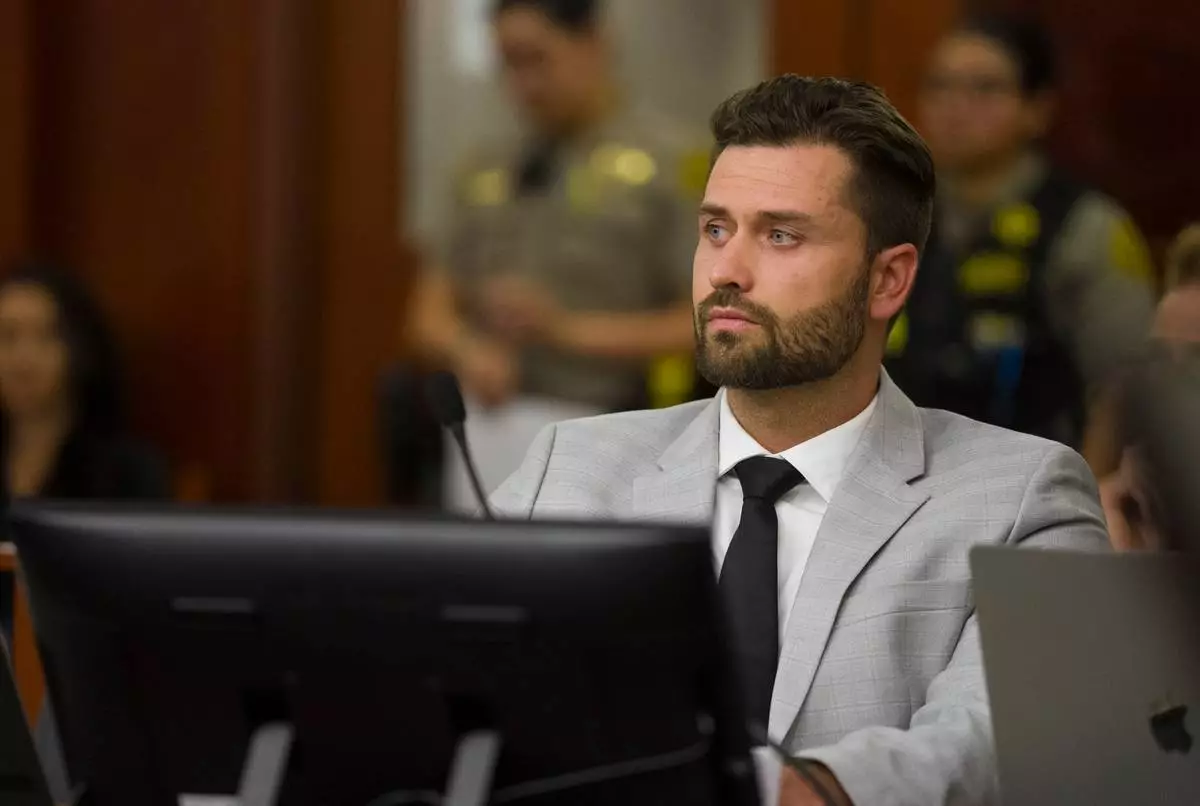
Dakota Mortensen appears in Third District Court for a hearing regarding protective orders between him and his former partner Taylor Frankie Paul in Salt Lake City, Thursday, April 30, 2026. (Bethany Baker/The Salt Lake Tribune via AP, Pool)
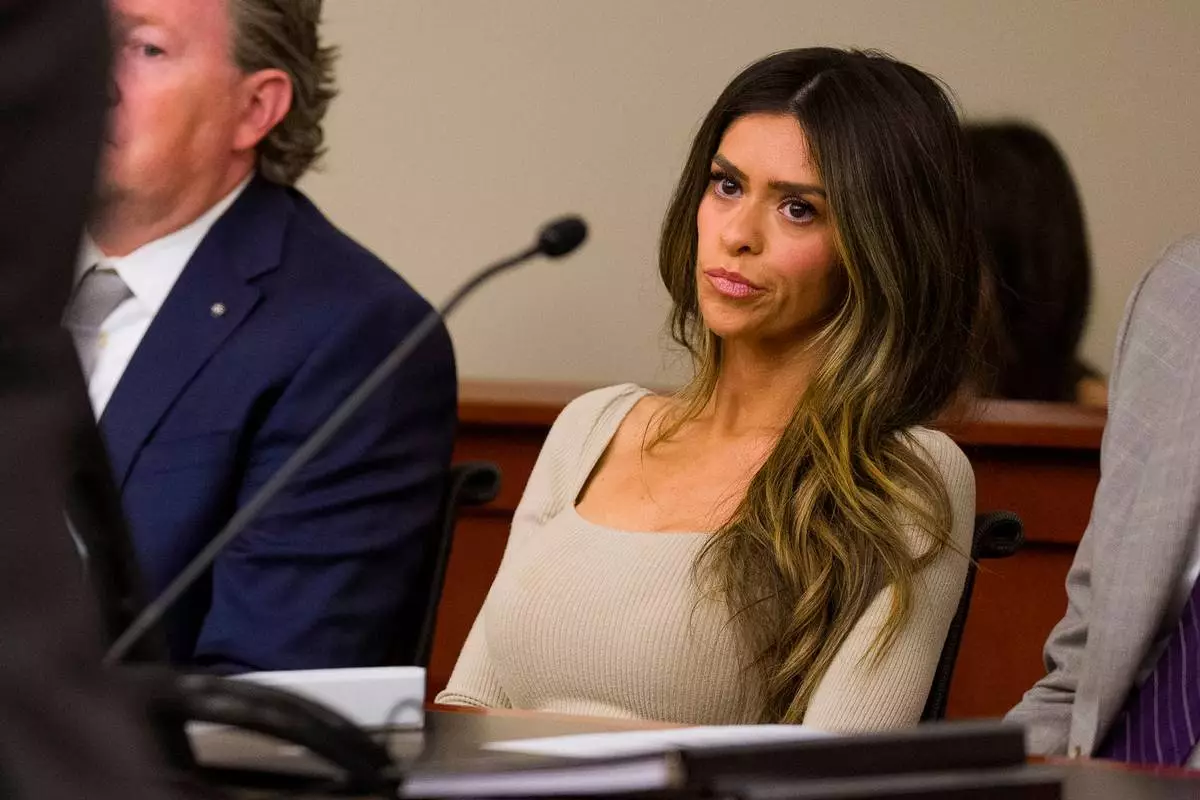
Taylor Frankie Paul appears in Third District Court for a hearing regarding protective orders between her and her former partner Dakota Mortensen in Salt Lake City, Thursday, April 30, 2026. (Bethany Baker/The Salt Lake Tribune via AP, Pool)

FILE - Taylor Frankie Paul appears at the Oscars in Los Angeles on March 15, 2026. (Photo by Jordan Strauss/Invision/AP, File)