-
- Strategic Investment of S$3-5 billion in Singapore to advance AI-ready data centre developments, supporting over 2 GW of AI-ready capacity globally, and driving technological innovation with international ecosystem partners.
- First-mover advantage as one of Asia Pacific's top three hyperscale data centre developers, with proven track record delivering large-scale campus developments in Malaysia, Thailand and India, supporting regional AI and cloud demand.
- Pioneering sustainable energy solutions, including Singapore's first floating hydrogen power generation model leveraging the nation's strengths in maritime transport, port infrastructure and global energy supply chains and research into nuclear energy as a future clean power source for data centres.
- Building an integrated innovation ecosystem in Singapore through partnerships with universities, research institutions and global technology companies, while supporting job creation and talent development initiatives for around 3,000 students and professionals.
SINGAPORE - Media OutReach Newswire - 12 March 2026 - Bridge Data Centres (BDC), a Singapore-headquartered digital infrastructure platform backed by Bain Capital, has announced ambitious plans to invest S$3-5 billion in Singapore to advance next-generation digital infrastructure and strengthen the country's position as a leading AI and cloud hub in Asia Pacific.
BDC had announced its new strategic brand identity in early 2026 that reflects the Company's position of being a leading hyperscale and AI-infrastructure builder with a growing network of mega-campus developments in Asia Pacific. With close to a decade of experience developing high quality data centres, BDC's new brand identity reflects BDC's reputation as platform built on disciplined execution, certainty of delivery, and the ability to scale with customers.
As AI and high-density workloads accelerate across Asia Pacific, customers are looking for partners who can offer world-class capabilities and local agility, provide bespoke solutions at scale, and deliver and operate with a proven track record.
With Singapore serving as its global headquarters, BDC is uniquely positioned to support hyperscale customers and global technology companies seeking high-performance, sustainable and scalable data centre platforms across Asia Pacific, while enabling global technology companies to establish and expand their presence in Singapore as they develop AI and digital capabilities in the region.
Over the past decade, BDC has established itself as one of Asia Pacific's leading digital infrastructure developers and operators. The Company currently operates and develops hyperscale campuses across Malaysia, Thailand and India.
Building on strong relationships with global hyperscale customers and ecosystem partners, BDC is on track to expand its regional capacity to approximately 2 GW by 2030.
By deepening its investments in Singapore, BDC aims to support customers seeking world-class digital infrastructure expertise, strong technology partnerships and integrated energy solutions that enable the sustainable growth of AI workloads.
First-mover advantage
BDC is among the first data centre developers to foray into Malaysia, where the Company has several large-scale data centre campuses – both operational and under development.
BDC's flagship MY06 campus is the Company's first project in Johor, as well as the state's first hyperscale data centre development. In addition, BDC is the first data centre developer in Southeast Asia to adopt a build-to-suit (BTS) model for hyperscale data centre construction. BDC was also among the first hyperscale operators in the region to deploy advanced liquid cooling technologies at scale, including cold plate liquid cooling, to support high-density and AI-driven workloads. BDC's suite of sustainability initiatives at MY06 enabled the facility to achieve an annualised Power Usage Effectiveness (PUE) of below 1.2.
BDC is also the first in Southeast Asia to incorporate Prefabricated, Prefinished Volumetric Construction (PPVC) construction, an innovative method that assembles large building sections off site. This enabled BDC to complete MY06 within eight months, which is 40 per cent faster than traditional methods, while reducing on-site dust, waste and noise. This strategy is one of BDC's key competitive advantages to support the growing needs of hyperscale customers in the region, including Singapore, who need to rapidly scale to meet increasing demand for more capacity to power AI-workloads.
BDC has built Malaysia's first large-scale Water Treatment Plant (WTP) to treat effluent and convert it into high grade effluent water to cool its upcoming 400MW campus in Ulu Tiram, Johor. The WTP applies advanced Membrane Bioreactor (MBR) and Reverse Osmosis (RO) technologies to deliver superior water recovery and quality. Since commencing operations in 2025, the WTP has been significantly reducing reliance on potable water. It further strengthens the long-term resilience of BDC's operations and supports Johor's broader environmental agenda.
The WTP has also attracted interest from regional public agencies. In 2025, BDC hosted a technical visit by representatives from PUB, Singapore's National Water Agency, who were presented with an overview of the plant's design and its use of advanced membrane technologies for sustainable water reuse in data centre operations.
BDC's MY-06 Campus (Building 1) has achieved Singapore's BCA Green Mark Platinum Award granted under the BCA-IMDA Green Mark International for Data Centres 2024 (GMDC: 2024) framework. The BCA Green Mark Award recognises developers, building owners and individuals who have made outstanding achievements in environmental sustainability in the built environment. BDC is the first data centre operator to achieve this recognition for a facility based outside of Singapore. Beyond project certification, BDC has also signed a Memorandum of Understanding with BCA International (BCAI) to support the international adoption of Singapore's Green Mark standards in global data centre developments. Through this partnership, BDC will promote Singapore's sustainable building standards globally while reinforcing the country's position as a leading AI and green digital infrastructure hub in the region.
These capabilities are aligned with Singapore's Green Data Centre (DC) Roadmap, which emphasises energy efficiency, sustainable resource use and the integration of green energy to support the growth of digital infrastructure. BDC's experience in delivering high-efficiency campuses positions it well to contribute to these objectives through practical, deployable solutions.
Pioneering energy solutions
As AI workloads drive the rapid expansion of digital infrastructure, energy resilience, data security and sustainability are becoming increasingly important. BDC is advancing a range of initiatives to explore alternative energy pathways and strengthen long-term power strategies.
A key collaboration is with Concord New Energy (CNE), where the partners are jointly developing Singapore's first floating hydrogen power generation solution tailored for next-generation AI digital infrastructure, marking a significant milestone in advancing low-carbon energy pathways for the data centre sector.
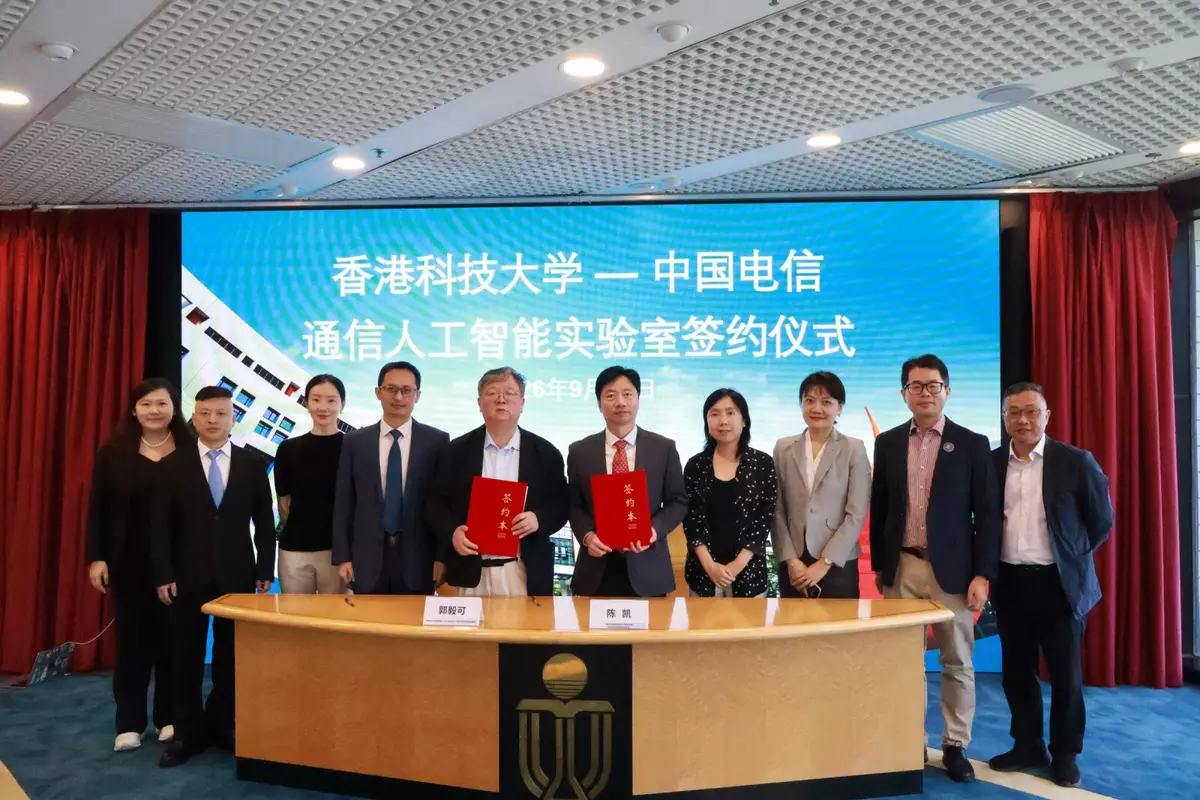
BDC and CNE will also collaborate with Nanyang Technological University (NTU) to support the development of Singapore's hydrogen ecosystem, accelerating research, engineering and the deployment of scalable clean energy technologies for digital infrastructure applications.
In addition, BDC is working with Singapore's Agency for Science, Technology and Research Institute of High Performance Computing (A*STAR IHPC) and HY to evaluate the potential of nuclear energy as a long-term clean power source for data centres.
BDC's alliance with A*STAR IHPC and HY will leverage advanced modelling and engineering expertise to explore innovative low-carbon energy pathways that will support Singapore's sustainable digital growth while reinforcing the nation's position as a trusted global technology hub.
BDC has also established partnerships with global leaders in energy and energy storage technologies, including CATL, EcoCeres, SK Innovation. Through these collaborations, the partners will jointly explore the establishment of innovation and research platforms to advance the development and pilot deployment of clean energy solutions such as hydrogen and biomass energy, as well as next-generation energy storage technologies designed for tropical climates. These initiatives aim to enhance thermal management, improve safety performance and increase the power density of data centre energy storage systems.
These collaborations and pilot initiatives will also contribute to talent development and workforce capability building in Singapore's digital infrastructure and energy sectors. Through joint research programmes, technology pilots and knowledge exchange with universities, research institutions and industry partners, BDC aims to support the development of specialised expertise in areas such as advanced energy systems, sustainable data centre design, and next-generation cooling and energy storage technologies.
The initiatives are also expected to create high-value job opportunities in Singapore, spanning engineering, energy systems research, digital infrastructure operations and advanced technology development. By nurturing local talent and strengthening cross-disciplinary capabilities, these efforts will help build a robust talent pipeline to support Singapore's growing AI and digital infrastructure ecosystem.
These partnerships represent a strategic step in BDC's long-term roadmap to diversify power sourcing pathways, enhance energy security, and future-proof its Singapore data centre portfolio amid evolving grid constraints and decarbonisation dynamics. They also reinforce Singapore's position as a regional hub for AI-ready digital infrastructure, while supporting the nation's broader ambitions in sustainable energy innovation and green economic growth. Furthermore, these advancements accelerate Singapore's ambition to achieve its net zero emissions goal by 2050.
Advancing technology and ecosystem growth
BDC is also pushing the envelope in innovative and sustainable cooling solutions through collaborations with ecosystem technology partners such as Vertiv, Terahop and Teracule, which are subsidiaries of Zhongji Innolight, as well as Delta Electronics and Supermicro.
Many of these partners are established leaders in data centre cooling, power systems and high-performance computing infrastructure, and are active participants in the broader AI infrastructure ecosystem, working closely with leading chipmakers to support next-generation compute environments.
Through its collaboration with Teracule and Terahop, the subsidiaries of Zhongji Innolight, BDC is exploring opportunities to jointly develop next-generation liquid cooling modules and high-performance optical connectivity solutions tailored for AI data centre environments. By combining Innolight's expertise in optical modules and high-speed interconnect technologies with BDC's experience in hyperscale data centre design and operations, the partners aim to advance integrated solutions that enhance thermal efficiency, data transmission performance and system reliability for high-density AI workloads.
The collaboration will also explore the establishment of joint research and development initiatives in Singapore, bringing together industry, academia and research institutions to support innovation in AI infrastructure technologies. Through this industry–academia-research collaboration model, the partners aim to accelerate the development and commercialisation of advanced cooling and connectivity technologies while contributing to Singapore's broader push to strengthen research, talent development and innovation within the digital infrastructure ecosystem.
Together, these alliances focus on the development of advanced liquid cooling architectures, high-density GPU cooling solutions, and energy-optimised HVAC systems designed to support increasingly compute-intensive workloads. These technologies are critical in enabling the efficient operation of AI infrastructure, particularly as rack densities and thermal loads continue to rise in next-generation data centre environments.
Driving regional connectivity
As a Singapore-headquartered digital infrastructure platform, BDC continues to strengthen Singapore's position as a regional hub for digital infrastructure and AI-driven innovation. With its highly developed connectivity ecosystem, robust regulatory environment and strong international network links, Singapore plays a central role in enabling the growth of the digital economy across Asia Pacific.
In this context, Singapore serves as one of the primary regional hubs, supporting high-value and latency-sensitive digital services such as edge computing deployments, international data traffic management and regional digital service platforms.
To support the burgeoning demand for AI and cloud computing across the region, complementary infrastructure resources across Asia Pacific can help provide additional capacity for compute-intensive workloads, including AI inference, machine learning and large-scale data processing. This cross-border model enables Singapore to remain the connectivity and innovation anchor of the ASEAN digital ecosystem, while regional infrastructure supports the scaling of digital capacity.
BDC's collaborations with ecosystem partners, including major telecommunications companies and global technology firms, also help expand connectivity networks beyond Asia Pacific, further reinforcing Singapore's role as a key regional interconnection hub.
One such ecosystem partner is Zenlayer, a leading global edge cloud and connectivity provider with a well-established customer base across Asia Pacific, North America and Europe. Through this partnership, BDC continues to strengthen its regional and international network connectivity anchored in Singapore.
This expanded network reach supports low-latency cross-border digital infrastructure integration, enabling hyperscalers to scale efficiently across markets while leveraging Singapore as one of the core regional gateways for digital services.
Catalysing Singapore's AI-driven digital growth
Looking ahead, BDC will continue to leverage its operating model as a glocal platform, combining regional scale with deep local execution capabilities to expand across Asia Pacific. The Company's strategy focuses on connecting key economic corridors, developing high-density, utility-integrated campuses, and working with ecosystem partners to align digital infrastructure growth with evolving energy pathways.
Anchored in Singapore as its strategic regional hub, BDC's investments and partnerships contribute to the development of a robust digital infrastructure ecosystem that supports AI-driven workloads and cross-border connectivity.
BDC is also adopting an industry–academia–research collaboration mode, bringing together industry partners, universities and research institutes to accelerate innovation in AI infrastructure, advanced cooling technologies and sustainable energy systems. This integrated approach supports the development of new technologies while nurturing local talent and strengthening Singapore's innovation ecosystem.
BDC's initiatives in hydrogen, low-carbon power solutions and energy storage further contribute to the growth of Singapore's green economy, catalysing investment in sustainable energy infrastructure and support the transition towards lower-carbon digital operations.
BDC's efforts support the creation of high-value jobs and the development of specialised technical expertise in Singapore, spanning engineering, digital infrastructure and advanced energy systems. In addition, BDC will work with universities, research institutes and industry partners to support talent development initiatives, including internships, training programmes and collaborative research opportunities, contributing to the development of a strong local talent pipeline for Singapore's AI and digital infrastructure ecosystem.
Collectively, these contributions reinforce Singapore's position as a leading AI and digital infrastructure hub in Asia Pacific, underpinned by resilient, efficient and sustainable infrastructure.
Hashtag: #BridgeDataCentres #Singapore
The issuer is solely responsible for the content of this announcement.
Bridge Data Centres
** This press release is distributed by Media OutReach Newswire through automated distribution system, for which the client assumes full responsibility. **