BENTONVILLE, Ark.--(BUSINESS WIRE)--Mar 12, 2026--
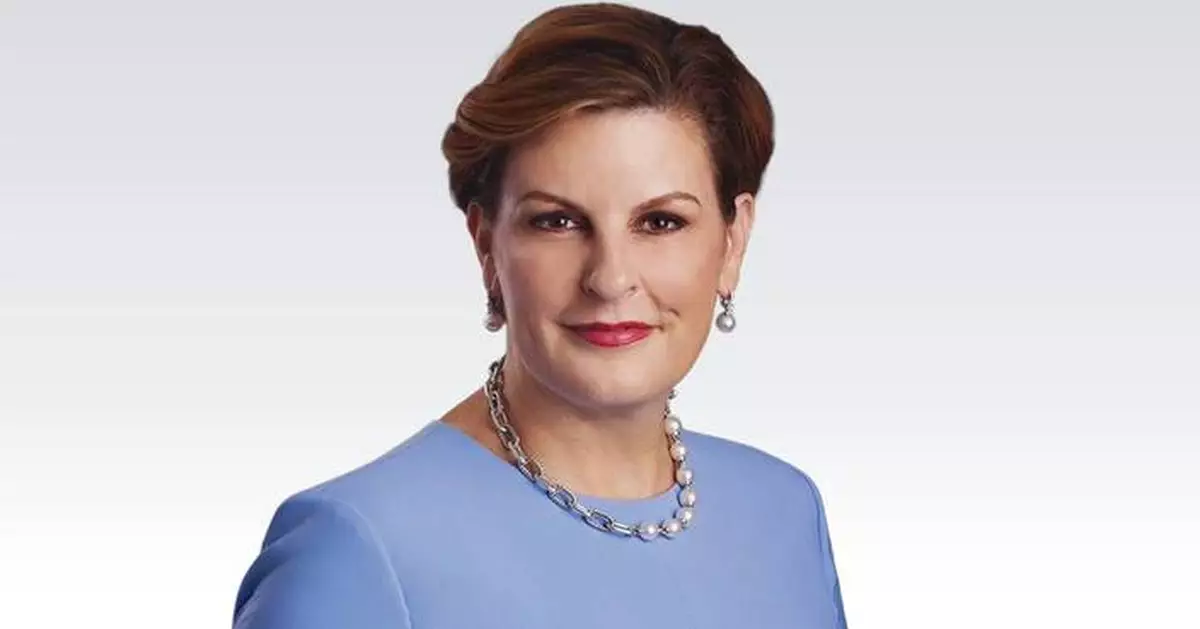
Walmart Inc. (NASDAQ: WMT) announced today that Erin Nealy Cox has been named Walmart’s next Executive Vice President of Global Governance, Chief Legal Officer (CLO), and Corporate Secretary. Cox will assume responsibilities on April 13, 2026.
This press release features multimedia. View the full release here: https://www.businesswire.com/news/home/20260312066547/en/
“To lead Global Governance for a company of our scale and complexity, you need a leader who has thrived in the most demanding environments. Erin is exactly that leader,” said Walmart President and Chief Executive Officer John Furner. “She brings a rare combination of legal strategy and operational rigor that will be essential as we continue to navigate the new era of retail, while staying true to our purpose of helping people save money and live better.”
Cox joins Walmart from Kirkland & Ellis LLP, where she has served as a partner in the Government, Regulatory & Internal Investigations Practice Group since 2021. She previously served as the United States Attorney for the Northern District of Texas, where she led a broad range of federal investigations and prosecutions, including matters involving white-collar crime, national security, cybercrime, and public corruption. She was appointed to and then chaired the Attorney General’s Advisory Committee.
Before her U.S. Attorney appointment, Cox was an Executive Managing Director at Stroz Friedberg, a global cybersecurity and risk management firm, where she led its global incident response practice. Her earlier career also included nearly a decade of service as an Assistant U.S. Attorney in the same district she served as U.S. Attorney. Cox earned her J.D. from SMU Dedman School of Law and her B.B.A. in Finance from the University of Texas at Austin.
“Walmart is a company defined not just by its scale, but by its heart; and I am honored to join the team at such a pivotal moment,” said Erin Nealy Cox. “Throughout my career in both the public and private sectors, I’ve found that the best strategies are always rooted in purpose. Walmart has a clear purpose, one I believe in deeply, and I’m excited to dive in and help our teams continue to serve our customers and members when, how and where they want.”
Walmart’s Global Governance organization includes global legal, compliance, ethics, corporate governance, digital citizenship, enterprise risk management, litigation, aviation, investigations, and corporate security, including Walmart’s Global Security Operations Center.
About Walmart
Walmart Inc. (Nasdaq: WMT) is a people-led, tech-powered omnichannel retailer helping people save money and live better — anytime and anywhere — in stores, online, and through their mobile devices. Each week, approximately 270 million customers and members visit more than 10,750 stores and numerous eCommerce websites in 19 countries. With fiscal year 2025 revenue of $681 billion, Walmart employs approximately 2.1 million associates worldwide. Walmart continues to be a leader in sustainability, corporate philanthropy, and employment opportunity. Additional information about Walmart can be found by visiting corporate.walmart.com, on Facebook at facebook.com/walmart, on X (formerly known as Twitter) at twitter.com/walmart, and on LinkedIn at linkedin.com/company/walmart.

Erin Nealy Cox, Walmart’s next Executive Vice President of Global Governance, Chief Legal Officer (CLO), and Corporate Secretary.
NEW YORK (AP) — Worries about the war with Iran sent oil prices back to $100 per barrel and stocks sinking worldwide. The S&P 500 fell 1.5% Thursday and returned to big swings following a couple days of relative calm. The Dow Jones Industrial Average dropped 1.6%, and the Nasdaq composite sank 1.8%. The center of action was again the oil market, where the price of a barrel of Brent crude got as high as $101.59. Treasury yields climbed in the bond market on worries about higher inflation and fewer cuts to interest rates by the Federal Reserve.
THIS IS A BREAKING NEWS UPDATE. AP’s earlier story follows below.
NEW YORK (AP) — With no clear end in sight, the war with Iran sent oil prices back to $100 per barrel on Thursday, and stocks sank worldwide.
The S&P 500 fell 1.4% and resumed its sharp swings following a couple days of relative calm. The Dow Jones Industrial Average was down 674 points, or 1.3%, with an hour remaining in trading, and the Nasdaq composite was 1.6% lower.
The center of action was again the oil market, where the price of a barrel of Brent crude, the international standard, climbed 9.2% to settle at $100.46. Worries are worsening that the war could block the production of oil in the Persian Gulf for a long time and cause a debilitating surge of inflation for the global economy.
Iran's new supreme leader released his first statement Thursday since succeeding his late father, saying his country would keep up attacks on Gulf Arab neighbors and use the effective closure of the Strait of Hormuz as leverage against the United States and Israel. A fifth of the world’s oil typically sails through the strait, and oil producers in the region are cutting production because their crude has nowhere to go.
Countries around the world are trying to make up for that, and the International Energy Agency said Wednesday that its members would release a record amount of oil, 400 million barrels, from stockpiles built for such emergencies.
But such moves are short-term fixes, and they do not clear the long-term risks. Analysts have said that if the Strait of Hormuz remains closed, oil prices could jump to $150.
To be sure, the U.S. stock market has a history of bouncing back relatively quickly from military conflicts in the Middle East and elsewhere, as long as oil prices don't stay too high for too long. Even with all the up- and- down swings of the last couple weeks, many rocking markets hour to hour, the S&P 500 is only about 4% below its all-time high set in January.
What’s made this jump for oil prices frightening is not only the degree — prices jumped near $120 earlier this week to their highest level since 2022 — but that they’re also occurring during an uncertain time for the economy.
Last month’s report on hiring by U.S. employers was surprisingly weak, which raised worries about a possible worst-case scenario for the economy called “stagflation.” That’s where economic growth stagnates while inflation remains high, and it's a miserable mix that the Federal Reserve has no good tools to fix.
A more encouraging signal arrived Thursday. A report said that the number of U.S. workers applying for unemployment benefits inched lower last week. That’s a sign that layoffs are potentially remaining low around the country.
Dollar General, meanwhile, reported better profit and revenue for the latest quarter than analysts expected. But the retailer with relatively low prices, whose customers often have the least cushion to absorb higher gasoline prices, gave forecasts for revenue this upcoming year that indicated a potential slowdown in growth. Its stock fell 6.6%.
Some of Wall Street's worst losses again hit companies with big fuel bills. Cruise-ship operator Carnival fell 7.1%, and United Airlines sank 4.1%.
Worries about the private-credit industry also continued to hurt the market. Investors have been pulling their money out of some funds and companies that have lent to businesses whose profits are potentially under threat. Many of the worries are focused on business potentially made obsolete by new AI-powered rivals that may not pay back their loans.
Morgan Stanley fell 4.6% after its North Haven Private Income Fund said it allowed investors to redeem only 5% of its total shares instead of the nearly 11% they had requested. That 5% cap is the advertised limit.
In stock markets abroad, indexes fell across Europe and Asia.
Japan’s Nikkei 225 dropped 1%, and France’s CAC 40 sank 0.7% for two of the world’s bigger moves.
In the bond market, Treasury yields continued to climb because of upward pressure from rising oil prices. The yield on the 10-year Treasury rose to 4.27% from 4.21% late Wednesday and from just 3.97% before the war started.
Higher yields make all kinds of borrowing more expensive, such as mortgages for potential U.S. homebuyers and bond offerings for companies looking to expand. They also push down on prices for all kinds of investments, from stocks to crypto.
Because of the spike for oil prices, traders have pushed back forecasts for when the Fed could resume its cuts to interest rates. President Donald Trump has been angrily calling for such cuts, which would give the economy and job market a boost but also potentially worsen inflation.
A barrel of benchmark U.S. crude rose 9.7% to settle at $95.73.
AP Business Writers Matt Ott and Elaine Kurtenbach contributed.
An earlier version of the story incorrectly reported the percentage drop for United Airlines’ stock.
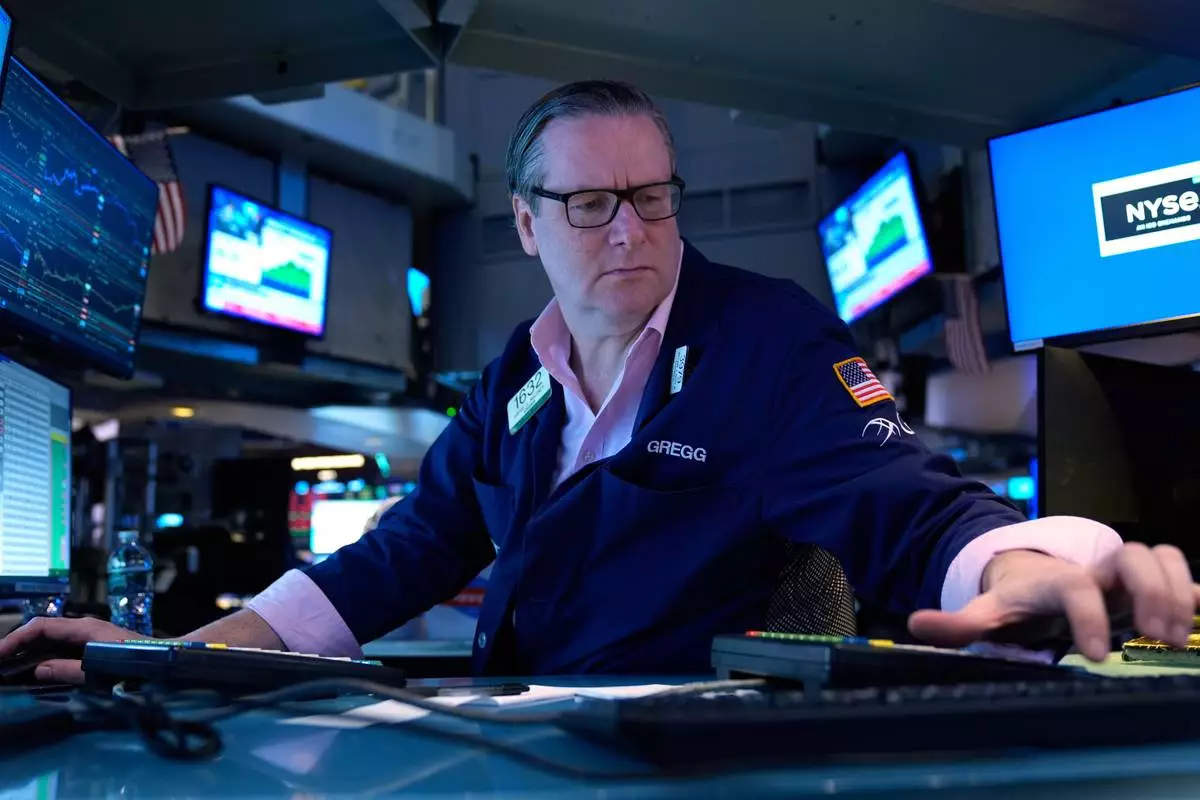
Gregg Maloney works on the floor at the New York Stock Exchange in New York, Tuesday, March 10, 2026. (AP Photo/Seth Wenig)
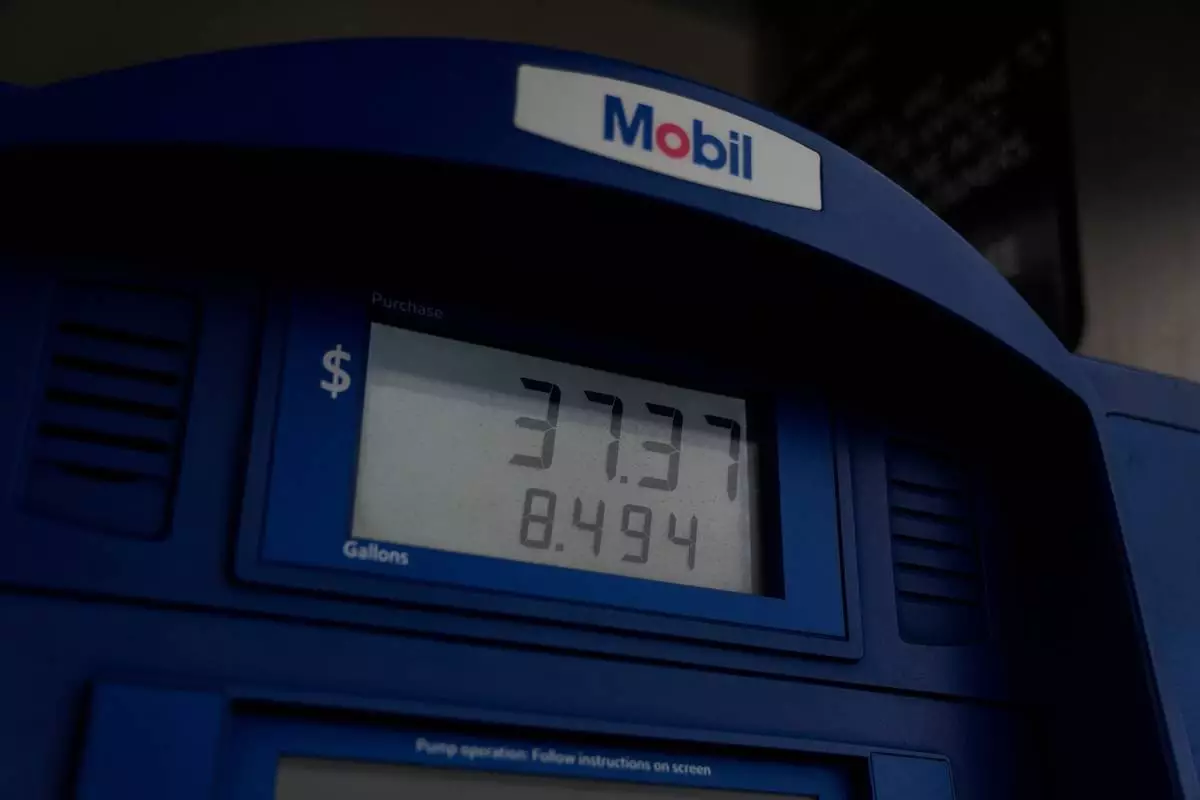
Gas prices are displayed at a station Wednesday, March 11, 2026, in Evanston Ill. (AP Photo/Erin Hooley)
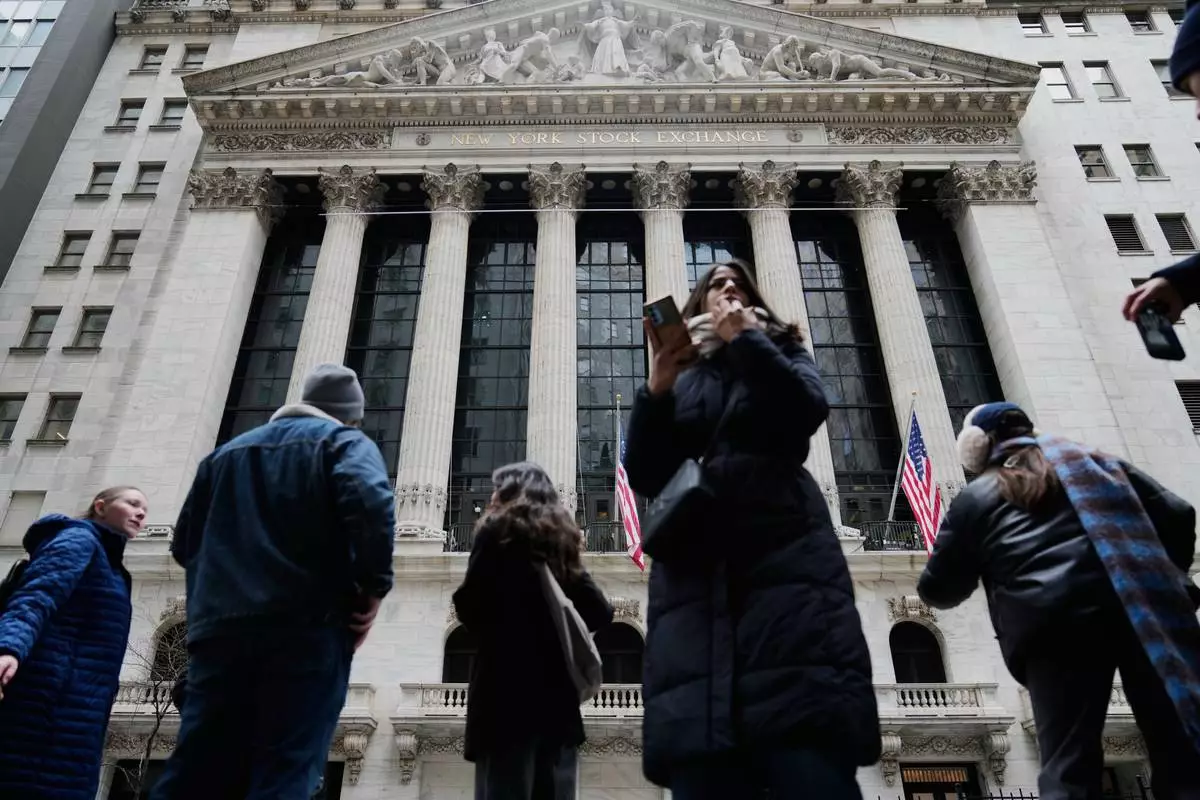
Pedestrians mill about outside the New York Stock Exchange in New York, Friday, March 6, 2026. (AP Photo/Seth Wenig)
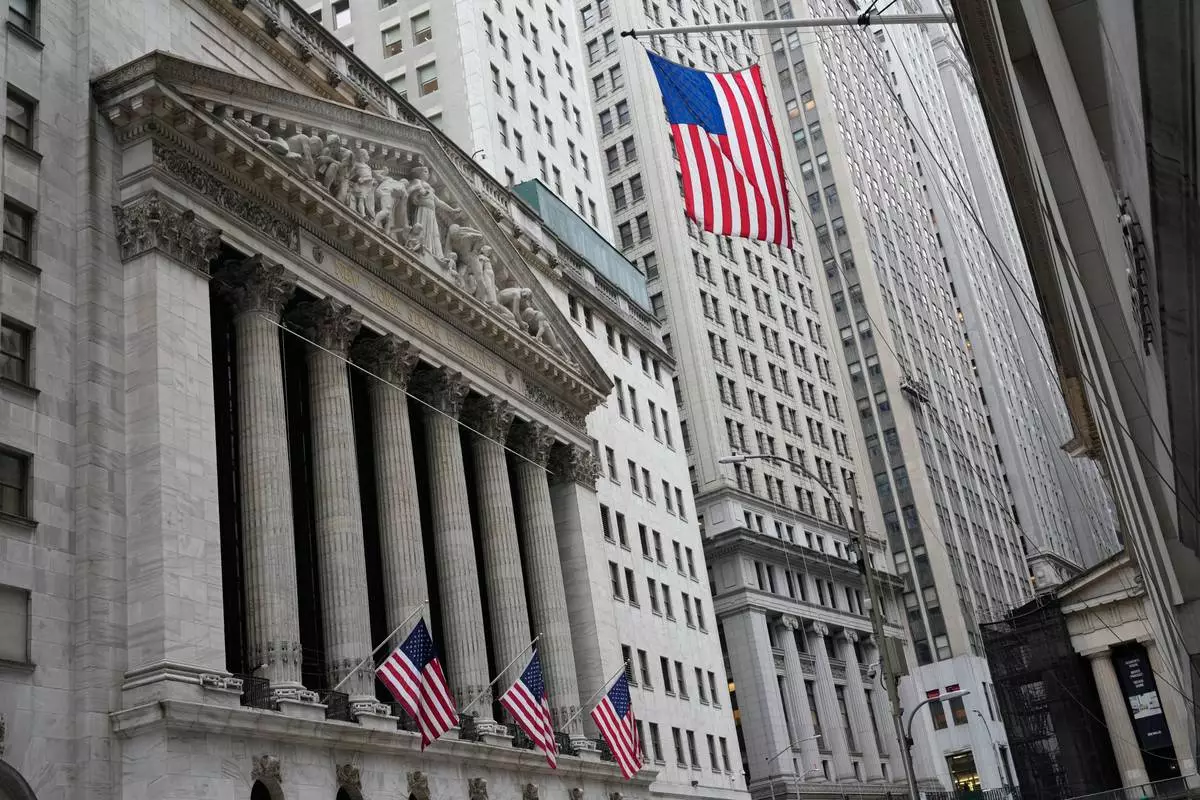
The New York Stock Exchange is seen in New York, Friday, March 6, 2026. (AP Photo/Seth Wenig)
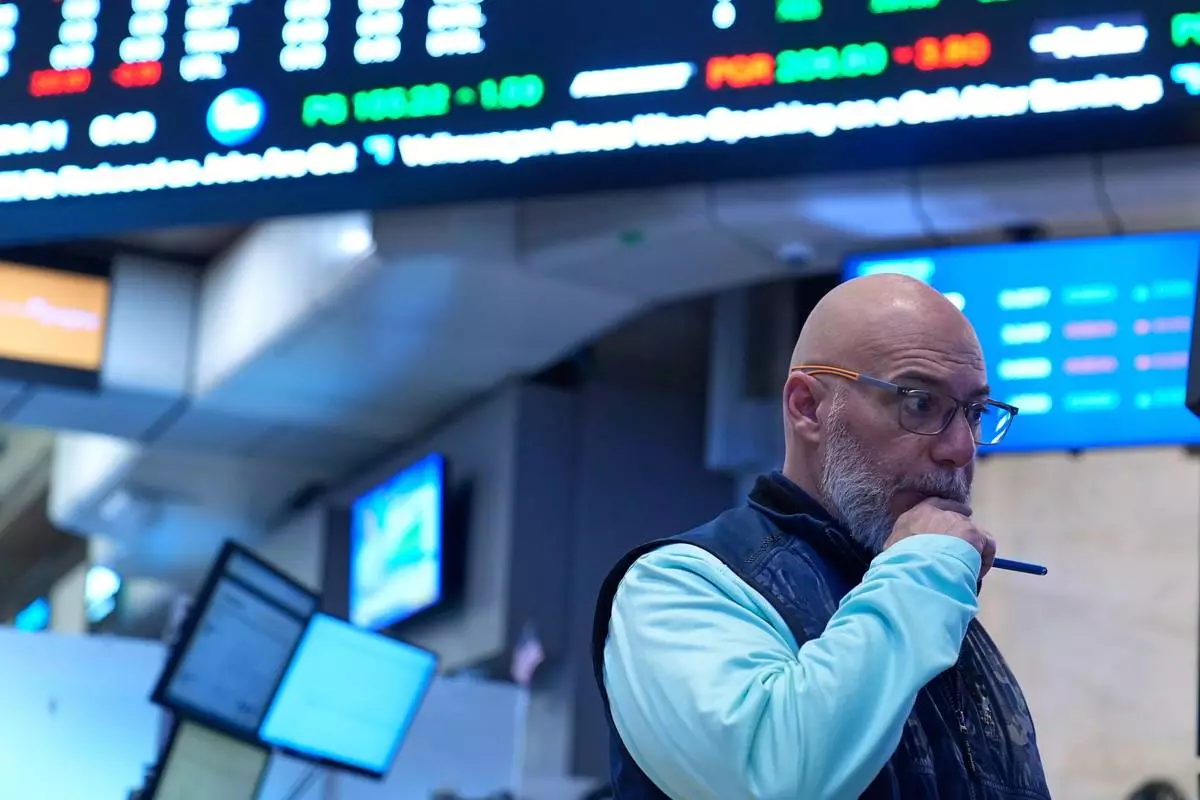
Traders work on the floor at the New York Stock Exchange in New York, Tuesday, March 10, 2026. (AP Photo/Seth Wenig)