A group of plaintiffs, including some shareholders of Tokyo Electric Power Company Holdings (TEPCO) and several non-governmental organizations, held a rally in front of Japan's Supreme Court on Thursday, urging the court to accept their appeal and reassess the responsibility of the company's former management in the 2011 Fukushima disaster.
In July 2022, some TEPCO shareholders filed a lawsuit with the Tokyo District Court. The first-instance ruling found four of the company's five former executives liable, ordering them to pay 13.3 trillion yen (about 83 billion U.S. dollars) in damages to the shareholders.
However, during the second-instance trial, the Tokyo High Court overturned the initial ruling and ruled against the plaintiffs. Some shareholders of TEPCO argue that the company's former management bears responsibility for the Fukushima disaster and should be liable for financial compensation.
"We hope that the Supreme Court will deliver a correct and fair ruling," said Ogawa Sachiko, a representative of the plaintiffs.
The rally also attracted many Fukushima residents, as well as evacuees who were forced to leave their hometowns after the nuclear accident. They said the impacts of the Fukushima disaster are far from over.
"As the evacuation zones continue to shrink, there are still many evacuees who have not received the support they need. I believe the government bears significant responsibility in this regard," said Maya Sato, a Fukushima resident.
"Essentially, even after 15 years, it remains unclear who is responsible for the nuclear accident, which makes me feel as though there is an intentional cover-up of the issues. As a person who once lived in Fukushima, I hope that the Japanese government and TEPCO can provide a truly responsible response," said an evacuee from Fukushima.
Hit by a 9.0-magnitude earthquake and the ensuing tsunami on March 11, 2011, the Fukushima nuclear plant suffered core meltdowns that released radiation, resulting in a Level 7 nuclear accident, the highest on the International Nuclear and Radiological Event Scale.
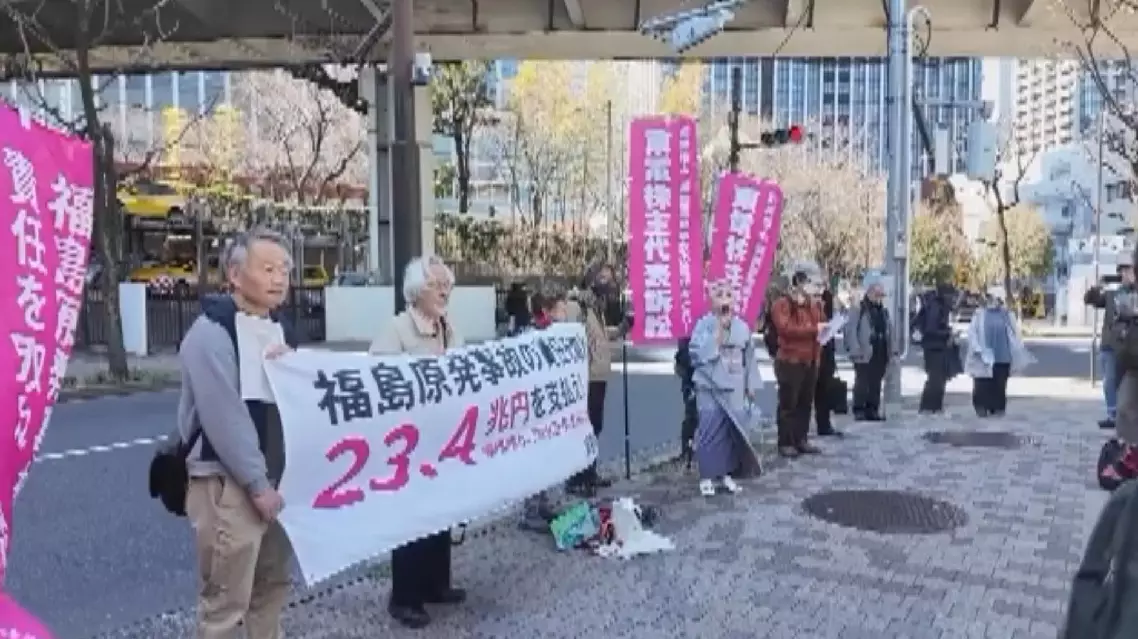
TEPCO shareholders, activists rally outside Japan Supreme Court over Fukushima liability
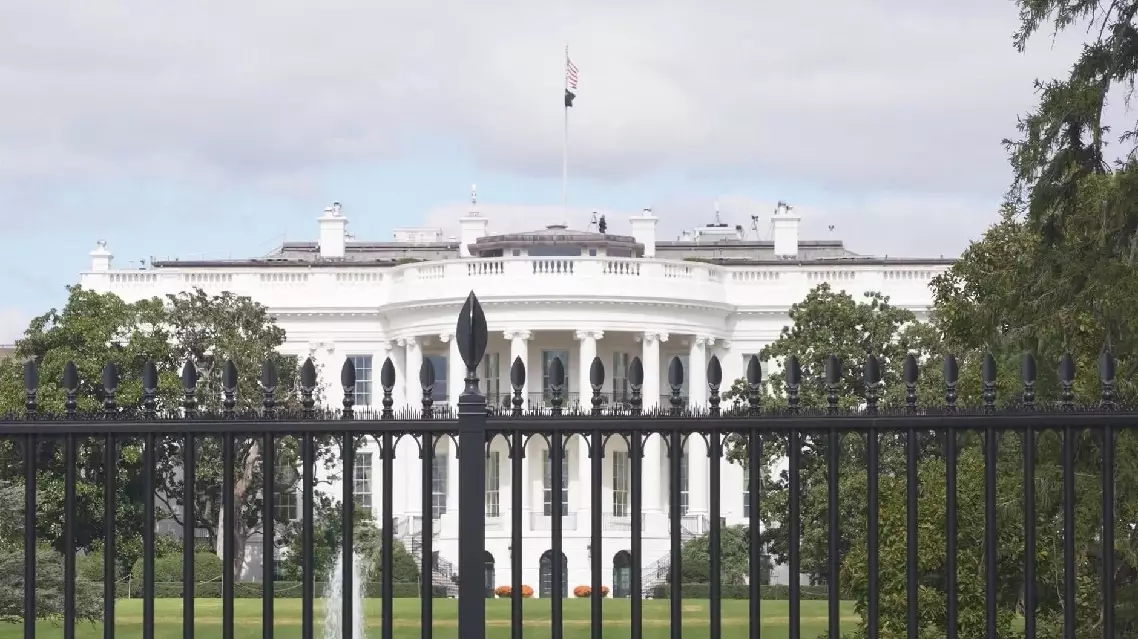
U.S. President Donald Trump said on Friday that he estimates a deal with Iran will be signed "in the next day or two."
Trump said in an interview with Israel's Channel 12 News that the United States and Iran will probably meet over the weekend to finalize a deal to end the war. "The Iranians want to meet and make a deal," he said.
He said "the naval blockade on Iran is helping to make a deal. I will not lift it until we make a deal," adding that "the biggest part of this deal is that it will make Israel safer. This deal is good for Israel."
According to the channel, one component of the deal under discussion is that the United States will release 20 billion U.S. dollars in frozen Iranian funds.
In exchange, Iran would give up its stockpile of enriched uranium, and would be only allowed to have nuclear research reactors to produce medical isotopes, all above ground.
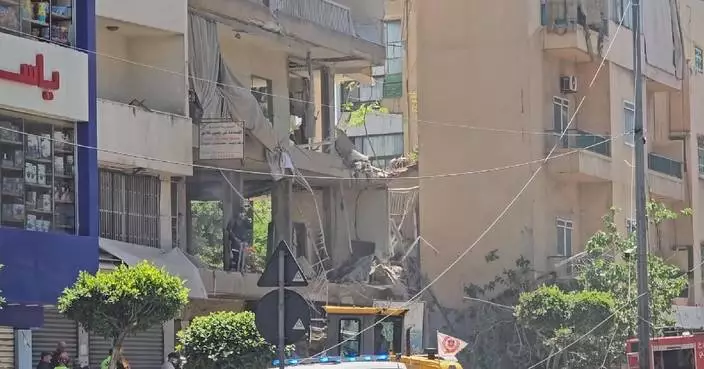
Trump also stressed that Israel must stop the strikes on Lebanon, saying, "They can't keep blowing up buildings. I'm not going to allow that."
Also on Friday, Trump said in a phone interview with Bloomberg that a deal to end the U.S.-Israeli war with Iran is mostly complete as talks over a lasting peace deal will "probably" be held this weekend in Pakistan.
Trump said in the phone interview that Iran agreed to suspend its nuclear program indefinitely, and will not receive any frozen funds from the United States.
"Most of the main points are finalized. It'll go pretty quickly," Trump said.
Asked if he would travel to Pakistan to sign the potential deal, Trump said: "I may."
Trump again denied that the moratorium on Iran's nuclear program would expire after 20 years. "No years, unlimited," Trump said.
The United States will get all of Iran's nuclear "dust" with no money having exchanged hands "in any way, shape, or form," Trump wrote on social media earlier on Friday. Multiple Western media outlets have interpreted Trump's reference to nuclear "dust" as meaning Iran's stockpile of enriched uranium.
Iran has yet to comment on any deal beyond the reopening of the Strait of Hormuz, nor on claims made by Trump that Tehran had offered concessions, including over the key issue of its nuclear program.
If the United States continues its naval blockade of the Strait of Hormuz, Iran will consider it a violation of the ceasefire between the two countries and will close the waterway, the semi-official Tasnim news agency reported Friday, citing an informed source close to the Supreme National Security Council.
The Iranian side has yet to respond to the media report on the enriched uranium issue.
The United States and Iran had their first round of negotiations in Pakistan's Islamabad last weekend to ease tension in the Middle East. The talks, which failed to produce an agreement, took place after a ceasefire was announced on April 8 between Iran, the United States, and Israel, following 40 days of fighting.
Iran tightened control over the Strait of Hormuz after the United States and Israel launched joint attacks on the country on Feb. 28. The United States also imposed a naval blockade on the strait following the failed negotiations in Islamabad.
Earlier on Friday, both Washington and Tehran confirmed that the strait had been completely open for all commercial vessels. However, Trump said on Truth Social that the U.S. naval blockade would "remain in full force." In response, Iran warned of closing the waterway again if the U.S. blockade continues.
Trump says may sign deal with Iran "in the next day or two": Israeli media
Trump claims peace deal with Iran mostly complete: report