SHANGHAI (AP) — Kimi Antonelli stepped up Saturday when his Mercedes teammate George Russell hit trouble in qualifying to become the youngest-ever driver on pole position for a Formula 1 Grand Prix.
After holding off a challenge from Ferrari to win the sprint race earlier in the day, Russell seemed near-unbeatable. Then he stopped on track in qualifying and limped back to the pits with technical problems.
Click to Gallery
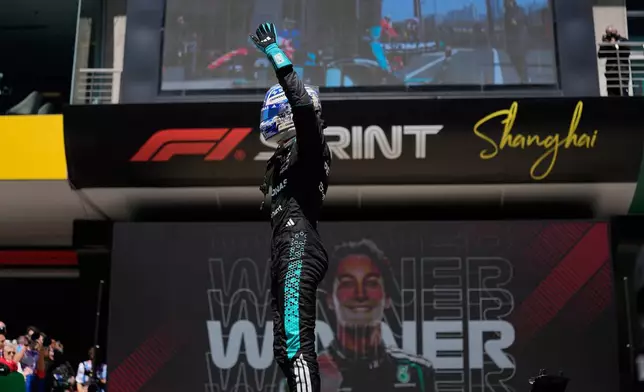
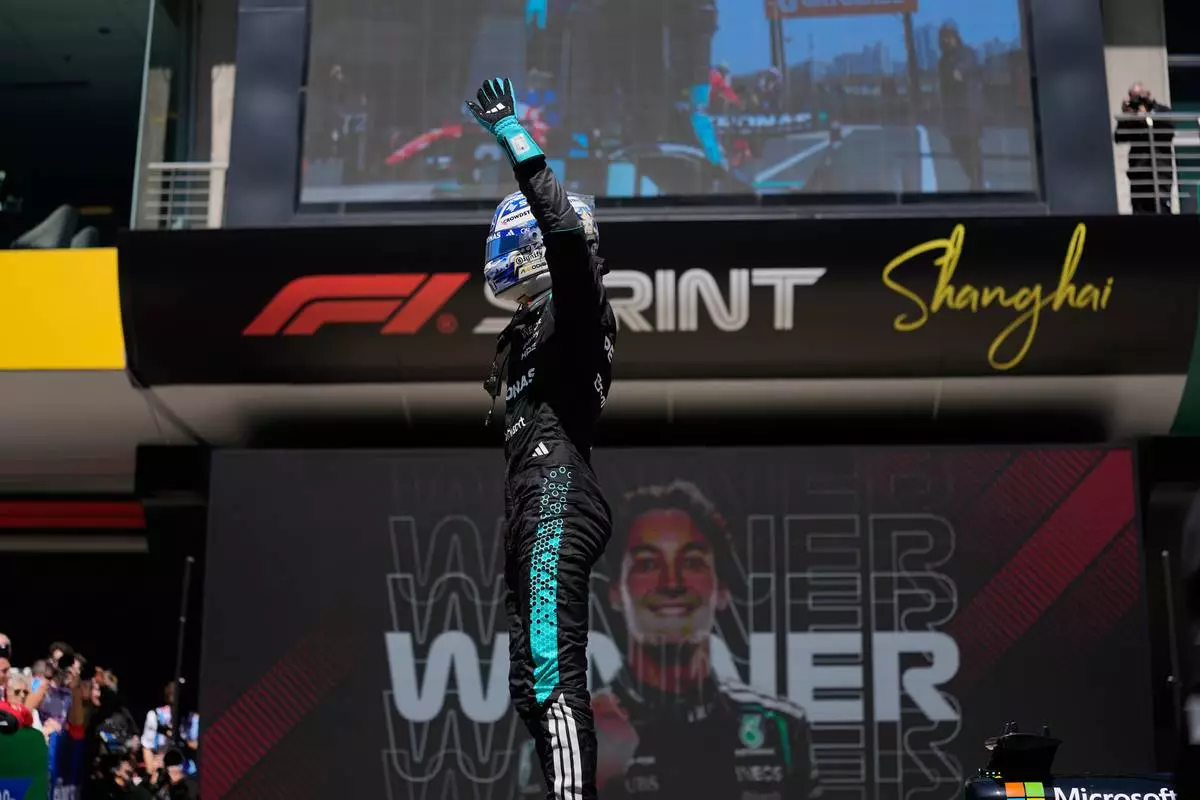
Mercedes driver George Russell of Britain waves after winning the Sprint Race of the Chinese Formula One Grand Prix at the Shanghai International Circuit, in Shanghai, China, Saturday, March 14, 2026. (AP Photo/Andy Wong)
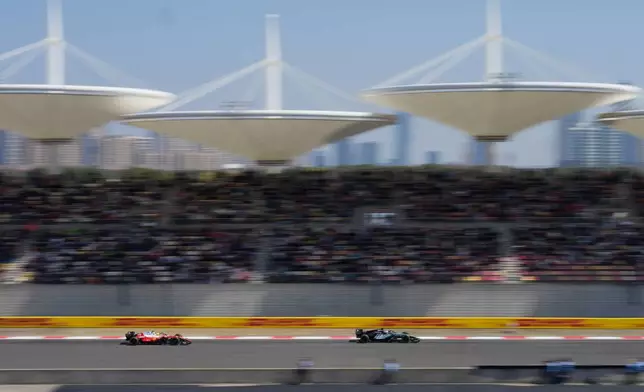
Mercedes driver George Russell, right, of Britain leads Ferrari driver Lewis Hamilton of Britain during the Sprint Race of the Chinese Formula One Grand Prix at the Shanghai International Circuit, in Shanghai, China, Saturday, March 14, 2026. (AP Photo/Vincent Thian)
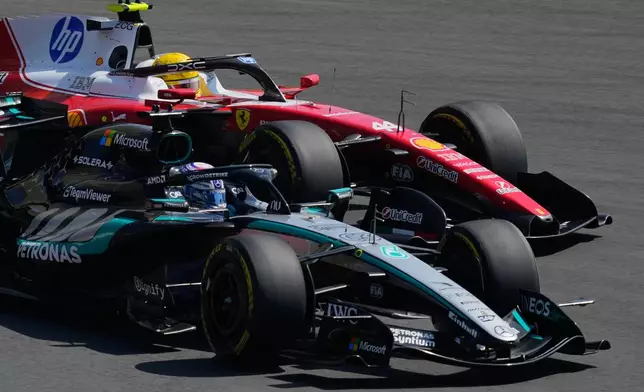
Mercedes driver George Russell, left, of Britain against Ferrari driver Lewis Hamilton of Britain during the Sprint Race of the Chinese Formula One Grand Prix at the Shanghai International Circuit, in Shanghai, China, Saturday, March 14, 2026. (AP Photo/Vincent Thian)
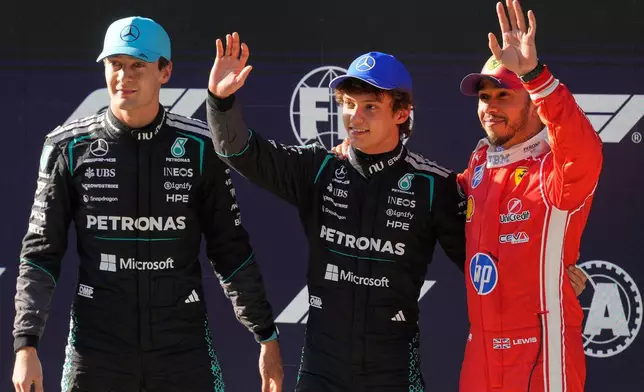
Mercedes driver Andrea Kimi Antonelli of Italy, center, waves after getting the pole position beside Mercedes driver George Russell, left, of Britain and Ferrari driver Lewis Hamilton of Britain during the qualifying session of the Chinese Formula One Grand Prix at the Shanghai International Circuit, in Shanghai, China, Saturday, March 14, 2026. (AP Photo/Vincent Thian)
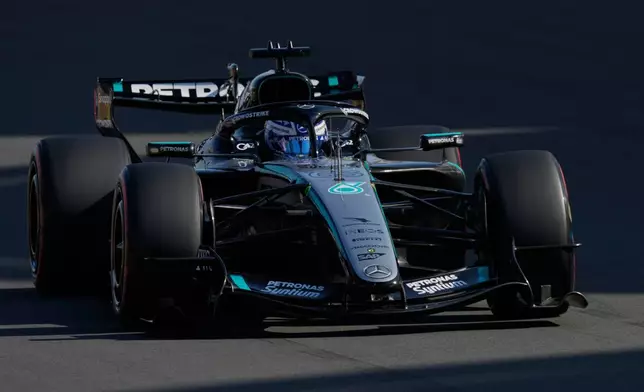
Mercedes driver George Russell of Britain steers his car during the qualifying session of the Chinese Formula One Grand Prix at the Shanghai International Circuit, in Shanghai, China, Saturday, March 14, 2026. (AP Photo/Vincent Thian)
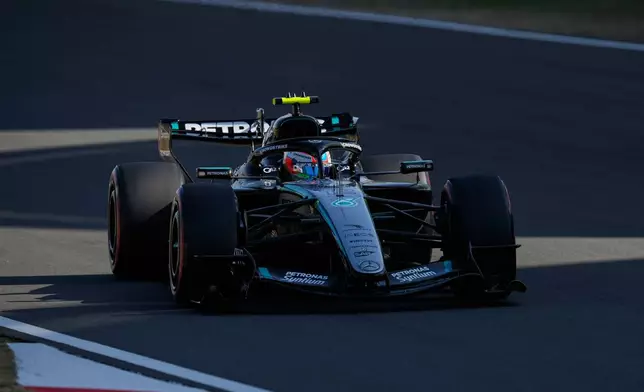
Mercedes driver Andrea Kimi Antonelli of Italy steers his car during the qualifying session of the Chinese Formula One Grand Prix at the Shanghai International Circuit, in Shanghai, China, Saturday, March 14, 2026. (AP Photo/Vincent Thian)
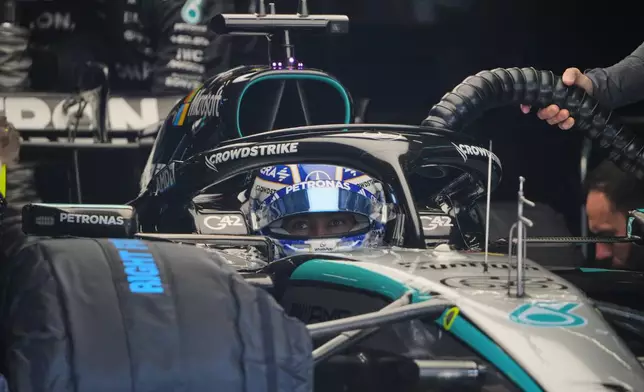
Mercedes driver George Russell of Britain sits inside his car before the start of the Sprint Race of the Chinese Formula One Grand Prix at the Shanghai International Circuit, in Shanghai, China, Saturday, March 14, 2026. (AP Photo/Andy Wong)
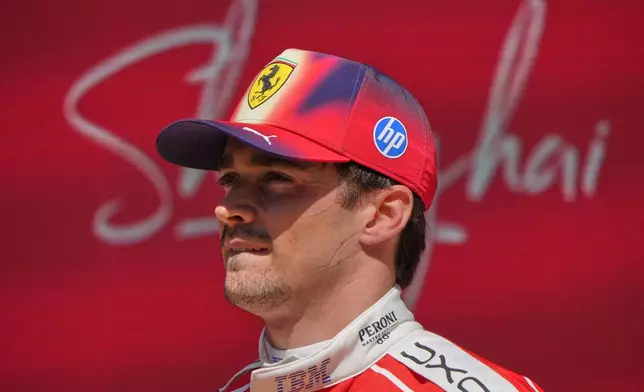
Second place Ferrari driver Charles Leclerc of Monaco after the Sprint Race of the Chinese Formula One Grand Prix at the Shanghai International Circuit, in Shanghai, China, Saturday, March 14, 2026. (AP Photo/Andy Wong)
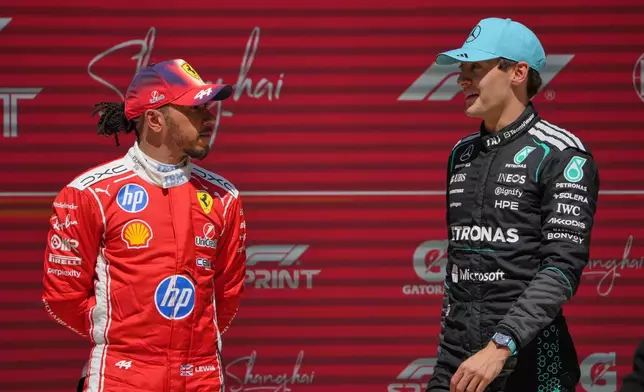
Winner Mercedes driver George Russell, right, of Britain talks with third placer Ferrari driver Lewis Hamilton of Britain after the Sprint Race of the Chinese Formula One Grand Prix at the Shanghai International Circuit, in Shanghai, China, Saturday, March 14, 2026. (AP Photo/Andy Wong)
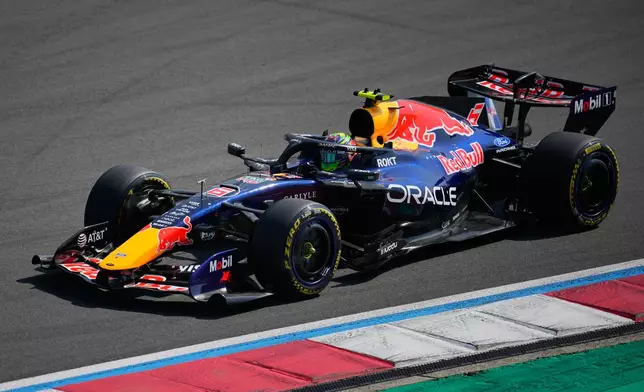
Red Bull driver Isack Hadjar of France steers his car during the Sprint Race of the Chinese Formula One Grand Prix at the Shanghai International Circuit, in Shanghai, China, Saturday, March 14, 2026. (AP Photo/Vincent Thian)
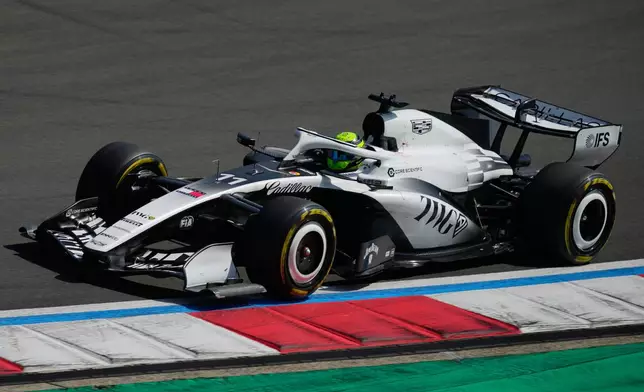
Cadillac driver Sergio Perez of Mexico steers his car during the Sprint Race of the Chinese Formula One Grand Prix at the Shanghai International Circuit, in Shanghai, China, Saturday, March 14, 2026. (AP Photo/Vincent Thian)
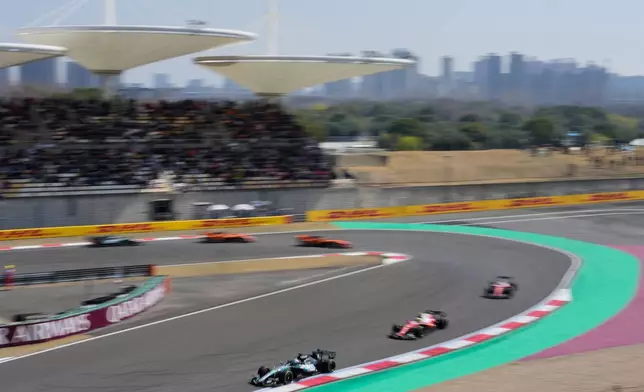
Mercedes driver George Russell, left, of Britain leads the pack during the Sprint Race of the Chinese Formula One Grand Prix at the Shanghai International Circuit, in Shanghai, China, Saturday, March 14, 2026. (AP Photo/Vincent Thian)
Russell's team got the car going again with seconds to spare for him to set a time. It was only good enough for second on the grid, 0.222 of a second off Antonelli, who kept up Mercedes’ run of qualifying dominance after F1’s sweeping changes to the cars for 2026.
The Ferraris of Lewis Hamilton and Charles Leclerc will start third and fourth. Their fast starts could threaten Mercedes off the line, as they did last week in Australia and in Saturday's sprint race.
The 19-year-old Antonelli becomes the youngest driver to take pole position for a full Grand Prix race, though he was also on pole aged 18 for a sprint race last year in Miami.
“It’s just the beginning, so obviously there’s a lot more to come,” Antonelli said. “Really looking forward to tomorrow. Car is feeling really good, car is strong, so a lot to play for tomorrow. But just super happy with today.”
Russell said a damaged front wing and gear-change issues made for a “crazy” qualifying session. “As soon as I went out on the track, I could tell something wasn’t right,” he said. He then had to set a last-chance time with a depleted battery and cold tires.
Russell won the first race of the season in Australia last weekend, and he followed up taking the 19-lap sprint in China.
As last week in Australia, the Ferraris were fast off the line and Russell and Lewis Hamilton swapped the lead several times on the first few laps. But Russell began to pull away after the early laps with Hamilton fading as the constant battles took a toll on his tires. Charles Leclerc was second with his teammate Hamilton third.
“Lewis did an amazing job in the in the early laps,” Russell said. “He caught me off guard — 20 years of experience. So I've still got a bit to learn.”
“It was pretty fun in the end,” Russell added. “A lot of strategy in play and overtakes. It’s not easy. I hope it was fun race to watch. Usually the sprint races are pretty boring.”
Hamilton received loud applause from the Shanghai crowd when he began his on-track interview by saying “Nǐ hǎo" — hello in Chinese.
“That speed (of Mercedes) on the straight is just a little bit too much at the moment,” said Hamilton, who won last year's sprint in China for his only victory since joining Ferrari. "I think I put up a good fight.”
Hamilton and Leclerc couldn't renew their challenge late in the race after a safety car period for Audi's Nico Hulkenberg stopping on track.
Lando Norris was fourth for McLaren and Antonelli fifth after serving a penalty for an early collision with Red Bull's Isack Hadjar.
Formula 1 has made massive engine and chassis changes for this season — the most radical in over a decade — that feature a 50-50 split between internal combustion and electric power.
Russell is one of the new era's biggest cheerleaders and said Saturday's sprint battle felt “like go-kart racing in the past ... I don’t ever remember Formula 1 being like that, where you can have three or four cars all fighting for the same position truly on track."
Drivers have struggled to handle the trade-off between using power and conserving it, and some have struggled with extra power coming in unexpectedly.
Four-time world champion Max Verstappen is no fan of the changes and finished ninth in the sprint race.
“Everything that could go wrong, did go wrong,” Verstappen said. “We just need to get our stuff together.”
AP auto racing: https://apnews.com/hub/auto-racing
Mercedes driver George Russell of Britain waves after winning the Sprint Race of the Chinese Formula One Grand Prix at the Shanghai International Circuit, in Shanghai, China, Saturday, March 14, 2026. (AP Photo/Andy Wong)
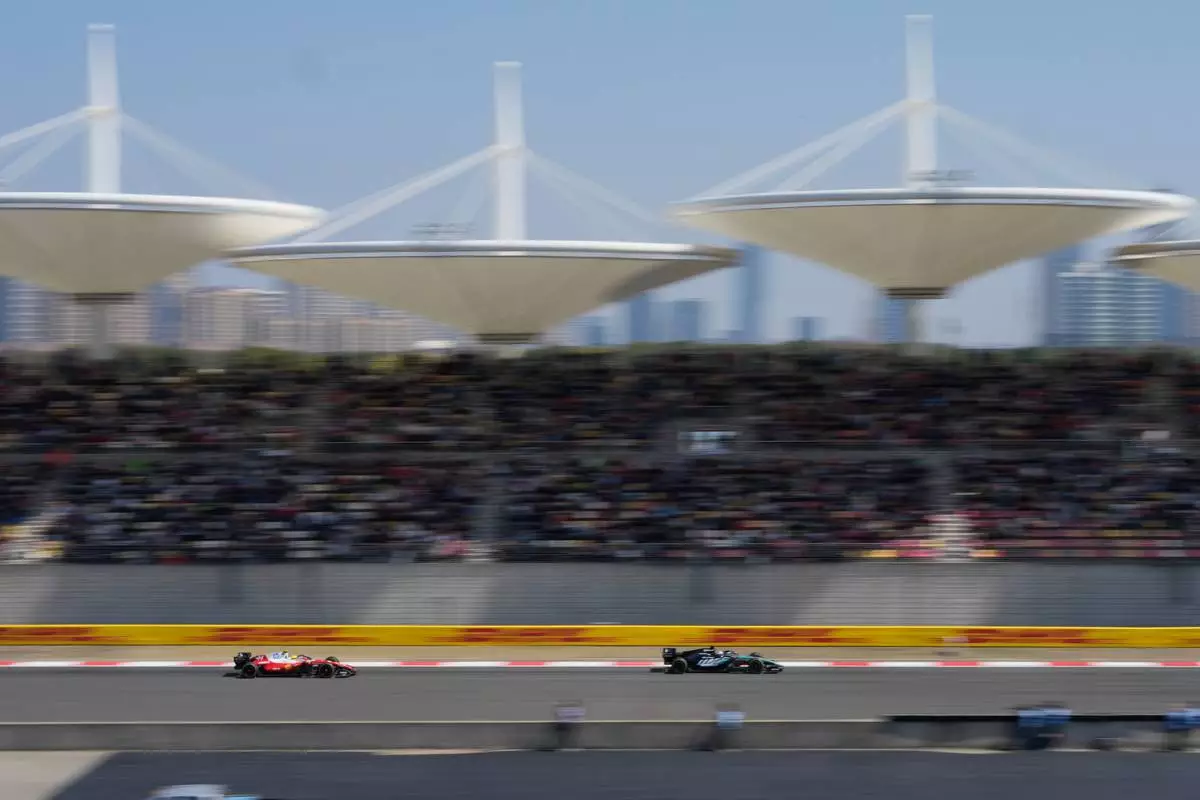
Mercedes driver George Russell, right, of Britain leads Ferrari driver Lewis Hamilton of Britain during the Sprint Race of the Chinese Formula One Grand Prix at the Shanghai International Circuit, in Shanghai, China, Saturday, March 14, 2026. (AP Photo/Vincent Thian)
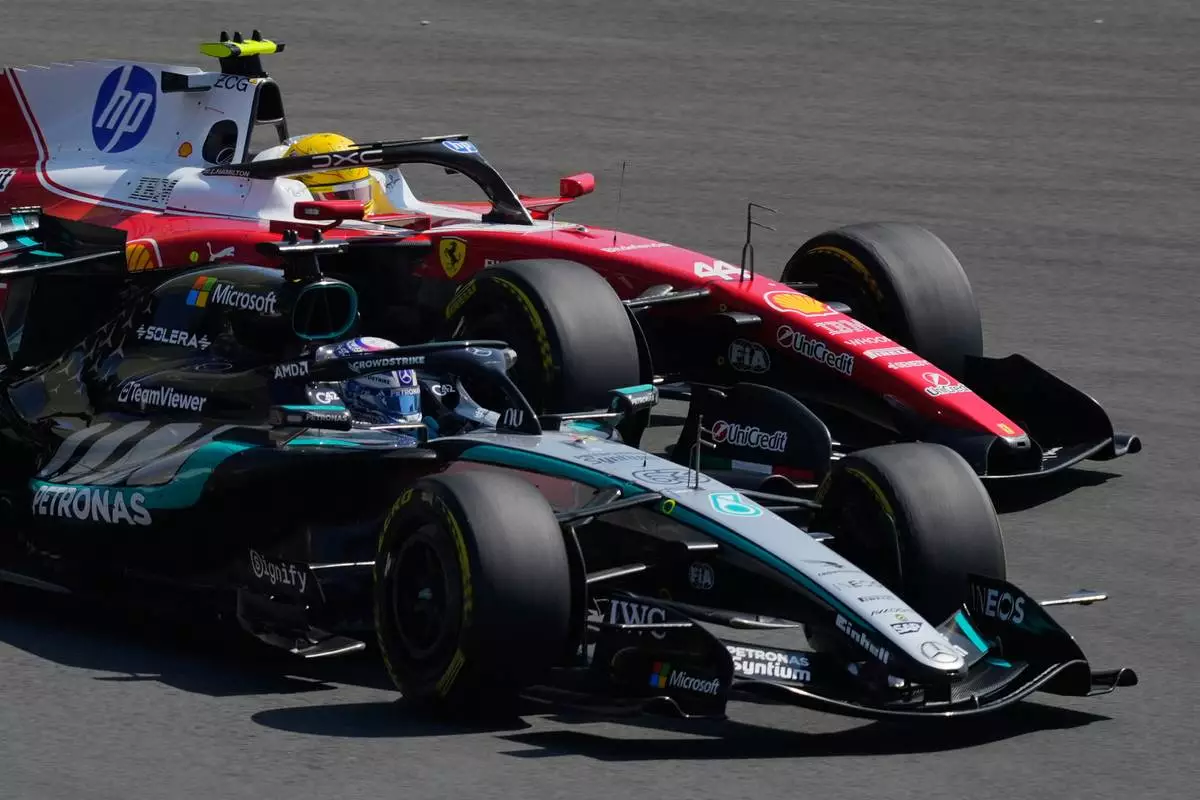
Mercedes driver George Russell, left, of Britain against Ferrari driver Lewis Hamilton of Britain during the Sprint Race of the Chinese Formula One Grand Prix at the Shanghai International Circuit, in Shanghai, China, Saturday, March 14, 2026. (AP Photo/Vincent Thian)
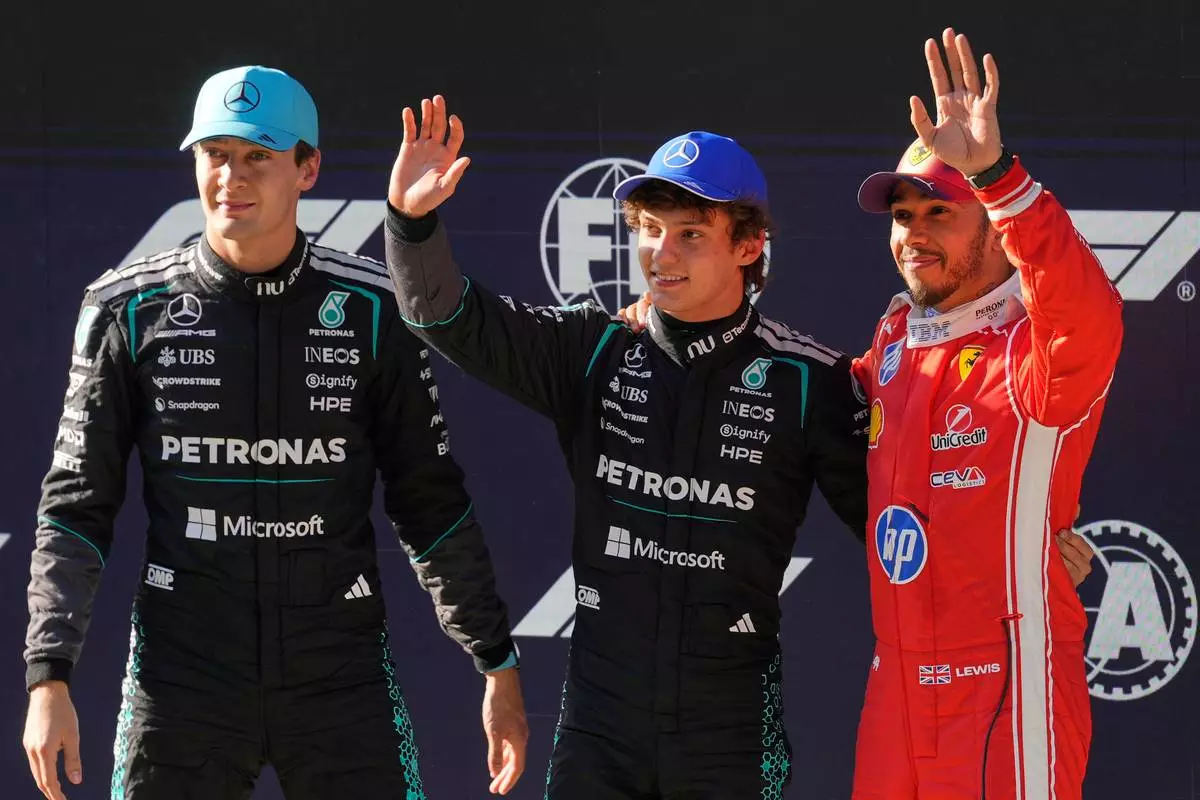
Mercedes driver Andrea Kimi Antonelli of Italy, center, waves after getting the pole position beside Mercedes driver George Russell, left, of Britain and Ferrari driver Lewis Hamilton of Britain during the qualifying session of the Chinese Formula One Grand Prix at the Shanghai International Circuit, in Shanghai, China, Saturday, March 14, 2026. (AP Photo/Vincent Thian)
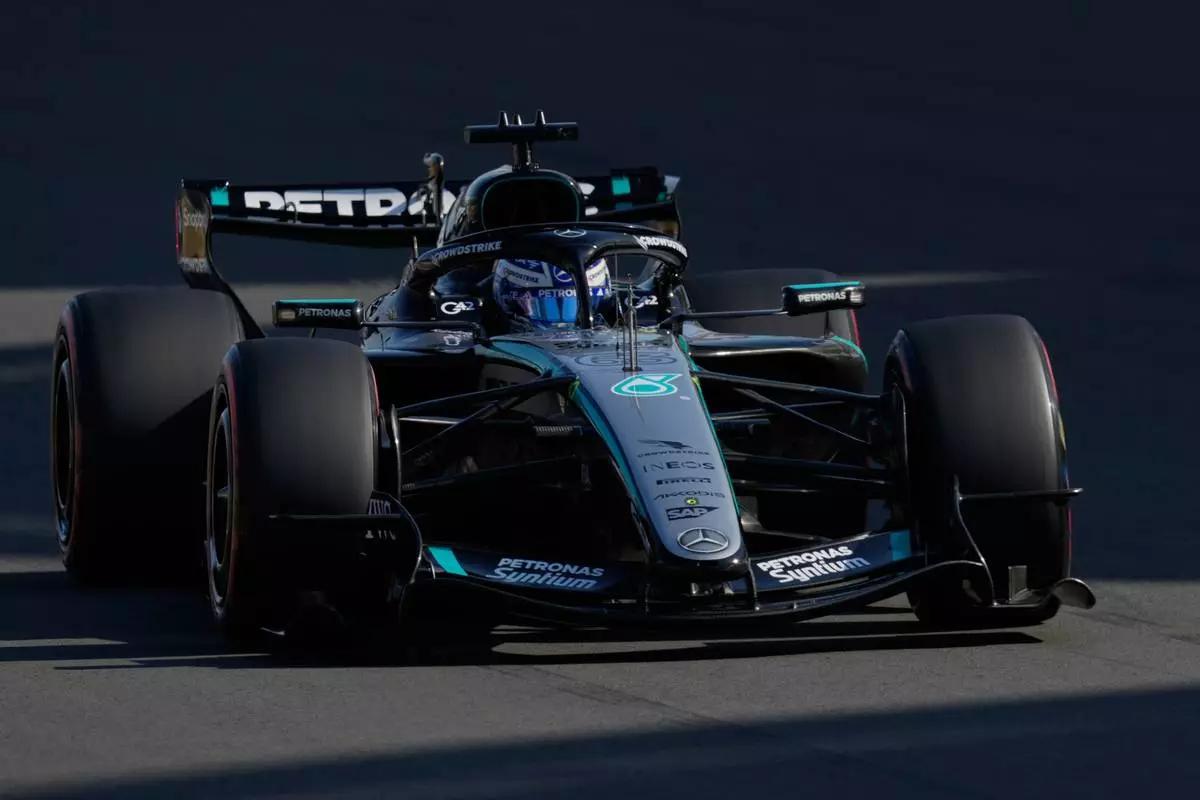
Mercedes driver George Russell of Britain steers his car during the qualifying session of the Chinese Formula One Grand Prix at the Shanghai International Circuit, in Shanghai, China, Saturday, March 14, 2026. (AP Photo/Vincent Thian)
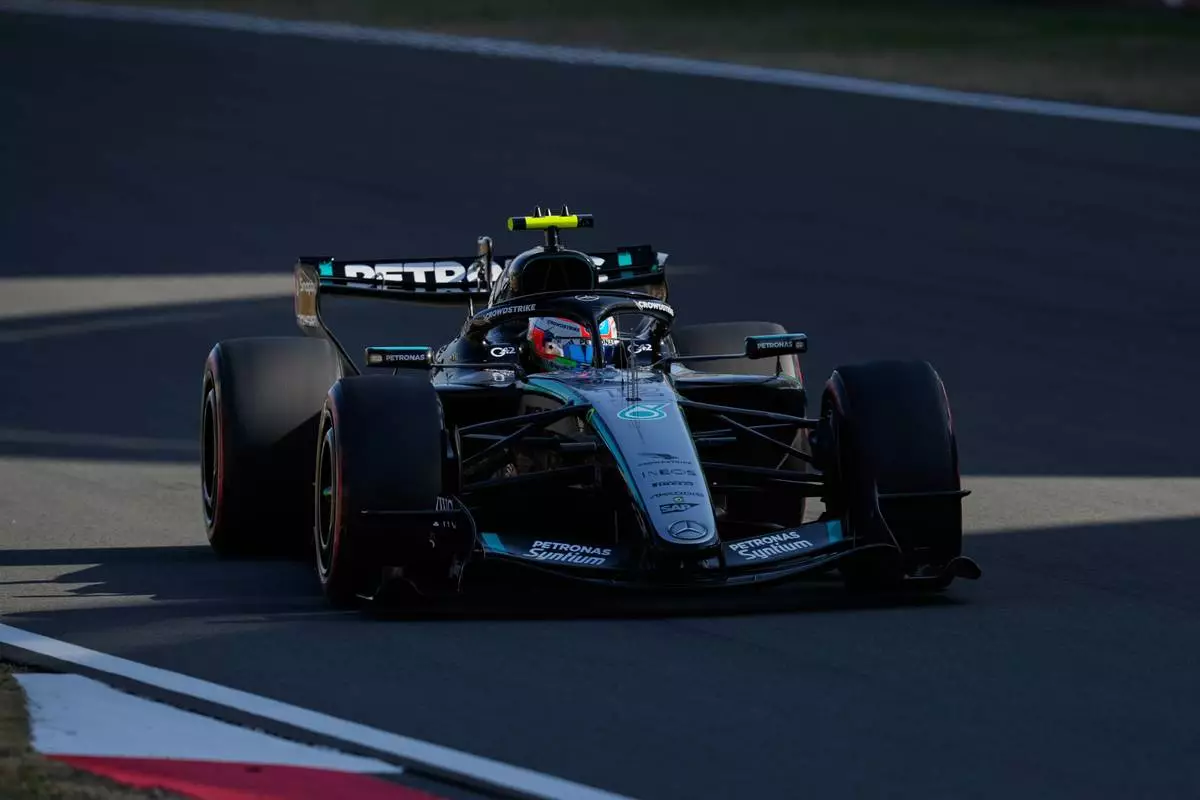
Mercedes driver Andrea Kimi Antonelli of Italy steers his car during the qualifying session of the Chinese Formula One Grand Prix at the Shanghai International Circuit, in Shanghai, China, Saturday, March 14, 2026. (AP Photo/Vincent Thian)
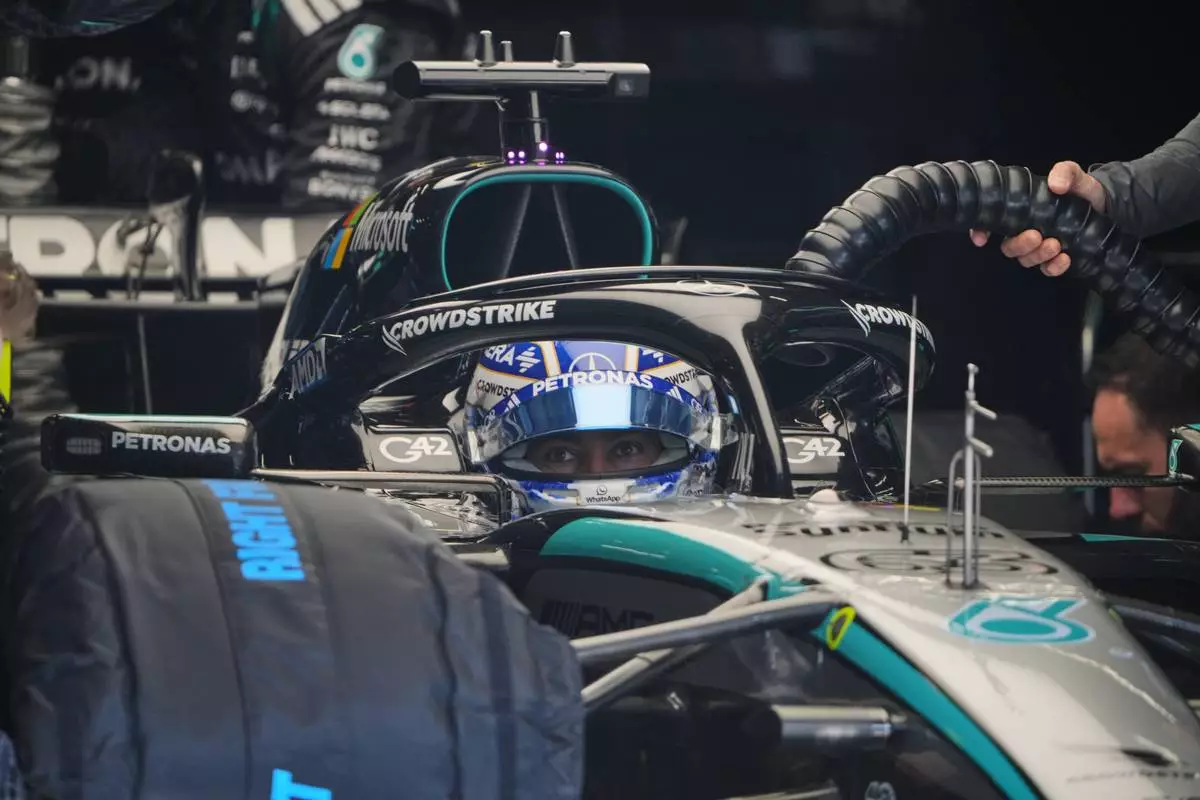
Mercedes driver George Russell of Britain sits inside his car before the start of the Sprint Race of the Chinese Formula One Grand Prix at the Shanghai International Circuit, in Shanghai, China, Saturday, March 14, 2026. (AP Photo/Andy Wong)
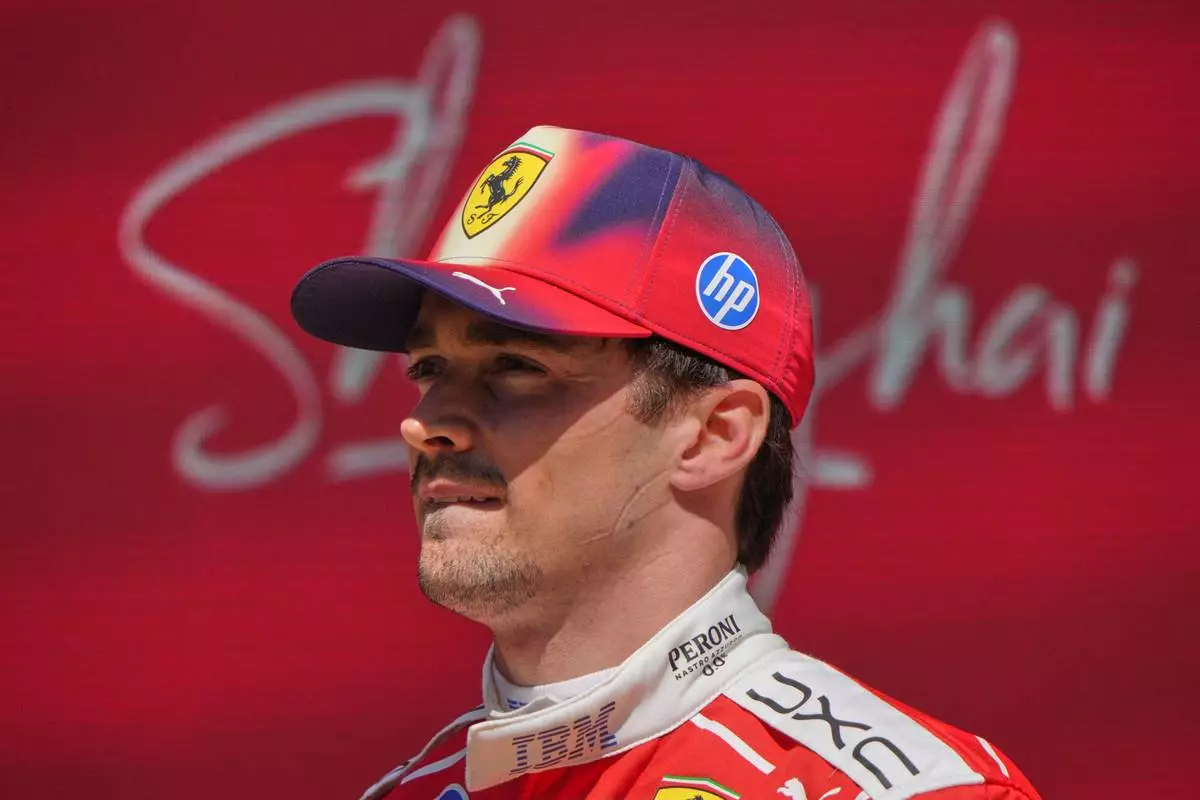
Second place Ferrari driver Charles Leclerc of Monaco after the Sprint Race of the Chinese Formula One Grand Prix at the Shanghai International Circuit, in Shanghai, China, Saturday, March 14, 2026. (AP Photo/Andy Wong)
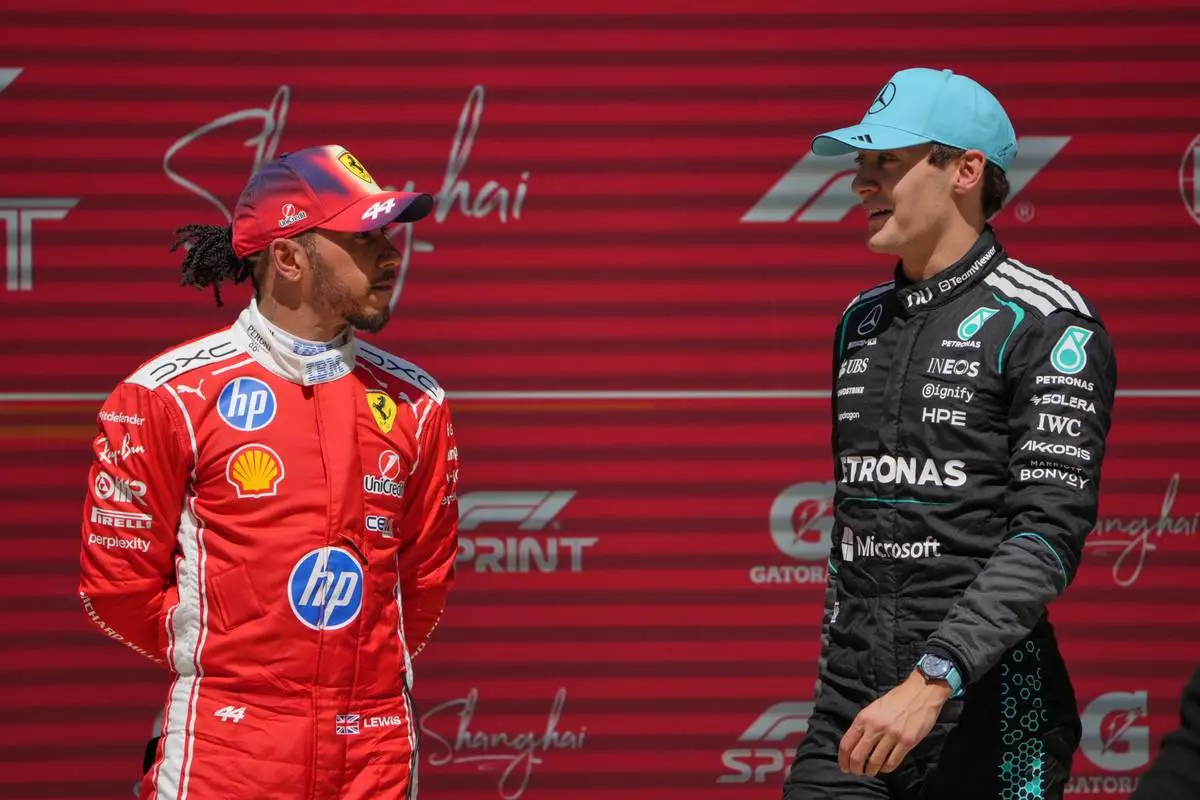
Winner Mercedes driver George Russell, right, of Britain talks with third placer Ferrari driver Lewis Hamilton of Britain after the Sprint Race of the Chinese Formula One Grand Prix at the Shanghai International Circuit, in Shanghai, China, Saturday, March 14, 2026. (AP Photo/Andy Wong)
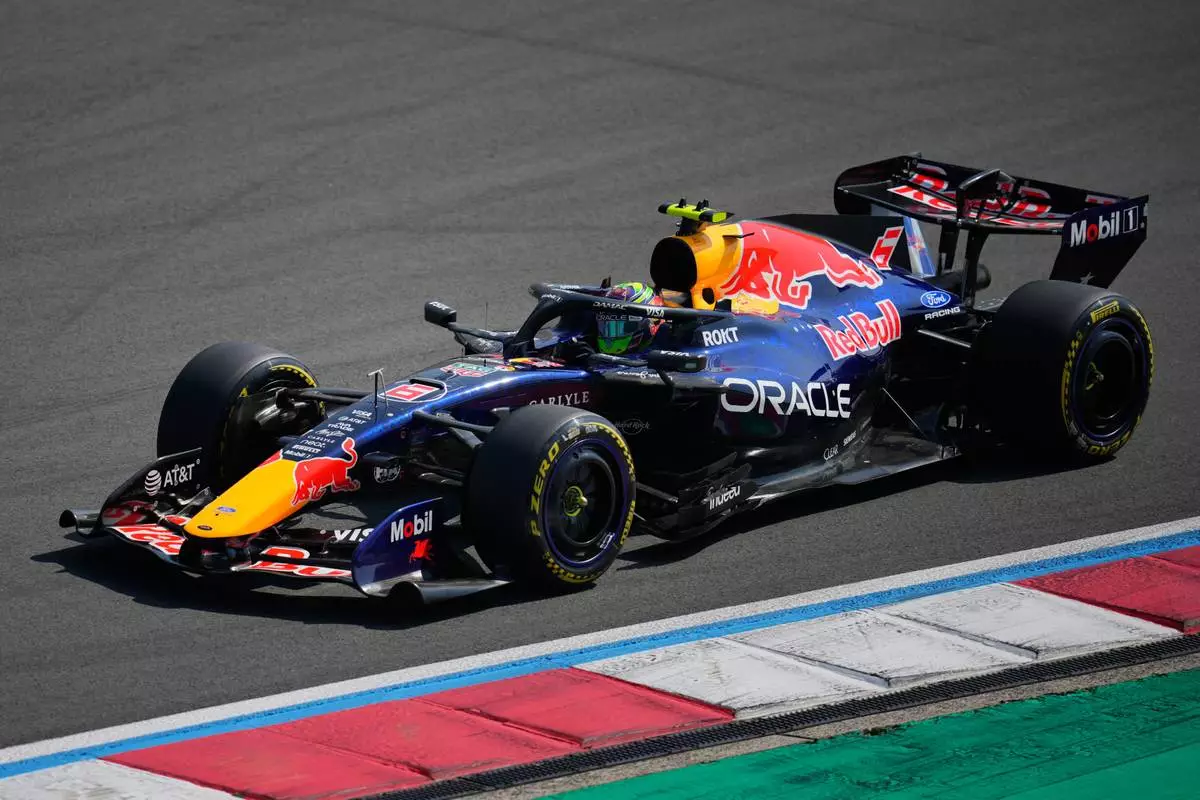
Red Bull driver Isack Hadjar of France steers his car during the Sprint Race of the Chinese Formula One Grand Prix at the Shanghai International Circuit, in Shanghai, China, Saturday, March 14, 2026. (AP Photo/Vincent Thian)
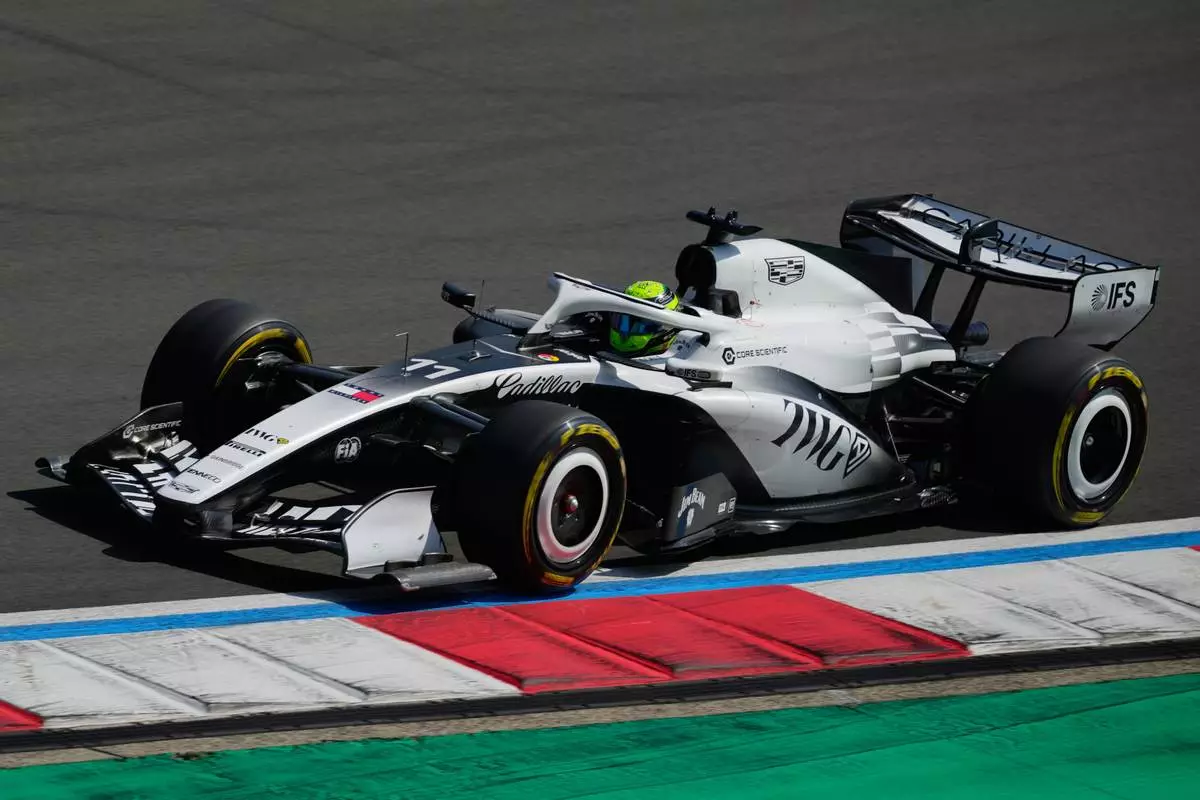
Cadillac driver Sergio Perez of Mexico steers his car during the Sprint Race of the Chinese Formula One Grand Prix at the Shanghai International Circuit, in Shanghai, China, Saturday, March 14, 2026. (AP Photo/Vincent Thian)
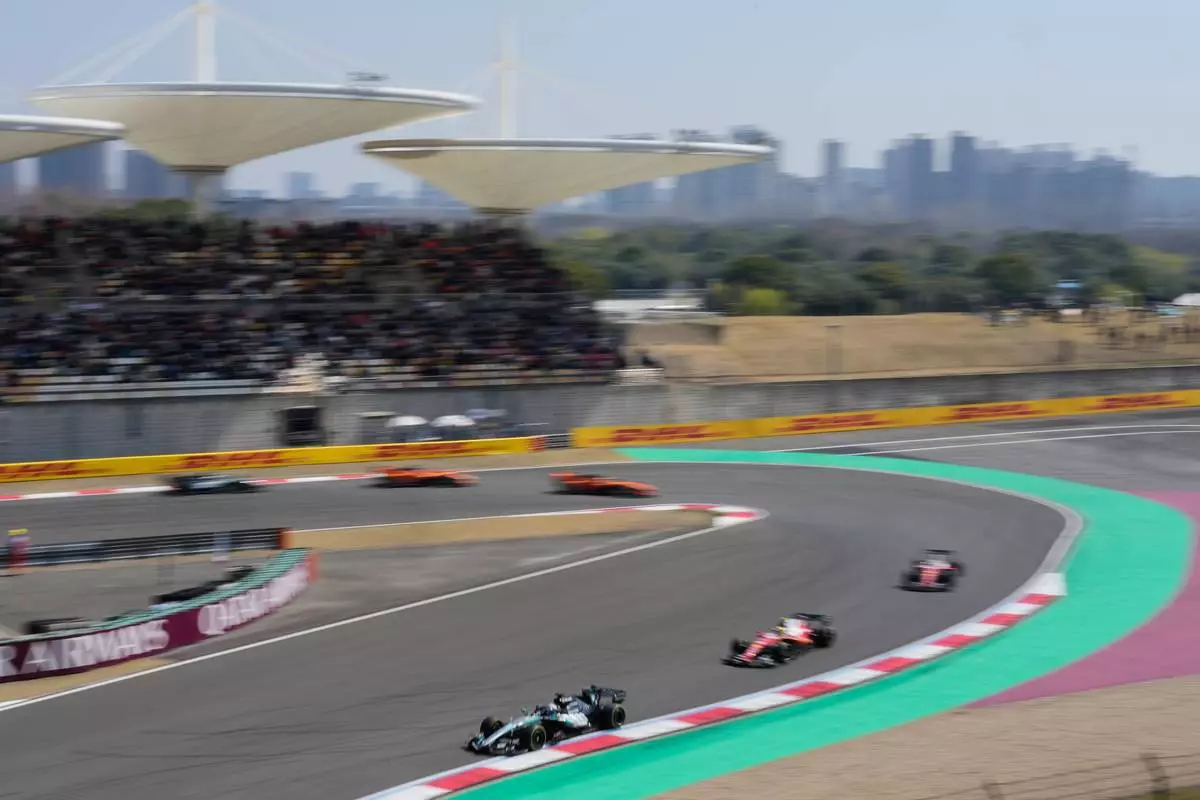
Mercedes driver George Russell, left, of Britain leads the pack during the Sprint Race of the Chinese Formula One Grand Prix at the Shanghai International Circuit, in Shanghai, China, Saturday, March 14, 2026. (AP Photo/Vincent Thian)