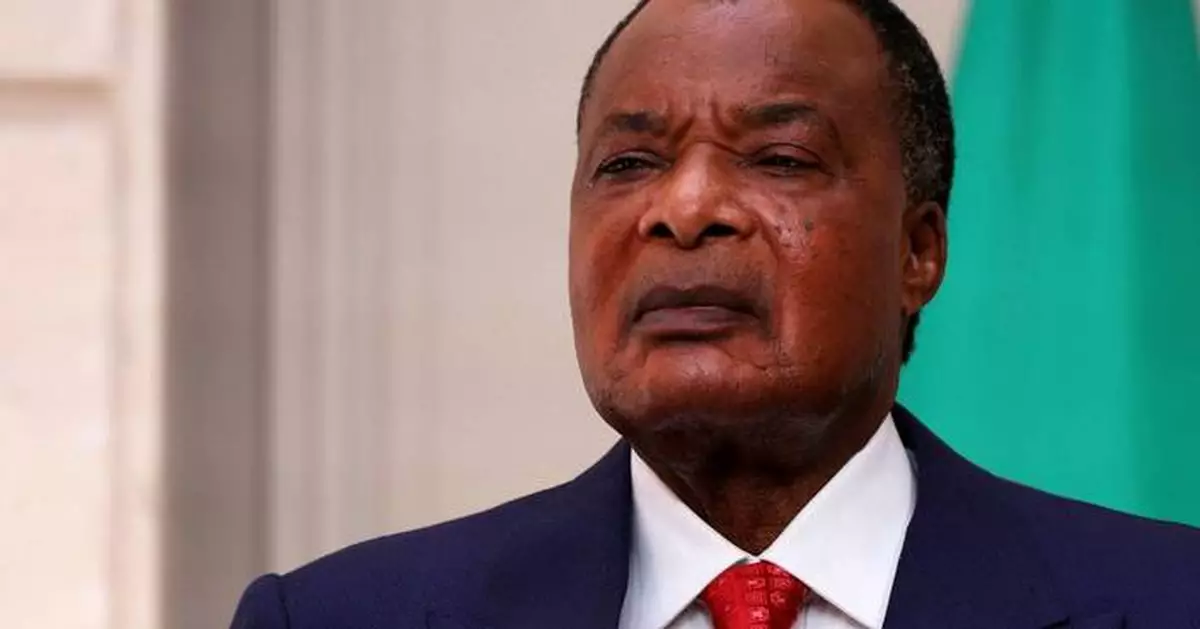
BRAZZAVILLE, Republic of Congo (AP) — The Republic of Congo ’s President Denis Sassou N’Guesso, who has ruled for 42 years, was reelected for a fifth consecutive term, according to provisional results announced Tuesday by authorities.
Sassou N’Guesso won 94,82% of the vote, Interior Minister Raymond Zephirin Mboulou said on state television.
Click to Gallery
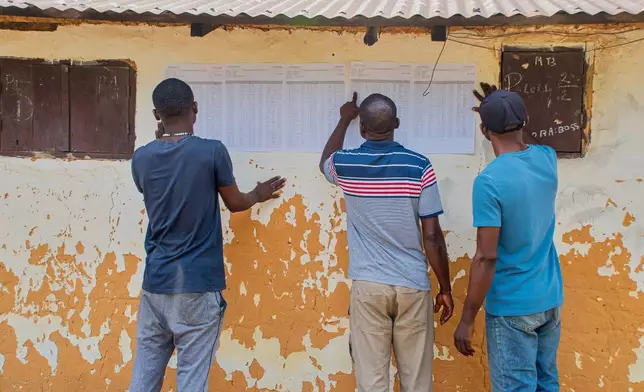
Voters check for their names at a polling station in Brazzaville, the Republic of Congo, Sunday, March 15, 2026. (AP Photo/Vivace Mambouana)
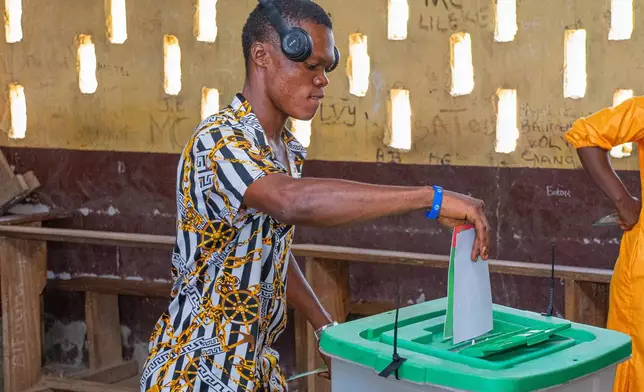
A voter cast his ballot at a polling station in Brazzaville, the Republic of Congo, Sunday, March 15, 2026. (AP Photo/Vivace Mambouana)
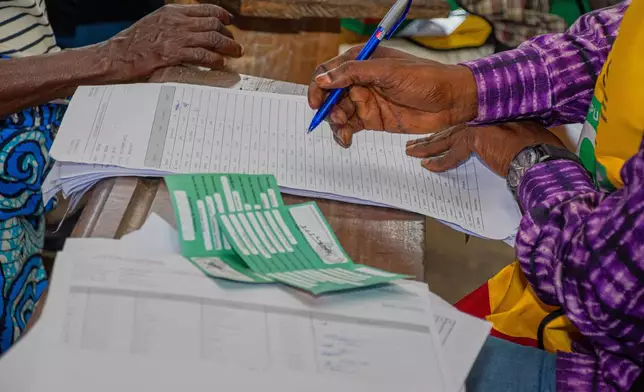
An election official check for the name of a voter in a register at a polling station in Brazzaville, the Republic of Congo, Sunday, March 15, 2026. (AP Photo/Vivace Mambouana)
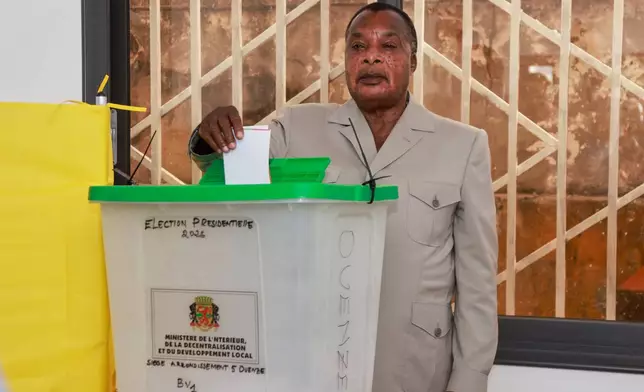
President of the Republic of Congo, Denis Sassou N'Guesso casts his ballot at a polling station in Brazzaville, the Republic of Congo, Sunday, March 15, 2026. (AP Photo/Vivace Mambouana)
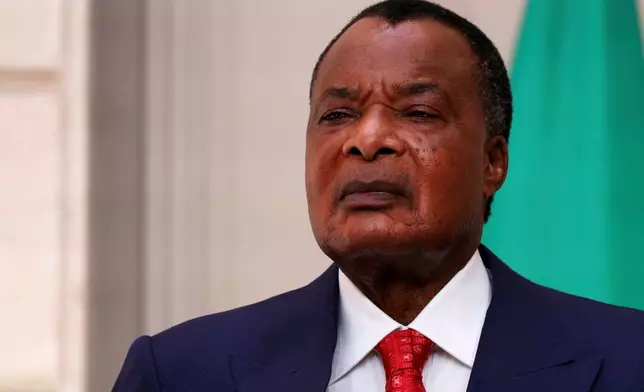
FILE - President of Congo Denis Sassou N'Guesso looks on during a ceremony at the Elysee Palace in Paris, on May 23, 2025. Thomas Samson/ Pool Photo via AP, FILE)
Six other candidates challenged the 82-year-old for the top job in the Central African country that boasts one of the largest oil reserves in sub-Saharan Africa.
The internet was shut down across the country as usual during the presidential election and traffic was restricted across the capital.
The election is the latest in a trend of octogenarian African leaders clinging to power. Sassou N’Guesso is the third-longest-serving African president, only behind Cameroon ’s Paul Biya and Equatorial Guinea ’s Teodoro Obiang Nguema Mbasogo.
The interior minister reported a turnout of 84.65% and 2.6 million ballots cast. But many polling stations in the capital Brazzaville saw short or non-existent lines, as locals said they did not believe the election would result in a change in leadership from Sassou N’Guesso, who has ruled for 42 years.
Mabio Mavoungou Zinga of the Alliance party came in second with 1.48% of votes, closely followed by independent candidate Uphrem Dave Mafoula who received 1.03% of the vote, according to the provisional results. The other four candidates got less than 1% of the vote.
The provisional results still have to be approved by the constitutional Court.
“By reelecting me by a landslide, the people have kept their word. Now it is up to us to keep ours. We promise to commit ourselves fully to doing everything possible," Sassou N’Guesso told reporters at his party’s headquarters. He said the high turnout reflected the population's “civic-mindedness” and “patriotism.”
Sassou N’Guesso, running for the Congolese Party of Labor, first came to power in 1979 and ruled until 1992 when he organized the country’s first multi-party elections. He returned to power as a militia leader following a four-month civil war in 1997.
The campaign period showed a vast mismatch between Sassou N’Guesso and his opponents, with the incumbent being the only candidate to travel around the country to canvass for votes. Roads in the capital city, Brazzaville, were paved with Sassou N’Guesso’s effigies.
Two other major parties boycotted the elections over allegations of unfair electoral practices.
A constitutional referendum in 2015 removed presidential age and term limits, allowing him to run again.
The country is struggling with high international debt, which stands at 94.5% of its gross domestic product, according to the World Bank, and skyrocketing unemployment rates for young people. More than half the country’s 5.7 million population lives in poverty and 47% of the country’s population is under 18.
In Brazzaville, the president's reelection did not surprise most residents.
“Everyone knew he would be reelected against candidates who were no match for him. The blame lies with the manipulated opposition, which failed to field a single candidate, thus leaving the field open to the presidential camp,” said Jean Baptiste Mahoukou, a taxi driver.
“Like many of my friends I didn’t vote simply because everything was rigged to ensure that President Denis Sassou N’Guesso continues to govern us," said Christian Sondou, 52, a carpenter. "Having been in power for over 40 years, Denis Sassou N’Guesso has failed to lift the country out of poverty. He should have stepped down and handed power over to the young people.”
“There’s no need to lament, we must be patient as he won’t be around forever,” said Elise Sonia, a vendor at the Makelekele market. “Nature will take care of this generation that clings to power without making the slightest effort to build and develop the country."
This story has been corrected to spell Sassou N'Guesso's first name as Denis, not Dennis.
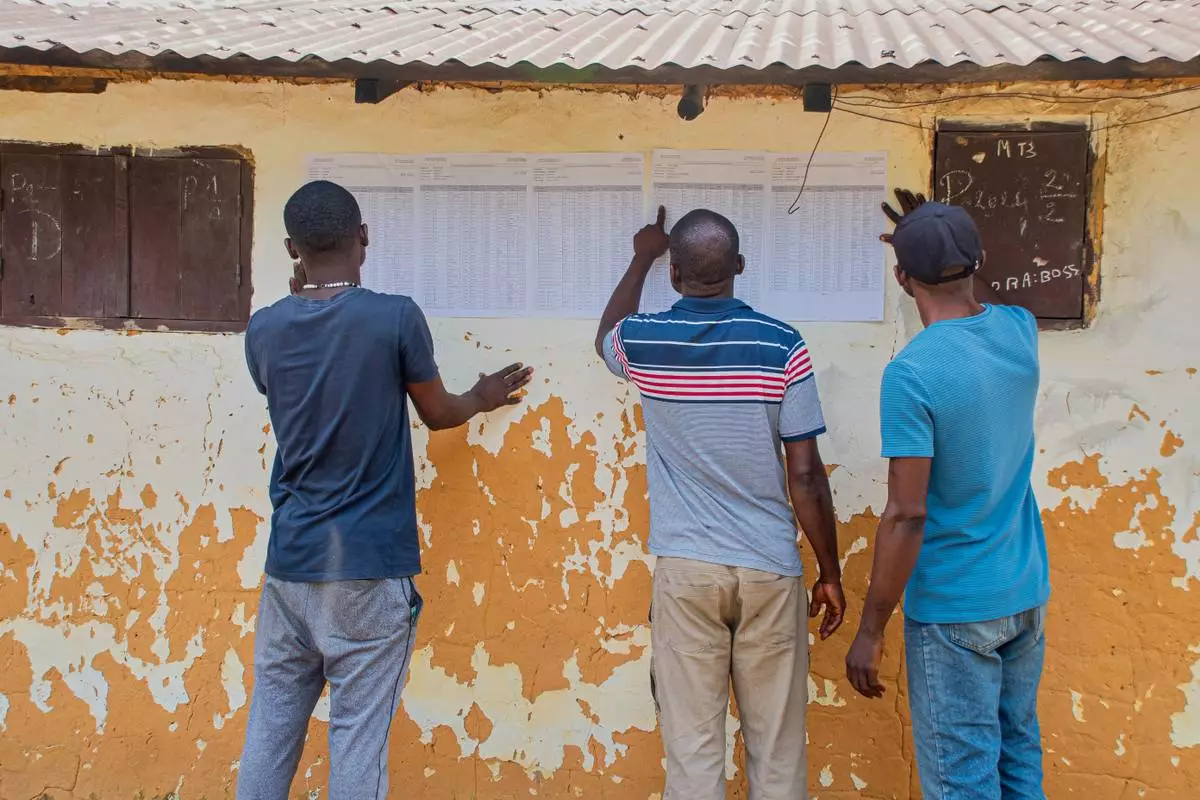
Voters check for their names at a polling station in Brazzaville, the Republic of Congo, Sunday, March 15, 2026. (AP Photo/Vivace Mambouana)
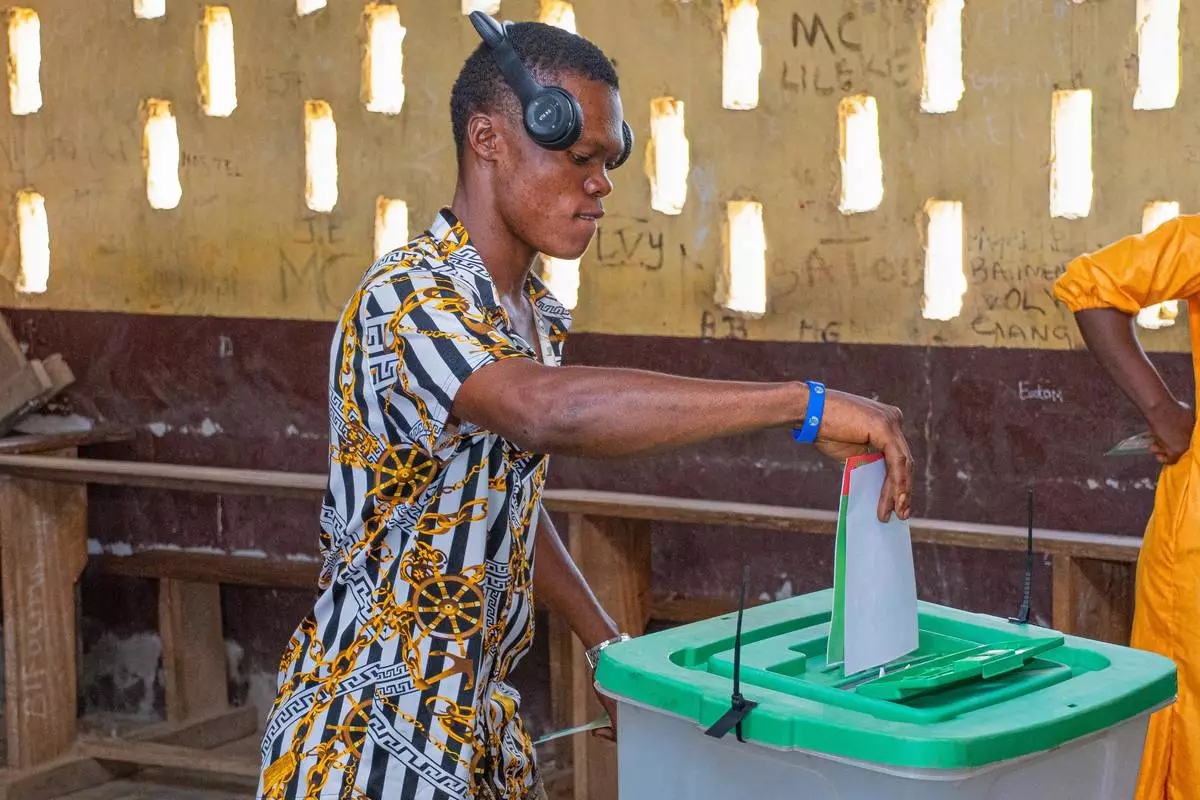
A voter cast his ballot at a polling station in Brazzaville, the Republic of Congo, Sunday, March 15, 2026. (AP Photo/Vivace Mambouana)
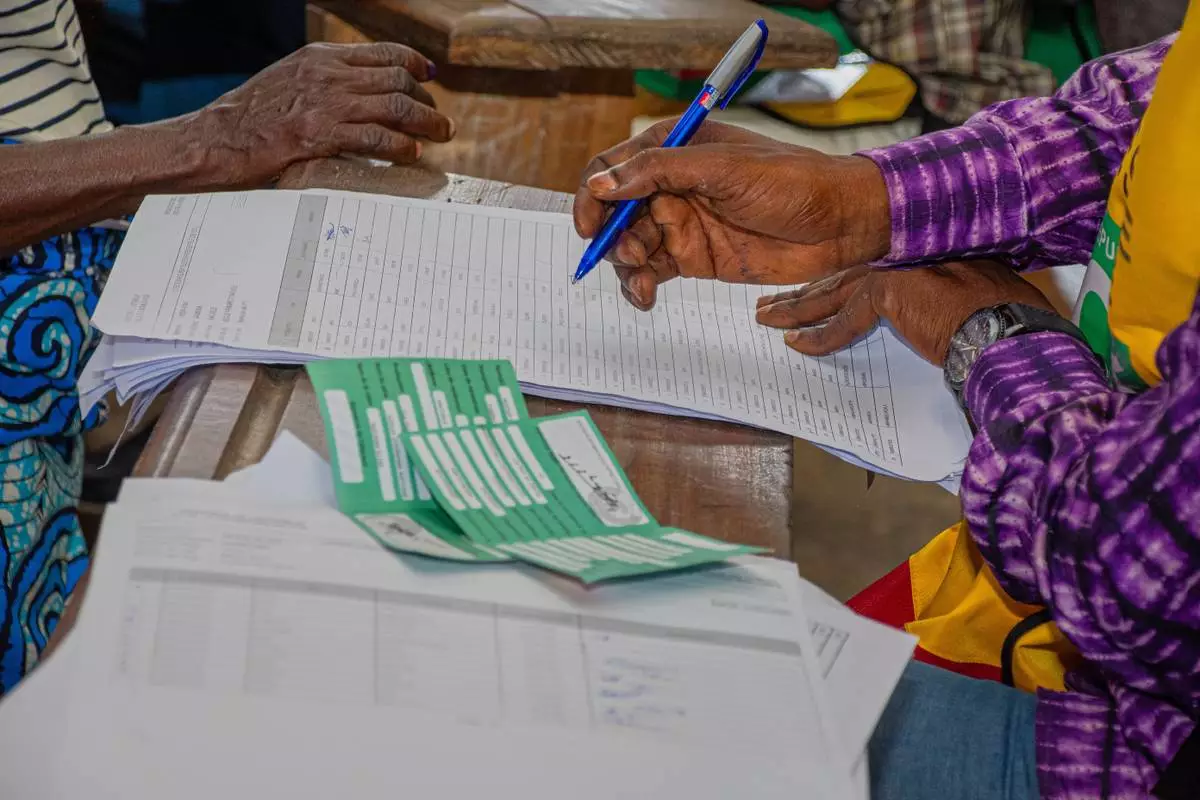
An election official check for the name of a voter in a register at a polling station in Brazzaville, the Republic of Congo, Sunday, March 15, 2026. (AP Photo/Vivace Mambouana)
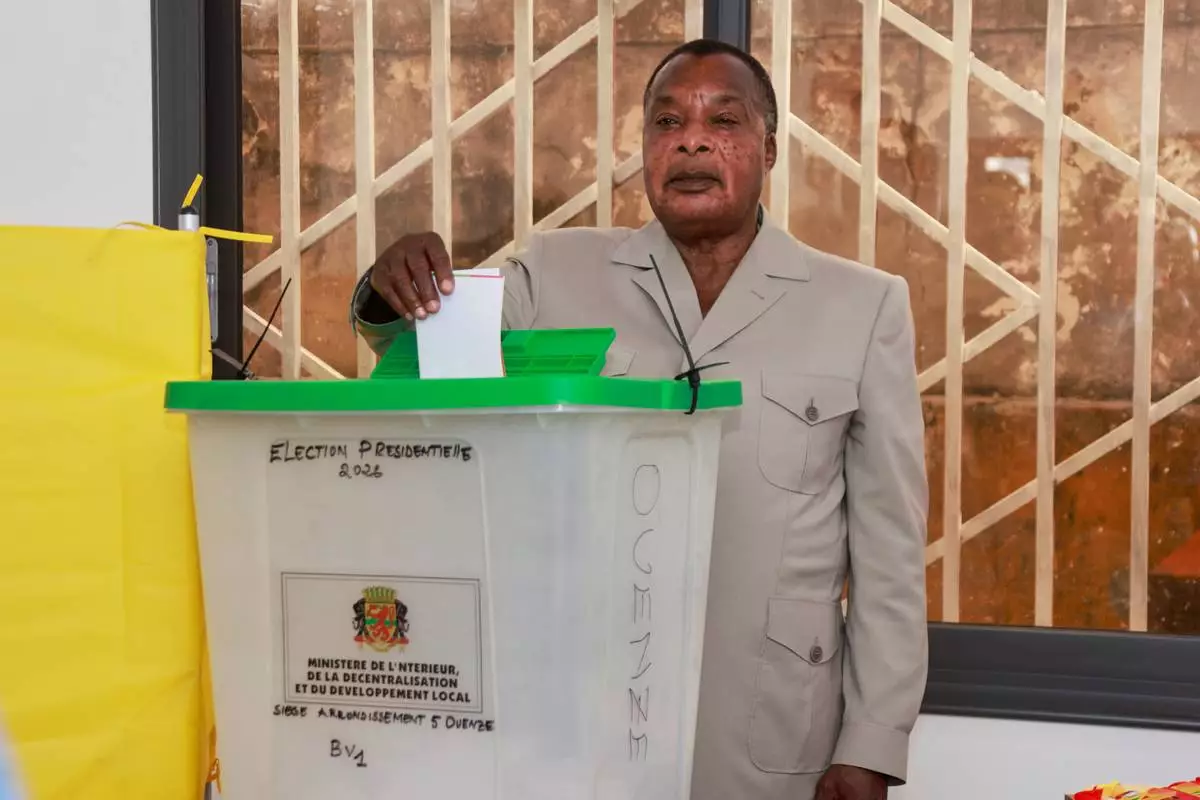
President of the Republic of Congo, Denis Sassou N'Guesso casts his ballot at a polling station in Brazzaville, the Republic of Congo, Sunday, March 15, 2026. (AP Photo/Vivace Mambouana)
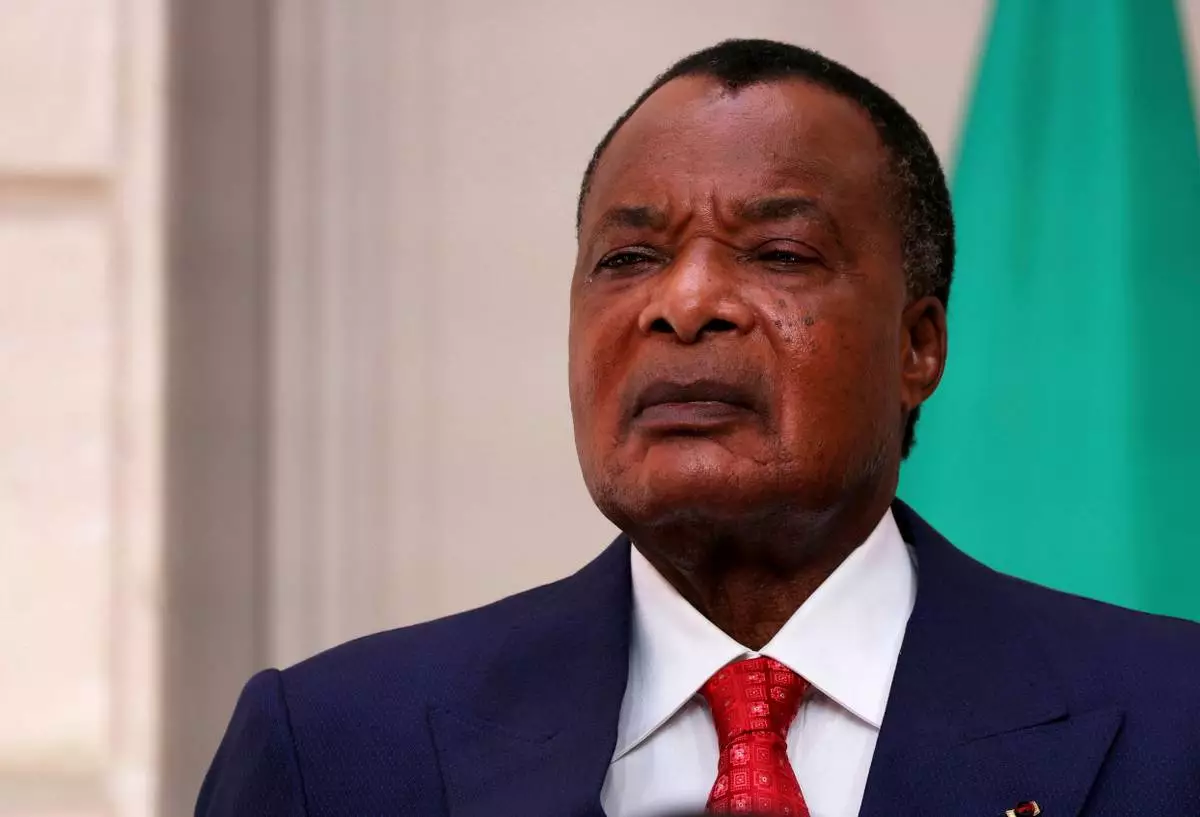
FILE - President of Congo Denis Sassou N'Guesso looks on during a ceremony at the Elysee Palace in Paris, on May 23, 2025. Thomas Samson/ Pool Photo via AP, FILE)