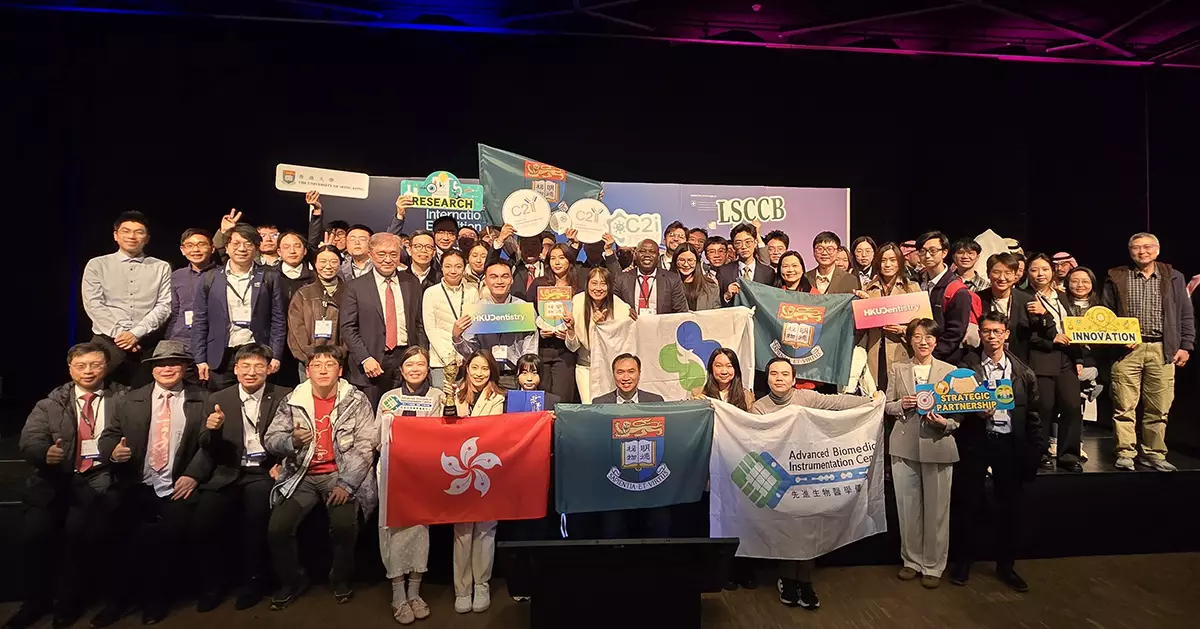
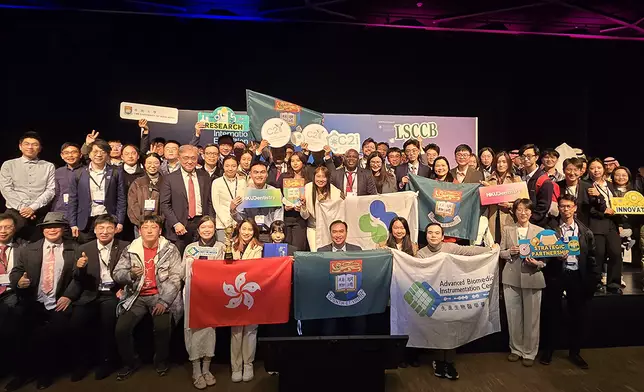
The University of Hong Kong (HKU) achieved remarkable success at the 51st International Exhibition of Inventions of Geneva, held from 11 to 15 March 2026. Demonstrating its outstanding research and innovation excellence on the global stage, HKU secured an unprecedented 46 awards, achieving its best results ever.
Research teams from the Faculty of Architecture, Faculty of Dentistry, Faculty of Education, Faculty of Engineering, Faculty of Science, Faculty of Social Sciences, LKS Faculty of Medicine (HKUMed), School of Biomedical Engineering, School of Computing and Data Science, and five HKU’s InnoHK Research Laboratories: Advanced Biomedical Instrumentation Centre, Centre for Virology, Vaccinology, and Therapeutics, Hong Kong Quantum AI Lab, Laboratory for Synthetic Chemistry and Chemical Biology Limited, and Centre for Immunology & Infection, garnered 1 esteemed Special Grand Prize, 9 Gold Medals with Congratulations of the Jury, 13 Golds, 19 Silvers and 4 Bronze medals with their innovations in the event.
Click to Gallery
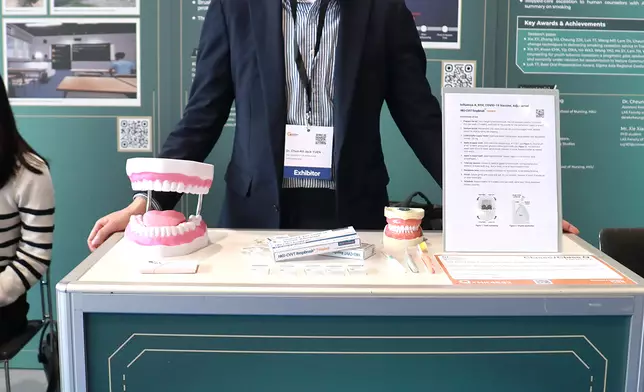
A novel immunisation method and powder_Gaining immunity against the three major respiratory viruses through home-based toothbrushing
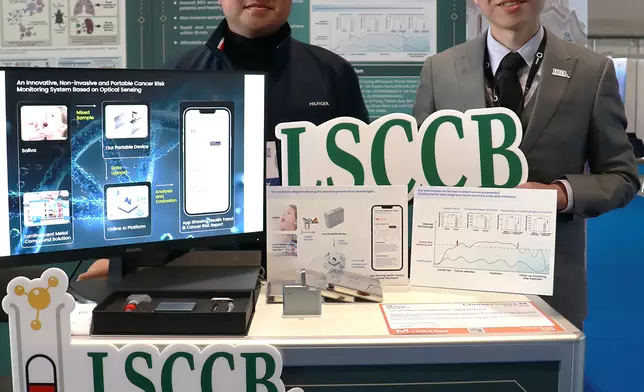
A Portable Device for Non-Invasive and Rapid Cancer Detection Using AI-Powered Optical Sensing
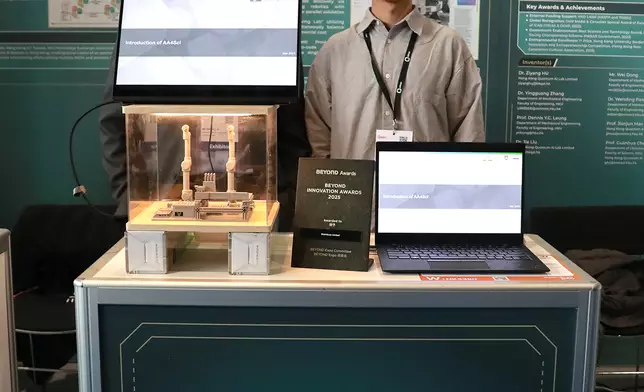
AI-Powered Platform for Energy Materials Innovation
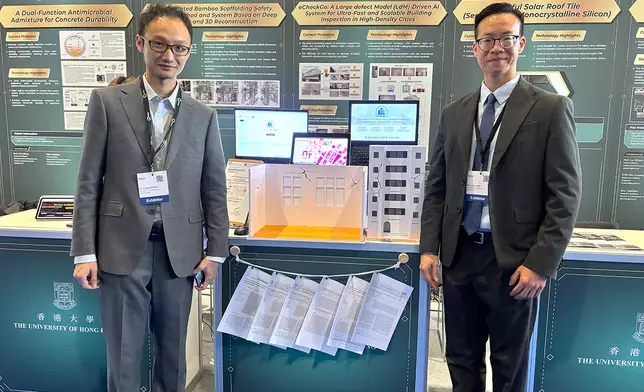
eCheckGo_A large defect model-driven AI system for ultra-fast and scalable building inspection in high-density cities
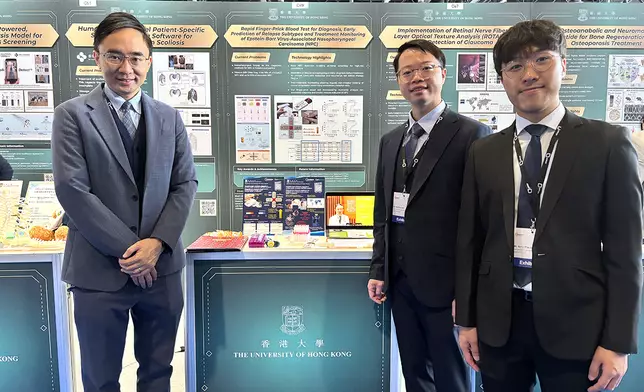
Rapid finger-prick blood test for diagnosis, early prediction of relapse subtypes and treatment monitoring of Epstein-Barr virus-associated nasopharyngeal carcinoma (NPC)
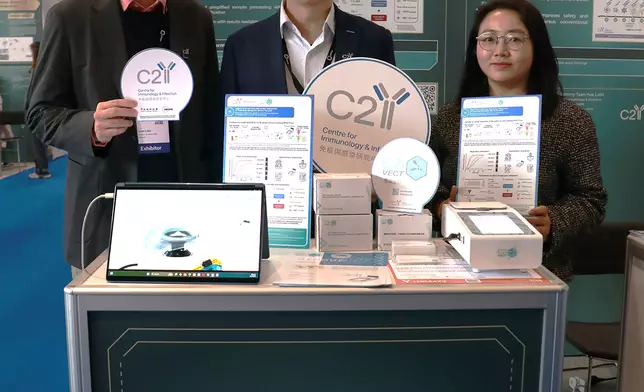
Rapid point-of-care molecular detection of evolving mosquito-borne viruses
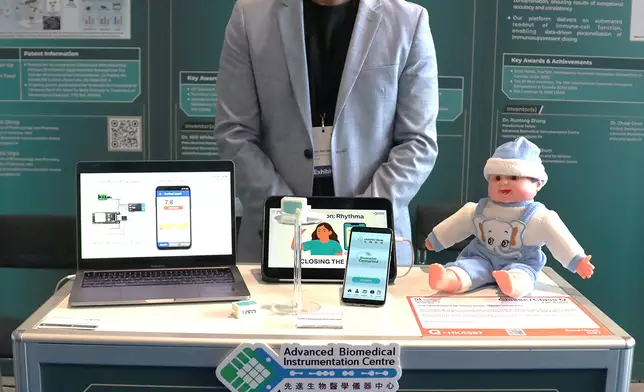
Rhytma_A Rapid and Quantitative Biochemical Hormone Monitor For Mobile and Smart-Devices
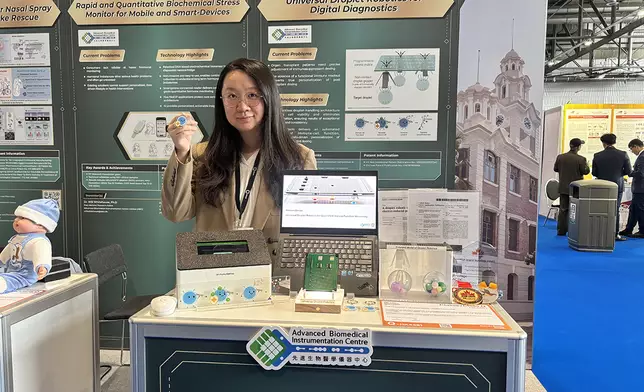
Universal Droplet Robotics for Digital Diagnostics
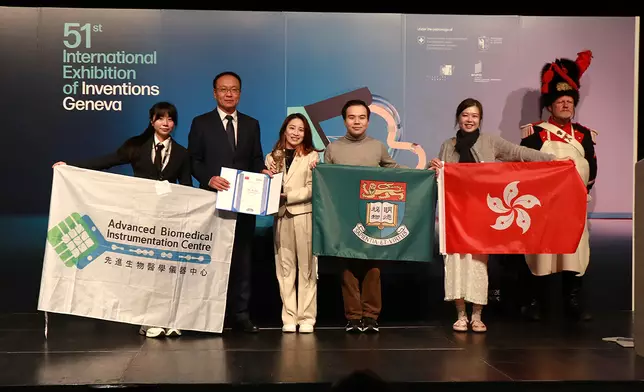
Special Grand Prize - Prize of the Chinese Delegation - Nose-to-Brain NanoPowder Nasal Spray for Rapid Ischemic Stroke Rescue
The project awarded the Special Grand Prize – Prize of the Chinese Delegation and Gold Medals with Congratulations of the Jury:
Nose-to-brain nanopowder nasal spray for rapid ischemic stroke rescue
The project is the pioneering portable, accessible and affordable first-aid for ischemic stroke. Through incorporating advanced nanotechnology and inhalation science, this innovative invention reformulates neurotherapeutics into nanopowder for nose-to-brain delivery. This means that with just one spray, stroke patients can have their brain and body protected immediately, even before reaching the hospital. This invention has the game-changing potential to empower quality of life and lower healthcare burden worldwide. The project is led by Professor Shing Fung CHOW from the Department of Pharmacology and Pharmacy, HKUMed and Advanced Biomedical Instrumentation Centre.
The projects awarded the Gold Medals with Congratulations of the Jury include:
A novel immunisation method and powder: Gaining immunity against the three major respiratory viruses through home-based toothbrushing
This invention introduces a home-based immunisation method integrated into weekly toothbrushing using a specific 3 in 1 powder that induces mucosal protection against COVID-19, influenza, and RSV after five once weekly brushing applications. The project is led by Professor Raven Kin Hang KOK from the Department of Microbiology, School of Clinical Medicine, HKUMed.
A portable device for non-invasive and rapid cancer detection using AI-powered optical sensing
This invention is a portable device for rapid, non-invasive cancer risk assessment.
It detects DNA damage levels in saliva using innovative luminescent metal compounds and a miniature spectral sensor. Its detection can be finished within 10 minutes anywhere with the help of mobile phone APP, requiring no professional medical skills. It provides a routine and convenient approach to evaluate cancer risk. The project is led by Professor Chi Ming CHE and Dr Wei LIU from the Laboratory for Synthetic Chemistry and Chemical Biology Limited.
AA4Sci: AI-powered platform for energy materials innovation
The project is an AI-powered platform revolutionising energy material innovation. It combines a smart literature reader with Graph RAG technology to parse and structure vast scientific papers. By integrating specialised NER and Knowledge Graphs, the system transforms unstructured text into actionable insights. Intelligent Large Language Model (LLM) Agents perform multi-hop reasoning to discover new materials and generate optimal synthesis paths. This end-to-end solution accelerates R&D cycles, automating the journey from reading literature to scientific discovery. The project is led by Professor Guanhua CHEN from the Department of Chemistry, Faculty of Science and Dr Jie LIU from the Hong Kong Quantum AI Lab.
eCheckGo: A large defect model-driven AI system for ultra-fast and scalable building inspection in high-density cities
This invention introduces eCheckGo, an AI system driven by a large defect model (LdM) for mass building inspection. It takes up two long-standing challenges in high-density contexts: the time-consuming nature of manual inspections and the difficulty of case-specific AI training. At the core is the proprietary LdM — a multi-modal large language model tailored for building inspection. Powered by LdM’s strong generalizability, eCheckGo delivers ultra-fast assessments (10s for an entire building) and exceptional adaptability (only 5 training images required). The project is led by Professor Junjie CHEN, Professor Wilson LU, Dr Junping ZHONG and Mr Yonglin FU from the Department of Real Estate and Construction, Faculty of Architecture.
Rapid finger-prick blood test for diagnosis, early prediction of relapse subtypes and treatment monitoring of Epstein-Barr virus-associated nasopharyngeal carcinoma (NPC)
This project focuses on developing a rapid, non-invasive fingerprick blood test based on a threemarker panel, enabling diagnosis, treatment monitoring and early relapse risk prediction, including potential relapse subtypes, in EBV–associated nasopharyngeal carcinoma. This method offers pinpoint accuracy outperforming the conventional EBV DNA blood test. Together with its user-friendly design and high affordability, it allows patients to perform tests comfortably at home while keeping track of their disease progression along the course of treatment enabling timely interventions to improve outcome. The project is led by Professor Victor Ho Fun LEE, Dr Eymon Ka Chun WU and Mr Syrus Pak Hei LAI from the Department of Clinical Oncology, School of Clinical Medicine, HKUMed.
Rapid point-of-care molecular detection of evolving mosquito-borne viruses
This invention provides an isothermal nucleic acid-based method and reagent kits for POCT of mosquito-borne viruses within 15 minutes, with serotype-level resolution. It overcomes logistical constraints of current approaches, enabling rapid, accurate, and sensitive detection while remaining robust to diverse virus variants. This invention has been validated by in-silico tests and real-world samples, offering an effective solution for mosquito-borne virus detection in different environments including hospitals, clinics, customs, and community. The project is led by Professor Tommy Tsan-Yuk LAM from the School of Public Health, HKUMed, Dr Ji WANG and Dr Yunshi LIAO from the Centre for Immunology & Infection.
Rhytma: A rapid and quantitative biochemical hormone monitor for mobile and smart-devices
The project introduces a groundbreaking, non-invasive biosensor that continuously delivers laboratory-grade hormone analytics to smart devices, empowering women to monitor health through motherhood and menopause. Protected by five IP filings, integrated AI transforms real-time results into personalised, actionable guidance —offering precision and convenience unmatched by current home tests. The project is led by Professor Julian A. TANNER from the School of Biomedical Engineering.
Universal droplet robotics for digital diagnostics
A contactless droplet robotic platform is being developed to automate immune cell function test directly from patients’ blood. Using electrostatic droplet handling, it standardises fragile living cell stimulation, incubation, and biomarker detection in a closed workflow. The proposed system is intended to support precise immunosuppressant dosage for post-transplant patients by enabling repeatable, clinically actionable immune-function readouts beyond current therapeutic drug monitoring. The project is led by Professor Ho Cheung SHUM, Dr Ruotong ZHANG and Dr Zheqi CHEN from the Advanced Biomedical Instrumentation Centre.
HKU presented 45 research inventions at this year’s exhibition, addressing critical challenges across various fields, ranging from health and biomedicine, to smart engineering, artificial intelligence (AI), energy and sustainability technologies, advanced manufacturing and more. This diverse portfolio highlights the University’s strategic focus and commitment to driving cross-disciplinary research and innovation, strengthening its role as a leader in research and innovation, while also translating academic discoveries into impactful global solutions.
The annual International Exhibition of Inventions of Geneva (IEIG) is one of the world’s most prestigious events dedicated exclusively to inventions and innovations. Bringing together inventors, research institutions, and industry leaders from around the world, the exhibition provides an important platform for showcasing technological breakthroughs and fostering international collaboration.
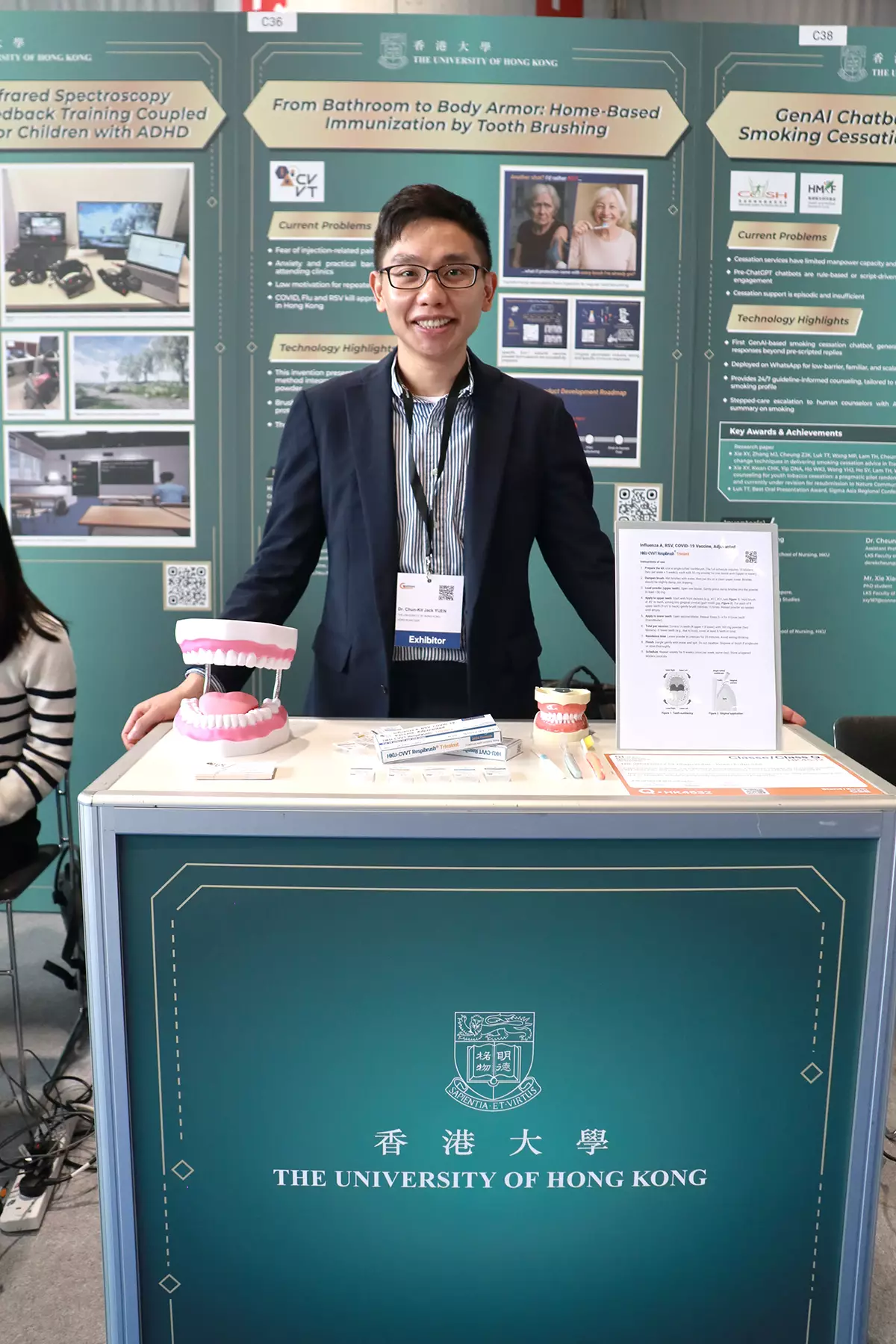
A novel immunisation method and powder_Gaining immunity against the three major respiratory viruses through home-based toothbrushing
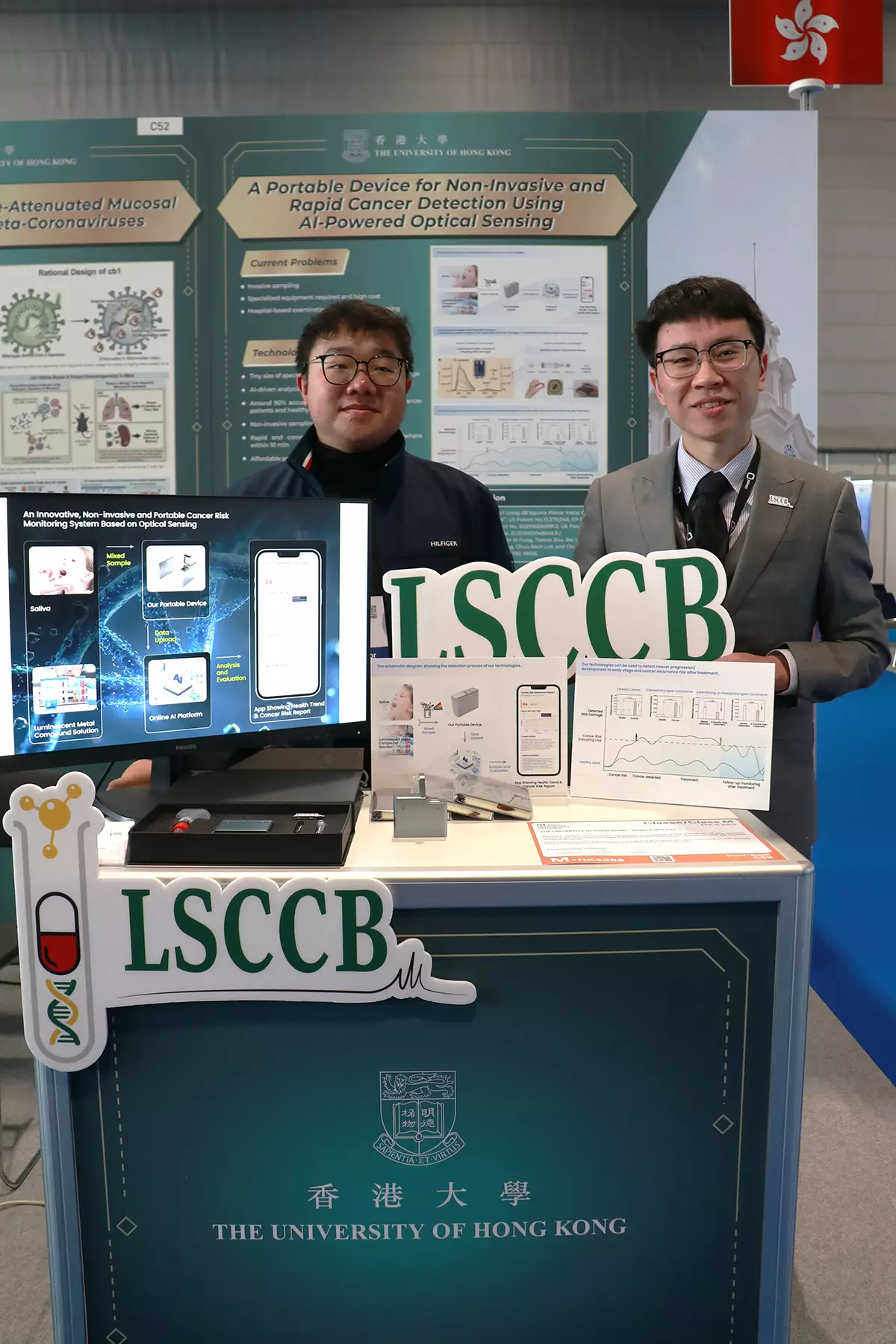
A Portable Device for Non-Invasive and Rapid Cancer Detection Using AI-Powered Optical Sensing
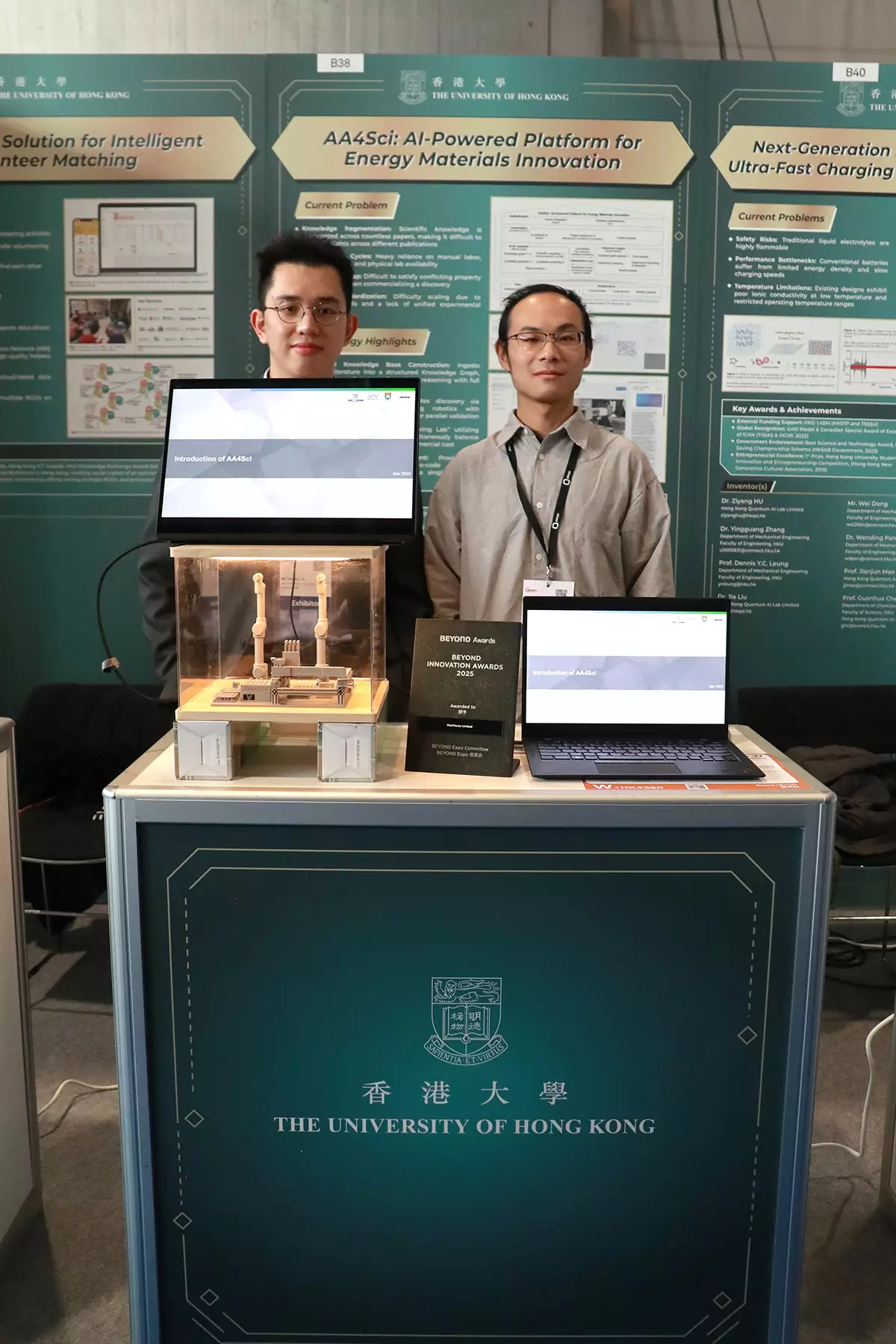
AI-Powered Platform for Energy Materials Innovation
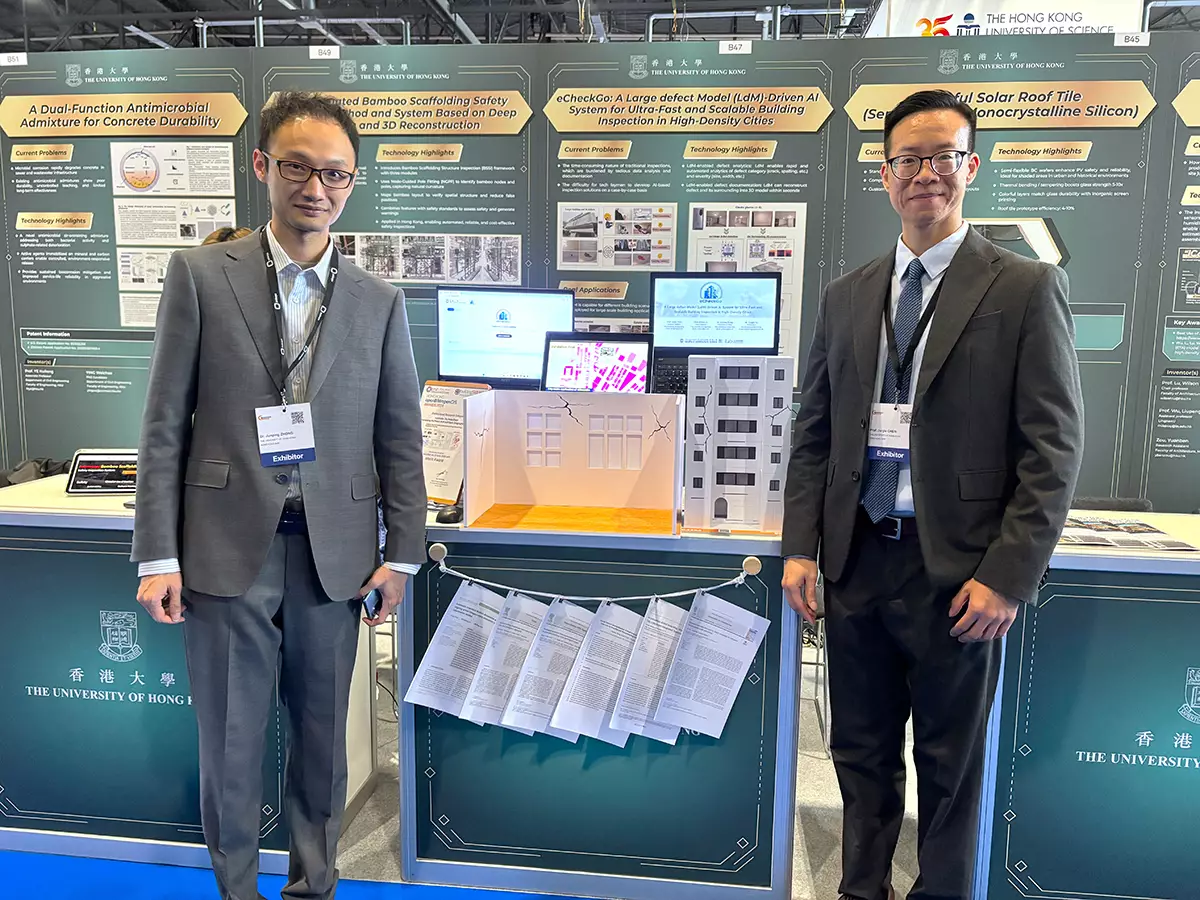
eCheckGo_A large defect model-driven AI system for ultra-fast and scalable building inspection in high-density cities
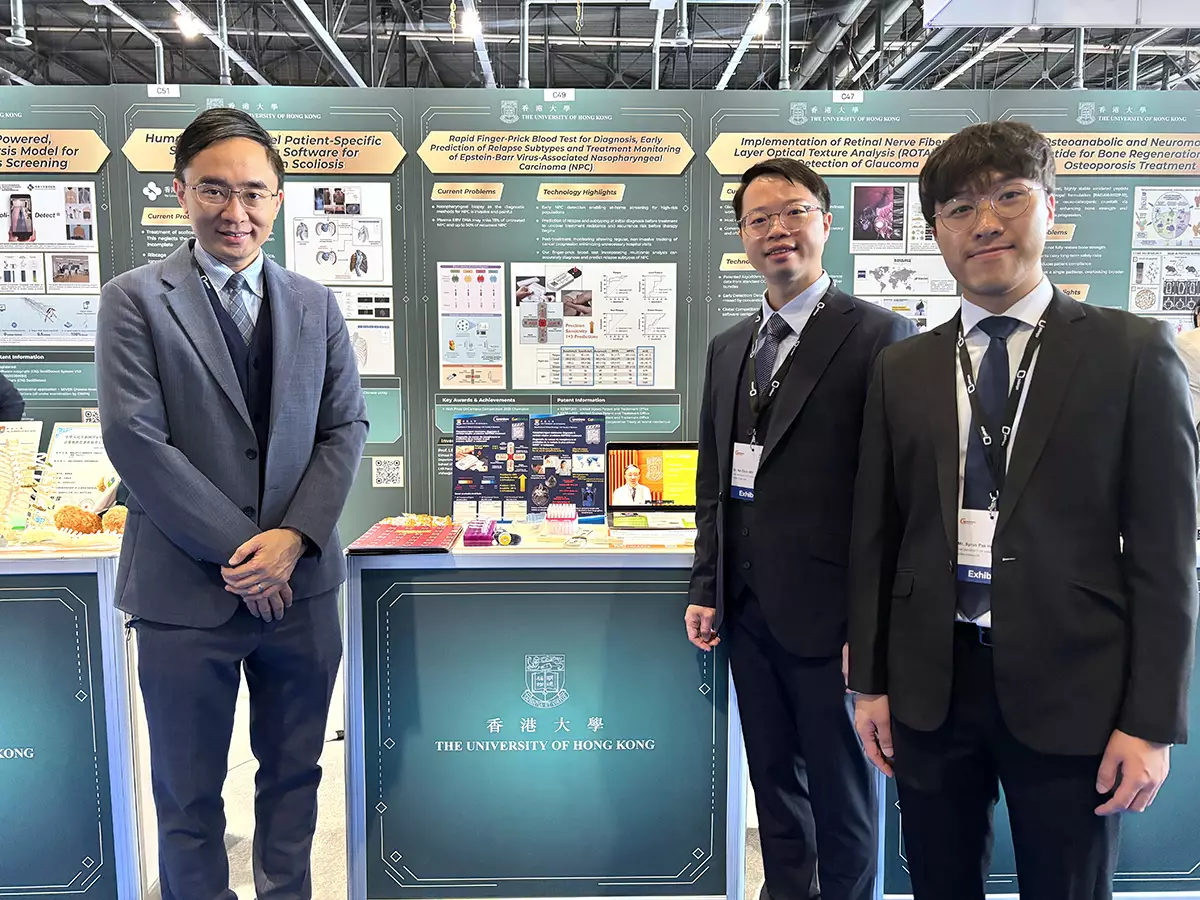
Rapid finger-prick blood test for diagnosis, early prediction of relapse subtypes and treatment monitoring of Epstein-Barr virus-associated nasopharyngeal carcinoma (NPC)
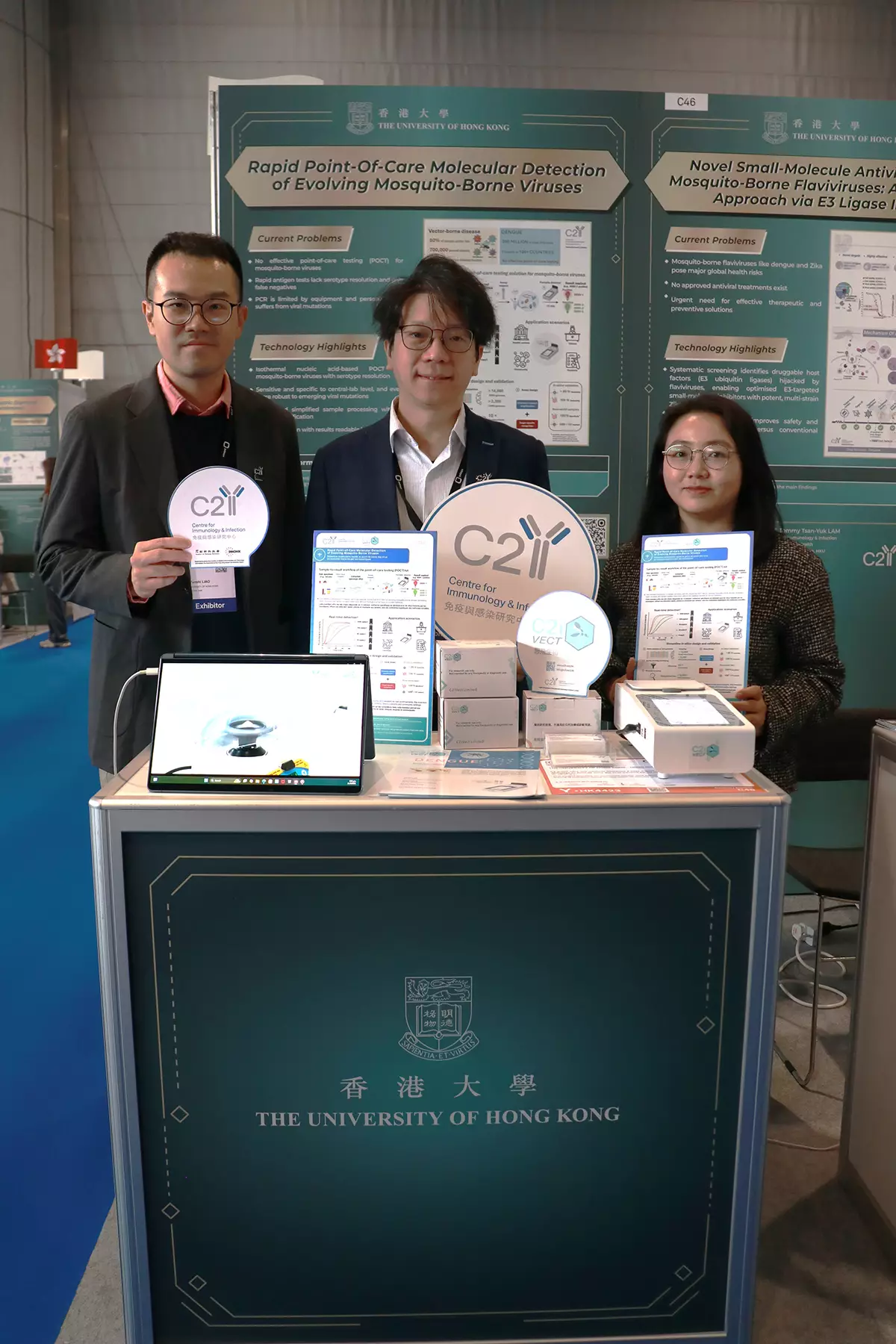
Rapid point-of-care molecular detection of evolving mosquito-borne viruses
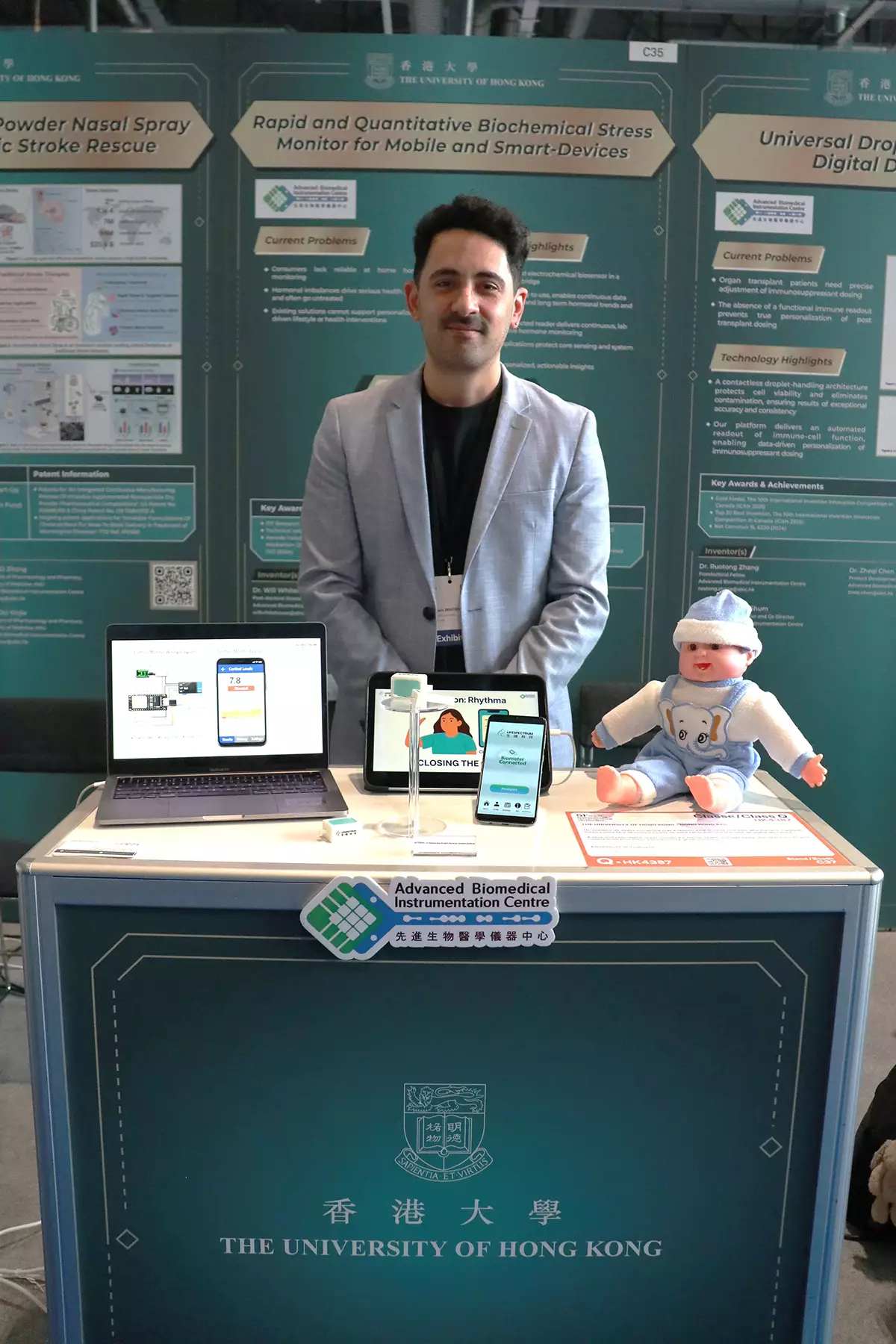
Rhytma_A Rapid and Quantitative Biochemical Hormone Monitor For Mobile and Smart-Devices
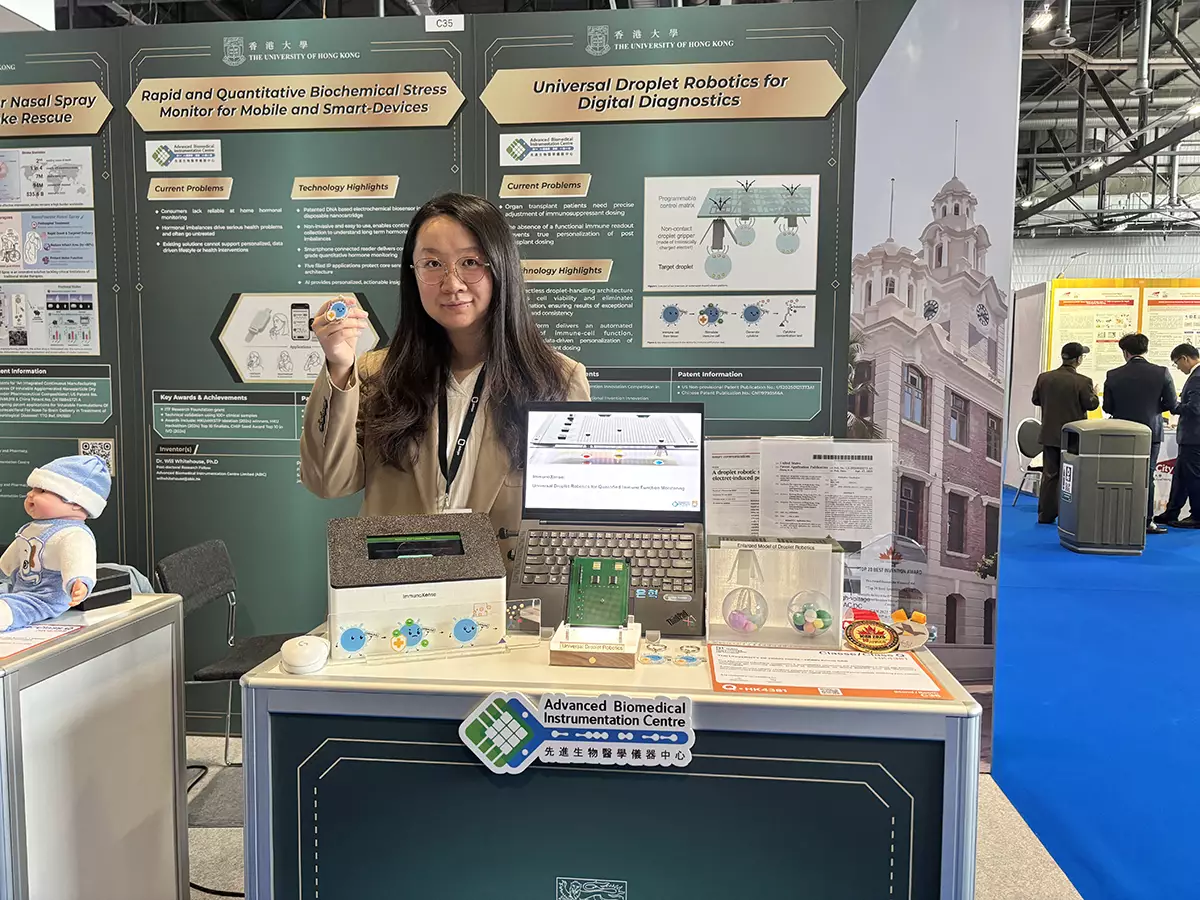
Universal Droplet Robotics for Digital Diagnostics
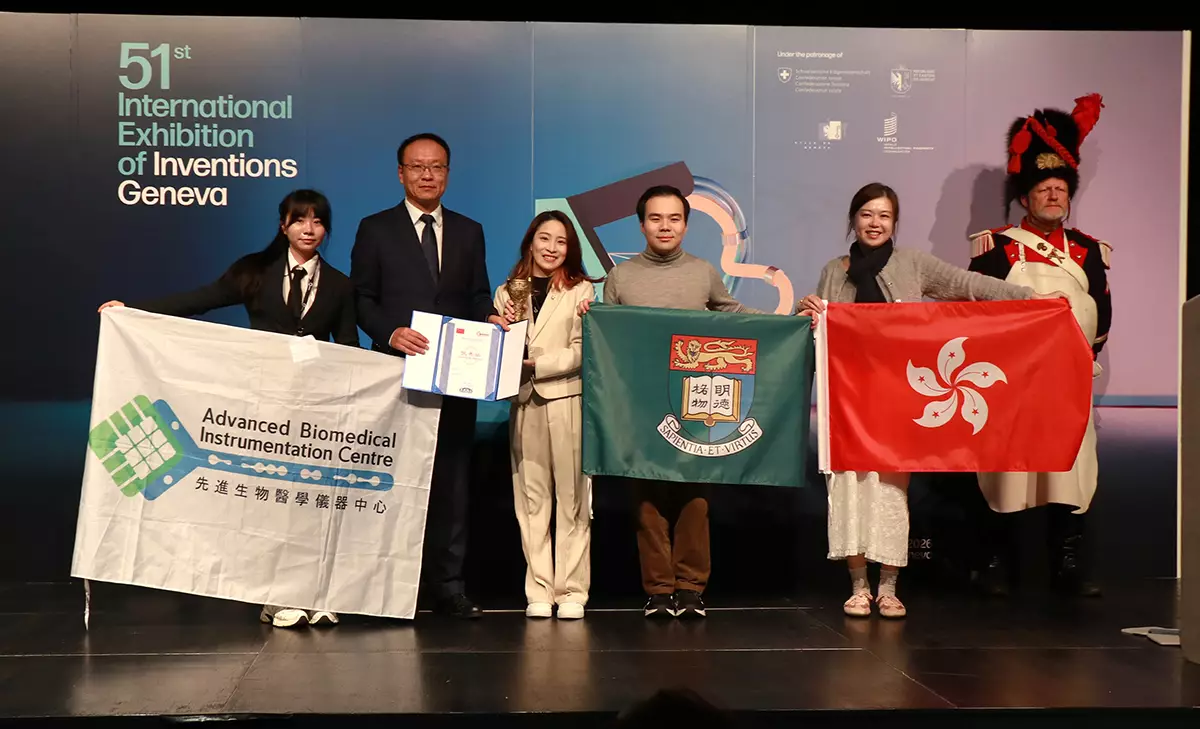
Special Grand Prize - Prize of the Chinese Delegation - Nose-to-Brain NanoPowder Nasal Spray for Rapid Ischemic Stroke Rescue