MAIDUGURI, Nigeria (AP) — Bombs exploded in at least three locations in northeastern Nigeria’s Borno state Monday night, killing and injuring scores of people, the emergency services told The Associated Press, citing possible suicide bombings.
Explosions were heard in Maiduguri, the Borno state capital, where Nigeria’s homegrown jihadi Boko Haram extremists have waged an insurgency for more than a decade.
The blasts occurred at the entrance of the University of Maiduguri Teaching Hospital and two local markets, known as Post Office and the Monday Market, according to Sirajo Abdullahi, head of operations at Nigeria’s National Emergency Management Agency, or NEMA, in Maiduguri.
“There are casualties and they are still managing the causalities at the hospital,” Abdullahi said. “We can’t give the actual figure until we count.”
No group has yet claimed responsibility for the suspected bombings.
The Nigerian military said in a statement earlier it had repelled attacks by suspected Islamic militants in the early hours of Monday on the outskirts of Maiduguri.
For years, Nigeria has been battling a complex security crisis from different armed groups, especially in the northern part of the country.
Jihadi extremist groups, including Boko Haram and one of its factions, have been blamed for intensified attacks targeting Nigeria’s military bases in the northeast of the country this month. But attacks in Maiduguri in Borno state, which is the epicenter of Nigeria’s 17-year struggle with extremist armed groups, have been rare in recent years after military operations.
Bagoni Alkali, an eyewitness to the blast, told The Associated Press he brought wounded people to the hospital for emergency treatment.
“Right now, over 200 people have been injured and are receiving care in the accident and emergency department,” Alkali said.
"While I could tell you so many people have died, to be honest, many lost their lives at the scene immediately after the bomb exploded. It’s disheartening,” he added.
Mohammed Hassan, a member of a volunteer group that often assists the security forces in the conflict against armed extremists, said he evacuated 10 bodies from the Post Office and Monday Markets.
“Many victims were rushed to the emergency ward, but some died at the hospital. We’re in dire need of blood," he said. “This attack’s been one of the deadliest in Maiduguri in years.”
Borno’s Governor Babagana Umara Zulum said in a statement Monday he condemned in the strongest terms the explosions.
“My thoughts and prayers are with the families of the victims and those injured as a result of the blast. The act is utterly condemnable, barbaric and inhumane,” Zulum said.
He called on residents to remain calm, go about their usual activities and report any suspicious movement or activity to security agencies.
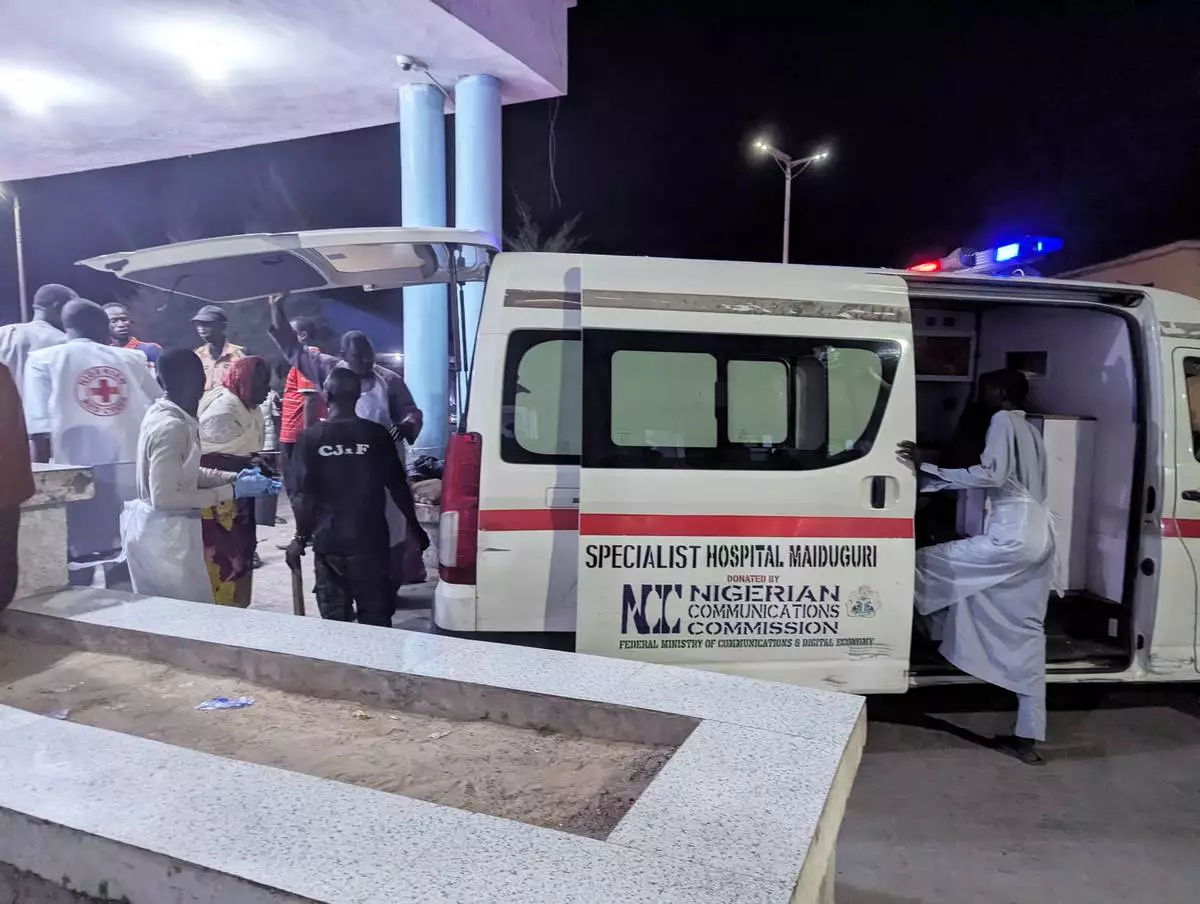
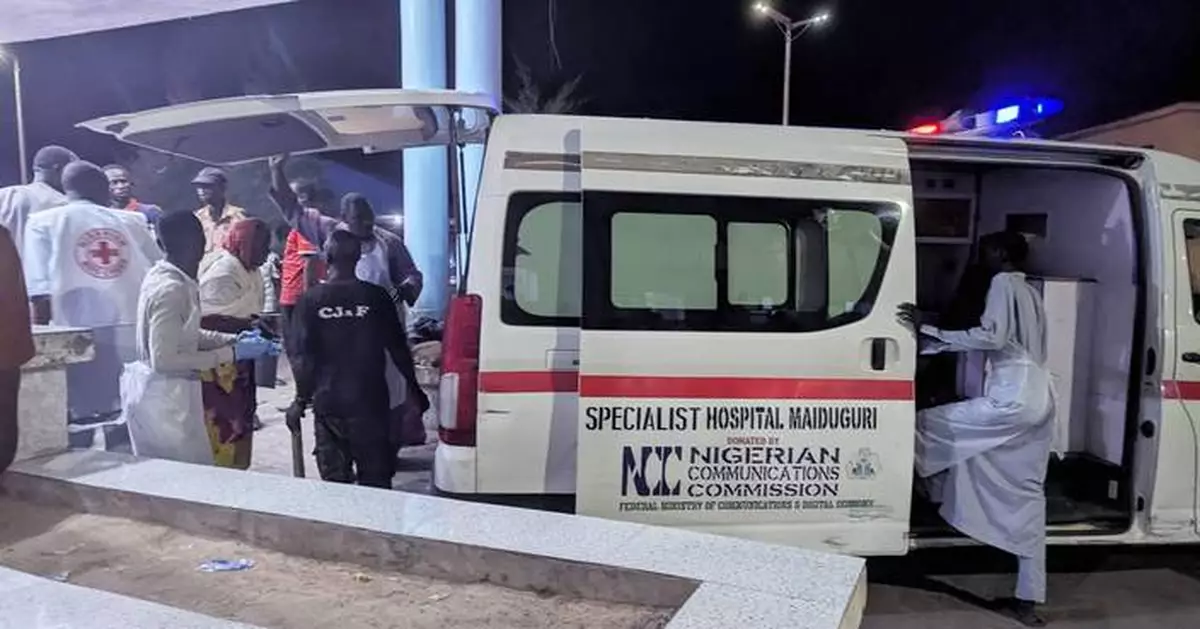
An ambulance is seen at the hospital following a bomb blast in Maiduguri, Nigeria, Monday, March 16, 2026. (AP Photo )
ALVARADO, Texas (AP) — A Palestinian woman who was the last person still in immigration detention after the Trump administration's 2025 crackdown on pro-Palestinian activists was released Monday on $100,000 bond after a year in custody.
Leqaa Kordia, a 33-year-old from the West Bank who has lived in New Jersey since 2016, had been held in a U.S. immigration detention center in Texas since last March. Kordia was among roughly 100 people arrested outside Columbia University during protests at the school in 2024.
“I don’t know what to say. I’m free! I’m free! Finally, after one year,” Kordia, with a beaming smile, told reporters after emerging from the detention center.
An immigration judge had ordered her released on bond three times. The government challenged the first two rulings, but Kordia was freed Monday after it did not challenge the third.
She was recently hospitalized for three days following a seizure after fainting and hitting her head at the privately run detention facility.
“We are overwhelmed with relief and gratitude at the release of our beloved Leqaa Kordia,” said Hamzah Abushaban, Kordia’s cousin, in a statement from her lawyers. “This past year has taken an unimaginable toll on Leqaa and our entire family.”
Kordia said she was looking forward to going home and hugging her mother “so hard.” But she also said she would keep fighting on behalf of people still being held at the detention center.
“There is a lot of injustice in this place," she said. “There is a lot of people that shouldn’t be here the first place.”
Kordia said she joined the 2024 demonstration after Israel killed scores of her relatives in Gaza, where she maintains deep personal ties. “My way of helping my family and my people was to go to the streets,” she told The Associated Press in October.
The charges against her for the protest were dismissed and sealed. Information about her arrest was later given to the Trump administration by the New York City Police Department, which said it was told the records were needed as part of a money laundering investigation.
Kordia was arrested during a March 13, 2025, check-in with U.S. Immigration and Customs Enforcement in New Jersey. She was detained immediately and flown to Prairieland Detention Center, south of Dallas.
She was among a number of people arrested after the Trump administration began using its immigration enforcement powers on noncitizens who had criticized or protested Israel’s military actions in Gaza, many students and scholars at American universities.
Also among them was Mahmoud Khalil, a former Columbia University graduate student who was arrested last March and spent three months detained in a Louisiana immigration jail before being freed.
But while arrests of campus activists like Khalil drew condemnation from elected officials and advocates, Kordia was not a student or part of a group that might have provided support, so her case remained largely out of the public eye.
Federal officials have accused Kordia of overstaying her visa, while scrutinizing payments she sent to relatives in the Middle East. Kordia said the money was meant to help family members suffering during the war.
An immigration judge found “overwhelming evidence” that Kordia was telling the truth about the payments.
At a hearing Friday, Kordia’s attorneys said she had a neurological condition that had worsened while in custody, putting her at an elevated risk of seizure. They reiterated that she could stay with U.S. citizen family members and did not pose a flight risk.
The immigration judge, Tara Naslow, agreed.
“I’ve heard testimony. I’ve seen thousands of pages of evidence presented by the respondent, and very little evidence presented by the government in any of this,” Naslow said.
An attorney for the Department of Homeland Security, Anastasia Norcross, said the government opposed the release of Kordia, regardless of the bond. She did not say at the time whether it would appeal for a third time.
Offenhartz reported from New York.
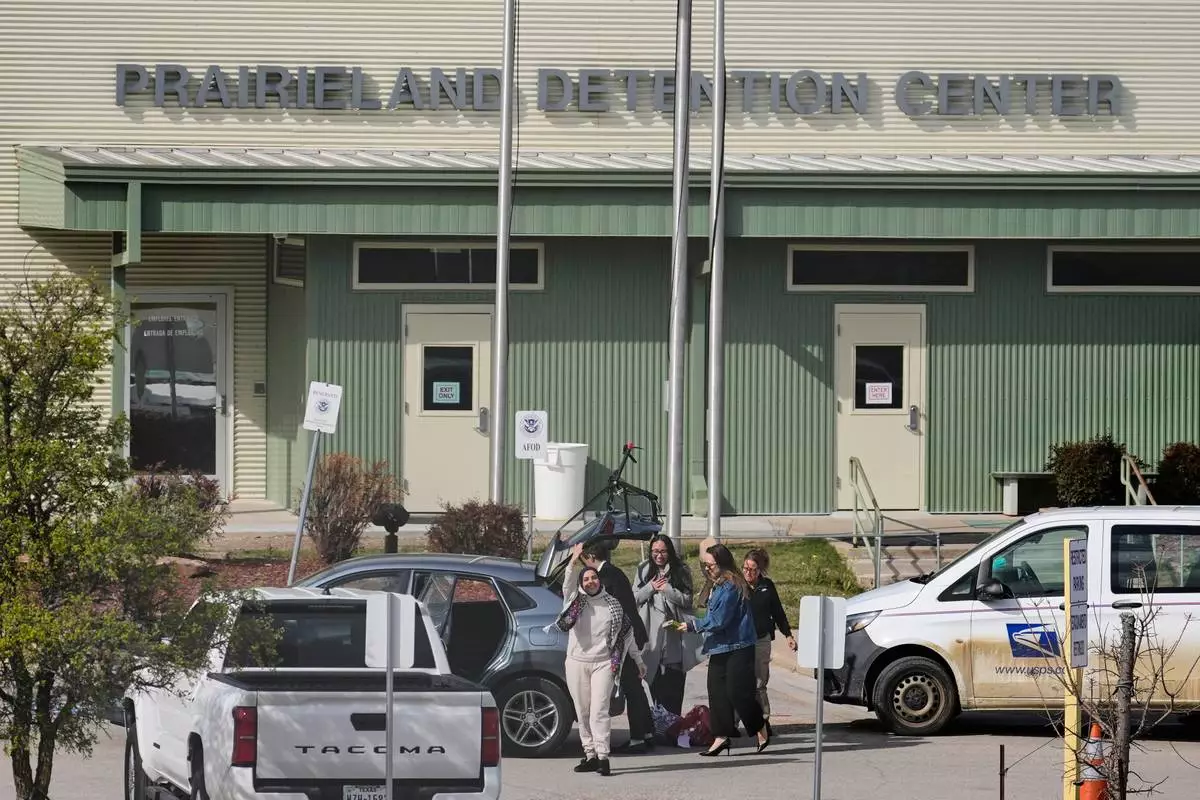
Leqaa Kordia, with hands raised, waves to supporters after being released from the Prairieland Detention Center in Alvarado, Texas, Monday, March 16, 2026. (AP Photo/Tony Gutierrez)
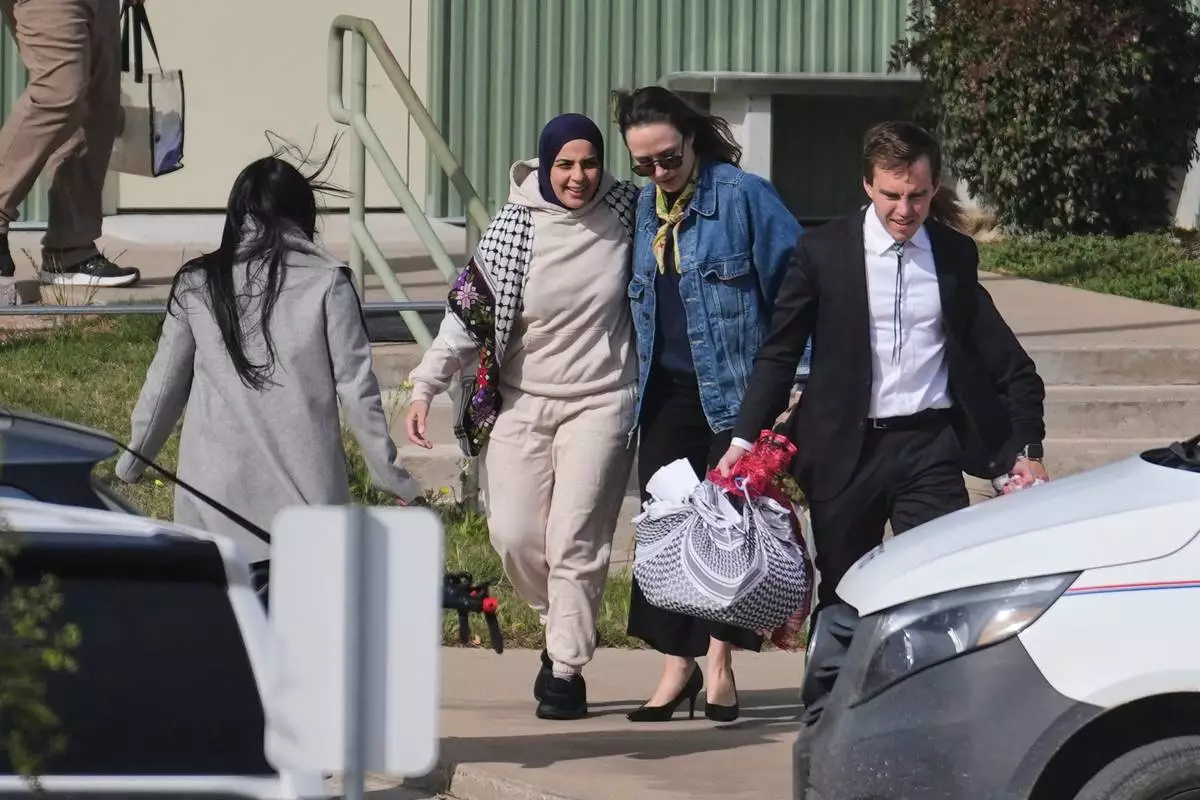
Leqaa Kordia, second from left, walks with her legal team after being released from the Prairieland Detention Center in Alvarado, Texas, Monday, March 16, 2026. (AP Photo/Tony Gutierrez)
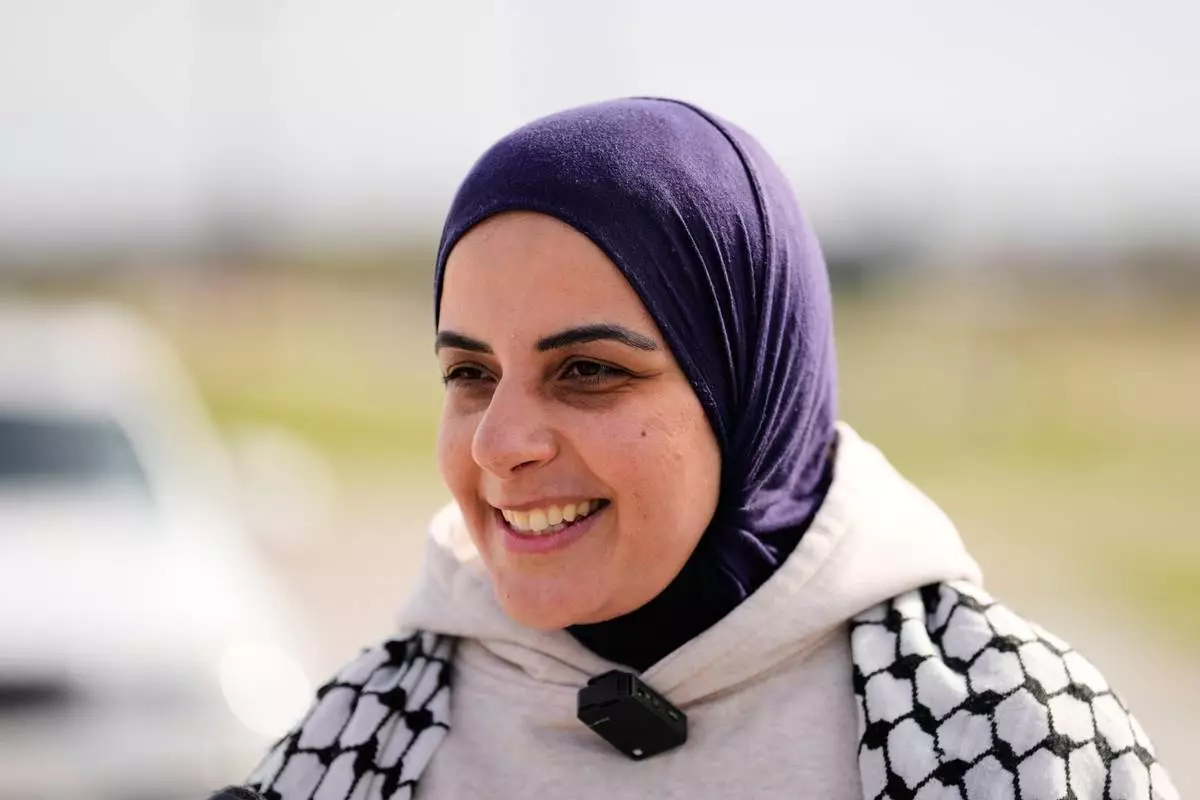
Leqaa Kordia speaks to members of the media, family and her legal team after being released from the Prairieland Detention Center in Alvarado, Texas, Monday, March 16, 2026. (AP Photo/Tony Gutierrez)
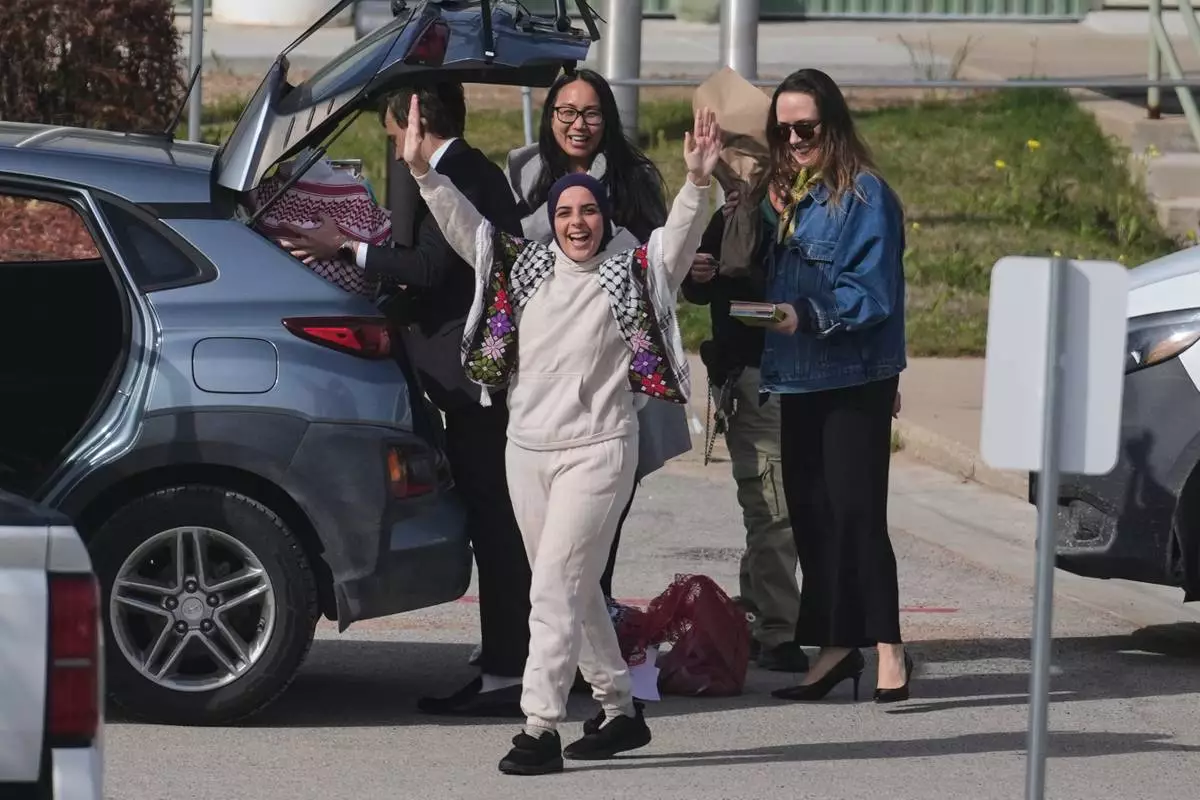
Leqaa Kordia, with hands raised, waves to supporters after being released from the Prairieland Detention Center in Alvarado, Texas, Monday, March 16, 2026. (AP Photo/Tony Gutierrez)
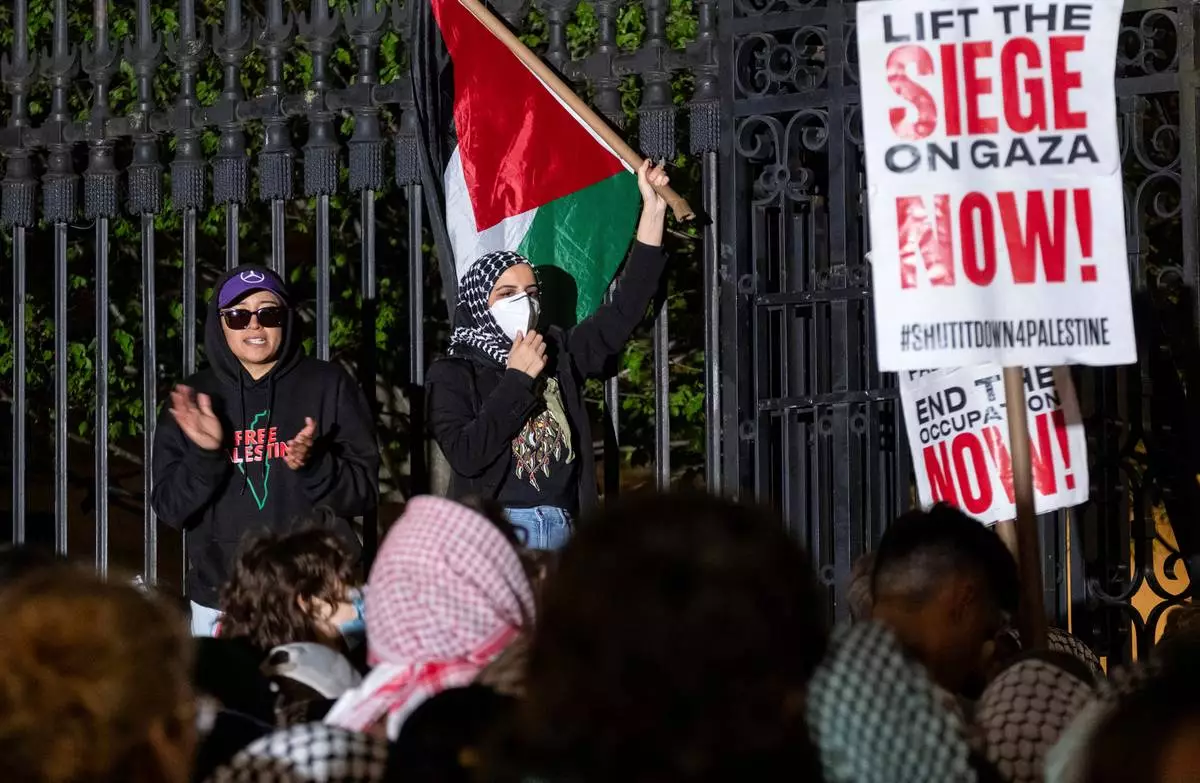
FILE - Leqaa Kordia, center, demonstrates with pro-Palestianian protesters at Columbia University in New York, April 30, 2024. (AP Photo/Craig Ruttle, File)