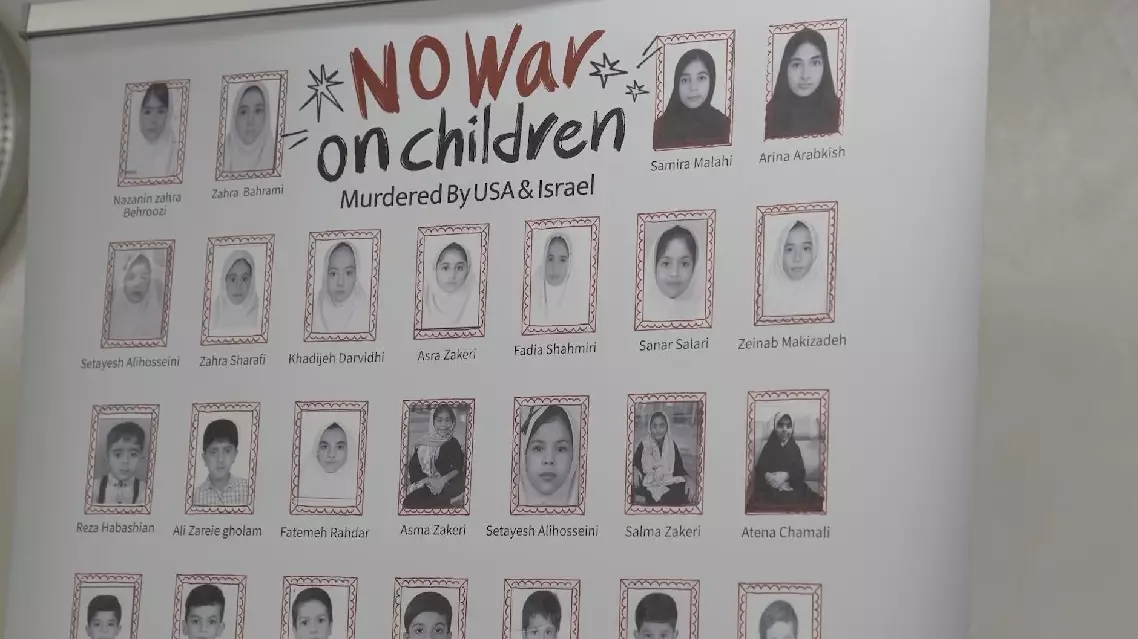
Iran is seeking international condemnation and accountability for the deadly military attack on a girls' school in the country's south on February 28, the first day of the joint U.S.-Israeli military operation against Iran, said Ali Bahreini, the Iranian ambassador to the United Nations Office in Geneva, on Monday.
Bahreini told the China Global Television Network (CGTN) after attending a meeting on the attack that all evidence shows the U.S. military was responsible for the strike on the Shajarah Tayyebeh elementary school in Minab, which killed over 160 people, mostly pupils.
Many of the victims were girls between the ages of seven and 12, making the incident one of the deadliest attacks against children and educational institutions during the conflict.
The New York Times reported last week that a preliminary military investigation had determined that a U.S. Tomahawk missile struck the elementary school on Feb 28 due to a targeting error.
"It corresponds to all the elements of a war crime [which] has been committed by the United States. It is clear what the international community should do. First of all, the international community should condemn, unequivocally, this crime. And they should be very clear and strong in condemning the aggression and the attack on the school," Bahreini told CGTN after the meeting which was held to call for an international investigation into the strike.
Reem Alsalem, the UN special rapporteur on violence against women and girls, spoke at the event via video, calling for an immediate end to hostilities and protection for civilians.
The U.S.-Israeli strikes on Iran entered their 19th day on Wednesday, causing heavy casualties and widespread destruction, according to Iranian authorities. Published estimates of casualties in Iran range from about 1,200 to 1,400 deaths and more than 18,000 people injured.
Iran seeks accountability for deadly attack on girls' school
Cuba's healthcare system is now becoming increasingly strained as the continuing U.S. blockade on oil disrupts transportation, delays medical services and hampers the delivery of critical supplies, placing both doctors and patients under growing pressure.
The long-standing trade, economic and financial embargoes imposed by the United States on Cuba are taking their toll, with the country's national power grid suffering a complete blackout on Monday.
No fuel shipments have arrived in the Caribbean island nation for more than two months due to the tightening of the oil blockade imposed by the U.S. administration.
The widening impact is starting to affect the daily lives of people across Cuba and hurt essential services including healthcare.
In the capital Havana, local oncologist Olivia says she now needs to leave her home more than two hours earlier than usual to get to the hospital where she works.
While she would previously drive her own vehicle on her daily commute, the nationwide fuel shortage -- which has seen gasoline supplies limited and bus services significantly reduced amid wider public transportation disruptions -- means Olivia now has to stand by the roadside and flag down passing vehicles to give her a lift.
Each commute is filled with uncertainty, however, Olivia's priority concern remains on tending her patients.
"The sooner the oncologist sees the patients, the better for us to alleviate their pain. When I don't have personal transportation, my response time is a problem, and it's a practical problem in terms of whether I can meet the needs of patients," she said.
The general hospital she works for also receives cancer patients traveling from other regions of the country. Journeys have now become especially hard amid the current fuel crisis, adding to the woes of patients who are already suffering severe illness.
"Patients in the morning have to spend a long time getting here, often on an empty stomach. For example, they may leave home at 05:00 in the morning and only arrive at around 08:00 or 09:00. Then they stay here until 16:00 or 17:00 in the afternoon, completely exhausted, and most importantly in pain," said Maria del Toledo, a family member of one patient. Cuba's national power system has long prioritized hospitals for electricity supply, but the U.S.-enforced energy blockade since the start of this year has created fresh bottlenecks in transporting medical supplies, even affecting the scheduling of surgeries.
"The situation, which has worsened in recent weeks due to the fuel shortage, has had a major impact. Now things have become even more difficult because many of the important supplies require fuel, especially for sterilization products, consumable and non-consumable supplies. In other words, all of these essential supplies are affected by the difficulty in transportation yet they are crucial to address the surgical needs of the hospitals," said hospital director Mirtha Miranda Ley.
Inside the wards, some patients are in urgent need of blood transfusions. However, blood bank supplies have also become highly unstable due to mounting transportation challenges.
"I'm hospitalized because I suffer from internal gastrointestinal bleeding, and I lose a lot of blood. So right now, because of the current situation, everything is difficult. For example, transfusions are sometimes quite challenging at hospital blood banks," said patient Joaquin Gonzalez.
Facing growing difficulties, the hospital has been forced to adopt a rotating schedule of 24 hours on duty followed by 48 hours off for staff, as it does its utmost to maintain operations and take better care of the patients amid these trying circumstances.
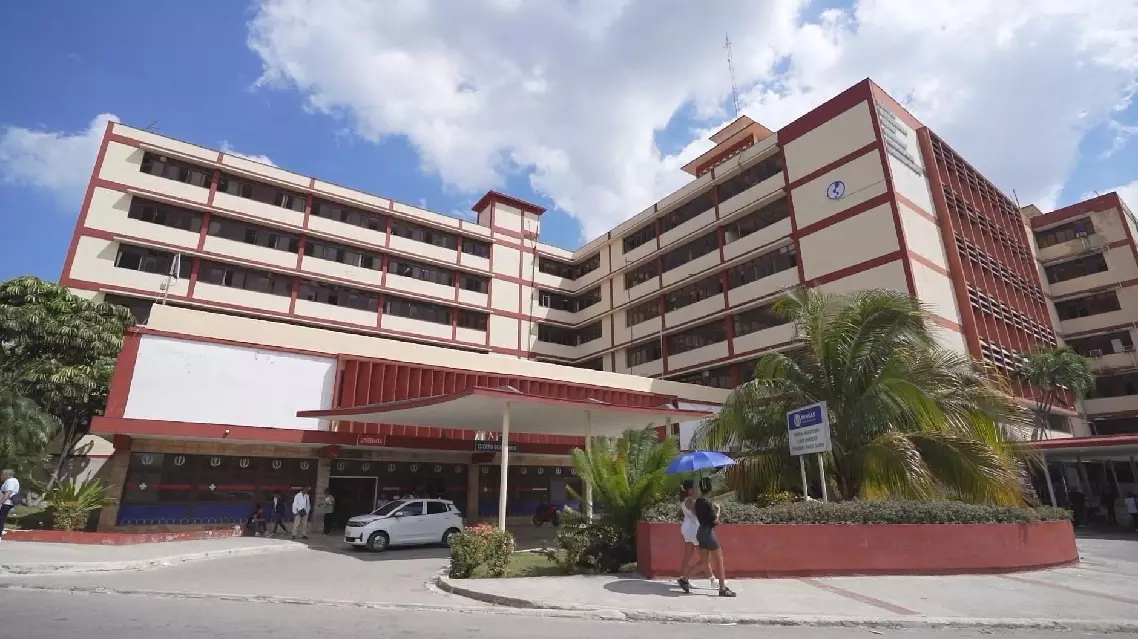
US oil blockade hampers Cuba's healthcare system as staff, patients suffer