The U.S. Federal Reserve opened a two-day policy meeting Tuesday, with its rate-cut plans clouded by surging fuel prices and slowing growth.
Just weeks ago, the central bank was planning to cut interest rates to ease borrowing, based on expectations of lower inflation.
However, those plans were derailed after the Iran war drove fuel prices sharply higher.
The blockade of the Strait of Hormuz, through which a fifth of the world's oil flows, has disrupted global supplies and pushed gasoline prices back to levels not seen since 2022, when global energy markets were destabilized by Russia's invasion of Ukraine.
The Federal Reserve faces a dilemma as its preferred inflation gauge showed prices rising nearly 3 percent on an annual basis before the conflict, above the Fed's 2 percent target. That measure typically excludes food and energy costs because of their volatility, yet the surge in fuel prices has forced policymakers to confront an inflation driver they usually set aside.
Households are already feeling the strain on budgets.
"I'm very concerned because I got a family to take care of. You know what I mean? I got kids, I got bills and responsibilities," said a U.S. resident.
The Fed had been broadly on track to keep lowering its benchmark rate to ease borrowing costs for businesses and households after years of high financing burdens. But it may now have to delay cuts longer than anticipated, or even raise rates again, as surging fuel costs ripple through manufacturing and farming, a double blow compounded by the blockade's freeze on fertilizer shipments.
These costs have begun filtering down to consumers, who are feeling the pinch in everyday expenses.
"They got things sky high, groceries, everywhere you go," said a U.S. resident.
The Fed's dilemma is deepened by slowing growth, downward revisions to output, and unemployment edging higher.
Since the United States and Israel launched large-scale military operations against Iran on Feb. 28, shipping through the Strait of Hormuz has been disrupted, sending international oil prices sharply higher.
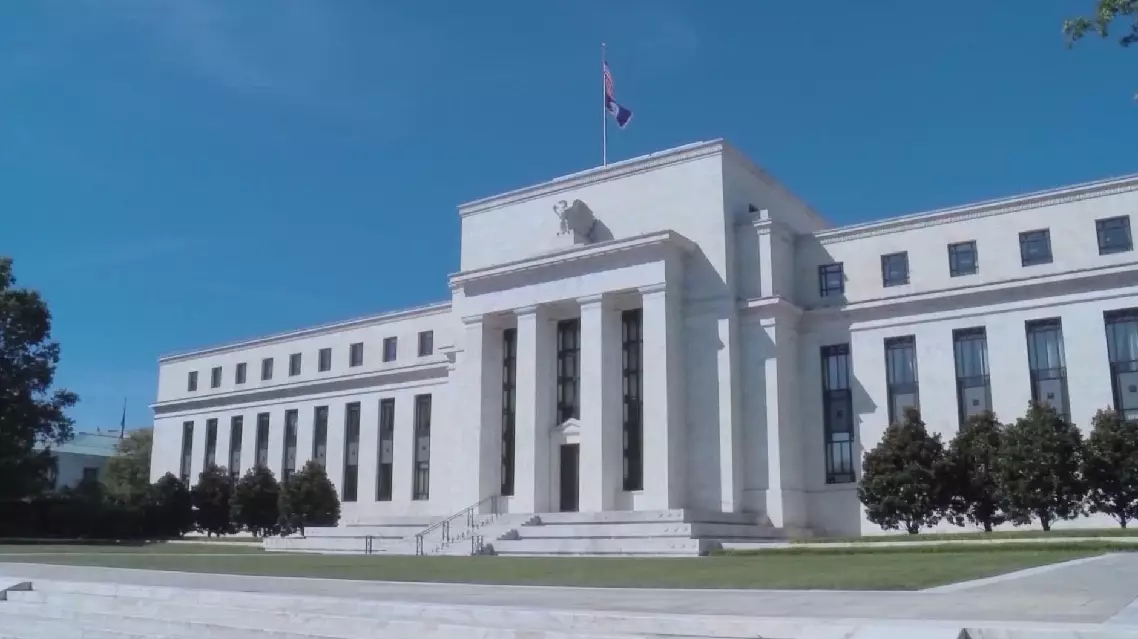
US Federal Reserve begins policy talks with rate-cut outlook in doubt
Soaring oil prices triggered by the Middle East conflict are rippling through Thailand's economy, hitting energy-dependent sectors from fishing to farming, officials and industry leaders warn.
Prices have surged since U.S. and Israeli forces launched large‑scale military operations against Iran on Feb 28, disrupting shipping through the Strait of Hormuz, a chokepoint for one‑fifth of the world's oil.
For Thailand's fishing fleets that rely mostly on diesel, the spike means fewer trips, smaller catches, or no trip at all.
Pradit Lekdee, a fisherman in Samut Sakhon, said costs are now so high that going to sea risks losses.
"I'm really struggling. If it keeps on going like this, even only for another month or two, 100 percent of all the fishing boats will stop because of high oil prices and limited supply. Right now, 70 to 80 percent have stopped," he said.
Business leaders warn the energy shock is threatening every corner of Thailand's economy, from factories to tourism, with fears that prolonged conflict could push oil prices past 120 U.S. dollars a barrel and destabilize global markets.
"Our economy is based on the energy supply chain. So, it's going to everything, manufacturing, export, tourism, logistics. So, what we worry is that if the war is too long, and the supply of the gasoline does not flow and goes too high, above 120 dollars [per barrel], that's going to damage the whole economy, the world also," said Poj Aramwattananont, chairman of the Thai Chamber of Commerce and the Board of Trade of Thailand.
Beyond energy and fishing, Thailand's farms are also feeling the strain. The Gulf region produces a significant share of the world's fertilizer and supplies key raw materials.
Roughly one-third of global seaborne fertilizer trade passes through the Strait of Hormuz, meaning the disruption has pushed prices in Thailand up by as much as 20 percent.
The surge is driving up costs for farmers and adding pressure on food prices. With stocks dwindling ahead of planting season, officials warn the squeeze is raising fears over food security.
Tourism, another pillar of the economy, is also showing signs of strain. In the first week of March, after the initial military strikes, international arrivals fell 8.9 percent week on week. Visitors from Europe and the Middle East, who often transit through hubs like Dubai, dropped by 18 percent.
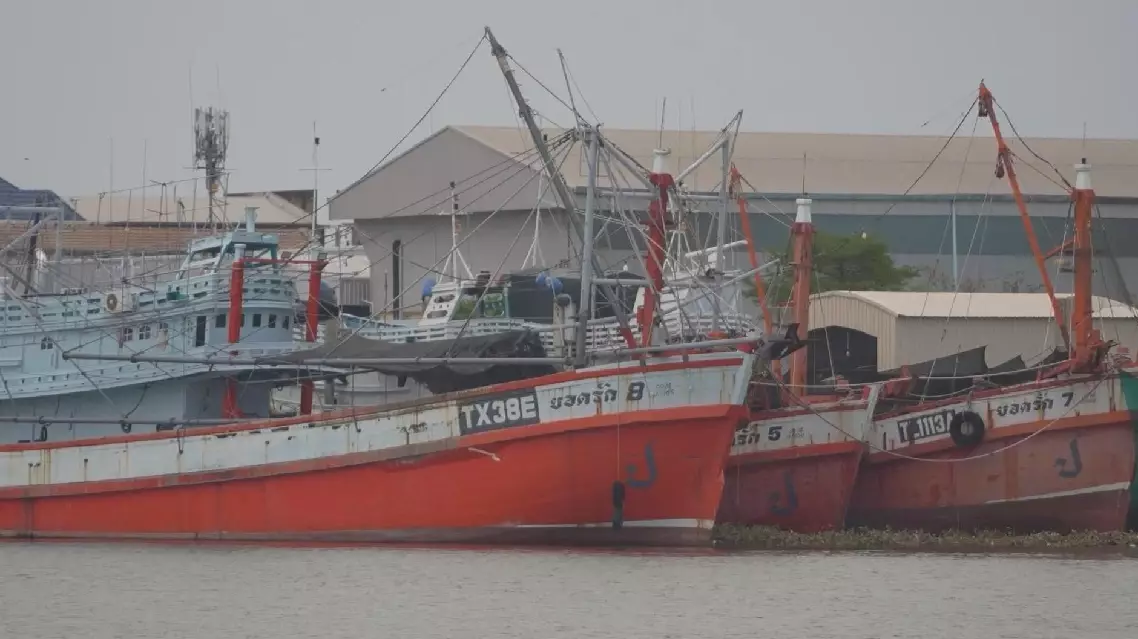
Thailand’s livelihoods, food security strained as oil prices surge from Middle East conflict