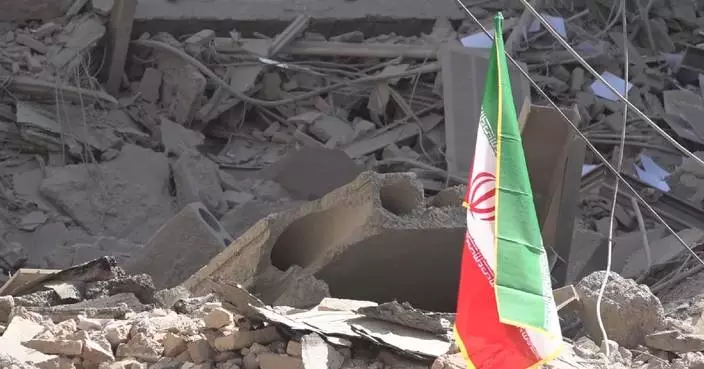
Iran's cultural heritage chief and a senior adviser have called on international organizations to take more actions to protect the country's heritage sites after dozens of historical landmarks were reportedly damaged during ongoing U.S.-Israeli strikes.
Iran's Ministry of Cultural Heritage, Tourism and Handicrafts said on Saturday that at least 56 museums, historical monuments and cultural sites in the country have been damaged by a wave of U.S.-Israeli air strikes that began on Feb. 28.
Among those damaged are the 17th-century Chehel Sotoun Palace and other historic sites at Isfahan's Naqsh-e-Jahan Square, a UNESCO-listed complex, as well as the Golestan Palace, a UNESCO World Heritage Site located in the capital Tehran.
In an exclusive interview with China Global Television Network (CGTN), Iran's Minister of Cultural Heritage, Tourism and Handicrafts, Seyed Reza Salehi-Amiri, condemned the damage to these heritage sites as "unacceptable", adding that Iran had reported the losses to UNESCO and other international organizations through official channels.
"Through eight official correspondences, we have reported these matters to UNESCO and international institutions. From this platform, we ask global public opinion, awakened consciences, and international organizations—the United Nations, The Hague, and cultural institutions such as UNESCO and ISESCO—to put pressure on this to refrain from attacking historical monuments. Because an attack on our heritage sites is, in fact, an attack on the culture, civilization, and art of this nation—and this is unacceptable," the minister said.
Meanwhile, Hojatollah Ayoubi, a senior adviser and head of the ministry's International Affairs Center, said that the sites were damaged by countries which are themselves "hostile to history," and accused the U.S. and Israel of targeting culturally significant sites.
"These sites have been attacked by countries that are fundamentally hostile to history. The United States itself does not have a friendly relationship with history, because it is essentially without identity and without history; and the entirety of historical record stands against Israel—history itself condemns them. History cannot be rebuilt or recreated, nor can it be purchased. History must be possessed; it is the greatest asset of a nation," he said.
Ayoubi said the attacks on heritage sites amount to attacks on human civilization and should be taken seriously, adding that the incidents represents a severe test of international organizations' ability to protect cultural heritage.
"On one hand, UNESCO works with different countries through a very complex protocol to designate sites as World Heritage. We have 29 World Heritage sites. 'World Heritage' means these belong to humanity. If a World Heritage site is attacked, it means that the world and humanity themselves have been attacked. I believe this incident is a test for international organizations—organizations that have been working for more than 70 years to create peace and to preserve cultural heritage. This is a test for them," he said.
Israel and the United States launched joint attacks on Tehran and other Iranian cities starting Feb. 28, killing Iran's then Supreme Leader Ali Khamenei, as well as other senior military commanders, and civilians. Iran has responded with waves of missile and drone strikes targeting Israel and U.S. bases and assets across the Middle East.
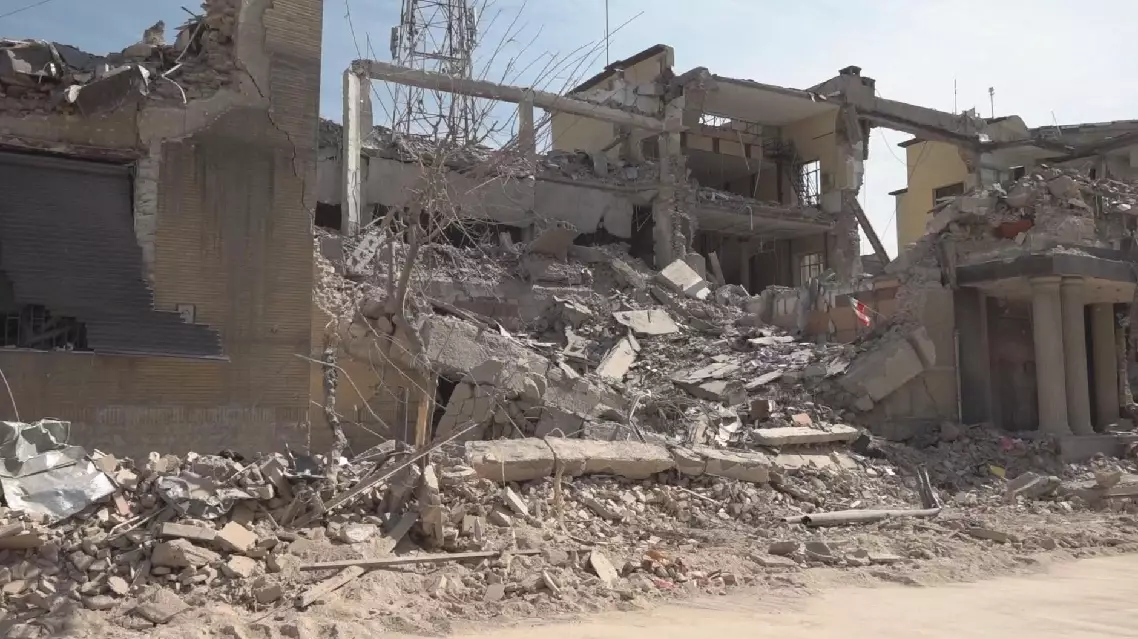
Iranian officials call for global action as US-Israeli strikes damage historic heritage sites
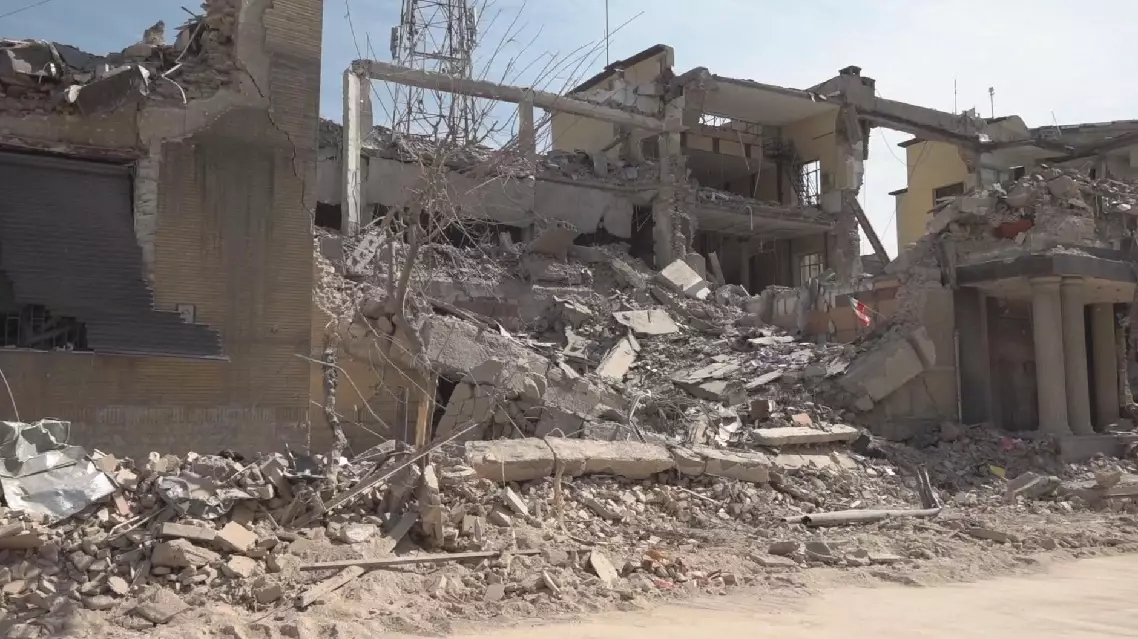
Iranian officials call for global action as US-Israeli strikes damage historic heritage sites