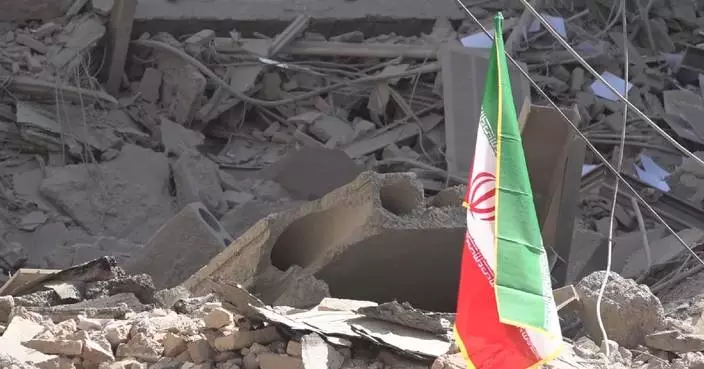
The war in Iran has roiled global energy markets, sending oil prices higher and squeezing Pakistan’s fragile economy, while forcing residents and traders into cutbacks.
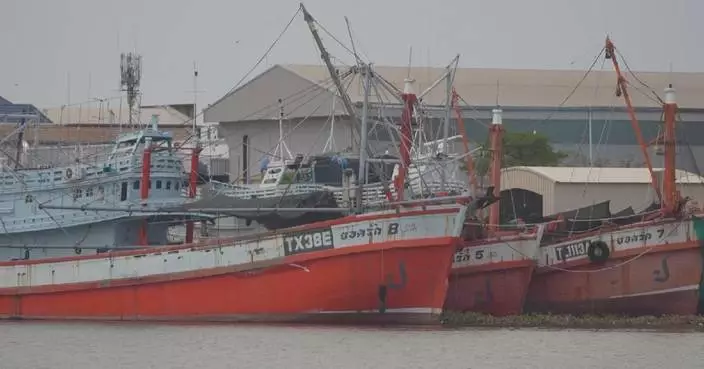
Fuel prices have surged since U.S. and Israeli forces launched large-scale military operations against Iran on Feb 28, disrupting shipping through the Strait of Hormuz, a chokepoint for one-fifth of the world's oil.
In turn, mounting pressure on fuel imports and dwindling foreign reserves has forced Pakistan's government to impose austerity measures. Schools are shut for two weeks, offices urged to work from home, and ministries ordered to slash energy use and spending, steps officials say are vital to stabilize the economy.
For ordinary Pakistanis, soaring fuel costs are already reshaping how they live and work.
"Everybody is affected by it, we have had to move to a smaller car and use it as minimum as possible," said Husnain Zaidi, a businessman.
Economists warn that prolonged inflation is forcing households to change spending habits, with families cutting back on travel, entertainment and other expenses as budgets come under strain.
"We have to bear this burden, because our salaries remain the same during inflation. Prices keep rising, but our incomes do not. The middle class is the worst hit in these times, as we are forced to control and cut our expenditures,” said Arsalan Latif, a doctor. For those who rely on daily wages, even small increases in fuel and transport costs can quickly eat into their earnings. Many say the rising cost of living is leaving them with little room to cope.
"What can I say? We are poor people, earning daily wages. Whatever I earn in the day is gone by evening. It’s getting very hard to manage now,” said Aftar Abbasi, a food stall owner.
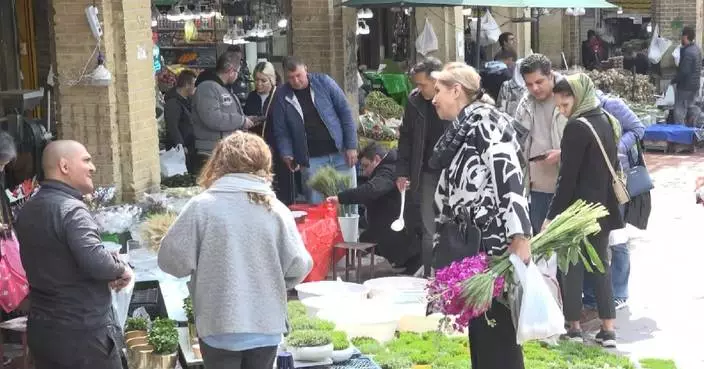
In Islamabad’s Ramadan markets, shopkeepers say rising transport and fuel costs are affecting business as well.
Among them is bangle seller Sher Muhammad, who invested heavily in stock ahead of the Eid festival, hoping for strong holiday sales.
"In times of war, the whole country suffers. How can my business do well in such a situation? I bought bangles worth 600,000 rupees for Eid, but barely 20 percent have been sold so far,” Sher Muhammad said.
With fuel prices pushing up transport and supply costs, many small vendors say fewer customers are spending on non-essential items.
For sellers like Sher Muhammad, sluggish sales are fueling anxiety over recovering investments.
"I’m very upset because I can’t even earn enough to pay the rent for this kiosk. Now I just hope to break even and recover my investment. Petrol is expensive, everything is expensive. What will people buy?" he said.
From fuel pumps to market stalls, the shock of rising global oil prices is rippling through Pakistan. Government cutbacks may ease consumption, but for ordinary people the deeper struggle is enduring the relentless rise in everyday costs.
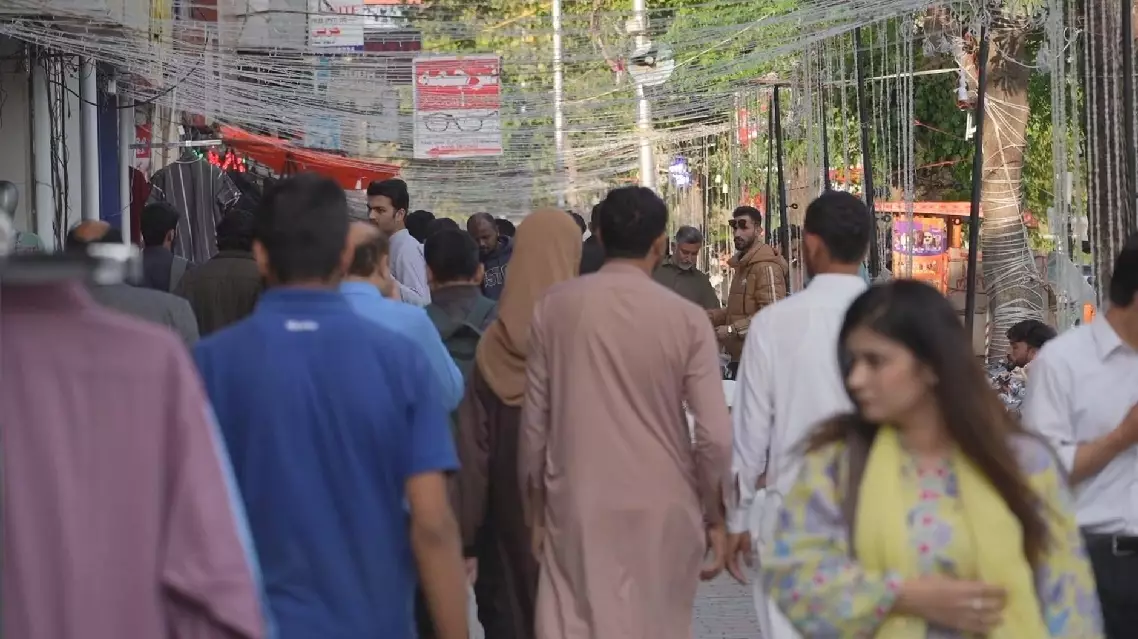
Soaring fuel prices, inflation deepen Pakistan’s economic woes
Soaring fuel prices, inflation deepen Pakistan’s economic woes