Residents in Bangladesh have been forced to follow a series of energy-saving measures and an emergency fuel rationing order which was implemented by the government to mitigate the impact of oil price hikes and supply shortages brought by the worsening situation in the Middle East.
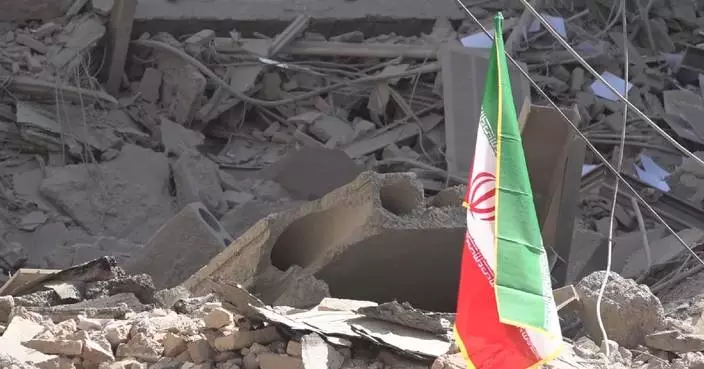
The moves came amid an escalating regional conflict following U.S.-Israeli strikes on Iran and retaliatory strikes from the Iranian side, while concerns remain over the safety and security of shipping through the Strait of Hormuz, a vital passage for oil and gas transportation.
During normal times, roughly 20 million barrels of oil pass through the strait each day, about a fifth of global consumption. However, that has largely ground to halt since the start of this month as the conflict deepened.
Bangladesh imports approximately 95 percent of its fuel, primarily from the Middle East, leading to serious fears as the regional crisis shows no signs of abating.
In response, the Bangladeshi government made the decision to introduce an emergency fuel rationing system in an effort to stop panic buying and stockpiling.
The measure -- which lasted for nine days up to Sunday -- stipulated that each motorcycle was limited to 2 liters of fuel per day, with private cars restricted to a maximum of 10 liters.
Despite this, many gas stations across the country were still hit with long queues early each day as motorists sought to purchase fuel, with many stations selling out by the afternoon.
In the capital Dhaka and the southeastern hub city of Chattogram, vehicles were seen lining up for several kilometers, with people often having to wait up to six hours to fill up their tanks.
Many said the disruption meant they were unable to travel for the Eid al-Fitr holiday marking the end of Ramadan.
"The news said that fuel supplies are sufficient, but when we went to buy some, the supplies are extremely limited. We waited for a long time and only managed to get 300-taka (about 2.45 U.S. dollars) worth of fuel (about 2 liters). Because of the fuel crisis, I couldn't even go back to my hometown for the holiday," said a taxi driver in Dhaka.
The fuel shortages have also affected Bangladesh's power supply. The government was forced to shut down four fertilizer plants as it sought to ensure electricity generation could continue elsewhere, though major cities still faced up to six hours of daily load-shedding.
In addition, the government also made further moves to cope with the current shortages, such as urging people to avoid using decorative lighting during Ramadan and keeping office air conditioning temperatures no lower than 25 degrees Celsius.
Universities across the country were also instructed to begin their Eid holidays earlier as part of the energy saving efforts. Students have already faced disruption after a deadly earthquake struck near Dhaka in November and are worried their learning will continue to be hampered.
"Due to energy-saving measures, our university has been closed, which has affected our studies. Not long ago, the campus was shut down for a month due to the earthquake. Although online courses are available, the actual learning outcomes are not good," said one student.
Bangladesh has already been struggling with an economic crisis as the latest data showed the country's inflation rate rose above 9 percent in February, the highest level since April of the previous year. Analysts warn that if oil prices continue to rise, the inflation rate could climb to over 12 percent.
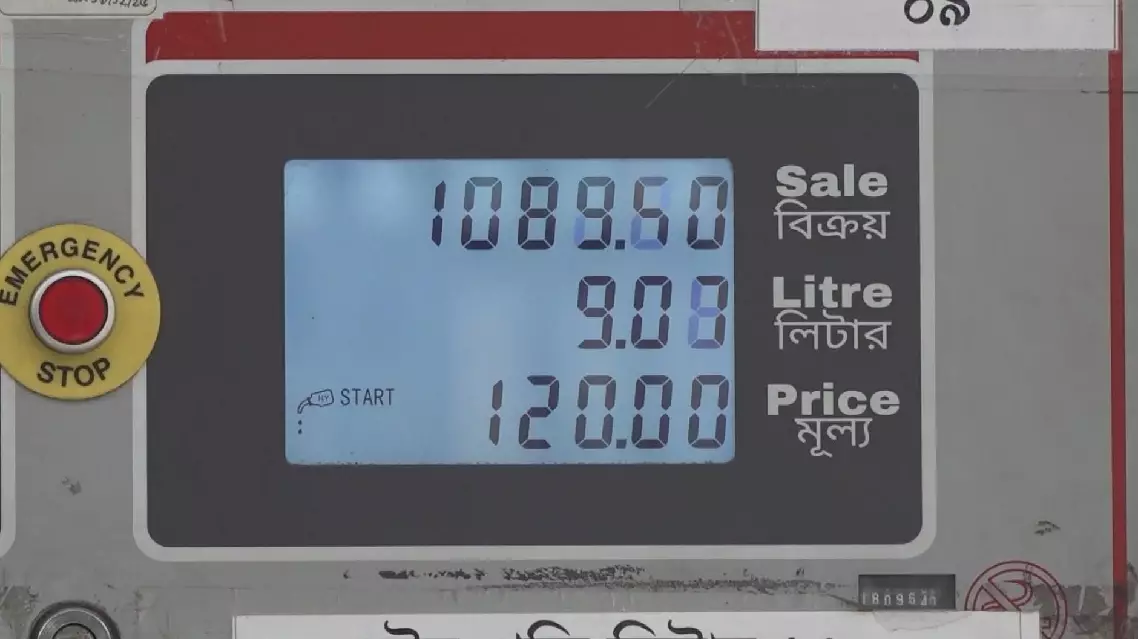
Energy-saving measures enacted in Bangladesh amid escalating Middle East situation