Spain, the Republic of Korea (ROK) and Russia have unveiled response measures as the prolonged conflict in the Middle East began to take a toll on global oil supply, with risks to production and transport routes becoming increasingly visible.
The conflict, which began with attacks by the United States and Israel against Iran, has spread beyond direct clashes to involve multiple Gulf states. This escalation is heightening regional instability and raising tensions over the Strait of Hormuz, a vital shipping passage for oil and gas transportation.
The Strait of Hormuz, a narrow chokepoint between the Persian Gulf and the Gulf of Oman, is the sole maritime outlet to the open ocean for the oil-producing Gulf States, and has become a focal point after Iran threatened to target ships passing through in retaliation for joint U.S.-Israeli strikes.
The Spanish government announced on Tuesday that it will release 11.5 million barrels of oil from its strategic reserves to reduce market volatility.
The amount of oil released is equivalent to more than 12 days of national consumption.
The ROK on Wednesday raised its oil crisis alert from "attention" to "caution" level, and is preparing to release strategic petroleum reserves amid growing concerns over supply disruptions, Yonhap News Agency reported.
ROK's resource security alert system consists of four levels: "attention", "caution", "alert", and "serious". The government said the current situation has moved beyond the "attention" phase, where risks are anticipated, to the "caution" phase, where actual supply instability has begun to emerge.
According to the Ministry of Trade, Industry and Resources, damage to production and transport facilities in major Middle Eastern oil-producing countries has already led to partial disruptions in output and export restrictions. In addition, instability in oil shipping routes has intensified due to the Strait of Hormuz blockade.
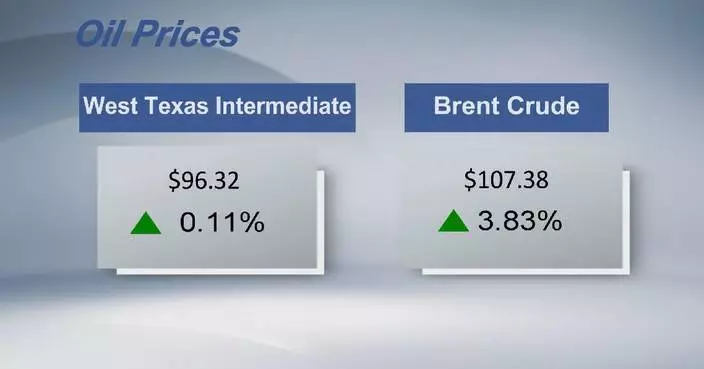
The government also cited increased volatility in the global oil market, with Brent Crude prices rising by around 40 percent since the outbreak of the conflict, as a factor behind the decision.
On the same day, Kremlin spokesman Dmitry Peskov said Russia is thoroughly studying the issue regarding President Vladimir Putin's earlier remarks about possibly suspending natural gas supplies to the European Union market ahead of schedule.
He noted that the war waged by the United States and Israel against Iran has caused severe turbulence in energy markets, making market dynamics highly unpredictable. Therefore, Russia is conducting an in-depth analysis based on full consideration of all specific circumstances.
On January 26, the Council of the European Union (EU) approved a ban on imports of Russian pipeline gas and liquefied natural gas (LNG) into the EU, with a full ban entering into force from January 2027 for LNG and from the autumn of 2027 for pipeline gas.
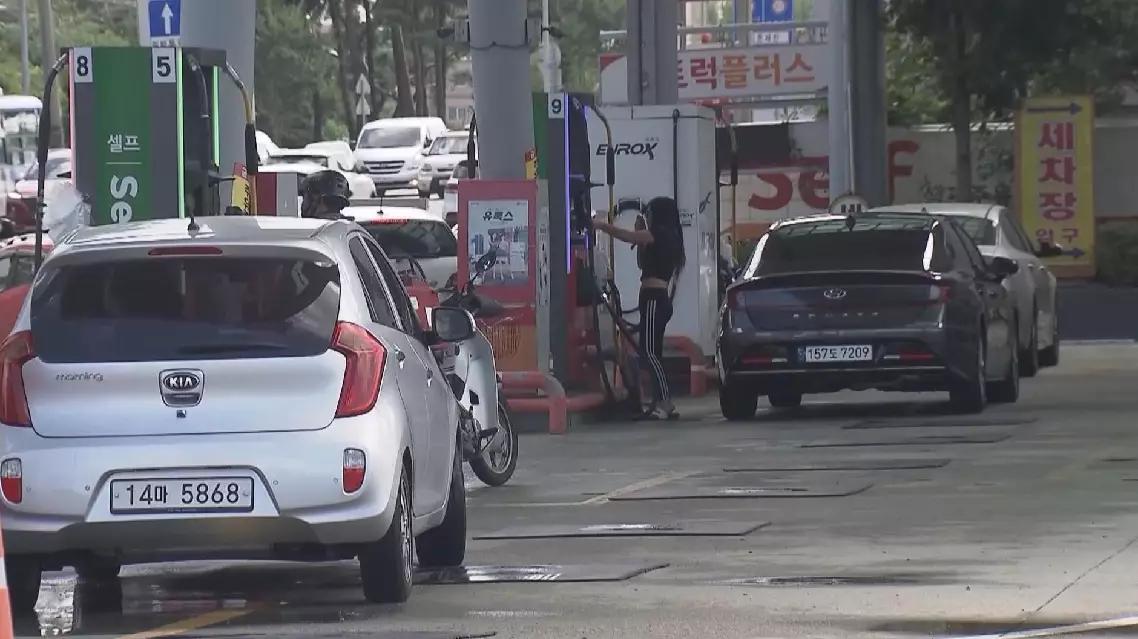
Spain, ROK, Russia unveil measures as Iran conflict disrupts energy markets