The Grammy-nominated rapper Afroman won a defamation lawsuit filed by seven Ohio sheriff’s deputies who sued him over music videos in which he used home security footage to mock their raid of his home.
“We did it, America! Yeah, we did it! Freedom of speech! Right on! Right on!” the 51-year-old rapper, born Joseph Foreman, shouted outside the courthouse after the Wednesday evening verdict. He later posted the clip to social media.
The case tested the limits of parody and the license artists can take in social commentary directed at public figures. The deputies, collectively, sought nearly $4 million in damages.
“No reasonable person would expect a police officer not to be criticized. They've been called names before,” defense lawyer David Osborne said in closing arguments for the rapper and comedian, known for his breakout 2000 hit, “Because I Got High."
The Adams County deputies said they were publicly harassed over the viral videos, which were viewed more than 3 million times on YouTube. The videos show rifle-wielding deputies busting down Afroman's door, searching his shoes and suit pockets, and hungrily eyeing a cake on the kitchen table, inspiring one song’s title, “Lemon Pound Cake.”
In other music videos, Afroman took aim at the deputies' personal lives and called them “crooked cops" because of $400 that went missing in the raid.
“Police officers shouldn’t be stealing civilians’ money,” the rapper testified this week. “This whole thing is an outrage.”
In court — wearing a red, white and blue American flag suit — he defended his work on First Amendment grounds and said he issued the diss tracks to cover damages from the raid, including a broken gate and front door.
No charges were filed over the 2022 raid, which the warrant said was part of a drug and kidnapping investigation. In his testimony, he said he had the right to tell his friends and fans what police had done. He said the raid traumatized his children, then 10 and 12.
“The whole raid was a mistake. All of this is their fault. If they hadn’t have wrongly raided my house, there would be no lawsuit. I would not know their names,” Foreman said. “They wouldn’t be on my home surveillance system, and there would be no songs, nothing."
The lyrics of “Will You Help Me Repair My Door?” address the police directly: “Did you find what you were looking for/ Would you like a slice of lemon pound cake/ You can take as much as you want to take/ There must be a big mistake."
The video slows down, showing an officer holding a gun next to a cake stand in Afroman's kitchen.
Then he raps: “The warrant said, ‘Narcotics and kidnapping’/ Are you kidding? I make my money rapping," and “You crooked cops need to stop it/ There are no kidnapping victims in my suit pockets,” as a video shows the officers searching his closet.
The deputies, in their testimony, said the songs ridiculed them. Deputy Lisa Phillips said the rapper created a “derogatory" music video that questioned her gender and sexuality.
Sgt. Randy Walters said his child had been hazed at school over Afroman’s posts and came home crying.
“Where in the world is it OK to make something up for fun that’s damaging to others when you know for sure it’s an absolute lie?” he asked.
Afroman's lawyer, in closing arguments, said it was not unusual for artists engaged in social commentary to exaggerate. Robert Klingler, representing the deputies, said Afroman lied about “these seven brave deputy sheriffs” for the past three years.
“Even if somebody does something to you that hurts you, that you think is wrong — like a search warrant execution that you think is unfair ... that doesn't justify telling intentional lies designed to hurt people,” he argued.
Afroman lives in Winchester, about 50 miles (80 km) outside of Cincinnati.
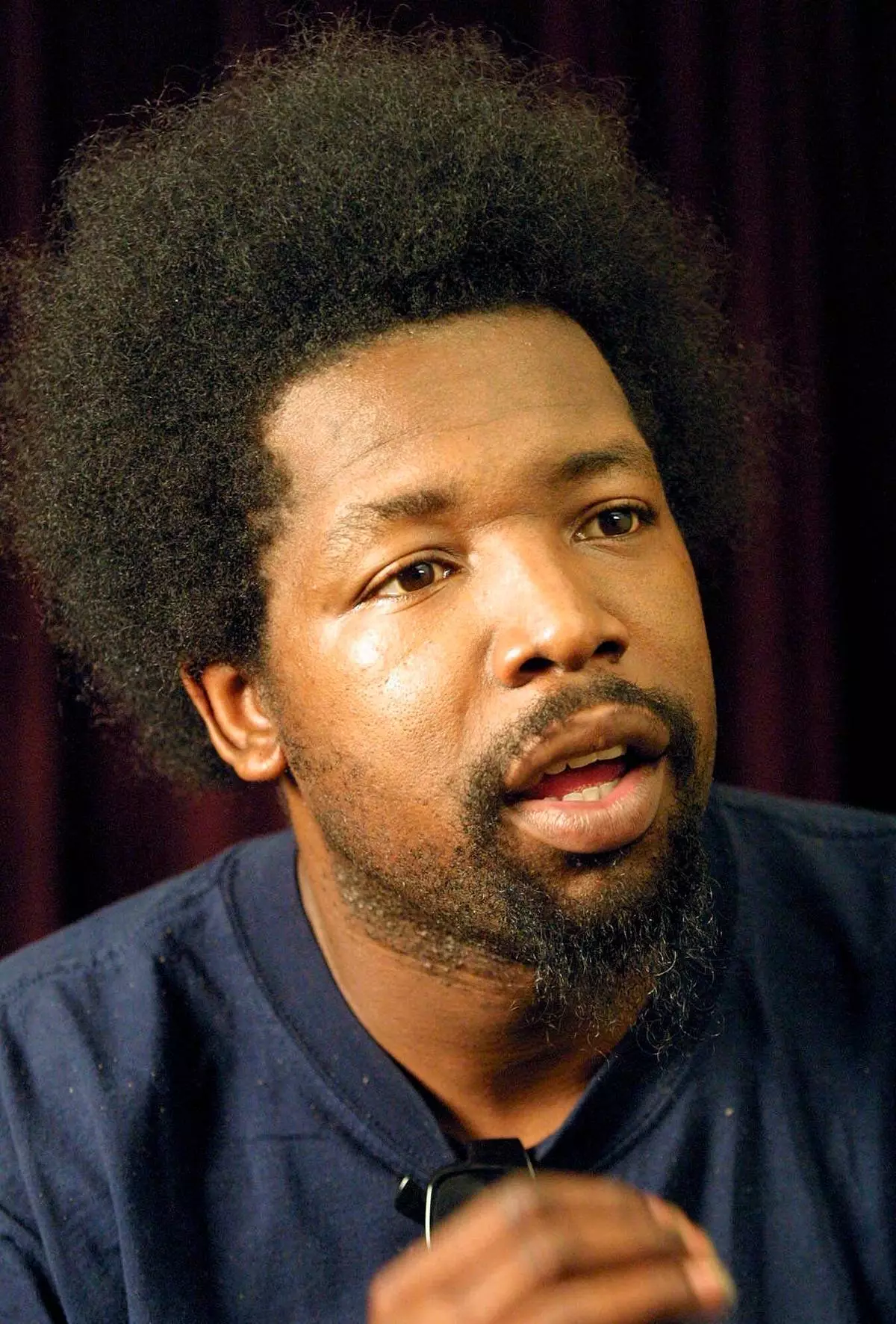
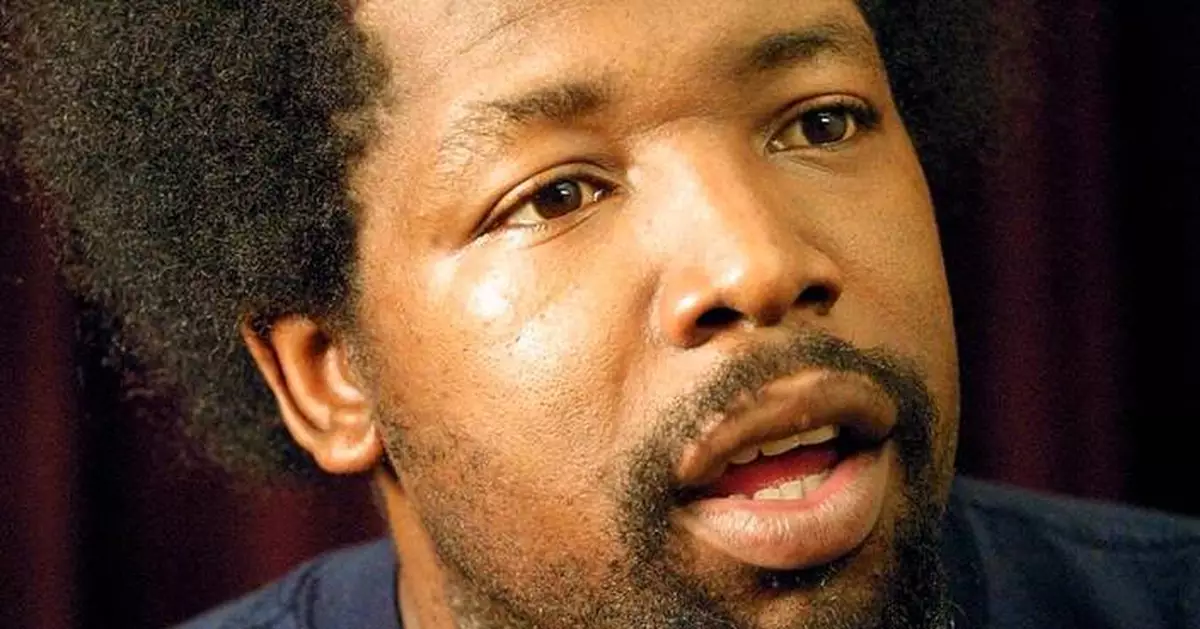
FILE - Afroman, whose real name is Joseph Foreman, poses for a portrait in New York, Aug. 22, 2001. (AP Photo/Shawn Baldwin, File)
Dolores Huerta and the late César Chavez are both labor rights icons credited with leading a movement that pushed growers to negotiate for better wages and working conditions for farmworkers.
Their legacies are getting new attention after allegations emerged that Chavez, who died in 1993, sexually abused Huerta and other women and girls. Several celebrations honoring Chavez planned around the country for later this month have been canceled.
Chavez and Huerta co-founded the National Farm Workers Association in 1962, which became the United Farm Workers of America a few years later when it merged with the Agricultural Workers Organizing Committee.
The rise of the movement is one of the most important events in U.S. history and is the most important event in U.S. Latino history, said Paul Ortiz, a Cornell University labor history professor. United Farm Workers made the most important sustained changes in the working conditions of agricultural workers in the nation's history, he said.
Agricultural workers "from Hawaii to Florida to New York to Southern California had tried to organize to improve their wages and working conditions, literally for centuries, going back to slavery times,” Ortiz said. “And almost every effort failed, some catastrophically.”
Chavez and Huerta are credited with efforts that prompted California to pass the first state law recognizing farmworkers’ right to collective bargaining.
Both have streets and schools named after them. Several states have designated March 31, Chavez's birthday, as a day to commemorate him, and former President Barack Obama declared it a federal commemorative holiday in 2014.
Here's a look at their lives and legacies:
Chavez is known for his early organizing in the fields, a hunger strike, a grape boycott and eventual victory in getting growers to negotiate with farmworkers for better wages and working conditions.
Born in Yuma, Arizona, Chavez grew up in a Mexican American family that traveled around California picking lettuce, grapes, cotton and other seasonal crops.
Chavez protested poor pay and often-miserable working conditions. There were no toilets in the fields for workers and they had to weed fields with short-handled hoes that forced them to bend over for hours at a time.
The farmworker movement lifted worker wages, banned short-handed hoes and established state-mandated clean drinking water and restrooms in the fields, according to a National Park Service document supporting the creation of a national monument in Chavez's honor.
In 1966, he led a march that started with a few activists in Delano, California, and ended in Sacramento with 10,000 people, according to Obama's 2014 proclamation. Some 17 million people joined a boycott of grapes, which forced growers to accept some of the first farmworker contracts in history, the proclamation said.
Chavez began the first credit union for farmworkers, health clinics, daycare centers and job-training programs, the Cesar Chavez Foundation said on its website.
“He was, for his own people, a Moses figure,” then-President Bill Clinton said in 1994 when posthumously awarding Chavez the Presidential Medal of Freedom.
Chavez died the year before in California at age 66.
The labor and civil rights leader secured higher wages, health benefits, pensions and pesticide protections for farmworkers during her decades of organizing and advocacy on their behalf.
Now 95, Huerta helped organize the 1965 Delano strike of 5,000 grape workers and was the lead negotiator in the workers contract that followed, according to the National Women’s History Museum.
A single mother, Huerta gave up a stable teaching career to organize. She was jailed over 20 times for protests and seriously injured in 1988 while demonstrating. She later championed women’s rights, encouraged Latinas to run for office and founded the Dolores Huerta Foundation to combat discrimination, poverty and inequality.
She coined the iconic slogan “Sí, se puede” — meaning “Yes, we can” -- in 1972 while rallying Arizona farmworkers against a law banning boycotts and strikes. She defied claims it was impossible to organize there.
Huerta received the Presidential Medal of Freedom in 2012 and in 1993 became the first Latina inducted into the National Women’s Hall of Fame.
Associated Press writers Susan Montoya Bryan and Fernanda Figueroa contributed to this report.
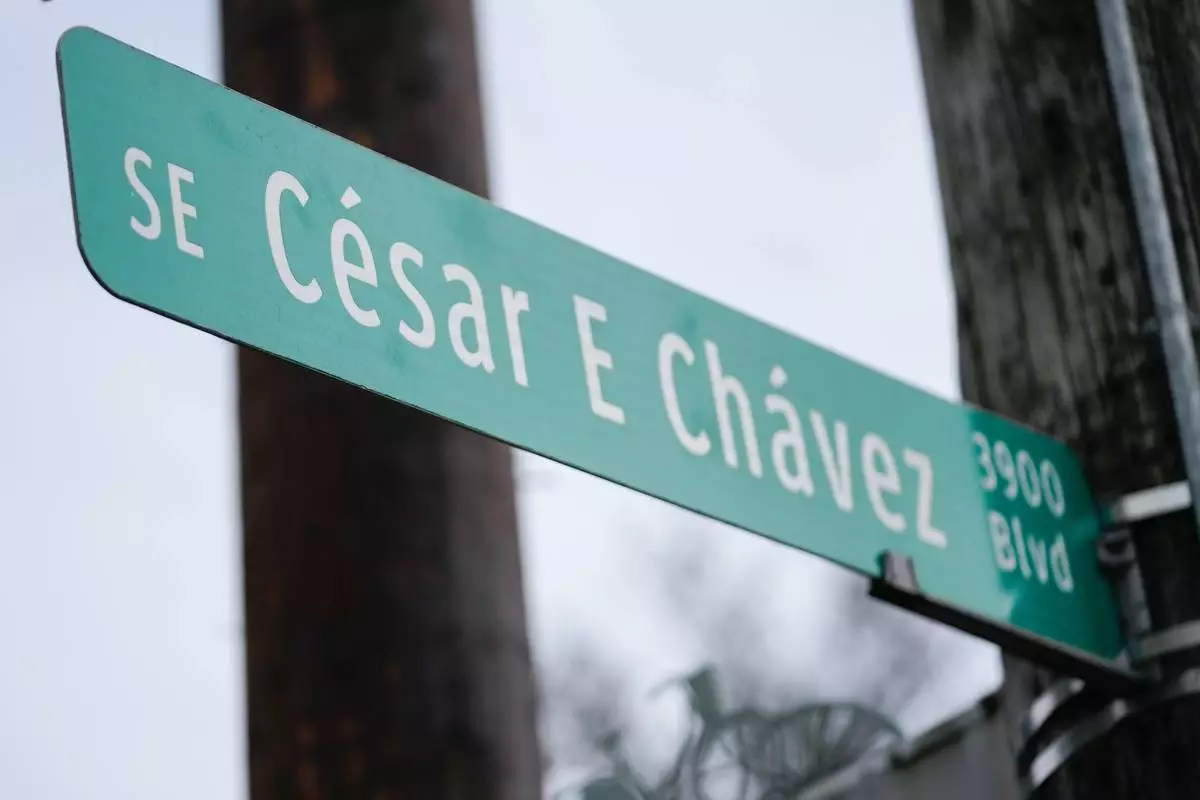
A sign for SE César E Chávez Boulevard is seen on Wednesday, March 18, 2026, in Portland, Ore. (AP Photo/Jenny Kane)
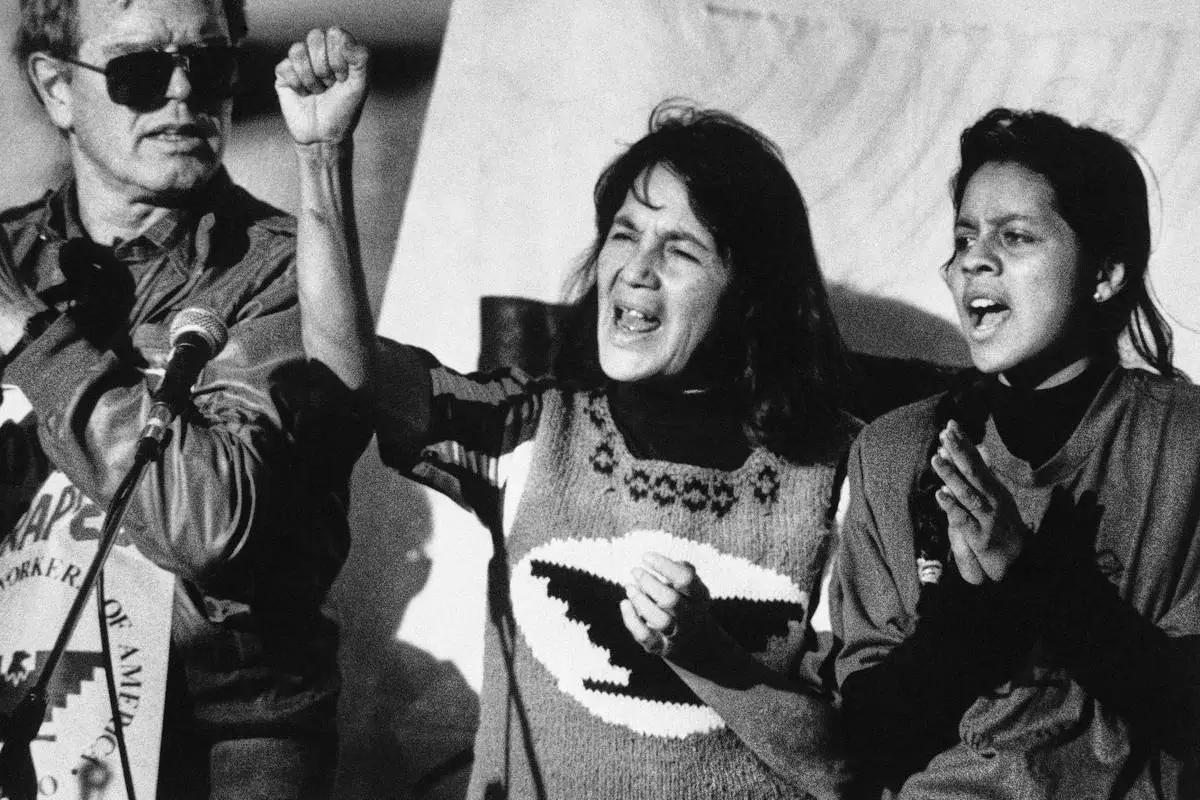
FILE - United Farm Workers leader Dolores Huerta, center, leads a rally in San Francisco's Mission District on Nov. 19, 1988, along with Howard Wallace, president of the San Francisco chapter of the UFW, left, and Maria Elena Chavez, 16, the daughter of Cesar Chavez, right, as part of a national boycott of what the UFW claims is the dangerous use of pesticides on table grapes. (AP Photo/Court Mast, File)
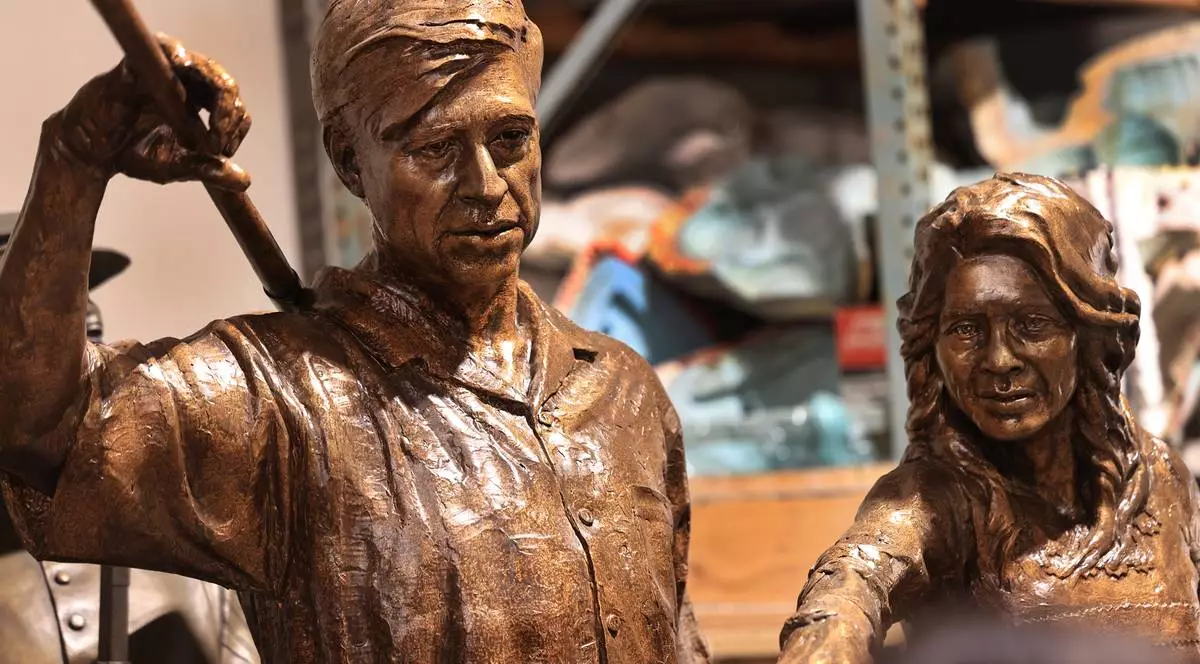
Refurbished statues of Cesar Chavez and Dolores Huerta is seen at the studio of Napa artist and sculptor Mario Chiodo, Wednesday, Dec. 17, 2025. (Kent Porter/The Press Democrat)