DAKAR, Senegal (AP) — Sitting at an upscale hotel in Senegal 's capital, the young man seemed nervous, rarely making eye contact and keeping his back against a wall, facing the entrance. He said he had been in hiding for being gay after being disowned by his family, and after police took in a friend for questioning.
Born in the city of Touba, central to Senegal's Sufi Muslim faith, he said he has been living with another friend who doesn't know his secret. It's an increasingly common story in the country where homosexuality is illegal, and the government is a step away from putting in place longer prison terms for it.
Click to Gallery
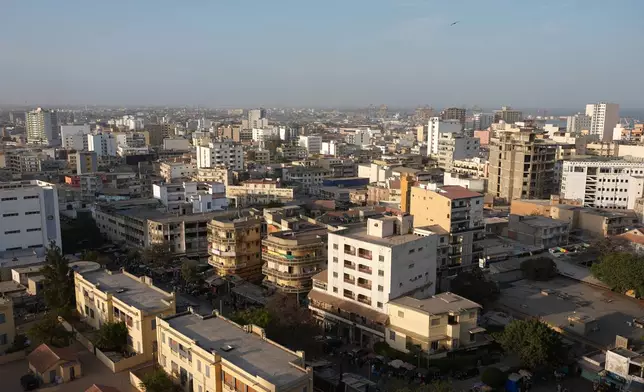
A general view of downtown in Dakar, Senegal, Wednesday, March 18, 2026. (AP Photo/Misper Apawu)
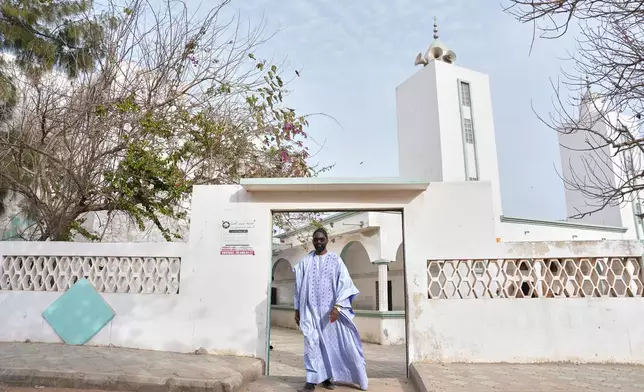
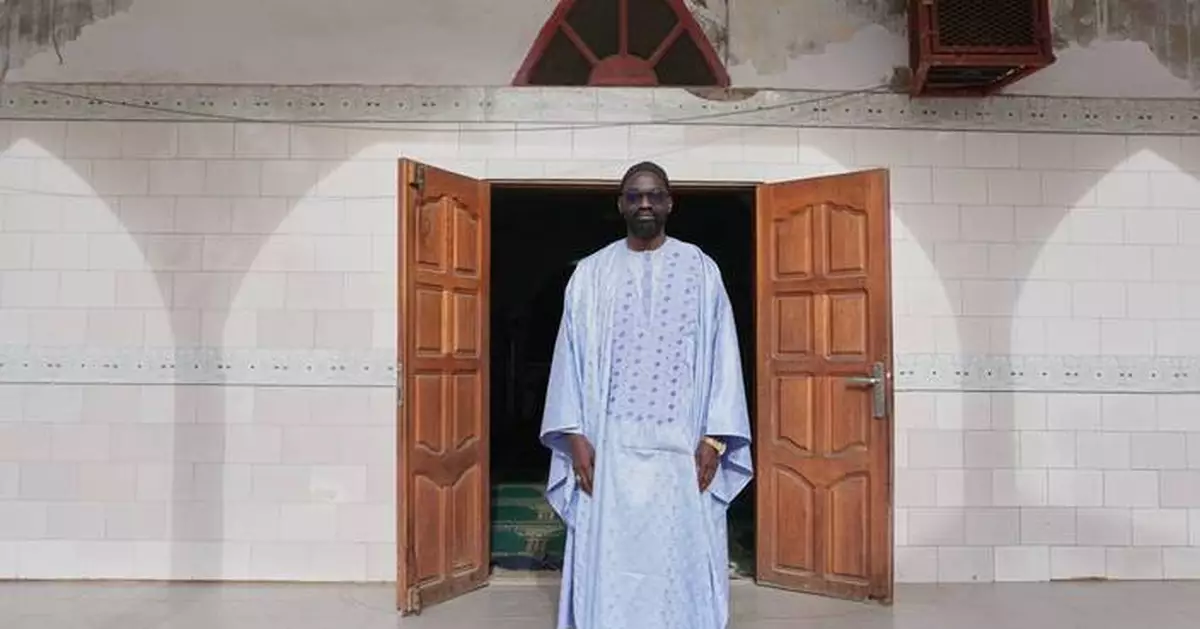
Ababacar Mboup, an activist against homosexuality and founder of And Samm Jikko Yi or "Together for the Preservation of Values," walks out of a mosque in Guediawaye, Senegal, Sunday, March 8, 2026. (AP Photo/Misper Apawu)
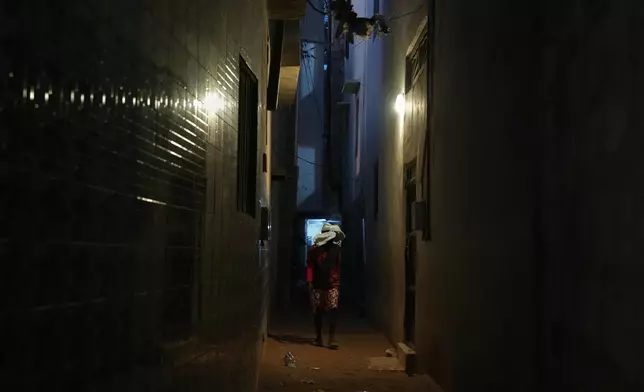
A young man disguises himself and walks through a neighbourhood in Dakar, Senegal, Thursday, March 12, 2026. (AP Photo/Misper Apawu)
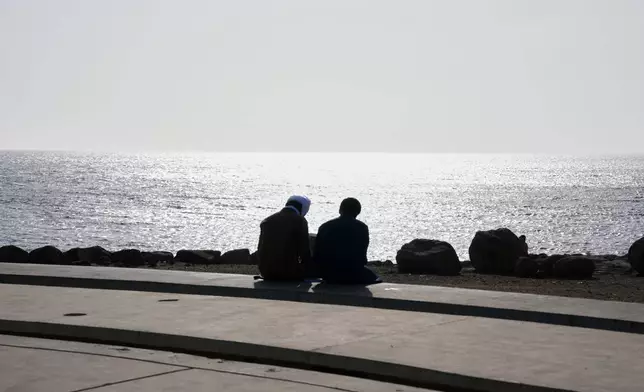
Young men sit at a beach in Dakar, Senegal, Wednesday, March 18, 2026. (AP Photo/Misper Apawu)
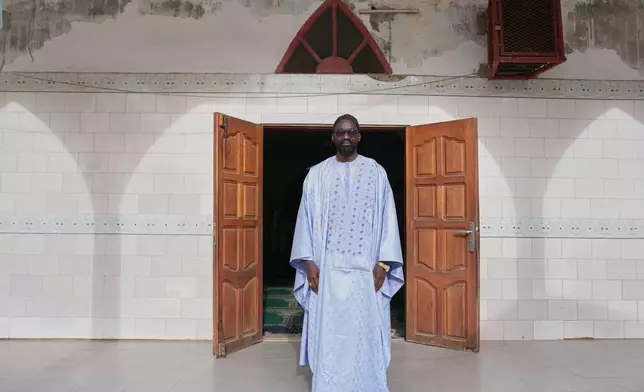
Ababacar Mboup, an activist against homosexuality and founder of And Samm Jikko Yi or "Together for the Preservation of Values," poses for a portrait in front of a mosque in Guediawaye, Senegal, Sunday, March 8, 2026. (AP Photo/Misper Apawu)
“There's a lot of fear,” the young man said.
The Associated Press could not independently verify his account or those of others who spoke on condition of anonymity for fear of retaliation.
Senegal is the latest country in Africa, where over half its states have laws against homosexuality, to pursue harsher penalties for it. Uganda in recent years introduced the death penalty for “aggravated homosexuality," to an international outcry.
Earlier this year, Prime Minister Ousmane Sonko proposed increasing the punishment for “unnatural acts,” a euphemism used in Senegalese law to refer to homosexuality, from a maximum of five years in prison and a fine to a maximum of 10 years.
The law was ratified on March 11 and needs presidential assent to become law, with President Bassirou Diomaye Faye expected to sign it.
Consensual same-sex conduct is criminalized under Article 319 of the Penal Code, which prohibits “acts against nature.” Senegal, a conservative majority-Muslim country, inherited the colonial French penal code and its provisions against homosexuality, but the law was previously sporadically enforced.
Senegal's justice ministry and office of the president did not respond to questions about the push for tougher prison terms. Several local analysts refused to speak about the issue, citing fears of retaliation.
Local media have reported dozens of arrests since early February, including that of prominent local journalist Pape Biram Bigué Ndiaye, who was later released. Dakar police said they have several cases under investigation.
After a dozen gay men were arrested in Dakar, Human Rights Watch described how anti-LGBTQ+ rhetoric has intensified, noting that the Senegalese parliament tried unsuccessfully in 2022 and 2024 to increase penalties for homosexuality.
The rights group said public opposition to homosexuality in rare occasions has been graphic: In October 2023, in the town of Kaolack, “a mob exhumed the body of a man they believed to be gay, dragged it through the streets, and burned it in the town square.” The incident went viral.
At a protest against what they called the “intentional transmission of HIV” in Dakar in February, people chanted anti-gay slogans. “Intentional transmission of HIV” is a common accusation in Senegal for any sexual act that involves an HIV-positive person.
The group And Samm Djiko Yi, or “Together for the Preservation of Values,” has organized the recent protests and led the campaign to increase prison time.
Its founder, Serigne Ababacar Mboup, framed his fight against “the homosexual agenda” as essential, alleging that an LGBTQ+ agenda has been forced onto Senegal as the United Nations and Western countries show increasing acceptance of gay rights.
“Homosexuality is contrary to our customs, our values, and our beliefs,” Mboup told the AP. “We are not trying to impose anything on you, so in turn, learn to respect people and their positions, especially on societal issues."
Free Senegal, a group that helps to relocate LGBTQ+ people who have faced prosecution, said the situation has deteriorated. It operated a safe house in Dakar until 2025, then closed it due to fears that neighbors would tell authorities.
A spokesperson for the group said the rise of homophobic organizations and the “freedom to express hatred towards the LGBT community” is supported by politicians seeking support in elections.
Free Senegal is among groups working to protect the LGBTQ+ community in Senegal. The spokesperson said other challenges include a lack of funding.
Some people flee the country. A man who fled to France in 2000 after his appearance in a documentary about gay rights brought retaliation now helps run Free Senegal remotely.
His voice broke as he spoke to the AP about the moment that neighbors confronted him, and the long-term opposition to LGBTQ+ people back home.
"I cannot return to Senegal," he said.
For more on Africa and development: https://apnews.com/hub/africa-pulse
The Associated Press receives financial support for global health and development coverage in Africa from the Gates Foundation. The AP is solely responsible for all content. Find AP’s standards for working with philanthropies, a list of supporters and funded coverage areas at AP.org.
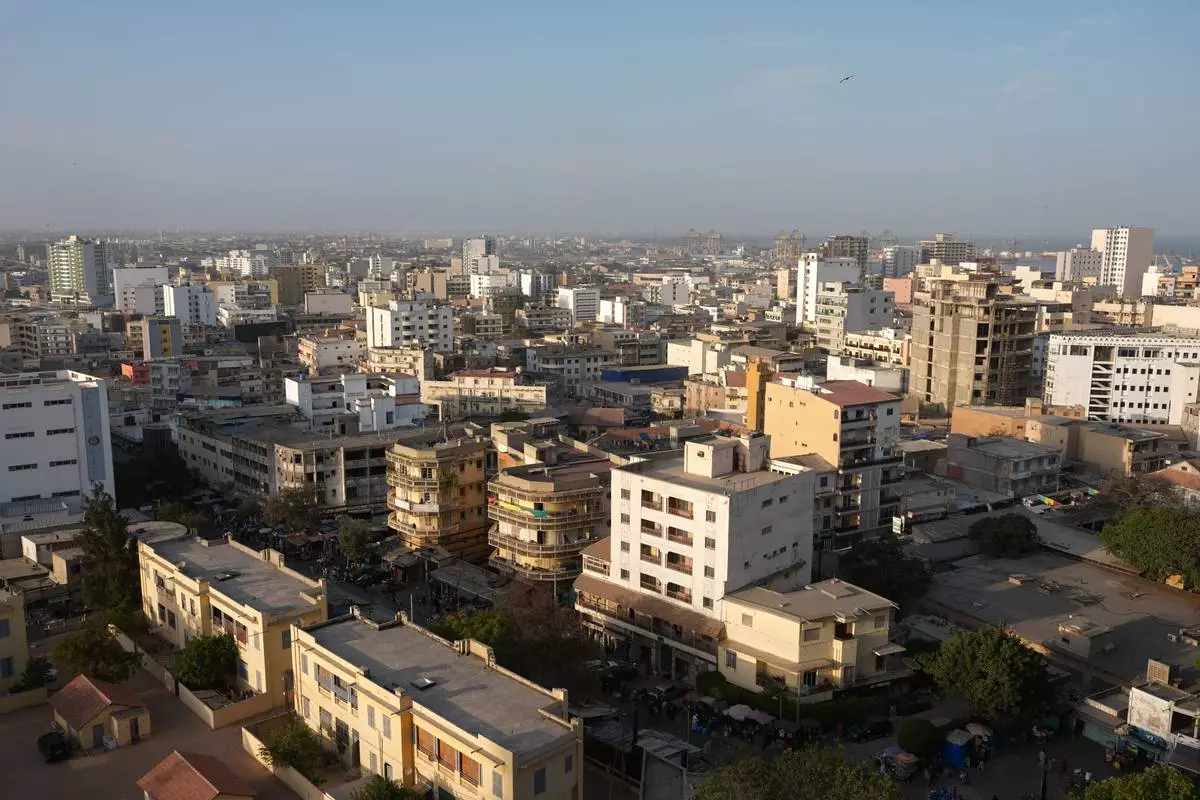
A general view of downtown in Dakar, Senegal, Wednesday, March 18, 2026. (AP Photo/Misper Apawu)
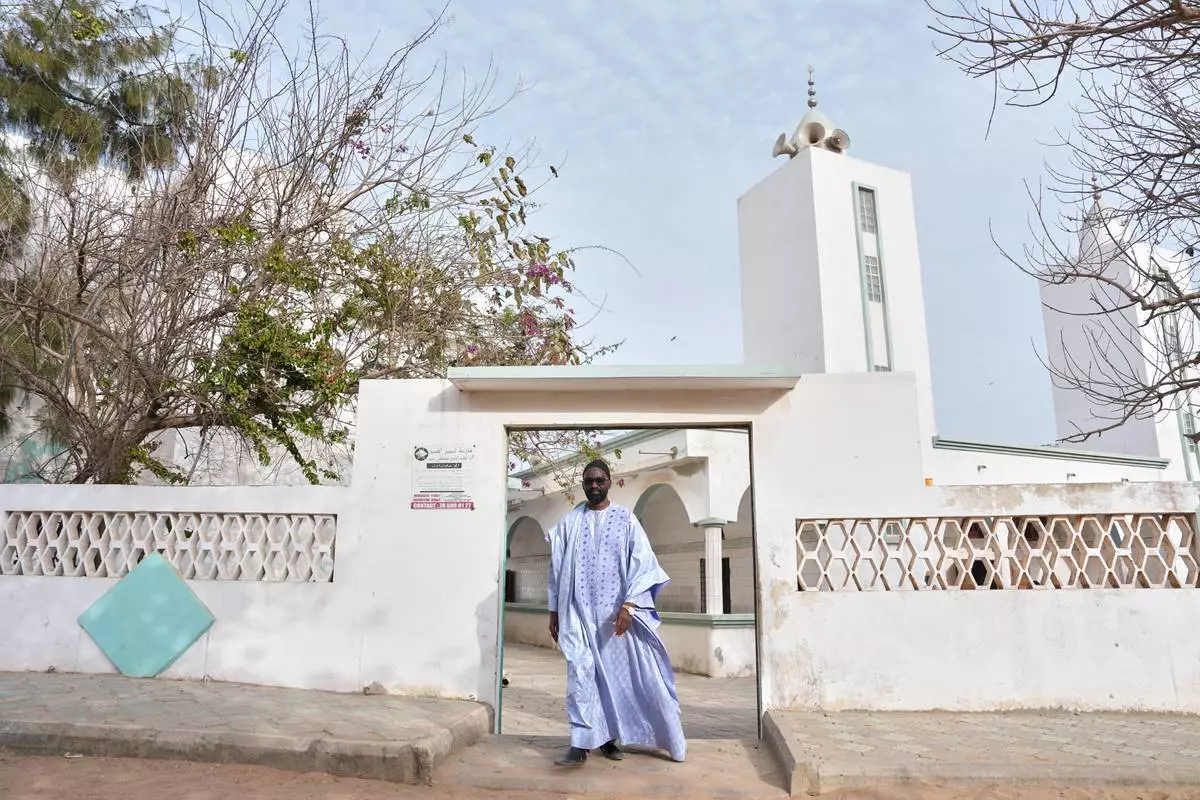
Ababacar Mboup, an activist against homosexuality and founder of And Samm Jikko Yi or "Together for the Preservation of Values," walks out of a mosque in Guediawaye, Senegal, Sunday, March 8, 2026. (AP Photo/Misper Apawu)
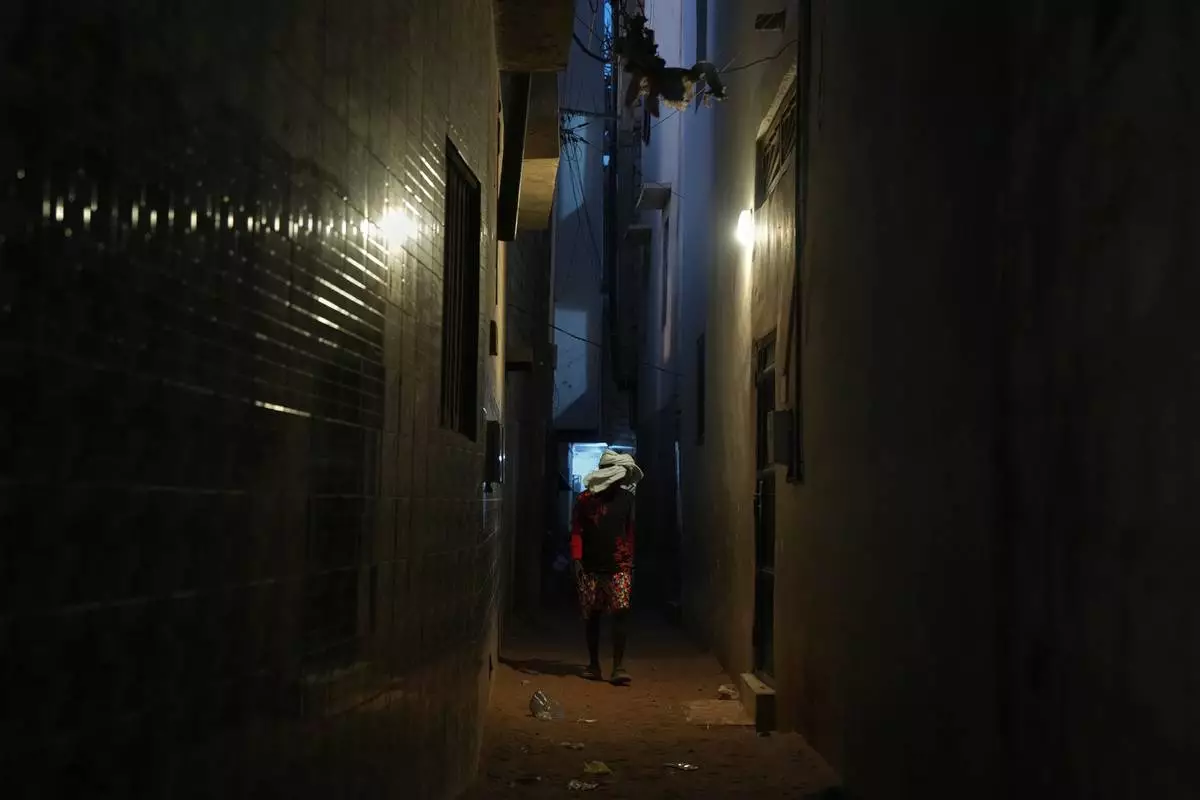
A young man disguises himself and walks through a neighbourhood in Dakar, Senegal, Thursday, March 12, 2026. (AP Photo/Misper Apawu)
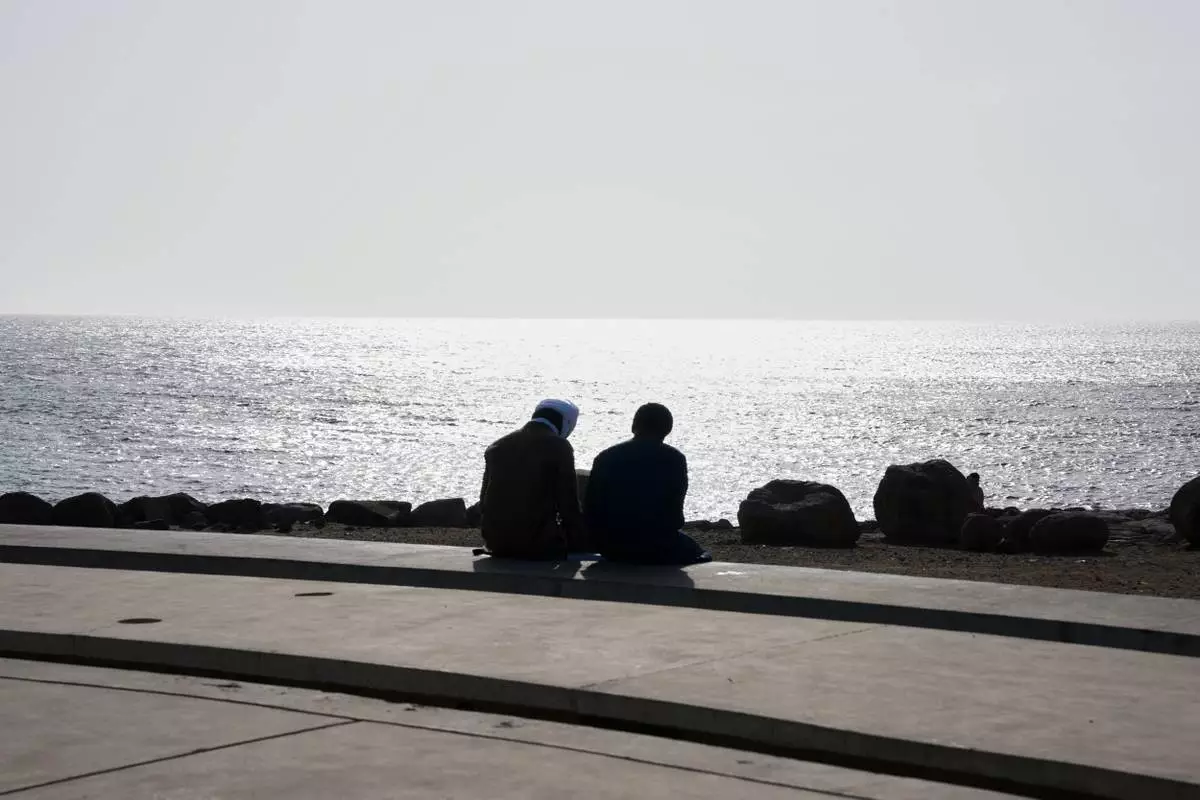
Young men sit at a beach in Dakar, Senegal, Wednesday, March 18, 2026. (AP Photo/Misper Apawu)
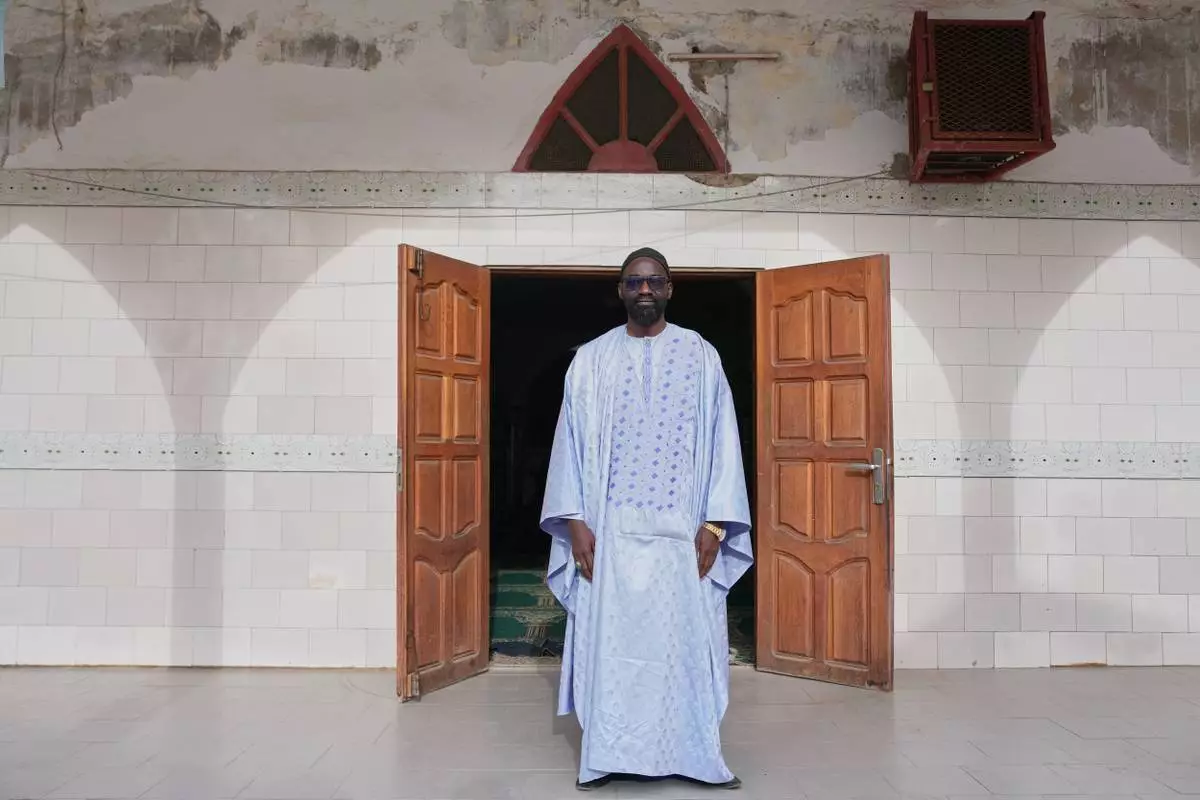
Ababacar Mboup, an activist against homosexuality and founder of And Samm Jikko Yi or "Together for the Preservation of Values," poses for a portrait in front of a mosque in Guediawaye, Senegal, Sunday, March 8, 2026. (AP Photo/Misper Apawu)