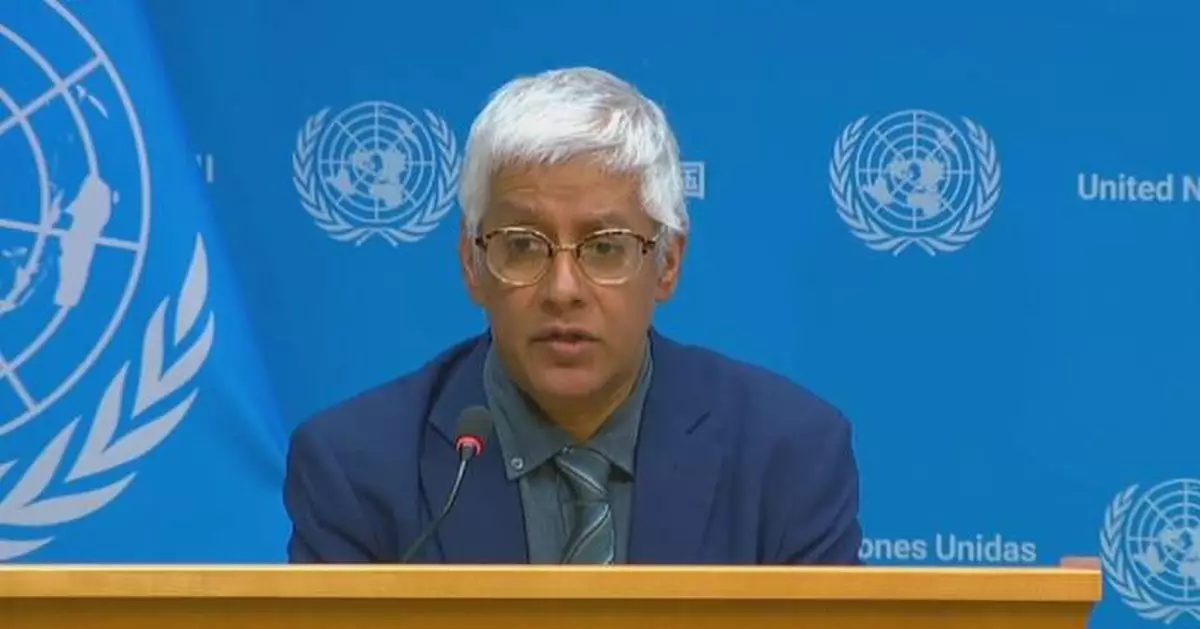
The United Nations (UN) is opposed to anything that "could constitute extrajudicial execution" and urged all relevant parties to avoid further escalation of the Middle East conflict, said Farhan Haq, deputy spokesman for UN Secretary-General Antonio Guterres at a press conference in New York City on Wednesday.
Haq was responding to a media query about the killing of Ali Larijani, secretary of Iran's Supreme National Security Council, and Iran's Intelligence Minister Esmail Khatib, in Israeli attacks earlier this week.
The assassinations of Khatib and Iran's top security official Larijani were confirmed by the Iranian government on Wednesday and Tuesday, respectively.
Haq also briefed the press about Guterres' ongoing visit to Brussels, during which the Secretary-General will hold meetings with European Union (EU) leaders on UN-EU ties and global hotspot issues, such as the conflict in the Middle East and the Ukraine crisis.
"The Secretary-General arrived in Brussels earlier this morning for a series of meetings, including with European Union officials. He met earlier this afternoon with Maxime Prevot, Deputy Prime Minister and Minister of Foreign Affairs, European Affairs and Development Cooperation of Belgium. The Secretary-General then began his meetings with European Union officials, starting with Roberta Metsola, the president of the European Parliament. The Secretary-General and the president discussed the partnership between the United Nations and the European Union. They also discussed a number of crises around the world, including the situation in the Middle East and the ongoing war in Ukraine," said Haq.
"The Secretary-General will travel to the seat of the European Commission for discussions with Ursula von der Leyen, President of the European Commission. And later, the Secretary-General will meet with Antonio Costa, President of the European Council, and also have a working dinner with Mr. Costa," he said.
On the killing of a string of senior Iranian officials, Haq expressed the UN's opposition to illegal military strikes and repeated its call for a de-escalation of the conflict in the Middle East.
"First of all, as a point of principle, the United Nations is opposed to anything that could constitute extrajudicial execution, and that's true in all such cases, But beyond that, we do not believe that there is a military solution to this problem and we reiterate our call to Israel, to the United States, to Iran, and to any other parties to avoid any further escalation of this conflict," he said.
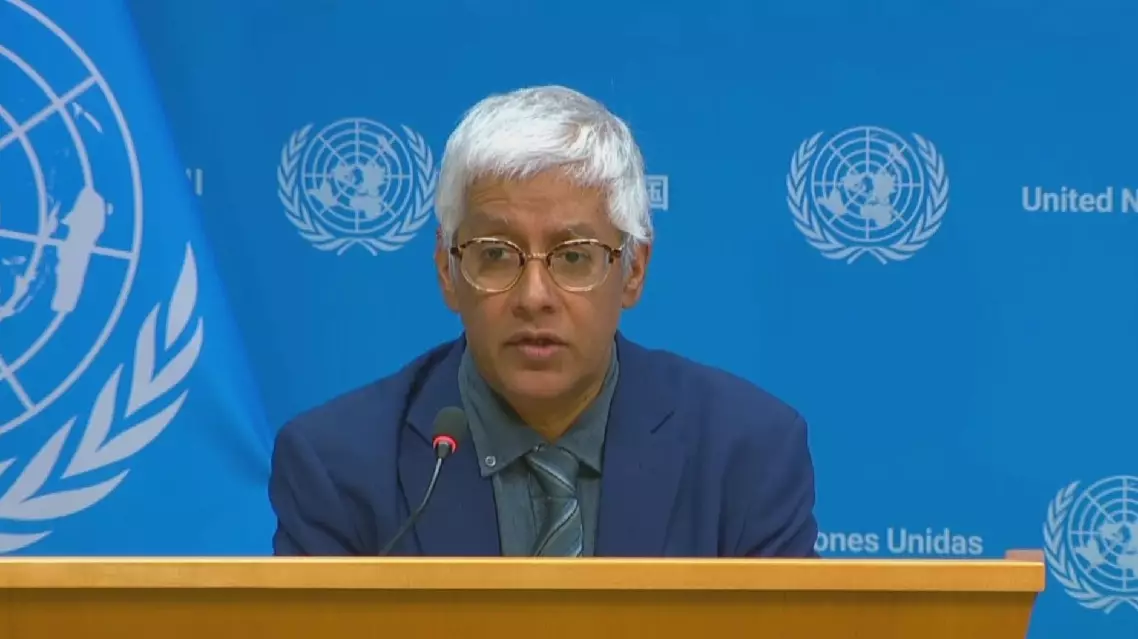
UN opposes 'extrajudicial execution', urges de-escalation of Middle East conflict: deputy spokesman
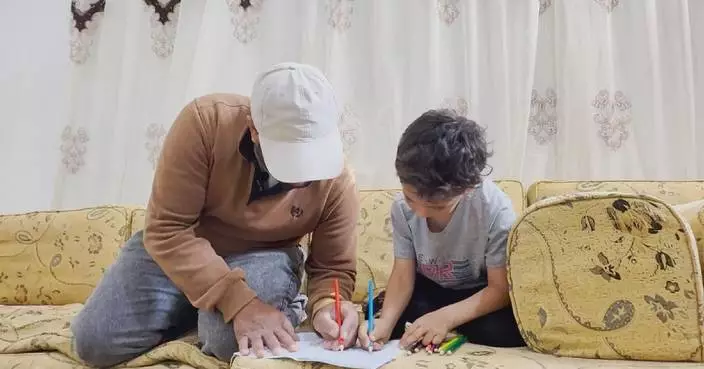
A Chinese national working in Iran has recounted his firsthand experience of the conflict's disruption of daily life, from a nationwide internet blackout to soaring living costs and constant fear of airstrikes, as U.S.-Israeli military attacks on the country entered their 19th day on Wednesday.
Mr. Wang, the Chinese national who has been living and working in Iran for six years, has witnessed the escalating conflict firsthand since the U.S. and Israel launched large-scale airstrikes against the country on Feb 28.
For local residents and foreign nationals like Mr. Wang, the conflict has brought sweeping disruptions to even the most basic aspects of daily life, starting with a total internet shutdown across the country.
"Due to the ongoing U.S.-Iran conflict, the entire country of Iran has been under an internet blackout for almost a week now, and we have no idea how much longer it will last. Without internet, we can't do anything at all," Mr. Wang said.
Compounding the digital isolation is the severe economic strain driven by the conflict, which has exacerbated the impact of long-standing U.S. sanctions on Iran's economy.
"Due to the U.S. sanctions on Iran, the country's currency is now severely depreciated, and prices have risen very sharply, which has affected the quality of life of the local people and ourselves. Especially for meat products, we can hardly afford meat anymore," he said.
While access to daily necessities remains stable for now, the constant, round-the-clock airstrikes have inflicted severe psychological stress on people across the country, shattering any sense of safety in their own homes.
"The U.S. and Israel are carrying out airstrikes on Iran every single day. We are frequently jolted awake by explosions in the middle of the night, too afraid to sleep. The entire house shakes, leaving us in a state of constant anxiety. Fortunately, supplies in the supermarkets remain relatively adequate," Wang said.
As the conflict drags on with no clear end in sight, Mr. Wang and other Chinese nationals in Iran have thought about leaving, but face huge, daunting barriers to evacuating safely.
"We have thought about evacuating, but all flights have been suspended now. The place we're staying is very far from the border crossings, and we're worried about safety on the road. So right now, we're following the arrangements of our consulate here, staying at home and not moving around, waiting for the war to end. If the situation eases even a little, we will consider returning to China. If the war stops altogether, then we can go back to our normal lives again," he said.
The U.S.-Israeli campaign against Iran entered its 19th day on Wednesday, with strikes targeting the North Pars gas field, prompting Iran to retaliate against regional energy facilities. The attacks have driven oil prices higher, raising fears of a major energy crisis if the region's key energy infrastructure continues to be hit.
On Feb 28, Israel and the United States launched joint attacks on Tehran and other Iranian cities, killing Iran's then Supreme Leader Ali Khamenei, top security official Ali Larijani, senior military commanders, and civilians. Iran responded with waves of missile and drone strikes targeting Israel and U.S. bases and assets across the Middle East.
Chinese national in Iran tells of people's "constant anxiety" amid US-Israeli strikes