MIAMI (AP) — The Cuban Communist Party has shown an astonishing resilience over six decades in power.
Whether it's the United States trade embargo to counter Fidel Castro's 1959 revolution, or the widespread starvation of the “special period” that followed the breakup of its Cold War patron, the Soviet Union, both U.S. hostilities and calamities of its own making have proven no match for the country's leadership.
Click to Gallery
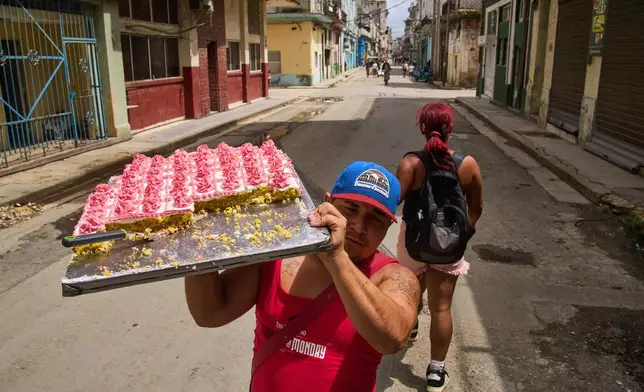
A street vendor selling pastries walks down the middle of the street looking for customers in Havana, Cuba, Thursday, March 19, 2026. (AP Photo/Ramon Espinosa)
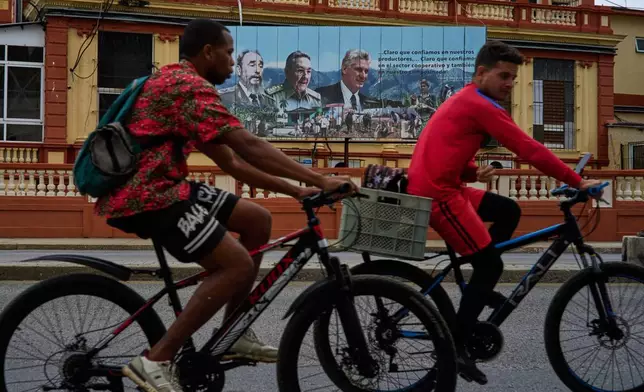
People ride their bicycles in front of images of, from left, past presidents Fidel Castro and Raul Castro, and current President Miguel Diaz-Canel, in Havana, Wednesday, March 18, 2026. (AP Photo/Ramon Espinosa)
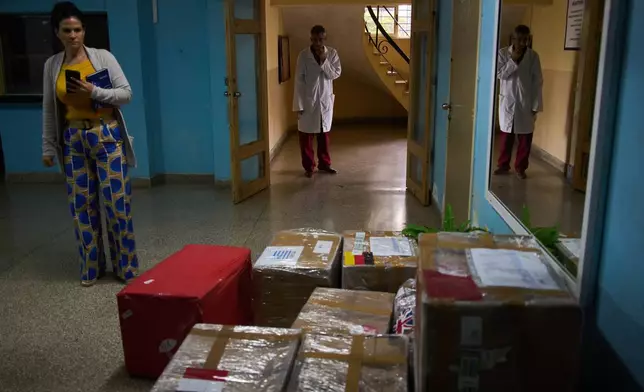
Hospital workers look at medical supplies donated by members of the European Convoy to Cuba in Havana, Monday, March 16, 2026. (AP Photo/Ramon Espinosa)
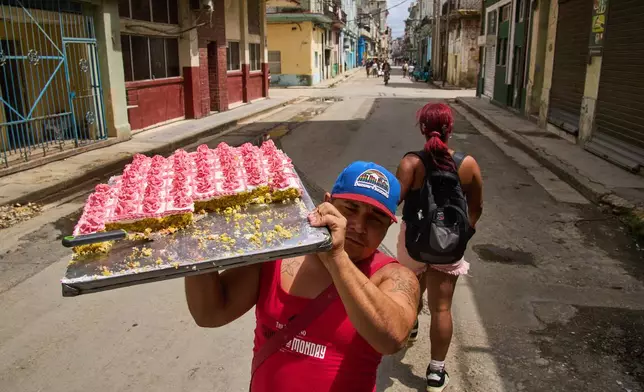
A street vendor selling pastries walks down the middle of the street looking for customers in Havana, Cuba, Thursday, March 19, 2026. (AP Photo/Ramon Espinosa)
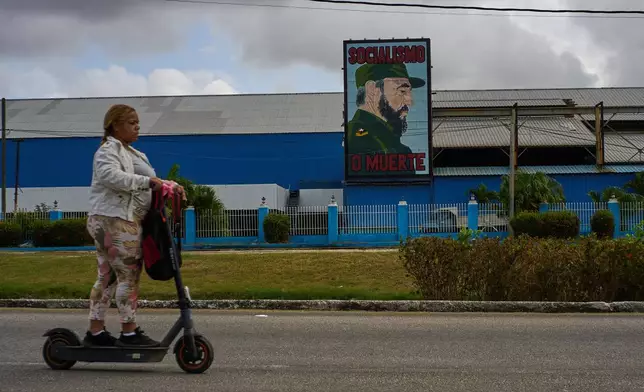
A woman rides an electric scooter past a factory displaying an image depicting the late Cuban leader Fidel Castro, bearing the words "Socialism or Death", in Havana, Cuba, Thursday, March 19, 2026. (AP Photo/Ramon Espinosa)
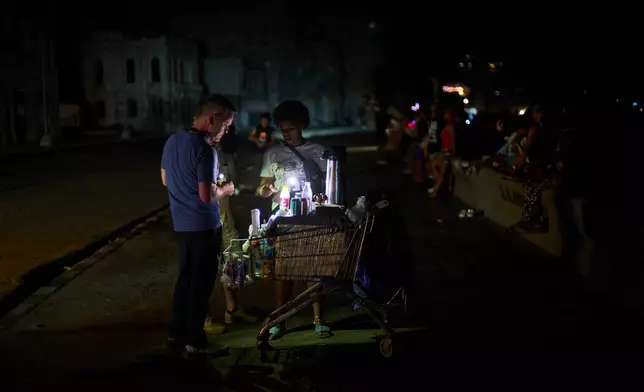
A street vendor tends to a customer on the Malecón during a blackout in Havana, Monday, March 16, 2026. (AP Photo/Ramon Espinosa)
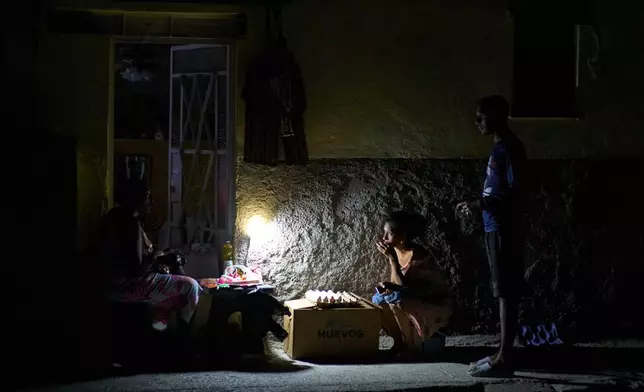
Street vendors chat during a blackout in Havana, Monday, March 16, 2026. (AP Photo/Ramon Espinosa)
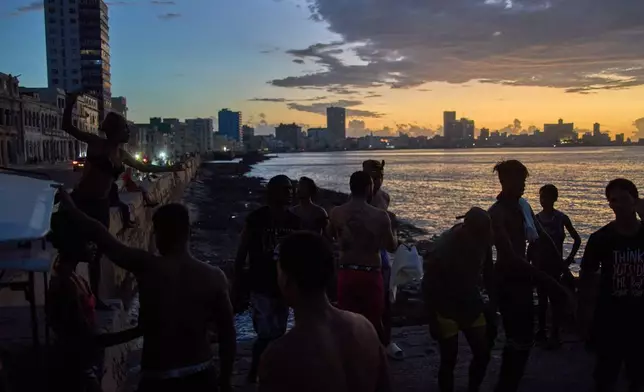
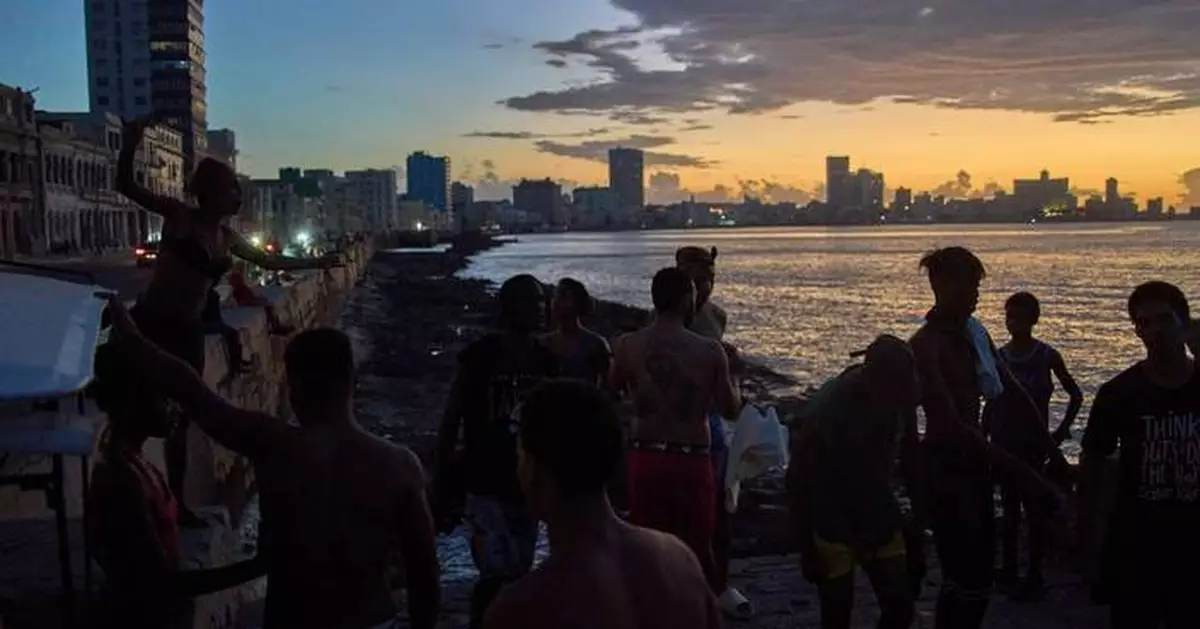
People watch the sunset from the Malecón during a blackout in Havana, Monday, March 16, 2026. (AP Photo/Ramon Espinosa)
But perhaps none of those crises pose as grave a threat as the one triggered by an all-but-declared naval siege by the Trump administration as it seeks to force regime change in the wake of its successful ousting of Cuba's longtime ally Venezuelan President Nicolás Maduro.
Even as he fights a war with Iran, President Donald Trump this week said he believes he’ll have “the honor of taking Cuba” soon. While it wasn’t clear exactly what he meant, the U.S. is looking for President Miguel Díaz-Canel to leave power as part of ongoing talks with Havana that could avert some kind of U.S. military intervention.
Without declaring a formal blockade, Trump and his administration have already crippled trade with the island.
In March, supplies of oil, food and other goods to the island collapsed, with no foreign-originating tankers arriving to Cuba, according to shipping data analyzed by Windward, a maritime intelligence firm. The volume of port calls, which includes tankers moving from one Cuban port to another, averaged around 50 per month in 2025 but fell to just 11 in March - all of them arriving from domestic ports. It was the lowest since 2017. Moreover, little relief is in sight: with no tankers and only three container ships — originating in China, India and the Netherlands — listing Cuba as their intended harbor. On Thursday, The Associated Press reported that two vessels, one of them sanctioned by the U.S., could arrive in the coming days carrying Russian fuel.
The stranglehold is disrupting the lives of Cuba’s 11 million residents, who are enduring massive blackouts and a breakdown in medical care due to a lack of fuel to power ambulances and hospital generators. The country, one of the most heavily reliant in the world on oil to generate electricity, produces barely 40% of the oil needed to cover its energy needs.
Ian Ralby, head of I.R. Consilium, a U.S.-based consultancy focused on maritime security, said the United States' aggressiveness will not endear Trump to Cubans long eager for change.
“Every Cuban resident is suffering the acute inaccessibility to fuel and all the knock-on consequences in terms of access to food, hospitals and free movement,” he said.
The sudden halt in trade has taken place without the White House reapplying restrictions on exports to Cuba that were last loosened during the Biden administration. Indeed, shipments of U.S.-produced poultry, pork and other foodstuffs to Cuba — which account for the vast majority of U.S. exports to the country — last year soared to $490 million, the most since 2009. Non-agricultural exports and humanitarian donations, much of it to Cuba’s emerging private sector, more than doubled.
But emboldened by the U.S. capture of Maduro, Trump has gradually escalated his rhetoric on Cuba, first suggesting he would pursue “a friendly takeover” of the country and more recently telling conservative allies from Latin America that he would “take care” of Cuba once the war with Iran winds down.
While neither he nor the administration has articulated what exactly the pledge means, the continued presence in the Caribbean of U.S. warships used in the strike against Maduro has led companies and countries that do business with Cuba to self-police.
“Nobody wants to be on the radar of Trump’s Truth Social account,” said John Kavulich, president of the New York-based U.S.-Cuba Trade and Economic Council.
In the run-up to the U.S. military’s ousting of Maduro during a nighttime raid on Jan. 3, Trump declared that the U.S. would block all Venezuelan oil shipments to Cuba and even seized a few tankers to enforce what it called a “quarantine," borrowing a term used by President John F. Kennedy during the 1962 Cuban missile crisis. Later in the month, Trump signed an executive order threatening tariffs on any country that supplies oil to Cuba. The warning alarmed officials in Mexico, who have long opposed U.S. policy toward Cuba and where state-run oil company Pemex emerged as a valuable lifeline last year as Venezuelan oil exports declined.
Cuba has upped its rhetoric against what it calls a “fuel blockade” by the U.S. But the Trump administration has disputed that characterization, no doubt aware that according to international law any naval operation seen as punishing civilians is considered an illegal act of aggression outside wartime.
“Cuba is a free, independent and sovereign state — nobody dictates what we do,” Díaz-Canel said in a social media post in January. “Cuba does not attack; we are the victims of U.S. attacks for 66 years and we will prepare ourselves to defend the homeland with our last drop of blood.”
Amid mounting criticism that U.S. actions are starving Cuba, Secretary of State Marco Rubio has started to walk back some of the administration's threats. In January, the State Department sent $3 million in food kits, water purification tablets and other humanitarian assistance items to the island. Then last month, the White House said it would allow U.S. companies to send fuel — including Venezuelan oil — to private businesses in Cuba.
The goal, said Rubio, is to encourage the development of the nation's small private sector.
“The reason why those industries have not flourished in Cuba is because the regime has not allowed them to flourish,” Rubio said when announcing the private sales.
But it's unclear if any companies have started fuel shipments and critics say the strategy is unrealistic as most Cuban companies lack capital and the Cuban government has a monopoly on gasoline distribution.
John Felder, owner of Premier Automotive Export, a Maryland-based business that has been selling electric cars and scooters to Cuba since 2012, said most Cubans, even in their current anguish, are fearful of what lies ahead.
“U.S. policies have created the most resilient people in the world and yet all they want to do is buy things in Miami like you and me,” said Felder, who just returned from a four-day business trip to Havana and says he's never seen conditions worse. "They want change but they don't want to be controlled by the United States.”
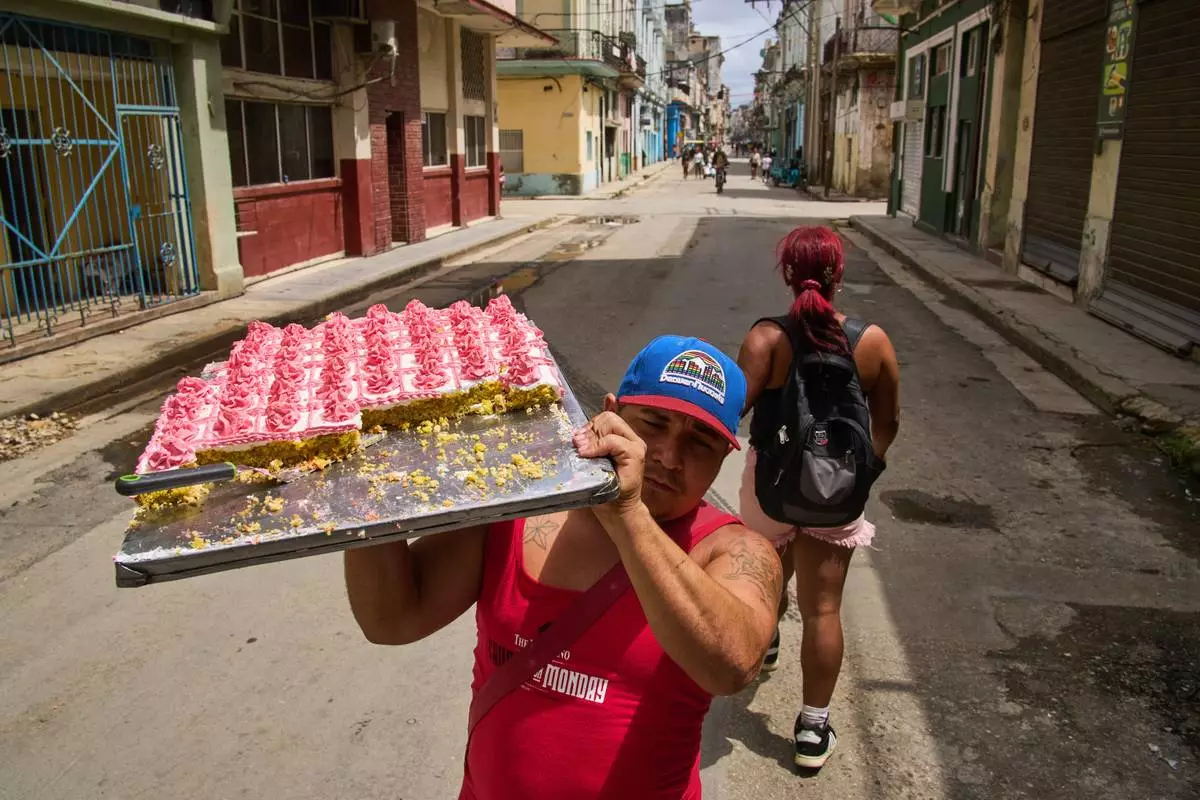
A street vendor selling pastries walks down the middle of the street looking for customers in Havana, Cuba, Thursday, March 19, 2026. (AP Photo/Ramon Espinosa)
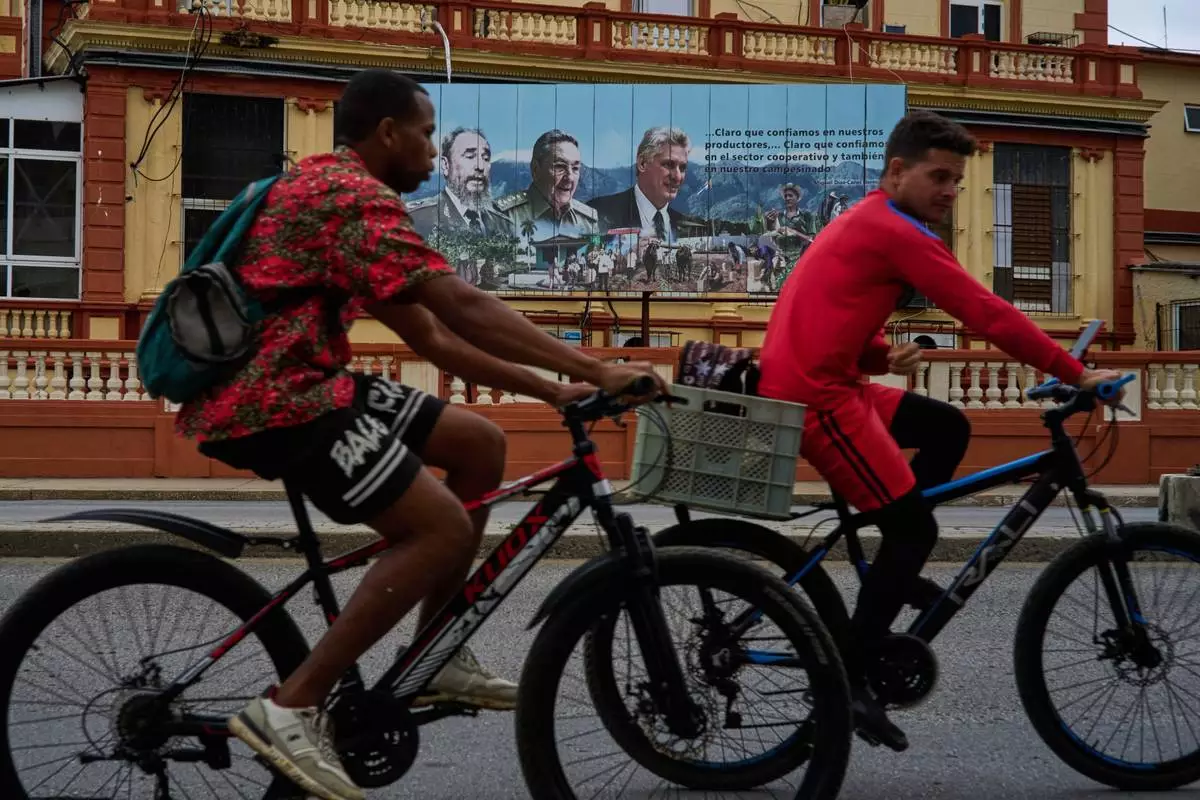
People ride their bicycles in front of images of, from left, past presidents Fidel Castro and Raul Castro, and current President Miguel Diaz-Canel, in Havana, Wednesday, March 18, 2026. (AP Photo/Ramon Espinosa)
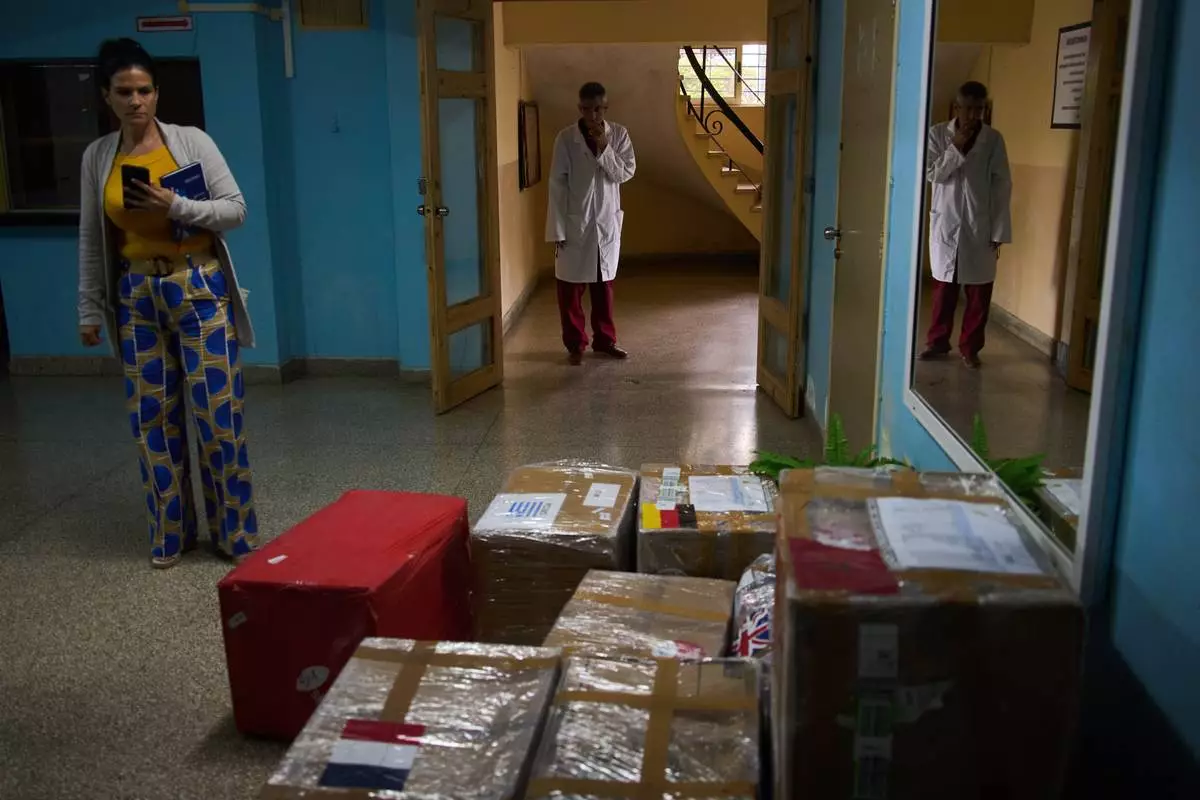
Hospital workers look at medical supplies donated by members of the European Convoy to Cuba in Havana, Monday, March 16, 2026. (AP Photo/Ramon Espinosa)
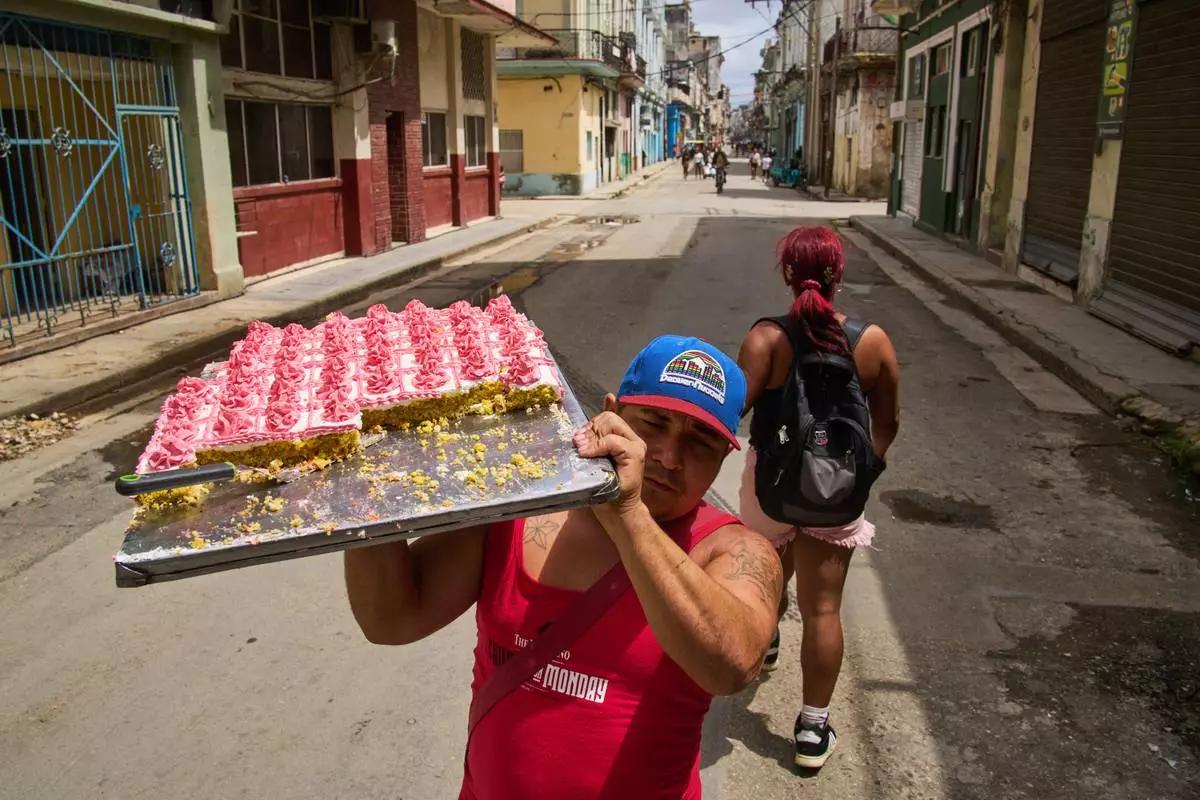
A street vendor selling pastries walks down the middle of the street looking for customers in Havana, Cuba, Thursday, March 19, 2026. (AP Photo/Ramon Espinosa)
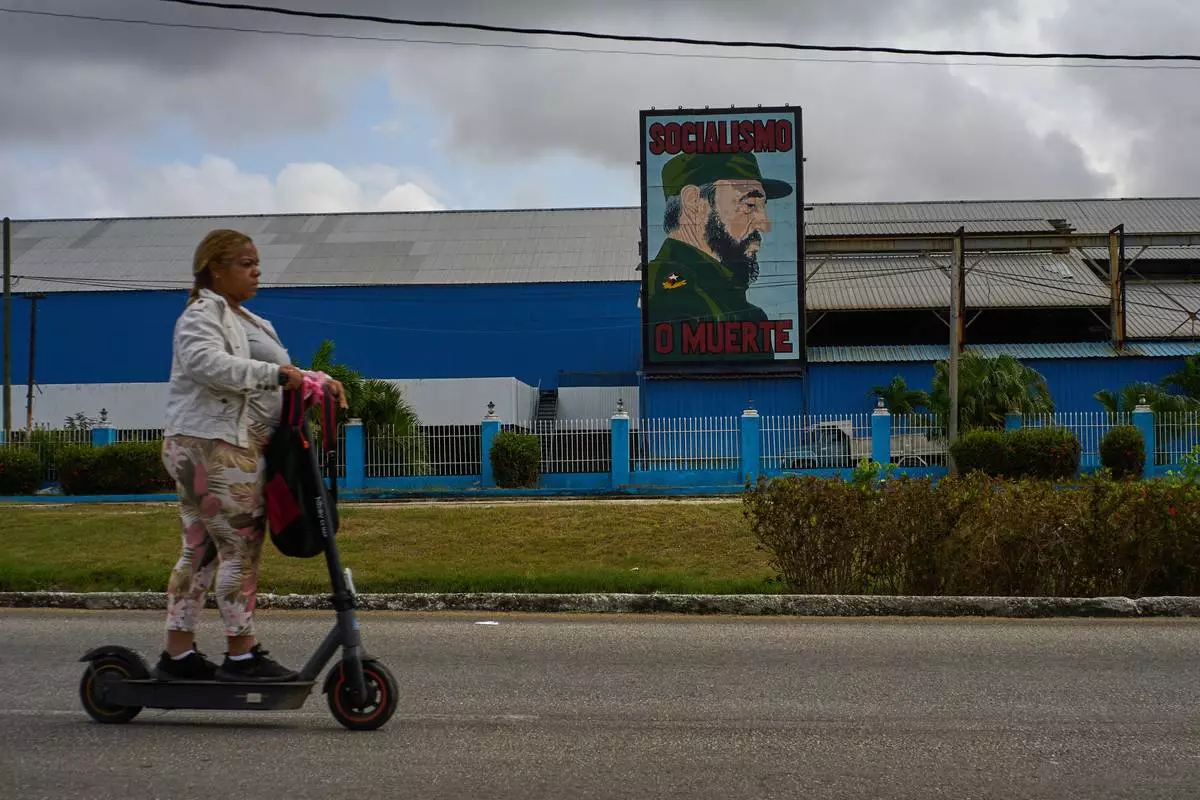
A woman rides an electric scooter past a factory displaying an image depicting the late Cuban leader Fidel Castro, bearing the words "Socialism or Death", in Havana, Cuba, Thursday, March 19, 2026. (AP Photo/Ramon Espinosa)
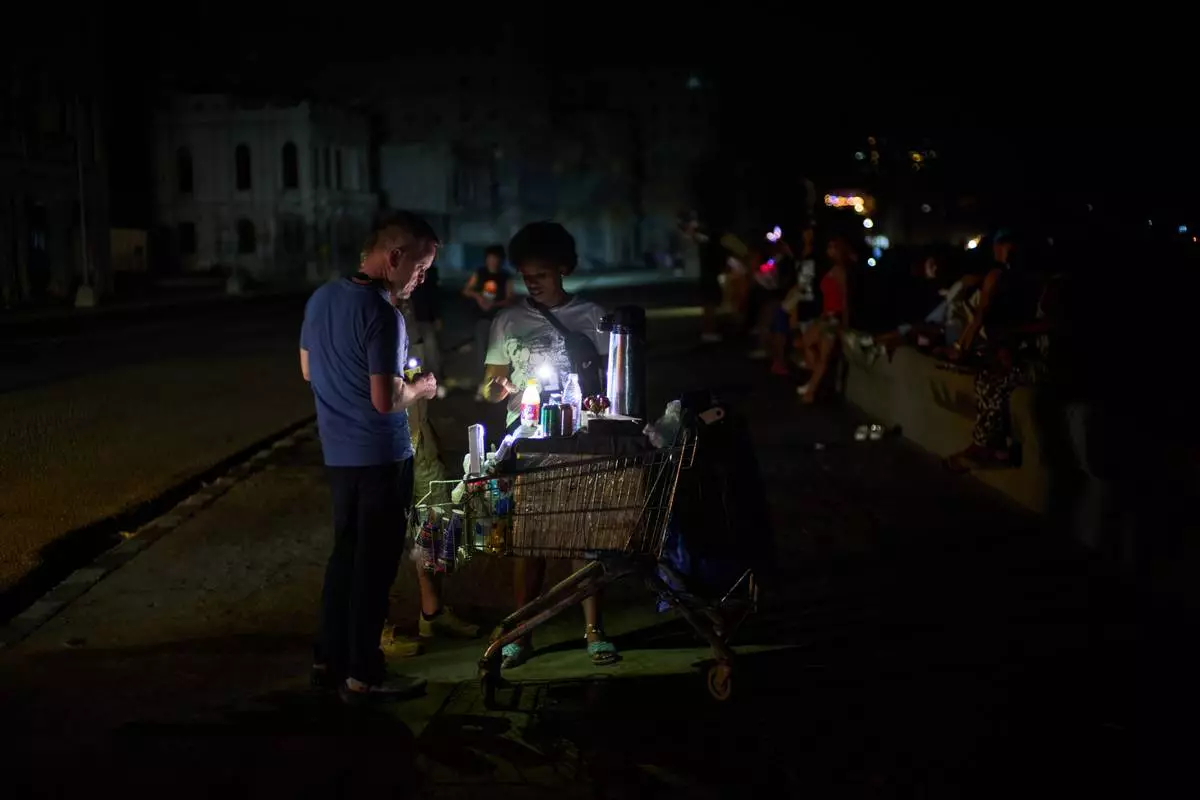
A street vendor tends to a customer on the Malecón during a blackout in Havana, Monday, March 16, 2026. (AP Photo/Ramon Espinosa)
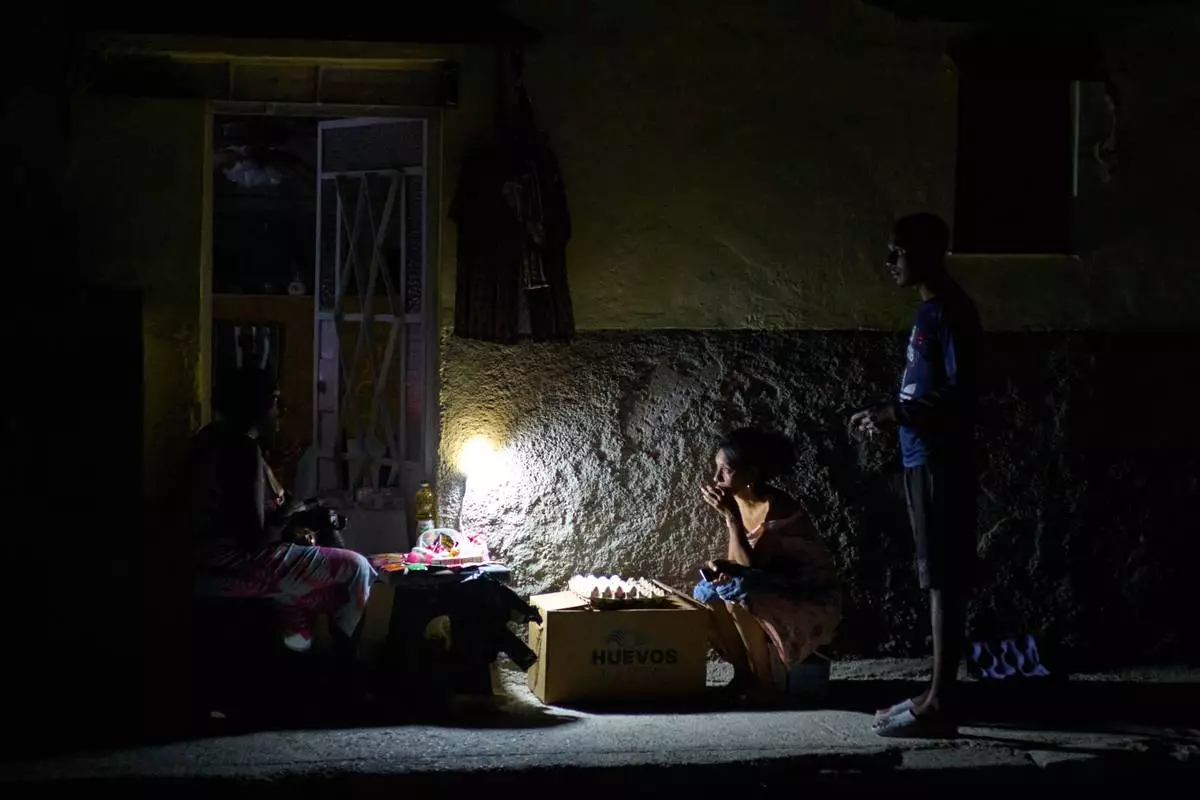
Street vendors chat during a blackout in Havana, Monday, March 16, 2026. (AP Photo/Ramon Espinosa)
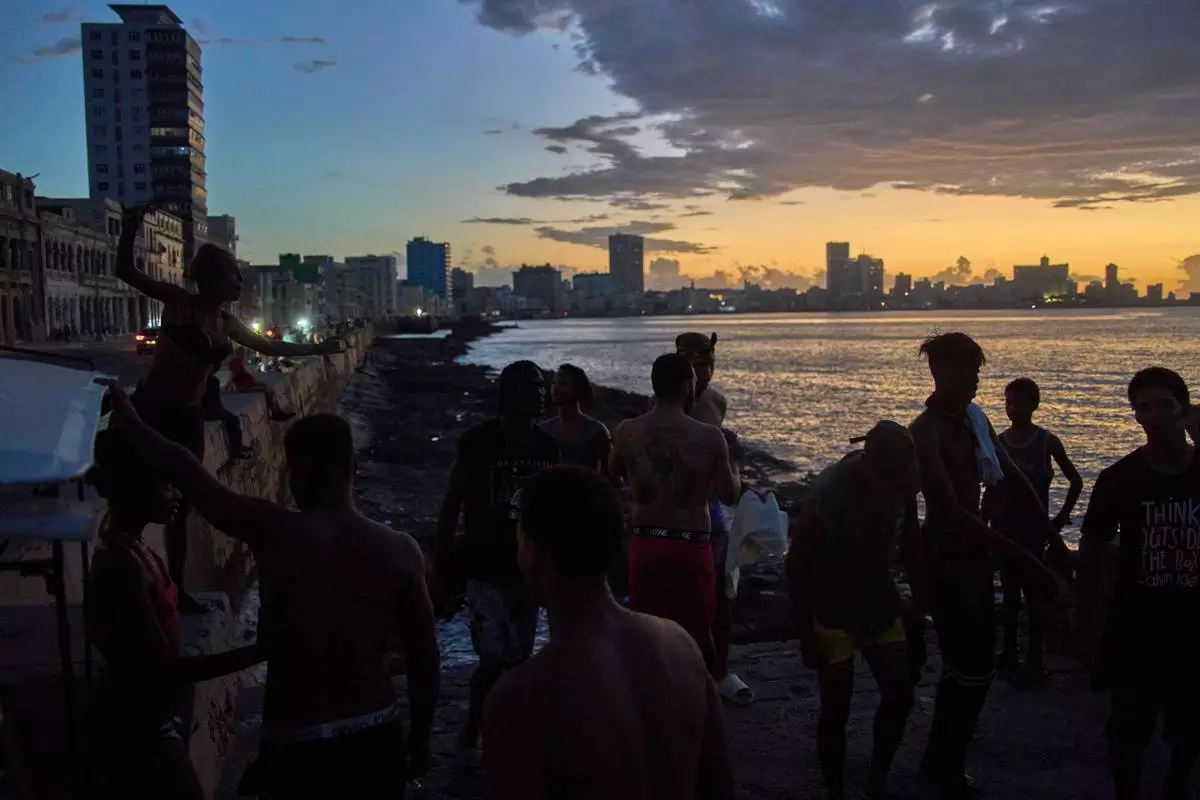
People watch the sunset from the Malecón during a blackout in Havana, Monday, March 16, 2026. (AP Photo/Ramon Espinosa)