WASHINGTON (AP) — Jeffrey Epstein's longtime personal attorney testified to a House committee Thursday that he was unaware of the late financier's sexual abuse of underage girls at the time it was happening, becoming the latest person connected to Epstein to take that stance.
Darren Indyke, who worked as Epstein's attorney for roughly two decades, told the House Oversight Committee in his opening statement that he “had no knowledge whatsoever” of Epstein's abuse and would have quit working for him if he had known he was trafficking women and underage girls.
Click to Gallery
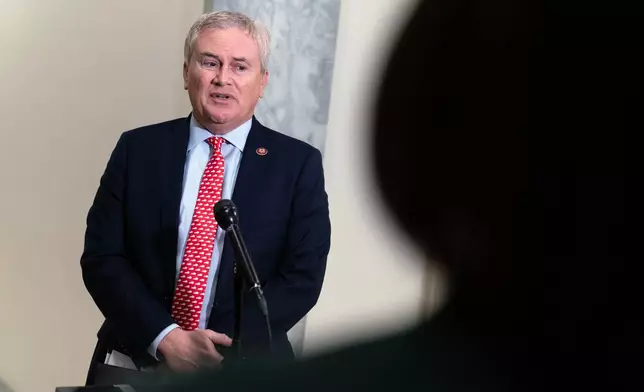
House Oversight Committee Chairman James Comer, R-Ky., talk to the press as he arrives for Darren K. Indyke deposition before the House Oversight Committee on Capitol Hill, Thursday, March 19, 2026, in Washington. (AP Photo/Jose Luis Magana)
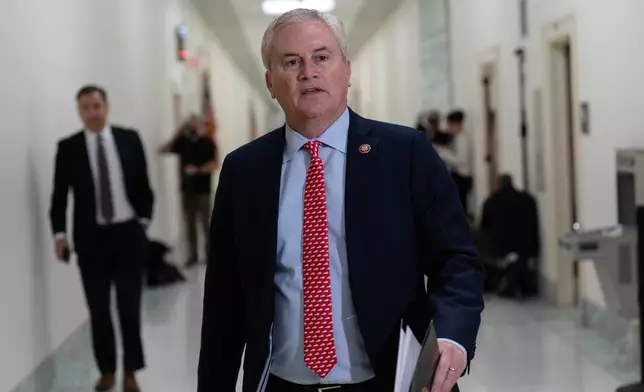
House Oversight Committee Chairman James Comer, R-Ky., walks to talk to the press as he arrives for Darren K. Indyke deposition before the House Oversight Committee on Capitol Hill, Thursday, March 19, 2026, in Washington. (AP Photo/Jose Luis Magana)
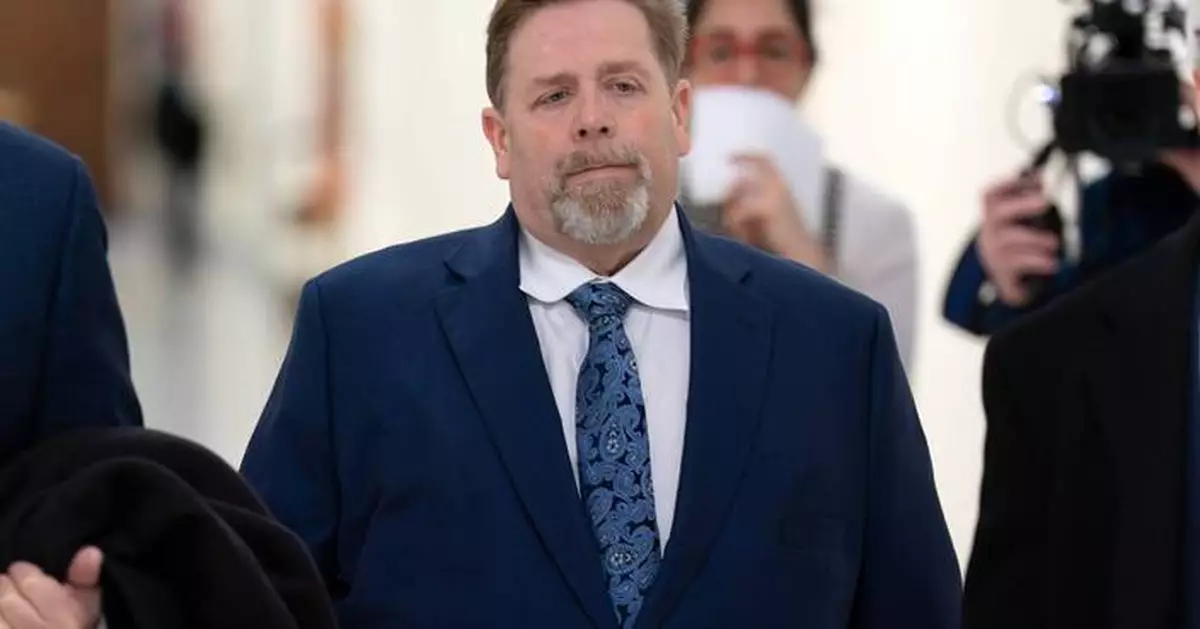
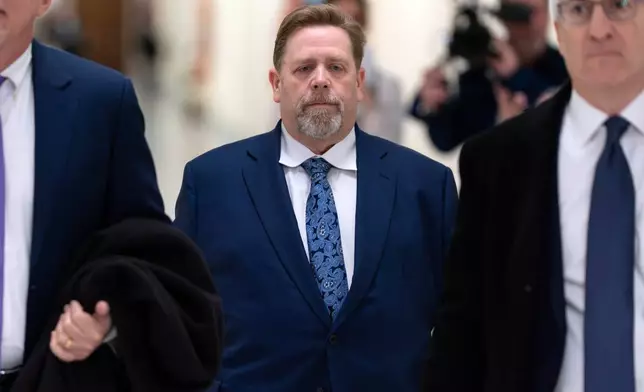
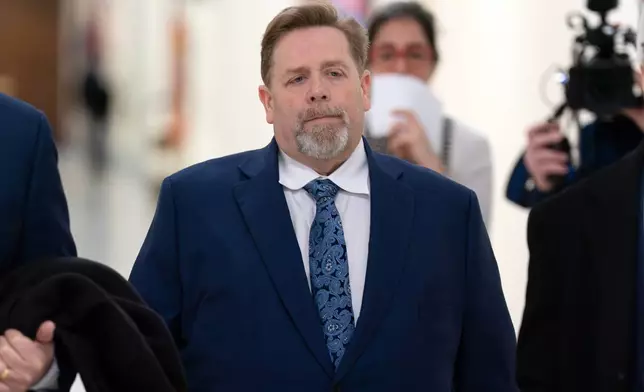
Darren K. Indyke, Jeffrey Epstein's former lawyer, arrives for his deposition before the House Oversight Committee on Capitol Hill, Thursday, March 19, 2026, in Washington. (AP Photo/Jose Luis Magana)
Darren K. Indyke, Jeffrey Epstein's former lawyer, arrives for his deposition before the House Oversight Committee on Capitol Hill, Thursday, March 19, 2026, in Washington. (AP Photo/Jose Luis Magana)
Other associates of Epstein, including his former accountant Richard Kahn, one of his largest clients, Les Wexner, and former President Bill Clinton, have also told the committee in sworn depositions that they didn't know about Epstein's abuse.
Democrats on the committee aired their frustration during a break from Indyke's deposition, saying that the lawyer had taken a “defensive” posture in the face of questioning.
Indyke, along with Kahn, is an executor of Epstein's estate, and lawmakers had hoped they would provide details about Epstein's abuse that would bring accountability. So far, though, lawmakers have struggled to uncover substantive details about the associates of Epstein, who died in 2019 in a New York jail cell while he faced charges for sex trafficking.
“As with all the other witnesses, they all claim they never had any knowledge before it became public that Mr. Epstein was involved with women, doing anything inappropriately with young women,” said Rep. James Comer, the chair of the House Oversight Committee.
Comer, R-Ky., added that Indyke was asked why he had continued to work with Epstein following his 2008 guilty plea for soliciting prostitution from a minor. He said Indyke told lawmakers that Epstein convinced him it was a one-time mistake and he was remorseful.
Still, Democrats accused Indyke and Kahn of covering up for Epstein. “I think what has become crystal clear over the course of these last few depositions is that these people are going to lie to us over and over and over,” said Rep. Dave Min, a California Democrat.
Both Indyke and Kahn have said repeatedly that they did not know about Epstein's abuse. As executors of his estate, they agreed earlier this year to settle a class-action lawsuit brought against them by survivors of Epstein's abuse for up to $35 million that alleged they had aided “Epstein's illegal conduct” for financial gain. They did not admit any wrongdoing as part of the settlement.
Democratic lawmakers are pushing for the release of further documents from Epstein's estate. They said Indyke indicated that he is awaiting further instructions from the Republican-controlled committee about providing a tranche of documents that relate to a lawsuit that a prominent Epstein abuse survivor, Virginia Giuffre filed against Epstein's former girlfriend and confidant, Ghislaine Maxwell, as well as other documentation on businesses connected to Epstein.
But Comer countered that those documents had already been requested by the committee from other entities and getting them from Epstein's estate would produce “overlapping information.”
Democratic lawmakers were also closely questioning an uncorroborated accusation made by a woman against President Donald Trump in 2019 during the investigation into Epstein. Rep. Robert Garcia, the top Democrat on the Oversight panel, said that Indyke would not confirm or deny whether that woman had also entered an agreement with Epstein's estate.
After the conclusion of the deposition, Garcia said in a statement that Indyke confirmed that there are hard drives held by private investigators hired by Epstein.
“These hard drives are of great interest to our committee,” Garcia said. “Survivors and victims of Jeffrey Epstein deserve to know the truth. Oversight Democrats will not stop until there’s full transparency about everyone complicit in Epstein’s crimes.”
Trump has consistently denied any wrongdoing in connection with Epstein, and Comer said the line of questioning showed Democrats are fixated on the president when the investigation has not produced substantive information to put Trump under suspicion.
“They have created a false narrative that Donald Trump's somehow some type of liability in this,” he said.
The House's investigation into Epstein started with some bipartisan cooperation, but it has increasingly become a bitter political fight. Democrats stormed out of a briefing with Attorney General Pam Bondi on Wednesday night, arguing that she had appeared on Capitol Hill only to head off her own deposition that is scheduled for April 14.
Comer called the episode a “low point in the Epstein investigation” and accused the Democratic lawmakers of “acting like low-IQ fools.” He said he still planned on holding the deposition with Bondi but would ask GOP members of the committee whether they still supported the plan.
Meanwhile, Democratic lawmakers are planning to hold a public hearing with survivors of Epstein's abuse and others with knowledge of his crimes, regardless of whether Republicans join them.
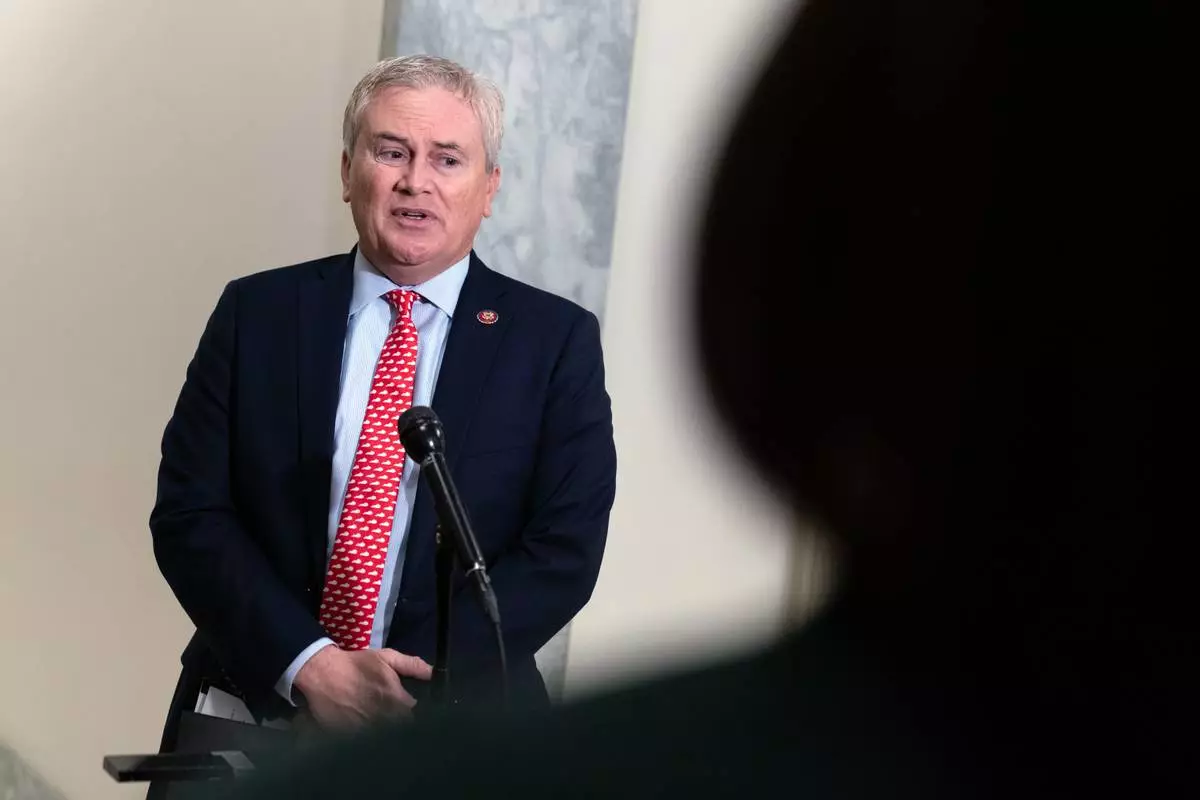
House Oversight Committee Chairman James Comer, R-Ky., talk to the press as he arrives for Darren K. Indyke deposition before the House Oversight Committee on Capitol Hill, Thursday, March 19, 2026, in Washington. (AP Photo/Jose Luis Magana)
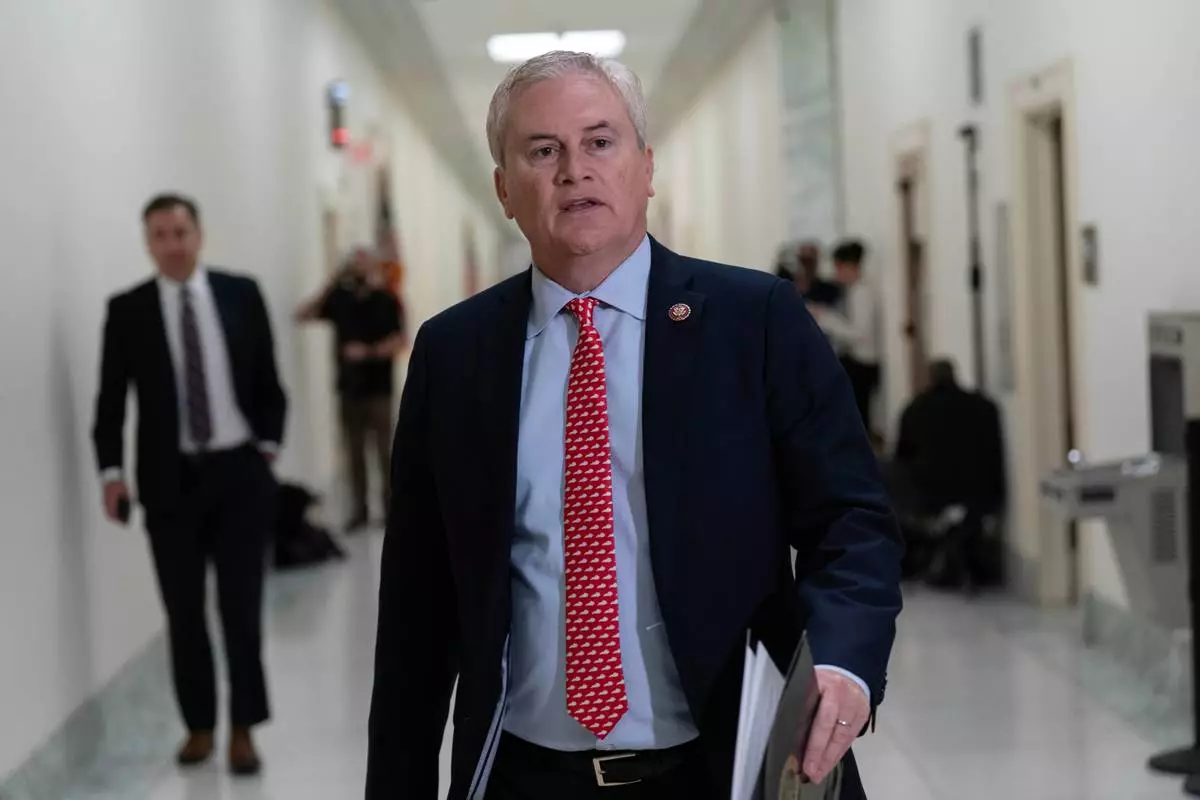
House Oversight Committee Chairman James Comer, R-Ky., walks to talk to the press as he arrives for Darren K. Indyke deposition before the House Oversight Committee on Capitol Hill, Thursday, March 19, 2026, in Washington. (AP Photo/Jose Luis Magana)
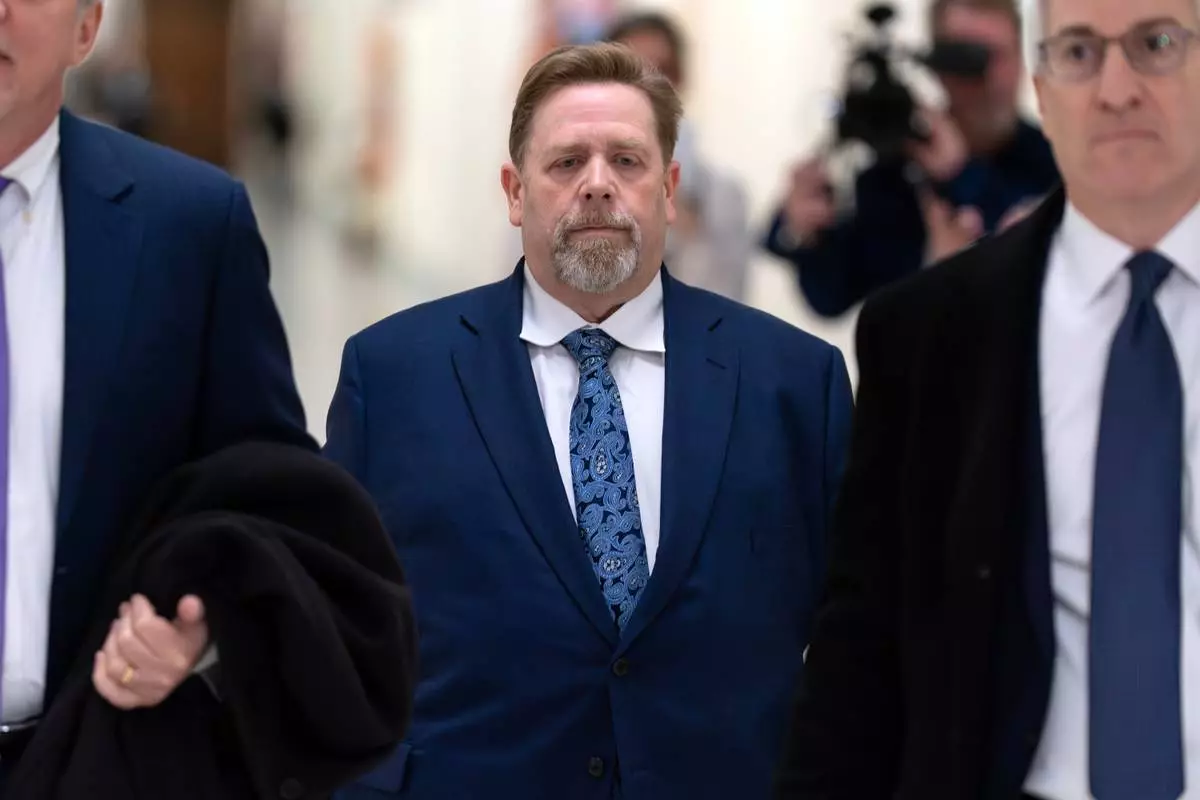
Darren K. Indyke, Jeffrey Epstein's former lawyer, arrives for his deposition before the House Oversight Committee on Capitol Hill, Thursday, March 19, 2026, in Washington. (AP Photo/Jose Luis Magana)
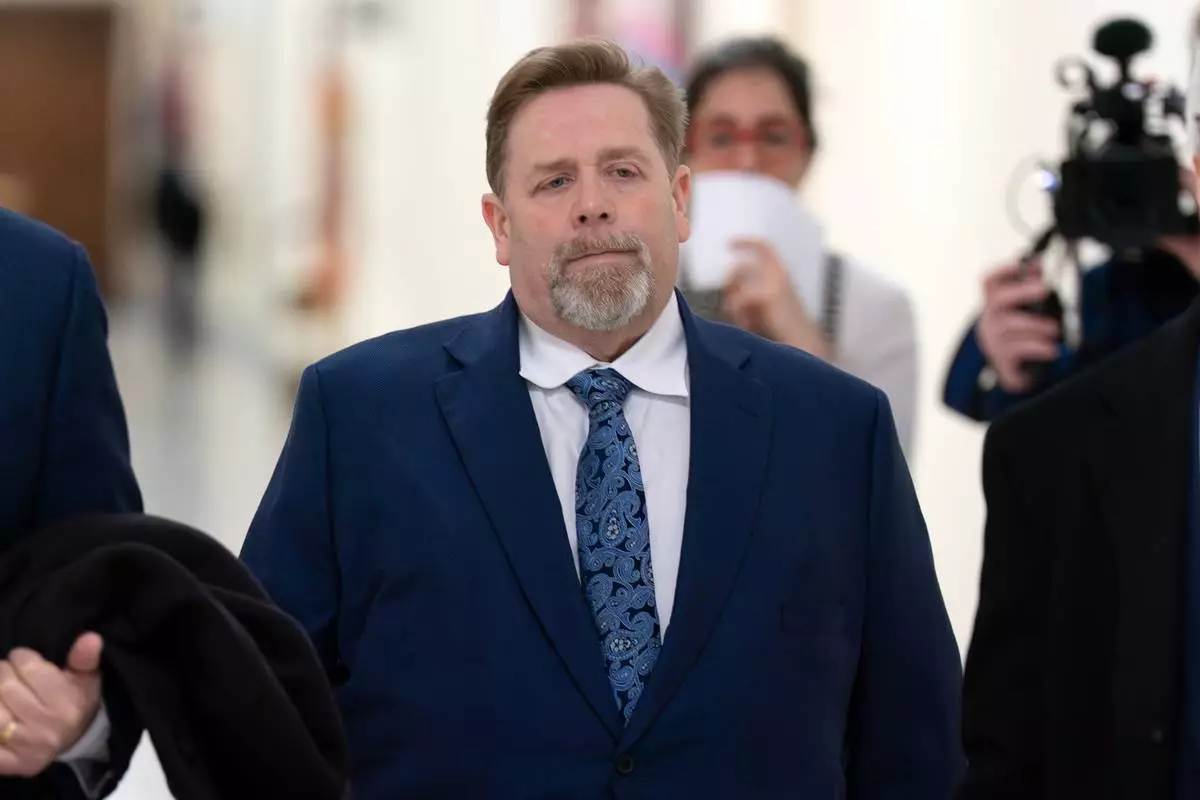
Darren K. Indyke, Jeffrey Epstein's former lawyer, arrives for his deposition before the House Oversight Committee on Capitol Hill, Thursday, March 19, 2026, in Washington. (AP Photo/Jose Luis Magana)
WASHINGTON (AP) — U.S. President Donald Trump has been fuming about NATO, musing about leaving the alliance, ratcheting up his criticism of European leaders and exposing a wider rift in the trans-Atlantic alliance — this time over the Iran war.
“NATO treated us very badly, and you have to remember it because they’ll be treating us badly again if we ever need them,” Trump said Wednesday at a private White House lunch for the upcoming Easter holiday that was posted online by a Business Insider reporter.
The president also suggested in an interview to The Telegraph newspaper in the U.K., published Wednesday, that he could potentially try to leave the alliance.
Yet in his televised Wednesday evening address to the American people about the Iran war, Trump chose not to mention NATO by name, suggesting only that countries that depend on oil flowing through the Strait of Hormuz “must grab it and cherish it” because the U.S. would not.
Trump's tension over NATO reflects the potentially dangerous consequences of breaking up the alliance, the limits on his own power to do so and the careful mending of the relationship performed by fellow world leaders. But one certainly is that Trump's displeasure with NATO appears to be a feature of his presidency, rather than an issue that can be easily settled.
Congress passed legislation in 2023 that would prevent any president from pulling out of NATO without its approval. The Trump administration, during his first term, had insisted the president had such authority on his own. It’s unclear whether Trump would challenge in any way the new law, which is the first of its kind and with the NATO provision specifically championed at the time by Trump's secretary of state, Marco Rubio, who was a Florida senator at the time.
There are efforts under way to reinforce America's relationship with NATO, with its secretary-general, Mark Rutte, scheduled to visit Washington next week. The visit by Rutte was confirmed by a White House official who was not authorized to comment on the yet to be formally announced visit and spoke on the condition of anonymity.
U.K. Prime Minister Keir Starmer said his government was “fully committed to NATO” and called it “the single most effective military alliance the world has ever seen.”
Before a Trump speech later Wednesday, U.S. Sen. Mitch McConnell, a Kentucky Republican, and Sen. Chris Coons, a Delaware Democrat, said in a joint statement that “NATO is the most successful military alliance in history” and stressed that the Senate “will continue to support the alliance for the peace and protection it provides" the United States, Europe and the world.
Many European leaders have felt political pressure over the war, which faces opposition in their countries and has sent petroleum prices soaring as Iran has effectively shut the Strait of Hormuz, the narrow waterway between Iran and Oman through which about one-fifth of the world’s oil passes.
The U.K. is working on plans that could help assuage Trump, and Starmer said military planners will work on a postwar security plan for the Strait.
On Thursday, British Foreign Secretary Yvette Cooper will host a virtual meeting of 35 countries that have signed up to help ensure security for shipping in the Strait — after the fighting ends.
Iulia-Sabina Joja, a senior fellow at the Middle East Institute, alluded to Trump's exhortation Tuesday for allies to “go get your own oil” in a social media post insisting it wasn't America's job to secure the Strait.
“The Europeans are not keen to go into an active warfare situation, to so-called ‘get’ their energy out of the Strait,” said Joba, a former deputy project manager at NATO Allied Command Transformation in Virginia.
As energy prices have spiked, Trump has called NATO allies “cowards” for not sending their military ships to the strait. It's an amplification of his message since his first term that European partners should assume greater responsibility for their own security.
Speaking Tuesday on Fox News, Rubio said, “I do think, unfortunately, we are going to have to reexamine whether or not this alliance that has served this country well for a while is still serving that purpose.”
Rubio raised questions with interviewer Sean Hannity about whether NATO has “become a one-way street where America is simply in a position to defend Europe — but when we need the help of our allies, they’re going to deny us basing rights and they’re going to deny us overflight.”
The fraying of NATO could weaken the alliance’s deterrence, particularly with Russia: It seeks to limit conflict by having Russian President Vladimir Putin believe that NATO would retaliate if he decides to one day expand Moscow's war in Ukraine.
NATO is built on Article 5 of its founding treaty, which pledges that an attack on any one member will be met with a response from them all.
As the Iran war has spread, missiles and drones have been fired toward NATO member Turkey and a British military base on Cyprus, fueling speculation about what might prompt NATO to trigger its collective security guarantee and come to their rescue.
The alliance hasn't intervened or signaled any plan to do so. Rutte — who has voiced support for Trump and Washington's role in the alliance — has been focusing mostly on the Russia-Ukraine war since Ukraine borders four NATO countries.
NATO operates uniquely by consensus. All 32 countries must agree for it to make decisions, so political priorities play a role. Even invoking Article 5 requires agreement among the allies. Turkey or the U.K. can't trigger it alone.
European leaders have called for the Middle East conflict to stop and want the U.S. and Iran to return to negotiations over Tehran's nuclear program, which Washington and Israel see as a threat.
The vocal opposition in Europe to Trump's war against Iran has started to turn into action.
Spain has closed its airspace to U.S. planes involved in the war.
Early last month, France agreed to let the U.S. Air Force use a base in southern France after receiving a “full guarantee” from the United States that planes not involved in carrying out strikes against Iran would land there.
The government of Italian Premier Giorgia Meloni, long seen as one of the European Union leaders with the best personal ties to Trump, denied permission for U.S. bombers to land at the Sigonella air base in Sicily for one mission related to the Middle East.
Franco Pavoncello, a professor of political science at Rome’s John Cabot University, said that decision might cost Meloni a lot of her political capital in Washington.
But he said, “The Italian government could not be seen by the European allies as too submissive to American interests, as it would have very negative repercussions both at home and in the EU.”
U.S. relations with Europe had already soured in recent months over Trump's call for Greenland — a semiautonomous territory of stalwart NATO ally Denmark — to become part of the United States, prompting many EU countries to rally behind Copenhagen.
Jill Lawless reported from London and Jamey Keaten from Geneva. Lorne Cook in Brussels, Giada Zampano in Rome, Sam McNeil in Dubai, United Arab Emirates, and Matthew Lee in Washington contributed to this report.
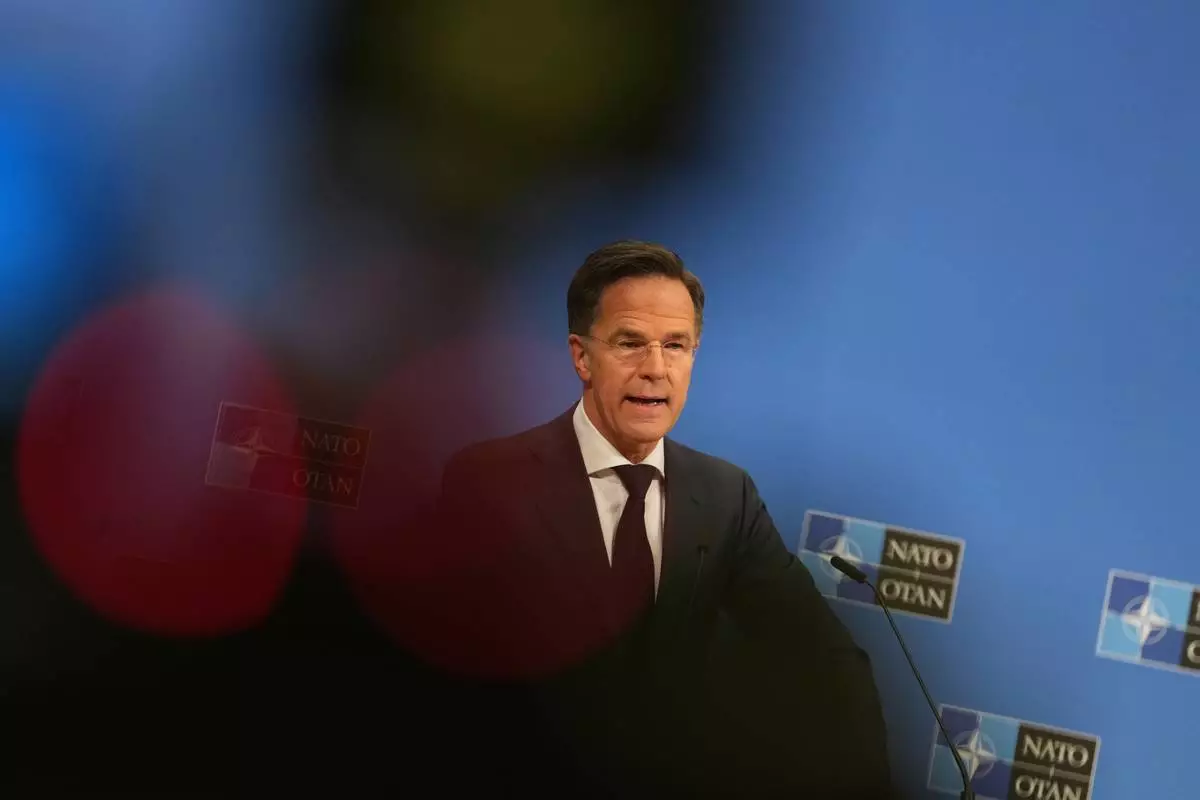
NATO Secretary General Mark Rutte speaks during the launch of the NATO Secretary General's Annual Report for 2025 at NATO headquarters in Brussels, Thursday, March 26, 2026. (AP Photo/Virginia Mayo)
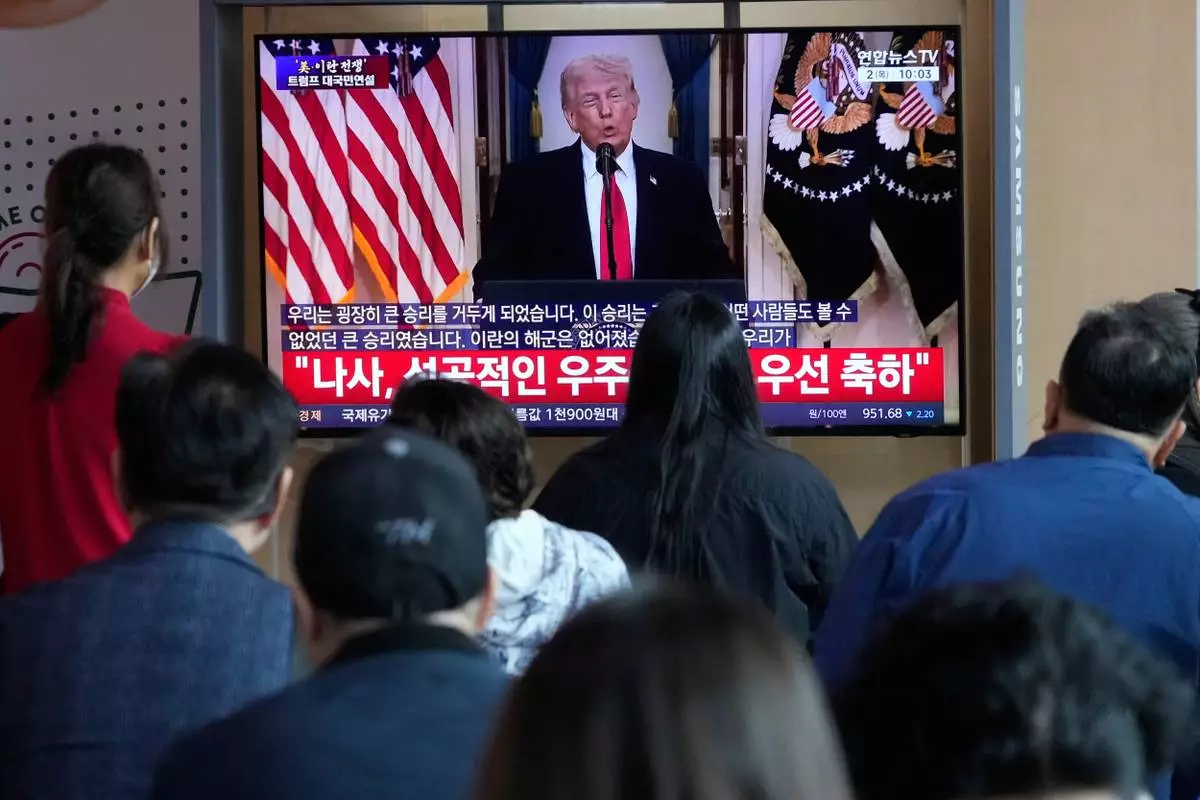
People watch a TV screen showing a live broadcast of U.S. President Donald Trump's speech at the Seoul Railway Station in Seoul, South Korea, Thursday, April 2, 2026. (AP Photo/Ahn Young-joon)
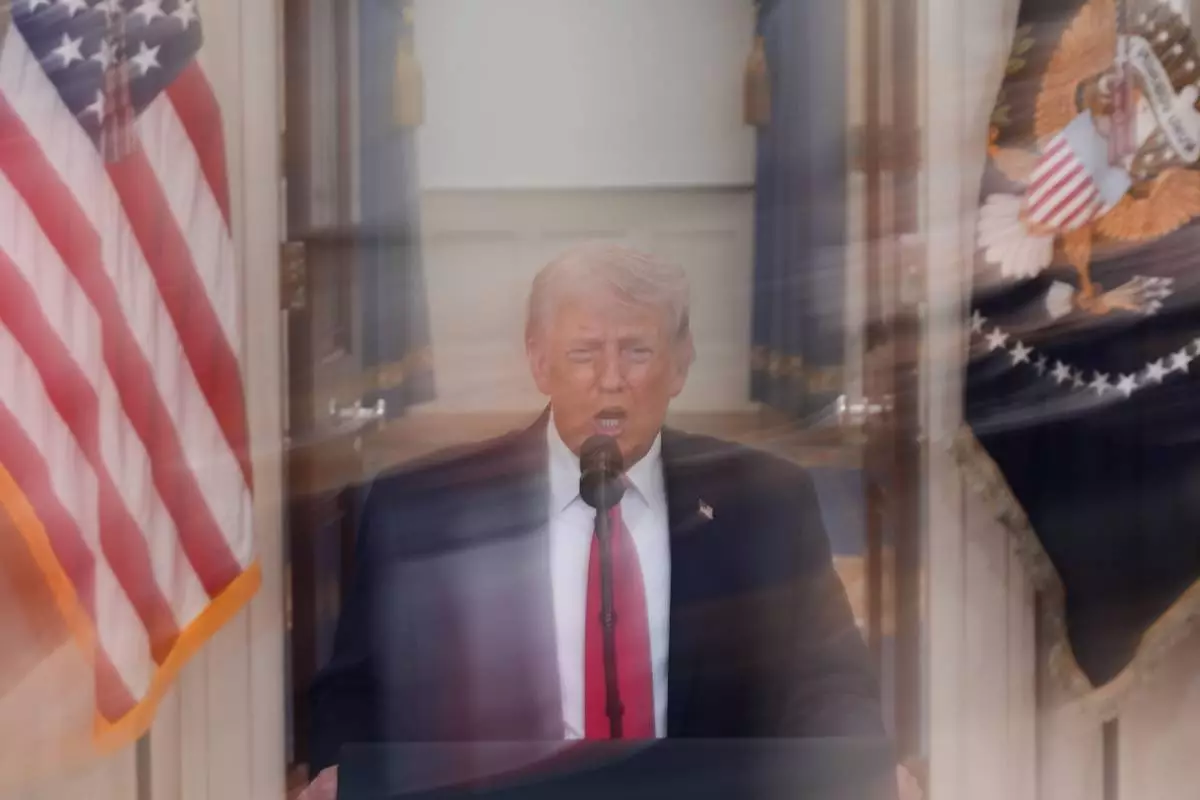
In this image made with a long exposure, President Donald Trump speaks about the Iran war from the Cross Hall of the White House on Wednesday, April 1, 2026, in Washington. (AP Photo/Alex Brandon, Pool)
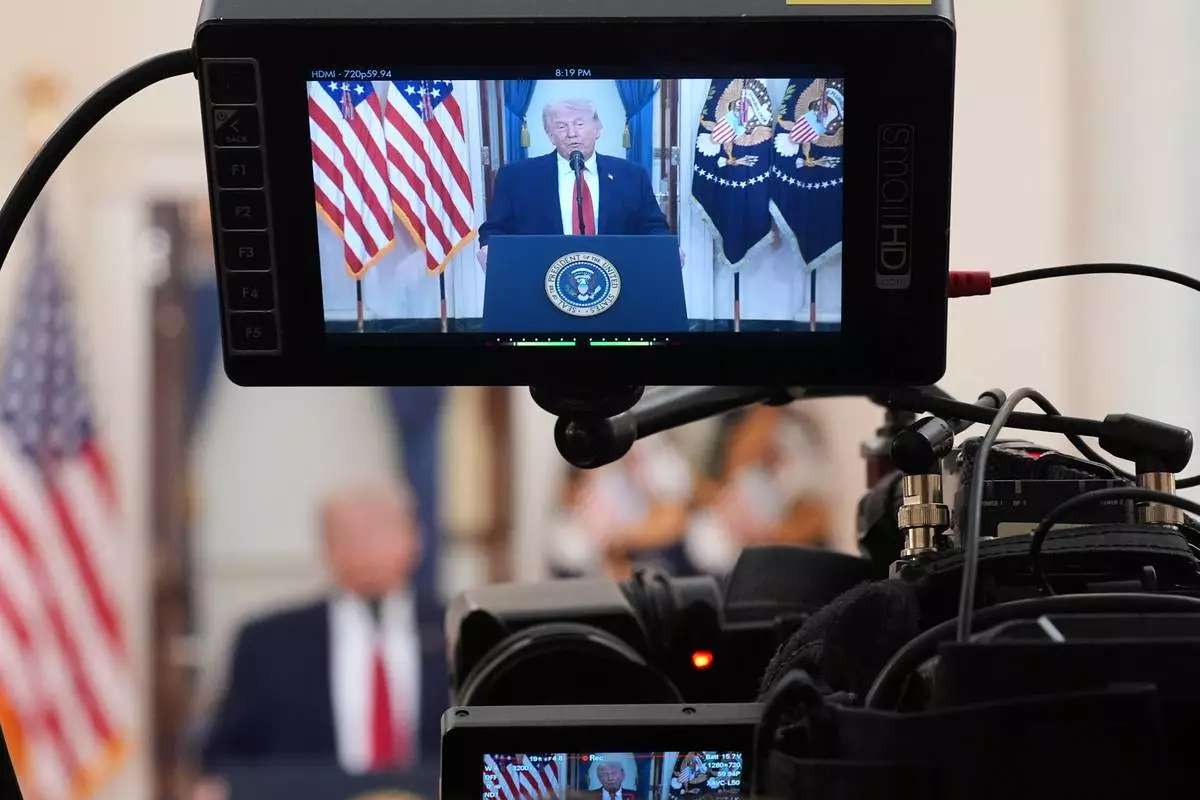
President Donald Trump speaks about the Iran war from the Cross Hall of the White House on Wednesday, April 1, 2026, in Washington. (AP Photo/Alex Brandon, Pool)
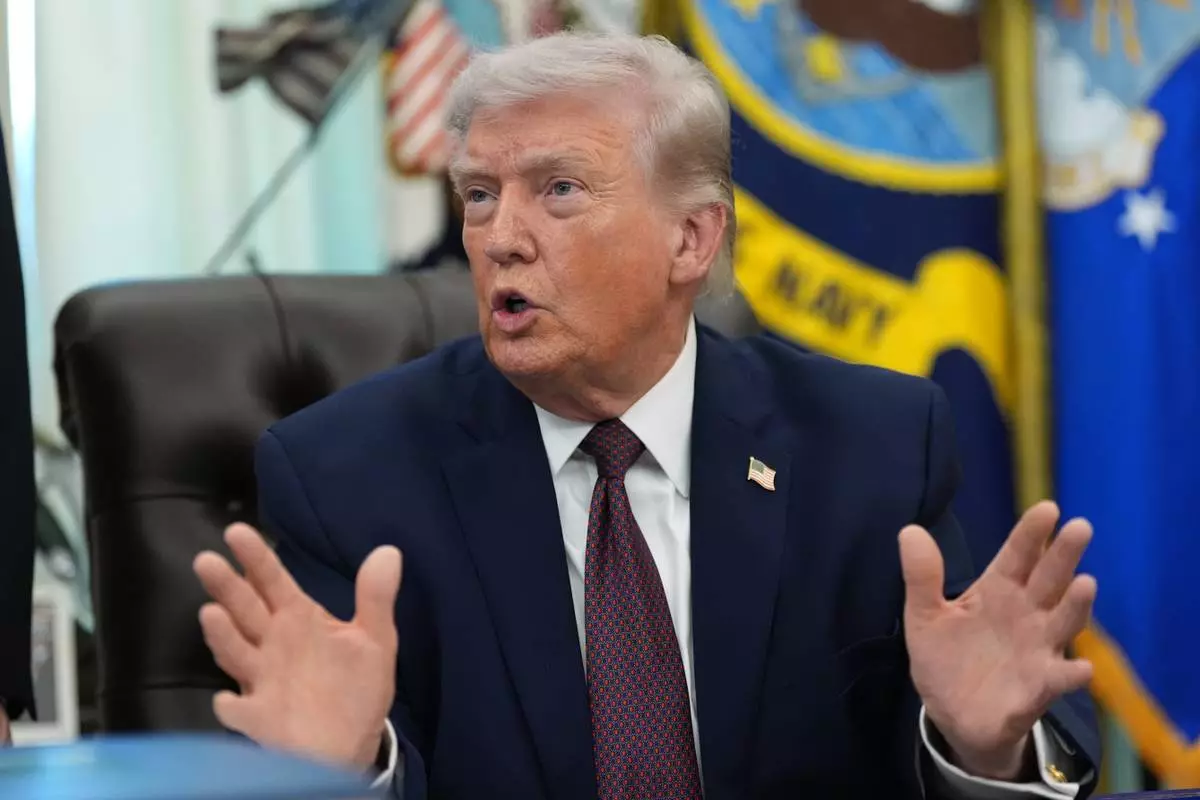
President Donald Trump answers questions from reporters after signing an executive order in the Oval Office of the White House Tuesday, March 31, 2026, in Washington. (AP Photo/Alex Brandon)
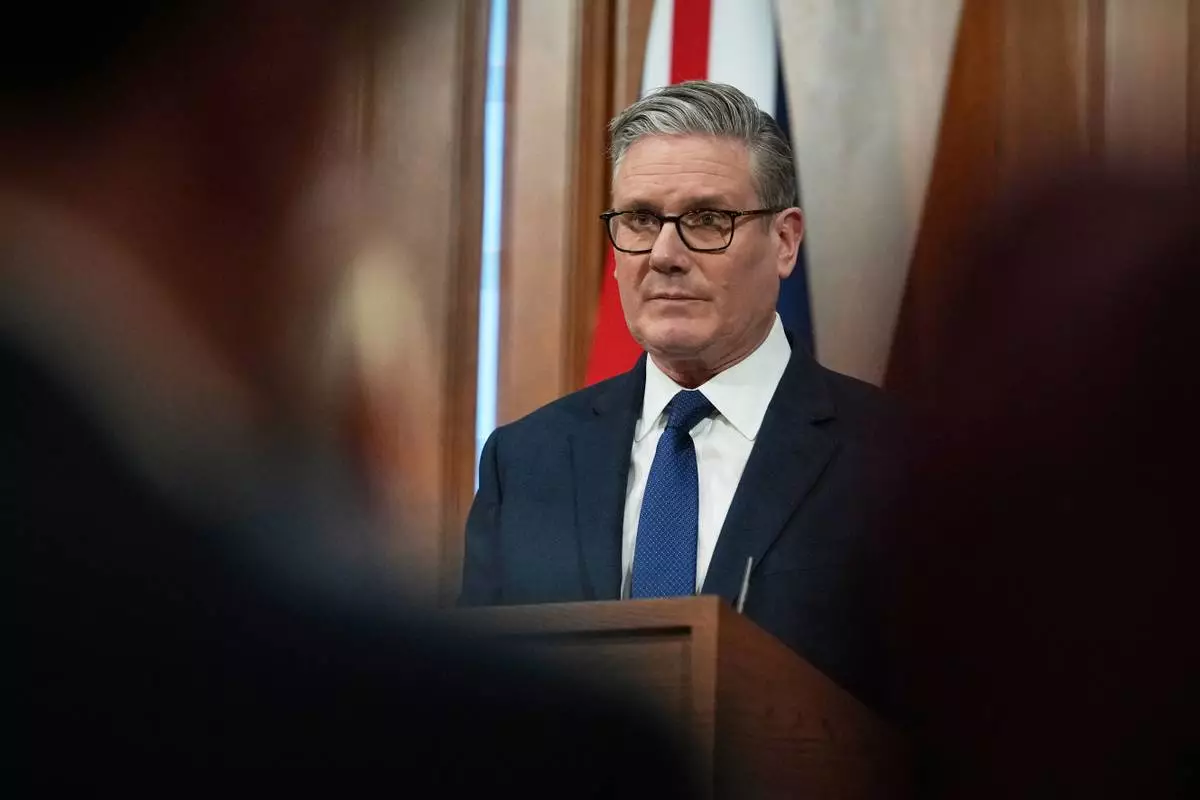
Britain's Prime Minister Keir Starmer speaks during a press conference at Downing Street in London, Wednesday, April 1, 2026. (AP Photo/Frank Augstein, Pool)
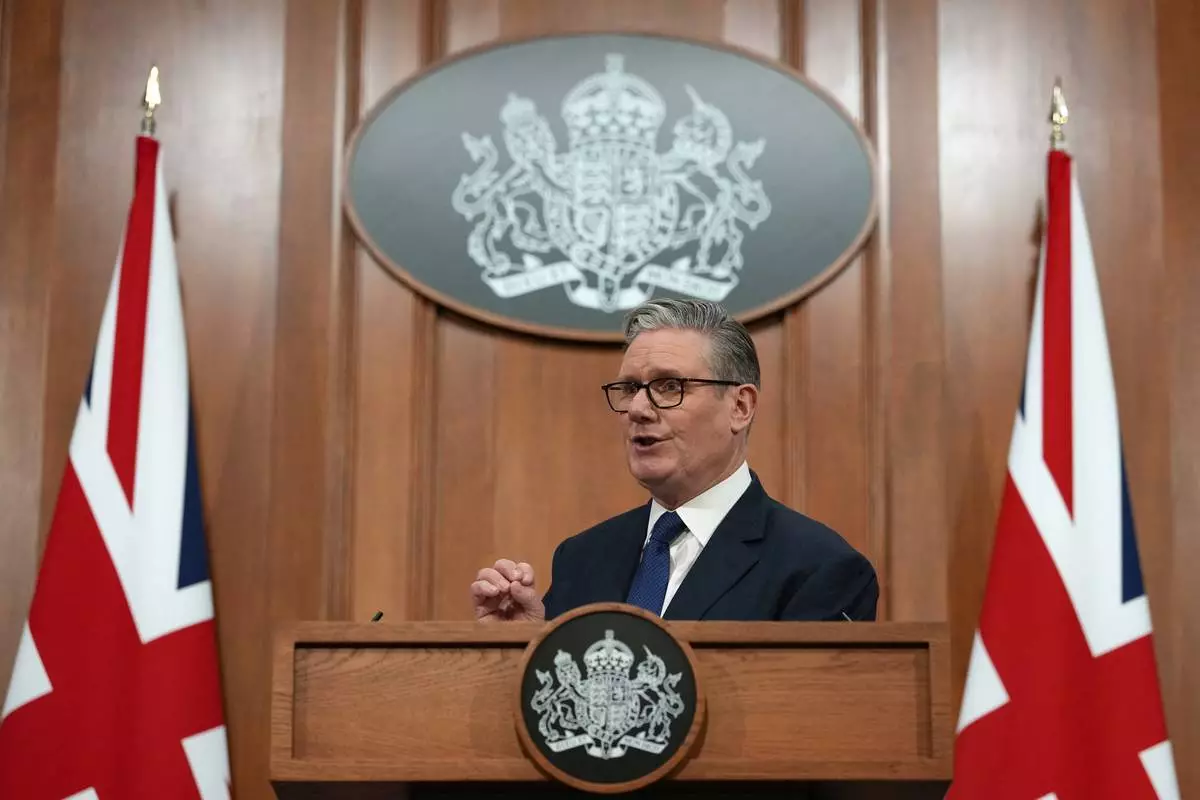
Britain's Prime Minister Keir Starmer speaks during a press conference at Downing Street in London, Wednesday, April 1, 2026. (AP Photo/Frank Augstein, Pool)
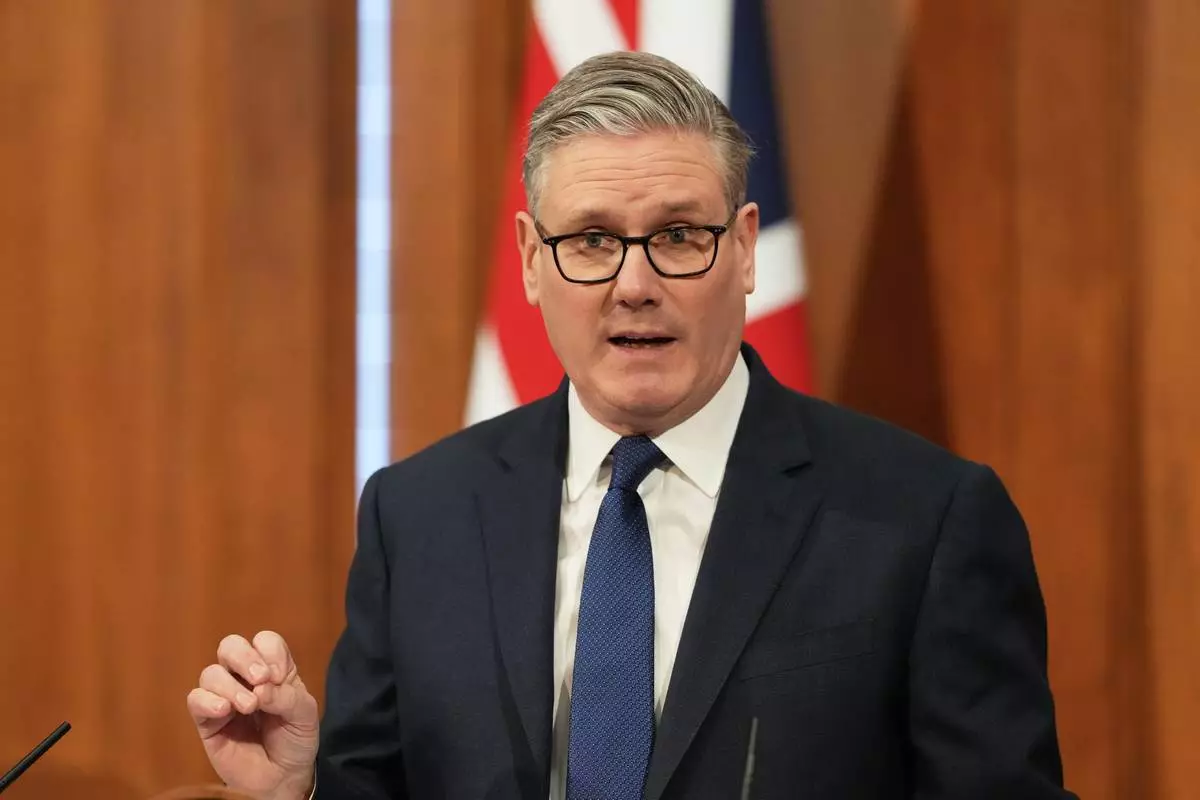
Britain's Prime Minister Keir Starmer speaks during a press conference at Downing Street in London, Wednesday, April 1, 2026. (AP Photo/Frank Augstein, Pool)