NEW YORK (AP) — Colombian President Gustavo Petro has been designated a “priority target” by the U.S. Drug Enforcement Administration as federal prosecutors in New York probe his alleged ties to drug traffickers, according to people familiar with the matter and records seen by The Associated Press.
DEA records show Petro has surfaced in multiple investigations dating to 2022, many based on interviews with confidential informants. The alleged crimes the DEA has investigated include his possible dealings with Mexico’s Sinaloa cartel and a scheme to leverage his “total peace” plan to benefit prominent traffickers who contributed to his presidential campaign. The records also suggest the use of law enforcement to smuggle cocaine and fentanyl through Colombian ports.
The “priority target” label is reserved for suspects DEA deems to have a “significant impact” on the drug trade. It's unclear when the DEA gave Petro that designation.
Petro denied all ties to drug traffickers and maintained he never accepted their funds during his campaign. Writing on X Friday, he argued that U.S. legal proceedings would ultimately dismantle accusations from the Colombian far right, a group he claims is actually the one involved with traffickers.
Colombia’s Embassy in Washington downplayed what it called “unverified” and anonymous reports of preliminary law enforcement investigations against Petro.
“The reported insinuations have no legal or factual basis,” the embassy said in a statement.
In recent months, prosecutors in Brooklyn and Manhattan have been questioning drug traffickers about their ties to Petro and specifically about allegations the Colombian president’s representatives solicited bribes to block their extradition to the United States, according to one of the people who weren't authorized to discuss the ongoing inquiry and spoke to The Associated Press on condition of anonymity.
The person said it wasn’t clear whether federal prosecutors have implicated Petro in any crime.
The investigation is focusing at least in part on allegations that representatives of Petro solicited bribes from drug traffickers at the Colombian jail La Picota in exchange for a promise that they not be extradited to the U.S., one of the people said.
Petro has consistently denied allegations of drug trafficking, particularly after Trump labeled him an “illegal drug leader” and the Treasury Department sanctioned him in late 2025 for alleged ties to the trade without offering evidence.
U.S. federal prosecutors declined to comment. The DEA did not immediately respond to a request for comment.
The federal inquiry was reported earlier Friday by The New York Times.
The inquiries into Petro are in the early stages, and it is not clear whether they will result in charges, according to another person familiar with the matter, adding the White House has had no role in the investigations.
The DEA records reviewed by the AP are based in part on tips from confidential sources that point to Petro’s possible involvement with a range of criminal groups that have dominated the South American drug trade for years. Those include Mexico’s Sinaloa cartel as well as the Cartel de los soles, or Cartel of the Suns, a term used to describe a loose network of corrupt, high-ranking military officers in neighboring Venezuela.
The records also cite a 2024 interview with an unnamed source who claimed Petro is utilizing former campaign aides and officials from state-run oil company Ecopetrol to launder presidential funds into foreign countries for Petro’s use upon completion of his presidency.
Ecopetrol President Ricardo Roa vehemently denied the allegations in a statement to AP, saying they “lacked all reality or logic.”
Petro, a former rebel leader, soared into office promising to reduce the country’s dependence on fossil fuels and reallocate state resources to addressing entrenched poverty.
A leftist politician known for winding sometimes incoherent speeches, he has regularly criticized the Trump administration over its support for Israel, bombing of drug boats in the Caribbean and likened the White House migration crackdown to “Nazi” tactics.
After one such outburst, at a pro-Palestinian demonstration outside the United Nations headquarters in New York, Trump retaliated by revoking Petro’s U.S. visa. He also briefly slapped high tariffs on Colombia over Petro’s refusal to accept deportation flights from the United States.
But more recently the two have shown signs of getting along. After a meeting at the White House in February, Trump described Petro as “terrific.”
Colombian authorities have for years been investigating members of Petro’s family for possible criminal acts.
His son, Nicolás Petro, was charged in 2023 with soliciting illegal campaign contributions from a convicted drug trafficker to fund a lavish lifestyle of expensive cars and homes. The younger Petro has pleaded not guilty and his father has said none of the money was used to fund his campaign.
The president’s brother, Juan Fernando Petro, has also been implicated in secret negotiations that allegedly took place with imprisoned drug traffickers to shield them from extradition to the U.S. in exchange for their disarmament.
Politics in Colombia have long been tainted by cocaine, of which it is the world’s largest supplier. In the 1980s, drug lord Pablo Escobar was elected to the country’s Congress with the support of one of Colombia’s most traditional parties. A decade later, his rivals from the Cali cartel flooded the presidential campaign of Ernesto Samper with illegal donations.
The now defunct urban guerrilla group Petro belonged to, the 19th of April Movement, has long been suspected of taking money from Escobar’s Medellin cartels as part of its deadly siege of the Supreme Court in 1985. Petro did not participate in the attack, which left several guerrillas and around half the high court’s magistrates dead. Leaders of the group have always denied any links to the cartel.
Goodman reported from Miami. Durkin Richer reported from Washington. Mike Sisak contributed from New York and Astrid Suárez from Bogotá, Colombia.
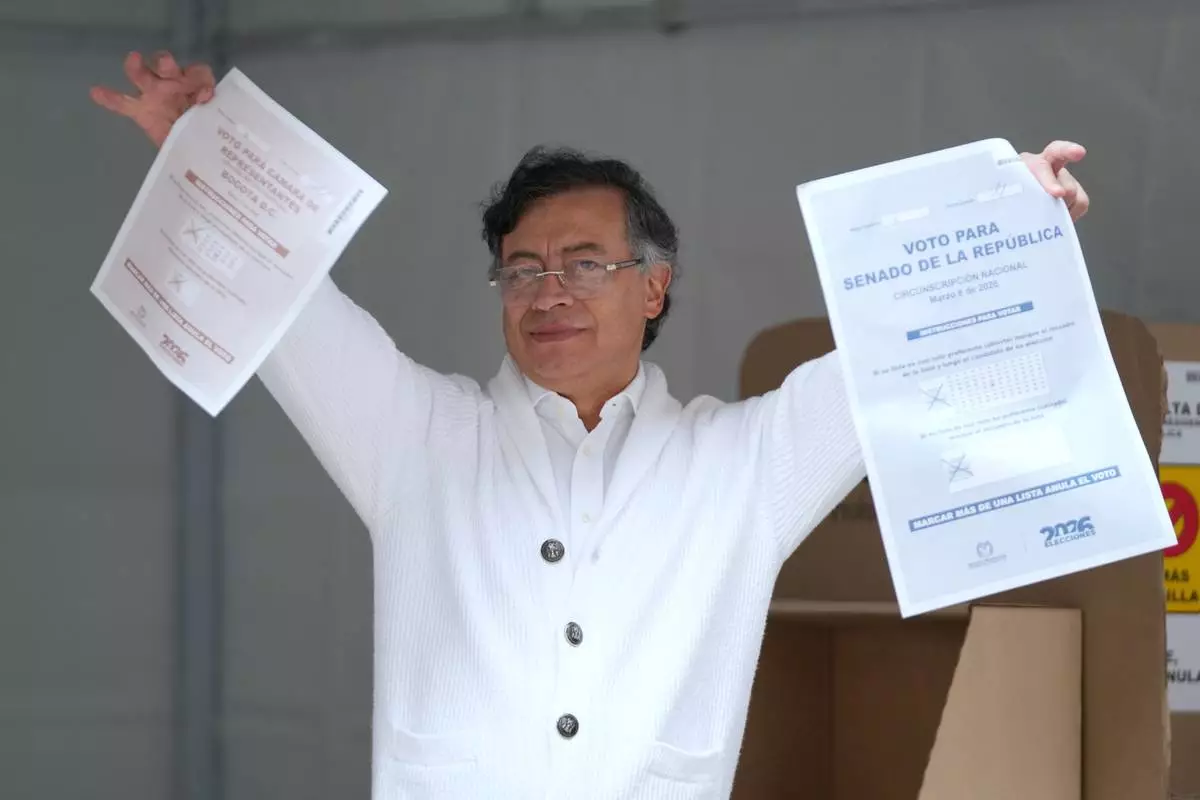
Colombia's President Gustavo Petro shows the ballots before voting in legislative elections in Bogota, Colombia, Sunday, March 8, 2026. (AP Photo/Fernando Vergara)
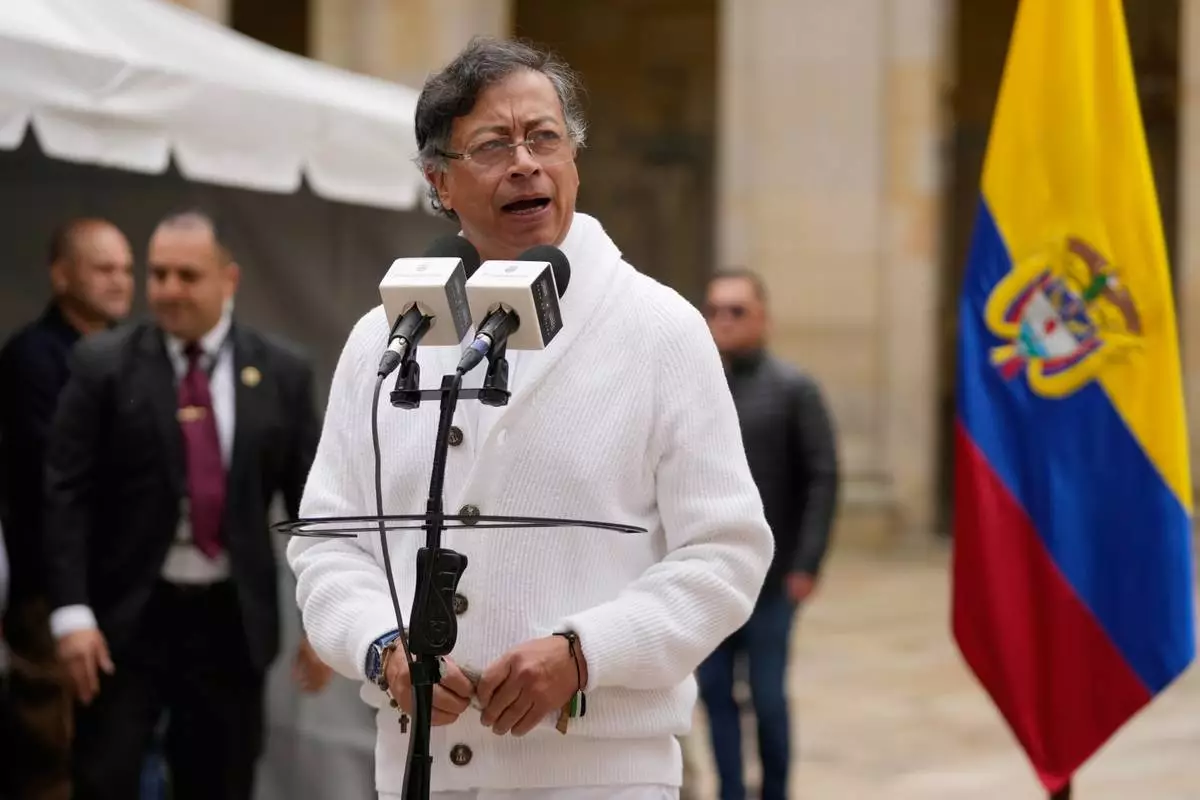
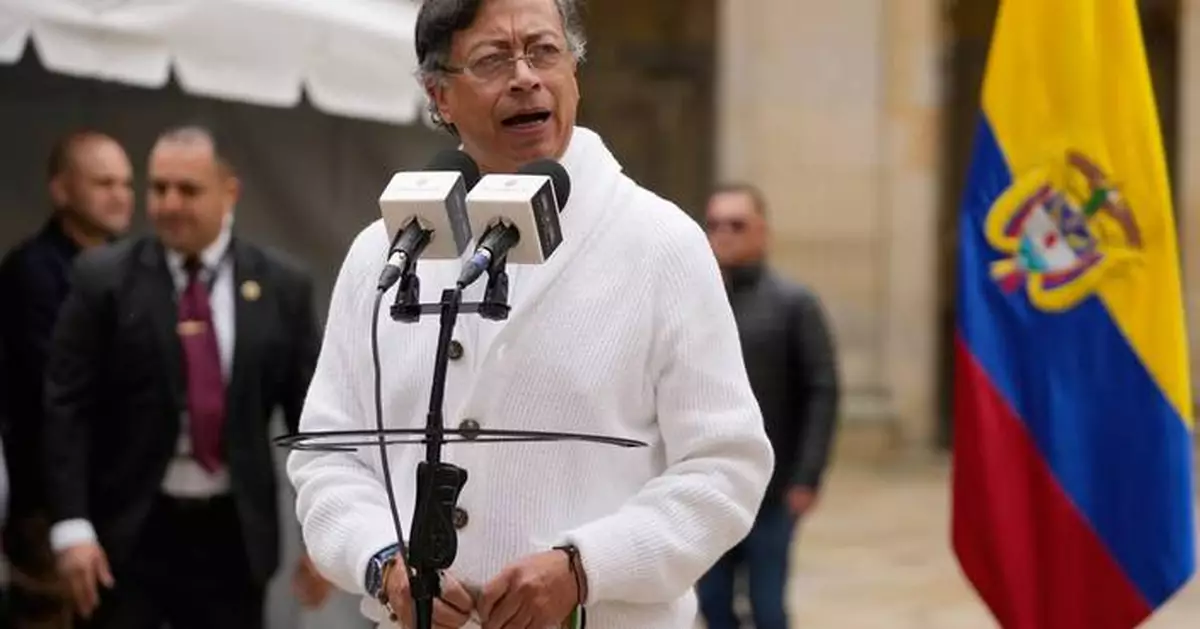
Colombia's President Gustavo Petro speaks after voting during legislative elections in Bogota, Colombia, Sunday, March 8, 2026. (AP Photo/Fernando Vergara)