HAVANA (AP) — Cuba began restoring its energy system on Sunday, a day after a nationwide collapse of the entire grid left millions of people in the dark for the third time this month.
Some 72,000 customers in the capital, among them five hospitals, had electricity again early Sunday, according to a report from the state-run Electric Union and the Ministry of Energy and Mines, but it's only a fraction of Havana’s total population of approximately 2 million.
Click to Gallery
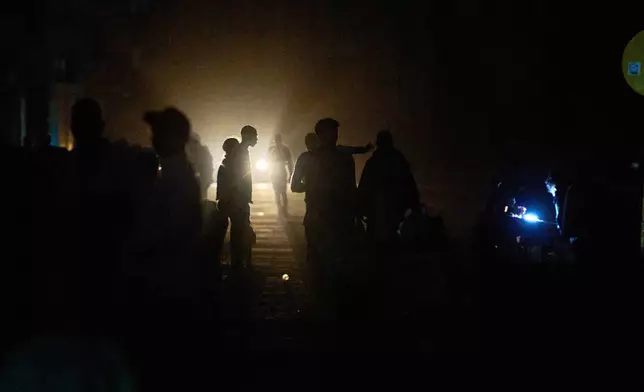
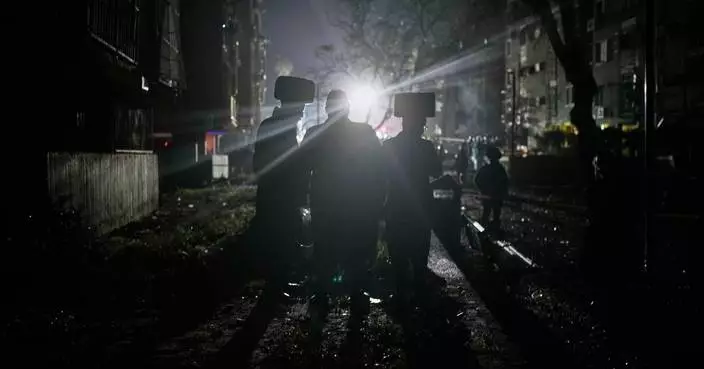
People walk on a street in the dark during a blackout in Havana, Cuba, Saturday, March 21, 2026. (AP Photo/Ramon Espinosa)
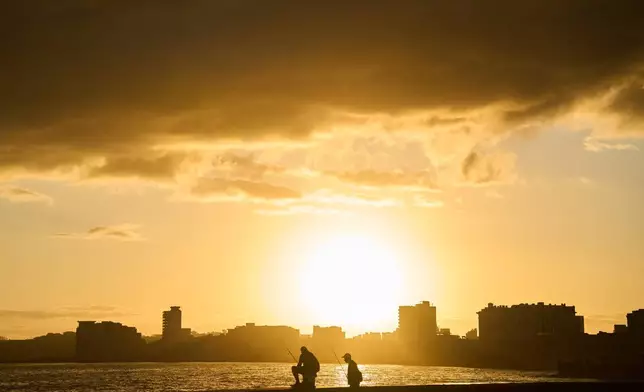
Fishermen are seen on the Malecón seawall at dawn during a blackout in Havana, Cuba, Sunday, March 22, 2026. (AP Photo/Ramon Espinosa)
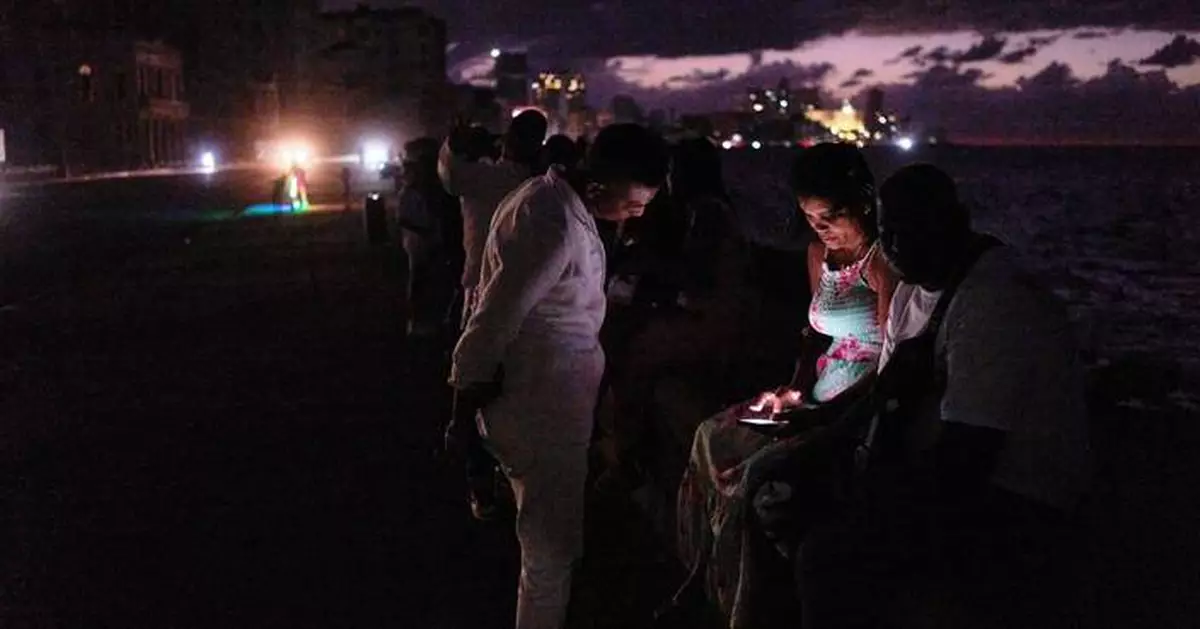
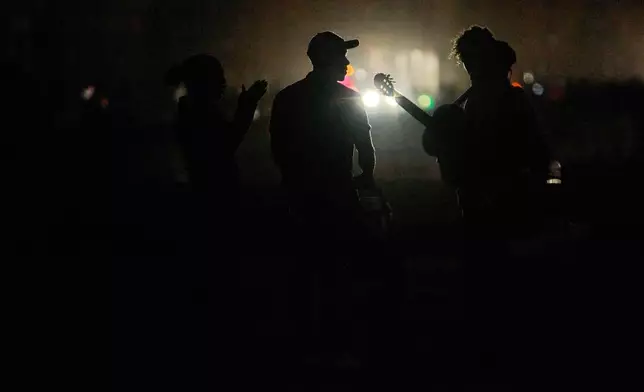
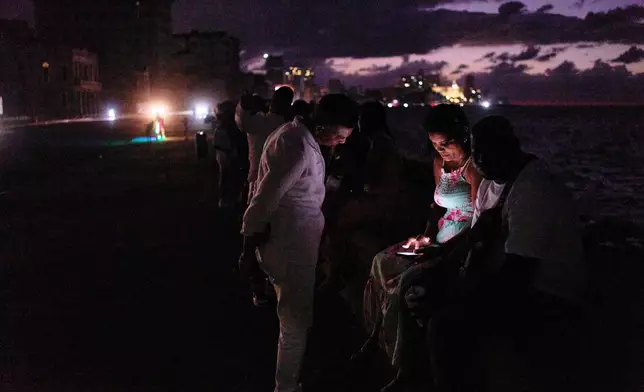
People spend the dark on the Malecon during a blackout in Havana, Cuba, Saturday, March 21, 2026. (AP Photo/Ramon Espinosa)
People spend the night in the dark on the Malecon during a blackout in Havana, Cuba, Saturday, March 21, 2026. (AP Photo/Ramon Espinosa)
In Havana and provinces such as western Matanzas and eastern Holguin, local power microsystems were set up to supply the most vital centers. Residents in some areas of the capital told The Associated Press that power returned during the early morning hours.
Cuba is currently facing an unprecedented energy crisis. Its aging grid has drastically eroded in recent years, but the government has also blamed the outages on a U.S. energy blockade, after President Donald Trump in January warned of tariffs on any country that sells or provides oil to Cuba. His administration is demanding that Cuba release political prisoners and move toward political and economic liberalization in return for a lifting of sanctions. Trump also has raised the possibility of a “friendly takeover of Cuba.”
Another reason Cuba has been struggling with dwindling oil is the removal by the U.S. of Venezuela’s former President Nicolás Maduro, which halted critical petroleum shipments from the nation that had been a steadfast ally to Havana.
President Miguel Díaz-Canel has said the island has not received oil from foreign suppliers for three months. Cuba produces barely 40% of the fuel it needs to power its economy.
Daily blackouts have a significant impact on the population, whose lives are disrupted by reduced work hours, lack of electricity for cooking and damage to household appliances, among many other consequences.
“With the blackout and low voltage, my refrigerator broke — that was today. The day before yesterday, the voltage also dropped around 10 at night,” Suleydi Crespo, a 33-year-old woman with two small children, told AP on Saturday. “If there’s no electricity tomorrow, we won’t be able to get water.”
Residents also expressed exhaustion from the constant outages, whether nationwide or partial.
The Cuban Electric Union, which reports to the Ministry of Energy and Mines, reported that the total disconnection of the national energy system was caused by an unexpected shutdown of a generation unit at the Nuevitas thermoelectric plant in Camaguey province, without providing details on the specific cause of the failure.
The last nationwide blackout occurred on Monday. It took several days to restore power.
Saturday’s outage was the second in the past week and the third in March.
“We have to get used to continuing our usual routine. What else can we do? We have to try to survive. Get used to events, with or without electricity,” said Dagnay Alarcón, a 35-year-old vendor.
Authorities and Díaz-Canel himself have acknowledged the seriousness of the current energy situation. The Vice Minister of Energy and Mines Argelio Abad Vigo explained this week that the country has gone three months without receiving supplies of diesel, fuel oil, gasoline, aviation fuel or liquefied petroleum gas — all vital for the economy and power generation.
Fuel sales for vehicles are rationed, airlines have suspended flights or reduced frequencies many workplaces have reduced hours.
Trump has for months suggested Cuba’s government is on the verge of collapse. After a previous time Cuba’s electric grid collapsed, Trump told reporters he believed he’d soon have “the honor of taking Cuba.”
María Regla Cardoso, a housewife in Havana, said she isn't interested in politics and that Cubans have to keep living.
“I leave everything in God’s hands. Whatever form the situation takes, we just have to face it.”
Follow AP’s coverage of Latin America and the Caribbean at https://apnews.com/hub/latin-america
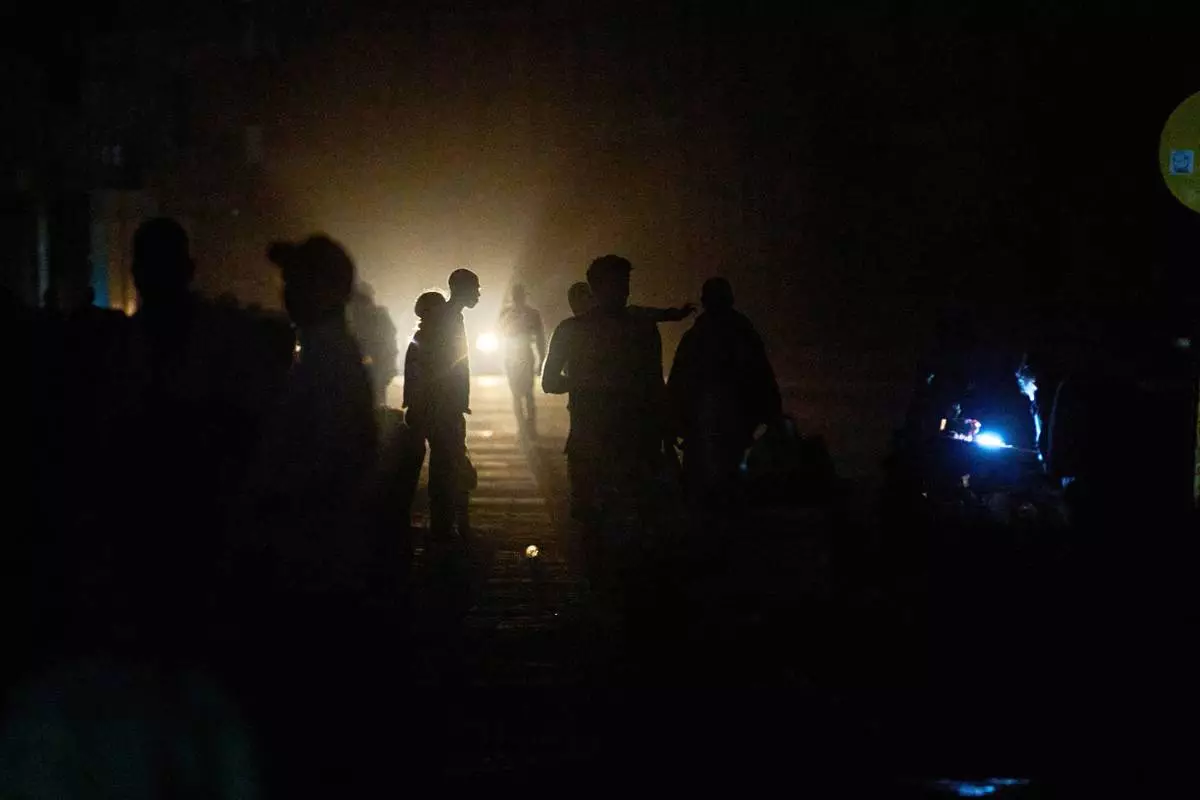
People walk on a street in the dark during a blackout in Havana, Cuba, Saturday, March 21, 2026. (AP Photo/Ramon Espinosa)
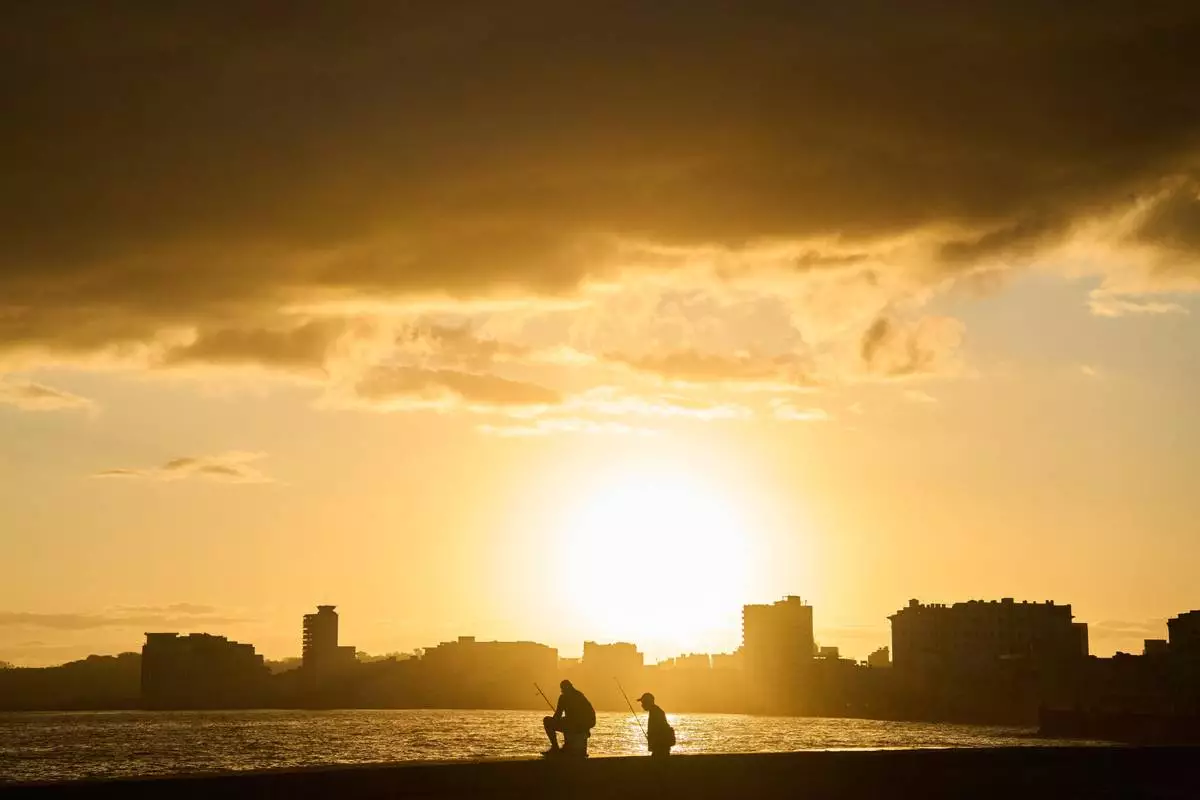
Fishermen are seen on the Malecón seawall at dawn during a blackout in Havana, Cuba, Sunday, March 22, 2026. (AP Photo/Ramon Espinosa)
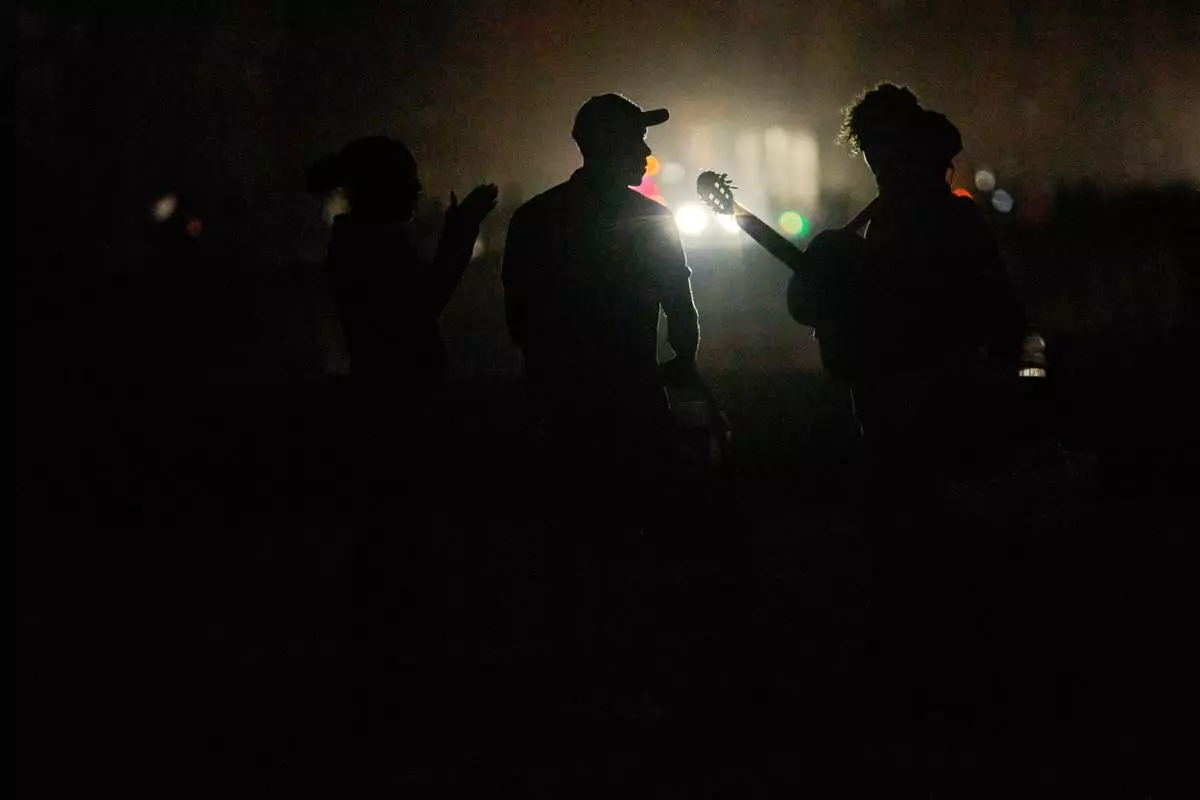
People spend the dark on the Malecon during a blackout in Havana, Cuba, Saturday, March 21, 2026. (AP Photo/Ramon Espinosa)
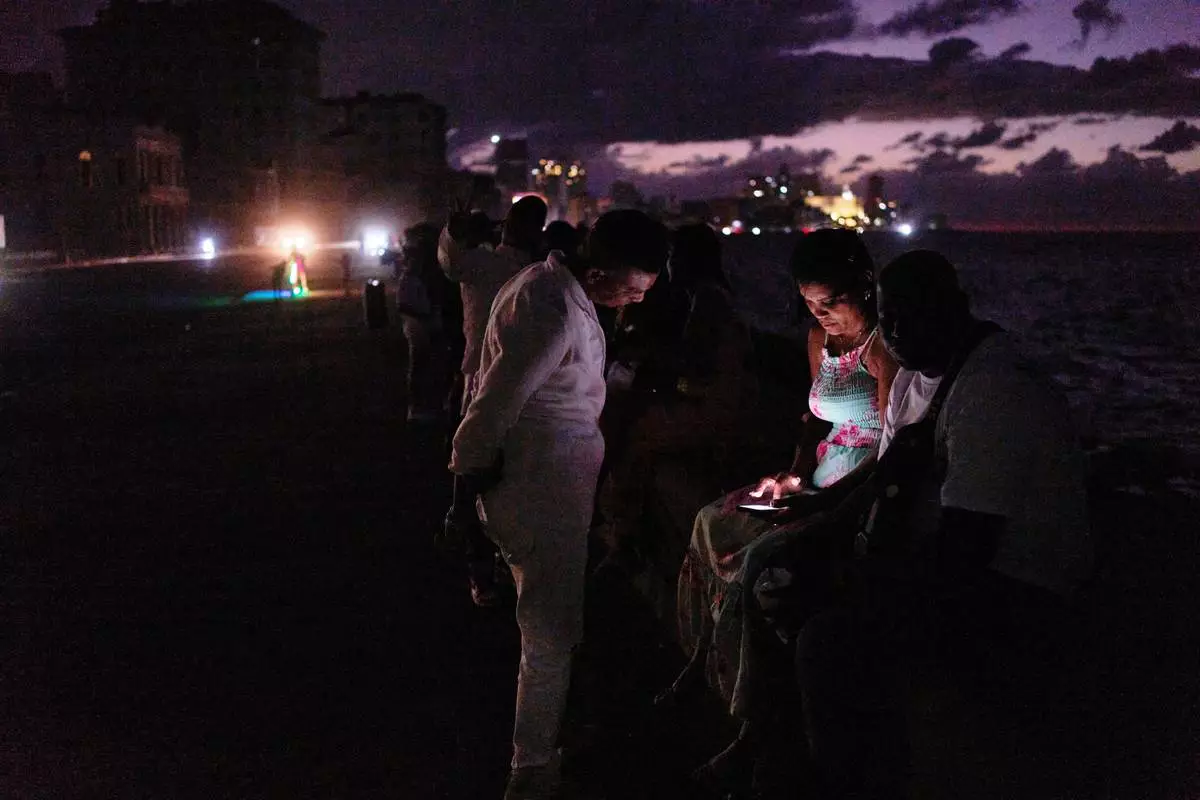
People spend the night in the dark on the Malecon during a blackout in Havana, Cuba, Saturday, March 21, 2026. (AP Photo/Ramon Espinosa)
WASHINGTON (AP) — Federal immigration agents newly ordered to U.S. airports by President Donald Trump to help relieve security line congestion may guard exit lanes or check passenger IDs as a budget impasse has air travelers frustrated over hourslong waits and screeners angry about missed paychecks.
Trump made clear on Sunday, a day after saying he would use immigration officers for airport security starting Monday unless Democrats agreed on a bill to fund the Department of Homeland Security, that he was going ahead with the plan to assist the Transportation Security Administration.
Hundreds of thousands of homeland security workers, including from the TSA, U.S. Secret Service and Coast Guard, have worked without pay since Congress failed to renew DHS funding last month. Democrats are demanding major changes in the conduct of federal immigration agents and showing no sign of backing down.
White House border czar Tom Homan, named by Trump to lead this effort, has also been meeting with a bipartisan group of senators in recent days over the partial shutdown and while he characterized those sessions as “good conversations,” he said they were “not at a point yet where we’re in total agreement.”
The Senate, convening in a rare weekend session, was expected to advance the nomination of Sen. Markwayne Mullin, R-Okla., to be Trump’s next homeland security secretary. A vote on the confirmation could come as early as late Monday as Mullin has tried to make the case that he would be a steady hand after the tumultuous tenure of Kristi Noem, Trump’s first DHS secretary.
Meantime, Homan said in Sunday news show interviews that the increased role of U.S. Customs and Immigrations Enforcement at airports — specific duties and numbers — was subject to discussions with the leadership of TSA and ICE “to find out where we can fit in."
He pledged to have "a plan by the end of today, where we’re sending -- what airports we’re starting with and where we’re sending them. ... So it’s a work in progress.” The priority, Homan said, was “the large airports where there’s a long wait, like three hours.”
Immigration officers, as an example, could cover exits currently monitored by TSA agents, freeing them to work screening lines.
“ICE agents are assigned at many airports across the country already. They do a lot of investigation, criminal investigation on smuggling at airports,” Homan said, adding that “certainly, a highly trained ICE law enforcement officer can cover an exit and makes sure people don’t go through those exits, entering the airport through the exits. And stuff like that relieves that TSA officer to go to screening and to reduce those lines.”
Another option, he said, was having ICE agents check identification before people enter screenings areas.
"We’re going to be a force multiplier,” Homan said.
While saying to help “wherever we can provide extra security,” Homan said there were limits. “I don’t see an ICE agent looking at an X-ray machine, because we’re not trained in that,” he said.
Trump said in a social media post that on Monday, “ICE will be going to airports to help our wonderful TSA Agents who have stayed on the job" despite the partial government shutdown. He further criticized Democrats.
Travelers at some airports worried about reaching their gates Sunday.
At Atlanta’s Hartsfield-Jackson International Airport, lines wrapped from one end of the airport to the other.
“Everyone just seems to be accepting it for what it is, said 43-year-old Blake Wilbanks, who showed up 2 1/2 hours early for his morning flight to Salt Lake City after reading about the shutdown.
“Hopeful I’m gonna make it,” he said as he waited in a winding security line.
The scene appeared more chaotic at John F. Kennedy International Airport in New York. Large big crowds of anxious travelers piled toward security checkpoints, and TSA staff shouted through megaphones to tell people not to push one another.
For Transportation Secretary Sean Duffy, one concern is the uncertainty that passengers are facing over possible wait times at any airport on any given day.
“Do I have to come an hour and a half early? Do I have to come four hours early? They don’t know until the day of or the afternoon of their flight,” he said. “So if we can alleviate that, again, the president wants to take away that leverage point for Democrats and make travel easier for the American people.”
House Democratic leader Hakeem Jeffries of New York said “the last thing that the American people need are for untrained ICE agents to be deployed at airports all across the country” after criticism about their conduct as part of Trump's immigration enforcement operations in Minnesota and elsewhere.
Homan appeared on CNN's “State of the Union” and “Fox News Sunday,” while Duffy was interviewed on ABC's “This Week” and Jeffries spoke on CNN.
Associated Press writers Collin Binkley in West Palm Beach, Fla., Anthony Izaguirre in Lindenhurst, N.Y., Yuki Iwamura in New York and Nicholas Riccardi in Denver contributed to this report.
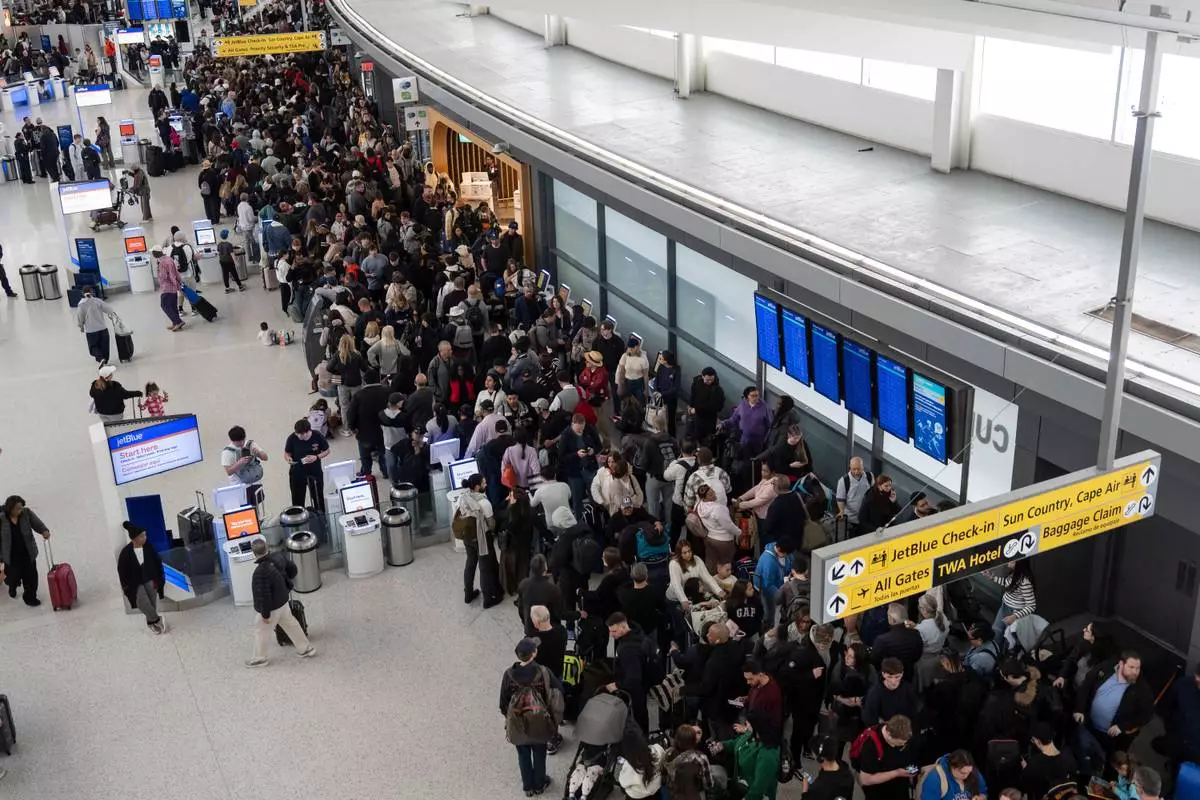
People wait in a TSA line at the John F. Kennedy International Airport, Sunday, March 22, 2026, in New York. (AP Photo/Yuki Iwamura)
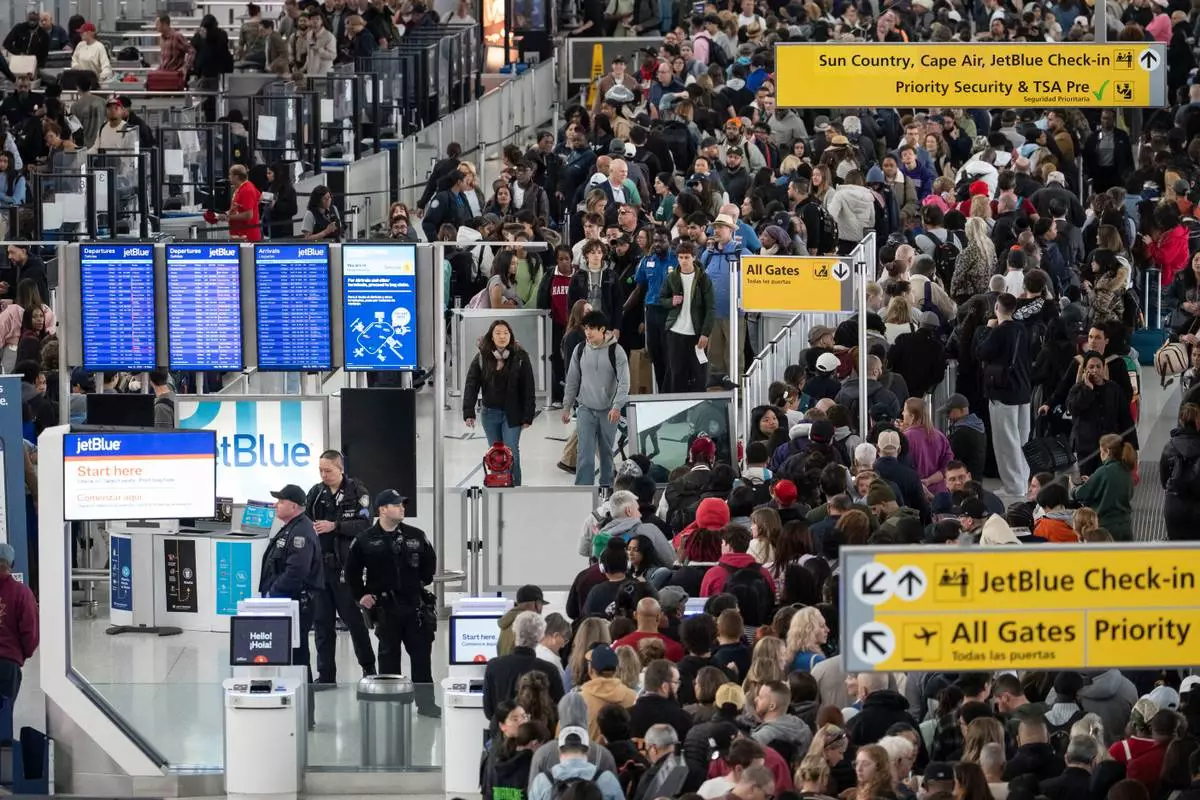
People wait in a TSA line at the John F. Kennedy International Airport, Sunday, March 22, 2026, in New York. (AP Photo/Yuki Iwamura)
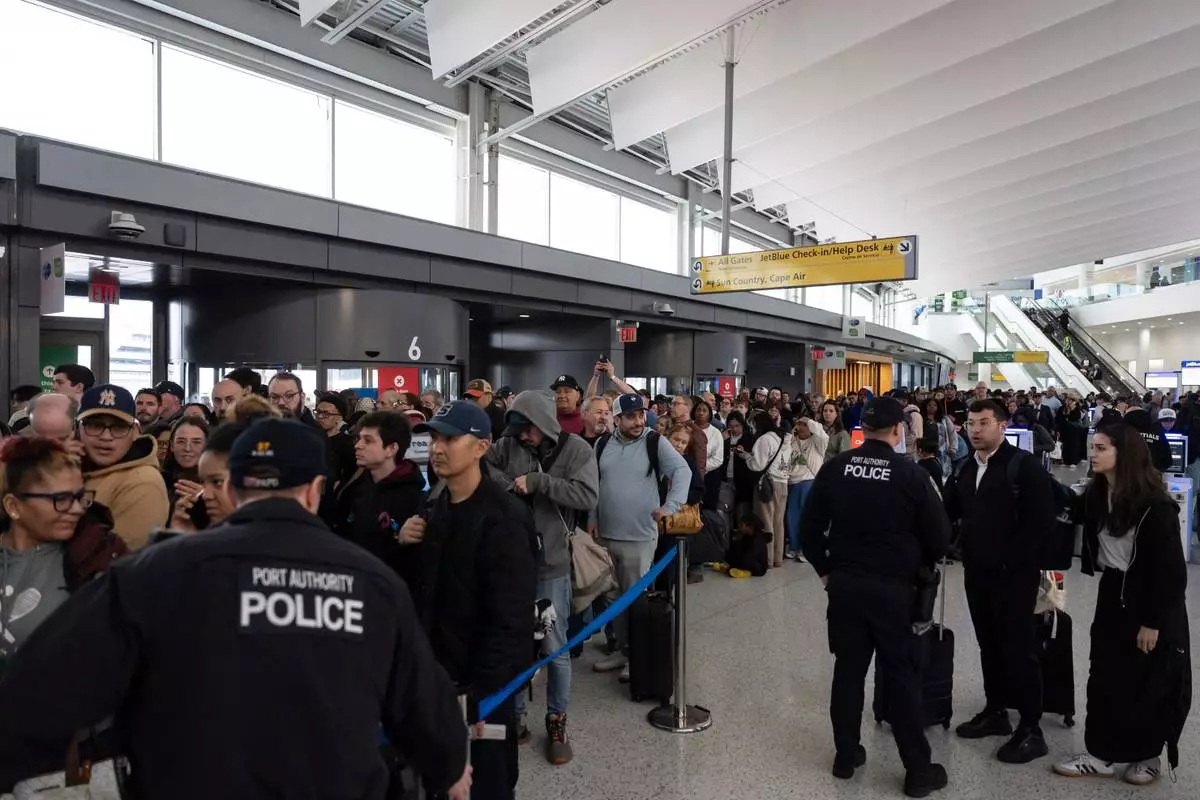
People wait in a TSA line at the John F. Kennedy International Airport, Sunday, March 22, 2026, in New York. (AP Photo/Yuki Iwamura)
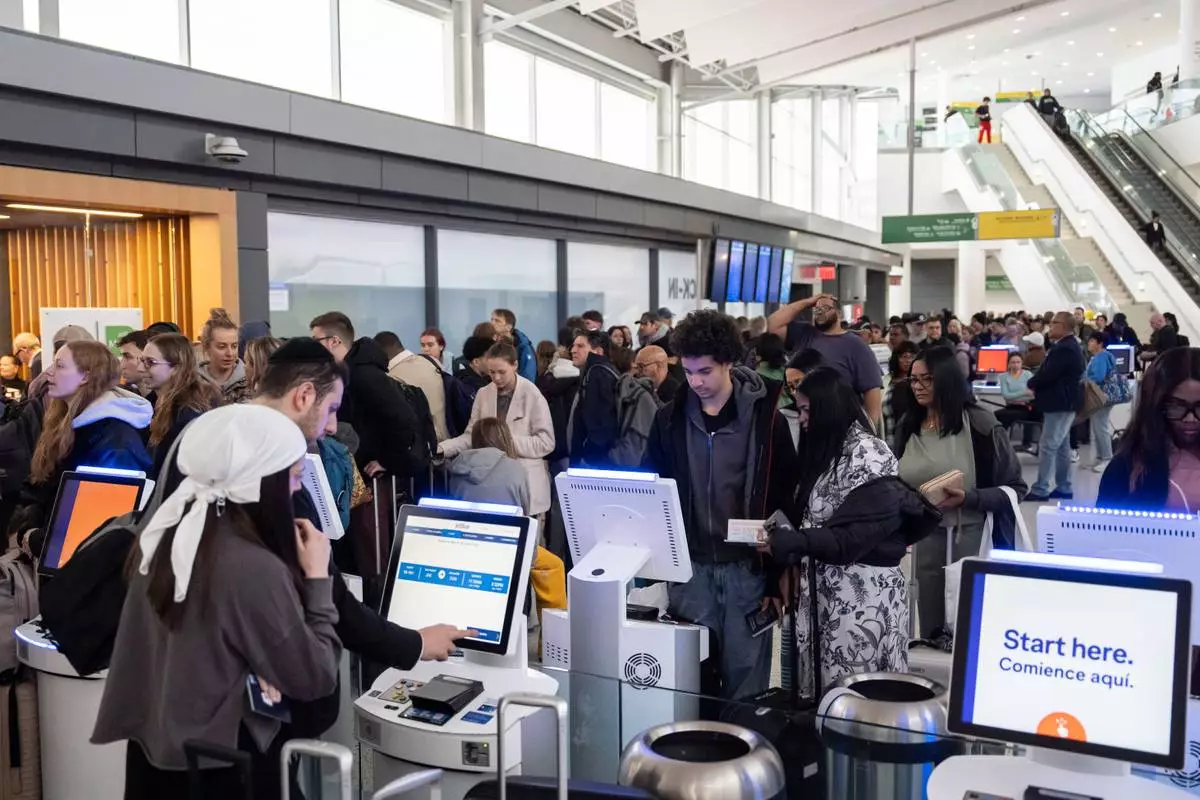
People wait in a TSA line at the John F. Kennedy International Airport, Sunday, March 22, 2026, in New York. (AP Photo/Yuki Iwamura)
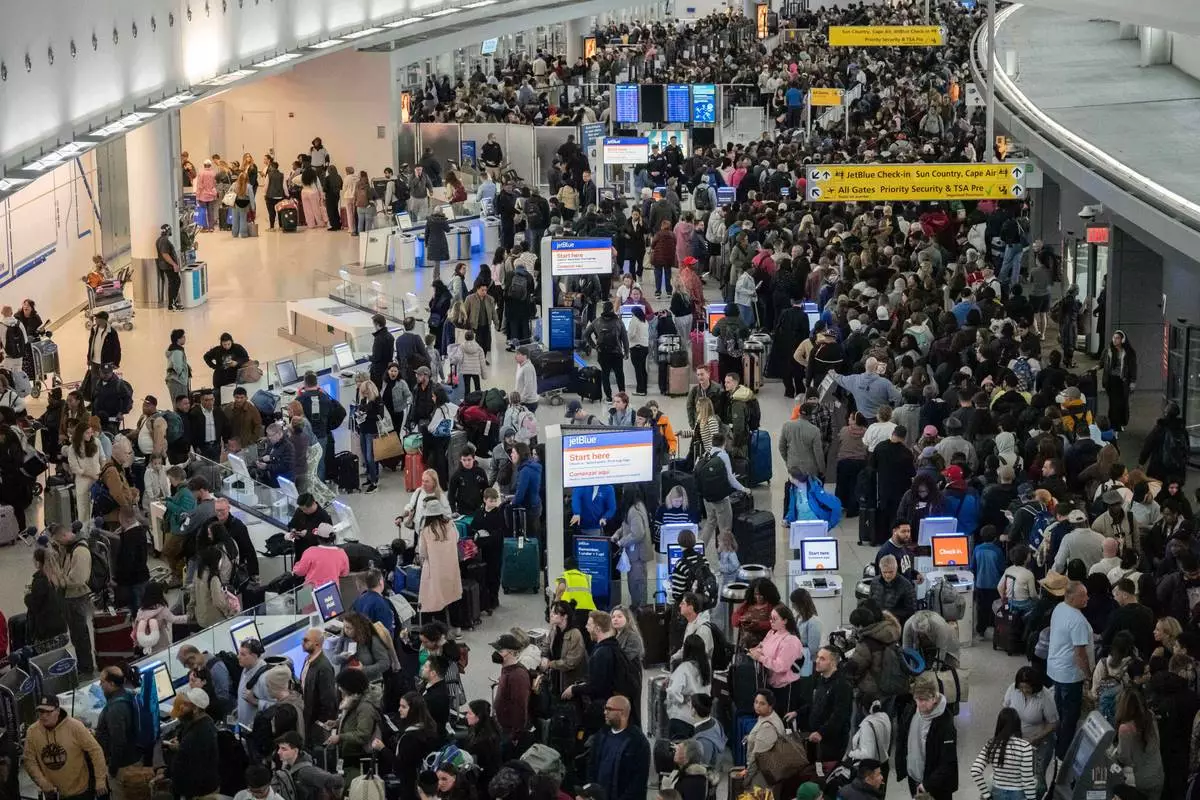
People wait in a TSA line at the John F. Kennedy International Airport, Sunday, March 22, 2026, in New York. (AP Photo/Yuki Iwamura)