LARISSA, Greece (AP) — A criminal trial opened in Greece Monday over a train collision that killed 57 people, many of them students, in a disaster that horrified the country and revealed long-neglected safety failures.
The February 2023 crash triggered a fireball on impact and left passengers trapped in mangled rail cars.
Click to Gallery
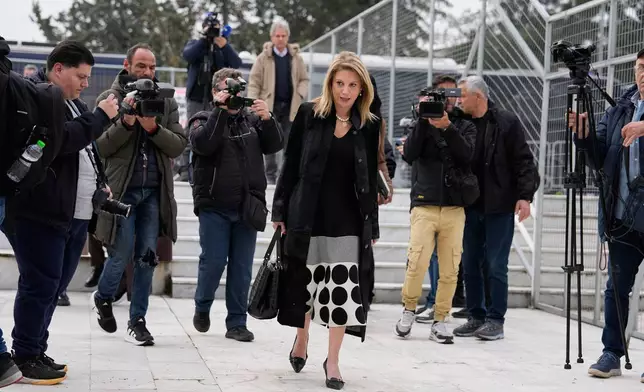
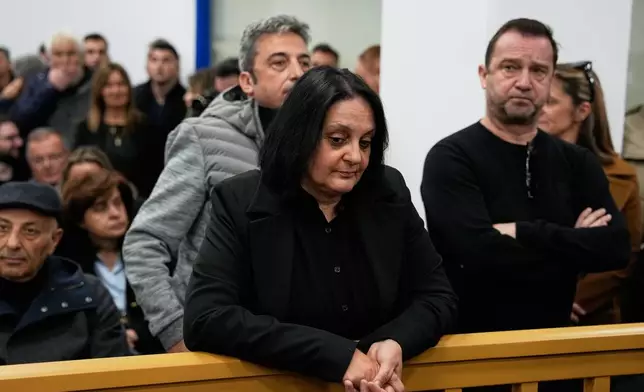
Maria Karystianou, center, mother of 21-year-old Maria-Thomai, a victim of the Tempi train crash, arrives at the court in Larissa, Greece, Monday, March 23, 2026. (AP Photo/Thanassis Stavrakis)
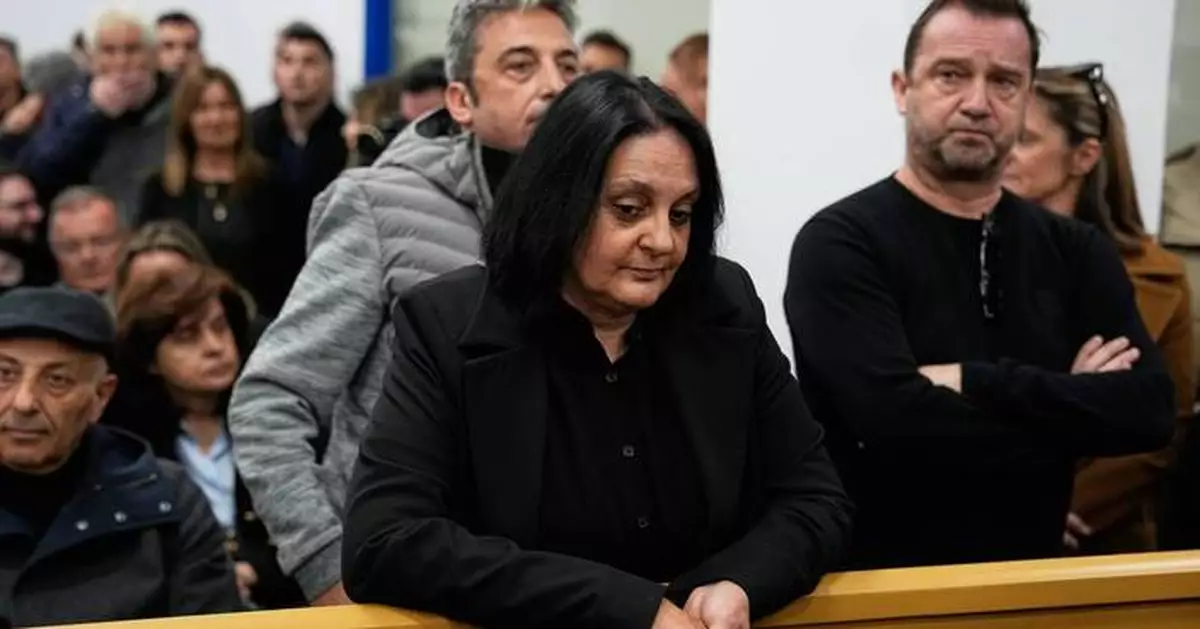
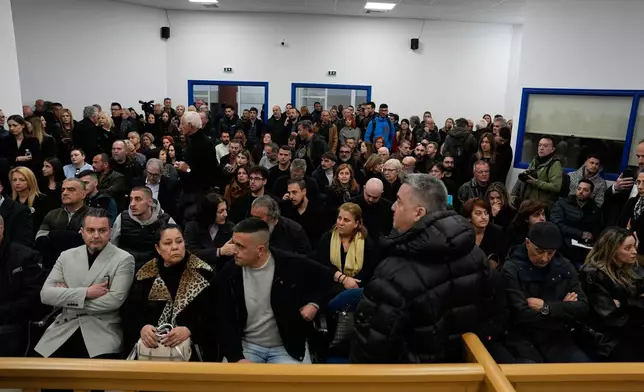
Relatives of victims of the Tempi train crash, waiting the the trial at the court in Larissa, Greece, Monday, March 23, 2026. (AP Photo/Thanassis Stavrakis)
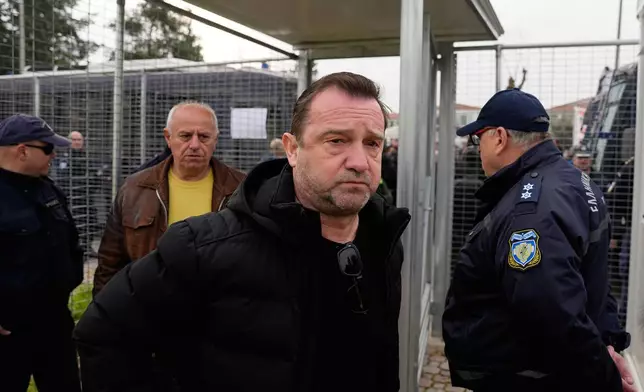
Nikos Plakias father who lost twin daughters, Thomi and Chrysa, and their cousin, Anastasia, victims of the Tempi train crash, arrive at the court in Larissa, Greece, Monday, March 23, 2026. (AP Photo/Thanassis Stavrakis)
Relatives of victims of the Tempi train crash wait for the trial at the court in Larissa, Greece, Monday, March 23, 2026. (AP Photo/Thanassis Stavrakis)
Most of the 36 defendants — all rail and transport officials — face serious charges linked to endangering public transport.
The crash occurred at Tempe in northern Greece after a passenger train was placed on the wrong track, into the path of an oncoming freight train — an astonishing lapse on a rudimentary rail network.
Investigators say the error was compounded by non-functioning signal systems along with failures in staffing, oversight and maintenance during years of delays in safety upgrades.
A converted campus is being used to house the trial to accommodate the scale of the proceedings that involve hundreds of witnesses. It is expected to last two years.
Riot police formed a cordon around the court as several hundred demonstrators gathered outside and victims' relatives, many dressed in black, arrived to attend the hearings.
“Real justice would be to get our kids back. But what we are asking for now is the exemplary punishment of those responsible,” said Pavlos Aslanidis, whose 27-year-old son Dimitris was killed in the crash. "It is very sad that three years later, no one has gone to jail.
The defendants include station masters on duty that night, their supervisor, former rail officials, senior transport ministry staff and former executives from the Italian-owned operator Hellenic Train.
Victims’ families, many of whom have campaigned for accountability, are expected to attend throughout.
The disaster has remained a deeply emotive and politically charged issue, sparking multiple public protests and strikes, with critics accusing the conservative government of shifting all responsibility onto rail officials.
At a makeshift memorial outside parliament in Athens, the victims’ names are written in red paint and surrounded by candles and flowers.
Several separate legal cases linked to the disaster are in progress, including a parliament-sanctioned probe into political accountability.
Kantouris reported from Tempe, Greece
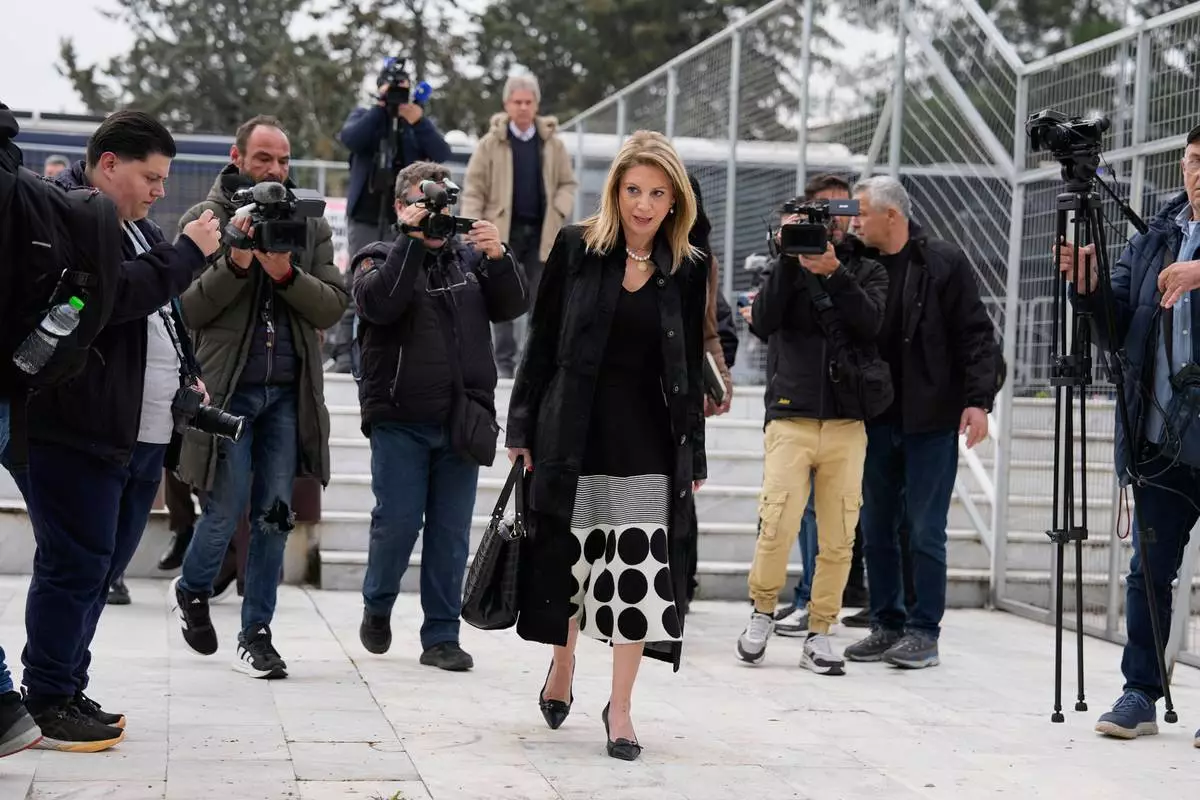
Maria Karystianou, center, mother of 21-year-old Maria-Thomai, a victim of the Tempi train crash, arrives at the court in Larissa, Greece, Monday, March 23, 2026. (AP Photo/Thanassis Stavrakis)
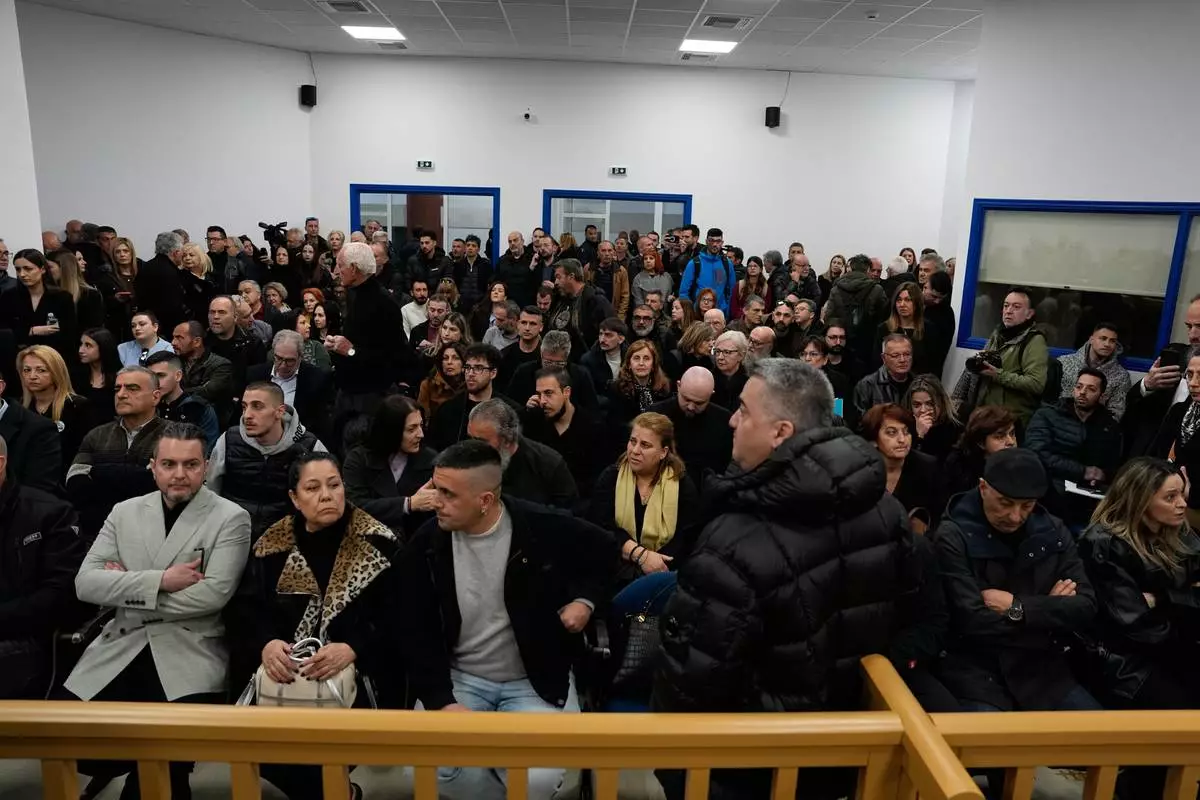
Relatives of victims of the Tempi train crash, waiting the the trial at the court in Larissa, Greece, Monday, March 23, 2026. (AP Photo/Thanassis Stavrakis)
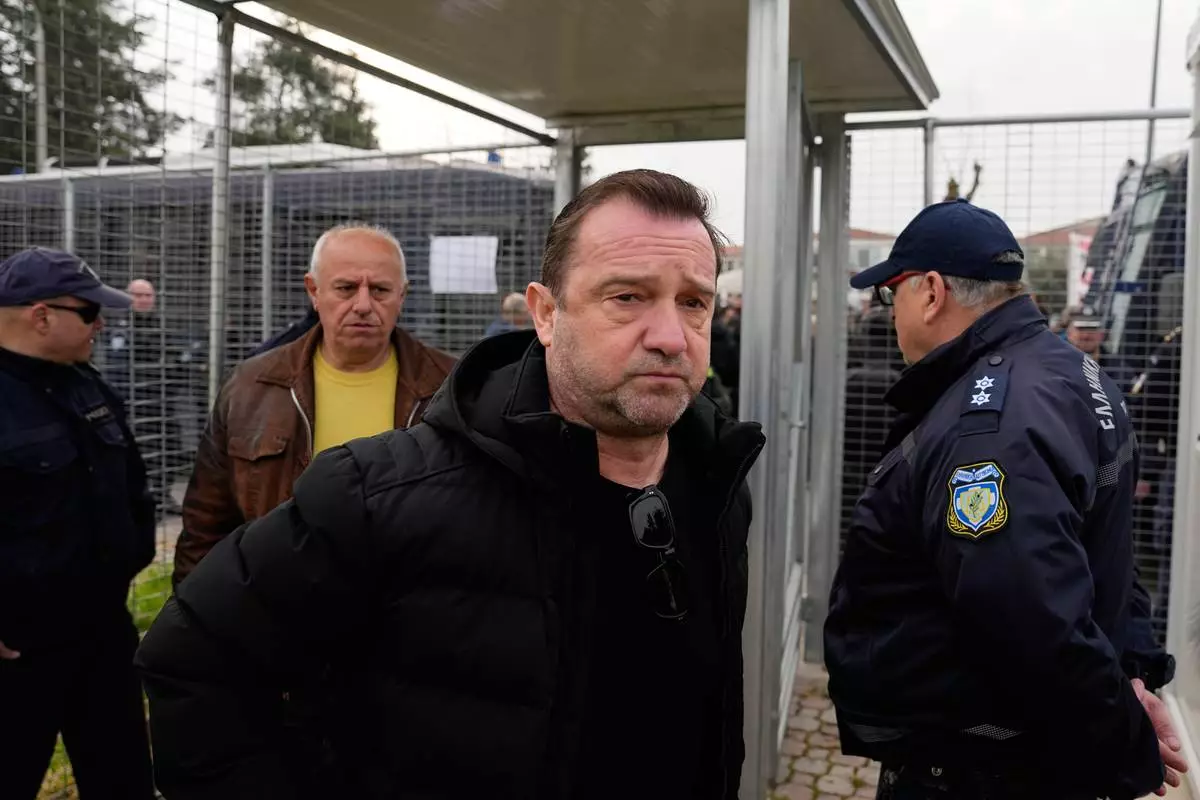
Nikos Plakias father who lost twin daughters, Thomi and Chrysa, and their cousin, Anastasia, victims of the Tempi train crash, arrive at the court in Larissa, Greece, Monday, March 23, 2026. (AP Photo/Thanassis Stavrakis)
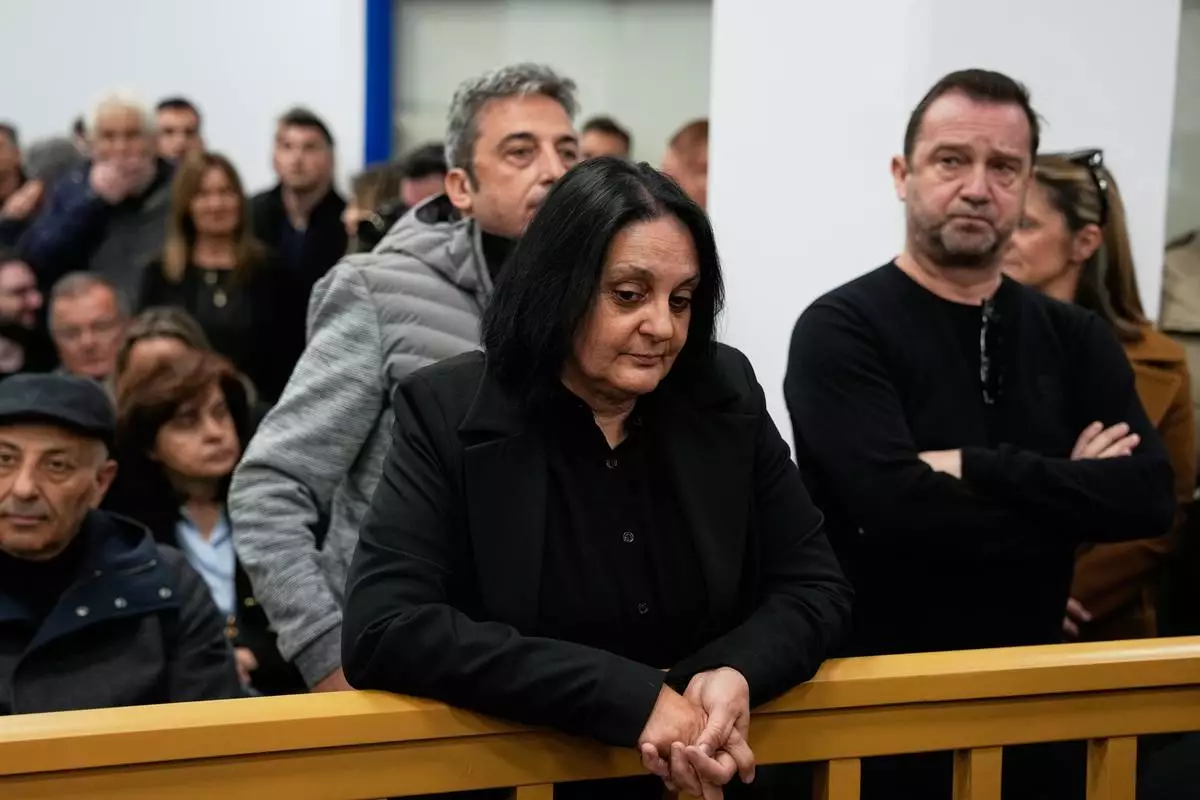
Relatives of victims of the Tempi train crash wait for the trial at the court in Larissa, Greece, Monday, March 23, 2026. (AP Photo/Thanassis Stavrakis)
The top commander of the U.S. military’s Central Command said the campaign against Iran is “ahead or on plan," as the Israeli military began what it called "a wide-scale wave of strikes targeting Iranian terror regime infrastructure” early Monday.
U.S. Navy Adm. Brad Cooper gave his first one-on-one interview of the war to the Farsi-language satellite network Iran International, which aired it early Monday. Iranian media reported new airstrikes targeting Tehran without identifying the sites being hit.
The previous day, Tehran warned it could attack U.S. and Israeli energy and infrastructure assets if Israel or the U.S. attempt to follow through on President Donald Trump 's threat that the U.S. would “obliterate” Iran’s power plants if it doesn’t fully open the Strait of Hormuz.
Trump — who is facing increasing pressure at home to secure the strait as oil prices soar — issued the ultimatum in a social media post while he spent the weekend at his Florida home.
The death toll from the war has risen to more than 1,500 people in Iran, more than 1,000 people in Lebanon, 15 in Israel and 13 U.S. military members, as well as a number of civilians on land and sea in the Gulf region. Millions of people in Lebanon and Iran have been displaced.
Here is the latest:
A senior United Nations official said the war in the Middle East has “far reaching” impact on millions of people particularly in developing countries in Asia and Africa.
In a Monday statement, Jorge Moreira da Silva, executive director of the U.N. Office for Project Services, detailed the ripple effects of the war, now in its fourth week, including “exponential price hikes in oil, fuel and gas.”
“Our world is the most violent it has been since the Second World War,” he said.
He warned that the number of hungry people is likely to increase by tens of millions over the course of the year, as the widening war threatens remittance flows.
The war also displaced 3.2 million people in Iran and 1 million in Lebanon, he said.
He called for diplomacy to end the conflict, saying: “There is no military solution.”
As Trump’s 48-hour deadline to bomb power-generation sites in Iran over the opening of the Strait of Hormuz approaches, there are several electrical sites that could be targets in the Islamic Republic.
Some 80% of all power generated in Iran is created at plants powered by natural gas.
Those plants have continued working, even after Israel last week bombed Iran’s South Pars offshore natural gas field in the Persian Gulf.
Among the top natural gas plants are Damavand Power Plant, Shahid Salimi Neka Power Plant and Shahid Rajaee Power Plant – all around Iran’s capital, Tehran.
Knocking those plants offline could affect businesses and homes in Tehran, as well as halt gas stations and other crucial sites.
By Jon Gambrell
An adviser to the UAE has criticized Arab and Islamic organizations’ response to Iran’s continued attacks in the Arab Gulf countries.
“Where are the joint Arab and Islamic labor institutions,” Anwar Gargash said in a social media post Monday, naming the Arab League and the Organization of Islamic Cooperation.
Gargash, who is a former state minister for foreign affairs, said it will be “unacceptable” after the war to talk about “the decline of the Arab and Islamic role or to criticize the American and Western presence” in the Gulf region which hosts U.S. and Western bases.
The UAE, which has close ties with Israel and the U.S., has been the hardest hit by Iranian missiles and drones since the war in the Middle East began on Feb. 28.
After Iran threatened power plants across the Mideast, news outlets published a list of such facilities, including the United Arab Emirates’ nuclear power plant.
The report by the semiofficial Fars news agency, close to its paramilitary Revolutionary Guard, appeared to be an indirect threat to the sites, including desalination plants in the Middle East. The list also included the UAE’s Barakah nuclear power plant, which has four reactors out in the western deserts of the country near its border with Saudi Arabia.
The judiciary’s Mizan news agency also published the list.
The threat by Tehran puts at risk both electrical supplies and water in the Gulf Arab states, particularly as the desert nations commingle their power stations with desalination plants crucial for supplying drinking water.
Trump’s self-declared 48-hour deadline expires just before midnight GMT Tuesday, further raising the stakes of the ongoing war with Iran that has disrupted global energy supplies, sending natural gas and gasoline prices soaring.
U.S. President Donald Trump wrote on his Truth Social website early Monday: “PEACE THROUGH STRENGTH, TO PUT IT MILDLY!!!”
The head of the U.S. military’s Central Command says Iran is “operating in a sign of desperation” by targeting civilian sites in the war.
In an interview with the Farsi-language satellite network Iran International aired early Monday, U.S. Navy Adm. Brad Cooper said: “They’re operating in a sign of desperation. ... In the last couple of weeks, they’ve attacked civilian targets very deliberately, more than 300 times.”
Cooper also noted the slowdown in Iranian incoming fire across the Mideast as the war has entered its fourth week.
“At the beginning of the conflict, you saw large volumes in the dozens of drones and missiles,” Cooper said.
“You no longer see that. It’s all one or two at a time.”
The top commander of the U.S. military’s Central Command said the U.S. campaign against Iran is “ahead or on plan.”
U.S. Navy Adm. Brad Cooper gave his first one-on-one interview of the war to the Farsi-language satellite network Iran International, which aired it early Monday.
Cooper said Iran’s continued attacks on Gulf Arab states and the wider Mideast put civilians at risk.
He added that the U.S. and Israel were targeting missile and drone manufacturing sites as well.
“We’re also going after the manufacturing,” he said. “So it’s not just about the threat today. We’re eliminating the threat of the future, both in terms of the drones, the missiles, as well as the navy.”
Cooper also said it isn’t time for the Iranian public to come to the streets, although both Israel and the U.S. have said they hope the Iranian public would topple the country’s theocracy as a result of the strikes.
“They’re launching missiles and drones from populated areas and you need to stay inside for right now,” Cooper said. “There will be a clear signal at some point, as the president has indicated, for you to be able to come out.”
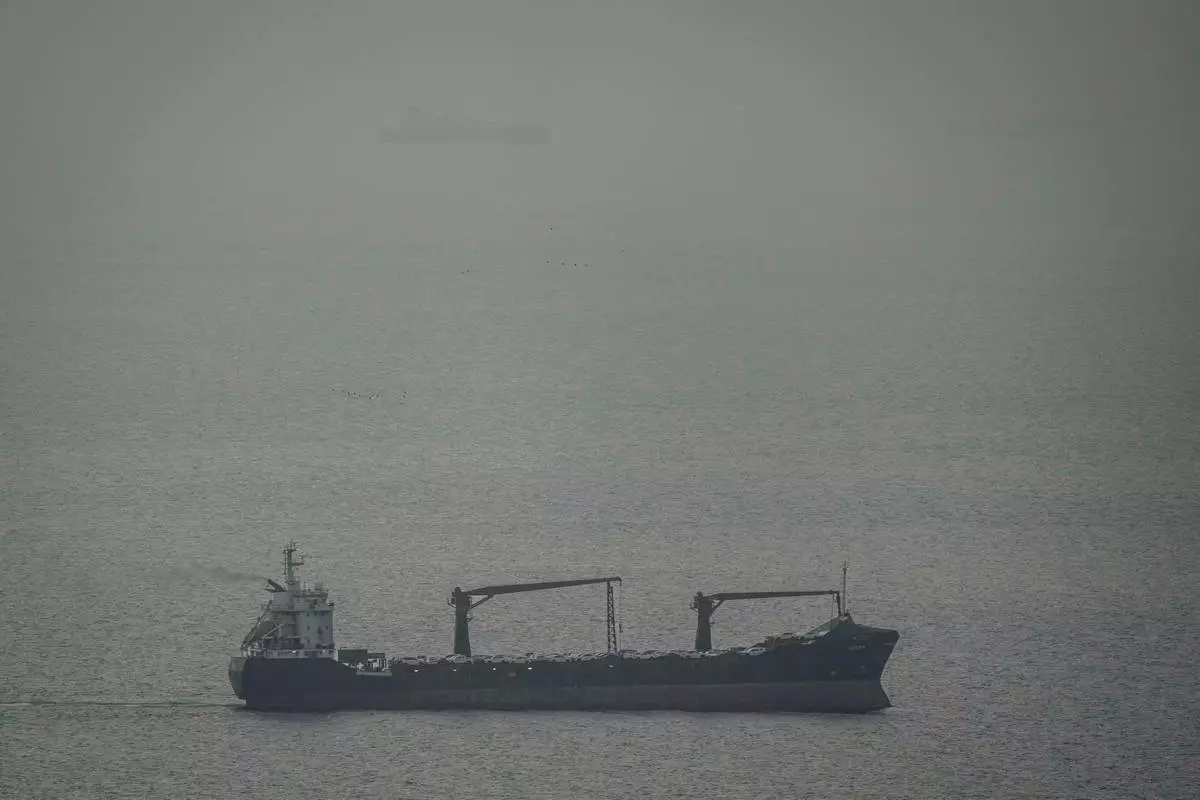
A cargo ship carrying vehicles sails through the Arabian Gulf toward the Strait of Hormuz in the United Arab Emirates, Sunday, March 22, 2026. (AP Photo)
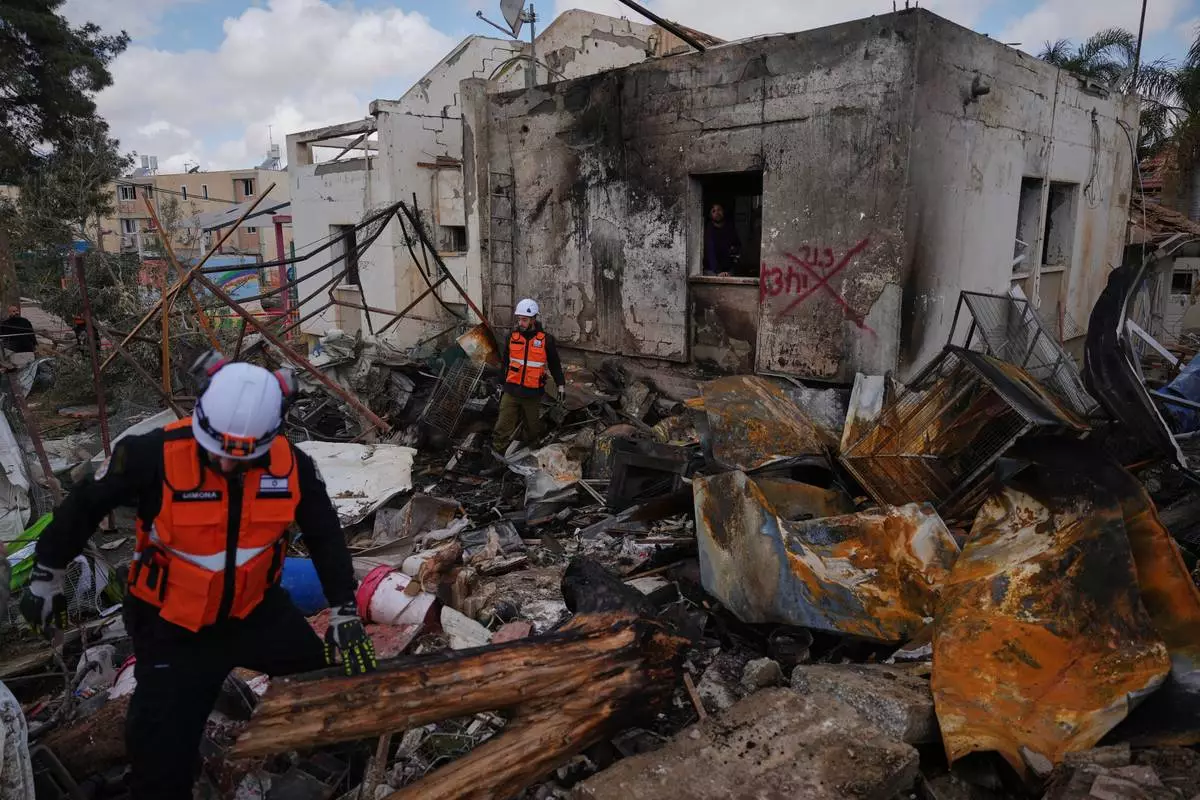
Israeli security forces survey the site that was struck by an Iranian missile in Dimona, southern Israel, Sunday, March 22, 2026. (AP Photo/Ariel Schalit)
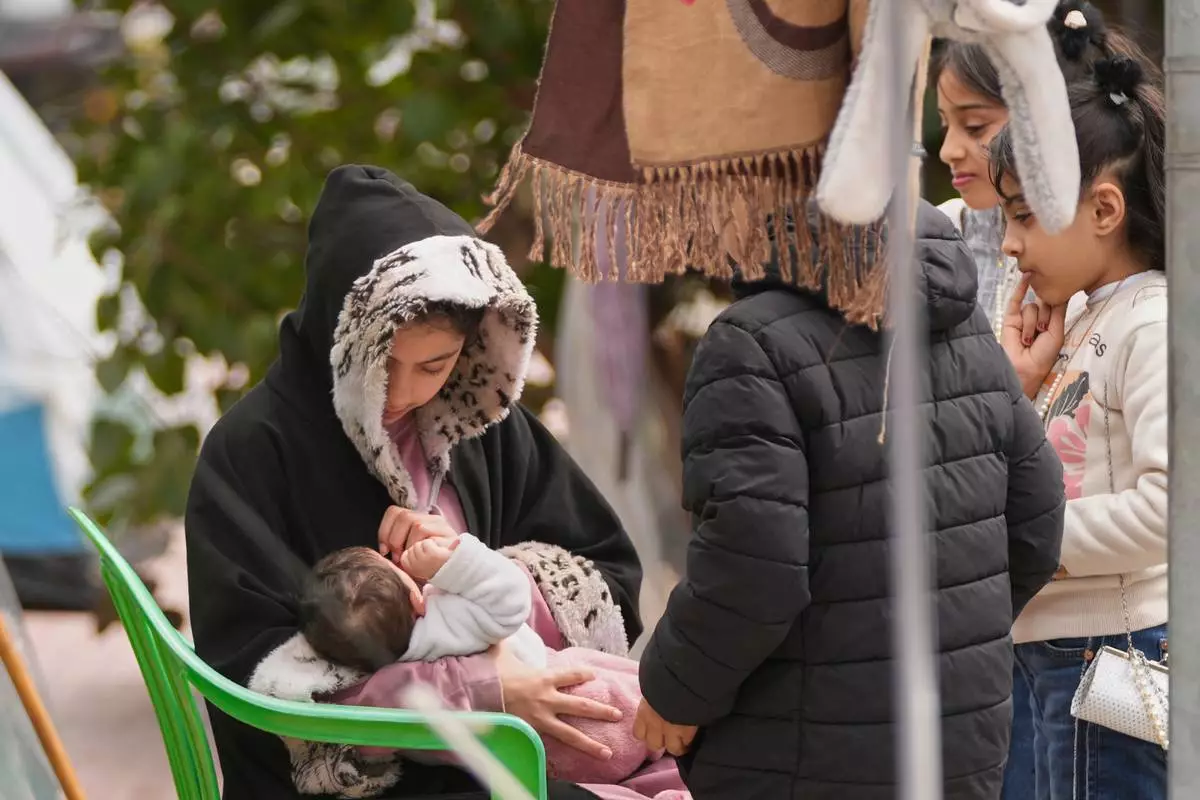
A displaced girl feeds a baby as other children stand at tents sheltering people who fled Israeli airstrikes in Dahiyeh, in Beirut's southern suburbs, along the wall of the Pine Residence, the official residence of the French ambassador, in Lebanon. (AP Photo/Hassan Ammar)
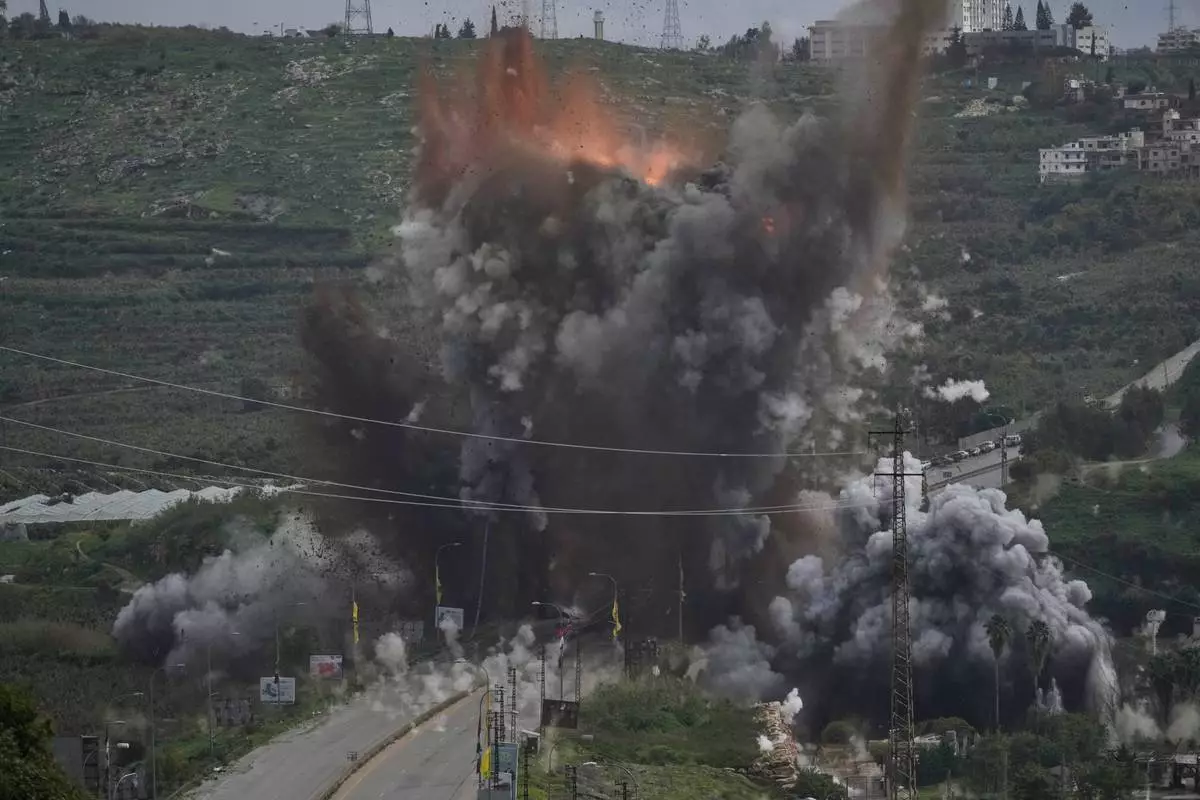
Smoke and flames rise from an Israeli airstrike that hit the Qasmiyeh Bridge near the coastal city of Tyre, Lebanon, Sunday, March 22, 2026. (AP Photo/Mohammad Zaatari)