Veteran economists and a former U.S. commerce official have highlighted the damage done by the Trump administration's tariff policies and stressed that cooperation remains vital as trade tensions continue to unsettle the global economy, as they shared their insights at the Boao Forum for Asia (BFA) Annual Conference 2026.
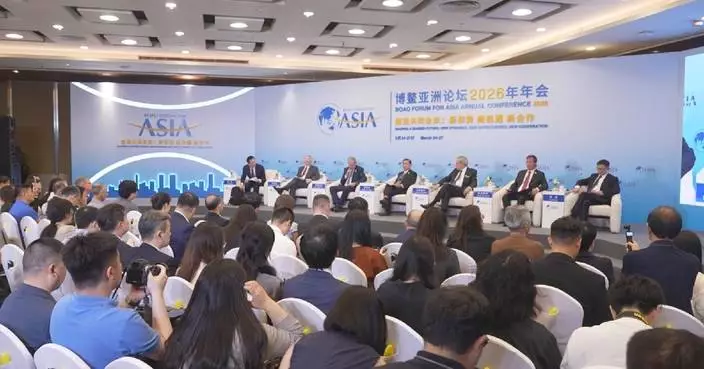
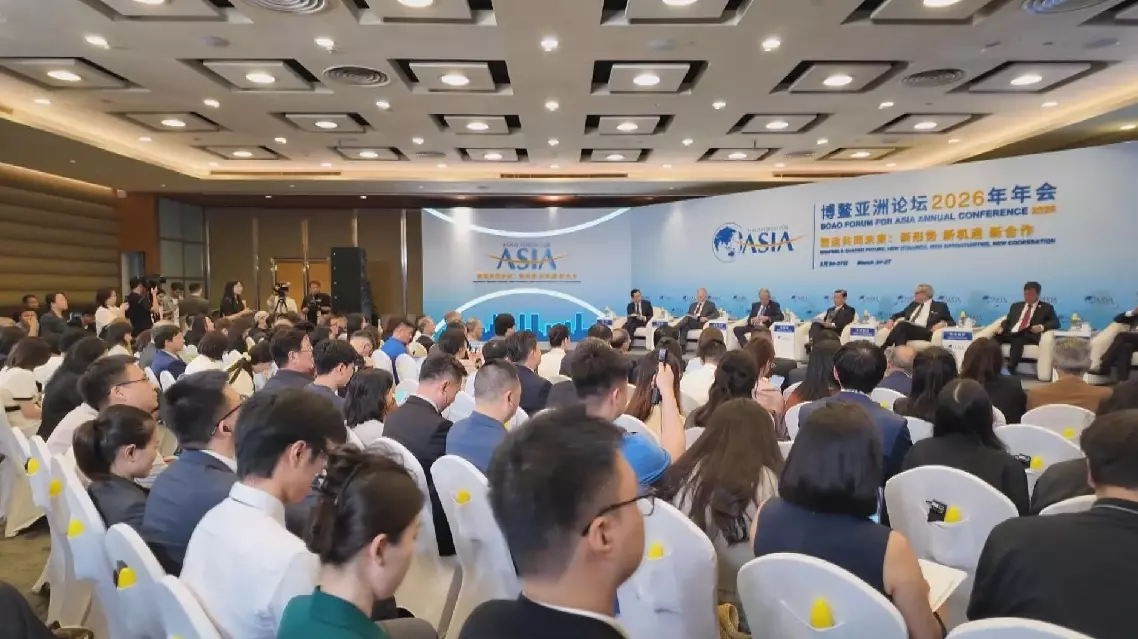
At a sub-forum titled "New Global Trade Landscape under Tariff Wars," held on Tuesday as part of the BFA in south China's island province of Hainan, panelists engaged in in-depth discussions on the key issues facing the global trading order.
The four-day BFA conference, which got underway on the same day, comes against a backdrop of rising geopolitical tensions, and an increasing tendency of unilateralism and protectionism that are weighing on the global economy and reshaping the global trading system.
The sub-forum saw participants from the United States, the European Union and across the ASEAN region all express concern over what they described as the "weaponization" of tariffs by the Trump administration last year.
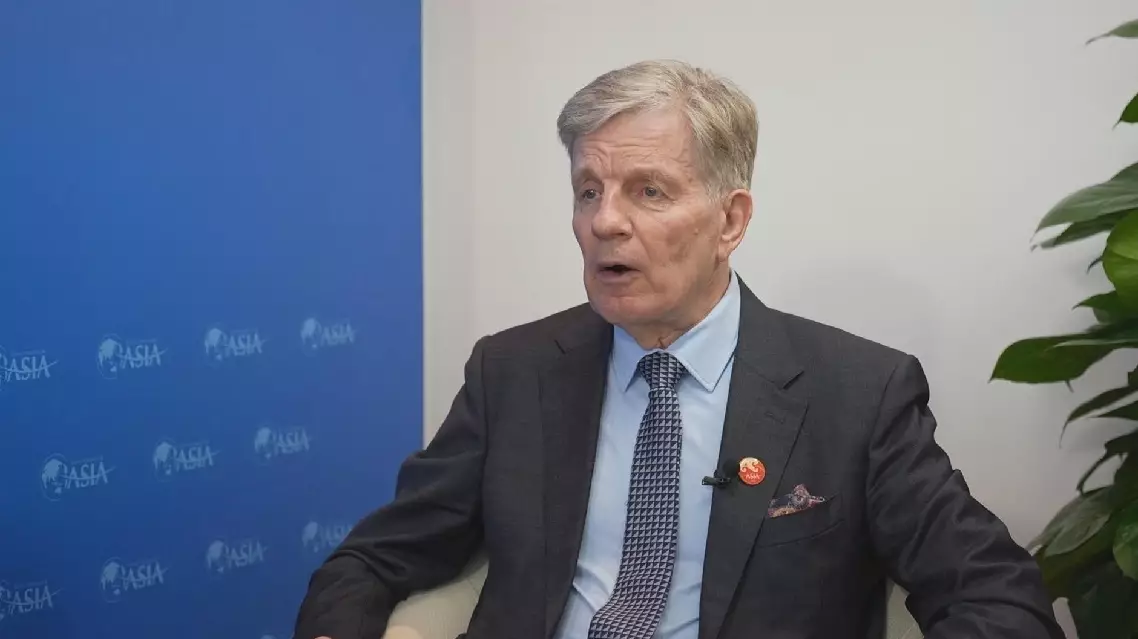
Speaking during the panel session, Robert Koopman, former chief economist for the World Trade Organization (WTO), pointed out how the tariffs imposed by U.S. President Donald Trump ultimately backfired as the U.S. goods trade deficit went on to hit a record high in 2025.
"I believe that President Trump putting tariffs in place last year did not realize that that would not necessarily reduce the U.S. trade deficit. The U.S. trade deficit increased," he said.
Meanwhile, Carlos Miguel Gutierrez, who formerly served as the U.S. secretary of commerce during the George W. Bush administration, noted the wide-ranging and potentially long-lasting impact of the tariff measures.
"The U.S. has left several agencies, many agencies, and economies, and people and companies have been left harmed. This is not the kind of thing that I think the world will be able to push aside and say, 'let's go back to where we were'," he said.
Despite this, there is still a sense across much of the international community that greater cooperation is needed in order to address the current global challenges.
"I do think businesses around the world want their governments to try to find ways to have both efficiency and resilience," said Koopman.
Other forum participants highlighted the need to press ahead with existing cooperation projects in other to get through the present economic difficulties.
Daniel Palotai, the deputy governor of the central bank of Hungary, called on cooperation partners to build on ongoing projects and explore new areas of collaboration so as to navigate these challenging times.
"China and Europe and Hungary can capitalize on existing friendship, good relationships, common strategic goals and projects, major projects in progress, some already completed and more to come. And also going forward, this definitely helps us navigate these turbulent waters," he said.
This year's BFA conference is themed "Shaping a Shared Future: New Dynamics, New Opportunities, New Cooperation" and has gathered around 2,000 representatives from over 60 countries and regions.
Founded in 2001, the BFA has grown into a key platform for addressing Asian issues and strengthening cooperation both within the region and globally.
Int'l experts warn of damage done by tariffs, stress cooperation remains key amid global uncertainty