Skip to Content Facebook Feature Image

Jury finds Instagram and YouTube liable in a landmark social media addiction trial

News

Jury finds Instagram and YouTube liable in a landmark social media addiction trial
News

News

Jury finds Instagram and YouTube liable in a landmark social media addiction trial

2026-03-26 04:33 Last Updated At:04:40

LOS ANGELES (AP) — Meta and YouTube must pay millions in damages to a 20-year-old woman after a jury decided the social media giant and video streamer designed their platforms to hook young users without concern for their well being.

The California jury's decision Wednesday in a first-of-its-kind lawsuit could influence the outcome of thousands of similar lawsuits accusing social media companies of deliberately causing harm.

More Images
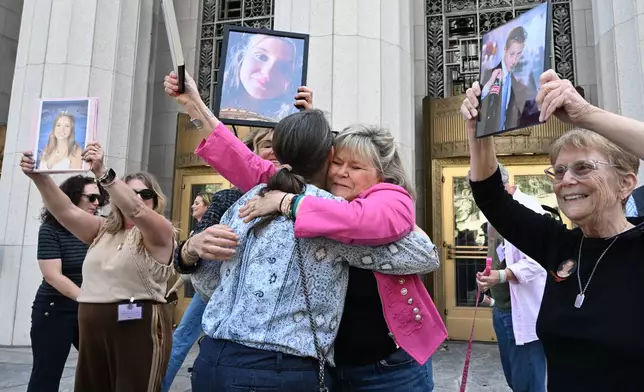
Lori Schott, center right, embraces Mary Rodee after the verdict in a landmark trial over whether social media platforms deliberately addict and harm children at Los Angeles Superior Court, Wednesday, March 25, 2026, in Los Angeles. (AP Photo/William Liang)
Lori Schott, center right, embraces Mary Rodee after the verdict in a landmark trial over whether social media platforms deliberately addict and harm children at Los Angeles Superior Court, Wednesday, March 25, 2026, in Los Angeles. (AP Photo/William Liang)

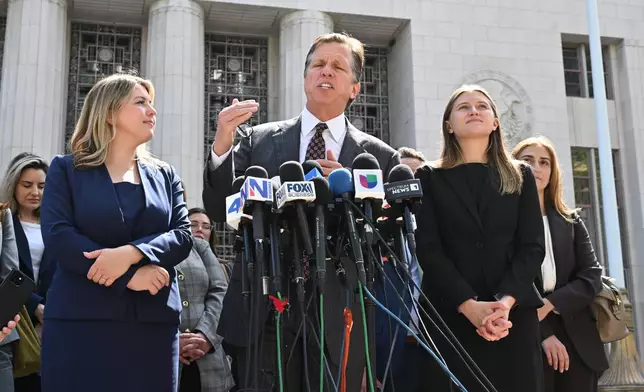
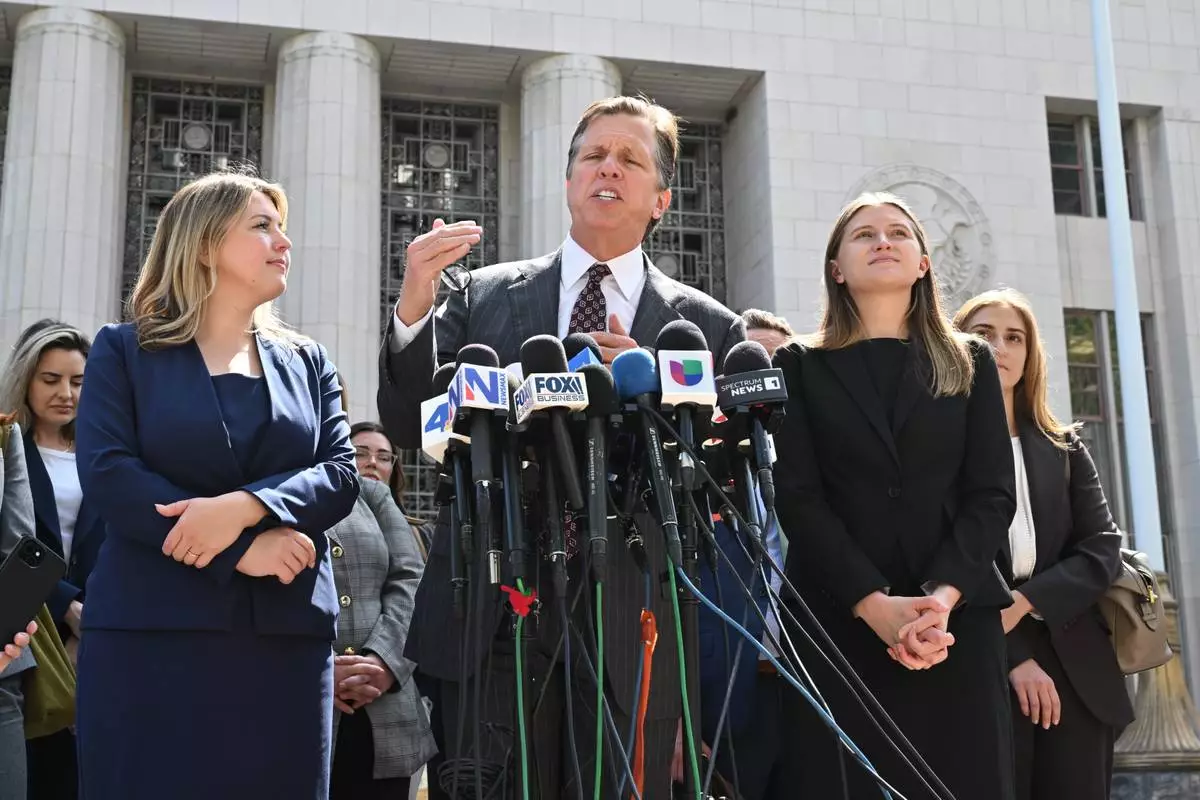
Attorney Mark Lanier speaks during a news conference after the verdict in a landmark trial over whether social media platforms deliberately addict and harm children at Los Angeles Superior Court, Wednesday, March 25, 2026, in Los Angeles. (AP Photo/William Liang)
Attorney Mark Lanier speaks during a news conference after the verdict in a landmark trial over whether social media platforms deliberately addict and harm children at Los Angeles Superior Court, Wednesday, March 25, 2026, in Los Angeles. (AP Photo/William Liang)

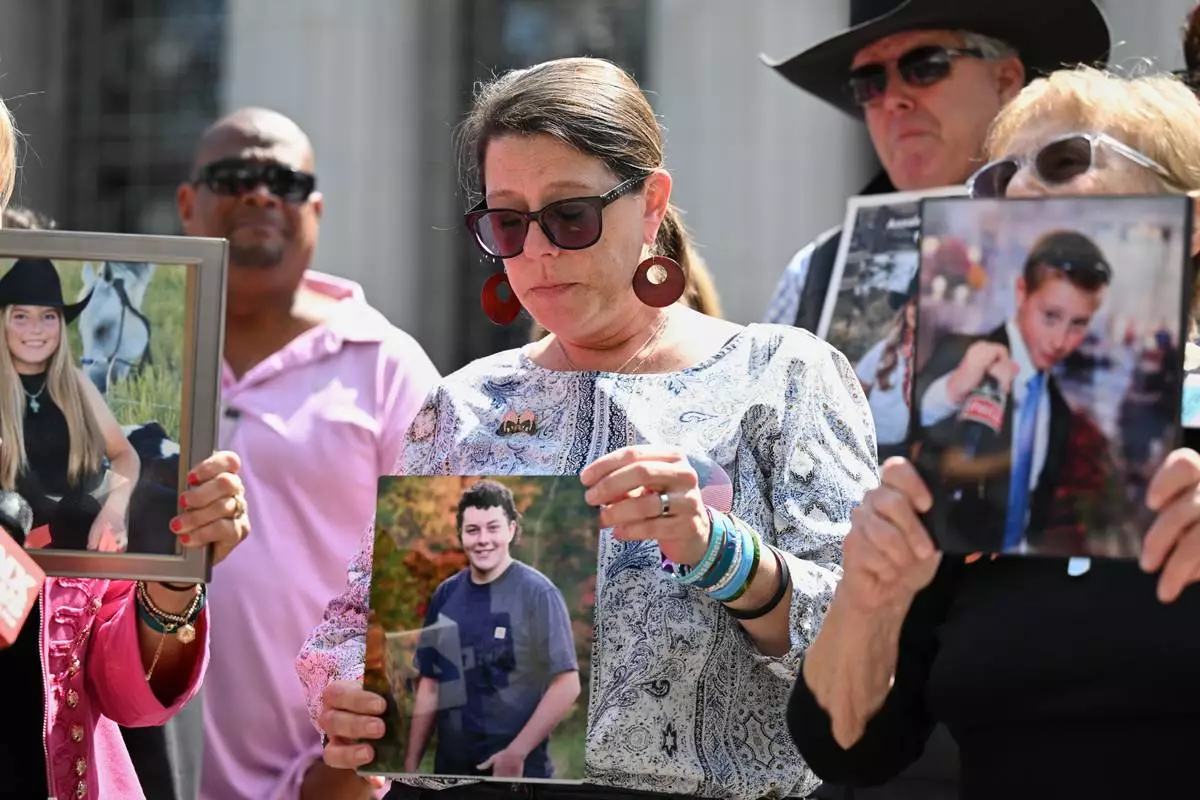
Mary Rodee holds a photo of her son Riley after the verdict in a landmark trial over whether social media platforms deliberately addict and harm children at Los Angeles Superior Court, Wednesday, March 25, 2026, in Los Angeles. (AP Photo/William Liang)

Mary Rodee holds a photo of her son Riley after the verdict in a landmark trial over whether social media platforms deliberately addict and harm children at Los Angeles Superior Court, Wednesday, March 25, 2026, in Los Angeles. (AP Photo/William Liang)

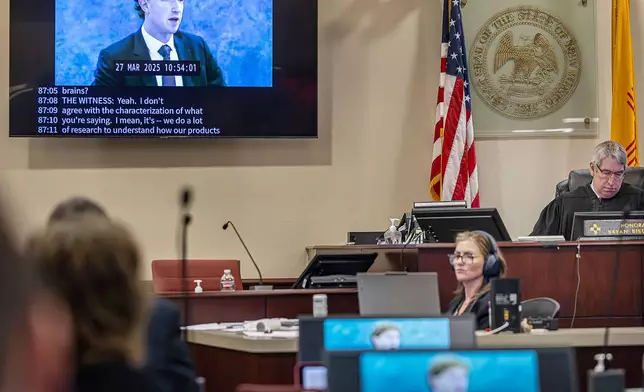
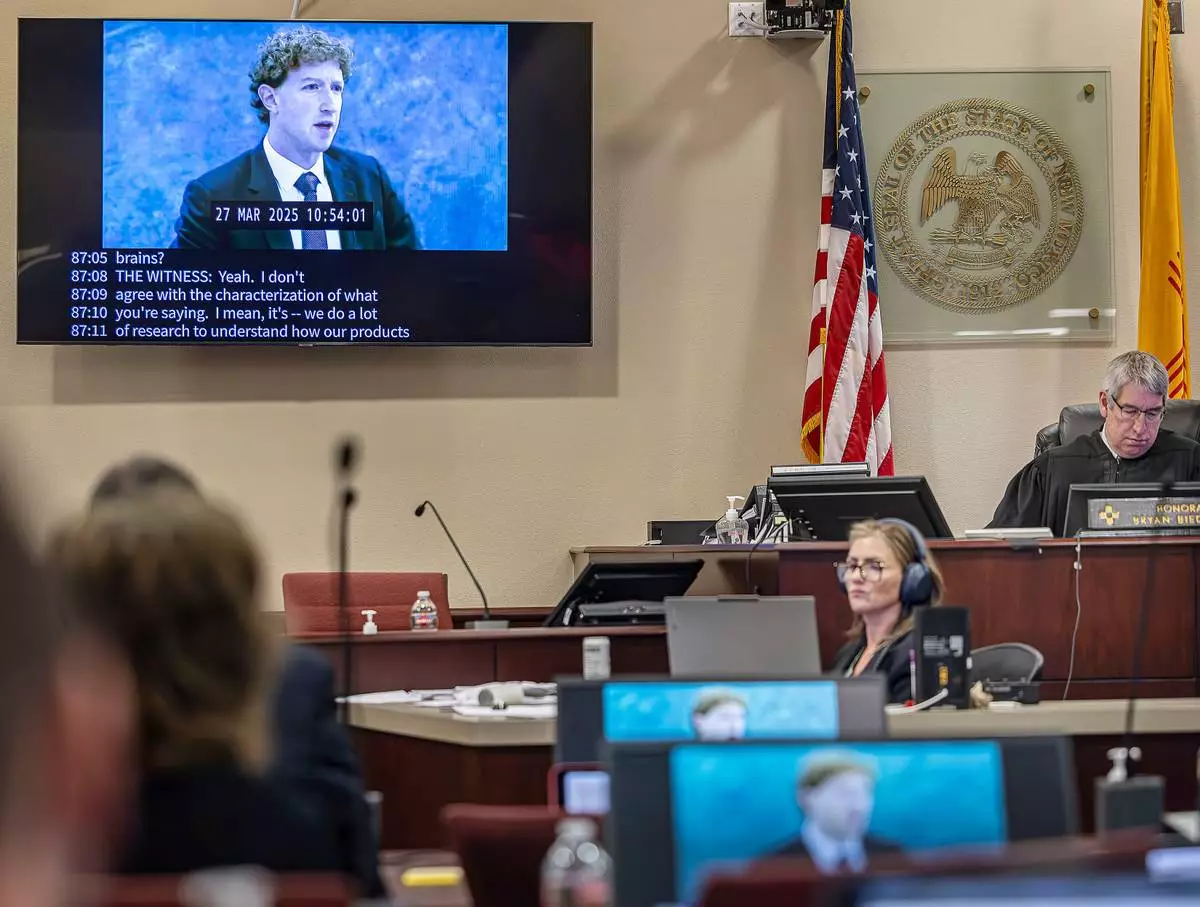
A recording of Meta Founder and CEO Mark Zuckerberg's deposition is played for the jurors on Wednesday, March 4, 2026, in Santa Fe, N.M. (Jim Weber/Santa Fe New Mexican via AP, Pool)
A recording of Meta Founder and CEO Mark Zuckerberg's deposition is played for the jurors on Wednesday, March 4, 2026, in Santa Fe, N.M. (Jim Weber/Santa Fe New Mexican via AP, Pool)

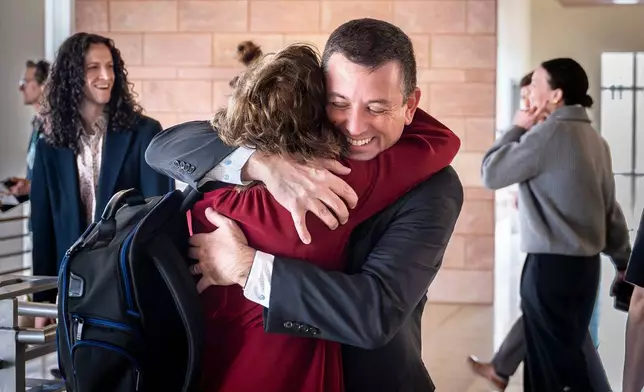
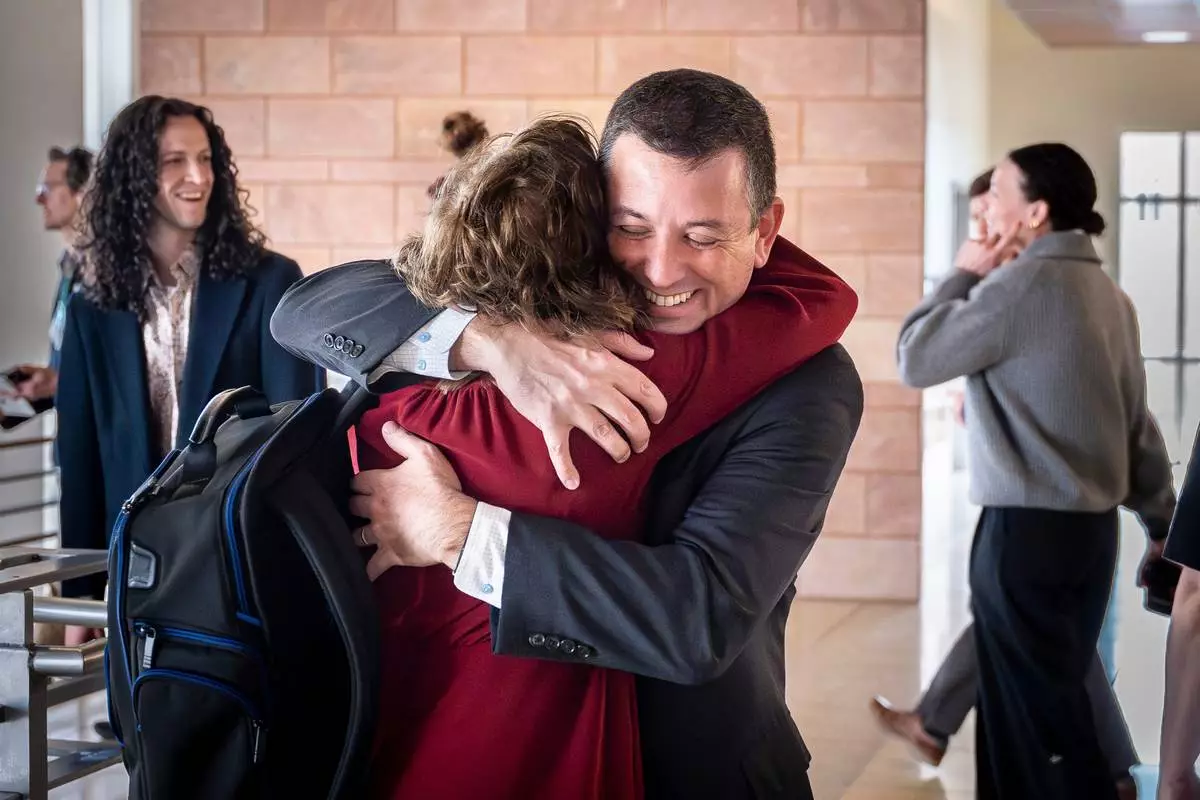
Civil litigator David Ackerman embraces New Mexico state attorney Linda Singer following a landmark verdict where the jury found Meta willfully violated New Mexico's consumer protection laws and are ordered to pay the state $375 million in damages, Tuesday, March 24, 2026 , in Santa Fe, N.M. (Nathan Burton/Santa Fe New Mexican via AP, Pool)

Civil litigator David Ackerman embraces New Mexico state attorney Linda Singer following a landmark verdict where the jury found Meta willfully violated New Mexico's consumer protection laws and are ordered to pay the state $375 million in damages, Tuesday, March 24, 2026 , in Santa Fe, N.M. (Nathan Burton/Santa Fe New Mexican via AP, Pool)

Laura Marquez-Garrett, attorney for SMVLC (Social Media Victims Law Center), embraces Julianna Arnold, right, parent, outside Los Angeles Superior Court on Thursday, March 12, 2026. (AP Photo/Damian Dovarganes)
Laura Marquez-Garrett, attorney for SMVLC (Social Media Victims Law Center), embraces Julianna Arnold, right, parent, outside Los Angeles Superior Court on Thursday, March 12, 2026. (AP Photo/Damian Dovarganes)

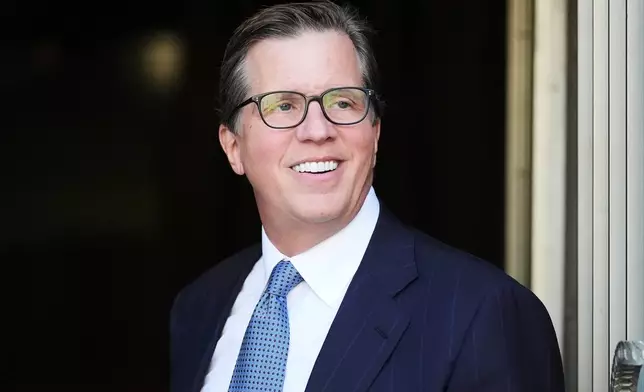
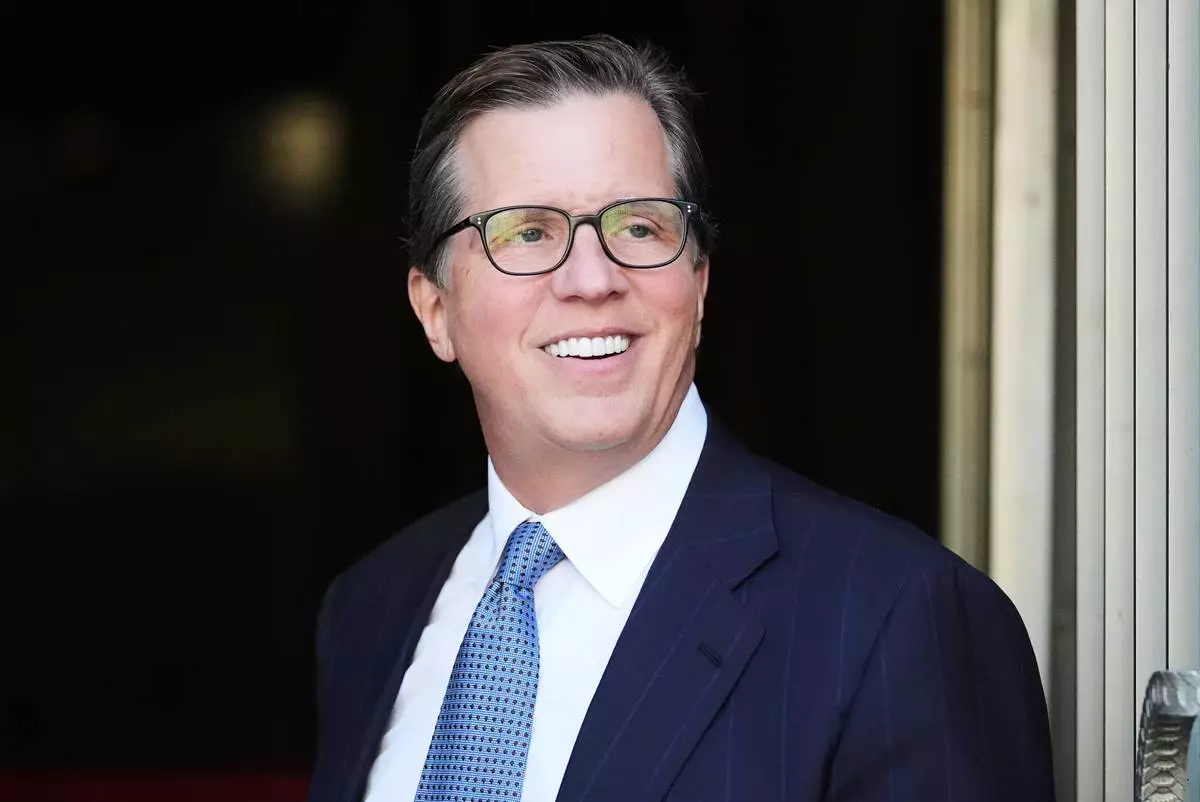
Plaintiffs attorney Mark Lanier arrives for closing arguments in a landmark trial over whether social media platforms deliberately addict and harm children on Thursday, March 12, 2026, in Los Angeles. (AP Photo/Damian Dovarganes)

Plaintiffs attorney Mark Lanier arrives for closing arguments in a landmark trial over whether social media platforms deliberately addict and harm children on Thursday, March 12, 2026, in Los Angeles. (AP Photo/Damian Dovarganes)

The plaintiff, known by her initials KGM, testified at trial that she became addicted to social media as a child and that this addiction exacerbated her mental health struggles. After more than 40 hours of deliberations, a majority of jurors agreed and awarded her $3 million in damages.

Jurors later recommended an additional $3 million in punitive damages after deciding the companies acted with malice, oppression or fraud in harming children with their platforms. The judge has final say over how much damages are awarded.

It’s the second verdict against Meta this week, after a jury in New Mexico determined the company harms children’s mental health and safety, in violation of state law.

Meta, the parent of Instagram and Facebook, and Google-owned YouTube issued statements disagreeing with the verdict and vowed to explore their legal options, which includes appeals.

Google spokesperson Jose Castañeda said the verdict misrepresents YouTube “which is a responsibly built streaming platform, not a social media site.” A Meta spokesperson said teen mental health is “profoundly complex and cannot be linked to a single app.”

The jury determined that Meta and YouTube knew the design or operation of their platforms was dangerous or was likely to be dangerous when used by a minor. They also agreed that the platforms failed to adequately warn of that danger, further contributing to the plaintiff's harm.

Only nine of the 12 jurors had to agree on each claim against each defendant. Two jurors consistently disagreed with the other 10 on whether the companies should be held liable.

The jurors also decided Meta held more responsibility for harm to the plaintiff, who has been identified by her initials KGM. The jury said Meta shouldered 70% of the responsibility while YouTube bore the remaining 30%. That division was reflected in the breakdown of the $3 million in punitive damages, with the jury deciding on $2.1 million from Meta and $900,000 from YouTube.

Meta and YouTube were the two remaining defendants in the case. TikTok and Snap settled before the trial began.

Jurors listened to about a month of lawyers’ arguments, testimony and evidence, and they heard from KGM, or Kaley as her lawyers called her during the trial, as well as Meta leaders Mark Zuckerberg and Adam Mosseri. YouTube’s CEO, Neal Mohan, was not called to testify.

Kaley said she began using YouTube at age 6 and Instagram at age 9. She told the jury she was on social media “all day long” as a child.

Lawyers representing Kaley, led by Mark Lanier, were tasked with proving that the respective defendants’ negligence was a substantial factor in causing Kaley’s harm. They pointed to specific design features they said are designed to “hook” young users, like the “infinite” nature of feeds that allowed for an endless supply of content, autoplay features, and notifications.

The jurors were told not to take into account the content of the posts and videos Kaley viewed because tech companies are shielded from legal responsibility for posted content, based on Section 230 of the 1996 Communications Decency Act.

Meta argued that Kaley's mental health struggles were not connected to her social media use and pointed to her turbulent home life. Meta also said “not one of her therapists identified social media as the cause” of her mental health issues. But the plaintiffs did not have to prove that social media caused Kaley’s struggles — only that it was a “substantial factor” in causing her harm.

YouTube focused more on the nature of the platform, arguing that it's a video platform akin to television rather than a social media platform. The company also mentioned her declining YouTube use as she aged. According to their data, she spent about one minute a day on average watching YouTube Shorts since its inception. YouTube Shorts, which launched in 2020, delivers short-form, vertical videos with the “infinite scroll” feature that plaintiffs argued was addictive.

Lawyers representing both platforms also pointed to their safety features and guardrails for users to monitor and customize their use.

The Los Angeles case was filed by a single plaintiff against Meta, YouTube, TikTok and Snap. After the latter two settled, she argued that Meta and YouTube were addictive by design, and that they especially target young users.

“The reason why this case is consequential is not the individual case, but the way that it’s a bellwether test case that might guide the resolution of other lawsuits,” said Sarah Kreps, a professor and director of Cornell University’s Tech Policy Institute.

“So there are thousands pending, and hundreds in California. So the concern if you’re a social media platform is, as this case goes, so might these others. And I think the reason why they would be concerned, and I’ve seen this analogy with the tobacco lawsuits, is that once you have this type of verdict in one case, it just opens the floodgates for so many more.”
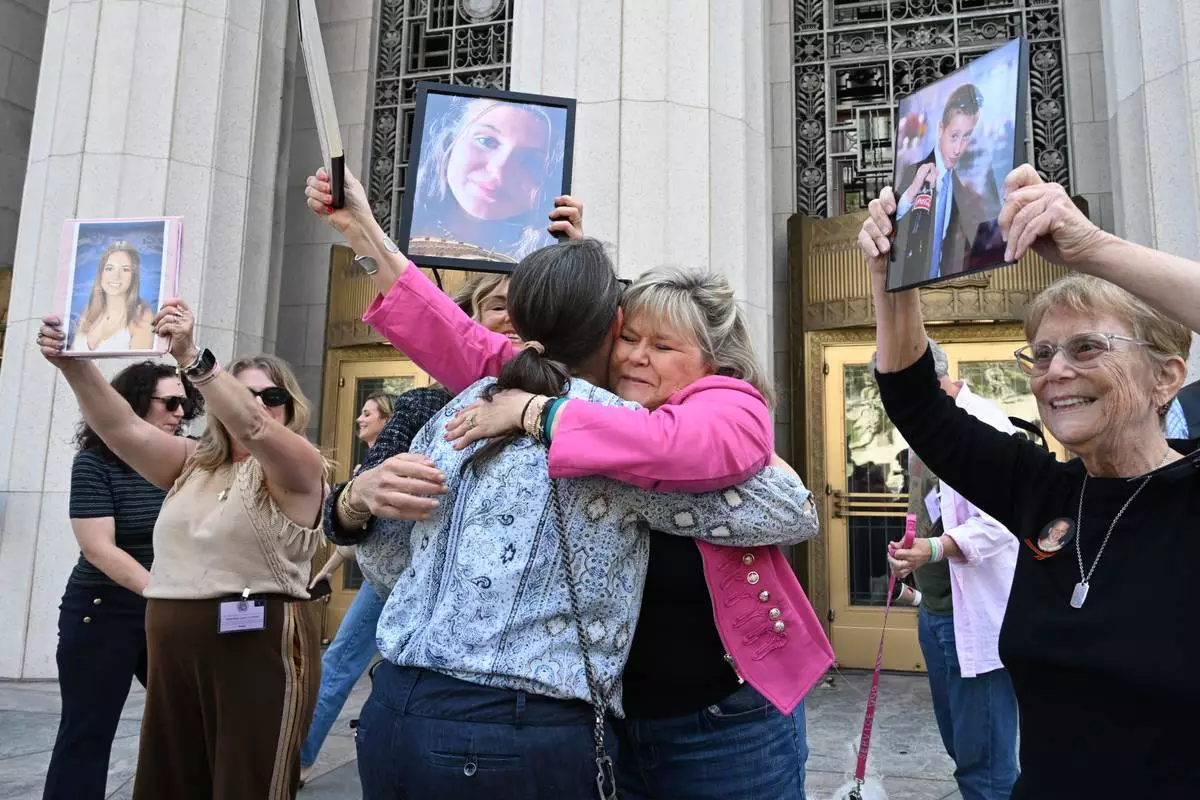
Lori Schott, center right, embraces Mary Rodee after the verdict in a landmark trial over whether social media platforms deliberately addict and harm children at Los Angeles Superior Court, Wednesday, March 25, 2026, in Los Angeles. (AP Photo/William Liang)
Lori Schott, center right, embraces Mary Rodee after the verdict in a landmark trial over whether social media platforms deliberately addict and harm children at Los Angeles Superior Court, Wednesday, March 25, 2026, in Los Angeles. (AP Photo/William Liang)
Attorney Mark Lanier speaks during a news conference after the verdict in a landmark trial over whether social media platforms deliberately addict and harm children at Los Angeles Superior Court, Wednesday, March 25, 2026, in Los Angeles. (AP Photo/William Liang)
Attorney Mark Lanier speaks during a news conference after the verdict in a landmark trial over whether social media platforms deliberately addict and harm children at Los Angeles Superior Court, Wednesday, March 25, 2026, in Los Angeles. (AP Photo/William Liang)

Mary Rodee holds a photo of her son Riley after the verdict in a landmark trial over whether social media platforms deliberately addict and harm children at Los Angeles Superior Court, Wednesday, March 25, 2026, in Los Angeles. (AP Photo/William Liang)

Mary Rodee holds a photo of her son Riley after the verdict in a landmark trial over whether social media platforms deliberately addict and harm children at Los Angeles Superior Court, Wednesday, March 25, 2026, in Los Angeles. (AP Photo/William Liang)

A recording of Meta Founder and CEO Mark Zuckerberg's deposition is played for the jurors on Wednesday, March 4, 2026, in Santa Fe, N.M. (Jim Weber/Santa Fe New Mexican via AP, Pool)
A recording of Meta Founder and CEO Mark Zuckerberg's deposition is played for the jurors on Wednesday, March 4, 2026, in Santa Fe, N.M. (Jim Weber/Santa Fe New Mexican via AP, Pool)

Civil litigator David Ackerman embraces New Mexico state attorney Linda Singer following a landmark verdict where the jury found Meta willfully violated New Mexico's consumer protection laws and are ordered to pay the state $375 million in damages, Tuesday, March 24, 2026 , in Santa Fe, N.M. (Nathan Burton/Santa Fe New Mexican via AP, Pool)

Civil litigator David Ackerman embraces New Mexico state attorney Linda Singer following a landmark verdict where the jury found Meta willfully violated New Mexico's consumer protection laws and are ordered to pay the state $375 million in damages, Tuesday, March 24, 2026 , in Santa Fe, N.M. (Nathan Burton/Santa Fe New Mexican via AP, Pool)

Laura Marquez-Garrett, attorney for SMVLC (Social Media Victims Law Center), embraces Julianna Arnold, right, parent, outside Los Angeles Superior Court on Thursday, March 12, 2026. (AP Photo/Damian Dovarganes)
Laura Marquez-Garrett, attorney for SMVLC (Social Media Victims Law Center), embraces Julianna Arnold, right, parent, outside Los Angeles Superior Court on Thursday, March 12, 2026. (AP Photo/Damian Dovarganes)

Plaintiffs attorney Mark Lanier arrives for closing arguments in a landmark trial over whether social media platforms deliberately addict and harm children on Thursday, March 12, 2026, in Los Angeles. (AP Photo/Damian Dovarganes)
Plaintiffs attorney Mark Lanier arrives for closing arguments in a landmark trial over whether social media platforms deliberately addict and harm children on Thursday, March 12, 2026, in Los Angeles. (AP Photo/Damian Dovarganes)
A woman in Indiana who put off dental surgery because she doesn't know if she can afford the copay. A Florida couple with young children who are depleting their savings. A grandmother in Idaho who plans to sell her car to pay the rent.

They are among the tens of thousands Transportation Security Administration officers set to receive another $0 paycheck this week. A dispute in Congress over funding the Department of Homeland Security has held up their salaries since mid-February. With monthly bills coming due, many of these federal employees, who screen passengers and luggage at airports across the U.S., are making difficult choices about how to make ends meet.

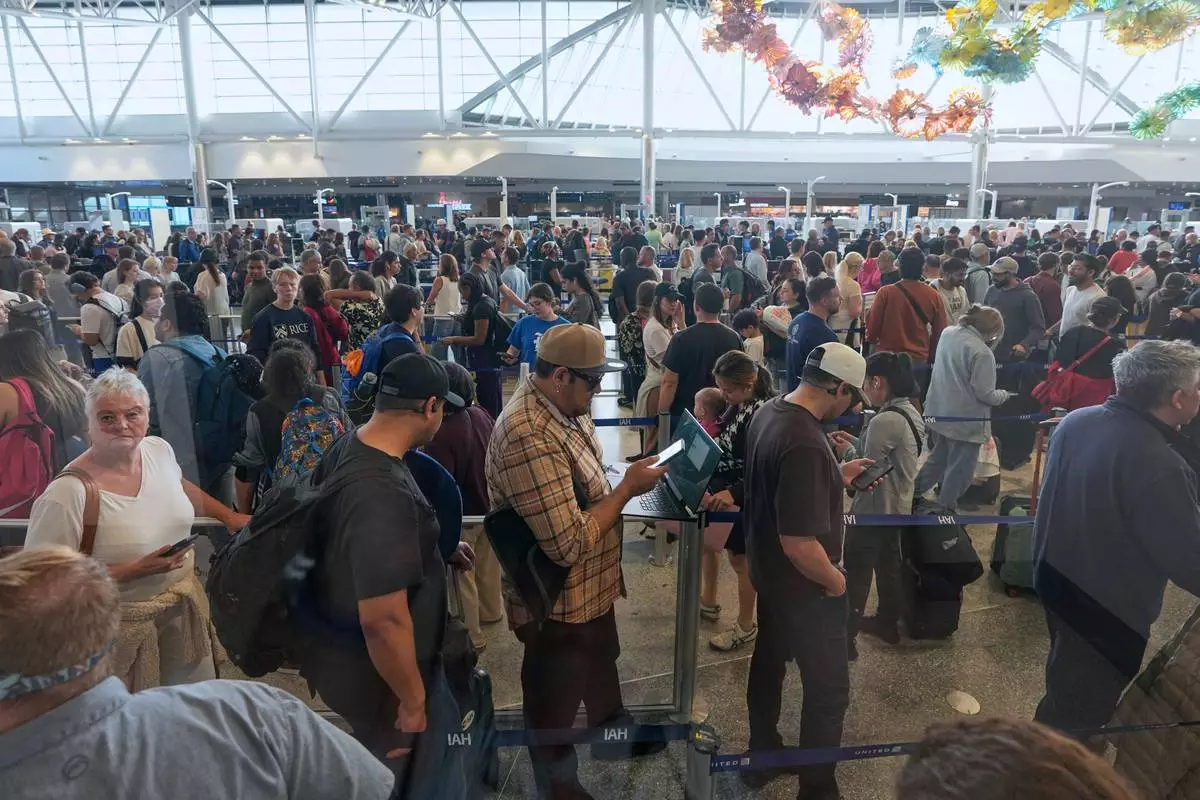
High absentee rates at some major airports have produced long lines and frustrated passengers at understaffed security checkpoints. Union leaders and federal officials say empty gas tanks, childcare expenses and the threat of eviction keep more screeners from showing up the longer the shutdown continues. At last count, more than 455 had quit instead of weathering the ongoing uncertainty, according to DHS.

“Stop asking me about the long lines. Ask me if somebody’s gonna eat today,” Hydrick Thomas, president of the national American Federation of Government Employees union council that represents TSA employees, told reporters Tuesday.

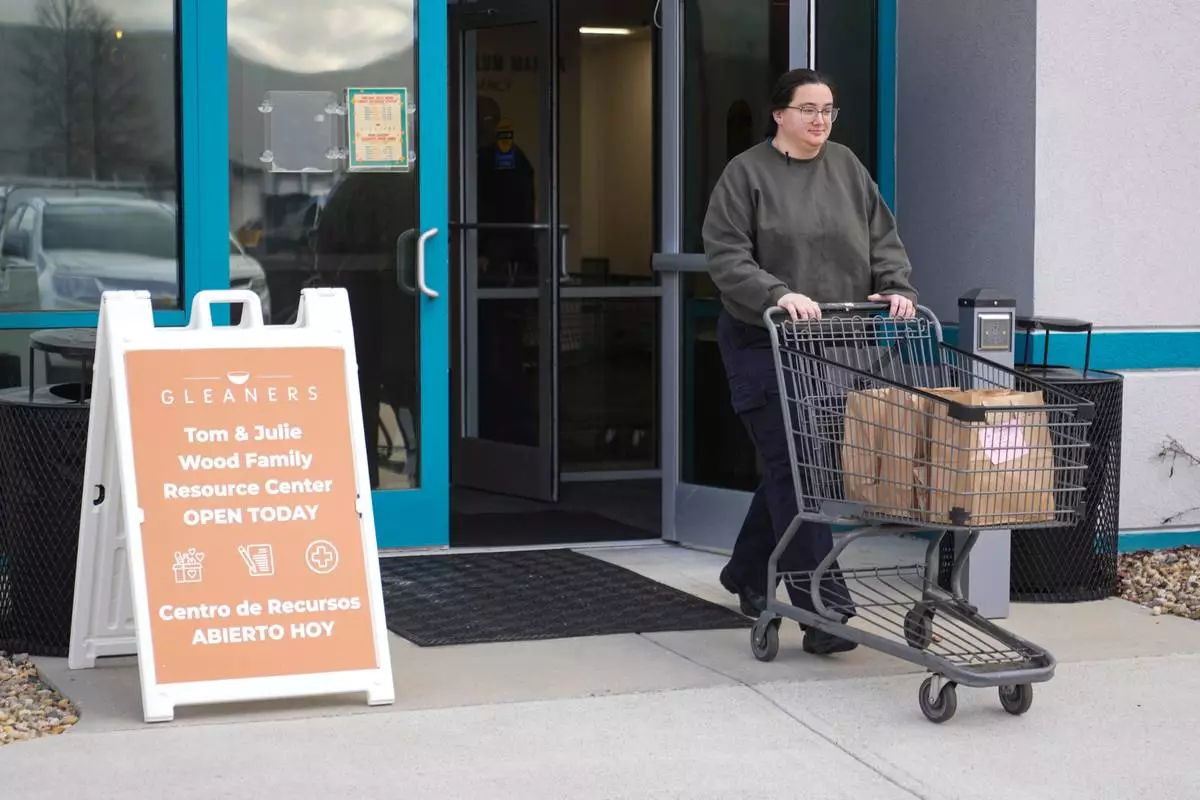
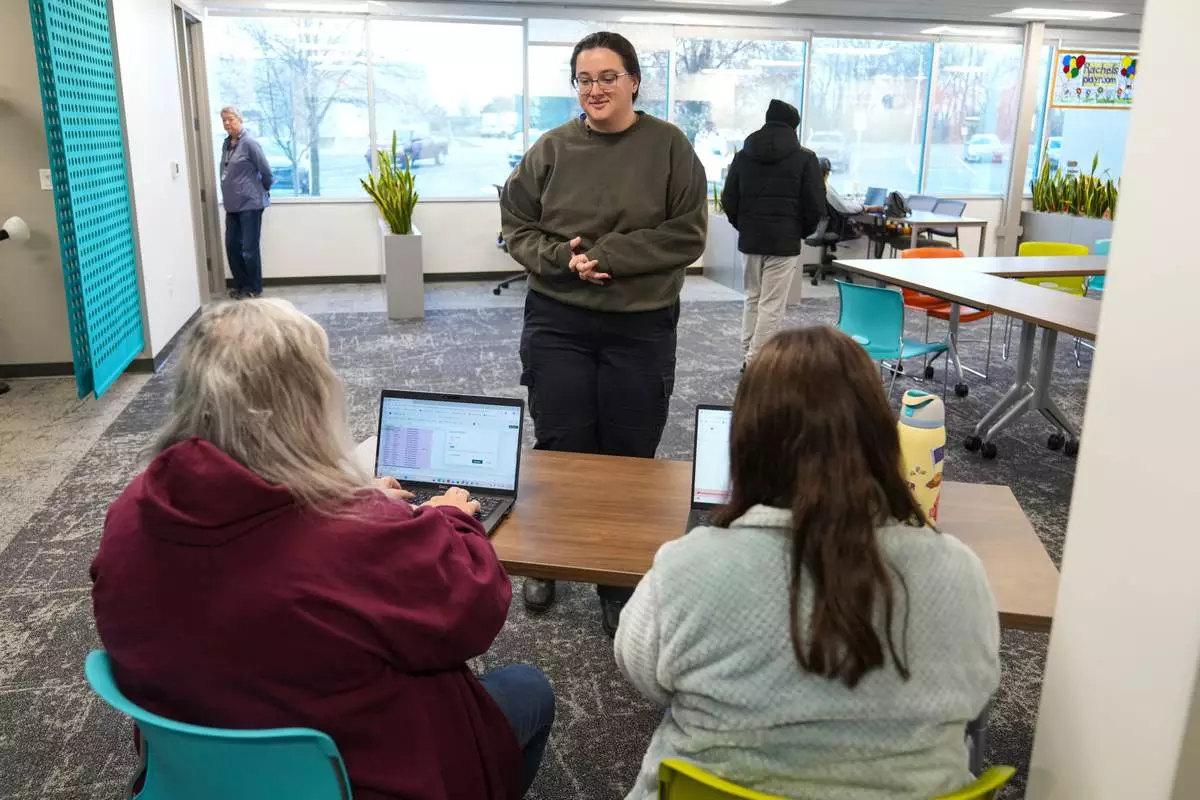
Before starting her shift at Indianapolis International Airport on Monday, Taylor Desert stopped at a food bank for meat, eggs, vegetables and dairy products.

“I never thought I would be in a position where, working for the federal government, I would need to go to a food bank to supplement my groceries,” she said as she loaded bags into her car.

Desert, who has been a TSA officer for seven years, said her last full paycheck came on Feb. 14, the day the shutdown started.

She had some savings to draw on despite a record 43-day shutdown last fall but put some personal plans on pause.

For example, Desert needs to get her wisdom teeth removed but says the TSA isn’t approving time off during the shutdown. She also worries about costs from the surgery not covered by insurance.

Wednesday was the 39th day of the DHS funding lapse. If it goes another 21 days, Desert said she would seek another job.

“I don’t want to have to spend my entire savings just to afford to keep living,” she said.

Oksana Kelly, 38, and her husband, Deron, 37, both work as TSA agents at Orlando International Airport. They have two young children and don't know how they will keep supporting their family without any income coming in.

Kelly said they’re dipping into savings for now, but it’s running dry. If the shutdown persists, they will ask relatives for help or take out a loan, which she worries would put them deeper in debt.

Her husband has worked as a DoorDash delivery driver in his spare time since the shutdown in October and November. He's considered resigning from the TSA to put the couple on more stable financial footing.

“It’s very mentally exhausting,” said Kelly, who is an organizer for the labor union representing TSA workers across central and northern Florida. “How do we even decide between being able to feed our kids or come to work?”

Kelly said strangers might criticize the couple for “putting all eggs in one basket” since both choose to work for the TSA for the past decade.

“All we want is to pay our bills and get the pay we deserve,” she said.

Rebecca Wolf cries every day. She tries to hide it from her grandchildren, ages 11 and 6.

“They don’t understand why grandma’s crying,” Wolf said. “I try not to cry in front of them, but sometimes it’s just too much.”

The 53-year-old TSA officer and union leader in Boise, Idaho, joined the agency soon after its creation in the wake of the Sept. 11 terrorist attacks. She was homeless at the time but turned her situation around with steady work and the benefits of federal employment.

Now, Wolf can’t help but dwell on where she was 24 years ago. “I don’t want to be in that position again,” she said.

Her Feb. 28 paycheck amounted to $13.53, sending her “into a spiral right away.”

With no savings to fall back on, she is preparing to sell her car to cover her rent due in a week. She calls nonprofits daily seeking rental assistance, but hasn’t had any luck.

Supporting six family members — four children and two grandchildren — has always been challenging, but the repeated shutdowns have made it nearly unsustainable.

Wolf, who serves as president of AFGE TSA Local 1127, is hesitant to walk away from both the job that turned her life around and her role advocating for fellow officers.

“I worked hard to get to where I am now, and the thought I might lose it all scares me,” she said, her voice breaking as she tried to stifle the sound of weeping.

Mike Gayzagian, a TSA officer at Boston’s Logan International Airport, says long stretches without pay have become enough of a “new normal” that he’s prepared for them.

The 56-year-old says he has a financial cushion of about six months to tap but that his situation is “an exception to the rule.”

“The majority live paycheck to paycheck and don’t have those kinds of reserves available,” said Gayzagian, who is president of his local TSA union chapter.

It shouldn’t be this way for federal workers, he said.

“The financial situation adds an additional burden to what is already a stressful job,” Gayzagian said. “I didn’t go into public service to make a lot of money. I went into public service because it has a certain stability and reliability and predictability that other jobs don’t have.”

Robert Echeverria quit his job as a TSA agent at Utah’s Salt Lake City International Airport about two weeks into the current shutdown.

The 45-year-old, who has a wife and three children, counted five government shutdowns in the nine years he worked for the agency. The toughest was last year's record shutdown that ended in mid-November around the start of the holiday season.

Echeverria said his family skipped Christmas and took months to recover financially. He began looking for a new job in February when it became clear Congress was headed for another budget battle.

“Emotionally I was already distraught,” Echeverria said last week. “We were barely recovering from the last shutdown.”

He now works for the department that manages the airports in Utah's capital. Leaving federal service “was a hard decision for me,” Echeverria said.

“I really believed in the mission of the TSA,” he said. “We took an oath, and it was a way for me to give back to the country that gave me so much.”

He’s still based at Salt Lake City International, where his 20-year-old daughter works as a TSA agent, and says that seeing his former colleagues struggling is difficult.

“They all feel betrayed by their government because they’re showing up to work," Echeverria said. "They’re there, but they feel that the government doesn’t care for them,” he said.

Marcelo reported from New York, Lamy reported from Indianapolis and Yamat reported from Las Vegas.

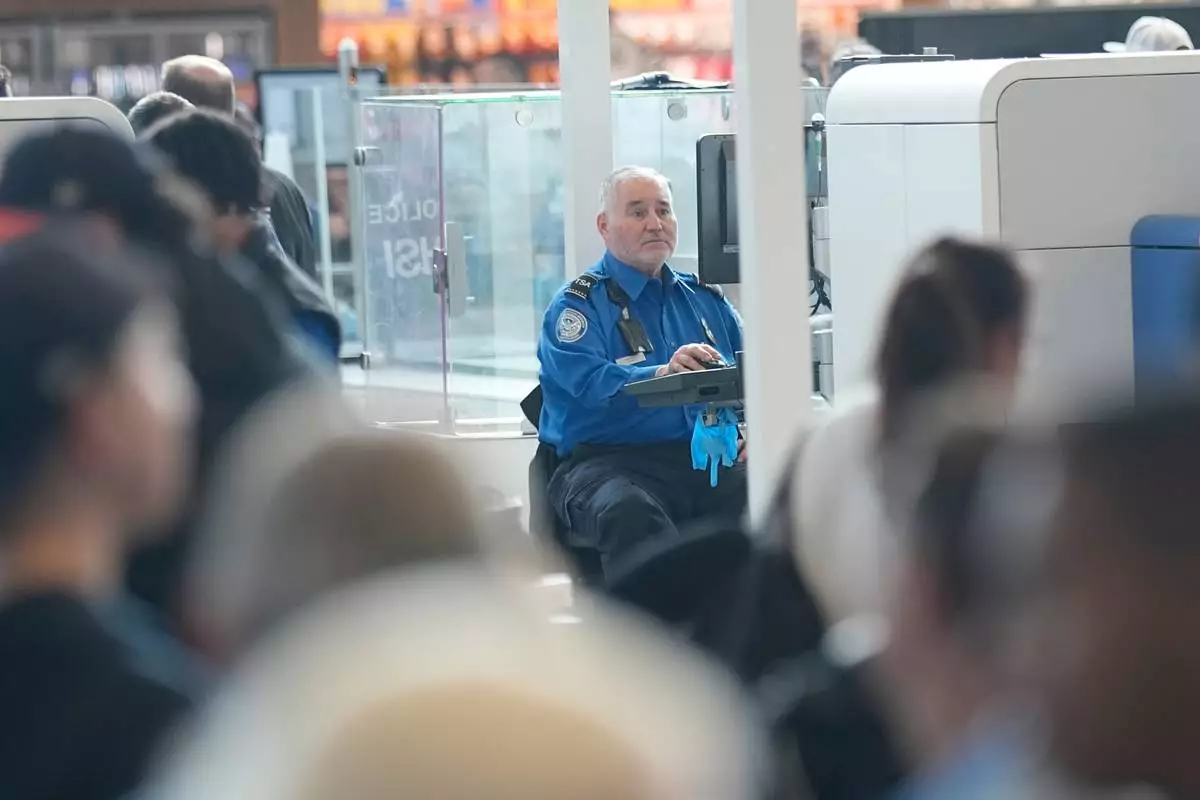
Passengers and their bags are screened at a security checkpoint at George Bush Intercontinental Airport, Wednesday, March 25, 2026, in Houston. (AP Photo/David J. Phillip)

Passengers and their bags are screened at a security checkpoint at George Bush Intercontinental Airport, Wednesday, March 25, 2026, in Houston. (AP Photo/David J. Phillip)

Passengers wait in a security checkpoint line at George Bush Intercontinental Airport Wednesday, March 25, 2026, in Houston. (AP Photo/David J. Phillip)

Passengers wait in a security checkpoint line at George Bush Intercontinental Airport Wednesday, March 25, 2026, in Houston. (AP Photo/David J. Phillip)

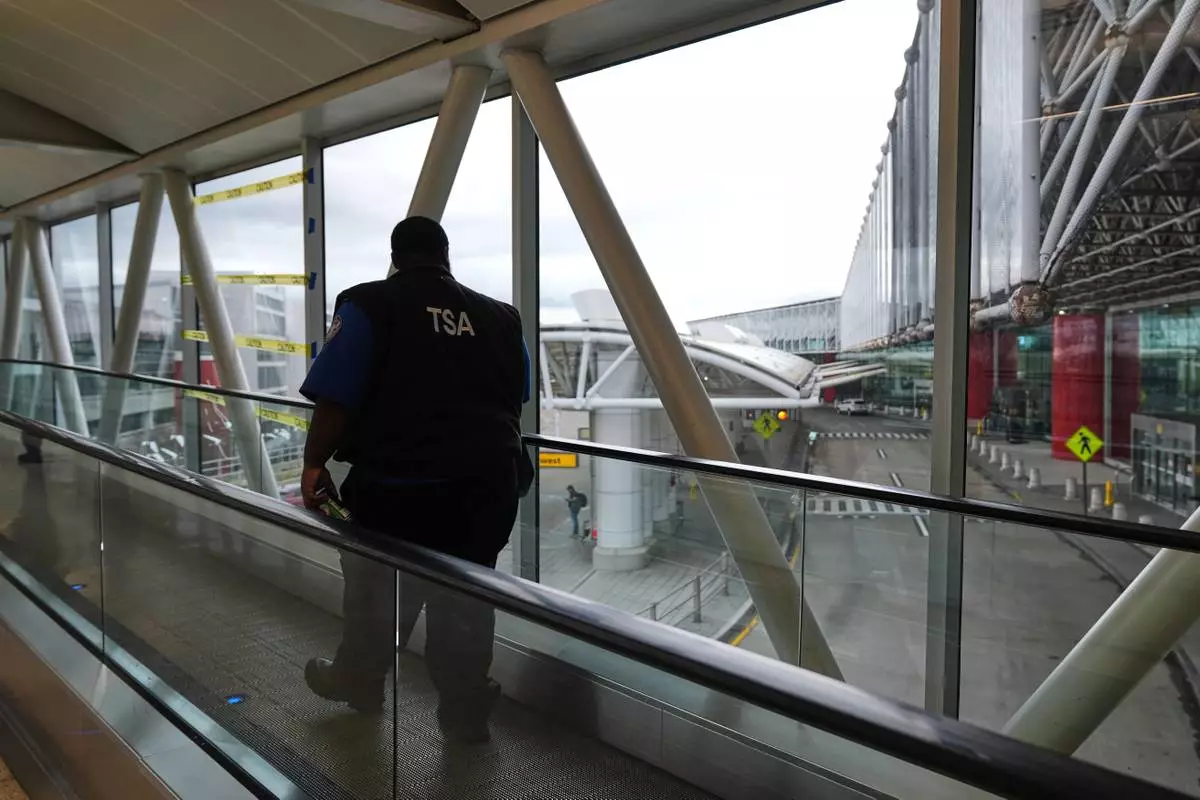
A Transportation Security Administration agent leaves the terminal following their shift at Baltimore/Washington International Thurgood Marshall Airport in Baltimore, Monday, March 23, 2026. (AP Photo/Stephanie Scarbrough)

A Transportation Security Administration agent leaves the terminal following their shift at Baltimore/Washington International Thurgood Marshall Airport in Baltimore, Monday, March 23, 2026. (AP Photo/Stephanie Scarbrough)

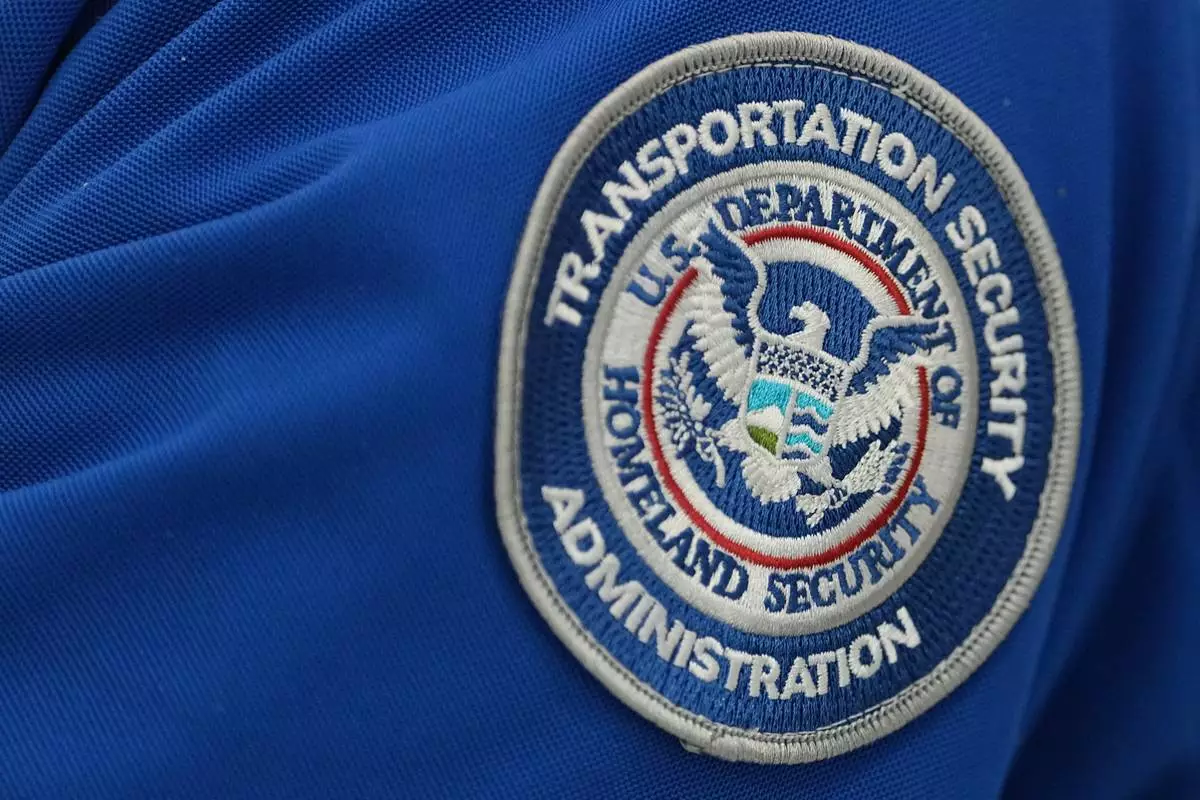
A Transportation Security Administration (TSA) workers's patch is displayed at Philadelphia International Airport, Tuesday, March 24, 2026, in Philadelphia. (AP Photo/Matt Rourke)

A Transportation Security Administration (TSA) workers's patch is displayed at Philadelphia International Airport, Tuesday, March 24, 2026, in Philadelphia. (AP Photo/Matt Rourke)

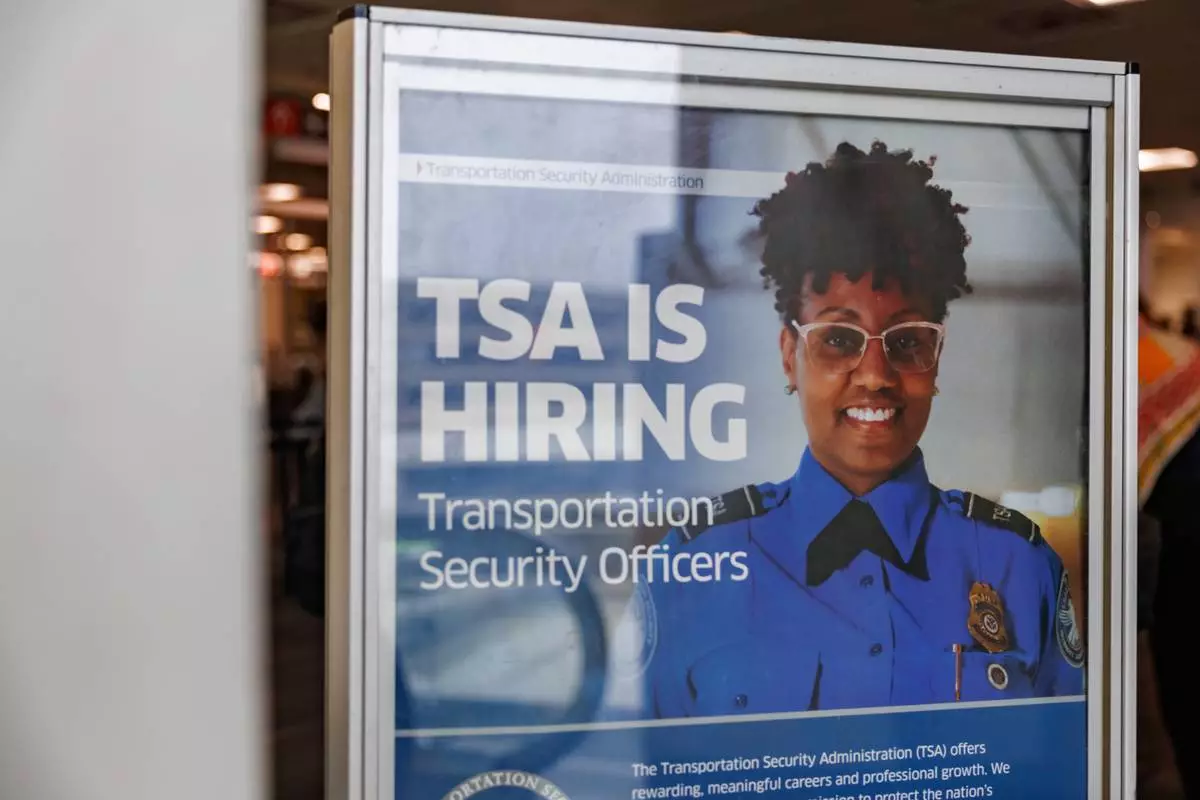
Signage reading "TSA is Hiring" at Philadelphia International Airport, Monday, March 23, 2026, in Philadelphia. (AP Photo/Hannah Beier)

Signage reading "TSA is Hiring" at Philadelphia International Airport, Monday, March 23, 2026, in Philadelphia. (AP Photo/Hannah Beier)

Taylor Desert, a TSA agent, leaves Gleaners Food Bank after picking up groceries in Indianapolis, Monday, March 23, 2026. (AP Photo/Michael Conroy)

Taylor Desert, a TSA agent, leaves Gleaners Food Bank after picking up groceries in Indianapolis, Monday, March 23, 2026. (AP Photo/Michael Conroy)

Taylor Desert, a TSA agent, checks in to pick up groceries at Gleaners Food Bank in Indianapolis, Monday, March 23, 2026. (AP Photo/Michael Conroy)

Taylor Desert, a TSA agent, checks in to pick up groceries at Gleaners Food Bank in Indianapolis, Monday, March 23, 2026. (AP Photo/Michael Conroy)

Recommended Articles