A novel by Nobel laureate Han Kang, Karen Hao's examination of artificial intelligence and OpenAI (the company behind ChatGPT) and a memoir by the author Arundhati Roy were among the winners Thursday of the annual National Book Critics Circle awards.
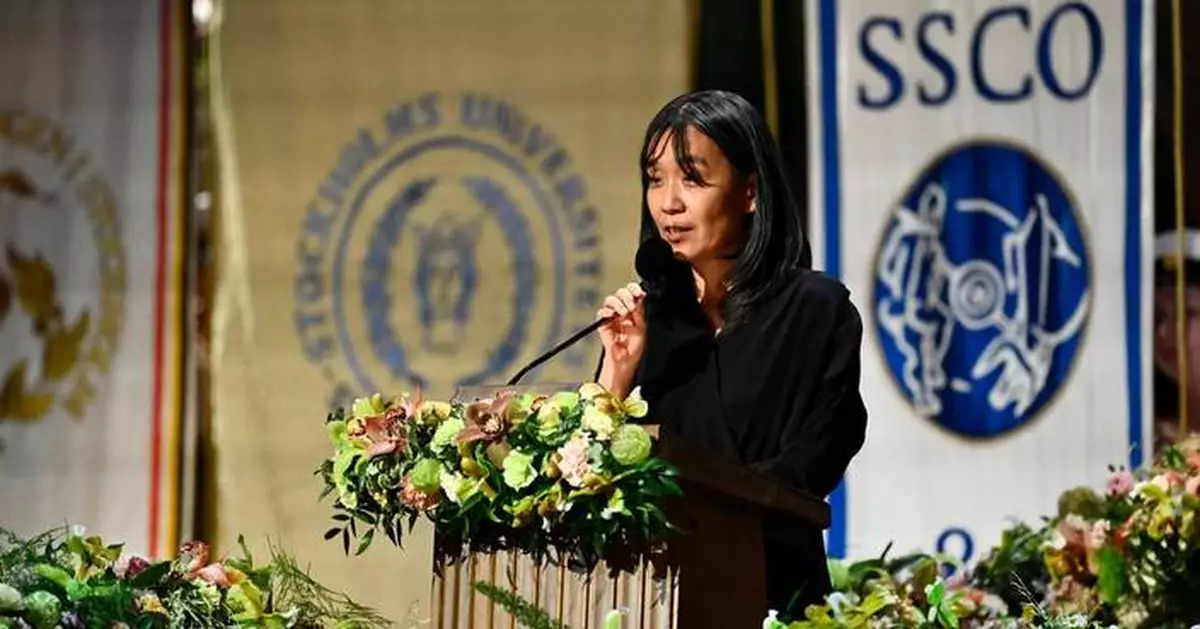
Han's "We Do Not Part,” translated by e.yaewon and Paige Aniyah Morris, addresses a 1948-1949 uprising on Jeju, an island south of the Korean mainland, in which thousands of people were killed.
Heather Scott Partington, who chaired the awards' fiction committee, described the novel as “a work of blinding melancholy, bleak weather, and murmuring syntax” and said it "lingers like an atmospheric and arresting dream.”
The lifetime achievement award went to author and journalist Frances FitzGerald, whose 1972 "Fire in the Lake” was an early and prescient take on the Vietnam War.
NPR and PBS were presented with the achievement award honoring institutions that have made significant contributions to book culture.
"At a time when some question the value of public, service-minded media, we salute PBS and NPR for all you have done for both book culture and American democracy,” said Jacob M. Appel, who chaired the selection process for the award.
Winners of other categories:
— Hao's “Empire of AI: Dreams and Nightmares in Sam Altman’s OpenAI” won for nonfiction.
— Roy's “Mother Mary Comes to Me” won for autobiography.
— Alex Green's “A Perfect Turmoil: Walter E. Fernald and the Struggle to Care for America’s Disabled” won for biography.
— Kevin Young's “Night Watch” won for poetry.
— “Sad Tiger” by Neige Sinno and translated by Natasha Lehrer won the translation prize honoring both the author and translator.
The National Book Critics Circle was founded in New York in 1974 and consists of more than 850 critics and editors. Its annual awards honor the best books published in the past year in the United States.
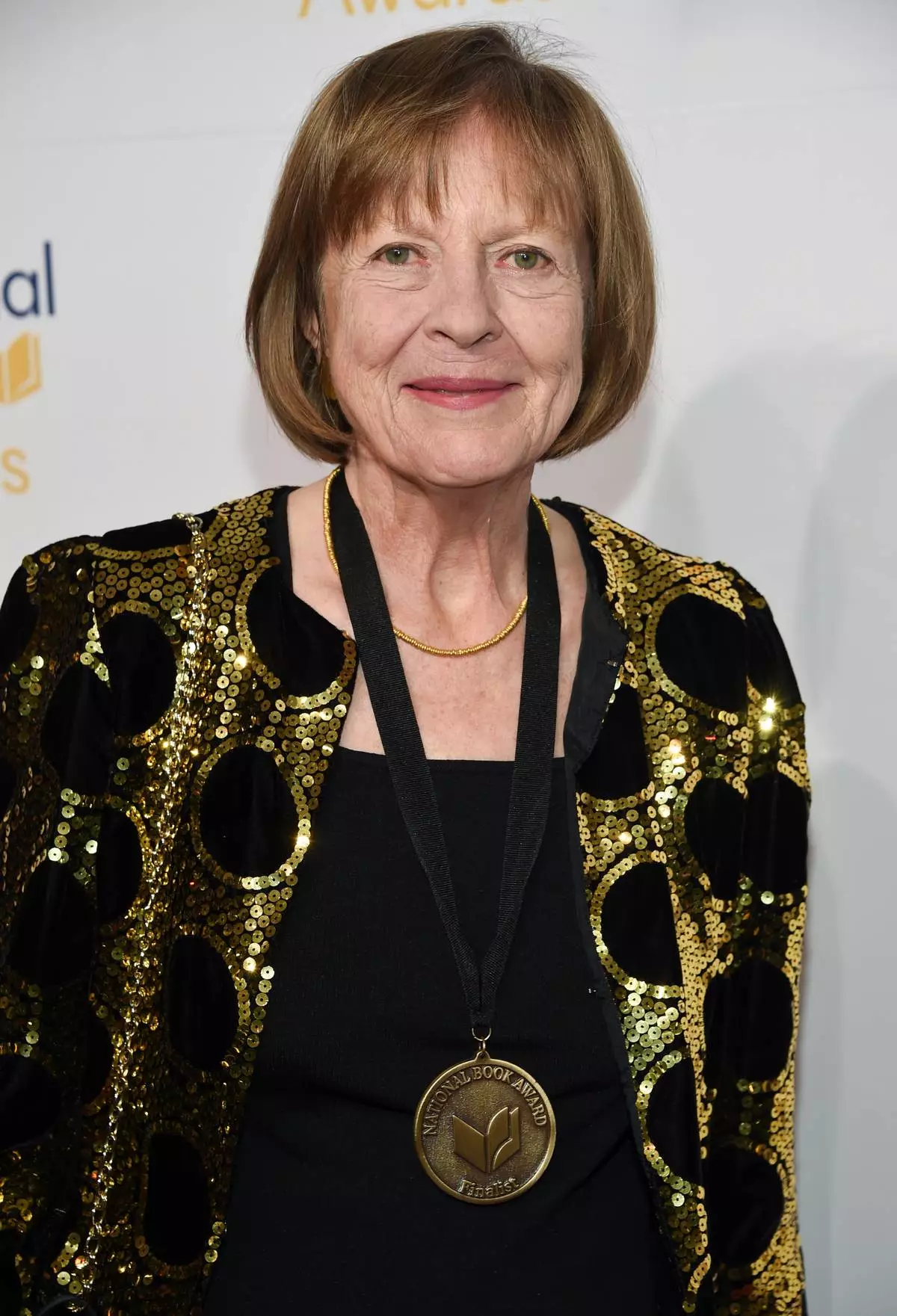
FILE - Author Frances FitzGerald attends the 68th National Book Awards Ceremony and Benefit Dinner at Cipriani Wall Street Nov. 15, 2017, in New York. (Photo by Evan Agostini/Invision/AP, File)
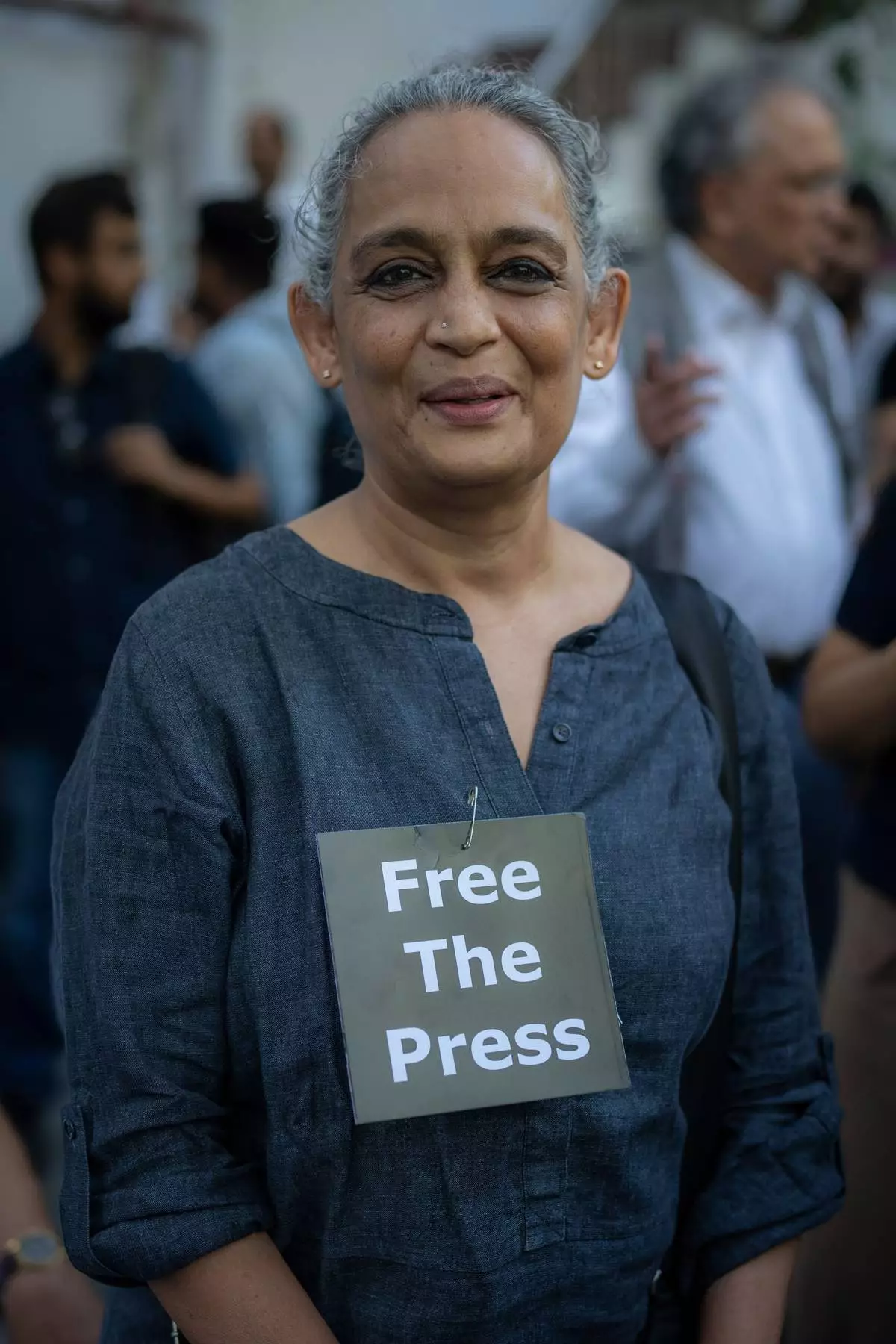
FILE - Writer and activist Arundhati Roy participates in a protest at the press club of India in New Delhi, India, Oct. 4, 2023. (AP Photo/Altaf Qadri, File)
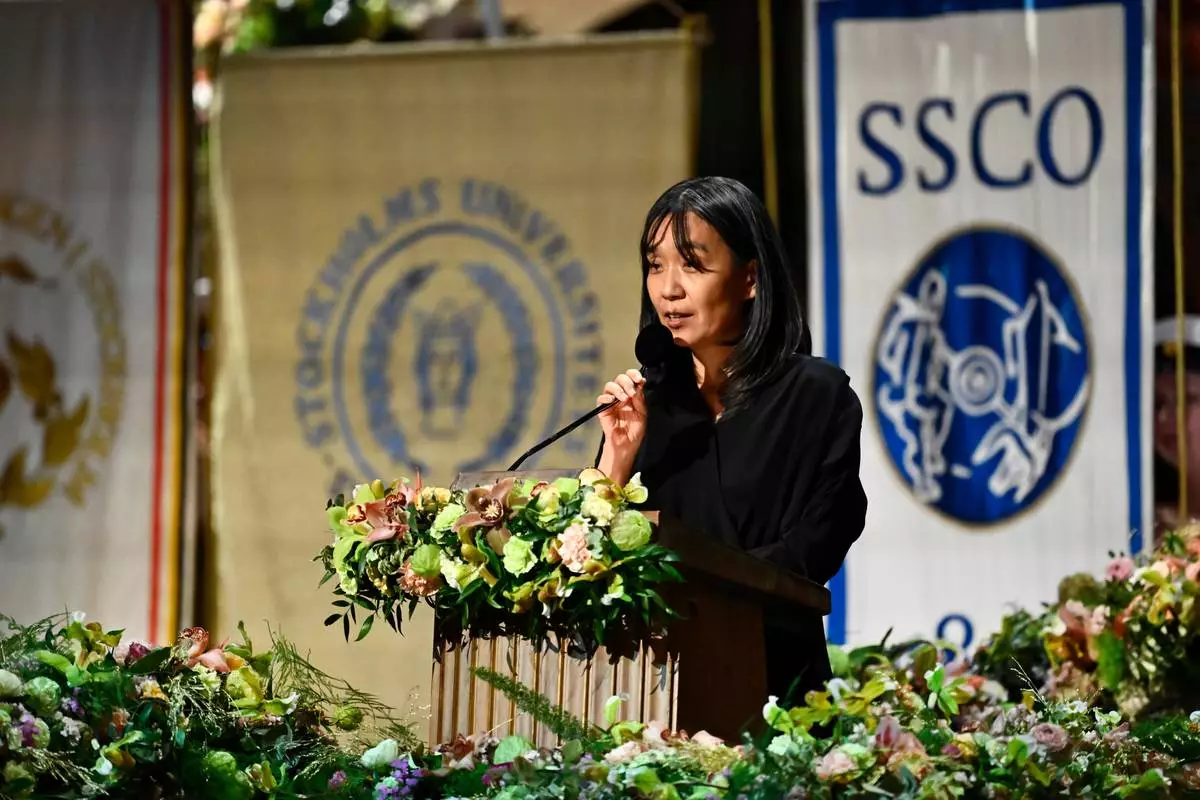
FILE - Nobel laureate in literature Han Kang speaks during the Nobel Banquet in City Hall in Stockholm, Dec. 10, 2024. (Christine Olsson/TT News Agency via AP, File)WLD
RALEIGH, N.C. (AP) — North Carolina’s photo voter identification law was upheld on Thursday, as a federal judge set aside arguments by civil rights groups that Republicans enacted the requirement with discriminatory intent against Black and Latino voters.
The decision by U.S. District Judge Loretta Biggs is a huge legal victory for Republican legislative leaders who passed the law in late 2018 — weeks after voters approved a constitutional amendment backing the idea.
North Carolina state Senate leader Phil Berger said in a news release that with Biggs' decision, “we can put to rest any doubt that our state’s Voter I.D. law is constitutional.”
Biggs had presided in spring 2024 over a non-jury trial in a lawsuit filed by the state NAACP and local chapters, which argued that the ID requirement violated the U.S. Constitution and the federal Voting Rights Act. At trial, the NAACP alleged Republican legislators passed the voter ID law to entrench their political power by discouraging people historically aligned with Democrats from voting.
But lawyers for Republican lawmakers helping defend the law with state attorneys argued that Republicans wouldn’t have passed one of the most permissive voter ID laws among states that have them if they wanted to entrench themselves in state politics. They argued that the law is race-neutral and contains many more categories of qualifying ID than was allowed under a previously approved 2013 voter ID law that was struck down years ago.
The lawyers also said the General Assembly had legitimate state interests in building voter confidence in elections and preventing voter fraud. Still, nationwide voter identity fraud is rare.
State NAACP President Deborah Dicks Maxwell called Thursday's decision “deeply disappointing and ignores the real and documented barriers” that voter ID laws have on certain voters. No decision has been made on whether to appeal the ruling.
Even with the federal litigation, the 2018 voter ID law has been carried out since the 2023 municipal elections, after the state Supreme Court upheld the law in a separate lawsuit. Those elections have included the March 3 primary — nearly all of its results were certified on Wednesday.
In her 134-page decision and order, Biggs, who was nominated to the court by President Barack Obama, said evidence in the trial record did suggest the burden to obtain IDs fell more on Black and Hispanic voters. As a result, a disparate number of racial minority voters would be among thousands who will not possess the required ID on Election Day, and ultimately “for many their vote will not count when the election is certified.”
Biggs said the state's history of race-based discrimination and voter suppression favors a finding that the law was enacted with discriminatory intent. But she wrote that court rulings since the lawsuit was filed — including one from a federal appeals court panel in the case — requires "this Court to assign less weight to the historical background” and “almost impenetrable deference to the presumption” that lawmakers approved the law in good faith.
Biggs had previously issued in 2019 a preliminary injunction blocking enforcement of the 2018 law, saying it was tainted because the 2013 voter ID law was struck down on similar grounds of racial bias.
But the 4th U.S. Circuit Court of Appeals reversed her decision, writing that she had put too much emphasis on the past conduct of the General Assembly when evaluating the 2018 law.
So based on the “preliminary injunction record, the limited evidence presented at trial, and the arguments of counsel,” the court "concludes that it is compelled by controlling case law” to side with legislative leaders and the state elections board, Biggs wrote Thursday.
North Carolina law offers free ID cards for voting at county election offices statewide and at the Division of Motor Vehicles. People lacking photo ID for the polls should have their votes count if they fill out an exception form or bring in their ID to election officials before the final tallies.
In the separate state court lawsuit, the 2018 law was struck down initially. But when the state Supreme Court flipped from a Democratic to a Republican majority, the justices agreed to revisit the matter and proceeded to uphold the law.
Thirty-six states have laws requesting or requiring identification at the polls, 23 of which seek photo ID, according to the National Conference of State Legislatures.
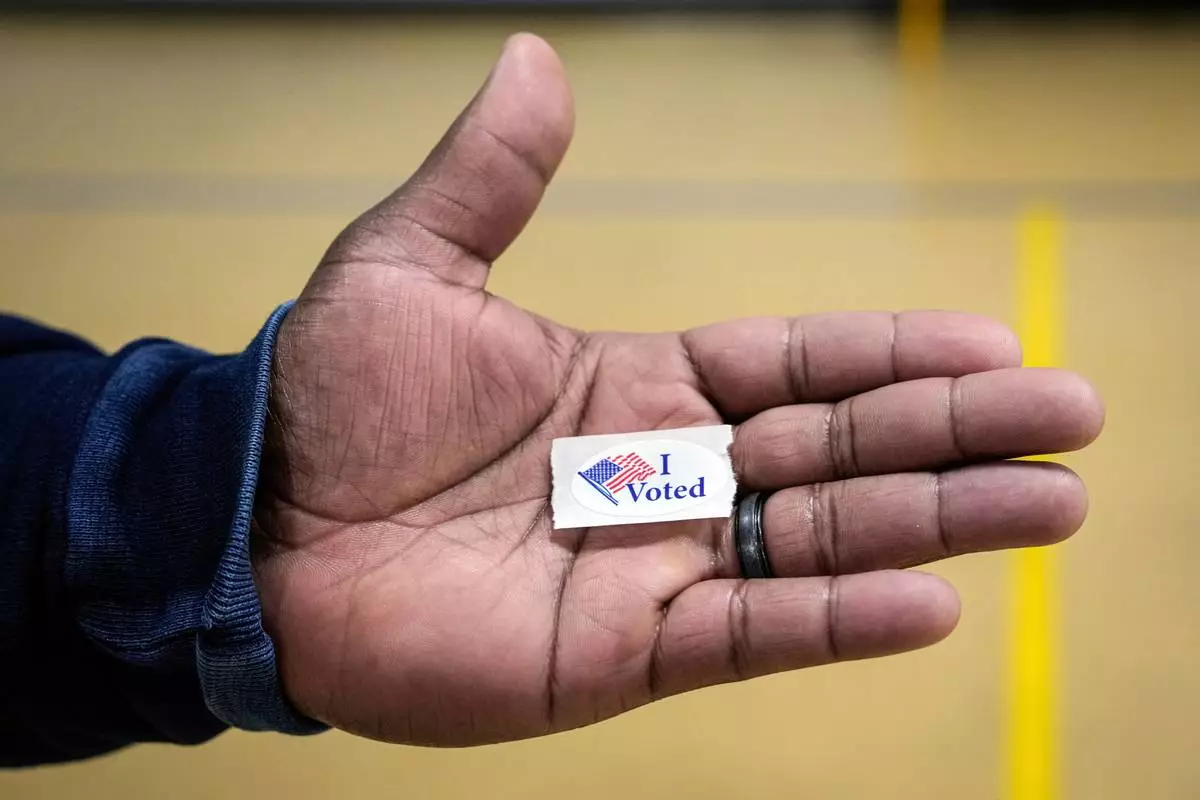
FILE - Sasha Dix holds his, "I voted," sticker after voting at T.C. Roberson High School on Election Day, Nov. 5, 2024, in Asheville, N.C. (AP Photo/Kathy Kmonicek, File)