Skip to Content Facebook Feature Image

Nobel laureate attributes China's fast economic development to continued opening up

China

China

China

Nobel laureate attributes China's fast economic development to continued opening up

2026-03-28 12:32 Last Updated At:14:51

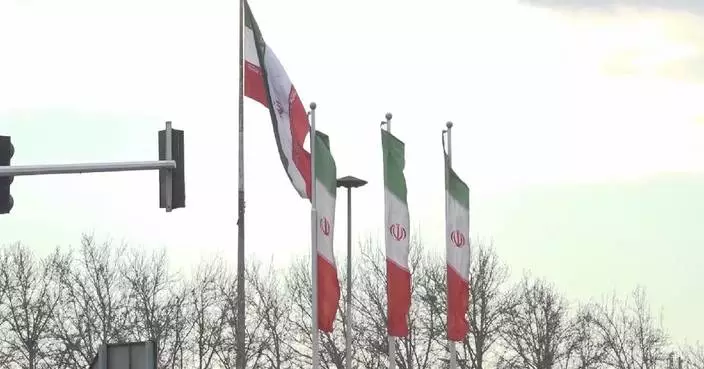
Nobel laureate in economics Thomas J. Sargent attributed China's fast economic development to its sustained commitment to opening up and decisive political choices.

In a recent exclusive interview with the China Media Group, Sargent, who won the 2011 Nobel Prize in economic sciences, described China's rapid economic development as a "miracle," noting that its pace has been unprecedented in recent decades.

He summarized the factors behind China's success as a dedicated commitment to openness, free trade, and global integration.

"For the last 35 or 40 years, China has systematically stood for opening up and free trade in goods, services. So free trade, interactions across borders, free borders, ports -- that's what it got right. And so you can see why I take it personally, because my country started a trade war, (and) that's not good for my country. So we're not doing some of the things that China got right," said Sargent.

The Nobel laureate also emphasized how strategic policy choices have actively unlocked China's human and innovative potential.

"So it was like opening up markets, promoting science, promoting learning, celebrating our universities. Those are all ingredients. What made this happen is the political leaders in China. They made decisions, and unleashed the energy and the creativity and entrepreneurship and the scientific abilities. China has a leader in all sorts of scientific things now. They unleashed that. And somehow it's... what made this place, what made these great Chinese scientists and engineers is themselves, the energy and the characteristics of the people. Those are things that my country has things to learn from what you guys did right. It's happened over and over again: countries that have opened up, unleashed entrepreneurs, have done well with an order, with a stable order, rules, and for doing commerce," said Sargent.

Nobel laureate attributes China's fast economic development to continued opening up
Nobel laureate attributes China's fast economic development to continued opening up

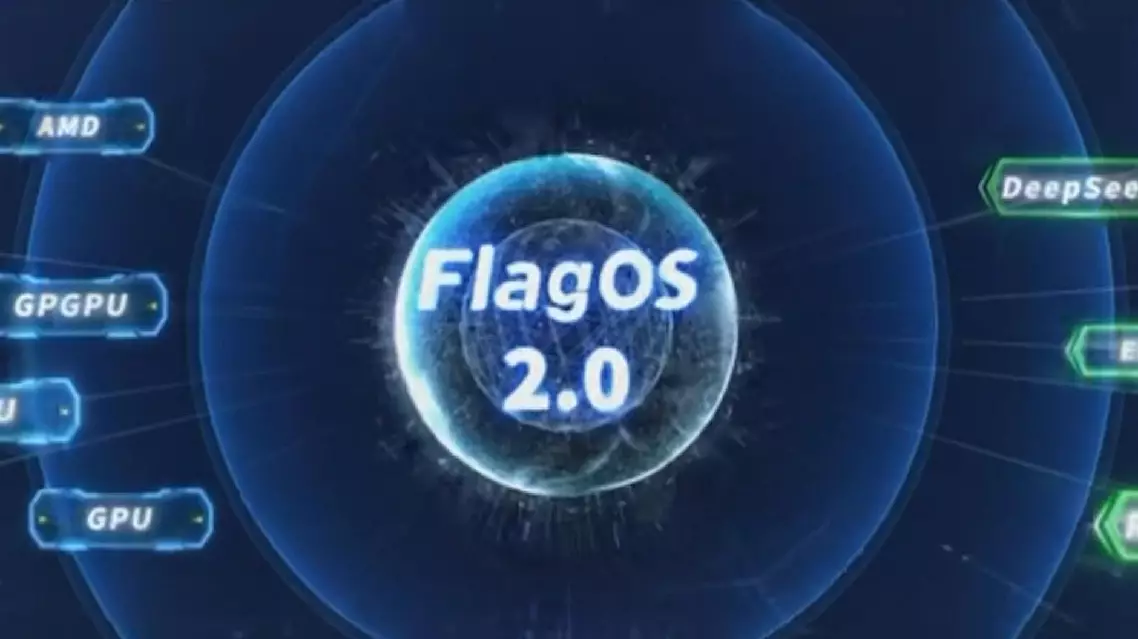
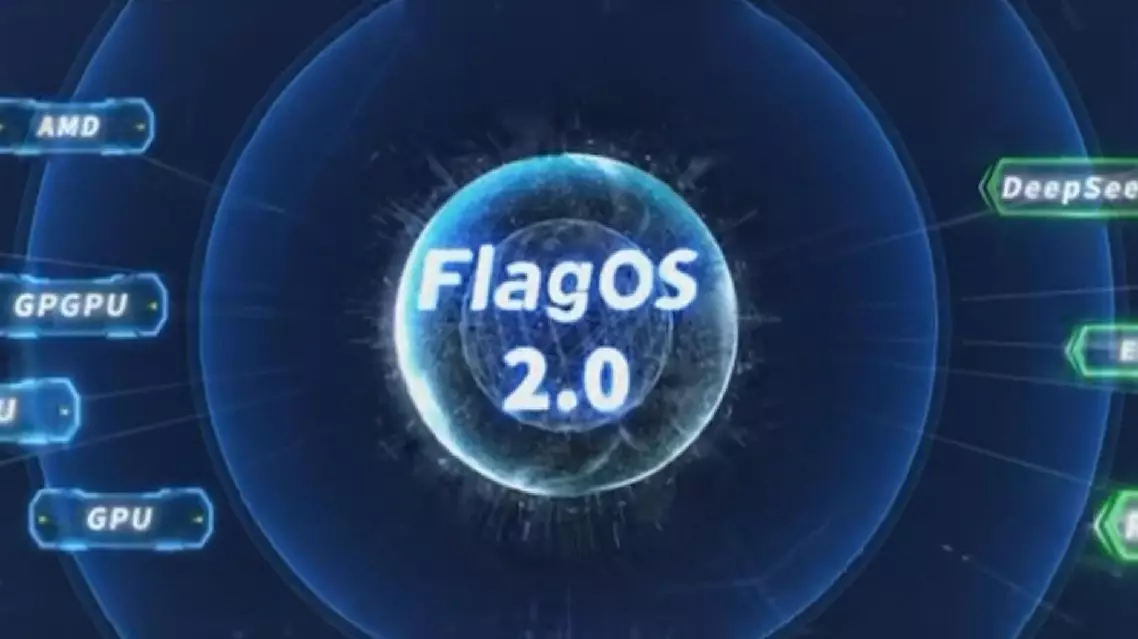
An AI open-source system named FlagOS 2.0 was released on Friday at the ongoing 2026 Zhongguancun Forum (ZGC Forum) Annual Conference in Beijing.

Jointly developed by 23 institutions, including leading Chinese research organizations and universities, the open-source system software platform aims to provide a unified computing infrastructure that can support multiple AI chips.

"Although many AI chips are now available, a major challenge is that different chips have different architectures and fragmented technology stacks. As a result, AI models and algorithms cannot easily run across different chips. What we need is a unified, open-source intermediate layer -- a shared technology stack -- so that once large models are released, they can be easily used across different AI hardware platforms," said Lin Yonghua, vice president and chief engineer of Beijing Academy of Artificial Intelligence (BAAI), one of the joint developers of FlagOS 2.0.

China's open-source efforts are also gaining international traction. At the forum, BAAI signed an agreement with Eclipse Foundation, which focuses on open source software collaboration and innovation, to promote joint innovation and deeper integration of global computing resources.

Eclipse Foundation is an independent, non-profit organization chartered in the European Union that acts as a steward of the Eclipse open source software development community.

"Open source is a way to collaborate on a level playing field. So I think collaboration, we heard this a lot also today in different presentations, collaboration is key for AI to build a global AI system," said Michael Plagge, Vice President of Eclipse Foundation.

This year's ZGC Forum Annual Conference opened on Wednesday in Beijing and will run through Sunday.

AI open-source system FlagOS 2.0 released at ZGC Forum

AI open-source system FlagOS 2.0 released at ZGC Forum

AI open-source system FlagOS 2.0 released at ZGC Forum

AI open-source system FlagOS 2.0 released at ZGC Forum

Recommended Articles