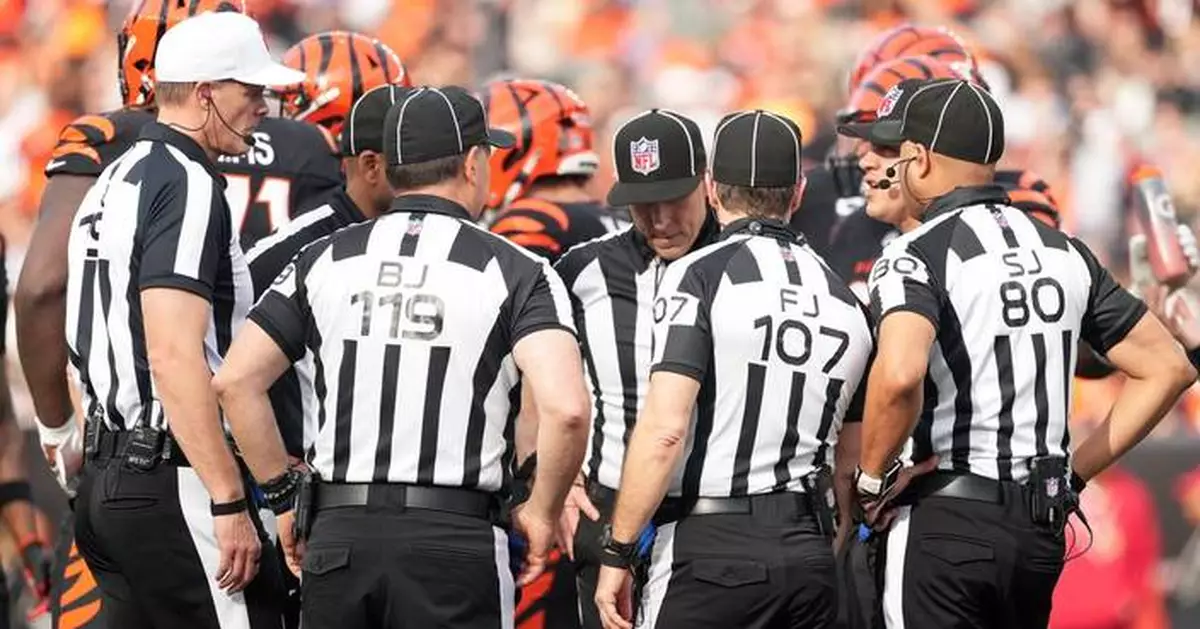
PHOENIX (AP) — The NFL is moving forward with plans to begin hiring and training replacement officials in the next several weeks because negotiations with the referees’ union have been unsuccessful, two people with knowledge of the discussions told The Associated Press.
Both people spoke on condition of anonymity Sunday because the conversations are private.
The league and the NFL Referees Association have been negotiating a new collective bargaining agreement since the summer of 2024. The current CBA expires on May 31.
The NFL has increased its offer to a 6.45% annual growth rate in compensation over a six-year labor deal, but the NFLRA wants 10% plus $2.5 million for marketing fees, the people said.
NFLRA executive director Scott Green told The Associated Press on Monday: "those numbers are not accurate.” He said negotiations with the league are similar to 2012 when a stalemate resulted in a 110-day lockout and replacement referees were used.
The league wants compensation tied to performance so that only high-performing game officials during the regular season share in the year-end bonus pool.
The league is also seeking greater flexibility to ensure the best officials are on the field during the postseason. The current CBA includes seniority as a factor in making postseason assignments.
“We had ‘high performing officials’ who worked this year’s championship games and the Super Bowl who were paid less for those games than what they were paid for a regular-season game. That certainly isn’t rewarding performance, as the NFL claims is their goal,” Green said.
Shortening the “dark period” is also a priority for the NFL. Currently, the league has no communication with game officials during the roughly three-month stretch between the Super Bowl and May 15. The goal is to increase access to game officials for rules discussions, video review, mechanics and appropriate football operations and committee meetings in order to improve the game and officials’ performance.
“Apparently ‘League sources’ are continuing to put out false and misleading information instead of wanting to meet at the negotiating table," Green said in a statement. “The bottom line is our officials work for the wealthiest sports league in America, with profits that far exceed any of the others. That’s normally a point of pride for the NFL. However, our officials are substantially under-compensated when compared to baseball and basketball umpires and referees. Our officials also aren’t provided the health care benefits that those at 345 Park Avenue have.”
The NFL is offering to hire some full-time officials, but one of the people said the union is resisting and is asking for “full-time pay and part-time hours.”
Green told the AP the 2012 and 2019 CBA agreements included provisions that would allow some officials to serve in full-time roles. He said the league experimented with this in 2017, 2019 and 2020.
“Each program ended because of their inability to manage it,” Green said. “They could have done full time at any point in the existing CBA and never did. If they want to do it, they need to pay the guys substantially more and provide benefits.”
In preparation for the potential use of replacement officials, the NFL competition committee has proposed a contingency that would allow the replay center in New York to advise the on-field officials on any missed roughing the passer or intentional grounding penalty, as well as any act that would have led to an ejection had a penalty been called. NFL owners will vote on the proposal this week at the annual meeting.
The NFL used replacement officials for the first three weeks of the 2012 season and that resulted in several mistakes and wrong calls, including the disputed TD catch known as the “Fail Mary.”
“No one in the NFL should want to relive 2012,” Green said.
AP NFL: https://apnews.com/hub/nfl
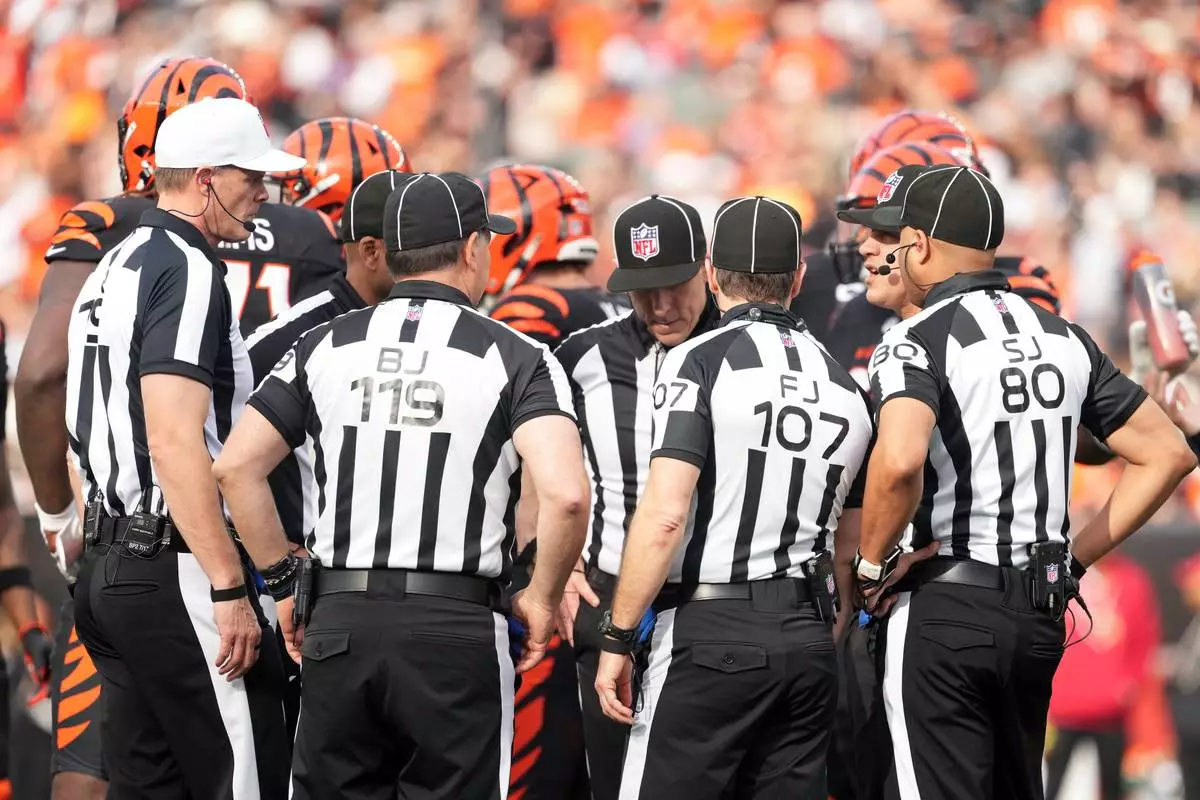
FILE - Referee Clay Martin (19), far left, talks with the officiating crew during an NFL football game between the Arizona Cardinals and the Cincinnati Bengals, Sunday, Dec. 28, 2025, in Cincinnati. (AP Photo/Kareem Elgazzar, file)
WASHINGTON (AP) — The Trump administration on Thursday loosened federal rules that require grocery stores and air-conditioning companies to reduce greenhouse gases used in cooling equipment, a step President Donald Trump said would help lower grocery costs.
Trump, at a White House ceremony, said the action by the Environmental Protection Agency would “substantially lower costs for consumers” by delaying costly restrictions that limit the type of refrigerants U.S. businesses and families can use.
The move to relax the Biden-era rules on harmful pollutants known as HFCs emitted by refrigerators and other appliances was the latest attempt by the Trump administration to try to address rising voter concerns over the cost of living ahead of pivotal elections in November.
It is not clear how much or how quickly the loosening of the refrigerant rule might impact grocery prices. Industry groups said the move could even raise prices because manufacturers have already redesigned products, retooled factories and trained workers to build and service next-generation refrigerant equipment.
Inflation in the United States increased to 3.8% annually in April, amid price spikes caused by the Iran war and President Donald Trump’s sweeping tariffs. Inflation is now outpacing wage gains as the war has kept oil and gasoline prices high.
The Biden-era regulation was “unnecessary and costly and actually makes the machinery worse,” Trump said at a ceremony joined by top executives from Kroger, Piggly Wiggly and other grocery chains. The EPA action will protect hundreds of thousands of jobs and save Americans more than $2 billion a year, he said.
The Air-Conditioning, Heating and Refrigeration Institute, which represents more than 330 HVAC manufacturers and commercial refrigeration companies, said the change in approach would “inject uncertainty across the market” and could even raise prices.
“This rule works against basic supply and demand,” said Stephen Yurek, the group’s president and CEO. “By extending the compliance deadline” for phasing out hydrofluorocarbons, or HFCs, the administration “is maintaining and even increasing demand in the market for existing refrigerants while supply continues to fall.”
Manufacturers have already retooled product lines and certified models based on the existing timeline, Yurek said. Nearly 90% of residential and light commercial air conditioning systems use substitute refrigerants, rather than HFCs, he said.
The administration's action on refrigerants represents a reversal after Trump signed a law in his first term that aimed to reduce harmful, planet-warming pollutants emitted by refrigerators and air conditioners. That bipartisan measure brought environmentalists and major business groups into rare alignment on the contentious issue of climate change and won praise across the political spectrum.
The 2020 law reflected a broad bipartisan consensus on the need to quickly phase out domestic use of HFCs, greenhouse gases that are thousands of times more potent than carbon dioxide and are considered a major driver of global warming.
The EPA action highlights the second Trump administration’s drive to roll back regulations perceived as climate friendly. The plan is among a series of sweeping environmental changes that EPA Administrator Lee Zeldin has said will put a “dagger through the heart of climate change religion.”
Environmentalists criticized the administration’s actions, saying the new rule would exacerbate climate pollution while disrupting a yearslong industry transition to new coolants as an alternative to HFCs.
The 2020 law signed by Trump, known as the American Innovation and Manufacturing Act, phased out HFCs as part of an international agreement on ozone pollution. The law accelerated an industry shift to alternative refrigerants that use less harmful chemicals and are widely available.
The U.S. Chamber of Commerce and the American Chemistry Council, the top lobbying group for the chemical industry, were among numerous business groups that supported the law and an international deal on pollutants, known as the Kigali Amendment, as victories for jobs and the environment. U.S. companies such as Chemours and Honeywell developed and produce the alternative refrigerants sold in the United States and around the world.
The 2023 rule now being relaxed imposed steep restrictions on HFCs starting in 2026. Zeldin said the rule from the Democratic Biden administration did not give companies enough time to comply and that the rapid switch to other refrigerants caused shortages and price increases last year. Some in the industry dispute this.
The Food Industry Association, which represents grocery stores and suppliers, applauded the Trump EPA proposal last year, saying the earlier rule “imposed significant and unrealistic compliance timelines.”
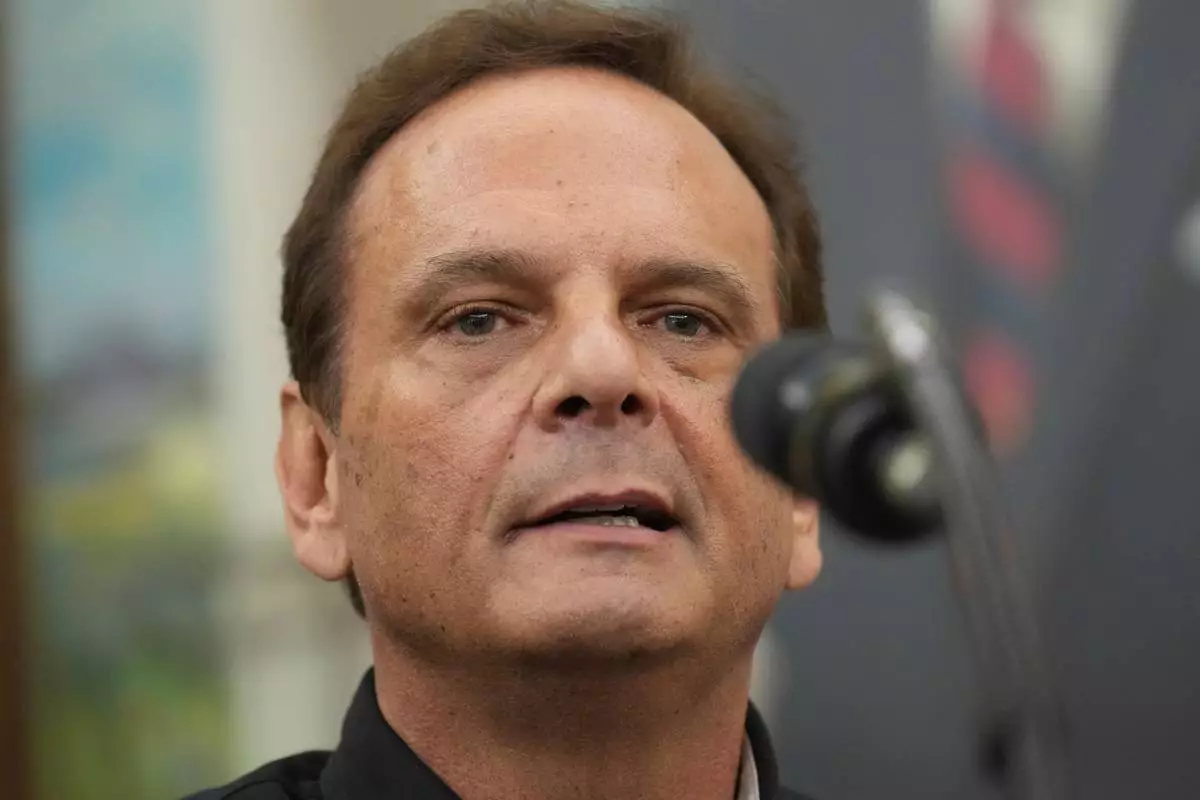
Kevin McDaniel, Piggly Wiggly franchise owner, speaks during an event with President Donald Trump about loosening a federal refrigerant rule, in the Oval Office at the White House, Thursday, May 21, 2026, in Washington. (AP Photo/Jacquelyn Martin)
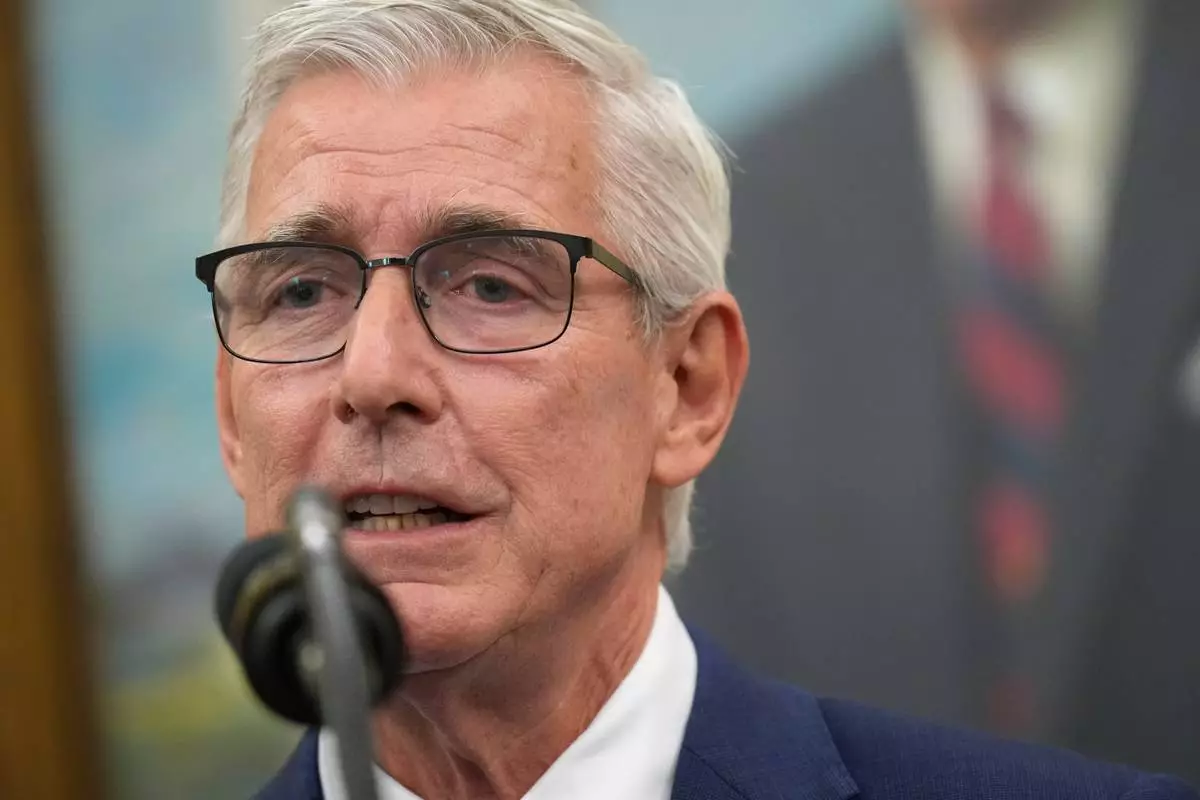
Kroger CEO Greg Foran speaks speaks during an event with President Donald Trump about loosening a federal refrigerant rule, in the Oval Office at the White House, Thursday, May 21, 2026, in Washington. (AP Photo/Jacquelyn Martin)
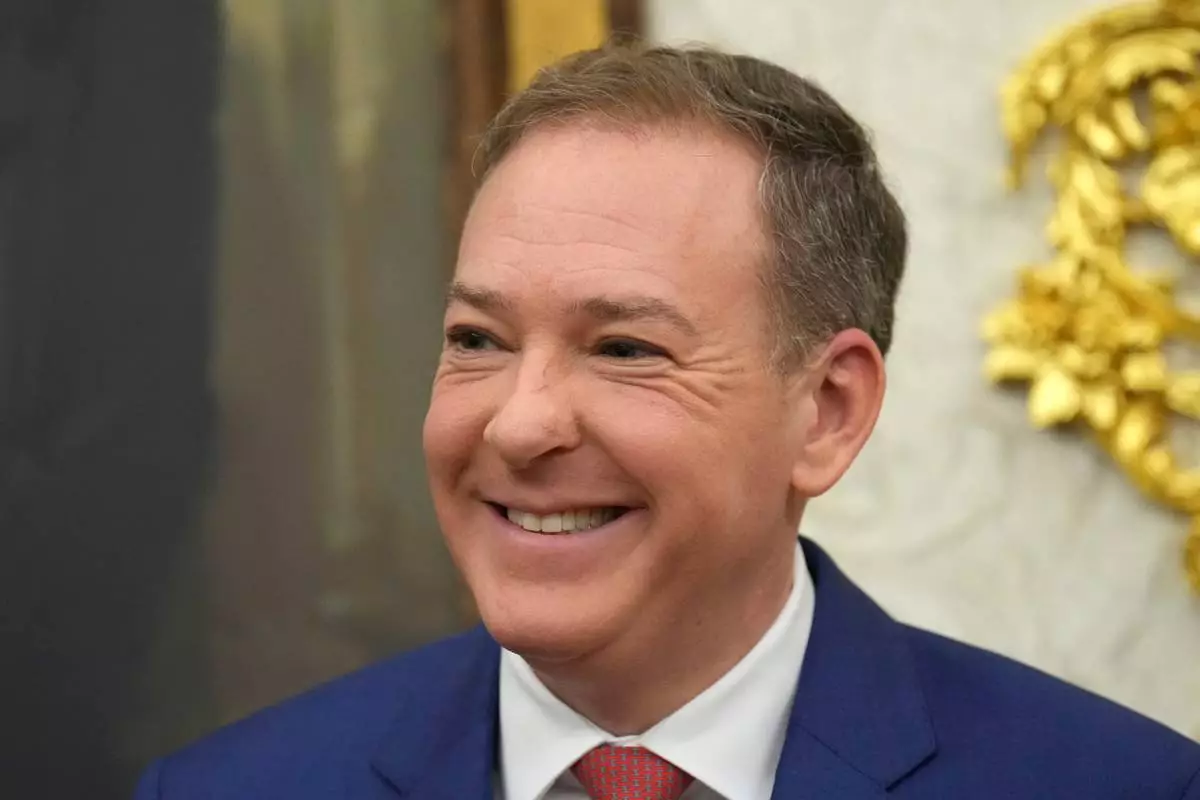
Lee Zeldin, Environmental Protection Agency administrator, listens as President Donald Trump speaks during an event about loosening a federal refrigerant rule, in the Oval Office at the White House, Thursday, May 21, 2026, in Washington. (AP Photo/Jacquelyn Martin)
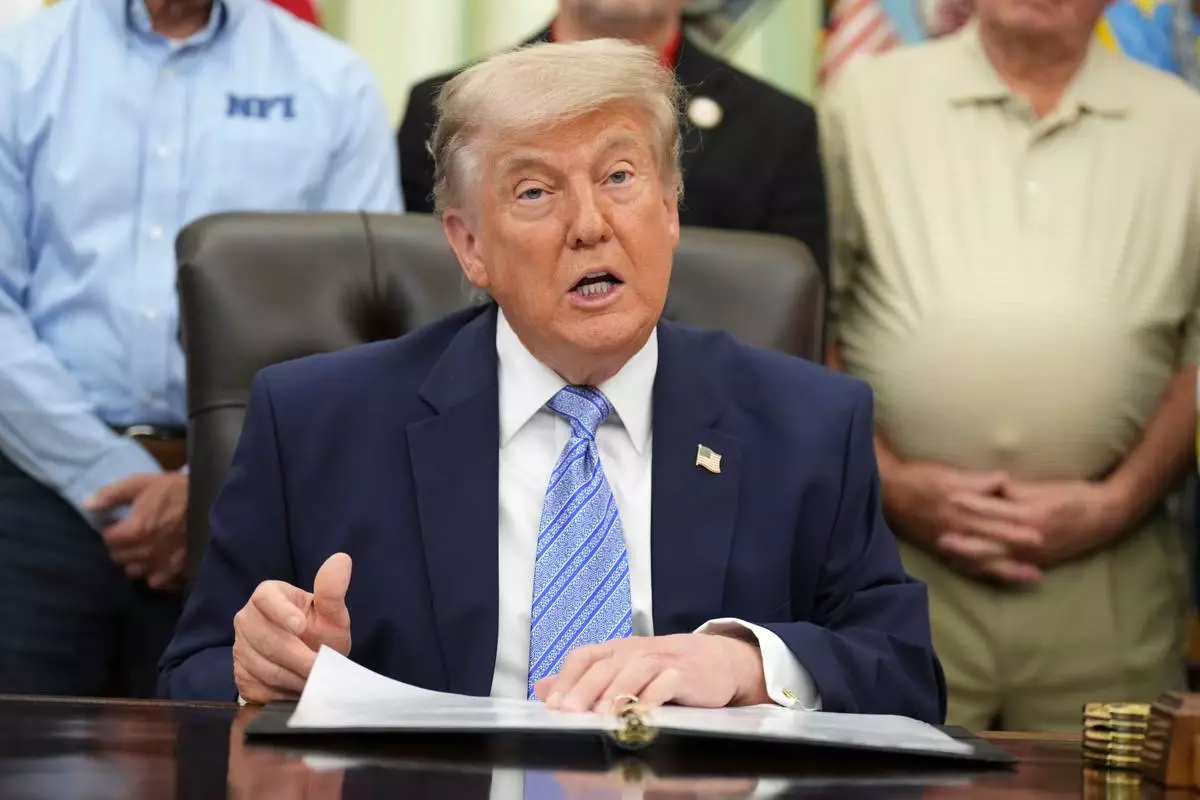
President Donald Trump speaks during an event about loosening a federal refrigerant rule, in the Oval Office at the White House, Thursday, May 21, 2026, in Washington. (AP Photo/Jacquelyn Martin)
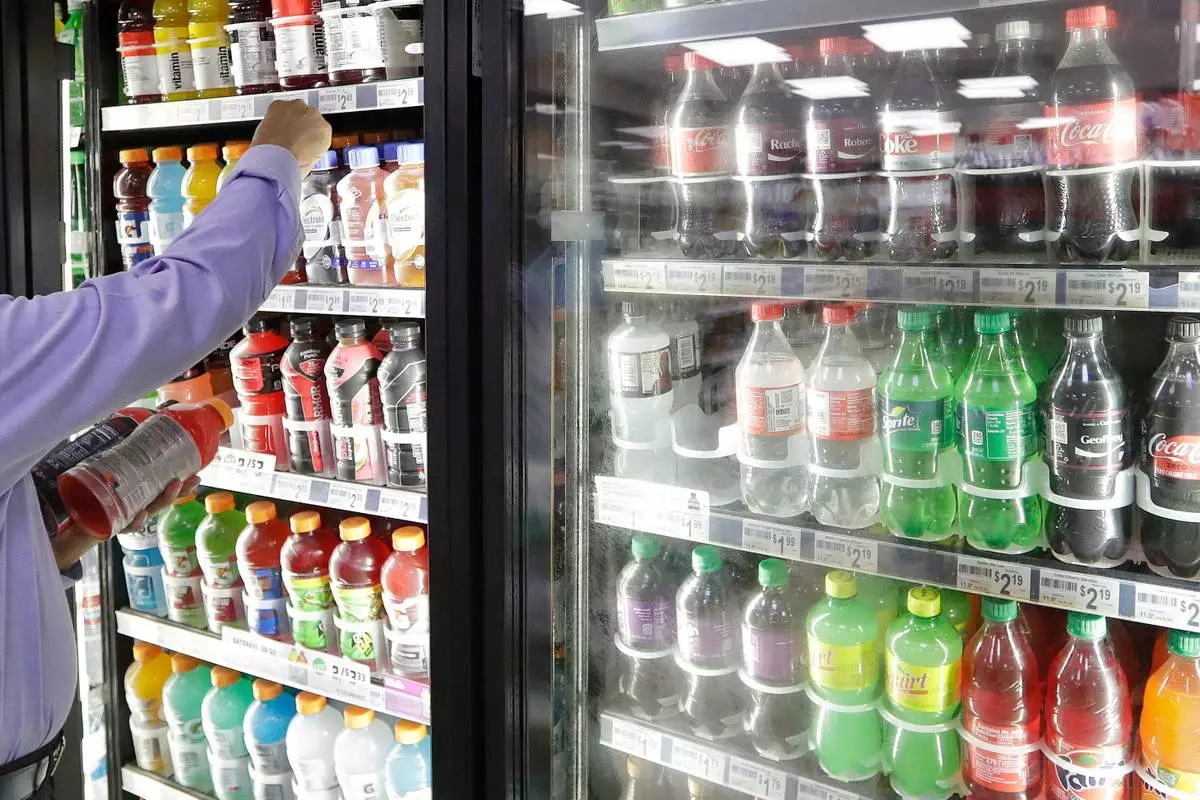
FILE - A shop owner reaches into a drink display refrigerator at his convenience store in Kent, Wash., Oct. 1, 2018. (AP Photo/Elaine Thompson, File)