NEW YORK (AP) — Sysco, the nation's largest food distributor, will acquire supplier Restaurant Depot in a deal worth more than $29 billion.
The acquisition would create a closer link between Sysco and its customers that right now turn to Restaurant Depot for supplies needed quickly in an industry segment known as “cash-and-carry wholesale.”
Sysco, based in Houston, serves more than 700,000 restaurants, hospitals, schools and hotels, supplying them with everything from butter and eggs to napkins. Those goods are typically acquired ahead of time based on how much traffic that restaurants typically see.
Restaurant Depot offers memberships to mom-and-pop restaurants and other businesses, giving them access to warehouses stocked with supplies for when they run short of what they've purchased from suppliers like Sysco.
It is a fast growing and high-margin segment that will likely mean thousands of restaurants will rely increasingly on Sysco for day-to-day needs.
Restaurant Depot shareholders will receive $21.6 billion in cash and 91.5 million Sysco shares. Based on Sysco’s closing share price of $81.80 as of March 27, 2026, the deal has an enterprise value of about $29.1 billion.
Restaurant Depot was founded in Brooklyn in 1976. The family run business then known as Jetro Restaurant Depot, has become the nation's largest cash-and-carry wholesaler.
The boards of both companies have approved the acquisition, but it would still need regulatory approval.
Shares of Sysco Corp. tumbled 13% Monday to $71.26, an initial decline some industry analysts expected given the cost of the deal.
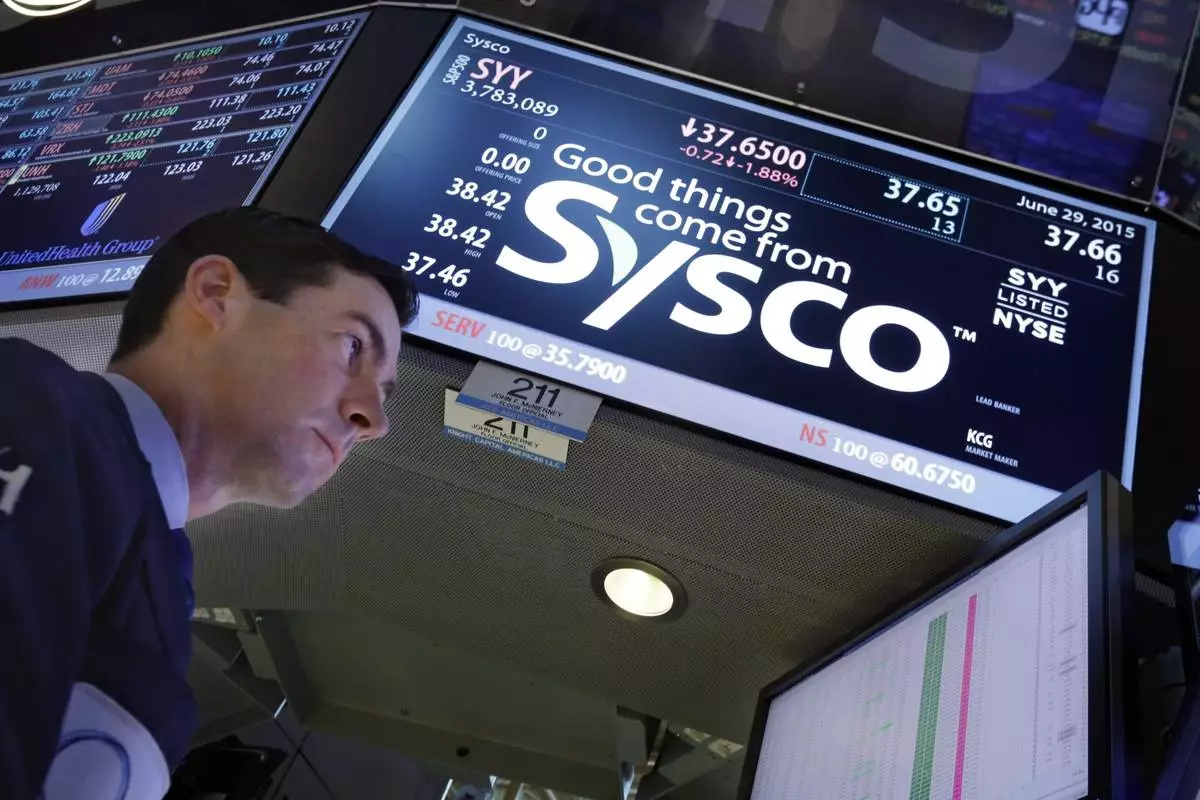
FILE - Specialist John McNierney works at the post that handles Sysco, on the floor of the New York Stock Exchange, Monday, June 29, 2015. (AP Photo/Richard Drew, file)
WESTBROOK, Maine--(BUSINESS WIRE)--May 19, 2026--
IDEXX Laboratories, Inc. (NASDAQ: IDXX), a global leader in pet healthcare innovation, today announced that SDMA, a renal biomarker, will be built into Catalyst™ CLIPs, making complete kidney function evaluation part of the most common point-of-care chemistry profiles. Available beginning in June to customers in the United States and Canada, the integration expands access to advanced kidney assessment at scale, enabling veterinarians to identify kidney function loss earlier and act sooner, without disrupting familiar workflows.
This press release features multimedia. View the full release here: https://www.businesswire.com/news/home/20260519642899/en/
Supported by peer-reviewed studies using the IDEXX SDMA™ Test, SDMA is recognized by the International Renal Interest Society (IRIS) as a key biomarker for evaluating kidney function in pets. 1 Since introducing the IDEXX SDMA™ Test in 2015, IDEXX has performed approximately 119 million SDMA patient tests globally primarily through its reference laboratories and increasingly on the Catalyst platform, 2 underscoring the test’s clinical importance and broad adoption in kidney health evaluation. Results are seamlessly integrated into VetConnect™ PLUS, alongside other diagnostic data.
“SDMA is a clear example of how IDEXX innovates by developing clinically relevant diagnostics and then scaling their impact through platforms veterinarians already use every day,” said Mike Erickson, President and CEO of IDEXX. “Earlier insight enables earlier action, improving outcomes for pets, strengthening care experiences, and supporting durable, long-term growth for veterinary practices and IDEXX.”
Chronic kidney disease (CKD) is common in dogs and cats and frequently unrecognized, particularly early in the disease. Clinical evidence continues to show that including SDMA in routine diagnostic testing enables earlier detection of meaningful declines in kidney function that conventional markers alone may miss. 3–6 In addition, a study, published in the Journal of the American Veterinary Medical Association, found that cats with early-stage CKD treated with a renal diet experienced slower disease progression and improved survival. 7
“Kidney disease is common in both cats and dogs, so early evaluation is important,” said Dr. Christine Kirnos, VMD, The Cat Hospital of Media.* “Making SDMA easier to incorporate into routine in-clinic chemistry testing helps us assess kidney health more consistently and provides meaningful insight during the patient visit.”
For more information, please visit the Catalyst testing web page.
*Dr. Kirnos has received compensation for consulting services she has provided to IDEXX.
References
About IDEXX
IDEXX is a global leader in pet healthcare innovation. Our diagnostic and software products and services create clarity in the complex, constantly evolving world of veterinary medicine. We support longer, fuller lives for pets by delivering insights and solutions that help the veterinary community around the world make confident decisions—to advance medical care, improve efficiency, and build thriving practices. Our innovations also help ensure the safety of milk and water across the world and maintain the health and well-being of people and livestock. IDEXX Laboratories, Inc. is a member of the S&P 500™ Index. Headquartered in Maine, IDEXX employs approximately 11,000 people and offers solutions and products to customers in more than 175 countries and territories. For more information about IDEXX, visit: www.idexx.com.
Note Regarding Forward-Looking Statements
This news release contains or may contain forward-looking statements within the meaning of the Private Securities Litigation Reform Act of 1995. Forward-looking statements can be identified by the use of words such as “expects,” “may,” “anticipates,” “intends,” “would,” “will,” “plans,” “believes,” “estimates,” “should,” “project,” and similar words and expressions. These forward-looking statements are intended to provide our current expectations or forecasts of future events; are based on current estimates, projections, beliefs, and assumptions; and are not guarantees of future performance. Actual events or results may differ materially from those described in the forward-looking statements. These statements are subject to risks, uncertainties, assumptions, and other important factors. Readers are cautioned not to put undue reliance on such forward-looking statements because actual results may vary materially from those expressed or implied. The reports filed by IDEXX pursuant to United States securities laws contain discussions of some of these risks and uncertainties. IDEXX assumes no obligation to, and expressly disclaims any obligation to, update or revise any forward-looking statements, whether as a result of new information, future events, or otherwise. Readers are advised to review IDEXX’s filings with the United States Securities and Exchange Commission (which are available from the SEC’s EDGAR database at sec.gov and via IDEXX’s website at idexx.com).
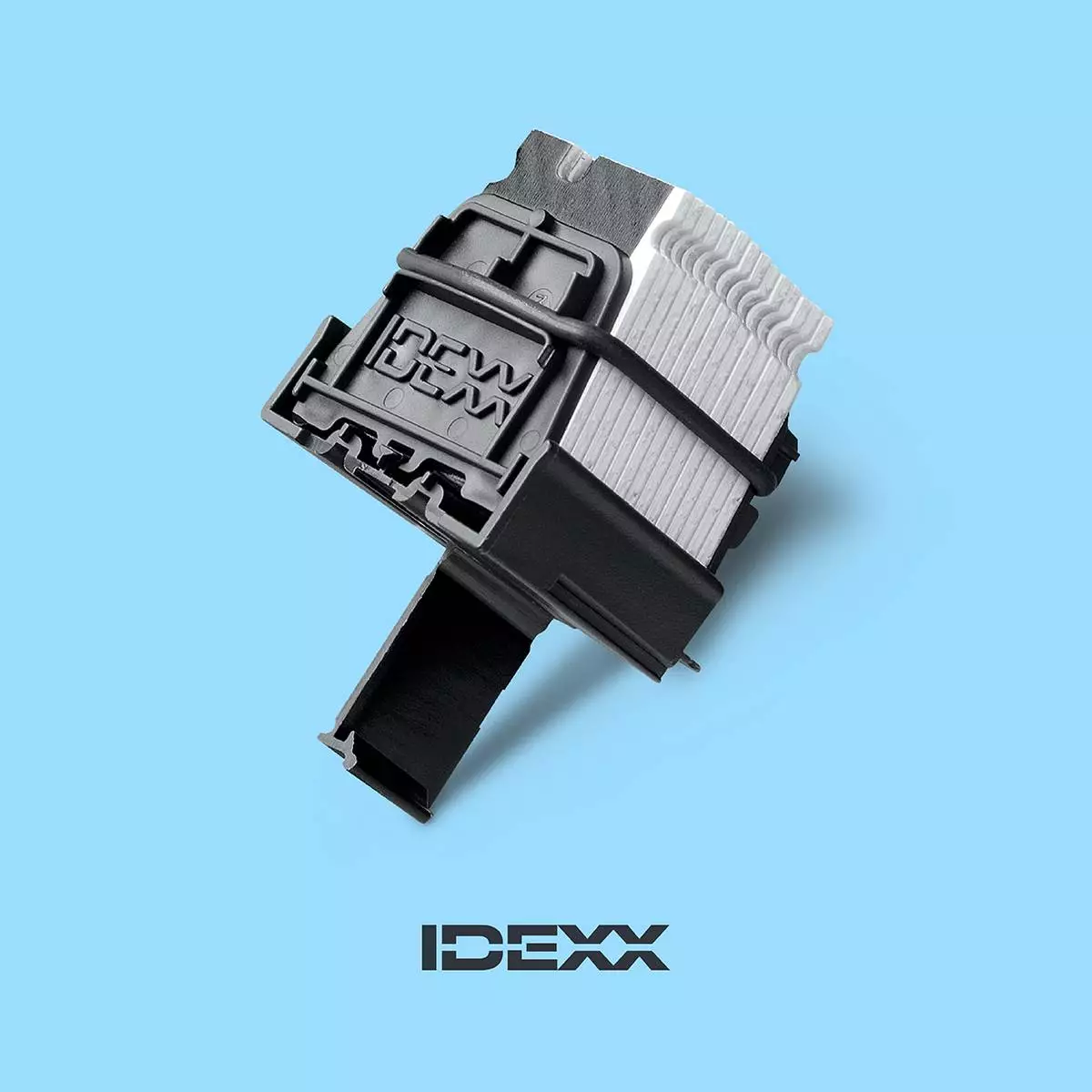
Catalyst SDMA Testing