NICOSIA, Cyprus (AP) — Skyrocketing oil and gas prices in Europe as a result of the ongoing Iran war won't return to normal levels any time soon, even if peace is declared tomorrow, the European Union's energy commissioner warned Tuesday.
Commissioner Dan Jørgensen said although there are no immediate oil and gas supply shortages in the 27-member bloc, there's pressure on diesel and jet fuel supply as well as “increasing constraints” in global gas markets that are resulting in higher electricity prices.
Click to Gallery
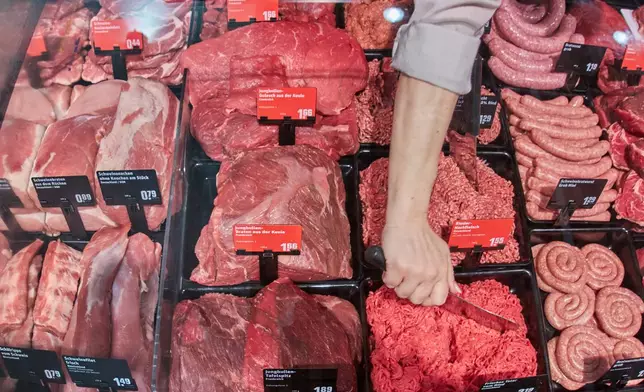
A woman works at the meat counter of a super market in Wehrheim near Frankfurt, Germany, Tuesday, March 31, 2026. (AP Photo/Michael Probst)
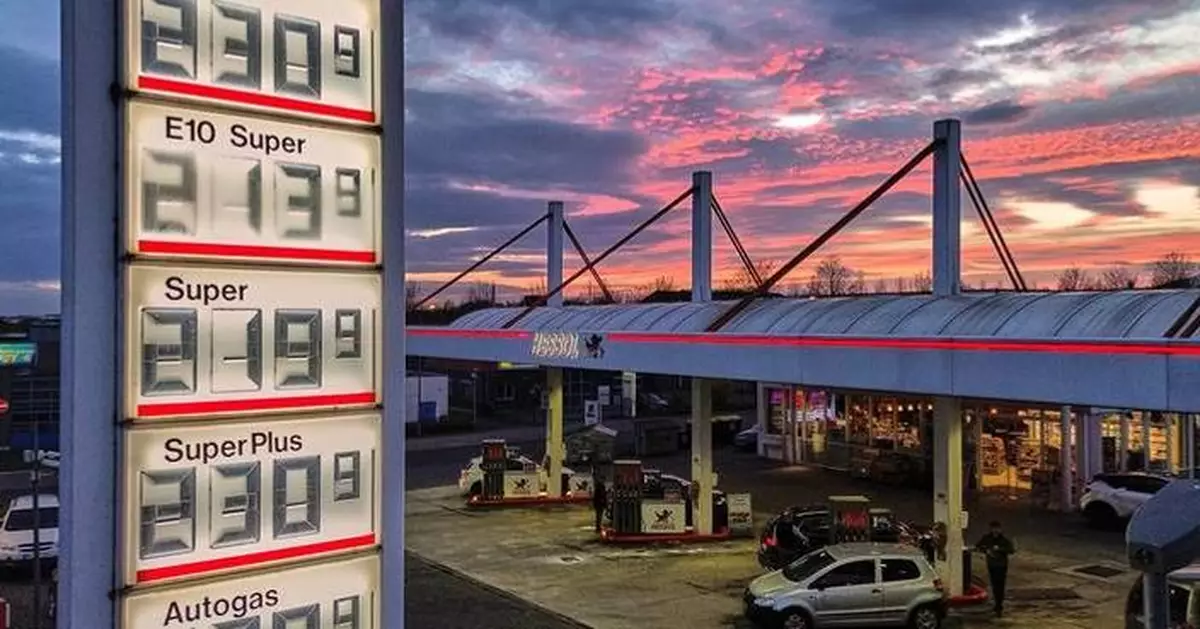
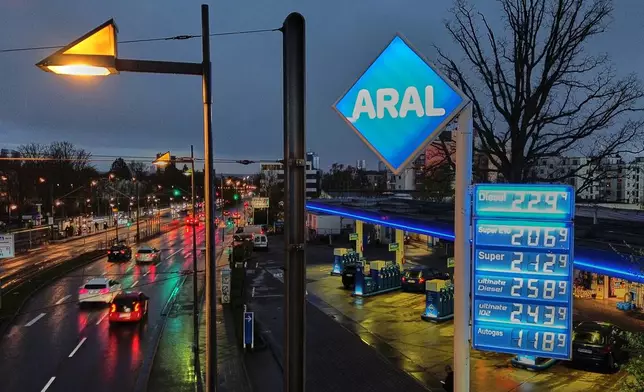
Fuel prices are listed at a gas station in Frankfurt, Germany, Monday, March 30, 2026. (AP Photo/Michael Probst)
Vegetables in a super market are pictured in Wehrheim near Frankfurt, Germany, Tuesday, March 31, 2026. (AP Photo/Michael Probst)
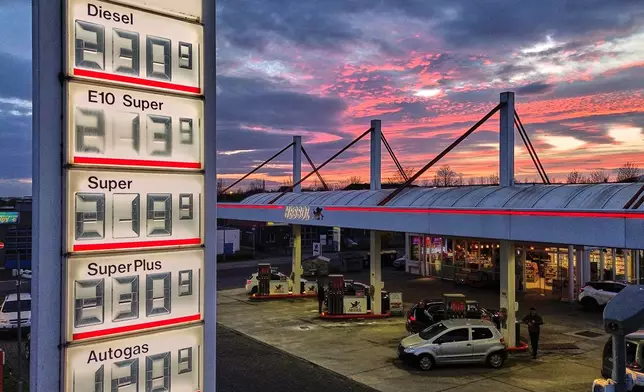
The sun has set behind a gas station in Frankfurt, Germany, Tuesday, March 31, 2026. (AP Photo/Michael Probst)
“What I find extremely important is to state as clearly as I can, that even if that peace is here tomorrow, still we will not go back to normal in a foreseeable future,” Jørgensen told a news conference after a meeting of EU energy ministers.
He said the EU's executive arm is preparing a string of measures designed to help families and businesses weather the huge spike in oil prices that have resulted in about a 70% price hike for gas and 60% for oil in Europe. Since the start of the war, the EU’s bill for imported fossil fuels has jumped by 14 billion euros, according to Jørgensen.
Closely coordinated action between all EU members is necessary to “avoid fragmented national responses and disruptive signals to the markets,” he said.
The “toolbox” of measures now in the works will be unveiled “quite soon” and will include ways to make it easier for states to decouple gas prices from electricity prices, the commissioner said. He added that a tax cut on electricity, as suggested by Commission President Ursula von der Leyen is also being weighed.
Jørgensen said although he doesn’t foresee a repeat of the 2022 natural gas crisis where companies reaped huge profits from a massive gas price hike, a one-time “windfall tax” on such companies “is a possibility.”
There are now “good opportunities” for member states to financially support vulnerable groups or industries now under “extraordinary stress” and that the Commission would make “these possibilities even simpler and wider,” said Jørgensen.
Jørgensen also encouraged EU members to consider the International Energy Agency’s 10-point plan which includes work from home, reduced highway speeds, encouraging public transport and increasing car sharing.
He said the EU stands by its ban on Russian gas purchases, which is meant to reduce dependence on Russian gas and choke off funding for Russia's war in Ukraine. Reliance on Russian gas dropped from 45% before the war to 10% now and will be reduced to zero once imports from other suppliers ramp up, especially from the U.S. The EU is looking at new energy sources from Azerbaijan, Algeria and Canada as well as smaller producers around the world.
The commissioner warned the EU should never “repeat the mistakes of the past allowing Putin to weaponize energy against us and blackmail member states.” He added that “it would be totally unacceptable” for the EU to continue buying energy that would “indirectly help finance the terrible war that Putin is conducting in Ukraine.”

A woman works at the meat counter of a super market in Wehrheim near Frankfurt, Germany, Tuesday, March 31, 2026. (AP Photo/Michael Probst)
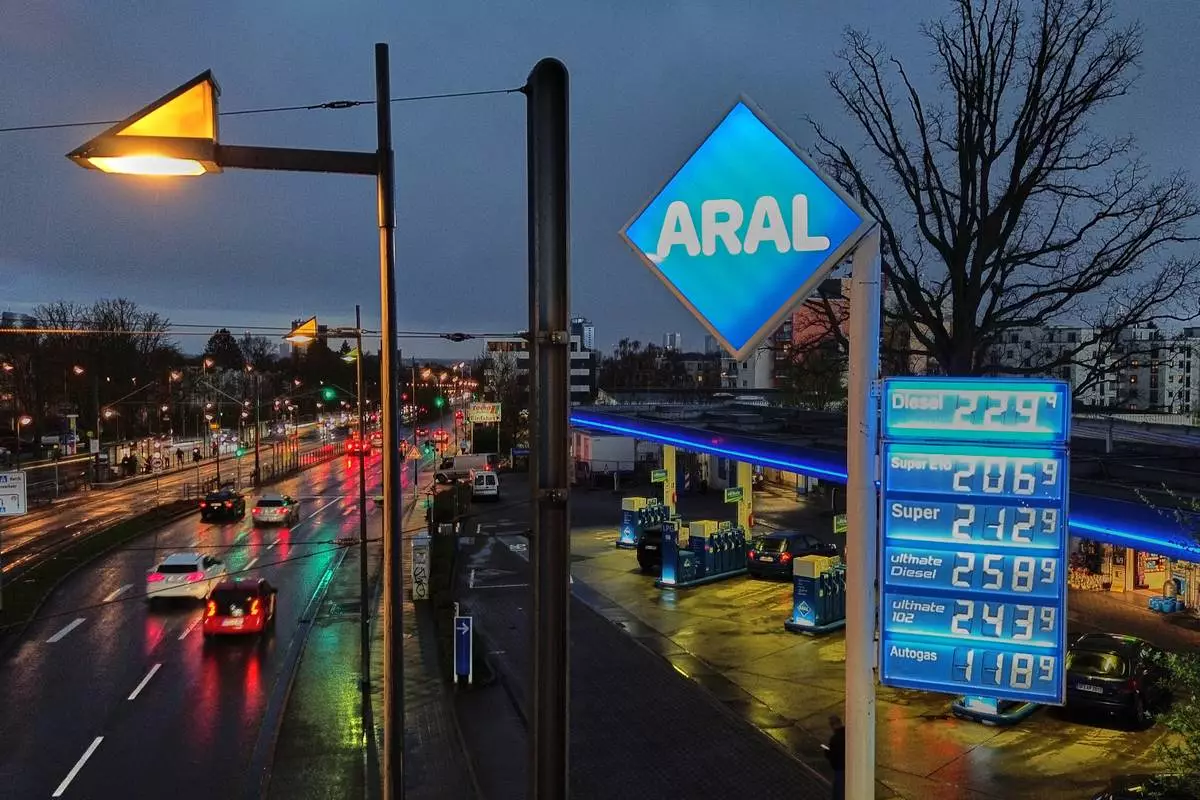
Fuel prices are listed at a gas station in Frankfurt, Germany, Monday, March 30, 2026. (AP Photo/Michael Probst)
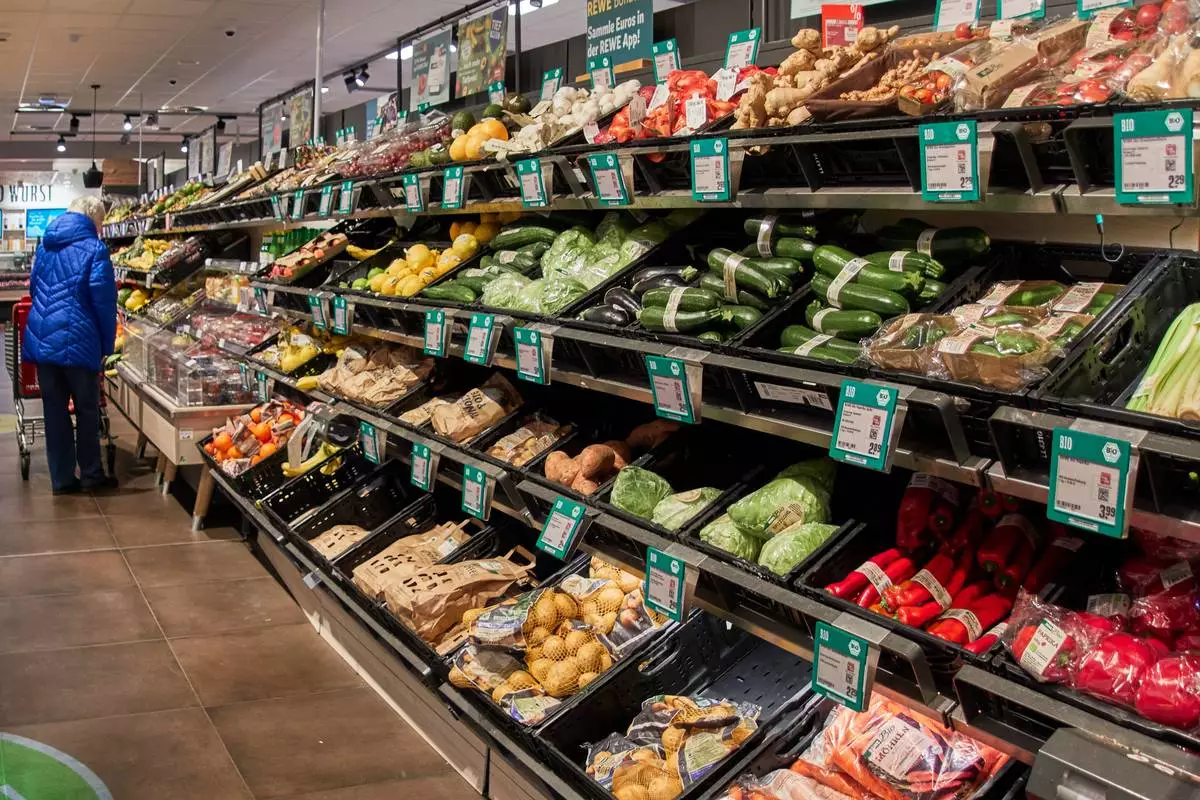
Vegetables in a super market are pictured in Wehrheim near Frankfurt, Germany, Tuesday, March 31, 2026. (AP Photo/Michael Probst)
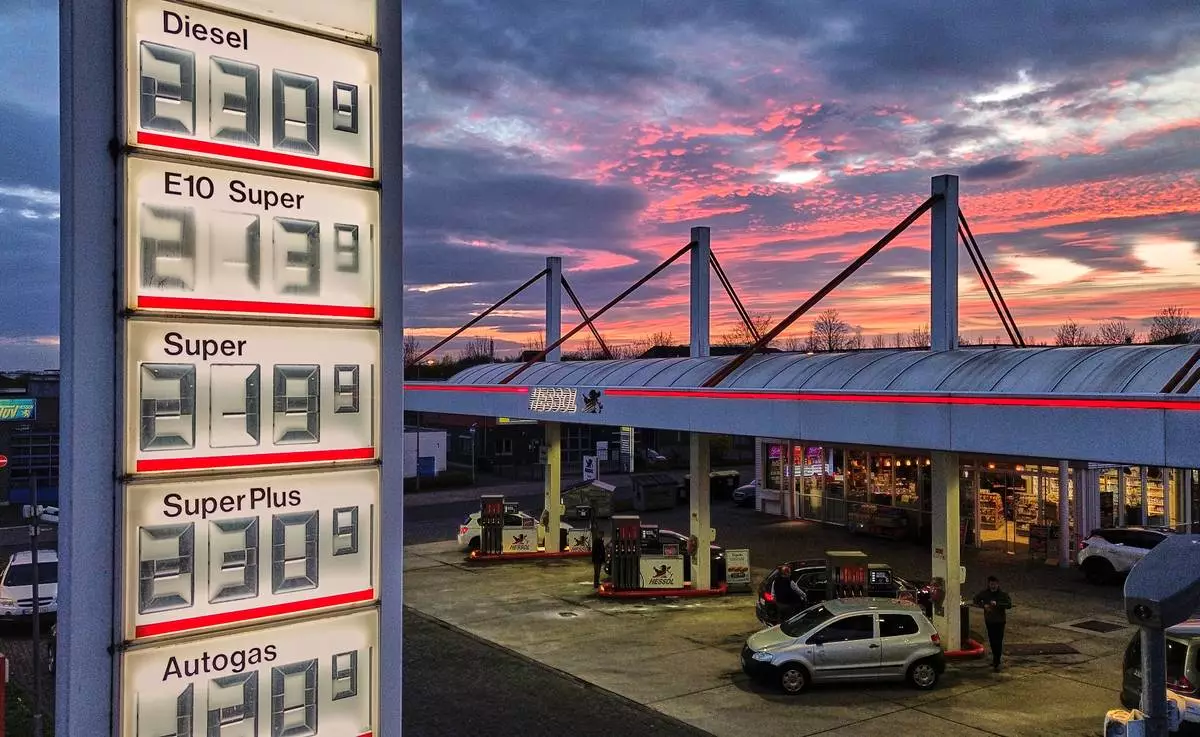
The sun has set behind a gas station in Frankfurt, Germany, Tuesday, March 31, 2026. (AP Photo/Michael Probst)
U.S. President Donald Trump said the military could end its Iran offensive in two to three weeks and will shift responsibility for the Strait of Hormuz to countries that rely on it for oil and shipping as the White House announced a prime-time presidential address Wednesday evening on the war.
Trump expressed frustration Tuesday with allies who have been unwilling to do more to support the U.S. war effort, telling them to “go get your own oil.” Trump recently has vacillated between insisting there is progress in diplomatic talks with Iran and threatening to widen the war.
He said the U.S. “will not have anything to do with” what happens next in the vital waterway that has been closed by the Islamic Republic. Instead, he told reporters, the responsibility for keeping the strait open will rest with countries that rely on it. Gulf states rely on the waterway for both exports and imports, including food, and 20 percent of the world's oil supply flows through it.
U.S. gas prices jumped past an average of $4 a gallon for the first time since 2022 on Tuesday, as the Iran war continues to push fuel prices higher worldwide. Analysts say those high fuel costs will trickle into groceries as businesses’ transportation and packaging costs pile up.
Here is the latest:
Iran’s foreign minister has acknowledged receiving direct messages from U.S. Mideast envoy Steve Witkoff.
The comments by Abbas Araghchi came in an interview with pan-Arab broadcaster Al Jazeera aired late Tuesday. He insisted that the messages didn’t constitute negotiations.
U.S. President Donald Trump has repeatedly described Iran and America has having talks over the war, while Pakistan has been a key intermediary along with Egypt and Turkey during the conflict.
“I receive messages from Witkoff directly, as before, and this does not mean that we are in negotiations,” he said.
He added: “We do not have any faith that negotiations with the U.S. will yield any results. The trust level is at zero.”
Asked about a possible ground offensive by the U.S., Araghchi said “we are waiting for them.”
“We know very well how to defend ourselves,” Araghchi reportedly told the Qatar-based broadcaster. “In a ground war, we can do it even better. We are completely ready to confront any sort of ground attack. We hope they do not make such a mistake.”
Lebanon’s Health Ministry said in a preliminary count early Wednesday 21 people were also wounded in the strike in Jnah.
The strike came without warning, and Israel did not declare the target. When it does, it often says it is targeting operatives from the Hezbollah militant group.
Emergency workers rushed to the scene to search for victims.
Israel’s military warned the public Wednesday a missile was incoming from Yemen, yet another attack from the country’s Houthi rebels who have just entered the war on Iran’s side.
Air raid sirens went off in southern Israel, from Beersheba to the Mediterranean coast.
The warning, just around dawn, broke a long lull, more than 19 hours since the last time Israel’s military warned of an incoming missile launch from Iran, and more than six hours from the last alarms in the northern part of Israel, which in past days received near-constant fire from Hezbollah in Lebanon.
A drone attack by Iran and its allies hit a fuel tank at Kuwait International Airport, sparking a fire, authorities said.
The state-run KUNA news agency said the attack early Wednesday sparked a “large fire” at the airport.
It said there were no immediate injuries from the attack and firefighters were working to control the blaze.
Kuwait International Airport has been attacked before by Iran during the war. The KUNA report suggested the attack may have been launched by Iranian-supported militias in Iraq with Tehran’s support.
In another strike, Bahrain said early on Wednesday morning that it was working to extinguish a fire at a business facility that resulted from an Iranian attack.
Israel said early Wednesday it struck a plant supplying Iran’s theocracy with fentanyl, a powerful synthetic opioid, to allegedly use in a chemical weapons program. Iran acknowledged the strike on Tofigh Daru factory, but insisted it only supplied “hospital drugs” used in medical operations.
The strike happened Tuesday, both the Israelis and the Iranians said.
Iranian Foreign Minister Abbas Araghchi posted a picture of the factory in Tehran, writing on X: “The war criminals in Israel are now openly and unashamedly bombing pharmaceutical companies.”
Hospitals extensively use fentanyl to treat severe pain. But a small amount of the drug can be fatal.
Both Israel and the United States have warned in recent years Iran was experimenting with fentanyl in munitions. The U.S. previously pointed to Iranian academic research studying how Russia likely used a fentanyl derivative during the 2002 Moscow theater hostage seizure by Chechen militants.
Israel alleged Tofigh Daru supplied fentanyl to an advanced research institute in Tehran, known by its acronym SPND. The U.S alleges SPND has conducted research and testing that could be applicable to the development of nuclear explosive devices and other weapons.
The United Arab Emirates has barred Iranians from entering or transiting the country as the war rages, three major airlines said Wednesday.
Long-haul carriers Emirates and Etihad, as well as the lower-cost airline FlyDubai, made the announcements on their websites.
Entry rules can sometimes be opaque in the autocratic United Arab Emirates, a federation of seven sheikhdoms, the three airlines agreed on the order. It said holders of 10-year Golden Visa residency permits could still enter the country.
Authorities have offered no official comment. But Dubai has already shut down the city-state’s Iranian Hospital and Iranian Club, institutions that date back to the time of the shah.
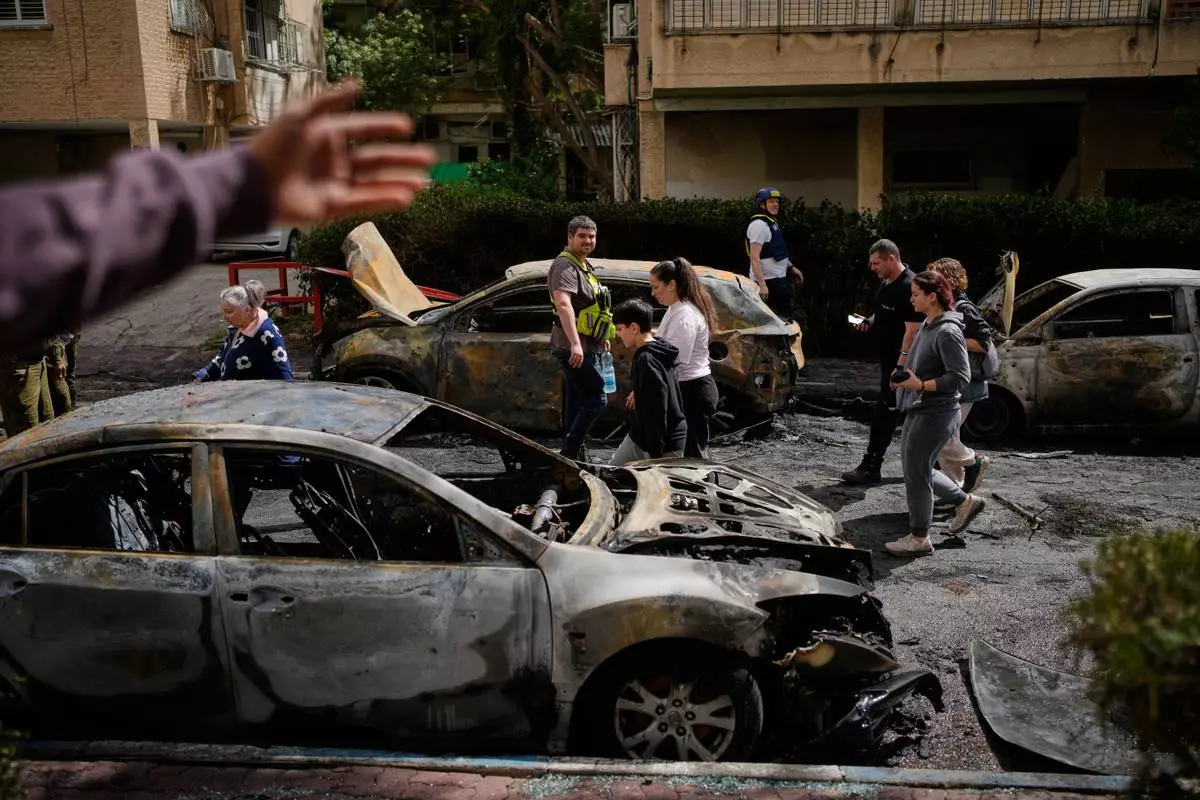
Residents and Israeli security forces inspect a site struck by an Iranian missile in Petah Tikva, Israel, Tuesday, March 31, 2026. (AP Photo/Ohad Zwigenberg)
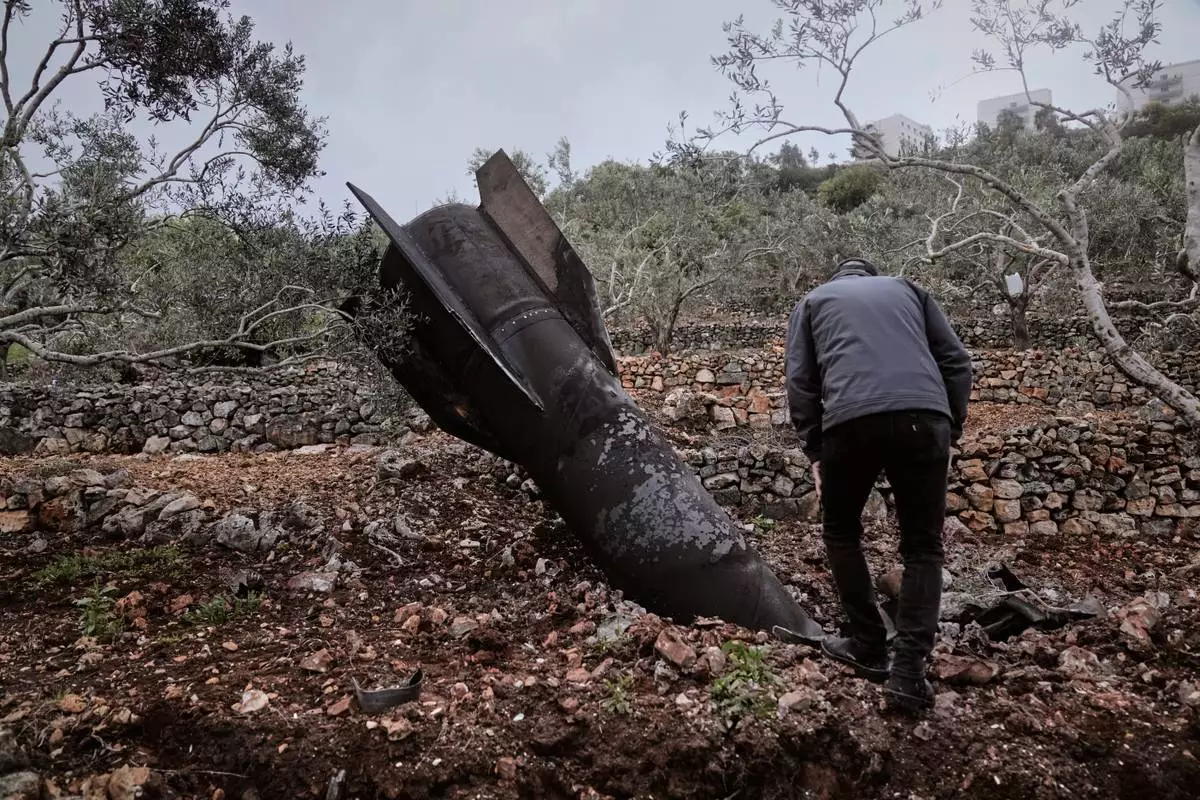
A man inspect the wreckage of an Iranian missile that landed near the West Bank village of Marda, Tuesday, March 31, 2026. (AP Photo/Majdi Mohammed)
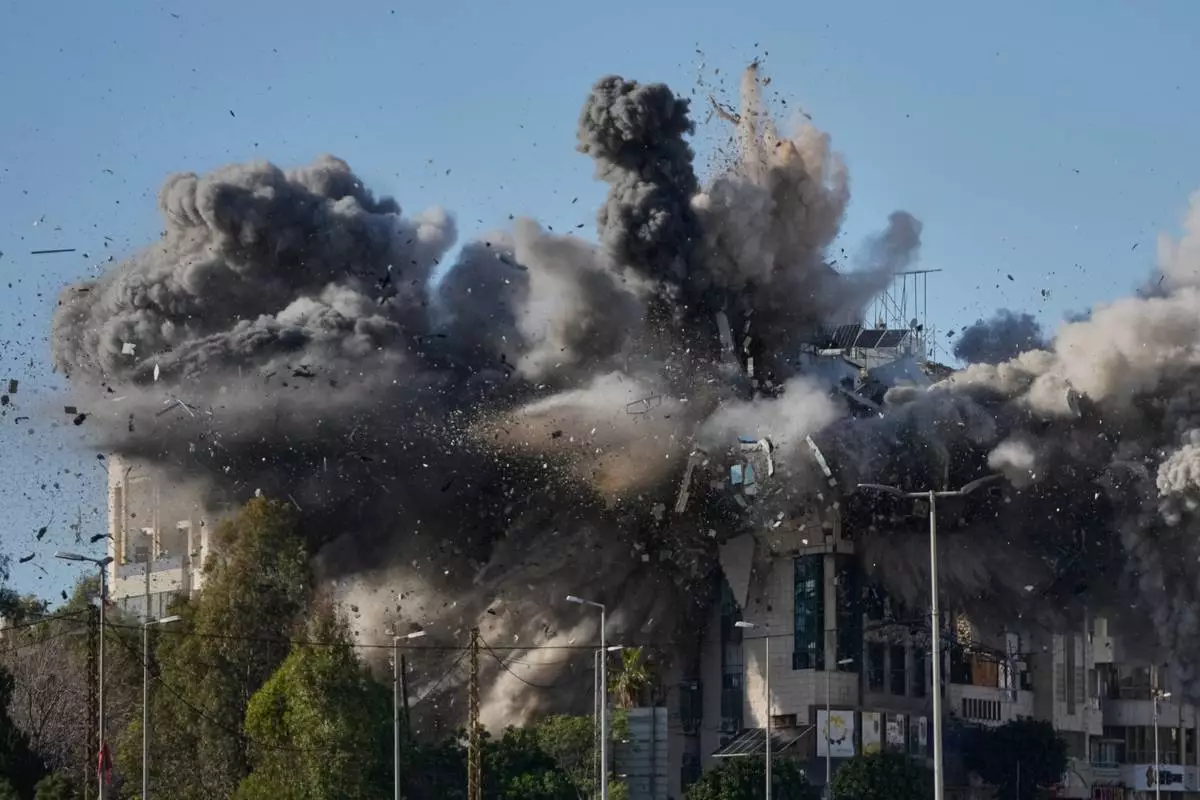
Smoke rises after an Israeli airstrike hits a building near the airport road in Beirut, Lebanon, Tuesday, March 31, 2026. (AP Photo/Hussein Malla)
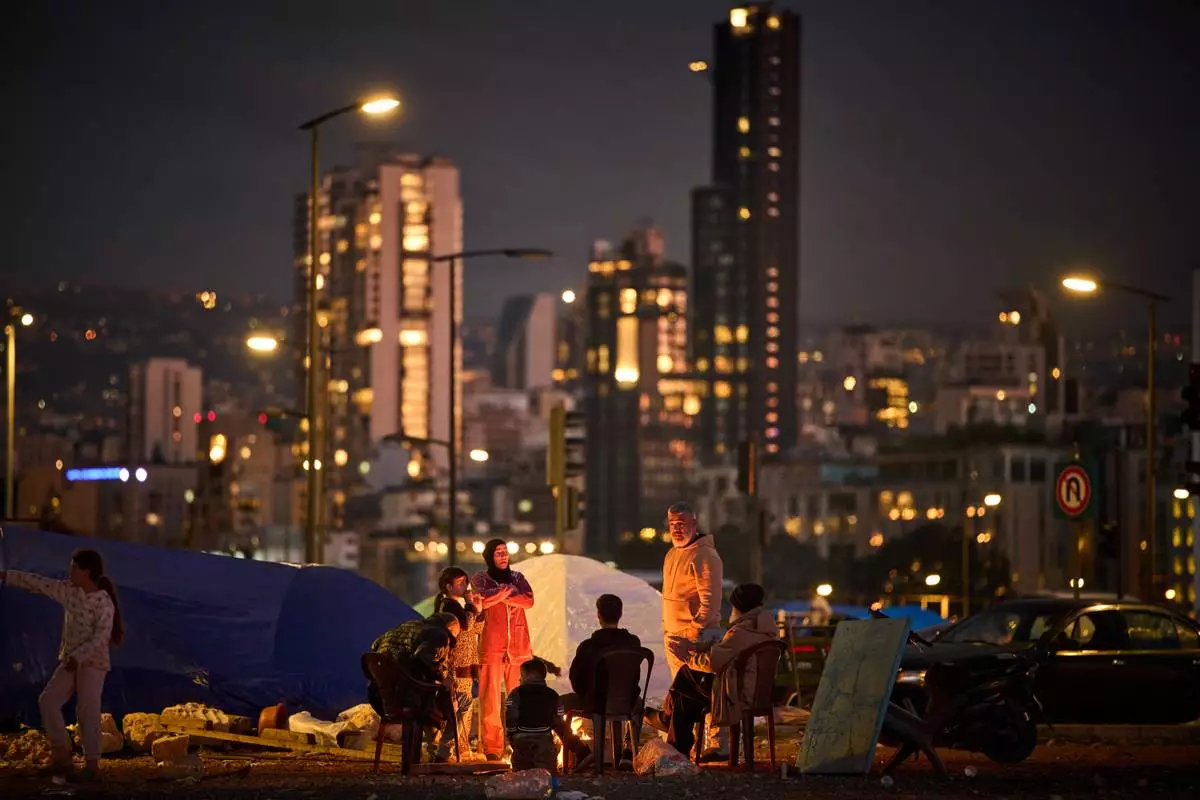
A family who fled Israeli shelling in southern Lebanon warm themselves by a bonfire next to tents used as shelters in Beirut, Lebanon, Tuesday, March 31, 2026. (AP Photo/Emilio Morenatti)